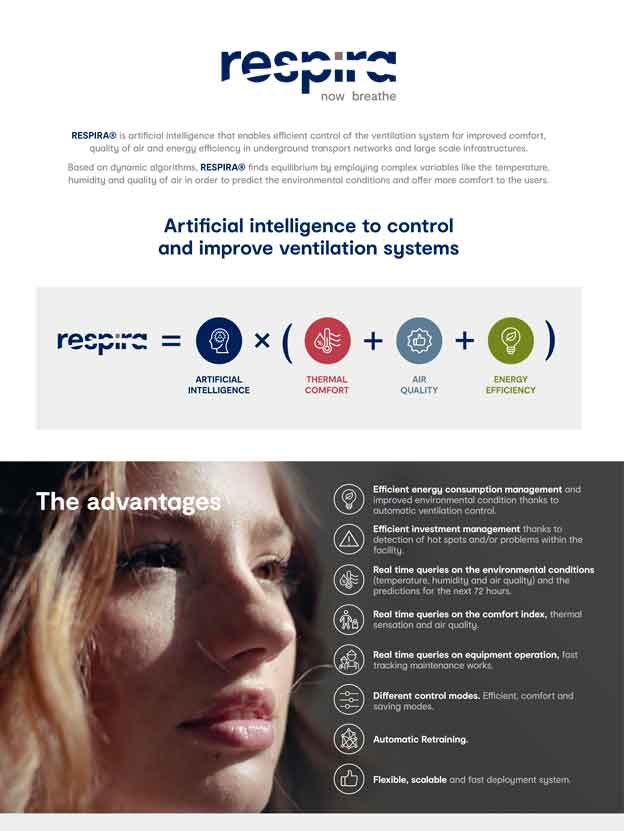
RESPIRA® – Artificial Intelligence to control and improve Ventilation Systems

10.14.2020 pdf

RESPIRA® – Artificial Intelligence to control and improve Ventilation Systems

10.14.2020
Format: pdf

RESPIRA® is an Artificial Intelligence (AI)-based ventilation system, developed by SENER, that improves the comfort, quality air and energy efficiency in underground transport networks and large scale infrastructures.

Shaping the future of digital radio and television around the world

Defence

Communications

Broadcast

Shaping the future of digital radio and television around the world

Broadcast solutions

Case of success

To meet the greatest technological challenges, we design and manufacture passive broadcast transmission equipment (radiant systems, filters, power combiners, transmission lines and any associated coaxial accessories), and it provides system installation, monitoring and start-up services.

PDF

Broadcast catallogue

Format: PDF

10,44 MB

Antennas and pedestals for Air Traffic Control

Transportation

Aviation

Air Traffic control (transport)

Antennas and pedestals for Air Traffic Control

Case of success

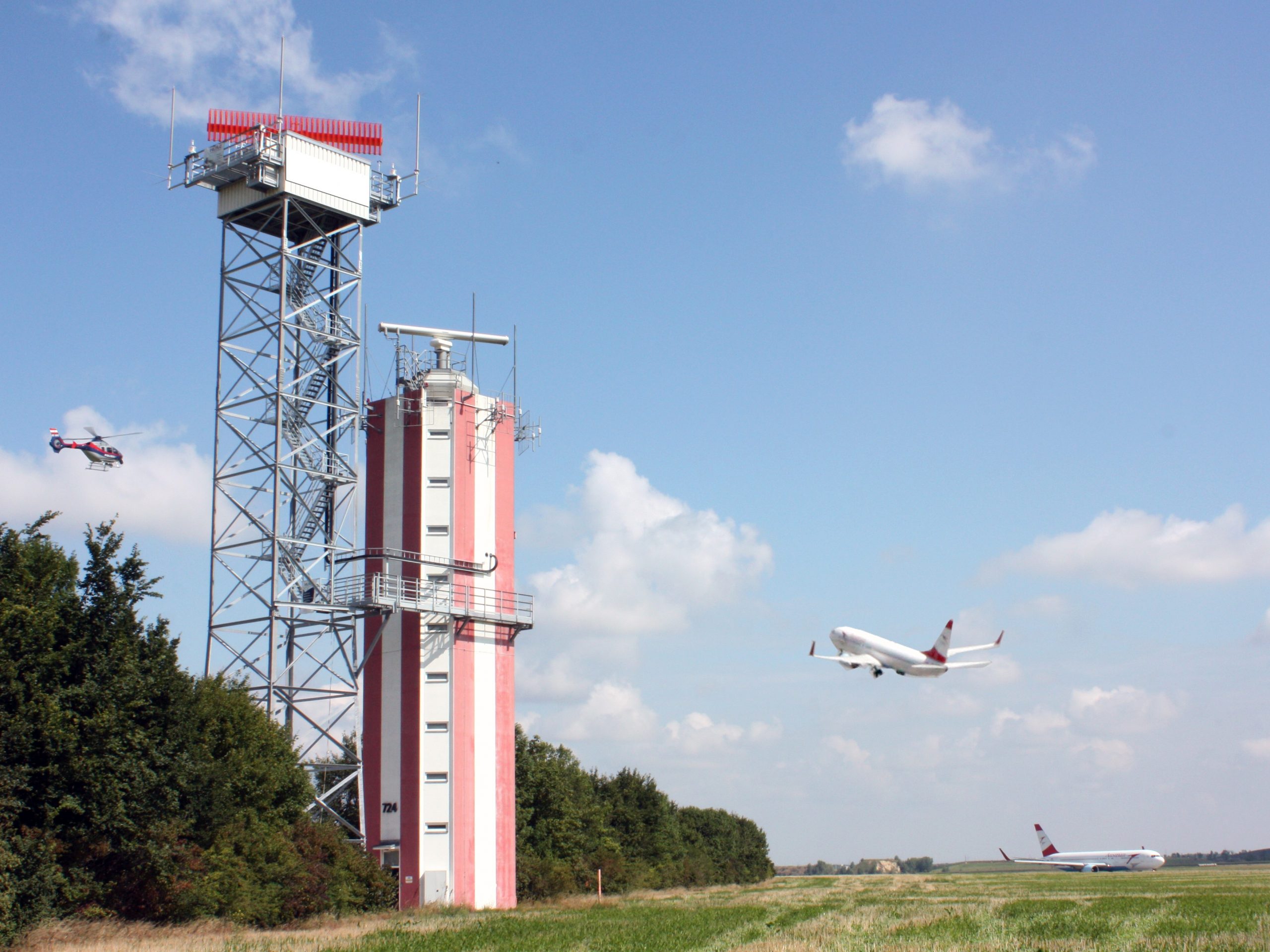
In Air Traffic Control, at Sener Aeroespacial we offer various antenna, pedestal and passive RF solutions for surveillance systems for both civilian and military applications, including L-band secondary radar systems for fixed and movable locations, S-band primary radar systems, ADS-B and DVOR systems.


PDF

Product catalogue

Format: PDF

1,19 MB

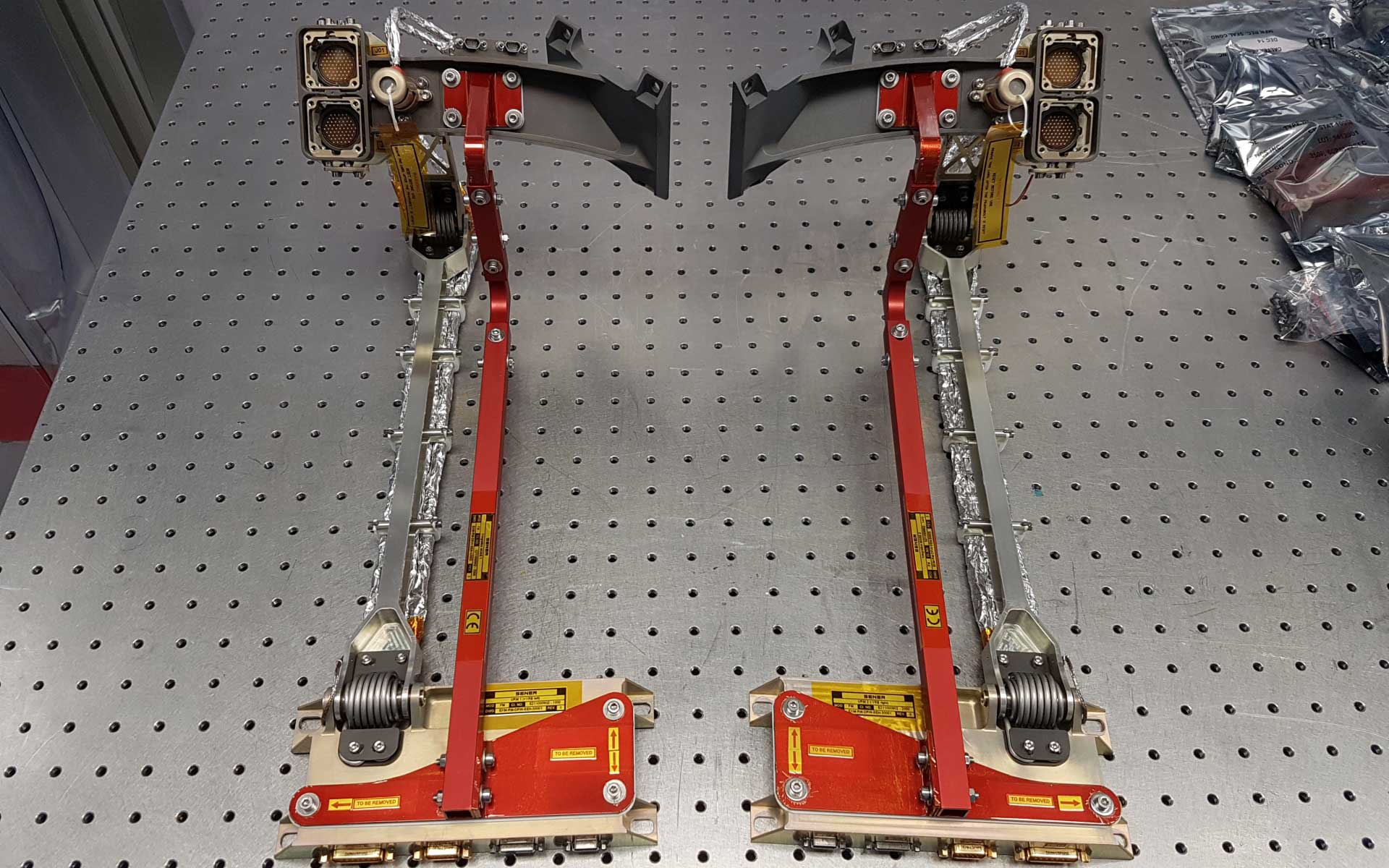
SENER Aeroespacial delivers the flight model of the Umbilical Release Mechanism for ExoMars 2020

SENER Aeroespacial delivers the flight model of the Umbilical Release Mechanism for ExoMars 2020

18/09/2019

The device provide a mechanical support for the harness of the Rosalind Franklin Rover during launch, cruise, entry, descent and after landing on the surface of the red planet and are key to the success of the European Space Agency’s mission.

SENER Aeroespacial, a company that is part of the SENER engineering and technology group, has delivered the flight model of the «umbilical cord» for the ExoMars mission, as part of the contract signed with the British Airbus Defense & Space which is responsible for integration and delivery of the Mars rover. The prime of the entire mission is Thales Alenia Space Italia.

This contract adds to several others awarded to SENER in the ExoMars mission: the company has been responsible for three of the mechanisms for the Rover’s Drill. These mechanisms will enable drilling of the Martian soil to a depth of two meters; besides, SENER Aeroespacial is also in charge of the hold down and deployment mechanisms for the vehicle’s solar array and has also produced the Special Check Out Equipment (SCOE) for the Guidance, Navigation and Control (GNC) subsystem. Finally, SENER Aeroespacial is also supporting the mission by analyzing and checking the GNC subsystem in terms of its performance and assessing the verification of the related requirements.

SENER Aeroespacial will explain this comprehensive work during the 18th bi-annual European Space Mechanisms and Tribology Symposium (ESMATS) held in Munich (Germany) from the 18th-20th September 2019. At this event, SENER Aeroespacial will be showing its space capabilities on its own booth, and engineers from the company will be presenting papers of different equipment for: the science missions JUICE (‘Magnetometer Boom Subsystem for JUICE’) and Euclid (‘Euclid Antenna Deployment and Pointing Mechanism’); Earth Observation (‘Meteosat Third Generation scan assembly qualification testing’); mechanical products for commercial space (‘Non-explosive release actuator development and qualification’); and the Umbilical Release Mechanism (‘Umbilical release mechanisms (URM) for ExoMars2020 mission’); this last one regarding SENER’s role in ExoMars.

The ExoMars mission (Exobiology on Mars) is a joint venture of the European Space Agency (ESA) and the Russian Roscosmos. The goal of the mission is to look for traces of life on Mars and better preparation for future manned missions on this planet.

Regarding the umbilical cord for Exomars, engineers from SENER Aeroespacial have been working on this equipment since 2015. The company was responsible for the whole project – from the concept stage, through manufacturing and tests to the delivery of flight models, which in 2021 are to land on Mars.

When entering the atmosphere of Mars, the Rover, named after Rosalind Franklin, will be inside the lander. After reaching the surface, the lander will unfold the solar panels and start charging the Rover battery. During the flight from Earth to Mars, as well as during the start-up of the robot, the power supply and signals will be transmitted through the connection created by SENER Aeroespacial. After charging, the rover will lift on the wheels, and then the «umbilical cord» will detach itself to allow the vehicle to go to the surface of Mars and start testing. The system designed and manufactured by SENER Aeroespacial consists of two devices – the primary and the redundant one. The trip to Mars itself is a challenge because of the extreme conditions of the interplanetary space, characterized by high radiation and temperatures of down to -135 degrees Celsius. The mechanism will also be exposed to the heavy conditions of taking off from Earth and landing on Mars, as well as on the pollination and atmospheric conditions of the planet.

SENER Aeroespacial has been a leading supplier of high performance aerospace systems for Space, Defence and Science for more than 50 years, with high added value technological developments. In Space, it supplies electromechanical components and systems, navigation systems (GNC/AOCS), communications, astronomy and optics systems for Space, and it is currently participating in the main programs of ESA and NASA (including Euclid, Meteosat Third Generation, Solar Orbiter, JUICE, Proba-3, Hubble, Galileo, Rosetta, Gaia, Herschel and Planck, IXV, BepiColombo and Mars 2020) and the European Space Observatory; in the Space commercial market, is a leading supplier of telemetry and telecommand antennas and a regular supplier of all types of antennas, passive equipment and radio frequency assets for the leading international manufacturers of communications satellites, even in programs for the so called New Space. In Defence, it develops electromechanical systems, COMINT (communications intelligence) and communications links (D-Link), as well as helicopter modernization services. In Astronomy and Science, it produces precision mechanical equipment for terrestrial telescopes and engineering services. And, finally, its ATC & Broadcast division is a supplier of antennas and passive units.

09

Press Release

Format: 09

101,6 KB

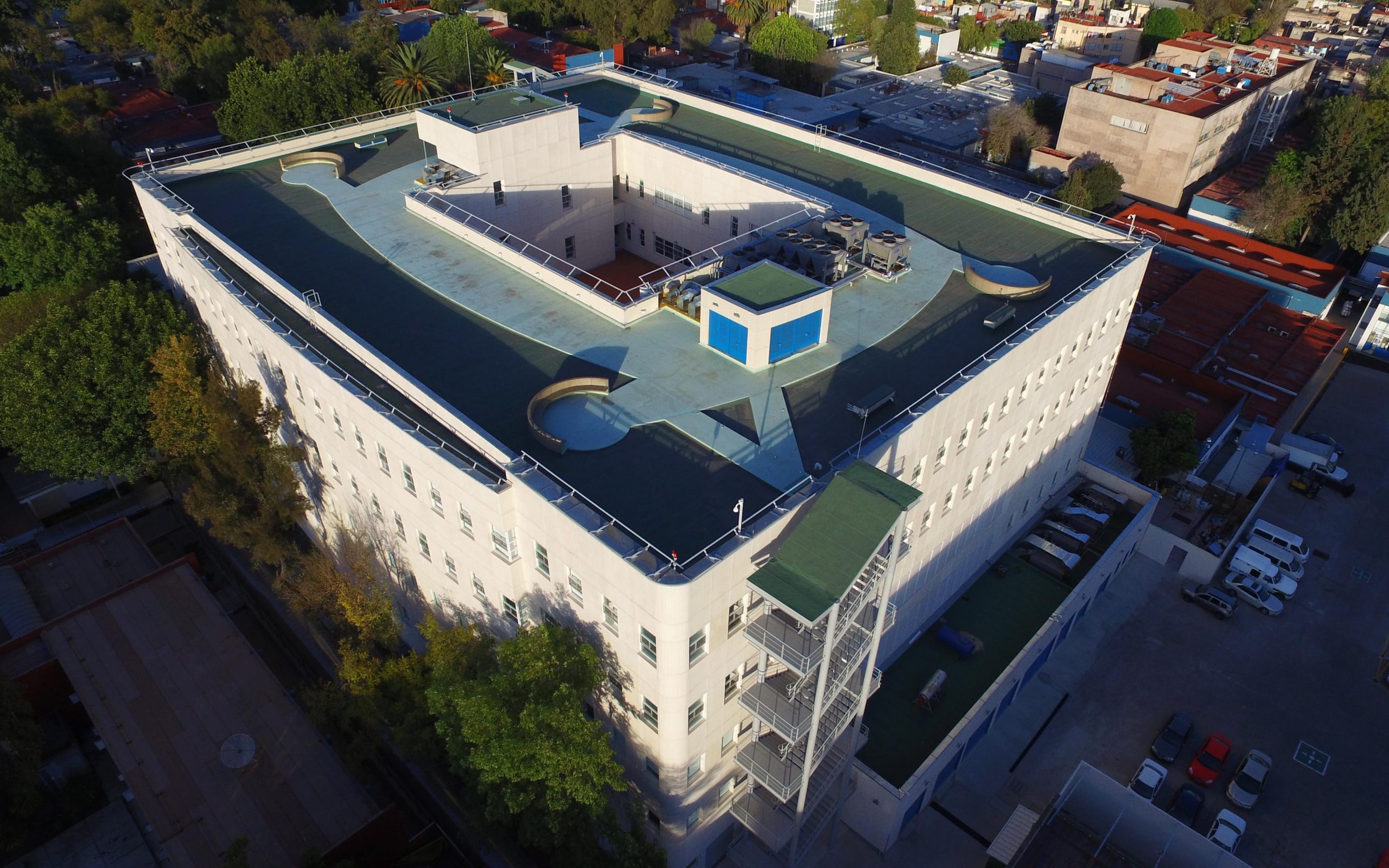
Design and construction of hospitals

06.14.2019 pdf

Design and construction of hospitals

06.14.2019
Format: pdf

RESPIRA® is an Artificial Intelligence (AI)-based ventilation system, developed by SENER, that improves the comfort, quality air and energy efficiency in underground transport networks and large scale infrastructures.

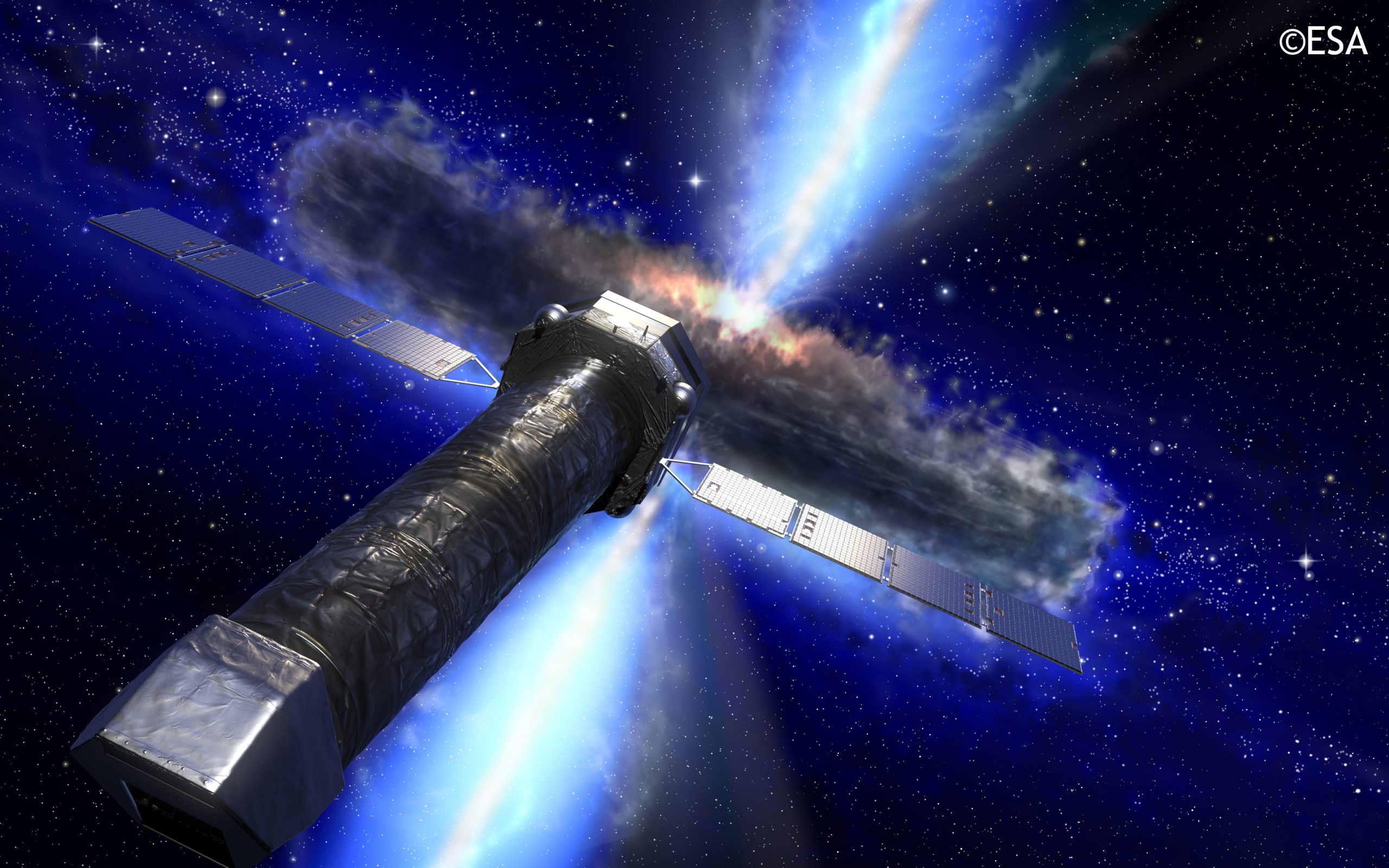
SENER develops the hold down and release actuator for the ATHENA telescope mirror

SENER develops the hold down and release actuator for the ATHENA telescope mirror

13/03/2019

The device provide a mechanical support for the harness of the Rosalind Franklin Rover during launch, cruise, entry, descent and after landing on the surface of the red planet and are key to the success of the European Space Agency’s mission.

SENER Aeroespacial, a company that is part of the SENER engineering and technology group, has delivered the flight model of the «umbilical cord» for the ExoMars mission, as part of the contract signed with the British Airbus Defense & Space which is responsible for integration and delivery of the Mars rover. The prime of the entire mission is Thales Alenia Space Italia.

This contract adds to several others awarded to SENER in the ExoMars mission: the company has been responsible for three of the mechanisms for the Rover’s Drill. These mechanisms will enable drilling of the Martian soil to a depth of two meters; besides, SENER Aeroespacial is also in charge of the hold down and deployment mechanisms for the vehicle’s solar array and has also produced the Special Check Out Equipment (SCOE) for the Guidance, Navigation and Control (GNC) subsystem. Finally, SENER Aeroespacial is also supporting the mission by analyzing and checking the GNC subsystem in terms of its performance and assessing the verification of the related requirements.

SENER Aeroespacial will explain this comprehensive work during the 18th bi-annual European Space Mechanisms and Tribology Symposium (ESMATS) held in Munich (Germany) from the 18th-20th September 2019. At this event, SENER Aeroespacial will be showing its space capabilities on its own booth, and engineers from the company will be presenting papers of different equipment for: the science missions JUICE (‘Magnetometer Boom Subsystem for JUICE’) and Euclid (‘Euclid Antenna Deployment and Pointing Mechanism’); Earth Observation (‘Meteosat Third Generation scan assembly qualification testing’); mechanical products for commercial space (‘Non-explosive release actuator development and qualification’); and the Umbilical Release Mechanism (‘Umbilical release mechanisms (URM) for ExoMars2020 mission’); this last one regarding SENER’s role in ExoMars.

The ExoMars mission (Exobiology on Mars) is a joint venture of the European Space Agency (ESA) and the Russian Roscosmos. The goal of the mission is to look for traces of life on Mars and better preparation for future manned missions on this planet.

Regarding the umbilical cord for Exomars, engineers from SENER Aeroespacial have been working on this equipment since 2015. The company was responsible for the whole project – from the concept stage, through manufacturing and tests to the delivery of flight models, which in 2021 are to land on Mars.

When entering the atmosphere of Mars, the Rover, named after Rosalind Franklin, will be inside the lander. After reaching the surface, the lander will unfold the solar panels and start charging the Rover battery. During the flight from Earth to Mars, as well as during the start-up of the robot, the power supply and signals will be transmitted through the connection created by SENER Aeroespacial. After charging, the rover will lift on the wheels, and then the «umbilical cord» will detach itself to allow the vehicle to go to the surface of Mars and start testing. The system designed and manufactured by SENER Aeroespacial consists of two devices – the primary and the redundant one. The trip to Mars itself is a challenge because of the extreme conditions of the interplanetary space, characterized by high radiation and temperatures of down to -135 degrees Celsius. The mechanism will also be exposed to the heavy conditions of taking off from Earth and landing on Mars, as well as on the pollination and atmospheric conditions of the planet.

SENER Aeroespacial has been a leading supplier of high performance aerospace systems for Space, Defence and Science for more than 50 years, with high added value technological developments. In Space, it supplies electromechanical components and systems, navigation systems (GNC/AOCS), communications, astronomy and optics systems for Space, and it is currently participating in the main programs of ESA and NASA (including Euclid, Meteosat Third Generation, Solar Orbiter, JUICE, Proba-3, Hubble, Galileo, Rosetta, Gaia, Herschel and Planck, IXV, BepiColombo and Mars 2020) and the European Space Observatory; in the Space commercial market, is a leading supplier of telemetry and telecommand antennas and a regular supplier of all types of antennas, passive equipment and radio frequency assets for the leading international manufacturers of communications satellites, even in programs for the so called New Space. In Defence, it develops electromechanical systems, COMINT (communications intelligence) and communications links (D-Link), as well as helicopter modernization services. In Astronomy and Science, it produces precision mechanical equipment for terrestrial telescopes and engineering services. And, finally, its ATC & Broadcast division is a supplier of antennas and passive units.

09

Press Release

Format: 09

101,6 KB

The Sener Group secures five contracts to develop the LOP-Gateway lunar mission

The Sener Group secures five contracts to develop the LOP-Gateway lunar mission

31/01/2019

For the first time, the engineering and technology group Sener has been awarded five contracts for the development phase of a future space station in lunar orbit that is destined to become the next international space station, and which is scheduled to be built in the 2020s as part of the Gateway Project.

The Lunar Orbital Platform-Gateway, LOP-G (previously called the Deep Space Gateway, DSG), is an international project in which the American, Russian, Canadian, Japanese and European space agencies are taking part (NASA, Roscosmos, CSA, JAXA and ESA) in order to design and plan a station in orbit around the Moon, called Cislunar, that can house astronauts for short periods of time. It will be used as an intermediate point for both crewed and robotic space missions on the lunar surface in route to other planets, such as Mars, and even to deep space.

This platform will have several modules: Power and Propulsion, Infrastructure and Telecommunications, Logistics, as well as two Habitation modules and an additional airlock for spacewalks.

The Sener group has entered into five different contracts to carry out this project: For the habitation module (I-HAB), Sener, under contract to Airbus Germany, will be responsible for the design of the four Hatches and the internal secondary structure and for Thales Alenia Space Italia, will define the interfaces for the robotic arms (external and internal). For both companies, Sener will also participate in the design of the docking and berthing mechanisms between the I-HAB and the various modules, which will be assembled in orbit.

For the Infrastructure and Telecommunications module (ESPRIT), under contract to Thales Alenia Space France, Sener will perform an assessment on the motorised Hatch, the communication antenna pointing mechanism and the robotic arm interfaces.

For the lunar landing vehicle that will later be coupled to the station in order to collect lunar soil samples, Sener will undertake the structural design, mechanisms and thermal control, also under Airbus contract.

Finally, within the context of the technological development plan for future ESA missions, the Sener group will carry out, for this agency, the S-band deployable antenna integrated into the lunar ascent module. This antenna, with mechanical pointing capability, will allow the transmission of mission data from the lunar surface as well as telemetry and telecommand communications during the module’s ascent and descent maneuvers.

The Sener group has been, for more than 50 years, a top-tier supplier of electromechanical components and systems, navigation systems (GNC/AOCS), communications, astronomy and optics systems for Space, and it is currently participating in the main programs of ESA and NASA (including, in addition to those already mentioned, Hubble, Galileo, Rosetta, Gaia, Herschel and Planck, IXV, Proba 3, BepiColombo, Solar Orbiter, JUICE, Euclid and ExoMars 2020) and of the European Southern Observatory (ESO). The group stands out as one of the leading suppliers for the ESA’s science programs, for its engineering contributions.


01

Format: 01

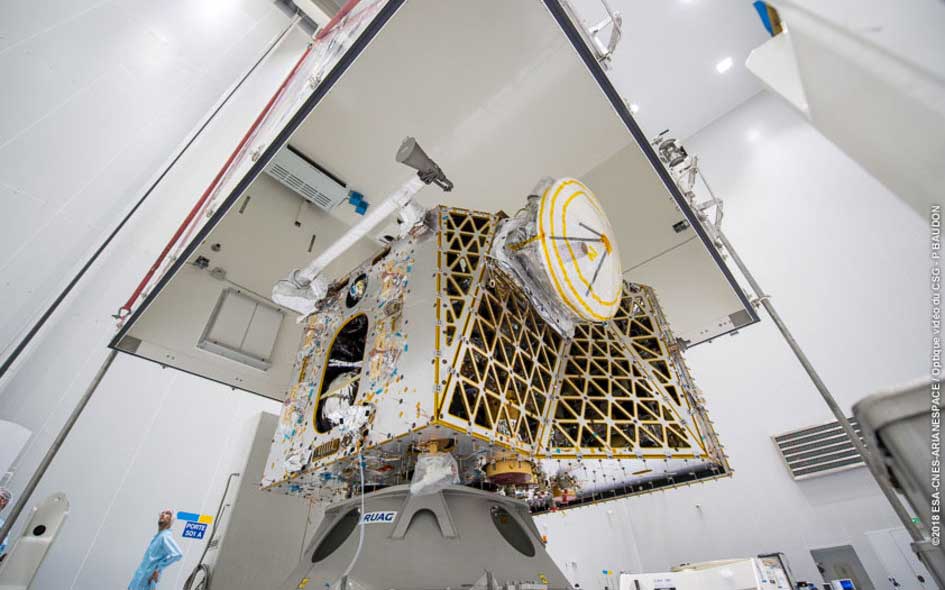
SENER Group’s companies supply the antennas to the BepiColombo satellite

SENER Group’s companies supply the antennas to the BepiColombo satellite

17/10/2018

The device provide a mechanical support for the harness of the Rosalind Franklin Rover during launch, cruise, entry, descent and after landing on the surface of the red planet and are key to the success of the European Space Agency’s mission.

SENER Aeroespacial, a company that is part of the SENER engineering and technology group, has delivered the flight model of the «umbilical cord» for the ExoMars mission, as part of the contract signed with the British Airbus Defense & Space which is responsible for integration and delivery of the Mars rover. The prime of the entire mission is Thales Alenia Space Italia.

This contract adds to several others awarded to SENER in the ExoMars mission: the company has been responsible for three of the mechanisms for the Rover’s Drill. These mechanisms will enable drilling of the Martian soil to a depth of two meters; besides, SENER Aeroespacial is also in charge of the hold down and deployment mechanisms for the vehicle’s solar array and has also produced the Special Check Out Equipment (SCOE) for the Guidance, Navigation and Control (GNC) subsystem. Finally, SENER Aeroespacial is also supporting the mission by analyzing and checking the GNC subsystem in terms of its performance and assessing the verification of the related requirements.

SENER Aeroespacial will explain this comprehensive work during the 18th bi-annual European Space Mechanisms and Tribology Symposium (ESMATS) held in Munich (Germany) from the 18th-20th September 2019. At this event, SENER Aeroespacial will be showing its space capabilities on its own booth, and engineers from the company will be presenting papers of different equipment for: the science missions JUICE (‘Magnetometer Boom Subsystem for JUICE’) and Euclid (‘Euclid Antenna Deployment and Pointing Mechanism’); Earth Observation (‘Meteosat Third Generation scan assembly qualification testing’); mechanical products for commercial space (‘Non-explosive release actuator development and qualification’); and the Umbilical Release Mechanism (‘Umbilical release mechanisms (URM) for ExoMars2020 mission’); this last one regarding SENER’s role in ExoMars.

The ExoMars mission (Exobiology on Mars) is a joint venture of the European Space Agency (ESA) and the Russian Roscosmos. The goal of the mission is to look for traces of life on Mars and better preparation for future manned missions on this planet.

Regarding the umbilical cord for Exomars, engineers from SENER Aeroespacial have been working on this equipment since 2015. The company was responsible for the whole project – from the concept stage, through manufacturing and tests to the delivery of flight models, which in 2021 are to land on Mars.

When entering the atmosphere of Mars, the Rover, named after Rosalind Franklin, will be inside the lander. After reaching the surface, the lander will unfold the solar panels and start charging the Rover battery. During the flight from Earth to Mars, as well as during the start-up of the robot, the power supply and signals will be transmitted through the connection created by SENER Aeroespacial. After charging, the rover will lift on the wheels, and then the «umbilical cord» will detach itself to allow the vehicle to go to the surface of Mars and start testing. The system designed and manufactured by SENER Aeroespacial consists of two devices – the primary and the redundant one. The trip to Mars itself is a challenge because of the extreme conditions of the interplanetary space, characterized by high radiation and temperatures of down to -135 degrees Celsius. The mechanism will also be exposed to the heavy conditions of taking off from Earth and landing on Mars, as well as on the pollination and atmospheric conditions of the planet.

SENER Aeroespacial has been a leading supplier of high performance aerospace systems for Space, Defence and Science for more than 50 years, with high added value technological developments. In Space, it supplies electromechanical components and systems, navigation systems (GNC/AOCS), communications, astronomy and optics systems for Space, and it is currently participating in the main programs of ESA and NASA (including Euclid, Meteosat Third Generation, Solar Orbiter, JUICE, Proba-3, Hubble, Galileo, Rosetta, Gaia, Herschel and Planck, IXV, BepiColombo and Mars 2020) and the European Space Observatory; in the Space commercial market, is a leading supplier of telemetry and telecommand antennas and a regular supplier of all types of antennas, passive equipment and radio frequency assets for the leading international manufacturers of communications satellites, even in programs for the so called New Space. In Defence, it develops electromechanical systems, COMINT (communications intelligence) and communications links (D-Link), as well as helicopter modernization services. In Astronomy and Science, it produces precision mechanical equipment for terrestrial telescopes and engineering services. And, finally, its ATC & Broadcast division is a supplier of antennas and passive units.

09

Press Release

Format: 09

101,6 KB

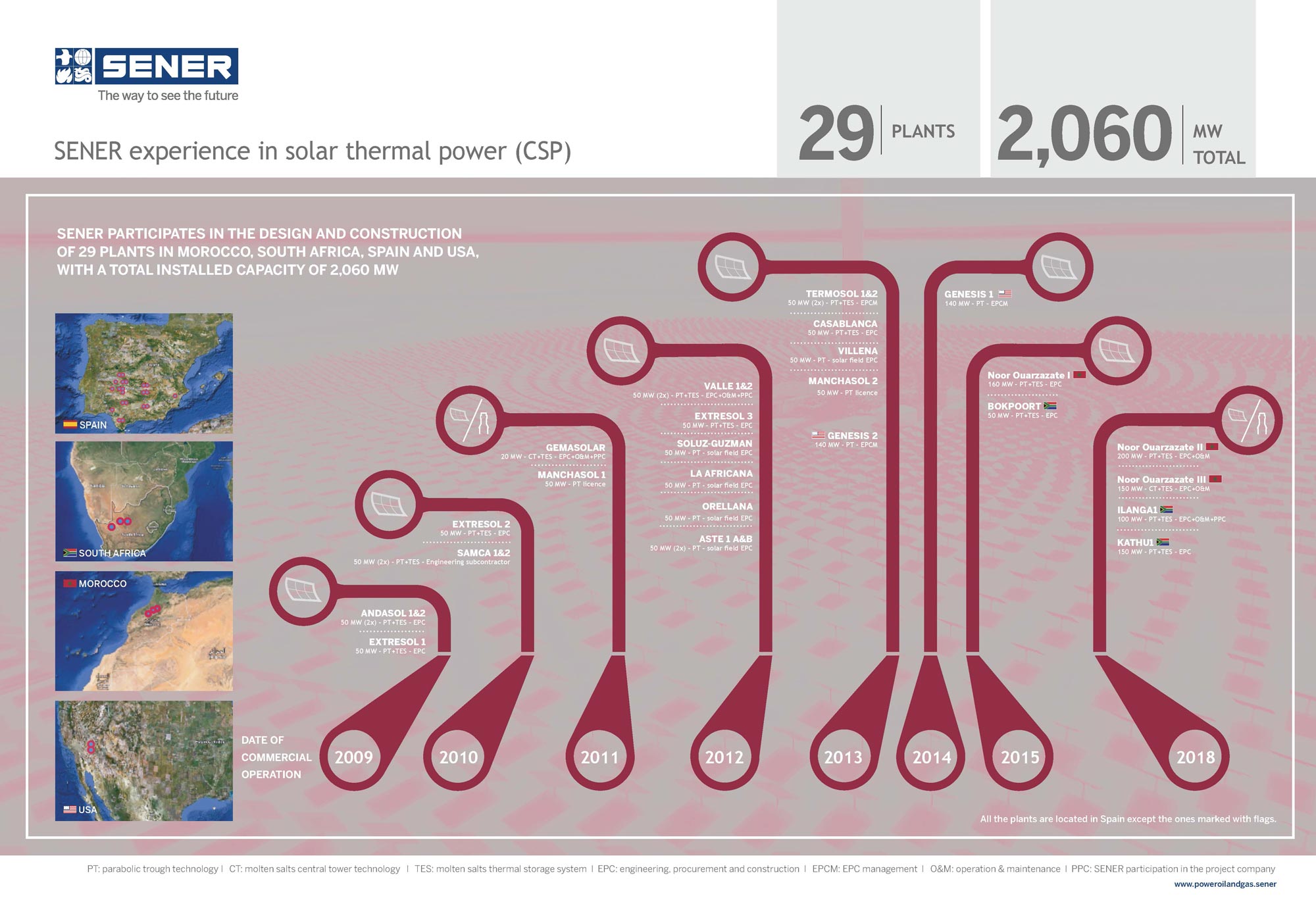
Poster: SENER experience in Solar Thermal Power (CSP)

07.19.2018 pdf

Poster: SENER experience in Solar Thermal Power (CSP)

07.19.2018
Format: pdf

RESPIRA® is an Artificial Intelligence (AI)-based ventilation system, developed by SENER, that improves the comfort, quality air and energy efficiency in underground transport networks and large scale infrastructures.

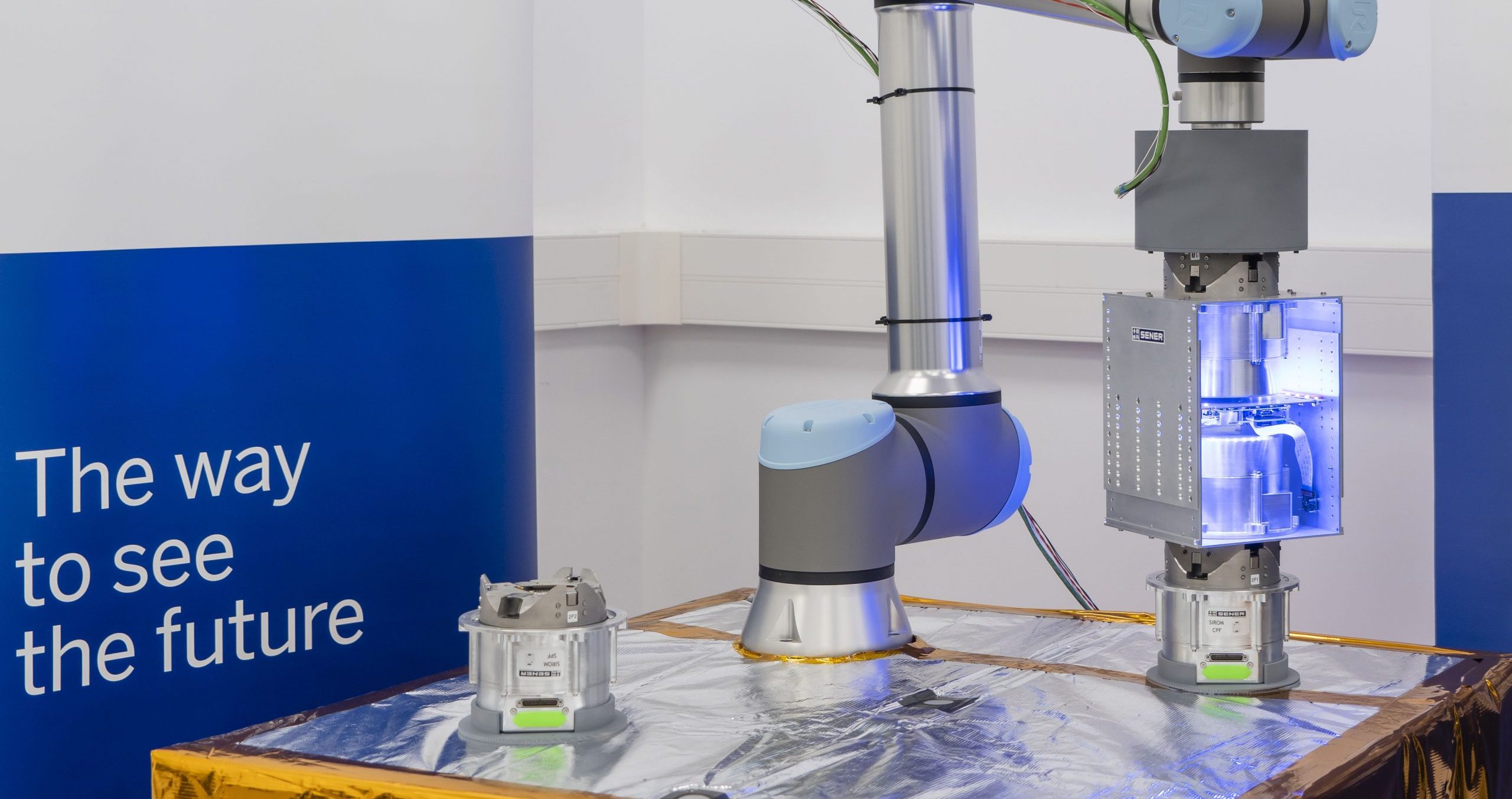
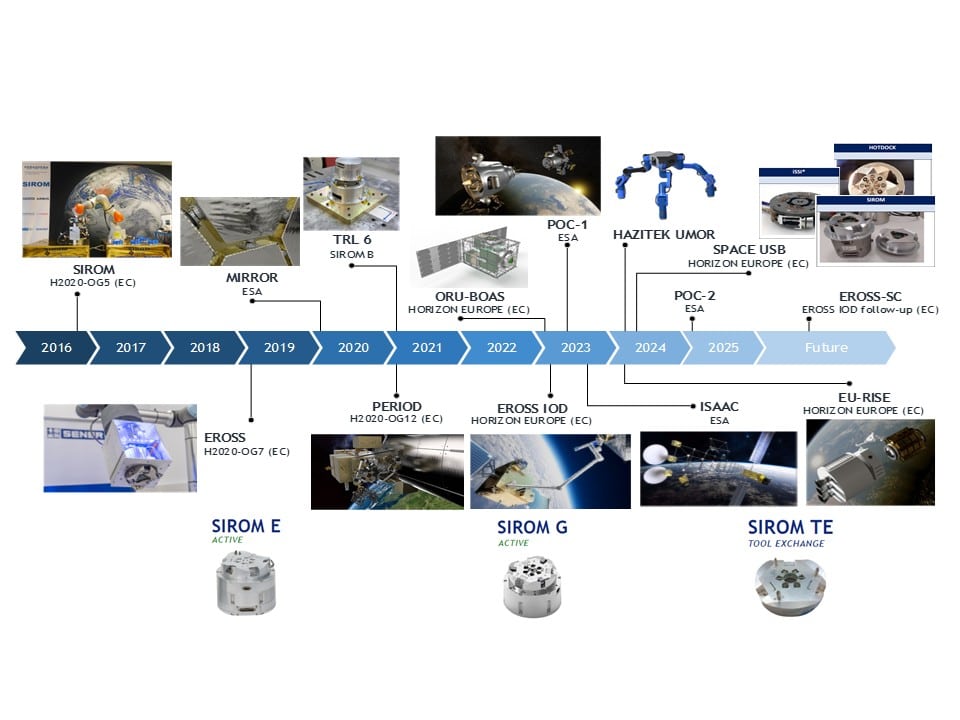
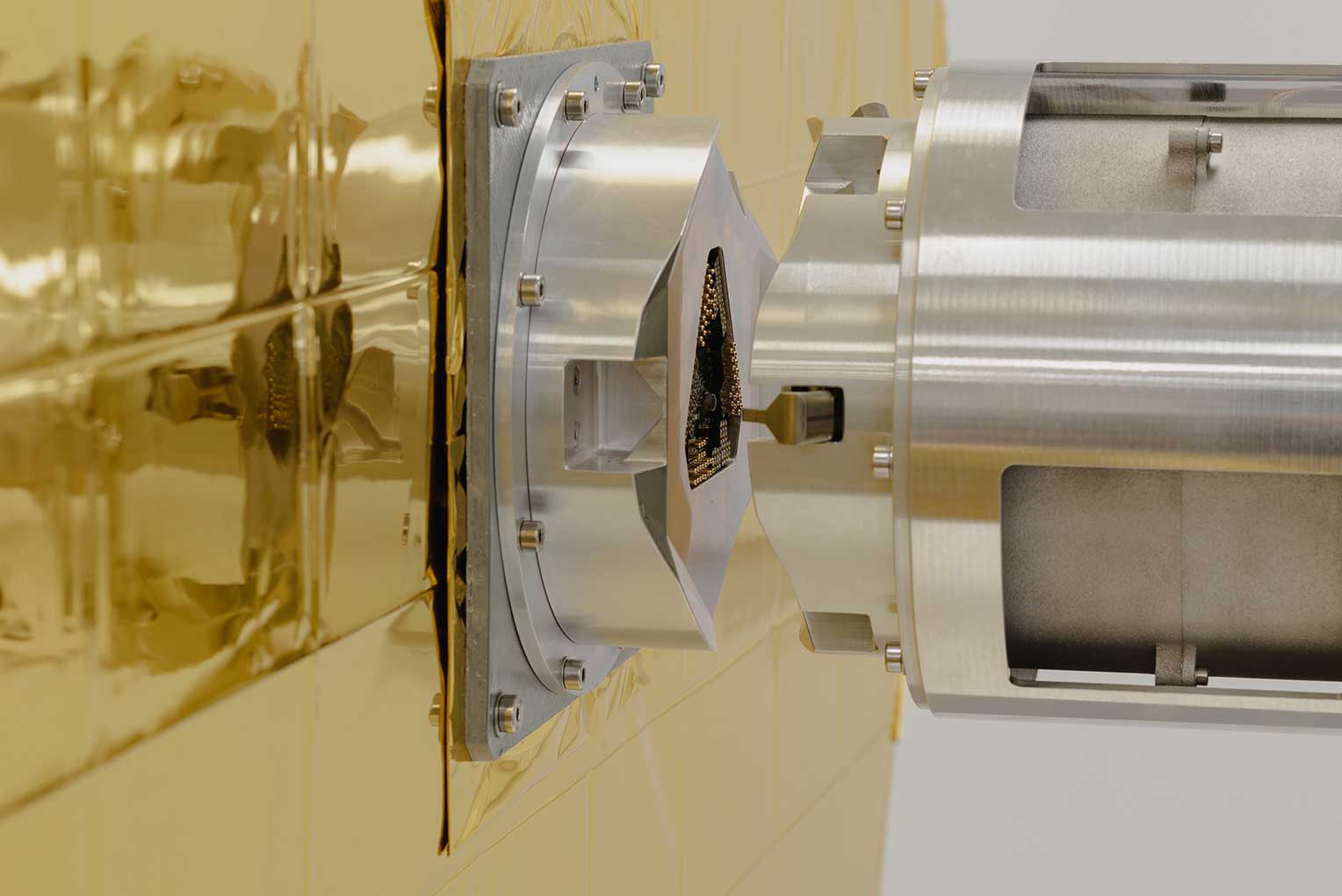
Standard Interface for Robotic Manipulation (SIROM)

Space

Launchers and space transportation

Standard Interface for Robotic Manipulation (SIROM)

Case of success

Sirom brochure

Detailed product information, system architecture, interface specifications and qualification status.

Contact us

Contact us to find out how we can help you.