






Proba-3 Mission Carries Out Its First Autonomous Formation Flying Operations in Orbit

Proba-3 Mission Carries Out Its First Autonomous Formation Flying Operations in Orbit

08/05/2025

The industrial consortium led by Sener is advancing with in-orbit commissioning tests and has reached a new milestone by completing the mission’s first operational orbits. These involved all sensors used for formation flying, successfully demonstrating the proper functioning and high performance of the system’s autonomous capabilities.

The European Space Agency’s (ESA) Proba-3 mission, led by Sener in close collaboration with an industrial team comprising Redwire, Airbus, GMV, and Spacebel, and involving a broad consortium of over 29 companies from 17 countries, was launched on 5 December 2024 and is currently in its commissioning phase in orbit.

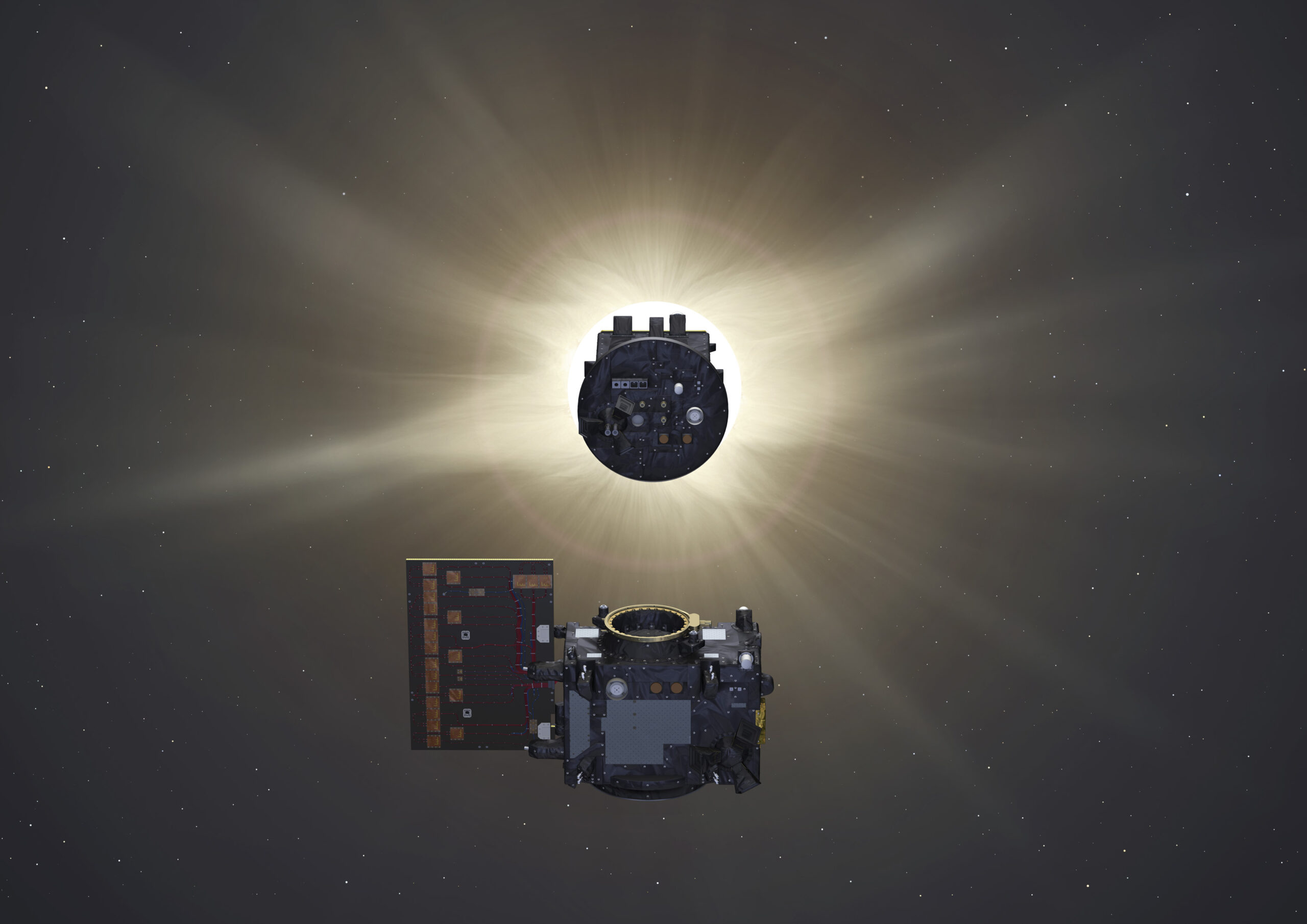
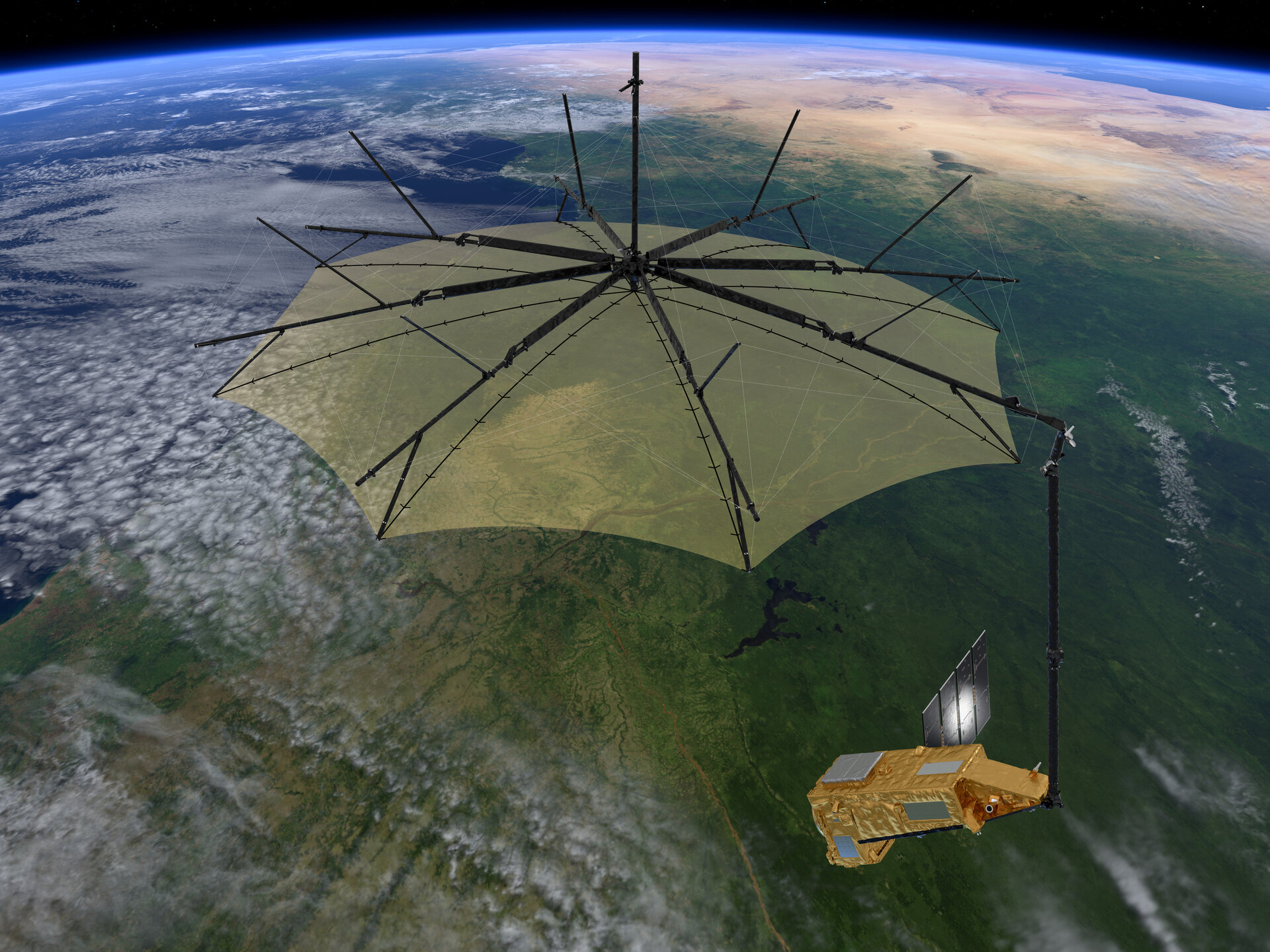
The mission aims to demonstrate the feasibility of high-precision formation flying between spacecraft, using cutting-edge new technology. It involves the synchronisation of two satellites flying in an elliptical orbit, reaching distances of over 60,000 km from Earth (more than ten times the distance from the Earth’s surface to its core). In this same mission, formation flying technology is also used to capture images of the solar corona (coronagraphy). The Coronagraph satellite houses the mission’s coronagraph, an instrument that points directly at the Sun. The second satellite, the Occulter, eclipses the Sun by positioning itself between the star and the Coronagraph. Using a range of metrology equipment (optical and laser), the two satellites are maintained at a distance of approximately 150 metres, with extremely high precision (within a few millimetres).

In recent weeks, the team operating the satellites from the ESEC control centre in Redu, Belgium – comprising ESA, Sener, and Redwire personnel with support from GMV experts – has achieved a key milestone: entry into the mission’s first operational orbits, where formation flying operations are conducted. In these orbits, the satellites manoeuvre into the optimal relative position for coronagraphy at apogee, using various sensors in sequence: first the WAC and NAC cameras of the Visual-Based System, then the Fine Lateral and Longitudinal Sensor (a laser system), and finally the Shadow Position Sensor, integrated within the coronagraph itself. The formation is maintained continuously for a six-hour period before being broken with new manoeuvres as the satellites pass through perigee. All these operations are carried out entirely autonomously, without operator intervention, although still under the monitoring of the operations team in Redu.

These latest activities have confirmed not only that the Formation Flying System’s logic is functioning correctly, but also that the system achieves its millimetric performance targets.

The operations team is now preparing for the final activities of the commissioning phase, particularly the use of this novel formation flying technology to capture images of the solar corona.

Proba-3 is part of ESA’s General Support Technology Programme, and Spain’s involvement has been made possible thanks to the support of the Centre for the Development of Industrial Technology (CDTI), as well as close collaboration between international companies.

Disclaimer: The opinions expressed in no way reflect the official views of the European Space Agency.
Sener Will Take Part in EDF PEI’s New 130 MW Bioenergy Plant in Corsica

Sener Will Take Part in EDF PEI’s New 130 MW Bioenergy Plant in Corsica

08/05/2025

Sener will carry out the detailed engineering for Bonatti, which, together with MAN Energy Solutions, forms the consortium that will build and maintain the power plant for EDF PEI.

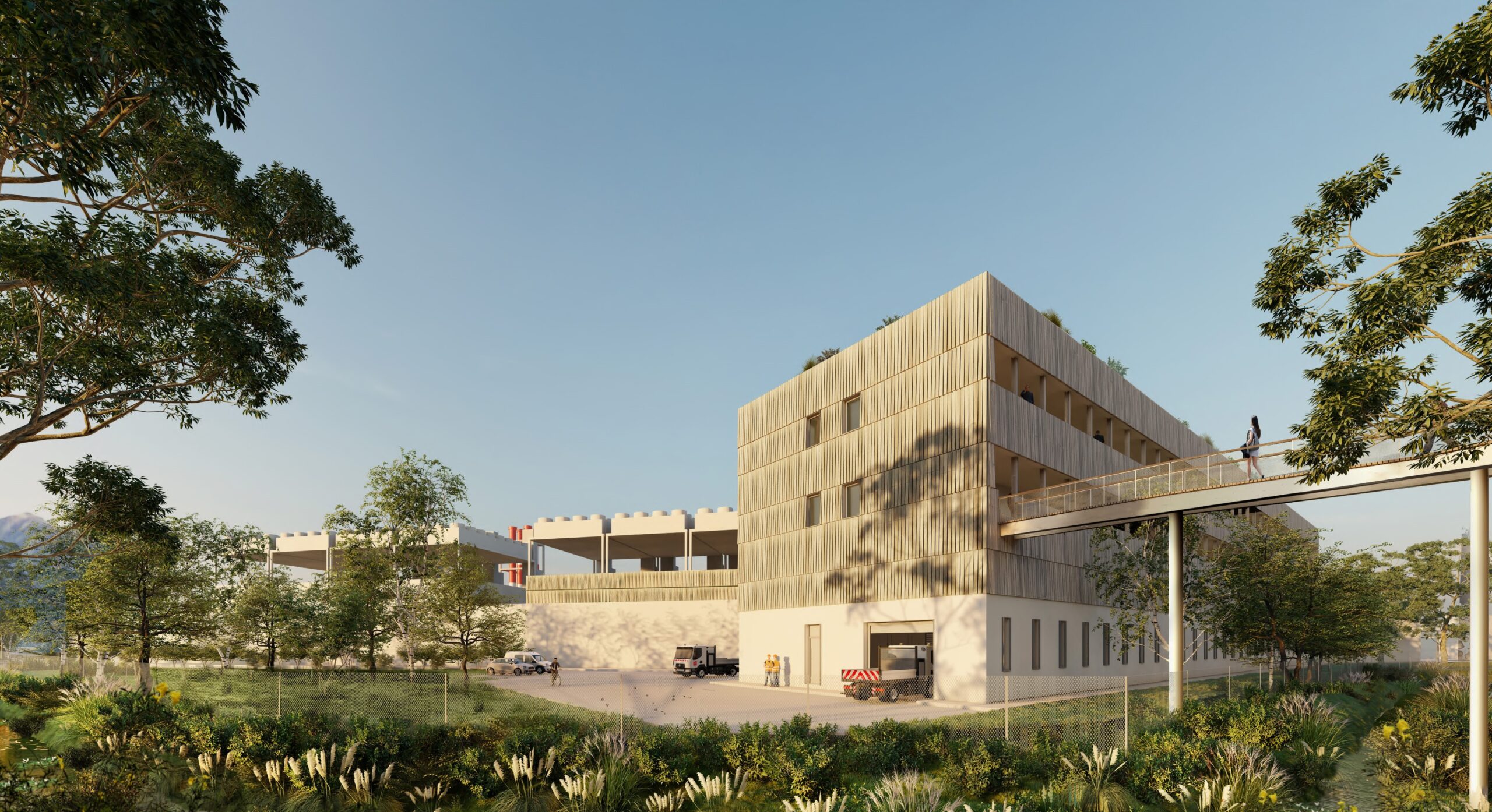
The engineering and technology group Sener will participate in the development of the new bioenergy plant of EDF PEI (subsidiary of EDF) in Ricanto (Corsica), with a capacity of 130 MW. Specifically, Sener will be responsible for the detailed engineering of the project for Bonatti, which, together with MAN Energy Solutions, forms the consortium that will build and maintain the future energy generation facilities.

The new Ricanto bioenergy power plant will replace the old Le Vazzio plant at the end of 2027 or beginning of 2028. It will be equipped with 8 MAN 18V51/60 engines and will have a total capacity of 130 MW, supplying the Corsican electricity grid.

Detailed engineering is an important phase in an engineering project, during which the equipment and materials are specified, the design of the different plant systems is carried out and the necessary information is issued for the construction, assembly and start-up of the facilities.

Álvaro Lorente, Managing Director of Energy at Sener, highlighted: “We are pleased to participate in a project that will allow us to modernise and improve the energy supply in the region, opting for a more efficient technological solution. This project not only represents a significant advance in the generation of renewable energy but also reinforces our commitment to building a sustainable energy model in the long term.”

Photograph: (C) EDF PEI, Villa Battesti Architectes et Associés.

The Universitat Politècnica de Catalunya Wins the Final of ‘Sener–CEA’s Bot Talent’, the Robotics Competition Organised by the Sener Foundation and the Spanish Committee of Automation

The Universitat Politècnica de Catalunya Wins the Final of ‘Sener–CEA’s Bot Talent’, the Robotics Competition Organised by the Sener Foundation and the Spanish Committee of Automation

07/05/2025

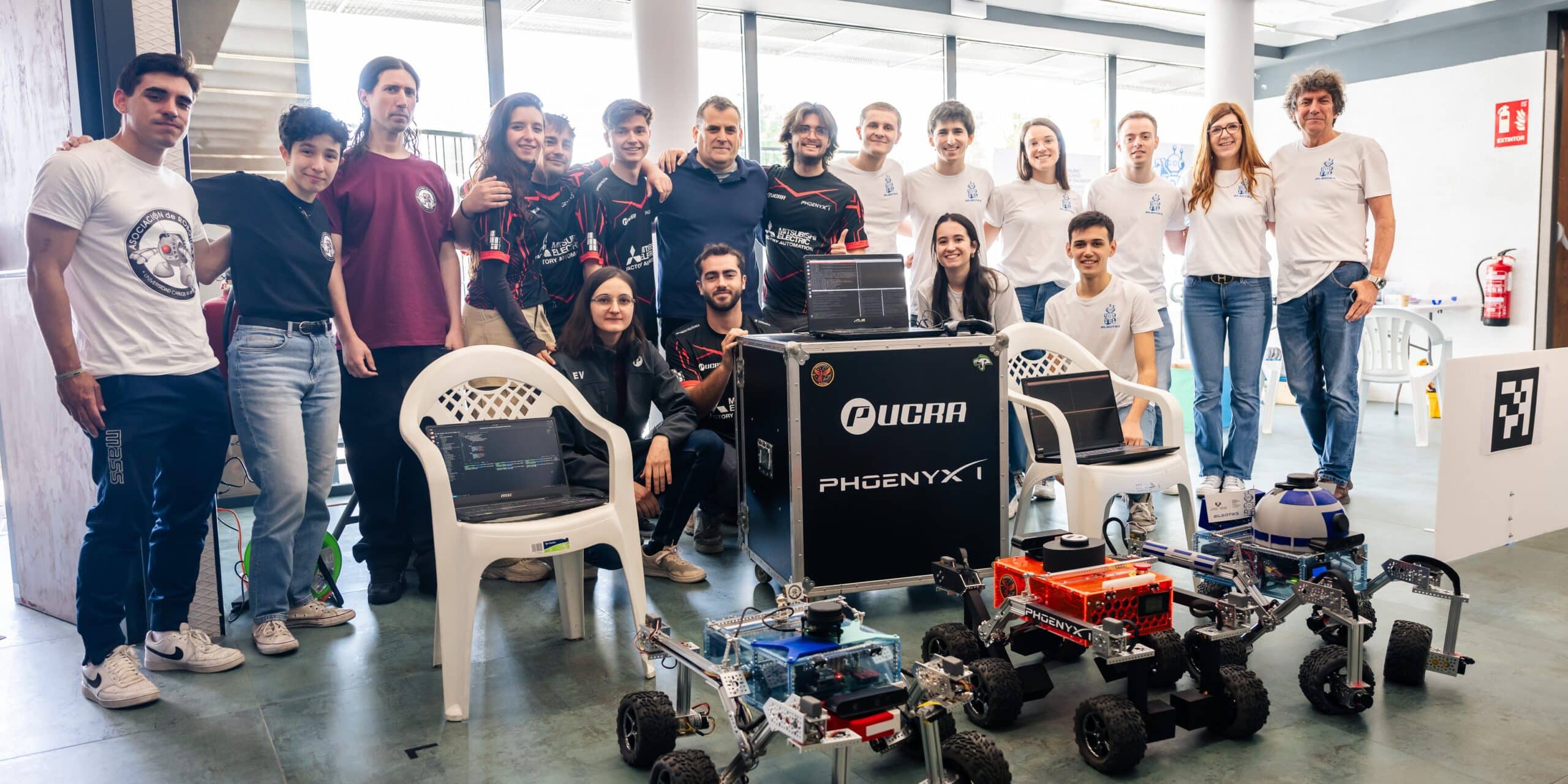
Student teams from the universities Carlos III of Madrid (UC3M), the Basque Country (UPV-EHU), and the Politècnica de Catalunya (UPC) designed and programmed autonomous vehicles that competed in a series of challenges to test their guidance, navigation, and control capabilities. The initiative aims to promote young talent in the fields of technology and robotics.

The Sener Foundation, a non-profit organisation belonging to the Sener engineering and technology group, along with the Spanish Committee of Automation (CEA) and in collaboration with the Department for Youth and Childhood of Tres Cantos Town Council, held the final of the applied robotics competition for autonomous vehicles, ‘Sener–CEA’s Bot Talent’, this Tuesday at the Tres Cantos Exhibition Centre. The competition is aimed at teams made up of final-year undergraduate and master’s students, with participants from the Carlos III University of Madrid (UC3M), the University of the Basque Country (UPV-EHU), and the Universitat Politècnica de Catalunya (UPC).

This competition was created with the aim of encouraging young talent in engineering, bringing university students closer to real-world technological challenges, and promoting STEM vocations through a practical challenge. Representing Tres Cantos Town Council at the event were Jorge Aragón, Councillor for Youth and Citizen Participation, and Ana Isabel Pérez, Councillor for Human Resources, Employment, Economic Development, and Housing.

Throughout the day, teams comprising final-year and master’s engineering students competed with autonomous vehicles they had designed, programmed, and assembled themselves. All teams started from the same set of components, based on a NASA-published design provided by Sener, and were required to complete various challenges related to guidance, navigation, environmental perception, and path planning.

The overall winner of the competition, receiving a prize of €2,000, was the team PUCRA – PHOENYX I, made up of Paula Olivera, Oriol del Castillo, Sidi Navil García, Pol Pavo, Germán Bueno Lozano, and Santiago Pallarès Ocampo, students from UPC. This team also won the Design Award, worth €500, which is given to the team with the most precise and well-assembled design in terms of neatness, cleanliness, sensor anchoring and layout, and adherence to good engineering practices.

The Technology Award, also worth €500, was presented to the team that implemented the most innovative and technically sound solution. This award went to the BilboTiks team, composed of UPV-EHU students Nagore Toja, Pablo Elustondo, Álvaro Gorczyca, Ane Porto, Mario Hermo, and Javier Arambarri.

“Initiatives like this help to foster technological talent and promote key areas for our productive sector, such as engineering and STEM vocations. The students had the opportunity to put their skills to the test by tackling complex challenges in a hands-on way,” said Rosana Madroñal, Director of the Sener Foundation.

The event featured a professional jury made up of Sener experts: Mercedes Ruiz, Head of the Navigation and Control Systems area in Aerospace and Defence at Sener; Carolina López, from the Quality area of Aerospace and Defence at Sener; and José Gala, Technical Manager in Aerospace and Defence at Sener.

Geotechnical Survey Campaign for the Salvador–Itaparica Bridge in Brazil Comes to a Close

Geotechnical Survey Campaign for the Salvador–Itaparica Bridge in Brazil Comes to a Close

06/05/2025

On April 4, in the Bay of Todos-os-Santos (Bahia, Brazil), the closing ceremony of the geotechnical survey campaign for the Salvador–Itaparica Bridge took place — a project in which Sener has played a key role. The event brought together representatives from the public-private partnership promoted by the State of Bahia, as well as from the awarded construction companies CCCC and CRBE. Débora Prieto and Bruno Vellasco attended on behalf of Sener’s Project, Valuation, and Engineering (PVI) team, led by Jordi Revoltos. In this project, Sener was responsible for the value engineering, preliminary design, and two phases on basic design phases (Stages 1, 2, 3, and 4). Sener participated in the drilling campaign, providing a geologist in the field to supervise the work carried out, in addition to the entire geotechnical back-office team in Madrid and São Paulo (led by Dario de la Peña), who analyzed the drilling reports and laboratory tests that the client sent every week.

Over the course of twelve months, Sener’s team oversaw each stage of the survey, including borehole drilling that reached depths of up to 200 meters — the deepest ever performed in Brazil — to collect intact subsurface samples. This achievement, accomplished under highly demanding conditions (including a 400-meter-wide navigation channel and water depths of up to 60 meters), ensures the quality and reliability of the geotechnical data that will underpin the final structural design.

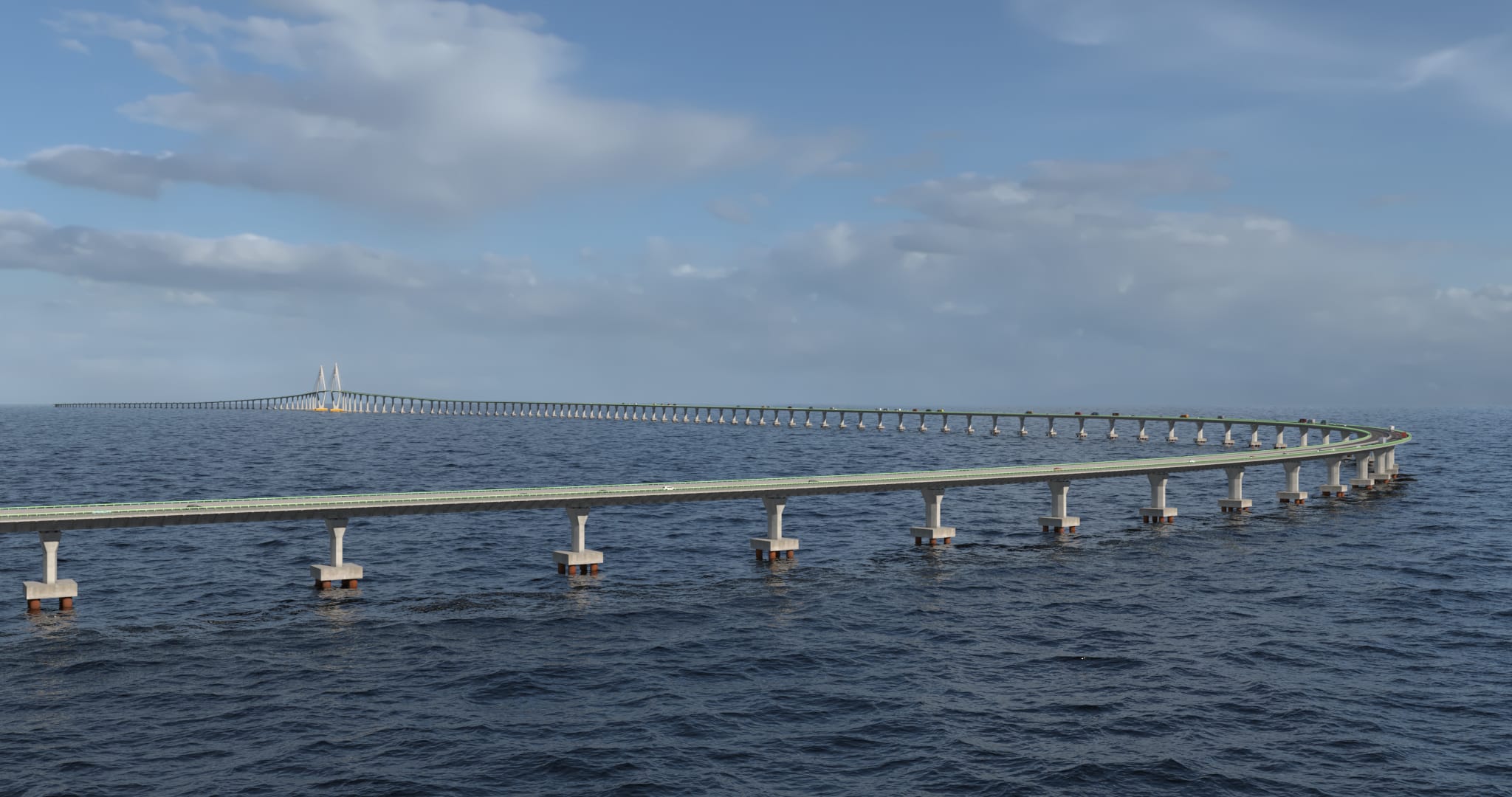
The Salvador–Itaparica Bridge, with a total length of approximately 12,500 meters, includes a central cable-stayed span of 922 meters, with a minimum vertical clearance of 85 meters above the maximum water level. It is flanked by two access bridges measuring 4,635 meters on the Itaparica Island side and 6,876.85 meters on the Salvador side. Thanks to the work carried out by Sener, the construction companies now have the models and technical documentation needed to move forward with the execution of the foundations and the assembly of the bridge structures.

This milestone further strengthens Sener’s positioning in large-scale infrastructure projects and highlights the company’s commitment to innovation and engineering excellence in some of the world’s most challenging environments.

Sener to Showcase Its Latest Technological Innovations for the Aerospace and Defence Markets at FEINDEF 25

Sener to Showcase Its Latest Technological Innovations for the Aerospace and Defence Markets at FEINDEF 25

06/05/2025

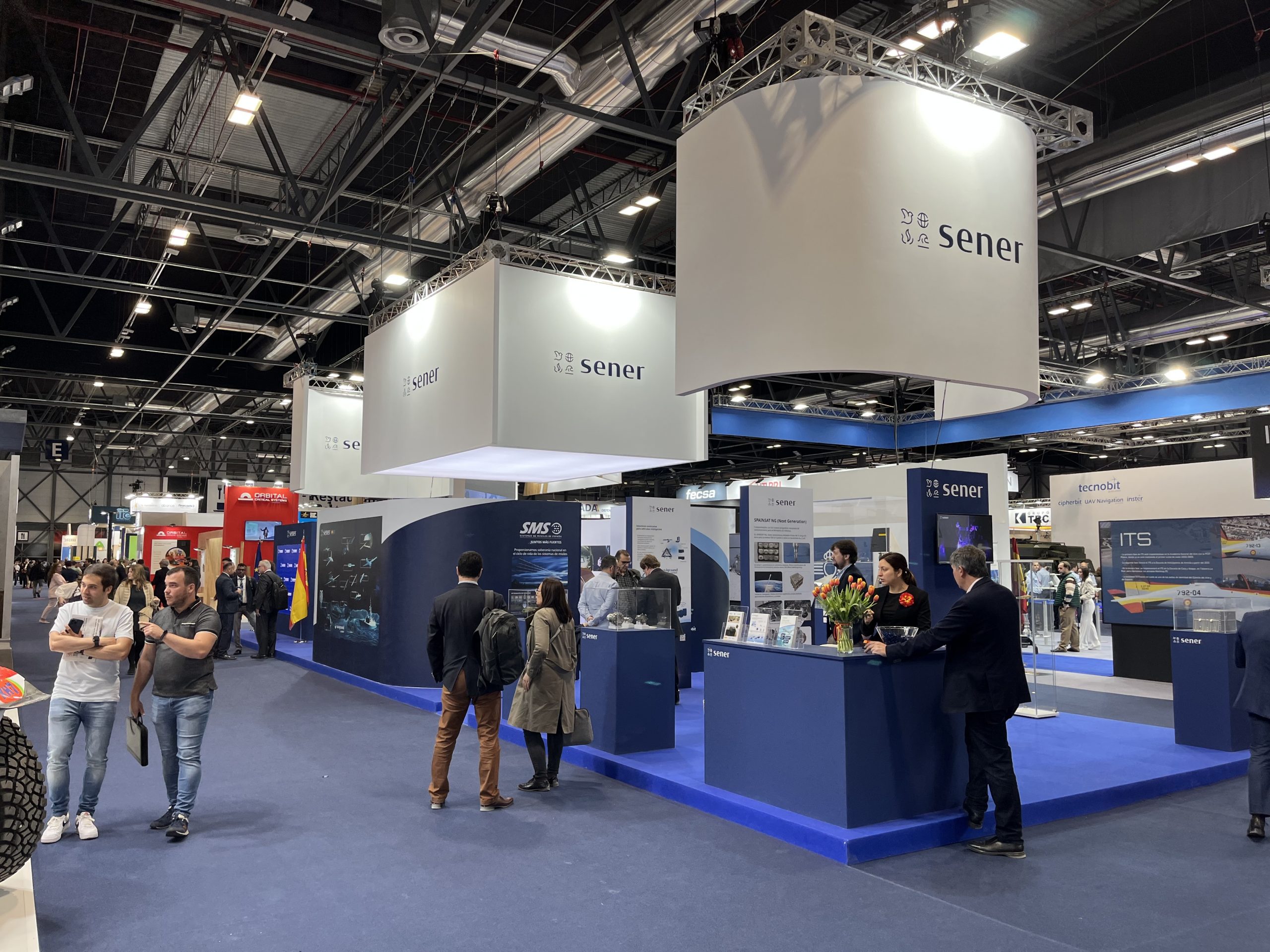
As part of the International Defence and Security Exhibition (FEINDEF), taking place in Madrid from 12 to 14 May, the industrial group Sener will present some of its most advanced technological capabilities, further consolidating its position as a leading defence supplier. In doing so, Sener reaffirms its commitment to the Ministry of Defence, the Armed Forces, and defence programmes, acting as the main sponsor of the sector’s flagship event.

Sener will unveil some of its latest innovations and products, developed to enhance both national and international defence capabilities. The group is a recognised provider of high-performance products, with design and manufacturing capabilities focused on delivering robust and efficient solutions.

More specifically, visitors to Sener’s stand (10D06) will have the opportunity to explore its value proposition across three key areas:

  • Communications: Sener will display its advancements in cutting-edge connectivity, including data links, SATCOM, active antennas, and RF equipment. These strategic technologies support surveillance, intelligence, and reconnaissance operations in complex operational environments.
  • Electromechanical Systems: Development and production of missile actuation and control systems, as well as targeting systems. These solutions are designed to support air defence capabilities in systems such as the Patriot and IRIS-T, among others.
  • Remote Carriers: Manned and unmanned vehicles, with a particular highlight on the SCRAB-III – a high-performance aerial target drone that has already carried out low-altitude flights at speeds of Mach 0.6.

Coinciding with this edition of FEINDEF, Sener also celebrates its recent participation in major space programmes such as SpainSat NG-I and Proba-3, both of which were launched into space recently – the former from Cape Canaveral (USA), and the latter from Chennai (India).

Through these developments, Sener reinforces its commitment to delivering high value-added technological solutions in the aerospace and defence sectors, fostering innovation, technological sovereignty, and collaboration with the Armed Forces and other key stakeholders in the defence ecosystem.

Sener at Feindef

For further information, please visit Sener’s stand at FEINDEF (10D06).

ESA Successfully Launches Biomass Mission with Participation from Sener

ESA Successfully Launches Biomass Mission with Participation from Sener

29/04/2025

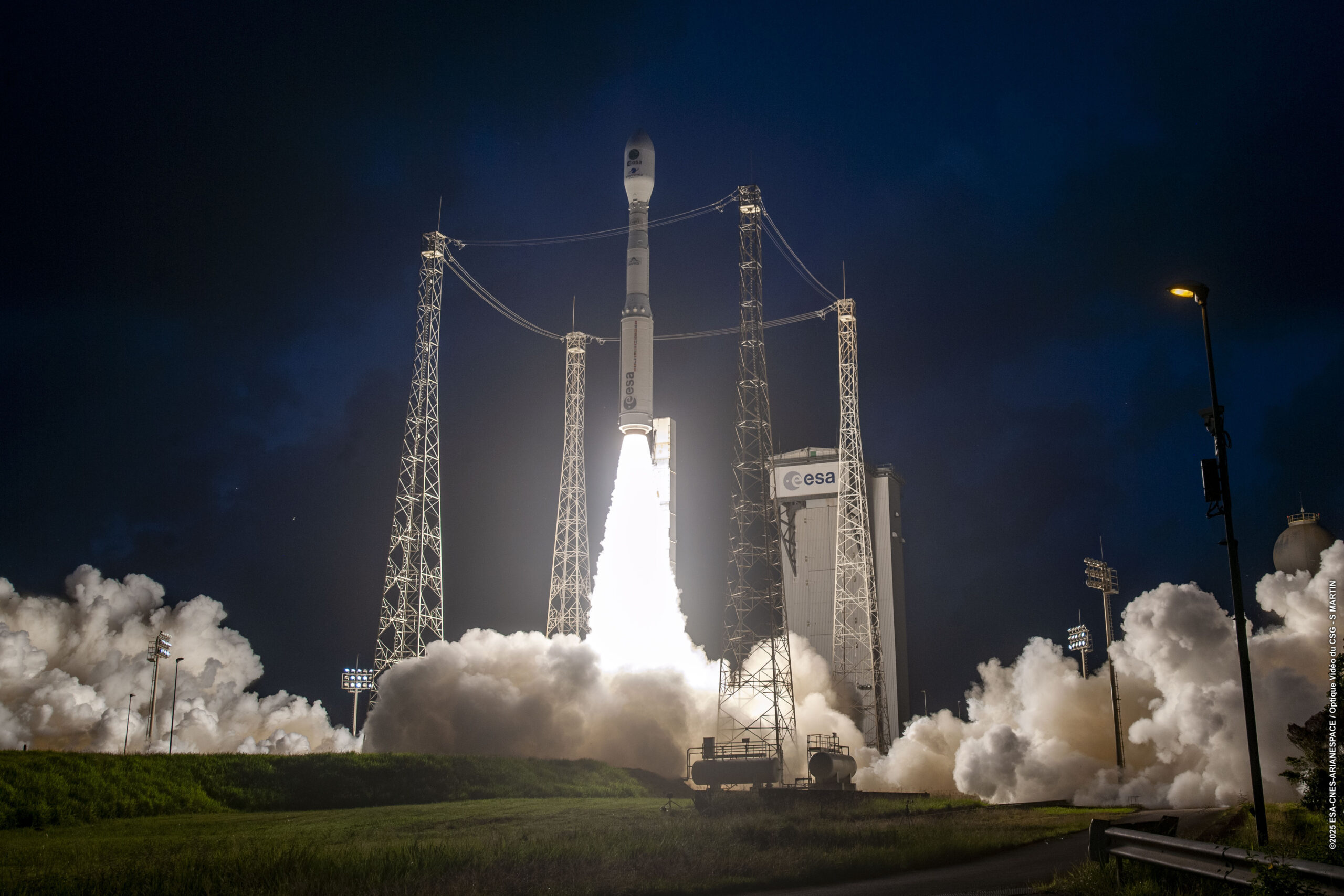
The European Space Agency’s (ESA) new Biomass satellite, designed to provide unprecedented data on the world’s forests and their crucial role in the Earth’s carbon cycle, has been successfully launched. The satellite lifted off aboard a Vega-C rocket from Europe’s Spaceport in Kourou, French Guiana, on April 29 at 11:15 CEST (06:15 local time).

Biomass seeks to improve understanding of the carbon cycle and global warming processes through the monitoring of forest biomass. Biomass is part of ESA’s Earth Explorer programme and is designed to deliver precise data on forest conditions and deforestation worldwide. This data will enable the generation of high-resolution, three-dimensional maps of forests, significantly contributing to global efforts to reduce carbon dioxide emissions.

Sener is involved in the mission as part of an international consortium comprising 50 companies from 20 countries. Sener has developed the Reception Amplification Subsystem (RAS), a crucial part of the Biomass satellite’s electronic system. The RAS is responsible for amplifying incoming radar signals, ensuring low interference and high precision in data capture. This subsystem includes several critical components, such as filters and low-noise amplifiers, all of which have been rigorously designed and tested to meet the mission’s demanding requirements.

As part of the European Space Agency mission, Sener in Poland, commissioned by OHB Italia, designed, manufactured and tested ground-based mechanical equipment (Mechanical Ground Support Equipment) supporting the installation of the satellite, which is 12 meters wide and 20 meters long. The MGSE set includes, among others, devices for mounting and dismounting the satellite panels. Additionally, the engineers designed a container and devices enabling the transport of panels together with instruments.

Photo: (C) ESA-CNES-ARIANESPACE/Optique vidéo du CSG–S. Martin.

Sener Supports ESA’s Biomass Mission Aimed at Fighting Global Warming by Tracking Earth’s Forests

Sener Supports ESA’s Biomass Mission Aimed at Fighting Global Warming by Tracking Earth’s Forests

25/04/2025

Sener has delivered the satellite’s Reception Amplification Subsystem (RAS), a key component responsible for amplifying received radar signals. This subsystem plays a vital role in providing accurate data on the state of the planet’s forests, thereby contributing to global initiatives aimed at reducing CO₂ emissions.

The industrial engineering and technology group Sener has taken part in the Biomass mission, a scientific project led by the European Space Agency (ESA) that seeks to improve understanding of the carbon cycle and global warming processes through the monitoring of forest biomass. Biomass is part of ESA’s Earth Explorer programme and is designed to deliver precise data on forest conditions and deforestation worldwide. This data will enable the generation of high-resolution, three-dimensional maps of forests, significantly contributing to global efforts to reduce carbon dioxide emissions. Sener is involved in the mission as part of an international consortium comprising 50 companies from 20 countries.

Sener has developed the Reception Amplification Subsystem (RAS), a crucial part of the Biomass satellite’s electronic system. The RAS is responsible for amplifying incoming radar signals, ensuring low interference and high precision in data capture. This subsystem includes several critical components, such as filters and low-noise amplifiers, all of which have been rigorously designed and tested to meet the mission’s demanding requirements.

As part of the European Space Agency mission, Sener in Poland, commissioned by OHB Italia, designed, manufactured and tested ground-based mechanical equipment (Mechanical Ground Support Equipment) supporting the installation of the satellite, which is 12 meters wide and 20 meters long. The MGSE set includes, among others, devices for mounting and dismounting the satellite panels. Additionally, the engineers designed a container and devices enabling the transport of panels together with instruments.

The Biomass satellite is scheduled for launch on 29 April from the European spaceport in Kourou, French Guiana, aboard a Vega-C launcher. The mission is expected to last a minimum of five years. During this time, the data gathered by the satellite will be crucial for improving projections of the carbon cycle and supporting environmental policymaking on a global scale.

Thirty-three schools take on the new ‘Challenge for Science’, a Sener Foundation programme promoting scientific and technical vocations

Thirty-three schools take on the new ‘Challenge for Science’, a Sener Foundation programme promoting scientific and technical vocations

14/04/2025

The finalists have presented their solutions to highly relevant solutions with an impact on society: from mobile bridges, sustainable installations and autonomous land navigation to applying the circular economy to the naval field and harnessing artificial intelligence for improved site safety. Madrid’s Colegio El Prado, Zaragoza’s Colegio Cristo Rey and Bilbao’s Liceo Francés all won first prize in their respective editions.

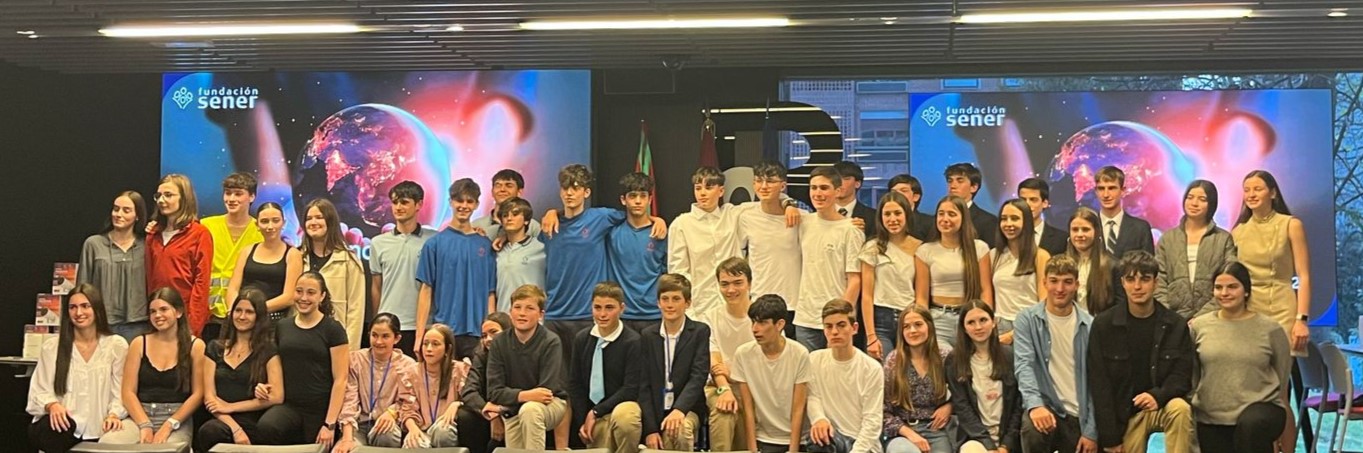
The finals of the 2024-2025 edition of ‘Challenge for Science‘ were held in April. The educational programme is led by the Sener Foundation, a non-profit within the engineering and technology group Sener, and aims to bring students of compulsory secondary education (ESO) closer to the world of science, technology and engineering. A total of 33 schools in the Basque Country, Catalonia, Aragon and the Community of Madrid took part, in collaboration with Librerías Troa.

This year, students worked on highly relevant challenges with an impact on society: from mobile bridges, sustainable installations and autonomous land navigation to applying the circular economy to the naval field, nuclear energy, hospitals of the future, harnessing artificial intelligence for improved site safety, and satellite services.

The following schools won first prize: Colegio El Prado (Madrid) for their application to streamline emergencies’ waiting lists in hospitals; Colegio Cristo Rey (Zaragoza) for their proposal for smart structures; and Liceo Francés (Bilbao) for their proposal for smart structures.

Colegio El Prado wins first prize in the Madrid edition on 8 April

The event for Madrid schools took place in the Technical School of Engineering and Telecommunications Systems (ETSIST) at Madrid Polytechnic University, with 10 schools submitting proposals.

  • First prize went to the Saniquebue team at Colegio El Prado for their application to streamline emergencies’ waiting lists in hospitals. The team was made up of Gonzalo Tablas, Gerardo González, Mateo Vázquez, Antonio Muriel, Juan Capapé and José Andrés Méndez.
  • Second prize went to the team at Colegio Santa María de la Hispanidad for their Naval Circular Economy project; a submarine for the collection of marine plastics. This team was made up of Carla Albagme, Álvaro Camacho, Aitor Frutos, Lucas Pinel, Pablo Román and Rocío Sánchez.
  • Third prize went to the team at Colegio Montealto, for Avalloon, their Smart Facilities proposal consisting of a mobile bridge. The team was made up of Clara Berlanga, Gabriela Marco, Mariana Vázquez, Loreto Saucedo, Patricia Medina and Ana Sánchez de Diego.


Colegio Cristo Rey de Zaragoza wins first prize in the Madrid edition on 9 April


A second final took place on 9 April in Madrid, with 12 schools from Madrid, Zaragoza and Barcelona taking part.

  • First prize went to the ConectaGirls team at Colegio Rey Zaragoza School for their Smart Structures proposal. The team was made up of Daniela Albasini, María Fernández, Ana Obón, Martina López, Claudia Beltrán and Valeria Pérez.
  • Second prize went to Colegio Aldeafuente for their Two Peaks facilities project harnessing the vibrations of large-scale events for energy generation. The team was made up of Cecilia Méndez, Inés Núñez, Alba Schropp, Belén Vassallo, Amanda Schopp y Paloma Guitián.
  • Third prize resulted in a draw, going to both Colegio Árula for their Liceo Maya proposal (a sustainable school) and Colegio Internacional SEK Cataluña for their MoviFlex project (mobile bridge). The Árula team was made up of Javier Otero, Carlos Gil, Héctor Ayuso, Bruno Mora, Mario Pérez, Julio Serván Ovide and Daniel Ruisánchez; and the SEK Cataluña team was made up of Álvaro Calvo, Danele Castellanos, Timur Shatkovski, Leonardo Pokorski, Enric López Llevot and Kevin Cao.

In the Bilbao edition, first prize went to Liceo Francés de Bilbao

The Bilbao event took place at the Fundación BiskayTik with submissions from 11 schools.

  • First prize went to the Chu Bridge team at Liceo Francés de Bilbao for their Smart Structures (mobile bridge) proposal. The team was made up of Cayetana Echevarri, Hugo Aguado, Marcela Gutiérrez, Nicolás Herreros, Marcos Fraile and Ángel Serra.
  • Second prize went to Colegio Vizcaya for their Nuclear Energy project. The team was made up of Jorge Bengoa, Oier Calzada, Mario Fernández, Mikel Flores, Alejandro Garay and Hodei Huete.
  • Third prize went to Colegio San Pelayo for JENA, their proposal harnessing AI for improved site safety (smart vests). The team was made up of Nahia Fernández, Arantxa Etxenagusia, Erika Villaverde and June Padilla

The jury – composed of Sener professionals – highlighted the quality of the students’ presentations and originality of their proposed solutions to challenges.

The California High-Speed Rail wins AEP Award

The California High-Speed Rail wins AEP Award

10/04/2025

The California High-Speed Rail project, the first high-speed rail system in the United States and one in which Sener is actively involved, has been awarded the AEP Award in the Environmental Analysis Document category by the California Association of Environmental Professionals (AEP). The recognition focuses on the Palmdale to Burbank section, whose environmental analysis documentation was praised for its innovative approach and technical rigour.

This award highlights the collaborative effort of all partners involved in the project, with a special mention for Circlepoint, Sener’s partner since 2015 and the lead firm in preparing the environmental documentation.

Sener has participated as the lead consultant in the project, coordinating the collaboration between prominent American engineering firms. Our role includes the preliminary design, evaluation of technical alternatives, environmental impact analysis, and the identification of rights of way required for the track alignment, stations, and auxiliary facilities.

This recognition strengthens Sener’s commitment to sustainability, innovation, and technical excellence in major international infrastructure projects.

Spain drives the future of the space industry developing a unique engine

Spain drives the future of the space industry developing a unique engine

09/04/2025

A consortium led by ITP Aero, with the participation of Pangea Aerospace, the engineering and technology industrial group Sener, and Aenium Engineering, will complete the development of the Aerospike engine, an innovative propulsion technology, and integrate it with its European customers. This contract is the second largest project in the Space Technology Plan of the CDTI Innovation and the Spanish Space Agency, with a budget of more than €11 million from the R&D Support Plan for Space Technologies, whose total budget is €70 million.

The MERLIn project (Efficient and Reusable Engine for International Launchers) has received the second largest grant from the Space Technology Plan (PTE), with a budget of €11.6 million, representing more than 10% of the total R&D support plan for space technology awarded by CDTI Innovation and the Spanish Space Agency, through the Ministry of Science and the Ministry of Defense.

This investment within the Space Technology Program reinforces the Government’s commitment to boosting the national aerospace industry and strengthening its position in space propulsion over the next decade, with innovation in key technologies for the future of space exploration. The PTE is an action within the Aerospace PERTE (Aerospace Program), endowed with €70 million in subsidies from the Recovery and Resilience Facility of the PRTR Addendum. The project aims to promote the competitiveness of the Spanish aerospace industry as a key player in the sector’s upcoming challenges and opportunities through the development of technological capabilities based on R&D.

The project, led by ITP Aero and with the participation of Pangea Aerospace, the industrial engineering and technology group Sener, and Aenium Engineering, focuses on the manufacturing and integration of the world’s first flight-ready aerospike engine. Pangea Aerospace, a Barcelona and Toulouse-based startup specializing in space propulsion, thus secures the second largest project in the Space Technology Program with MERLIn. It is also the main funded company in the project, after receiving a €3.9 million grant within the project, representing more than 50% of the total budget.

Consorcio Proyecto Merlin: ITP Aero, Sener, Pangea, Aenium

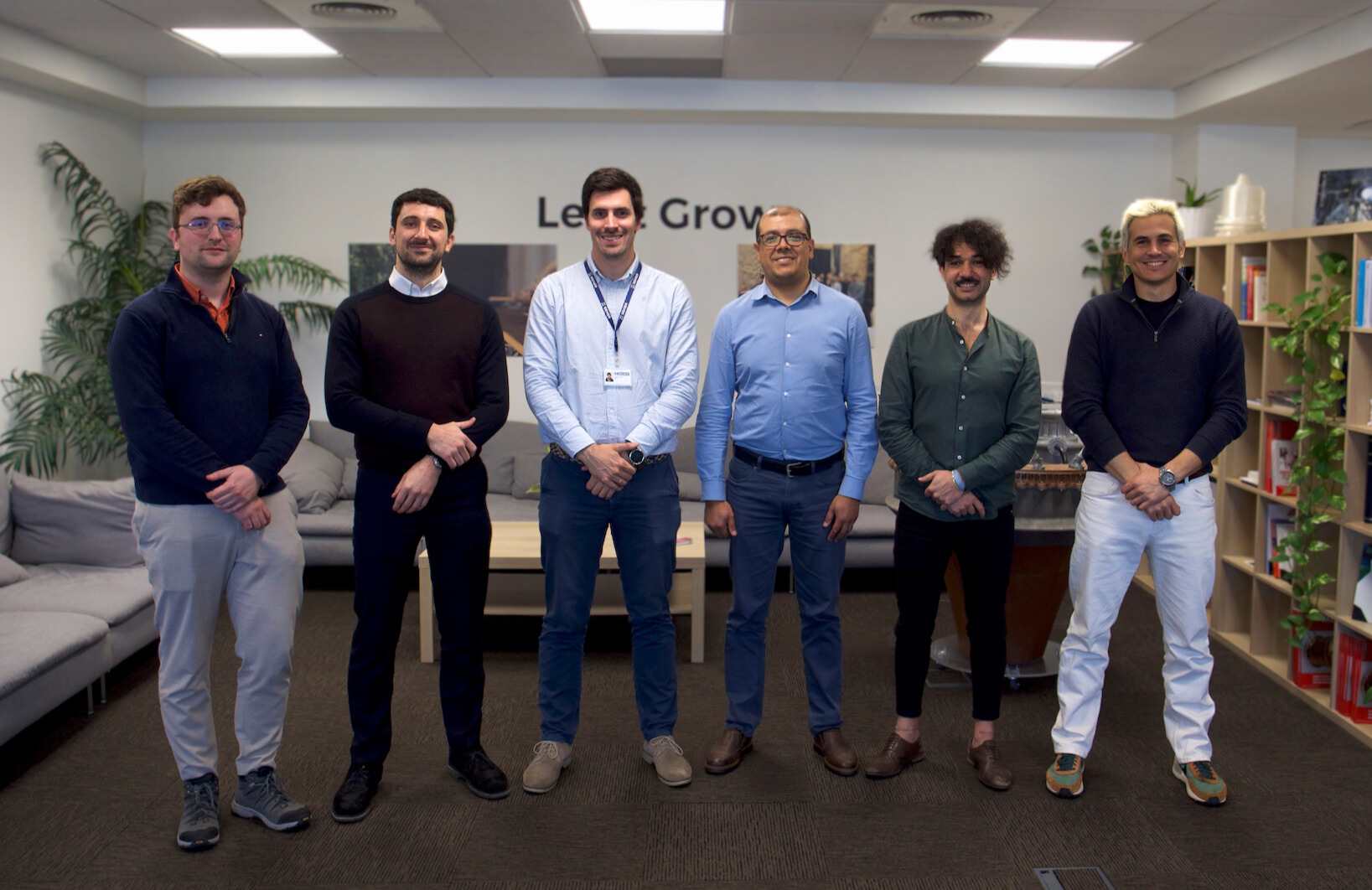
Representatives of the companies participating in the MERLIn consortium.

The MERLIn consortium, made up of other leading participating companies in the Spanish aerospace and technology sector, such as Aenium Engineering, ITP Aero, and Sener, is a clear example of successful public-private collaboration between Spanish companies to boost the competitiveness of the national aerospace industry and prepare it for the major challenges of the future.

Each consortium member contributes key expertise: Pangea Aerospace, responsible for the complete development of the engine from design to testing; ITP Aero, as the consortium leader and a global leader in propulsion technologies; Sener, a leading engineering and technology group with a strong industrial focus, provides the aerospike engine’s TVS control and actuation system; and Aenium Engineering contributes its expertise in advanced materials and additive manufacturing.

ARCOS, a highly efficient and cost-effective engine

The MERLIn project funding will be the first Pangea Aerospace will receive to support all subsystems of its ARCOS engine. With this, the aerospace startup aims to advance the development of the ARCOS rocket engine, an innovative propulsion technology, with the goal of having the fully integrated engine ready for ground testing simulating a launch, and to be able to integrate it with its European customers.

The engine to be developed in the MERLIn project will have a thrust of 750 kN and is designed for use in the upper stage of space rockets, providing superior performance and strengthening the competitiveness of the Spanish space sector. The aerospike engine enables the reentry and reuse of upper stages of medium and heavy launchers, opening the door to new business models and the complete reuse of launchers, something that only SpaceX has tested in the world.

ARCOS is a high-efficiency rocket engine with an aerospike nozzle, designed to be reused in multiple space missions. It runs on methane and liquid oxygen, a cleaner and more sustainable combination that reduces CO2 emissions by up to 50% compared to traditional kerosene-powered engines. Thanks to its aerospike geometry, it achieves an efficiency of up to 15%, higher than that of traditional bell-shaped engines, significantly increasing launch profitability.