





Sener is contributing to the Smile mission, aimed at advancing understanding of space weather

Sener is contributing to the Smile mission, aimed at advancing understanding of space weather

12/05/2026

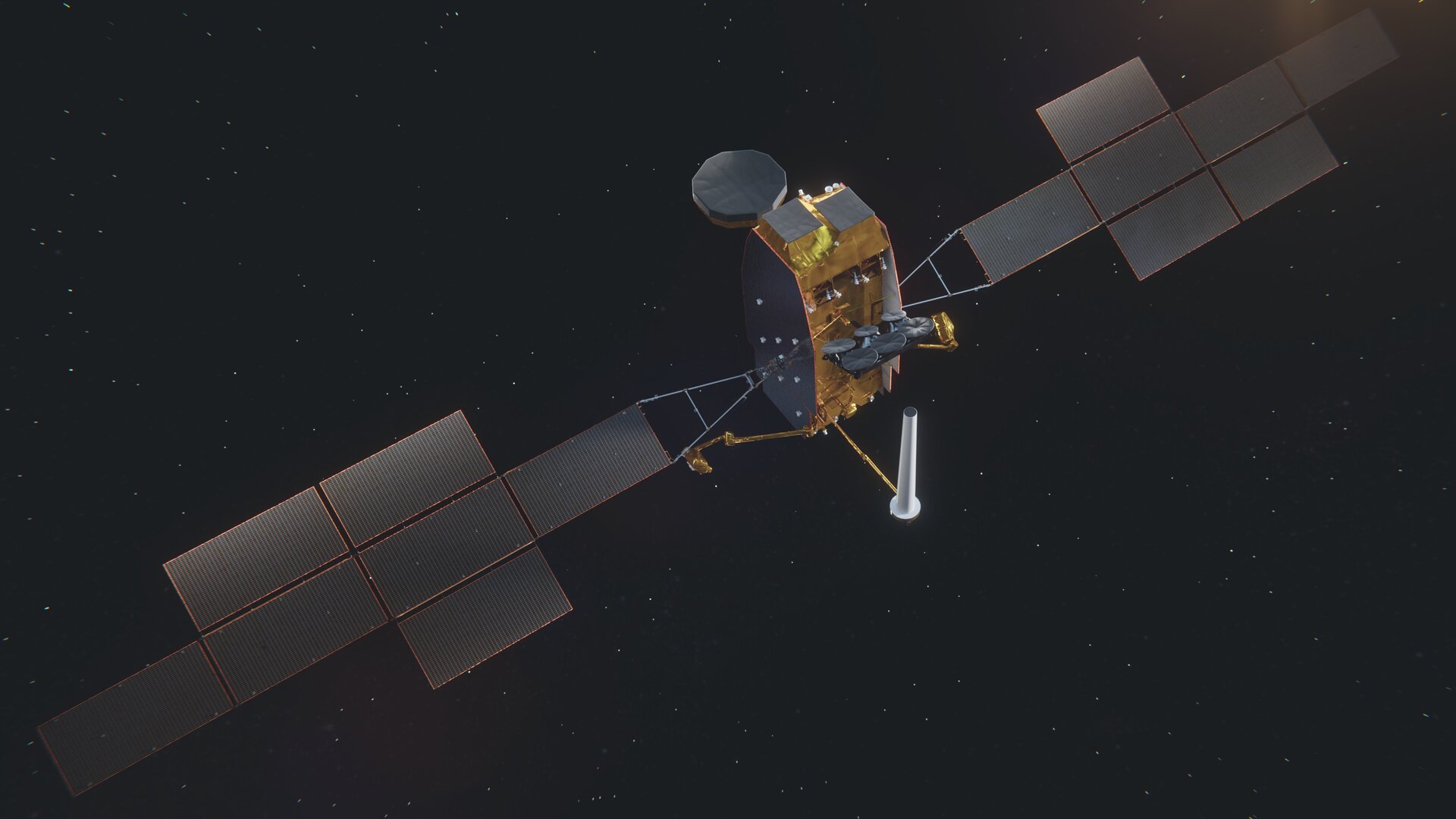
Sener has designed and manufactured a communications antenna for the mission, which will study interactions between the Sun and Earth, as well as phenomena such as solar wind and solar storms. The mission will also achieve a landmark milestone with the continuous observation of the Northern Lights for 45 hours straight.

The industrial engineering and technology group Sener has taken part in the Smile mission, a collaboration between the European Space Agency (ESA) and the Chinese Academy of Sciences (CAS), scheduled for launch on Tuesday, 19 April.

The mission aims to improve understanding of the interaction between the Sun and the Earth by observing the Earth’s magnetic field in X-rays and identifying where and how the solar wind interacts with the planet’s magnetic shield. Smile will also study auroras globally in ultraviolet light to better understand how the Earth responds to solar wind, enabling continuous observation of the Northern Lights for 45 hours straight—a first for a space mission.

In addition, Smile (whose name is derived from the acronym for “Solar wind Magnetosphere Ionosphere Link Explorer”) will help deepen understanding of solar storms and the disturbances they cause on Earth. A better understanding of space weather science is essential to ultimately protect both space-based technology and the safety of any humans in orbit around the Earth.

Sener’s role in the mission

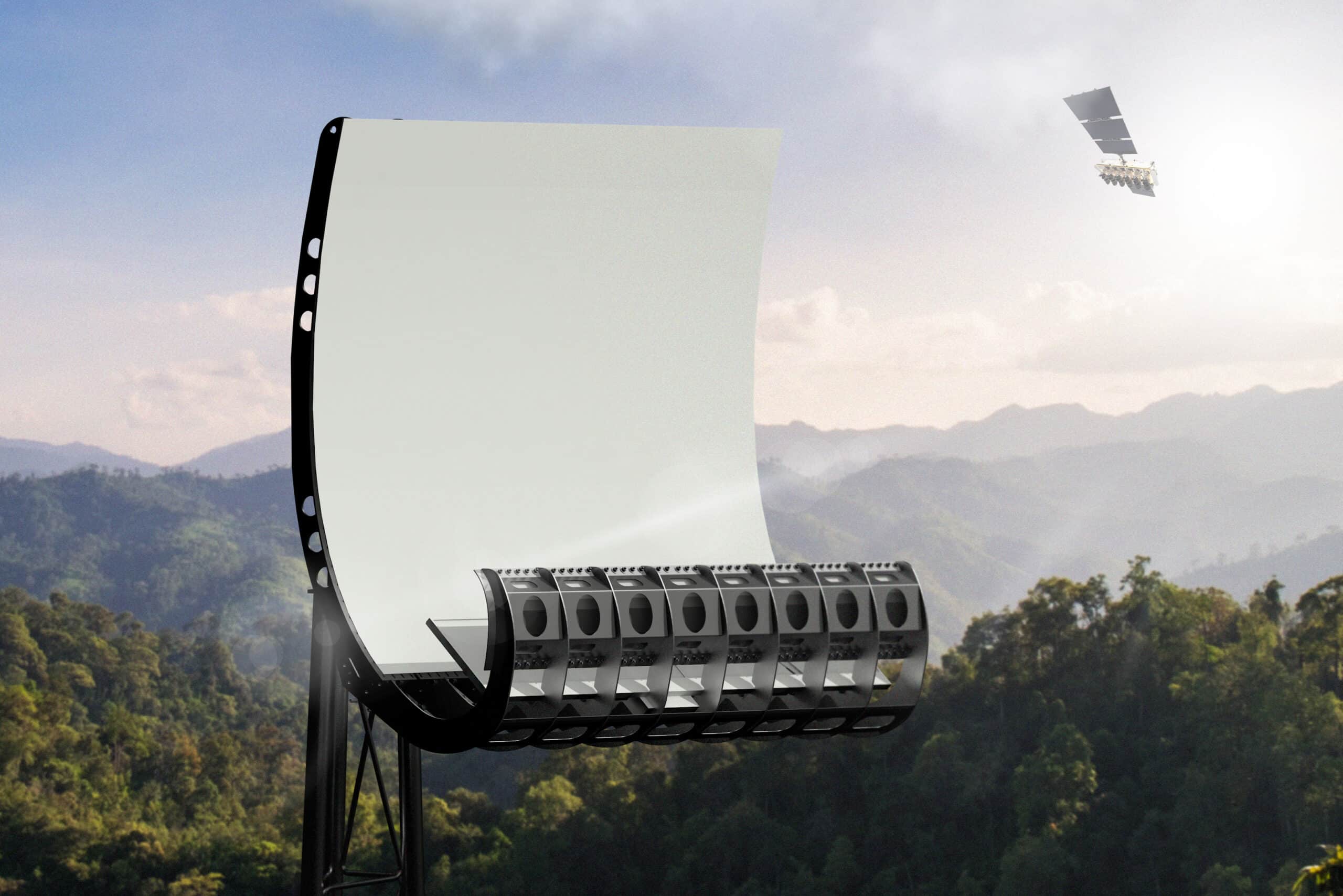
Sener contributed to the mission by developing one of its communications antennas, the X-band receiver antenna. This antenna is responsible for receiving signals sent to the spacecraft and forms part of its payload module.

Sener’s work covered the full process: from design and manufacturing through to final testing to ensure proper performance. The antenna is designed to operate across the full required frequency range (8.025–8.4 GHz), with the necessary mechanical pointing capability integrated directly into the antenna support structure.

Its thermal control system is entirely passive, requiring no active mechanisms, thanks to the use of white paint on its external surfaces to help regulate temperature in space.

For the test campaigns, a dedicated ‘test cap’ was designed and manufactured that made it possible to verify the antenna’s behaviour under real conditions.

The antenna design comprises a radiating element, a septum polariser and a waveguide-to-SMA connector transition.

The Smile mission marks an important step forward in improving our understanding of the interaction between the Sun and the Earth, as well as phenomena that have a direct impact on our technology and on future crewed missions. We are proud to be part of this international collaboration, contributing a communications antenna that will support the mission’s objectives.

Diego Rodríguez, Director of Space and Science at Sener.
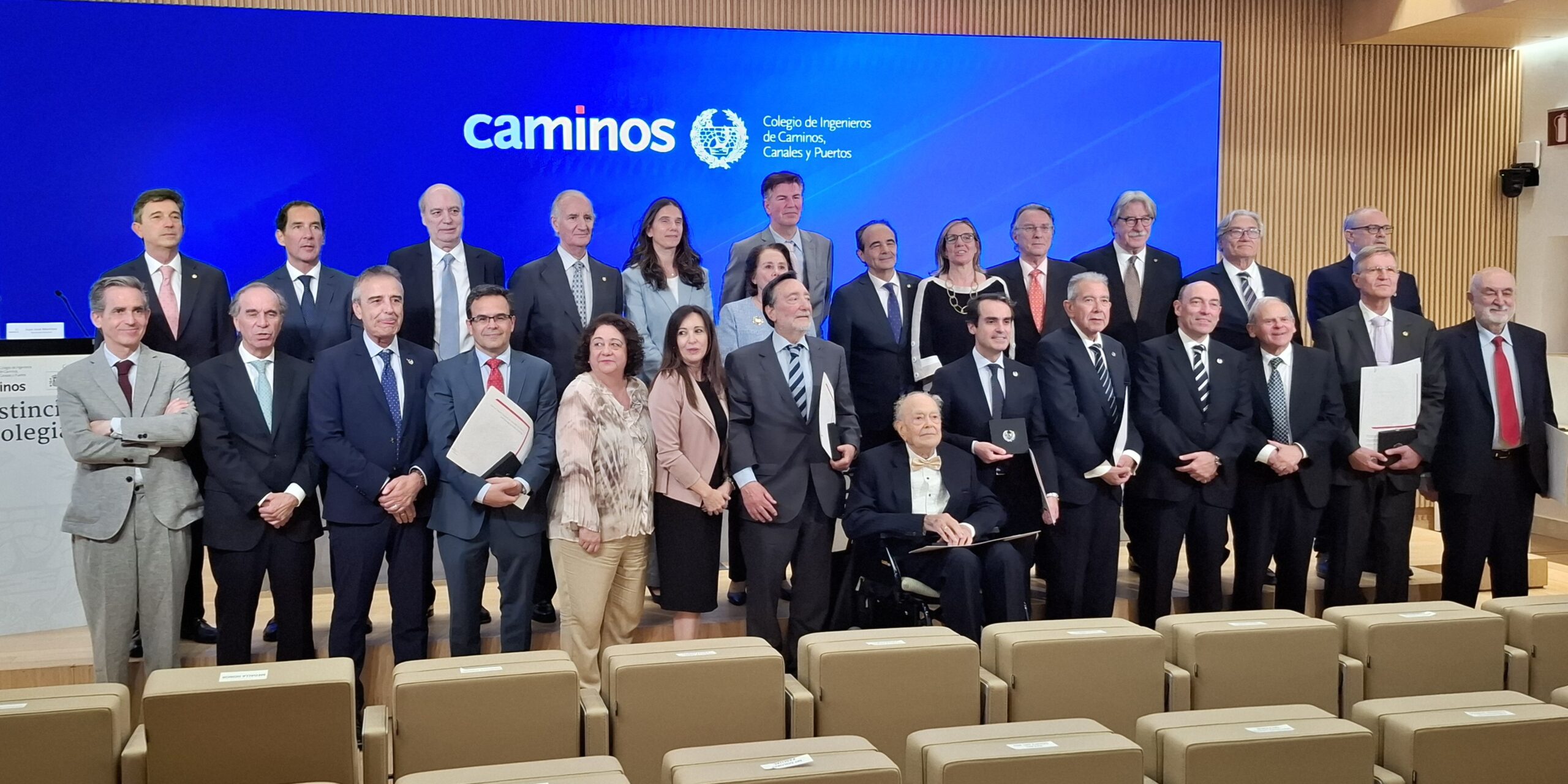
César Quevedo receives the Professional Merit Medal from the College of Civil Engineers

César Quevedo receives the Professional Merit Medal from the College of Civil Engineers

05/05/2026

The College of Civil Engineers, Canals and Ports has awarded the Professional Merit Medal 2026 to César Quevedo Galván, Managing  General of Mobility, in recognition of his career and contribution to engineering.

This award honours professionals who have delivered work of outstanding value to the field of engineering and who have excelled in the practice of the profession. In César Quevedo’s case, the recognition highlights a career closely linked to Sener, marked by commitment, technical excellence and the management of complex projects.

A Civil Engineer (Ingeniero de Caminos, Canales y Puertos) from the University of Cantabria, he joined Sener in 1998 as a Project Director. Since then, he has held a range of responsibilities within the company, including Head of Infrastructure and Transport in Mexico, leading to his current role as Managing Director of Mobility.

Throughout his career, he has been involved in the development of major projects such as the Mexico–Toluca Interurban Train, Line 3 of the Guadalajara Metro, and the retractable pitch system at the Santiago Bernabéu Stadium, contributing to Sener’s international positioning in the fields of mobility and infrastructure.

Spain advances in offshore power grids with the CONECCMAR project, led by Sener

Spain advances in offshore power grids with the CONECCMAR project, led by Sener

05/03/2026

Sener will lead the R&D project CONexión Eléctrica en Corriente Continua MARina (CONECCMAR, Marine High-Voltage Direct Current Electrical Connection), in consortium with leading technology partners Seaplace, Instituto de Investigación Tecnológica (Universidad Pontificia Comillas), CoreMarine, Deep Insight Blue and Ravenwits. The project will be supported by an advisory group composed of Acciona Energía, Naturgy and Navantia Seanergies. It has also received the support of Redeia through a letter of endorsement.

Co-financed by the Community of Madrid and the European Regional Development Fund, the project is part of grants aimed at promoting public–private cooperation in R&D&I through consortium-based flagship projects.

Sener leads a consortium made up of the engineering and technology group and specialised entities Seaplace, Instituto de Investigación Tecnológica (Universidad Pontificia Comillas), CoreMarine, Deep Insight Blue and Ravenwits to implement the R&D project CONECCMAR. This program, aimed at developing the next generation of high-voltage direct current (HVDC) offshore electrical infrastructure, is a key element for the deployment of offshore wind energy in Europe. The project will receive strategic support from an advisory group composed of Acciona Energía, Naturgy and Navantia Seanergies, who will provide their expertise to align the program’s developments with current and future challenges in the electricity system and energy sector. Likewise, Redeia has demonstrated its interest in the project through a letter of endorsement.

The goal of CONECCMAR is to generate new scientific and technological knowledge in the field of marine high-voltage direct current electrical infrastructure, through applied research in three main areas: HVDC floating substations based on advanced concepts; compliant fixed structures for deep-water applications; and hybrid multi-terminal HVDC offshore interconnection nodes. Over the next two years, the consortium will focus on these three research areas to lay the technical and functional groundwork for the next generation of technologies designed to perform in challenging offshore environments.

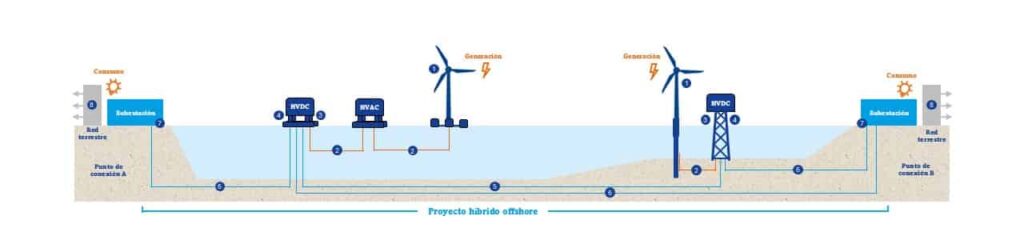
Schematic representation of a hybrid offshore energy link integrating fixed‑bottom and floating wind farms with both HVAC and HVDC transmission systems, connecting multiple offshore substations to onshore grids at two independent landing points.

The initiative aligns with Europe’s goals for decarbonisation and climate neutrality, which require advanced offshore infrastructure capable of integrating new deep-water wind farms and enabling hybrid multi-terminal systems that combine renewable power evacuation and transnational electrical interconnection at a single node.

The project is co-financed by the Community of Madrid (CTVI) and the European Regional Development Fund (ERDF) through a grant program that promotes public–private cooperation in R&D&I via consortium-based flagship projects (no. 59/317816.9/25).

This alliance represents a significant step forward in developing the offshore electrical grids that Europe will need in the coming years and strengthens Spain’s role as one of the leading countries driving the technologies that will power the energy transition.

Cofinanciado por la UE

Sener joins ESA’s EnVision mission to study Venus’ formation

Sener joins ESA’s EnVision mission to study Venus’ formation

13/11/2025

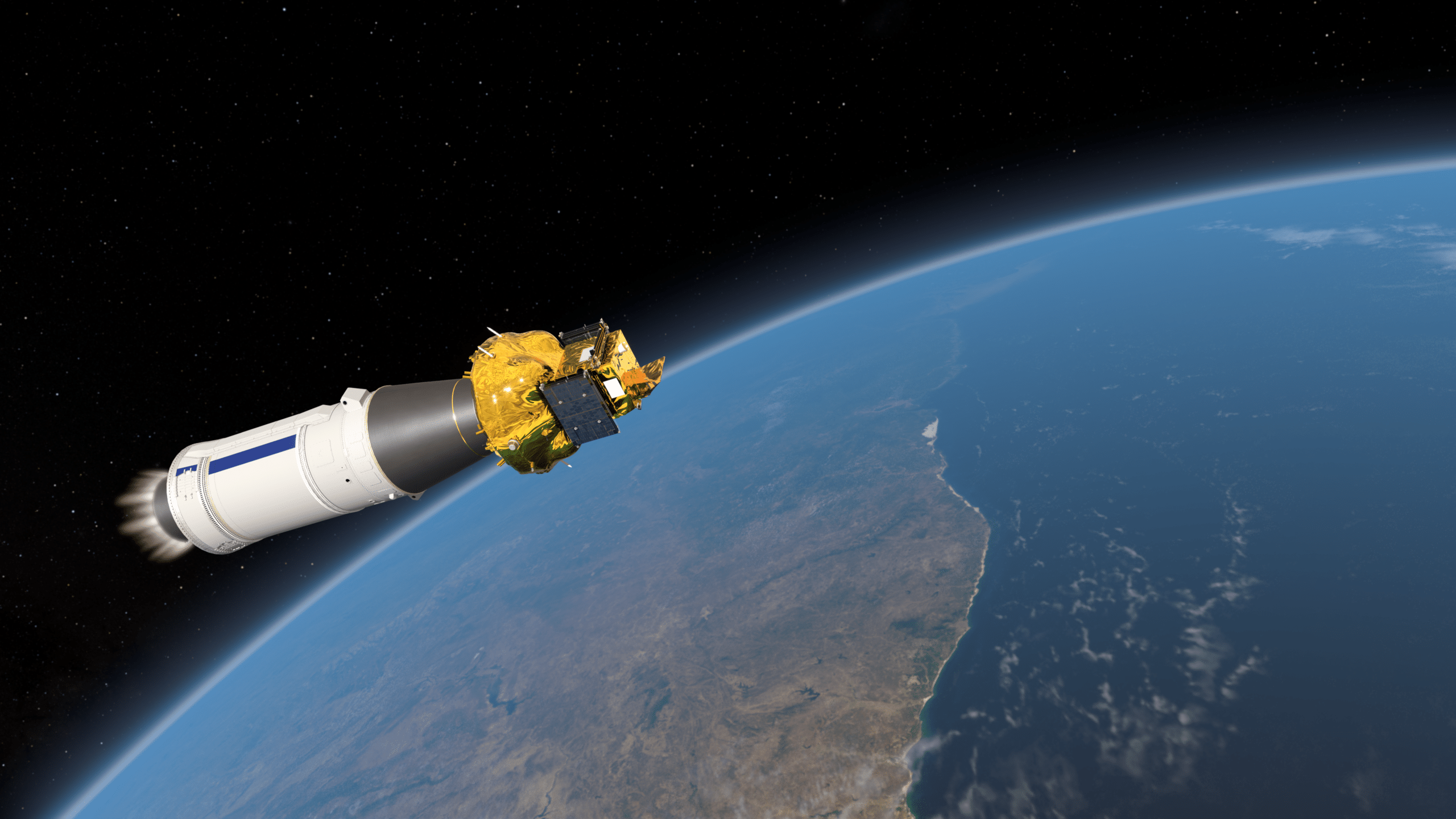
The industrial engineering and technology group Sener will take part in the European Space Agency’s (ESA) EnVision mission, working from its facilities in Spain and Poland.

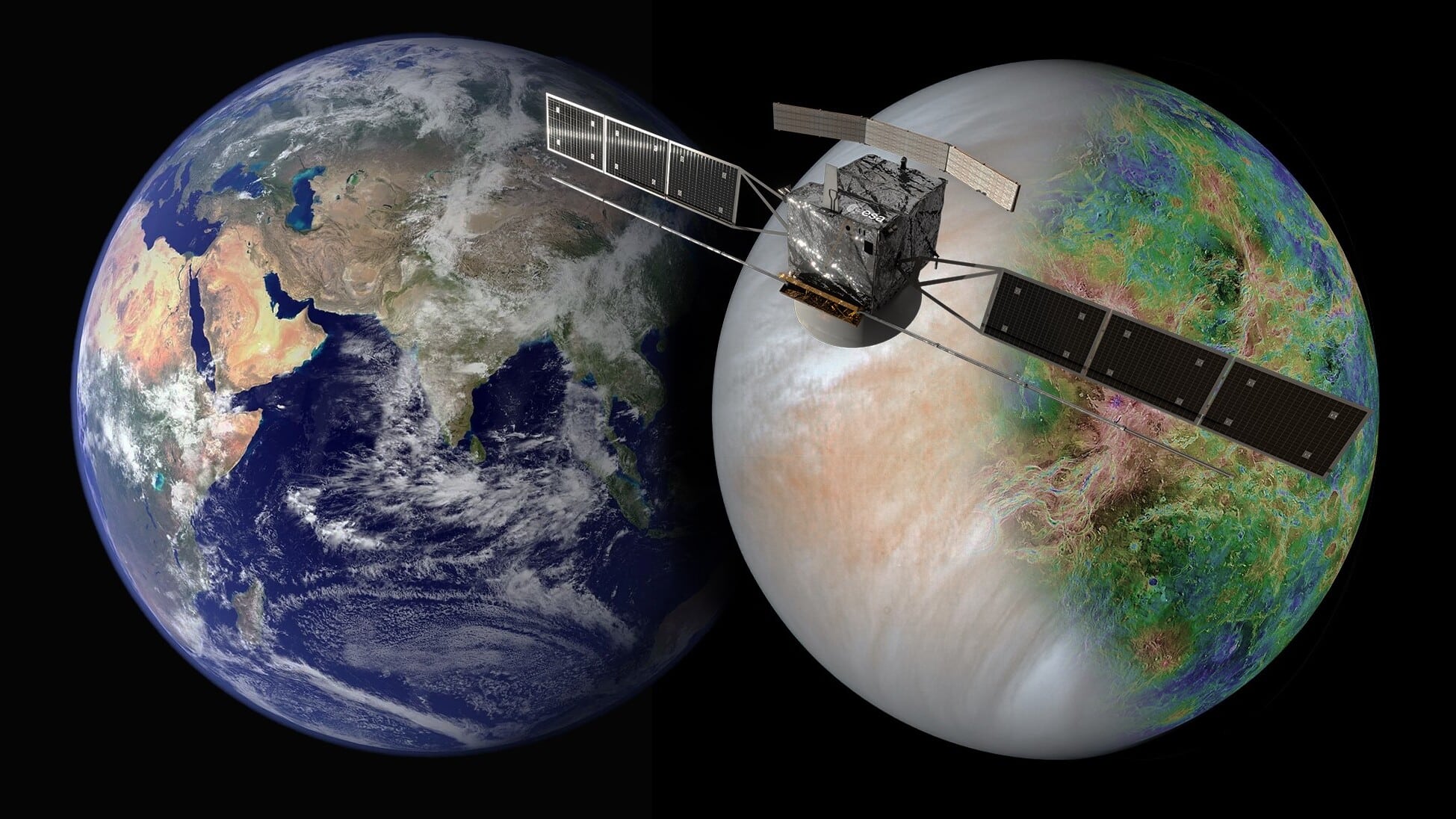
EnVision will be the first mission to deliver a complete view of Venus, from its inner core to its upper atmosphere, to understand how and why Venus and Earth evolved so differently. The mission will study the planet’s atmosphere, surface, and interior, and how these layers interact. This is ESA’s second mission to Venus. The launch is scheduled for November 2031. The journey will include a 15-month cruise followed by 11 months of aerobraking to reach the final science orbit. The science operations phase will last for four Earth years.

Sener is responsible for the design and development of the power supplies of the VenSpec instrument, as well as a 16-meter-long dipole antenna formed by two booms for the Subsurface Radar Sounder (SRS), developed by Thales Alenia. The SRS is a nadir-looking radar sounder that transmits low-frequency radio waves with the unique ability to penetrate beneath the surface. These waves interact with subsurface structures and dielectric discontinuities, producing reflections that are used to create images (radargrams) and map hidden geological features. The instrument’s design relies on physical and electromagnetic modeling of surface and subsurface targets.

Venus exhibits unusual geological formations such as pancake domes, complex ridged terrain (tesserae), and exceptionally long lava channels, identified by previous missions. Understanding how these features formed will provide key insights into the planet’s geodynamic evolution. The SRS will help characterize vertical structures and properties of these formations, detect buried craters and strata, and define boundaries between geological units.

The boom developed by Sener will be critical for the SRS to achieve its objectives and ensure mission success. Sener brings extensive experience in this field, having designed, manufactured, verified, and integrated the magnetometer boom for ESA’s JUICE mission, launched in 2023 to study Jupiter and its icy moons.

The satellite includes the VenSpec instrument, which is a set of three image spectrometers: VenSpec-M (infrared image generator), VenSpec-H (infrared spectrometer), VenSpec-U (ultraviolet spectrometer). Sener develops, in collaboration with the Instituto de Astrofísica de Andalucía, the Central Control Unit Power Supplies Units (CCU-PSU) of the instrument that communicates with the satellite and the power supplies of the H and U channels, with strict requirements for ripple, noise and voltage precision in the outputs.

Sener participates in the development of the Sentinel-1D satellite for ESA’s Copernicus Earth observation programme

Sener participates in the development of the Sentinel-1D satellite for ESA’s Copernicus Earth observation programme

30/10/2025

Sener has contributed the deployment and locking mechanism for the satellite’s synthetic aperture radar, part of the European Union space programme’s flagship Earth observation initiative.

The satellite, scheduled for launch on 4 November from French Guiana aboard an Ariane 6 rocket, will enhance several Copernicus services, including Arctic sea ice monitoring, illegal fishing control, and forest, water, and soil management.

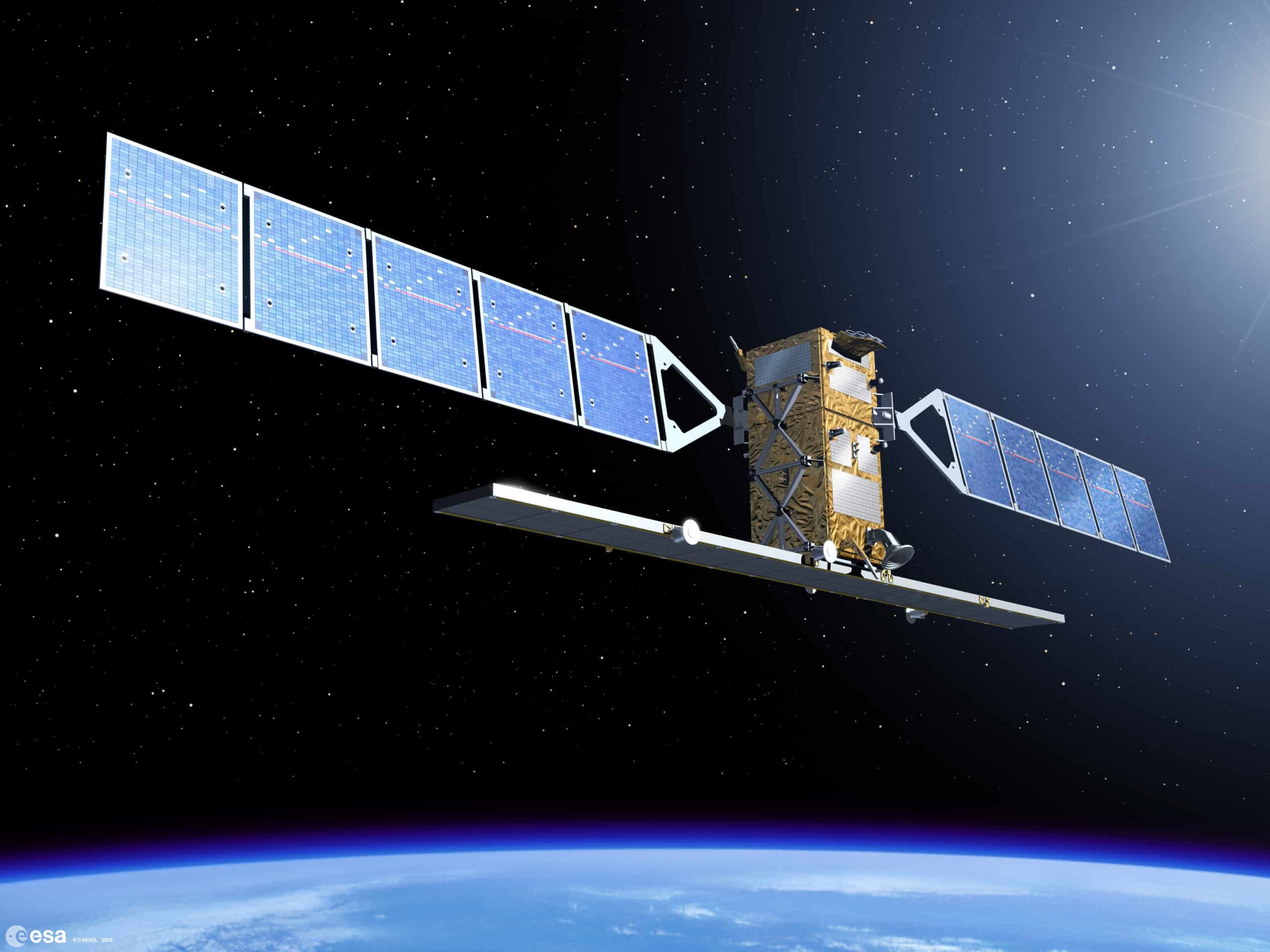
The engineering and technology industrial group Sener has taken part in the development of the Sentinel-1D satellite, which is set to launch next Tuesday, 4 November, from French Guiana aboard an Ariane 6 rocket. Specifically, Sener designed and manufactured the deployment and locking mechanism for the synthetic aperture radar, the instrument that will enable the satellite to provide high- and medium-resolution data.

Copernicus Sentinel-1D will be the fourth Sentinel-1 satellite to launch, as part of an ambitious mission equipped with advanced radar technology that can capture images of the Earth’s surface in any weather conditions, day or night, enhancing space-based radar capabilities. Sentinel-1 provides crucial information for Copernicus services, such as sea ice monitoring, iceberg tracking, glacier observation, environmental surveillance, oil spill detection, and identification of vessels and illegal fishing activities. It also monitors ground deformation caused by subsidence, earthquakes, or volcanoes, and supports forest, water, and soil management, as well as humanitarian aid in crisis situations.

Copernicus is the European Union’s Earth observation programme, providing free and accessible information services using data collected from satellites and terrestrial, aerial, and maritime measurement systems. Its goal is to deliver useful information to service providers, public administrations, and international organisations to support management and decision-making.

Sentinel-1 is the result of collaboration between the European Space Agency (ESA), the European Commission, industry partners, service providers, and users. The design and manufacture of Sentinel-1D involved a consortium of around 60 European companies and stands as a prominent example of technological collaboration and excellence.

Cover image: ESA

Sener strengthens Spain’s technological sovereignty in secure communications with its participation in SpainSat NG II

Sener strengthens Spain’s technological sovereignty in secure communications with its participation in SpainSat NG II

21/10/2025

The second satellite of the SpainSat NG programme will be launched on 22 October, completing Europe’s most advanced secure communications constellation.

The engineering and technology group Sener has been involved in SpainSat NG II, the second satellite in Hisdesat’s secure communications programme, scheduled for launch on 22 October from Cape Canaveral, United States. This milestone will complete the SpainSat NG constellation, following the successful launch and commissioning of its twin satellite, SpainSat NG I, last January, on which Sener also worked.

SpainSat NG II, identical to its predecessor (already successfully operating in orbit), will provide secure and reliable communications for the Spanish Armed Forces, strengthening the nation’s technological and strategic capability in space. The satellite will incorporate advanced technologies to protect against jamming and spoofing attempts and will be shielded against high-altitude nuclear events.

Sener was responsible for the design, manufacture and testing of critical components for SpainSat NG II, replicating its successful contribution to the first satellite in the series:

  • Sener designed, manufactured and tested over one hundred complete chains for both the active transmit antenna and the X-band receive antenna. Each chain integrates a radiating front end with a DSSPA (dual solid-state power amplifier) for the transmit antenna or a DLNA (dual low-noise amplifier) for the receive antenna.
  • In addition, Sener supplied six mechanically steerable reflector systems for the Ka-band communications payload, mounted on a deployable panel, with three types of antenna and an angular movement system for each reflector. These reflectors are fed by radiating chains, also provided by Sener, including a horn, polariser and waveguides for signal distribution.
  • Furthermore, for each satellite, Sener delivered the telemetry and telecommand antennas: a pair of S-band hemispherical antennas and a global coverage antenna with dual polarisations and integrated transmit-and-receive functionality.
  • Finally, Sener played an active role in the satellite’s UHF payload, developing the three-channel OMUX, which filters and combines the outputs of the corresponding amplifiers before feeding the satellite’s UHF antenna. Handling high power at this frequency for space applications made the design of this unit a first-class challenge.

Once in orbit, SpainSat NG II will operate alongside SpainSat NG I to provide extended coverage spanning from the United States and South America to the Middle East, including Africa, Europe and reaching as far as Singapore. With an operational lifetime of 15 years, both satellites will ensure the continuity of Spain’s military and governmental communications.

“With the imminent launch of SpainSat NG II, we complete our involvement in one of the most advanced satellite programmes in the world”, said Diego Rodríguez, Space and Science Director at Sener.“The operational success of SpainSat NG I since its launch in January validates our technological solutions and reinforces our commitment to Spain’s technological sovereignty in space”.

Proven track record in the space sector

Sener has a well-established history in satellite communications, having supplied antennas and radiofrequency equipment—both active and passive—to leading satellite manufacturers and space agencies for applications in navigation, telecommunications, exploration and Earth observation. The company has delivered over 10,000 units of equipment and subsystems, which have flown on 1,400 satellites in LEO, GEO and MEO orbits, as well as on launchers.

Sener’s involvement in the SpainSat NG programme further consolidates its role as a strategic partner in defence space programmes and demonstrates the capability of Spanish industry to develop cutting-edge space technology.

Sener opens its 6th Innovation Forum in Barcelona with the participation of Jaume Baró, Secretary of Business and Competitiveness of the Generalitat of Catalunya

Sener opens its 6th Innovation Forum in Barcelona with the participation of Jaume Baró, Secretary of Business and Competitiveness of the Generalitat of Catalunya

13/10/2025

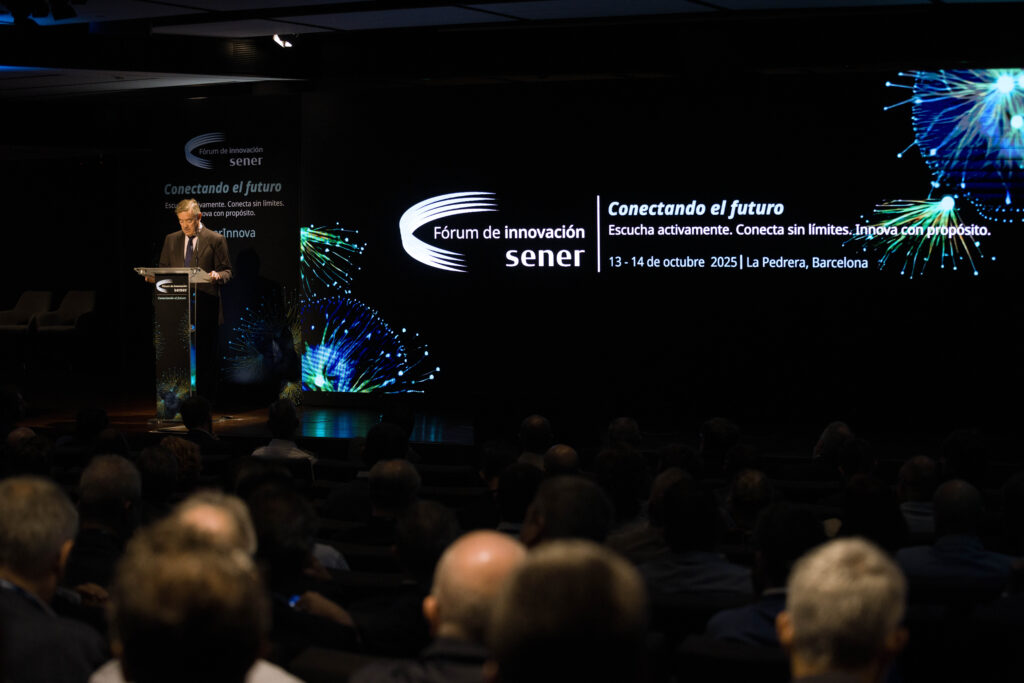
The engineering and technology group Sener inaugurated today, at Casa Milà in Barcelona, the sixth edition of its Innovation Forum, a benchmark event in Spain for analysing the latest technological trends and their applications in strategic sectors.

The opening ceremony was attended by Jaume Baró, Secretary of Business and Competitiveness of the Generalitat of Catalonia, who emphasized that “innovation is key to developing a competitive economy and tackling our major social challenges. Catalonia is very well positioned, with an ecosystem that brings together entrepreneurship, technology, research centres, prestigious universities, local talent and the ability to attract international talent, as well as a growing network of emerging companies that make us a genuine technology hub in southern Europe. In this regard, institutions such as ACCIÓ are essential to continue driving innovation.”

Sr. Jaume Baró Torres Fórum Innovación Sener_2

This year’s Forum brings together, over two days, executives, researchers, and experts from more than 20 leading companies, technological centres, and institutions in their respective fields, including Airbus Defence and Space, CSIC, ADIF, Alstom, Universitat Politècnica de València, Esade, Kapsch TrafficCom, and the European Space Agency, among others.

The program combines inspiring keynote speeches, panel discussions, and demonstrations in the TechShow area, aiming to reflect on major technological challenges in connected and sustainable mobility, defence and drones, decarbonisation and CO₂ management, artificial intelligence, OT cybersecurity, and data centres, among other areas.

During the opening, Sener’s President, Andrés Sendagorta, highlighted that “innovation has been one of Sener’s fundamental pillars since its founding almost 70 years ago. Our founders understood that technological innovation would be our strength and our distinctive value, and that spirit remains alive today thanks to the exceptional team of over 4,000 professionals who make up the company, covering more than 100 technical disciplines. In Barcelona, we have one of our largest production centres, where more than 300 professionals are involved in major international projects. We are convinced that it is essential to innovate in collaboration with the entire ecosystem we are part of: technology centres, start-ups, universities, partners, clients and, of course, with the support of public institutions, which is indispensable to sustain this innovative ecosystem.”

Investment in R&D and Cutting-Edge Projects

Sener maintains a strong commitment to R&D and investment in production capabilities as a driver of growth. Over the past three years, the group has acquired the Australian consultancy Tactix (transport infrastructure), the engineering firm Quark (data centres), and the company SCR (unmanned systems). In parallel, it is expanding its facilities in Zamudio (Vizcaya), Tres Cantos (Madrid), and Barcelona, with industrial projects involving an investment of 35 million euros in new plants and clean rooms for its space and defense businesses.

Similarly, in 2024, the company further strengthened its businesses with significant milestones. In the space sector, Sener was the prime contractor for the European Space Agency’s Proba-3 mission, which marked the first formation flight of two satellites in orbit.

In the energy sector, Sener has contributed to key infrastructure projects, such as the CO2next carbon dioxide storage terminal in Rotterdam and pioneering projects in Germany, including the adaptation of combined-cycle power plants to hydrogen and the country’s first onshore liquefied natural gas storage and regasification plant.

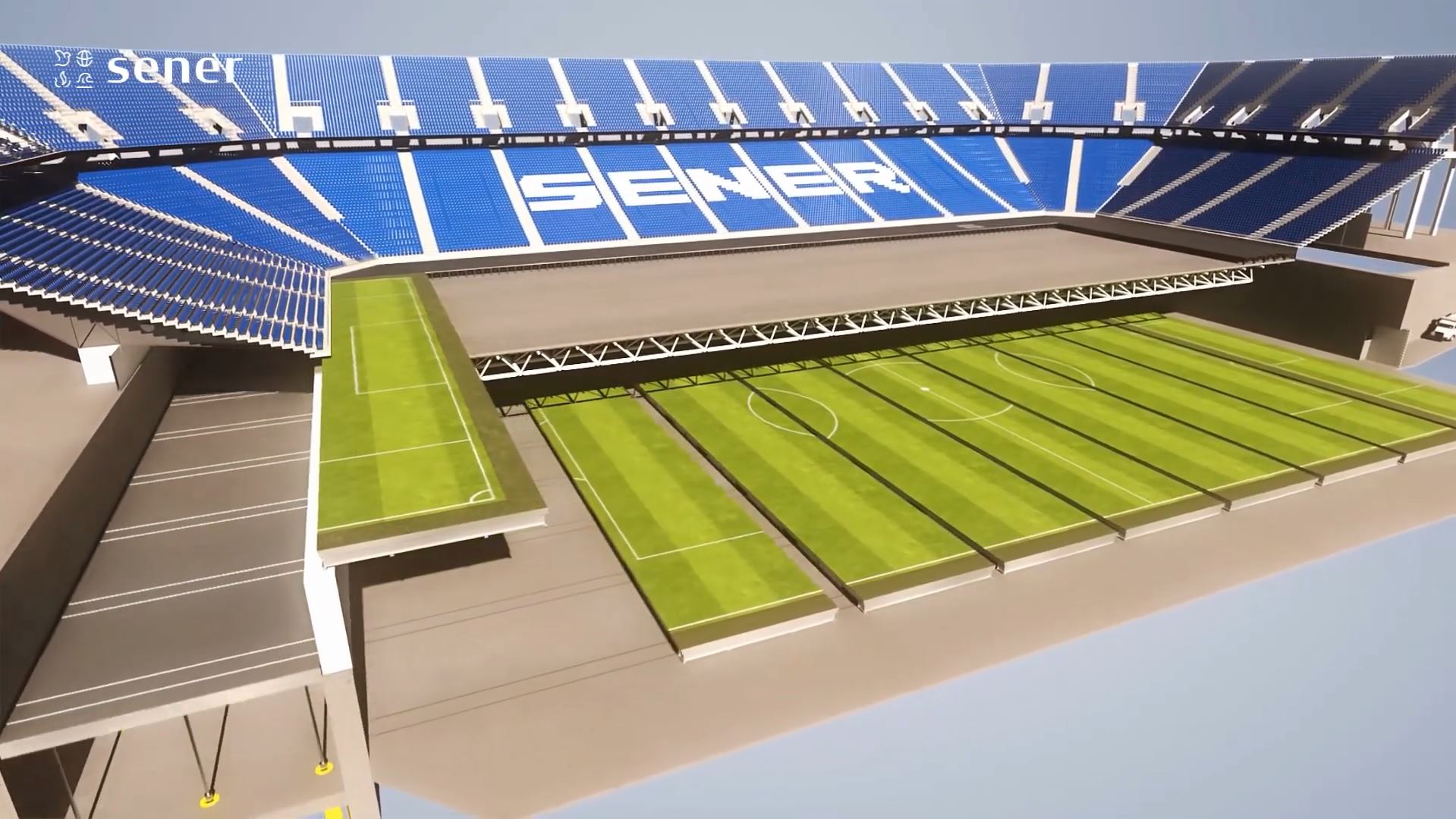
Additionally, the company recently launched Epigea, an automated solution that optimises operations in football stadiums. This mobile and retractable cover ensures the quality of the turf while enabling non-sporting events. This enables stadiums to be used 365 days a year, creating new revenue streams and enhancing the value of the real estate asset.

Through Quark, Sener has designed data centres for the IT Management of Social Security (GISS) and major international operators such as Damac, Equinix, and Prime Data Centers.

Recognition of Technical Excellence

The Innovation Forum also serves as the stage for Sener to recognise the excellence of its professionals. During the event, awards are presented to the technological leader with significant impact and to the project that pushes the boundaries of technology. It is also the occasion for the appointment of its Chief Technical Engineers (CTE). This biennial recognition honours company experts in fields such as geotechnics, acoustics, or electronics, selected by an internal committee based on their knowledge, career, and academic and professional contributions.

Sener, with over 4,000 professionals worldwide and a strong presence in Barcelona (where a team of more than 400 STEM specialists works), develops cutting-edge projects in areas such as space, energy, mobility, data centres, and digital solutions.

The Innovation Forum, which will continue until tomorrow, 14 October, will also present the Forum Awards, geared towards highlighting the most significant contributions to the innovation ecosystem.

Sener receives ENR’s Global Best Project Award for its innovative automated pitch changeover solution at Santiago Bernabéu stadium

Sener receives ENR’s Global Best Project Award for its innovative automated pitch changeover solution at Santiago Bernabéu stadium

03/10/2025

Prestigious publication Engineering News-Record recognizes the retractable pitch project as Best Project in the Specialty Construction category.

Sener has been honored by Engineering News-Record (ENR) in its Global Best Projects Awards 2025, receiving the Best Project recognition in the Specialty Construction category for its fully automated pitch changeover solution at Santiago Bernabéu Stadium in Madrid.

The solution, developed by Sener, represents a pioneering technological innovation that enables the stadium’s rapid and efficient transformation between football configurations and multifunctional events, establishing the venue as one of the most versatile in the world.

ENR’s Global Best Projects Awards represent one of the most prestigious accolades in the international construction and engineering industry. In its thirteenth edition, a panel of industry experts evaluated approximately 90 submissions from around the world, selecting 32 winning projects located in 24 countries across all continents.

The rigorous selection process analyzes each project’s safety performance, innovation, teamwork, and execution excellence.

All winning projects will be featured in detail in ENR’s special December 15 issue, which will also reveal which project will receive the coveted Global Project of the Year title. Additionally, ENR will host a virtual awards ceremony on December 18.

This recognition reinforces Sener’s position as a global engineering leader and adds to the company’s recent achievements, including its current ranking at number 38 in ENR’s “Top 225 International Design Firms.”

The Santiago Bernabéu project exemplifies Sener’s commitment to technological innovation, engineering excellence, and the development of solutions that set new industry standards.

Sener and Ayesa apply quantum computing to optimise hydrogen generation

Sener and Ayesa apply quantum computing to optimise hydrogen generation

30/09/2025

They use quantum algorithms to simulate the best possible operation of each process carried out in an electrolysis plant.

The project forms part of the digitalisation objectives of the IPCEI (Important Project of Common European Interest) programme developed by Sener, aimed at improving electrolysis technologies and reducing the levelised cost of hydrogen, and will be presented during the 6th meeting of the Production vertical of the Basque Hydrogen Corridor (BH2C) on 25 September.

The engineering and technology group Sener and Ayesa have developed a proof of concept through a quantum solution to optimise operational simulations of electrolysis plants carried out with SenHy, Sener’s digital tool. This solution enables simulation of all processes involved in hydrogen generation using quantum algorithms, from managing the different sources of electrical energy (solar generators, grid purchases, battery storage), through the operation of electrolysis modules and their degradation management, to adjusting hydrogen output flow to align with demand forecasts.

The project forms part of the digitalisation objectives of the IPCEI programme developed by Sener, aimed at advancing electrolysis technologies and reducing the levelised cost of hydrogen (LCOH). To this end, the group has created SenHy, an innovative operational simulation tool for electrolysis plants that integrates different electricity supply profiles into an operational simulation. The project will be presented during the 6th meeting of the Production vertical of the Basque Hydrogen Corridor (BH2C), to be held on 25 September.

SenHy faces a significant technical challenge: solving every minute a complex multiphysics optimisation problem based on the current and potential state of energy profiles and the plant’s operating parameters. Given the limitations of traditional computational tools, the model had to be simplified to meet response time requirements. To accelerate this process and exploit the full complexity of the multiphysics model, Sener carried out a proof of concept based on a quantum computing algorithm provided by Ayesa. The result was successful: a simplified problem was solved with the same quality of solution in one-tenth of the time, paving the way to simulate more complex cases and significantly improve simulation accuracy.

This holistic approach, combined with the inherent scalability of quantum logic, enables proposals for optimal plant operation to be obtained with very short simulation times. This allows for precise planning to extend beyond the simulation periods achievable with the classical (non-quantum) strategy used until now.

Rapid resolution of complex problems

Electrolyser plants are facilities that, by applying electrical currents, are capable of separating hydrogen and oxygen contained in water molecules. The hydrogen generated has multiple applications in industry and research, and can also be used as a clean fuel.

It is a highly complex process that, until now, when operational issues arose, was addressed with classical methods, which were able to deliver quality output within reasonable times but only for moderately complex problems. “As complexity or scale increases, analysis times become prohibitive and it becomes necessary to resort to approximations or extrapolations to obtain results that are no more than indicative.”

So explains Iñigo Pérez Delgado, project lead at Ayesa, who adds: “We sought a scalable tool capable of delivering high-quality results in short execution times thanks to a quantum method, tested in the range where the classical process is still able to confirm the quality of results. The inclusion of a quantum algorithm makes it possible to assess scenarios of greater scale and complexity.”

The use of quantum logic means that an increase in the complexity of the conditions to be met, which in the classical case entails an exponential scaling of difficulty, hardly increases the processing capacity required to solve the problem. “In this IPCEI project, therefore, the main objective was to develop a method capable of delivering scalable results, even if at the scale analysed no speed advantage was obtained,” he states.

“However,” Pérez Delgado continues, “it has been observed that the problem analysed, though moderate in size, is already large enough for the scalability of the quantum method to provide a speed advantage of an order of magnitude. Therefore, our results confirm that quantum computing is already capable of delivering differential results in industry.”

According to Alfonso Corbella, R&D project director in H2 at Sener: “The application of technologies such as quantum computing allows us to tackle with greater accuracy the operational optimisation of complex processes such as those taking place in an electrolysis plant. This advanced simulation capability not only improves efficiency, but also paves the way towards broader adoption of green hydrogen, an area in which Sener has extensive experience.”

Sener to develop prototype for next generation backhaul terminals for SES’s O3b mPOWER system

Sener to develop prototype for next generation backhaul terminals for SES’s O3b mPOWER system

30/09/2025

SES has selected Sener to develop the first prototype of a next-generation ground terminal for its O3b mPOWER system. This backhaul terminal, based on active antenna technology, addresses the growing demand for resilient, high-capacity connectivity from operators, governments, and enterprises worldwide.

The O3b mPOWER constellation, operating in Medium Earth Orbit (MEO), is designed to deliver high-performance, low-latency connectivity services—even in remote locations. The terminal developed by Sener features a reflector antenna with phased-array technology, enabling electronic satellite tracking without moving parts, significantly enhancing system reliability and performance. This capability is powered by custom-developed control, diagnostic, and execution software and firmware that manage real-time pointing and link geometry adaptation.

The system operates across the full Ka-band, with dual-beam reception (17.7–21.2 GHz) and single-beam transmission (27.5–31 GHz), and supports a wide scanning area (±50° azimuth, ±10° elevation). It is designed for deployment between latitudes 50° N and 50° S, providing global coverage for SES’s MEO network. Its compact and efficient design optimizes electronic integration and signal quality, maintaining a reduced volume without compromising performance.

Sener now enters the prototyping phase, during which engineering teams will develop breadboards and key subsystems: transmission and reception modules, arrays, and signal distribution networks. Performance will be validated through lab measurements, anechoic chamber testing, and final trials at SES’s antenna field in Luxembourg.

With a solid track record in traditional antennas for space and defense, Sener has invested consistently over the past decade in developing proprietary active antenna technology. The company is currently involved in multiple projects for satellite communications and downlink applications, as well as wideband and narrowband data links for defense. These developments combine expertise in radiofrequency, electronics, and control to deliver solutions tailored to demanding operational requirements.

This project marks a new milestone in the collaboration between SES and Sener, reinforcing their shared commitment to technological innovation in the space sector.