




 About us
 / section
Careers
Careers / section
News & events
News & events / sectionCountries section
About us
About us / section
Careers
Careers / section
News & events
News & events / sectionCountries section
About us
About us / section
Careers
Careers / section
News & events
News & events / sectionCountries section
About us
About us / section
Careers
Careers / section
News & events
News & events / sectionCountries section


 More results
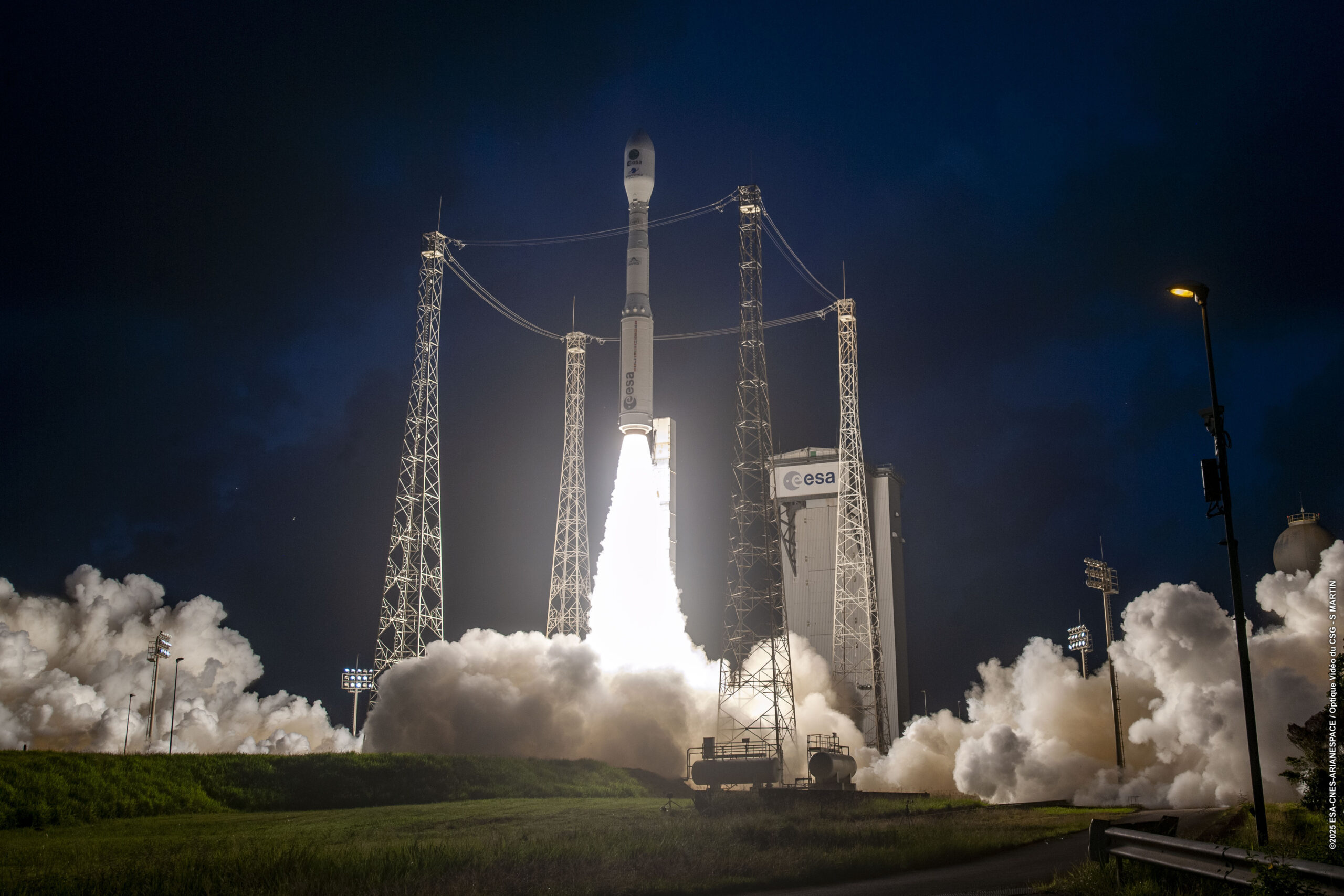
The European Space Agency’s (ESA) new Biomass satellite, designed to provide unprecedented data on the world’s forests and their crucial role in the Earth’s carbon cycle, has been successfully launched. The satellite lifted off aboard a Vega-C rocket from Europe’s Spaceport in Kourou, French Guiana, on April 29 at 11:15 CEST (06:15 local time).
Biomass seeks to improve understanding of the carbon cycle and global warming processes through the monitoring of forest biomass. Biomass is part of ESA’s Earth Explorer programme and is designed to deliver precise data on forest conditions and deforestation worldwide. This data will enable the generation of high-resolution, three-dimensional maps of forests, significantly contributing to global efforts to reduce carbon dioxide emissions.
Sener is involved in the mission as part of an international consortium comprising 50 companies from 20 countries. Sener has developed the Reception Amplification Subsystem (RAS), a crucial part of the Biomass satellite’s electronic system. The RAS is responsible for amplifying incoming radar signals, ensuring low interference and high precision in data capture. This subsystem includes several critical components, such as filters and low-noise amplifiers, all of which have been rigorously designed and tested to meet the mission’s demanding requirements.
Photo: (C) ESA-CNES-ARIANESPACE/Optique vidéo du CSG–S. Martin.
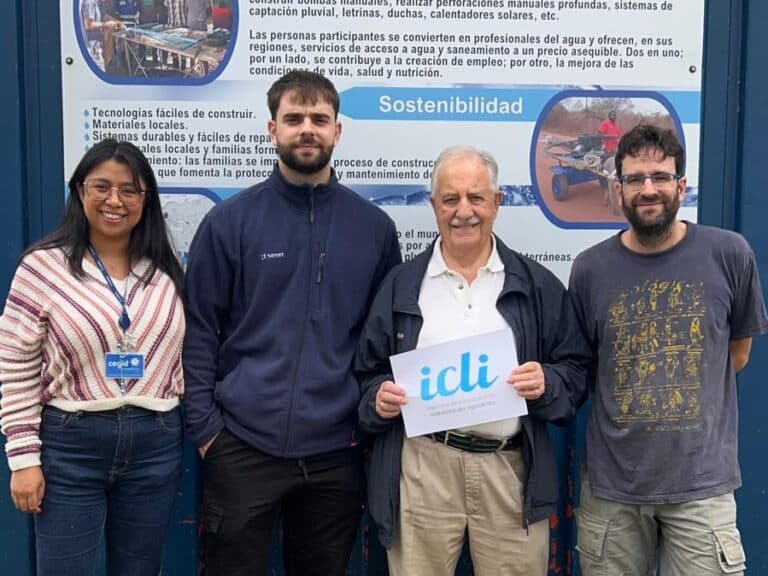
Sener Foundation, ICLI and TADEH join forces to improve access to water in rural and vulnerable communities
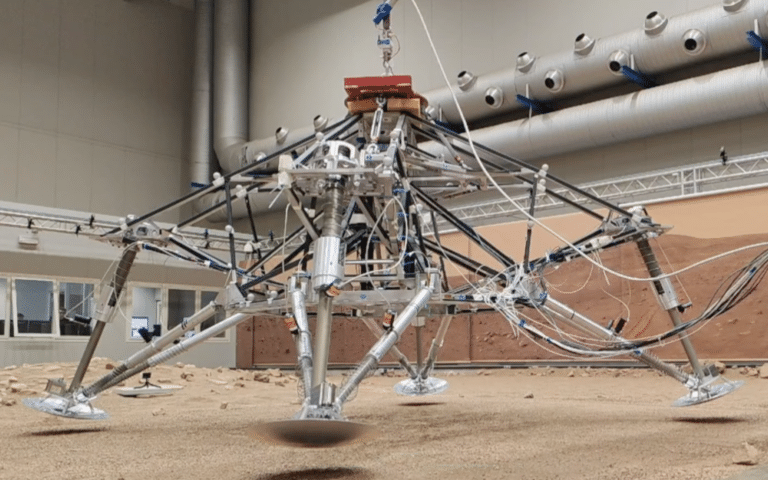
Sener advances qualification of the Rosalind Franklin rover landing gear ahead of its journey to Mars in 2028
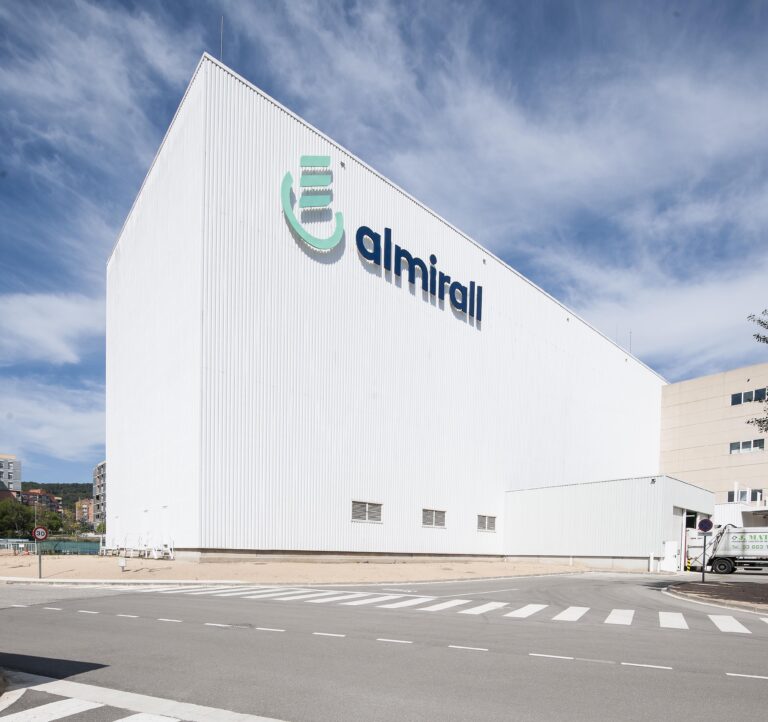
Almirall autonomously optimises energy operations at its Sant Andreu de la Barca plant using a digital twin developed by Sener
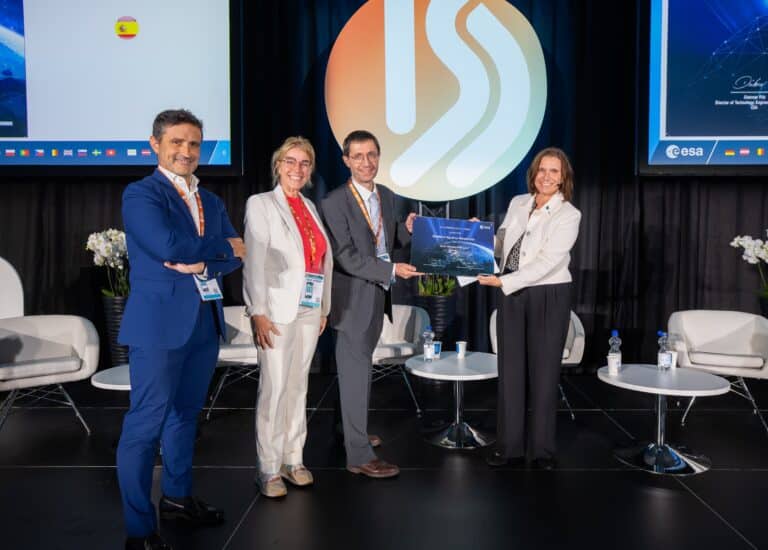
European Space Agency recognises Sener’s excellence in space radiometry