






SENER Aeroespacial takes part in the EROSS IOD on-orbit servicing project

SENER Aeroespacial takes part in the EROSS IOD on-orbit servicing project

25/10/2022

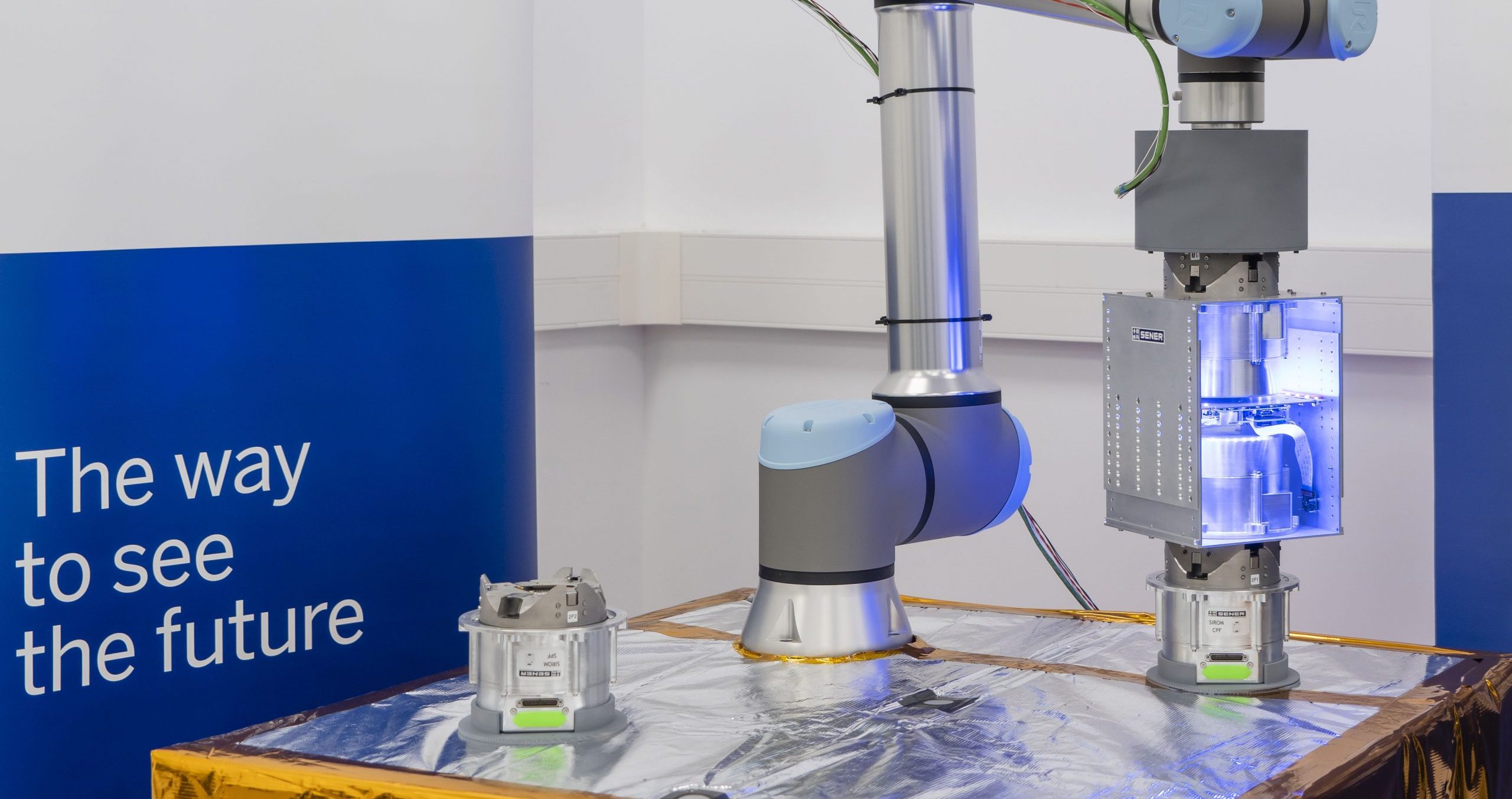
At EROSS IOD, SENER Aeroespacial will integrate its SIROM robotic interface to allow power and data transfer between modules but also providing refuelling capabilities to the system.

SENER Aeroespacial is part of the consortium chosen by the European Commission for the EROSS IOD program dedicated to On-Orbit Servicing. EROSS IOD (European Robotic Orbital Support Services In Orbit Demonstrator) will validate the technologies needed for robotic in-space servicing operations, culminating in a European pioneering mission by 2026. This mission will demonstrate satellite rendezvous, capture, docking, refuelling and payload exchange capabilities to drive major advances in space robotics for future on-orbit robotic missions.

According to the Prime Contractor, Thales Alenia Space, “The goal is to extend satellite lifetimes while also limiting space debris to enable better management of the current and future space assets. On-Orbit Servicing vehicles represent a real paradigm shift, since future space systems will be able to undergo maintenance and upgrades even in orbit. By introducing unrivalled system scalability and flexibility, they will be a real game changer. Satellites as we know can therefore be designed in a completely new way.”

In the consortium, formed by seventeen companies, SENER Aeroespacial will be involved in the adaptation of SIROM to the EROSS IOD needs as ORU (Orbital Replacement Unit) interface. In addition, SIROM will be configured as a refuelling interface based on SENER RIDER solution.

SIROM is a robotic interface developed by SENER Aeroespacial that can be used both in orbital and planetary applications. As a robotic interface, SIROM has the ability to manipulate and carry on different tasks, integrating four different functionalities in a single mechanism: mechanical, data, electrical and fluids.

This EROSS IOD program is under Grant Agreement Preparation and expected to start in January 2023.

SENER Aeroespacial has a long track record in projects that contemplate the generation of space technology from the point of view of sustainability. The company is already working to generate more efficient orbital infrastructures. Since 2019, the company is part of the E.T.PACK consortium to develop a deorbit device based on a space tether to tackle the space debris proliferation problem. And, since 2020, the company is part of the Net Zero Space initiative, as a step forward in the group’s commitment to drive sustainable transformation through engineering and technology.


 

Sener joins RAI’s Women in Engineering program

Sener joins RAI’s Women in Engineering program

20/10/2022

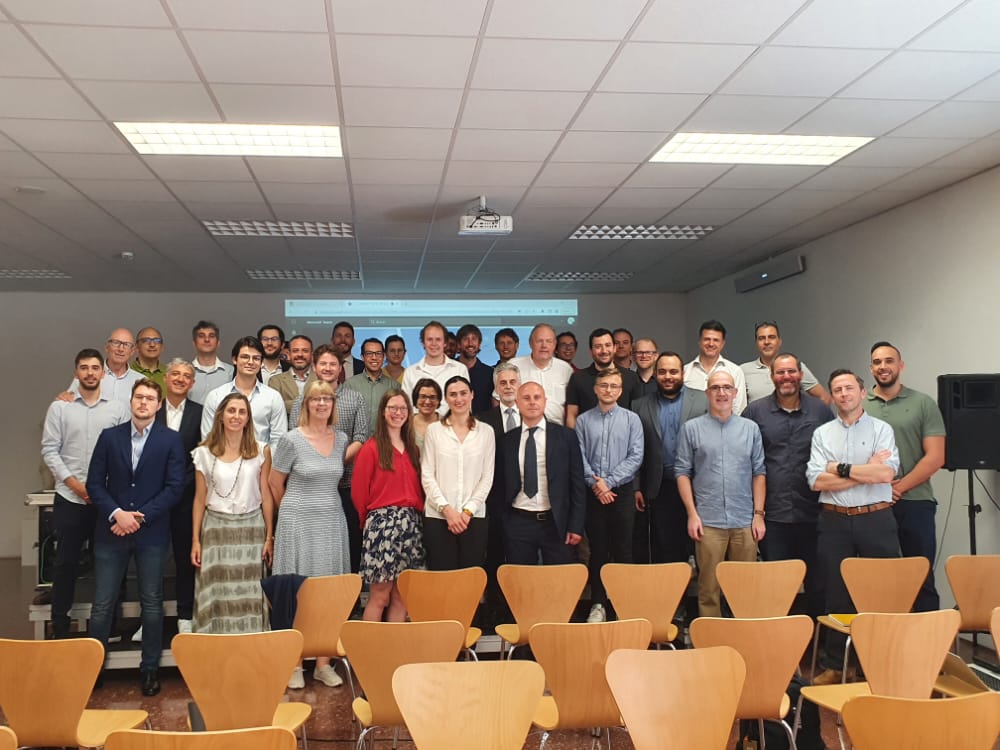
On October 19, the signing of the framework collaboration agreement for the Women and Engineering program was held at the headquarters of the Spain’s Royal Academy of Engineering, RAI. This agreement was signed by SENER’s President, Andrés Sendagorta, and the President of RAI, Antonio Colino.

Rosana Madroñal, Director of the SENER Foundation, and Ana Úsar, Head of Equality, Diversity and Inclusion at SENER, also participated in the signing ceremony.

The Women and Engineering program aims to promote STEM careers (Science, Technology, Engineering and Mathematics) among the female public, in addition to including various actions and programs such as “Mentoring of Excellence” or “Engineering with social purpose”, aimed at promoting STEM vocations.

This agreement is another step forward in the measures supported by the SENER group to promote equal opportunities between women and men, faithful to its corporate commitment and its policies to advance in the elimination of gender, age, disability, culture and sexual orientation biases in all people management processes.

SENER, AIDHOS, Estudio Lamela, and ARCS will carry out the construction project for a new hospital in Malaga

SENER, AIDHOS, Estudio Lamela, and ARCS will carry out the construction project for a new hospital in Malaga

19/10/2022

The Regional Government of Andalusia has awarded the contract to plan and construct a new hospital in Malaga to the Malaka temporary joint venture (TJV), consisting of the architecture studio AIDHOS Arquitec, specializing in hospital architecture, Estudio Lamela, and the SENER and ARCS Estudios engineering firms.

The Malaka TJV was also responsible for the draft version of the new hospital in Malaga, intended to be the new leading health center in Malaga for acute care, highly specialized and offering sophisticated healthcare technologies.

The building will be bioclimatic, efficient and highly technological, and will serve the people of Malaga for the next several decades. It has a flexible design so that it can easily adapt to the constant changes that occur in medical technology, and to provide new medical treatments that are much more personalized than today’s. In this sense, principles and design improvements aimed at the humanization of spaces will be implemented and corrective measures will be developed against the sound condition and its impact. The hospital will also be completely digitized through robustly implemented Information and Communication Technologies.

The new complex, located next to the Civil Hospital, will entail an estimated investment of 380 million euros and will have a total built area of 270,300 square meters (197,600 dedicated to the hospital building proper and 73,600 to the parking lot and loading and unloading dock). The approximate project construction time is 60 months.

It will be divided into four towers, with 15 floors, 12 above ground and three basements. The hospitalization area, which takes up eight full floors, will have an area with 27 hospitalization units, 810 rooms and a day hospital with 108 positions, as well as four ICU units with 66 rooms, 42 operating rooms, 48 major outpatient surgery posts, 189 external consultations, 31 special examination rooms and a teaching and research area.

The combined experience of the various companies in the TJV guarantees that the facility will be an efficient, innovative and sustainable building equipped with the technologies needed to offer patients maximum comfort.

SENER receives the Generational Diversity award from the Generation & Talent Observatory.

SENER receives the Generational Diversity award from the Generation & Talent Observatory.

13/10/2022

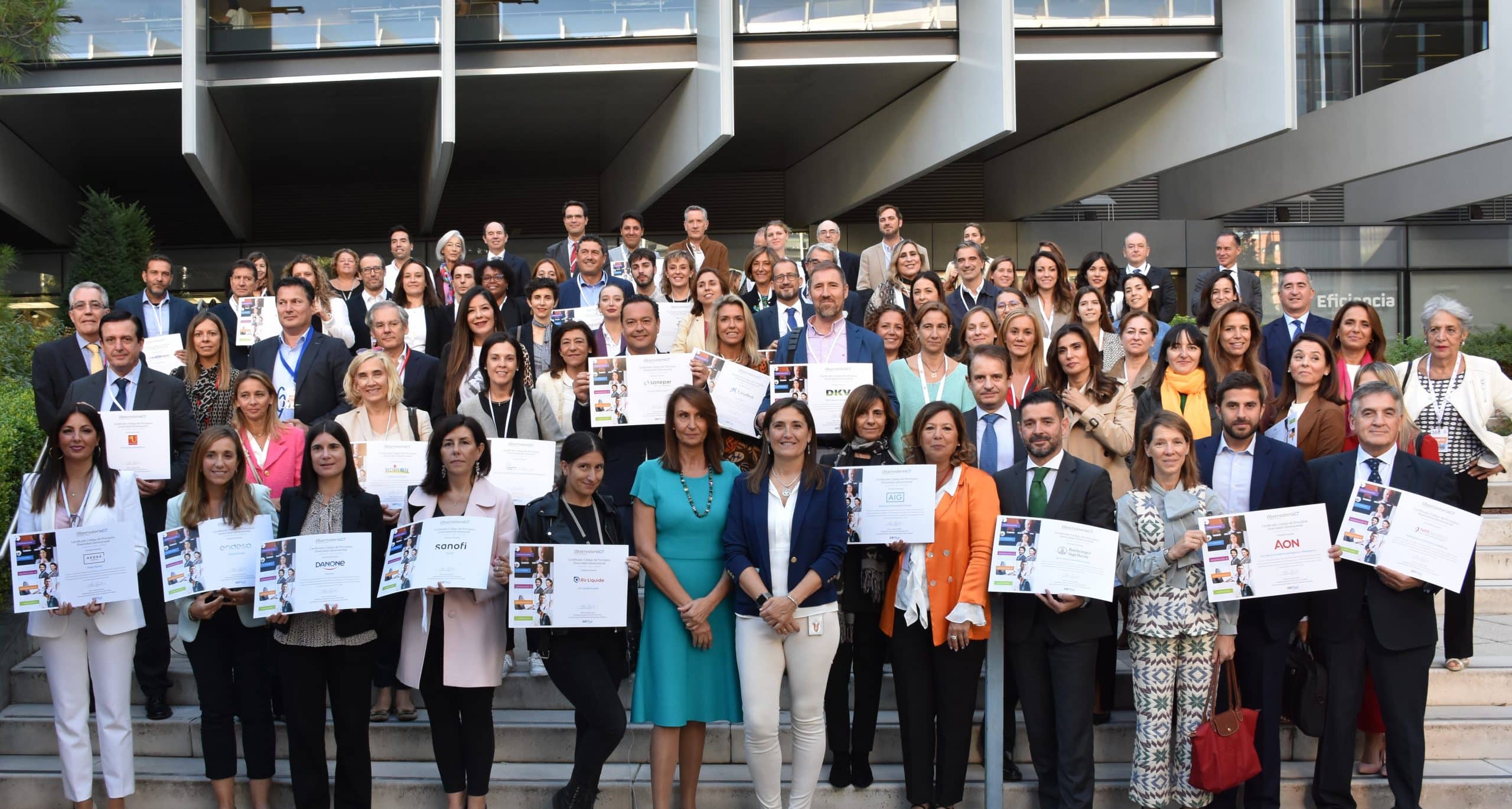
SENER has been one of the signatories of the Code of Generational Diversity Principle promoted by the Spanish Generation & Talent Observatory.

This code recognizes as a strategic objective the favorable development of the management of people based on equal opportunities regardless of their age, non-discrimination and respect for generational diversity, promoting a favorable environment and respecting in each case the current legislation and the best business and social practices.

In this way, SENER reaffirms its commitment to the diversity of its teams, a value that enhances creativity and, with it, innovation. In this sense, SENER works on policies and measures that favor equal opportunities in all processes of people management, eliminating gender, age, disability, culture and sexual orientation biases, as well as in programs or initiatives with a generational approach.

SENER has collected the certificate that confirms the company as an entity committed to Generational Diversity at an event that took place in Madrid on September 27, and in which Ana Úsar, Equality, Diversity and Inclusion Manager of People Management, participated.

SENER recibe el distintivo de Diversidad Generacional

SENER Aeroespacial, EINSA and INTA present the ALANO platform

SENER Aeroespacial, EINSA and INTA present the ALANO platform

11/10/2022

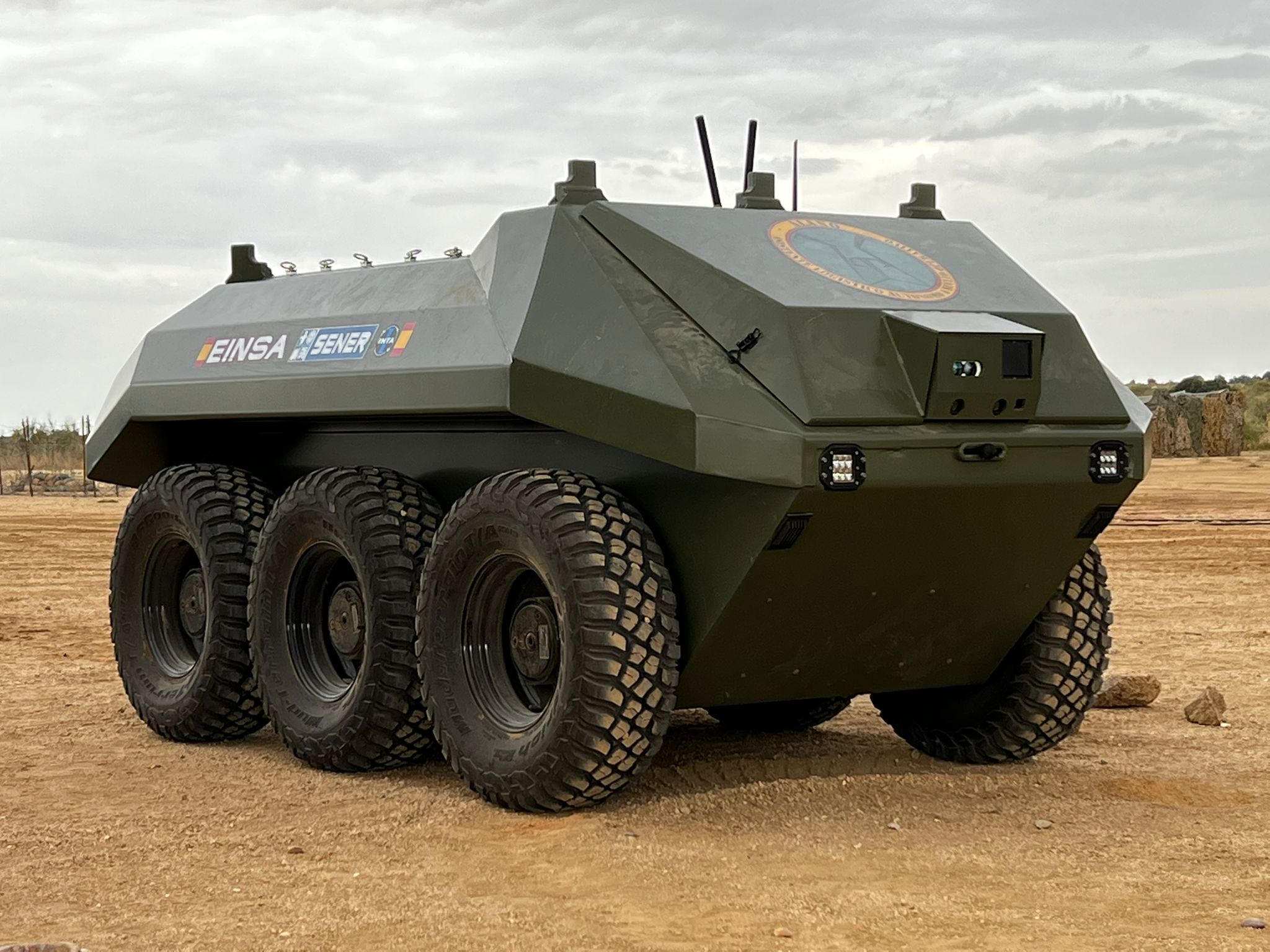
The companies Equipos Industriales de Manutención S.A. (EINSA) and SENER Aeroespacial, in collaboration with INTA, have developed the ALANO (Autonomous Logistics Assistant to Operating Core) platform, an unmanned ground vehicle (UGV) designed entirely in Spain to support tactical dismounted units.

ALANO must initially cover the logistical support needs of a platoon or of medical evacuation operations (MEDEVAC). The vehicle was first presented to Spanish Defense Ministry officials on Monday, October 10, at the Alijares Proving Ground (Toledo), as part of the 2E+I Forum.

The ALANO project hopes to meet the needs of Spain’s Army and was carried out under the auspices of Force 35 of the Army Logistics Support Command, and consolidates the initiative that resulted in these companies being chosen for this project as part of the DGAM’s (Directorate General of Armaments and Matériel) COINCIDENTE R&D program.

The ALANO vehicle is approximately 3 m long and has a payload capacity of 650 kg. The vehicle has also been designed to reach 20 km/h, and it can travel on vertical slopes of up to 70%, and lateral slopes of up to 40%. ALANO offers a standardized, modular and open architecture and is able to integrate future work or payload modules to acquire new capabilities that will let it take part in security, surveillance and protection missions

The platform works both in remote operated mode and in autonomous navigation mode, and has the capacity to detect obstacles thanks to a combination of sensors that allow it to have a multimodal sensing system. When operating autonomously, it has both tracking mode (“follow-me”) and return mode (“go-back-home”).

In this project, EINSA is responsible for the design and manufacture of the platform, which is made of light-weight materials using additive manufacturing techniques. The vehicle has outstanding off-road capabilities on all types of surfaces, thanks to its independent 6×6 electric drive. It has been designed as an open multi-mission robotic platform that is able to adapt to the mission needs of its users.

In addition to high mobility, EINSA focused its efforts on offering a vehicle with a long-range capability by implementing optimal energy flow control through the different systems. The platform has also been equipped with a range extender, offering the platoon up to 10 hours of independence.

SENER Aeroespacial is responsible for developing the platform’s onboard real-time navigation system, which handles the geolocation of the platform and detects and identifies the position, in real time, of environmental elements, such as the road, other vehicles, obstacles, signals, etc.

It does so through a combination of multiple sensors. The data collected by these sensors is processed in real time in a processing unit, where it is merged to provide a more reliable and robust solution than that calculated by each sensor independently. Advanced data management techniques, information merging and artificial intelligence algorithms are used during the image processing.

INTA, through the Platforms and Vehicles Department of the General Sub-Directorate of Terrestrial Systems, is responsible for defining the user requirements and the system’s operational concept, and is providing support in the integration, testing and verification phases. It is doing so by offering the project its testing methods and the experience of its personnel in certifying military vehicles and in UGV projects.

GDELS-Santa Bárbara Sistemas and SENER Aeroespacial demonstrate the ASCOD Autonomous Platform at the Army 2E+I Forum

GDELS-Santa Bárbara Sistemas and SENER Aeroespacial demonstrate the ASCOD Autonomous Platform at the Army 2E+I Forum

11/10/2022

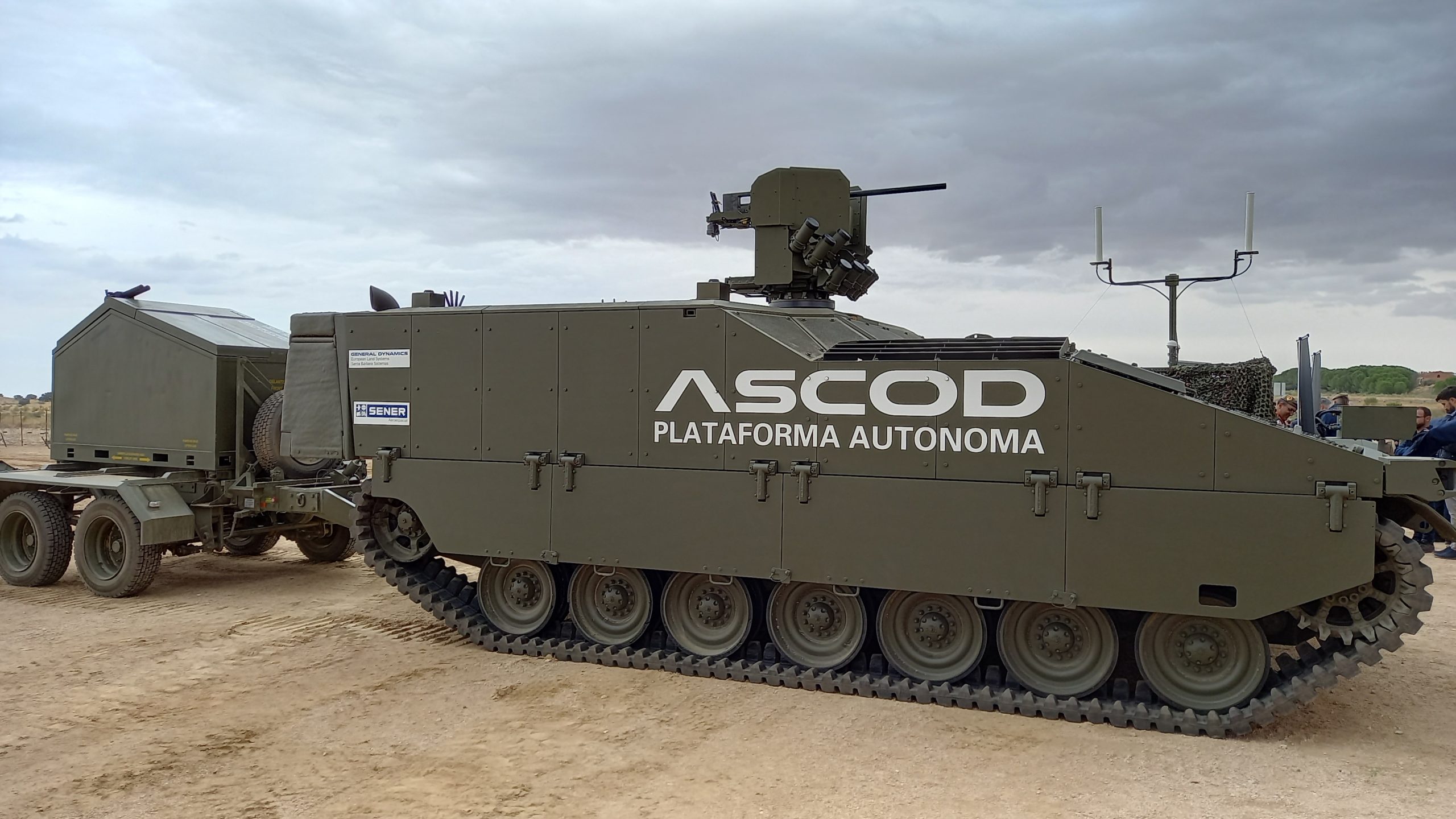
General Dynamics European Land Systems Santa Bárbara Sistemas (GDELS-SBS) and SENER Aeroespacial presented the ASCOD Autonomous Platform program to the Spanish Army during the 2E+I Forum, which provides a significant competitive advantage for carrying out remote or autonomous operations in a secure environment.

The display of the ASCOD system as an optionally manned platform, in this case on rubber tracks, was carried out as part of the dynamic demonstration held on October 10th within the 2E+I Forum at the Los Alijares Maneuvers Field (Toledo) of the Infantry Academy and within the framework of the Force 35 initiative of the Logistics Support Command (MALE) of the Spanish Army. The Autonomous Platform ASCOD demonstrated its capabilities in an exercise designed by The Legion (Spanish Legion) to open a breach in a mine field, one of the most dangerous missions to be carried out. From a safe and protected position, the crew can drive and set the vehicle in position through the remote handheld multifunction driver display. The risk exposure to the crew in such situation is therefore significantly reduced.

The system provides the capacity for a remote and autonomous operation and being conceived as an add-on kit, it can be applied to newly designed ground platforms or transform conventional manned platforms into optionally unmanned platforms, a requirement that is increasingly in demand in the European Union and NATO for safe operations.

The ASCOD Platform Autonomous program is a clear example of cooperation among the Spanish Defense industry, based on the technological excellence of both companies, GDELS Santa Bárbara Sistemas and SENER Aeroespacial, to respond to the needs of the Spanish Armed Forces and, at the same time, position itself in the international market in a highly competitive manner and contributing to the export capacity of the Spanish Defense sector.

At the Toledo Forum, GDELS-Santa Bárbara Sistemas demonstrated constant innovation in the concept of a multipurpose platform that serves to integrate advanced and disruptive technologies into a Network of Capabilities (ASCOD), which allows efficient operation and management of vehicular systems both conventionally and autonomously or supervised autonomously. The demonstration of these new technologies signifies a qualitative innovation leap in the development of mobility capabilities that go beyond the design and manufacture of armored vehicles.

SENER Aeroespacial is responsible for the development of the platform’s real-time onboard navigation system, ensuring geolocation and real-time detection, identification, and positioning of elements in its environment such as the road, other vehicles, obstacles, signs. The system relies on a combination of multiple sensors. The data collected by these sensors is processed in a real-time processing unit where the merged and synergized data result in more reliable and robust information than those calculated by each of the sensors independently. Advanced data management techniques, information fusion, and artificial intelligence algorithms are used in the processor to process the images.

The program is the result of a collaboration agreement signed by both companies in 2021 with the aim of developing, designing and manufacturing a modular and interoperable system for armored platforms such as ASCOD as well as other wheeled or tracked vehicle systems.

SENER is part of FLEX4FACT, a consortium to boost sustainability in the industry

SENER is part of FLEX4FACT, a consortium to boost sustainability in the industry

10/10/2022

SENER is one of the companies on the FLEX4FACT consortium. This European initiative, integrated by 23 companies, technological centers and universities, aims to increase renewable penetration in the industry energy mix.

To this end, FLEX4FACTS will design and test the effectiveness of an innovative methodology that seeks to improve the production flexibility of industrial plants, the optimization of the energy flow and the generation and storage potential of local industries.

Thus, FLEX4FACT is an industrial cluster flexibility platform for sustainable factories to reduce CO2 emissions and to meet the energy transition objectives of the European Union.

The methodology developed should be applicable to companies of all sizes and from different sectors thanks to the optimization of energy generation and consumption processes, as well as their capacity for reusing the excess of energy.

FLEX4FACT has the following objectives:

  1. Develop solutions to transform rigid production processes into flexible ones as a tool to achieve environmentally friendly production.
  2. Digital tools to enable flexibility and demand response in industrial processes.
  3. Reuse excess of energy of industrial processes.
  4. Deliver a scalable and interoperable system architecture.
  5. Demonstrate through 5 different pilots the benefits of the FLEX4FACT Solutions.
  6. Ensure access to affordable, reliable, sustainable and modern energy for all, a goal in line with the UN SDGs.
  7. Build resilient infrastructure, promote inclusive and sustainable industrialisation and foster innovation, also in line with the UN SDGs.

As part of the consortium, SENER will contribute its expertise in energy and sustainability, and also in digital processes and Machine learning that will incorporated to Flex4Fact’s methodology, which includes the development of digital twins.

FLEX4FACT is receiving funding from the European Union’s Horizon Europe research and innovation program under grant agreement 101058657. The European Commission is co-funding the project with nearly € 18 million.

Sener and COBRA to build German LNG’s regasification terminal in Germany

Sener and COBRA to build German LNG’s regasification terminal in Germany

06/10/2022

It is the first regasification terminal in Germany, and it will allow the country to inject gas to the national network from the sea.

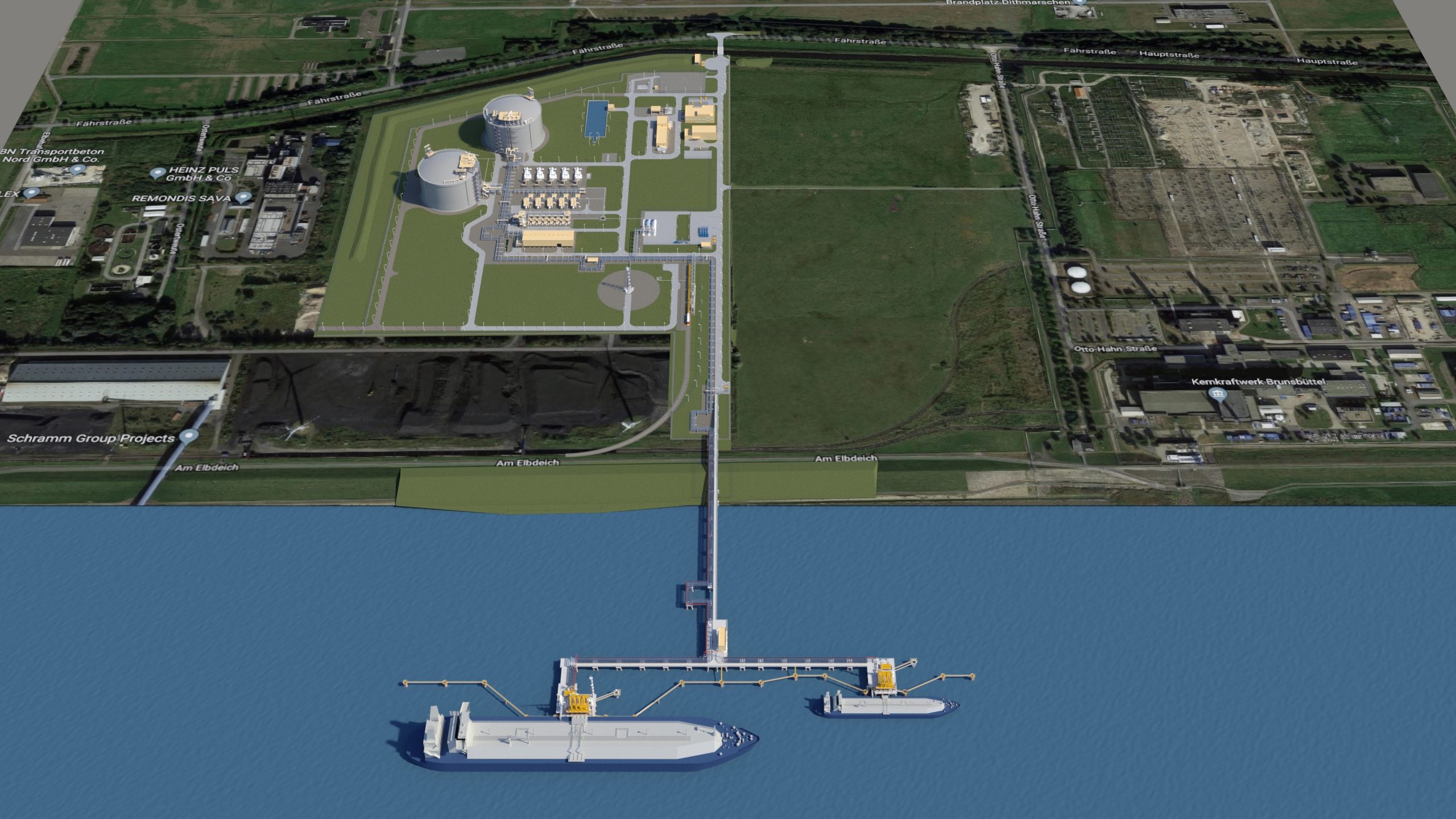
The consortium comprising the companies COBRA, a company of the VINCI group, and Sener – with a 62% and 38% share, respectively – has signed with the client German LNG Terminal GmbH the EPC (Engineering, Procurement and Construction) contract for the Liquefied Natural Gas (LNG) regasification terminal, which will be located in the German town of Brunsbüttel. This regasification terminal is a strategic project not only for the client but also for Germany as part of its energy transition process.

Located in the North of the country, at the mouth of the Elbe River in the North Sea, the regasification plant will have two 165,000-m3 storage tanks and the capacity to produce up to 8 BCMA (Billion Cubic Meters per Annum) of natural gas per year, which can be expanded to at least 10 BCMA. It will be equipped with two jetties, unloading arms, storage tanks, systems for regasification and gas emission, a BOG (Boil-off Gas) recovery system, a flare stack, auxiliary systems, and a series of buildings specially designed for the operations.

The terminal will provide various services: loading and unloading of carriers, storage of LNG, regasification, injection into the German natural gas grid and distribution of LNG via tankers and railway tanker wagons.

The new terminal will offer an alternative to the gas imported by land. In this respect, the company German LNG Terminal GmbH has indicated that this terminal “will make a significant contribution to the security of energy supply in Germany and Europe.”

This EPC contract is a continuation of the engineering work being carried out by the consortium comprising COBRA and Sener, evidencing the extensive experience of both actors in energy, oil and gas projects around the world. These include the design and construction of LNG terminals Sagunto and Bahía Bizkaia Gas (Spain), Gate terminal (Netherlands), Dunkerque (France) and Zeebrugge (Belgium).

The collaboration is worth a substantial investment and comprises a first tranche of preliminary work lasting around 9 to 15 months, with some construction work already taking place in parallel over a period of around 42 months. Under current conditions, it is realistic to expect completion in 2026. However, all parties involved are all working to further accelerate the project in compliance with all licensing and state aid requirements.

The smart ventilation provided by SENER’s RESPIRA® system saves the Barcelona Metro network €1.7 M on its electricity bill

The smart ventilation provided by SENER’s RESPIRA® system saves the Barcelona Metro network €1.7 M on its electricity bill

28/09/2022

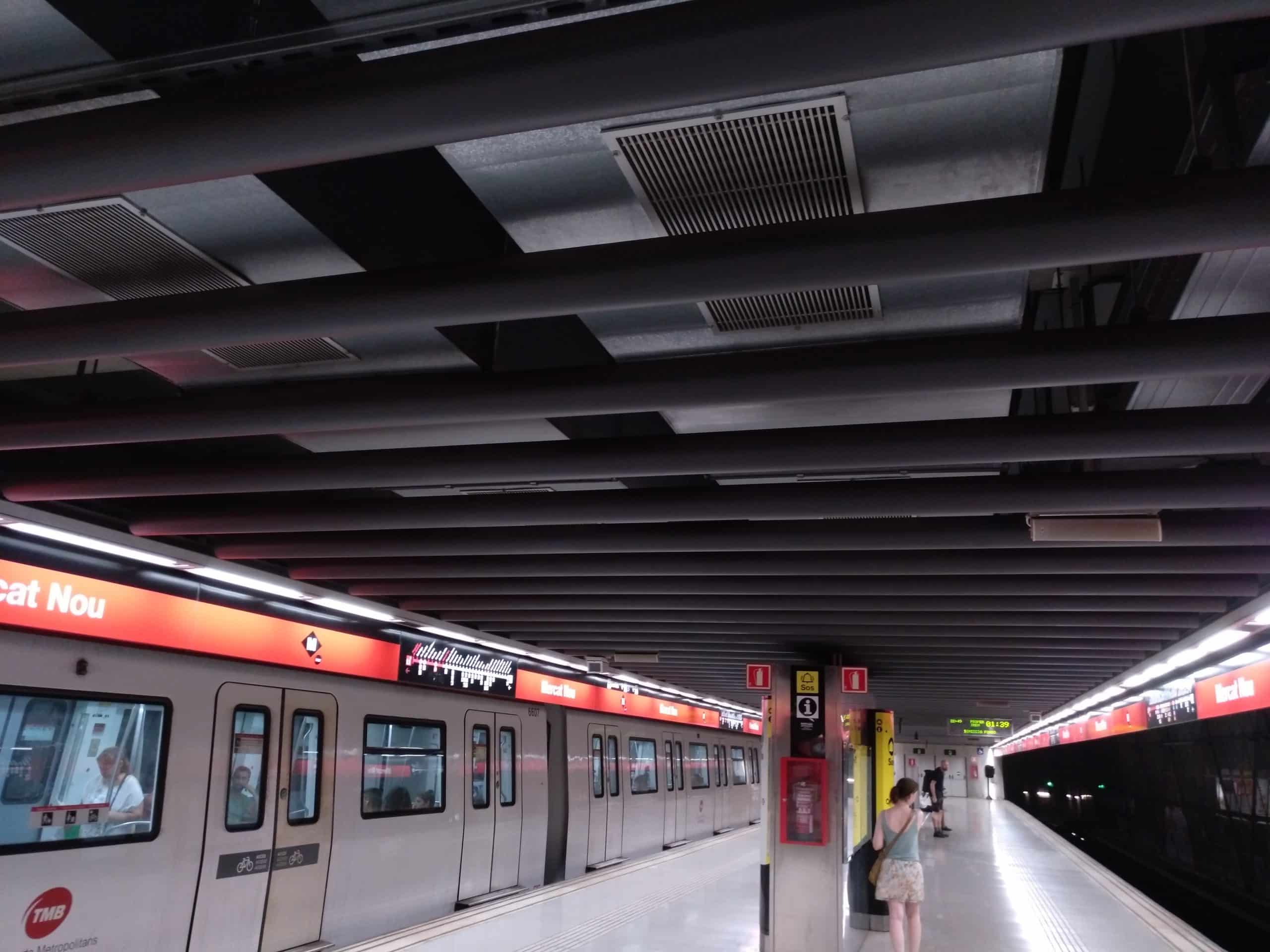
As part of its Energy Efficiency and Savings Plan, Transports Metropolitans de Barcelona (TMB) has published data indicating that the RESPIRA® smart ventilation system, installed in the Barcelona metro network since 2020, is yielding 3% savings in the network-wide electrical consumption, equivalent to 1.7 million euros.

The Director of Barcelona Metro, Oscar Playà, pointed out in recent statements to the media that smart and digitized ventilation management “guarantees health, and does so efficiently.” Ventilation, according to Playà, accounts for 40% of electricity use in stations, and with the digitization achieved with the RESPIRA® system, the director of the Barcelona Metro estimated the savings at 20%, or 3% of the network’s overall consumption, equivalent to 1.7 million euros. RESPIRA® is not just saving money; it is also contributing to sustainability by reducing electricity consumption by 6.2 GWh a year, which is equivalent to emitting 1,616 fewer tons of CO2.

Thanks to the ability of RESPIRA® to optimize HVAC systems with machine learning applications, and based on external parameters, RESPIRA® provides significant energy savings while maintaining comfortable conditions, thus maximizing the efficiency of the system. In the words of the data manager of the RESPIRA® team at SENER, Silvia Figuerola: “These data published by the TMB confirm the energy savings forecasts for the metro ventilation network that we had anticipated.” What’s more, RESPIRA® makes maintenance tasks more efficient by quickly identifying any abnormal operation in specific devices, and helping to determine those areas where new investments are most cost-effective. “As a result, the system helps us to efficiently and sustainably manage the equipment,” stated Figuerola.

How RESPIRA® works

RESPIRA® is an artificial intelligence system that is capable of lowering the heat index felt by passengers and metro workers by defining several criteria and reading parameters – such as the temperature, humidity and indoor air quality in the stations, and electricity consumption – in real time. These data are used by a dynamic algorithm to predict the environmental conditions inside stations (depending on the weather forecast, expected ridership levels and other factors) and then apply a mode of operation to each fan with the goal of improving the heat index while also minimizing electricity consumption. This way, RESPIRA® can be used to implement an optimal ventilation by sending individual speed setpoints to fans depending on the time and day.

Smart ventilation control also maximizes the amount of fresh air from the outside, a measure that results in increased hygiene inside the metro network and reduces the risk of spreading microorganisms, in keeping with guidelines from health authorities. This advantage will be particularly relevant with the arrival of fall and the expected spread of viruses that attack breathing passages, causing diseases such as the common cold, the flu and COVID-19.

SENER Aeroespacial will lead the main project from the European Defence Fund

SENER Aeroespacial will lead the main project from the European Defence Fund

21/07/2022

SENER Aeroespacial will participate in a total of seven projects in the 2021 call.

The European Defence Fund (EDF) Program Committee has approved the list of projects selected for funding by the European Commission as part of the 2021 EDF call for proposals. SENER Aeroespacial has achieved an excellent result for Spanish industry, as it will participate in a total of seven projects in the 2021 call.

Specifically, SENER Aeroespacial will coordinate one of the star projects in the 2021 EDF call for proposals, the EU HYDEF (European Hypersonic Defense Interceptor). The project is aimed at developing a European interceptor to counter threats from 2035. It will result in the concept, risk reduction and demonstration of an efficient endo-atmospheric interceptor capable of operating at different flight levels, which will include an innovative aerodynamic control system for high maneuverability, very agile guiding concepts and advanced sensor and search systems.

This project will involve 13 companies and organizations from 7 nations: Spain, Germany, Belgium, Norway, Czech Republic, Poland and Sweden.

EU HYDEF is related to the Permanent Structured Cooperation (PESCO)’s TWISTER project (Timely Warning and Interception with Space-based TheatER surveillance). This project is led by France with the participation of several countries – including Spain – for the development of a complete system to defend against hypersonic threats with space-based surveillance. In recent months, the importance of having such a system in Europe has increased exponentially, following Russia’s demonstration using hypersonic missiles against targets in Ukraine near the border with Poland.

The EU HYDEF project will be developed over three years with a budget of around 110 million euros, of which almost 100 million will be financed by the European Commission. This will be the largest grant awarded to a project by the EDF until now.

In this project, SENER Aeroespacial has driven participation by other Spanish companies and organizations, including GMV and Escribano M&E, SENER Aeroespacial partners in the Spanish Missile Systems (SMS) initiative; INSTALAZA and INTA, also involved as SMS strategic partners; plus, other Spanish industries, such as Navantia and Skylife. The HYDEF project is thus a significant milestone in the SMS initiative’s consolidation plan.

The other major project also coordinated by SENER Aeroespacial is COMMANDS (Convoy Operations with Manned-unManneD Systems). Its objective is to develop total life cycle (TLC) capabilities for agile, intelligent, and cooperative manned and unmanned ground systems. The results will not only allow for improvements to the current EU inventory ground vehicles for specific missions, but also to integrate them into future vehicles under development.

The European Commission (DG DEFIS) believes that the COMMANDS project is related to the PESCO initiative’s UGS (Integrated Unmanned Ground System) project.

Under the coordination of SENER Aeroespacial, another 20 companies and organizations from 10 EU Member States will participate in COMMANDS. The project will run for 3 years with a budget of 26.8 million euros, of which almost 25 million will be financed through a grant from the European Commission. In addition to SENER Aeroespacial, the Spanish companies Indra, Santa Bárbara Sistemas and INTA will participate in the project.

SENER Aeroespacial is Spain’s leading company in ground vehicle autonomous navigation systems, as well as in collaborative systems between manned and unmanned vehicles (MUT). The company has been awarded several projects related to these systems within the framework of the Ministry of Defense’s COINCIDENTE program: ARCO, ALANO and DIEDRO. SENER Aeroespacial has developed its own autonomous ground navigation system (NAVIGROUND) specifically designed to operate in GNSS degraded or denied environments. Recently, the agreement between SENER Aeroespacial and Santa Bárbara-GDELS was published, for the development of autonomous capacities on ASCOD platforms.

In addition to these two major projects, SENER Aeroespacial will participate in five others: EICAS, EuroHAPS, EPC, ADEQUDE and Q-SiNG.

SENER Aeroespacial opened a branch in Brussels in 2019 with a clear commitment to the European market. With the award of these seven EDF projects, the Spanish company has consolidated itself as a Spanish benchmark in this important expanding market.