






Sener becomes a shareholder in 5G Ventures

Sener becomes a shareholder in 5G Ventures

06/06/2023


The 5G Ventures startup incubator creates and invests in global and highly scalable startups, leveraged in the 5G ecosystem and that are helping to accelerate the development of Industry 4.0.

5G Ventures has announced a round of investment in which Sener, as an investor and strategic industrial partner, and Farside, venture builder co-founder and co-investor in 5G Ventures, as well as other investors, took part.

As a strategic partner in 5G Ventures, Sener will help drive the creation of business opportunities and use cases for industry.

Sener, a Spanish industrial group specializing in engineering and technology solutions, has announced its ownership stake in 5G Ventures, the first European venture builder focused on building and investing in advanced connectivity and 5G startups that accelerate Industry 4.0. Sener’s entry as a strategic partner will make it easier for the venture builder to develop new business models and use cases for the industry involving advanced connectivity.
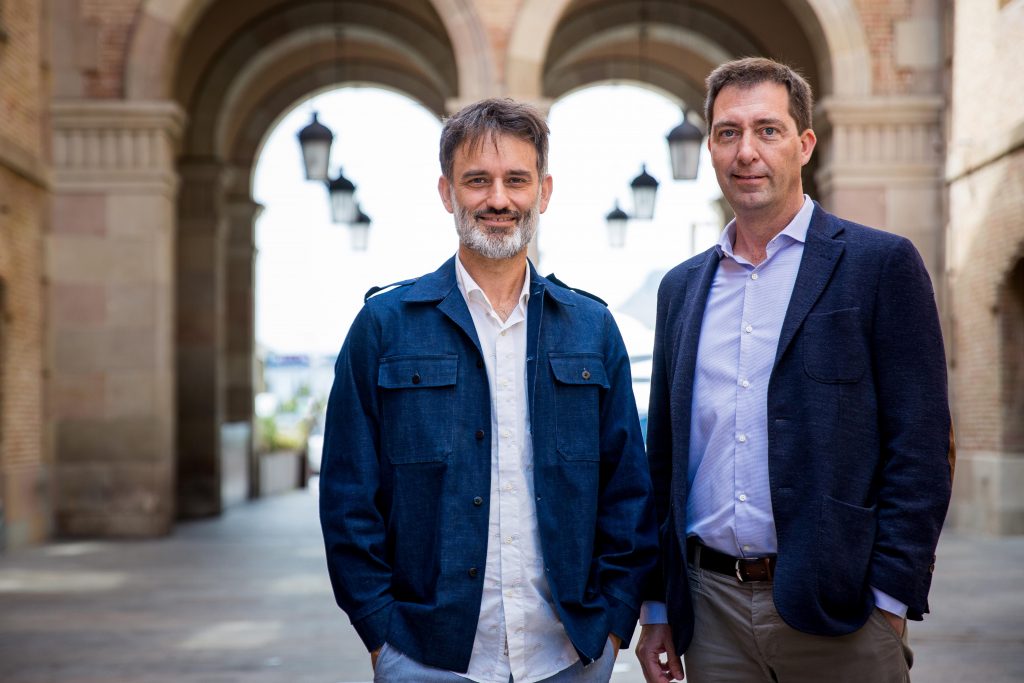
Sener entra en el accionariado de 5G Ventures
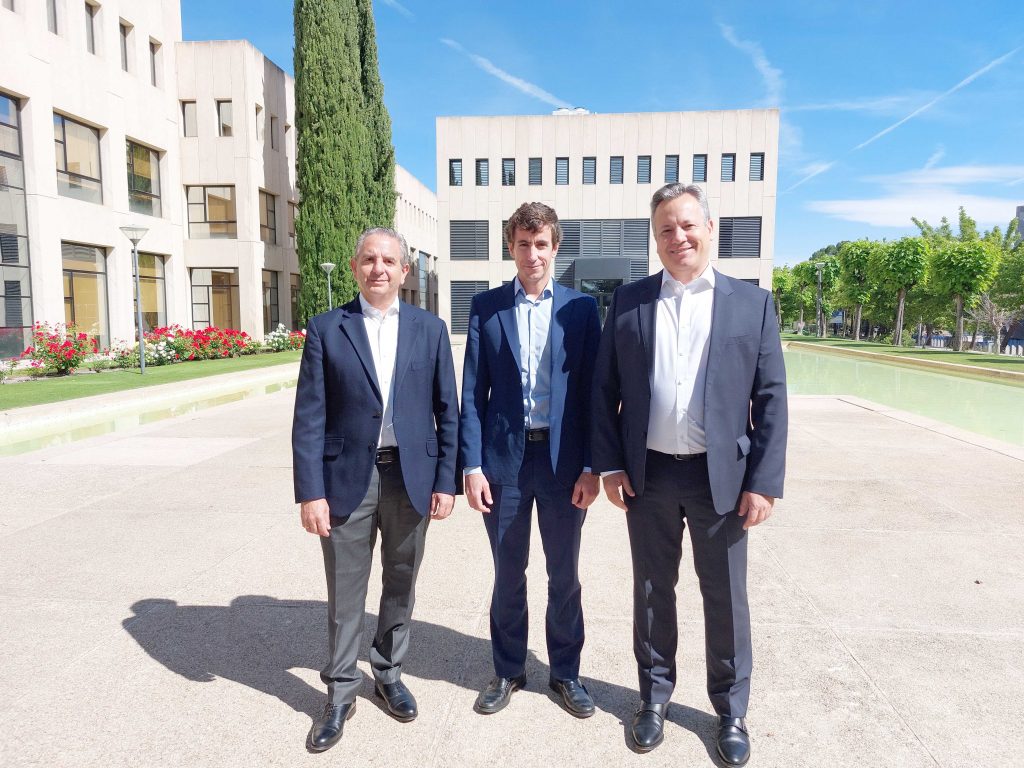
Alberto Villalobos from 5G Ventures and Òscar Julià from Sener.

Through its participation, Sener is enhancing its digitalization strategy and the development of new technologies, committing to open innovation through collaboration with leading technology players. The Spanish industrial group has extensive experience developing digital solutions that integrate and connect large volumes of data to improve decision-making.

Forming part of 5G Ventures will allow Sener to participate in the co-creation of new startups, and to develop partnerships with companies in its portfolio to pursue new business opportunities.

The purchase coincides with the closure of a €1 million investment round by 5G Ventures. In addition to Sener, the financing round involved Farside, venture builder co-founder and co-investor in 5G Ventures, which reasserts its commitment to the company, and other investors. With this injection of capital, 5G Ventures will boost its portfolio by creating two startups to develop use cases in the connected mobility and agrotech sectors.

5G Ventures also plans to promote the four startups in its current portfolio, which provide advanced connectivity solutions for private 5G networks (Neutroon and BE-IN-G), industrial cybersecurity (Blue Guardian) and edge computing (Gluonise).

5G technology is a key catalyst for the digital transformation of industry because it makes it possible to hyperdigitize strategic sectors, but Spain is still in an early stage of development in this area. As a venture builder, 5G Ventures is enhancing this transformation by creating startups in the 5G and advanced connectivity ecosystem that provide solutions for the limitations facing industry.

Òscar Julià, Sener’s Innovation and Digitalization Director, notes that “connectivity is the basis for all disruptive business cases that have come up in recent years, and those that will come in the future. The vast amounts of data that will be generated will require greater connectivity capabilities. We expect 5G Ventures to help channel the creation of new businesses that provide value to companies and users, as well as to developers of digital technology, services and solutions.”

Alberto Villalobos, CEO and co-founder of 5G Ventures, states: “With Sener, we share a commitment to promote innovation in the industrial sector. Allying with this leading industrial group brings us closer to industry, which we benefit by developing products, services and use cases made possible by advanced technologies such as 5G. For Sener, 5G Ventures is an opportunity to commit to open innovation in this segment from a preferential position.”

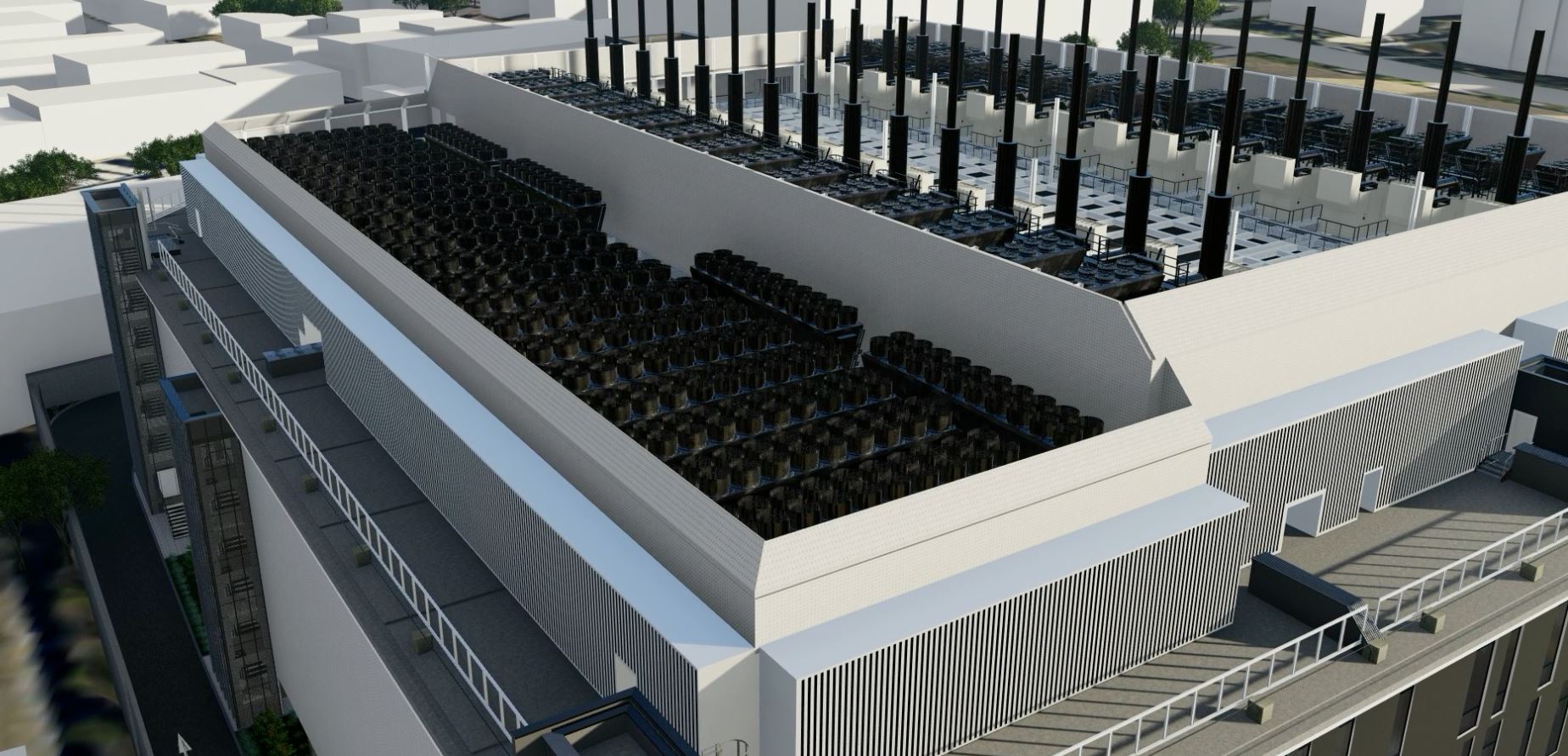
Sener joins United Nations Global Compact Climate Ambition Accelerator program

Sener joins United Nations Global Compact Climate Ambition Accelerator program

05/06/2023
  • With this program, the company promotes the reduction of emissions framed in its will to protect the environment, which together with social development and good governance form the three main pillars of Sener’s sustainability strategy.
  • The programme is designed to guide companies in setting quantifiable science-based emission reduction targets and developing concrete plans to achieve them.

Sener makes progress in its commitment to sustainability and fight against climate change by joining the third edition of the Climate Ambition Accelerator, a program designed to guide companies in establishing quantifiable emission reduction objectives based on science and developing concrete plans to achieve them.

For six months, from May to November 2023, Sener and the rest of the participating companies will have access to a wide variety of activities and resources designed to build capacity, share best practices and lessons learnt. In addition, the activities will be adapted to Sener functions, offering personalized support in the process of establishing Science-Based Targets.

With this program, Sener promotes the reduction of emissions framed in its will to protect the environment, which together with social development and good governance form the three main pillars of Sener’s sustainability strategy.

Aware of the adverse effects of climate change, Sener has placed sustainability as a priority in business, which is why in 2022 almost 80% of all projects developed are sustainable.

In addition, it promotes sustainability in all its processes, products and services and, furthermore, it does monitor a responsible use of resources from design to construction, commissioning and commercial operation of all its engineering and technology projects.

“We face these six months with great enthusiasm. At Sener, we are aware of the importance of sustainability at all levels, both at the environmental level and at the level of social development and good governance. That is why participating in the third edition of the Climate Ambition Accelerator Program of the UN Global Compact is a great opportunity to continue growing in this field,” says Pablo García Velasco, Director of Sustainability at Sener.

A program seeking to grow and make Spanish companies become leaders in the fight against climate change by carrying out concrete actions that reduce greenhouse gas emissions and help achieve the Sustainable Development Goals.

Sener acquires Quark, a leading data center engineering company

Sener acquires Quark, a leading data center engineering company

11/05/2023

The acquisition will allow Quark to benefit from the Sener Group’s international presence and experience in the energy sector and in other fields of engineering, with significant advances in complex projects.

The Sener engineering and technology group and the data center engineering company Quark have signed a purchase agreement that will make Sener the majority shareholder of Quark. The current CEOs of Quark, Ricardo Abad and Miguel Gallego, round out the shareholder structure and will continue to lead the company.

After the acquisition, the company will continue to operate under the Quark brand, leveraging synergies with Sener in technology, operations, and innovation (in areas like mobility, energy and digital). They will also benefit from geographical synergies, thanks to the group’s global presence: Sener has offices in nearly 20 countries, which will help with the internationalization of Quark.

 Miguel Gallego, Jorge Sendagorta y Ricardo Abad tras el acuerdo de compra


Quark has been advised by Arcano, KPMG and Uría y Menéndez, and Sener by Rothschild, Pérez-Llorca, PwC and FIDE Partners. The purchase agreement is subject to a series of closing conditions, common for this type of transaction.

Quark is an engineering and architecture company specializing in data center design, an industry with a growing demand. Founded by Ricardo Abad and Miguel Gallego, the company’s current CEOs, Quark has a 14-year history and has grown exponentially in recent years. Today, it is a leader in the data center engineering sector in southern Europe and one of the top 20 worldwide. It has built this kind of facilities for companies such as Equinix, Digital Realty, Nabiax, Cyrus One, Iron Mountain and Prime Data Centers, and for some corporate clients like Inditex and BBVA.

As for Sener, it is a private engineering and technology group founded in 1956 that is present in the aerospace, energy, mobility, marine and digital sectors. It has nearly 3,000 professionals in offices on five continents, and it provides clients its own high-tech solutions.

With this acquisition, Sener continues to further diversify its products and services, which are client-focused and rely on its own technology. In the data center sector, it can provide its extensive know-how to integrate complex technological systems and help channel the enormous energy needs of data processing centers.

Likewise, Sener’s global presence and its experience in project development in a large number of countries will also allow Quark to guide its clients in their global growth strategies, thus addressing its international expansion needs.

In the words of Sener CEO Jorge Sendagorta Cudós: “We are delighted with this acquisition, which gives us access to a new market. The synergies we have seen both in our corporate values and culture and in our capacities to propose effective solutions to complex challenges were crucial to the success of this operation. The boom in the data center sector means there is a growing demand for more sophisticated engineering solutions that guarantee the reliability of these infrastructures, as well as their energy demands, in a way that is efficient and sustainable. At Sener, we have a well-established network of international offices, which, together with Quark’s know-how in the sector, will make us a very competitive player in this type of facilities worldwide.”

For Ricardo Abad and Miguel Gallego, CEOs of Quark, the integration with Sener will allow them to grow Quark’s business internationally. “Through Sener’s offices, we will be able to provide local service in key European countries such as Germany, France, Belgium, Poland and the United Kingdom, and in markets such as Canada, the USA, Australia and Mexico,” said Abad. With Gallego adding: “We expect to build facilities for large companies with quality, innovative projects that improve energy efficiency. This will help us achieve our corporate goal of being carbon neutral by 2030.”

Sener is responsible for the boom and three other components of the JUICE satellite

Sener is responsible for the boom and three other components of the JUICE satellite

11/04/2023

Measuring 10.6 m long, it is the longest boom made for a European Space Agency project to date.

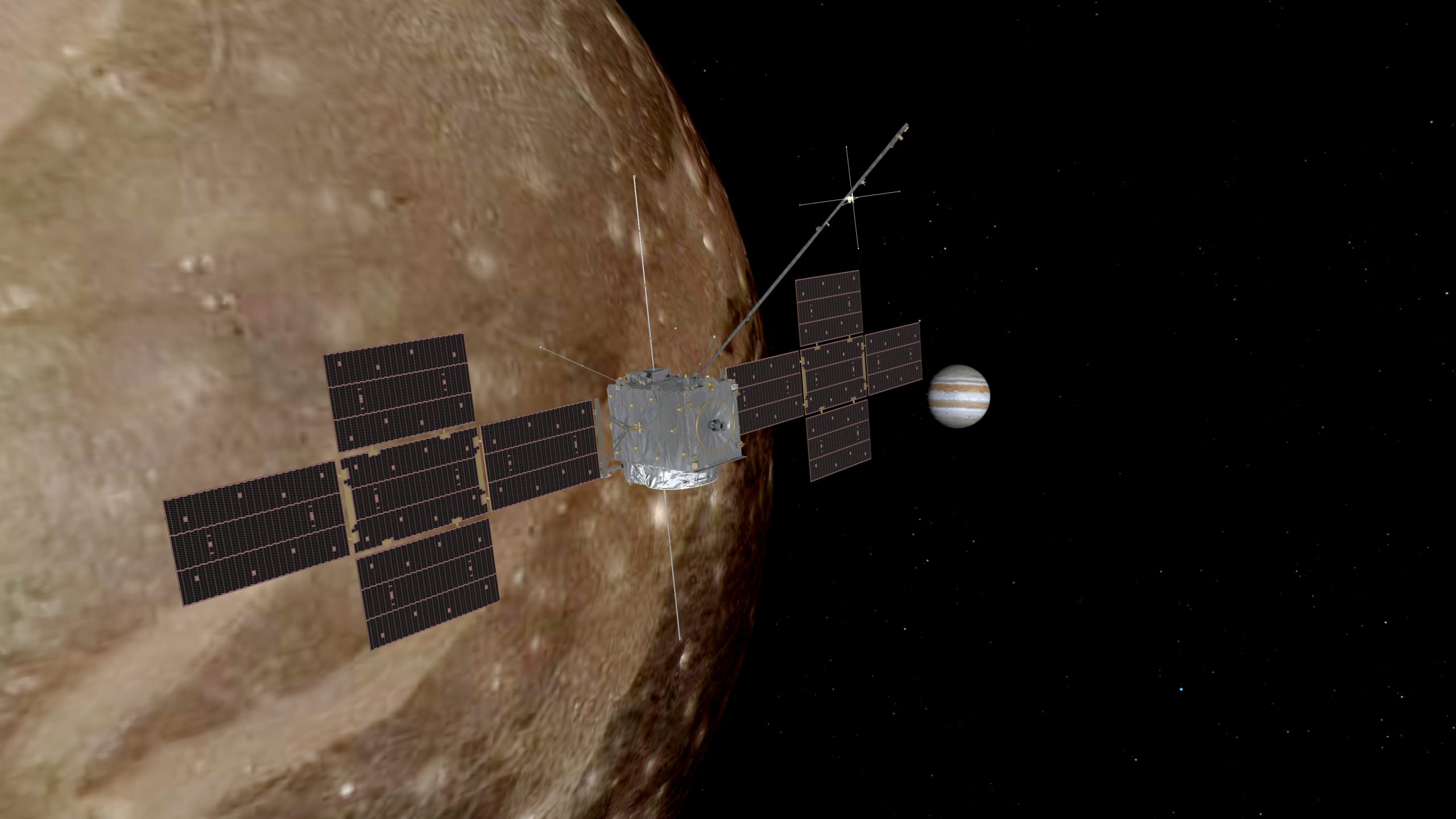
Sener Aerospace and Defense, part of the Sener engineering and technology group, has contributed three key components to the Jupiter Icy Moons Explorer (JUICE) mission, which will be launched on April 13: the mission’s magnetometer boom, the medium-gain antenna major assembly (MGAMA), and the components of the Janus and Gala science instruments. Sener has also provided mechanical ground support equipment (MGSE).

Juice is a program of the European Space Agency (ESA) designed to expand our knowledge of the complex interactions between Jupiter and its icy moons: Europe, Callisto and Ganymede.

The boom, a technical challenge
Sener Aerospace and Defense was responsible for the design, manufacture, verification and integration of the magnetometer boom, the purpose of which is to move some of the instruments required for the scientific experiments away from the spacecraft in order to prevent magnetic interference. Measuring 10.6 m long when deployed, it is the longest boom made for an ESA project to date. It will house five instruments that are needed to conduct two wave characterization experiments, one for magnetic waves, called J-MAG, and the other for radio waves, called RPWI.

Misión Juice
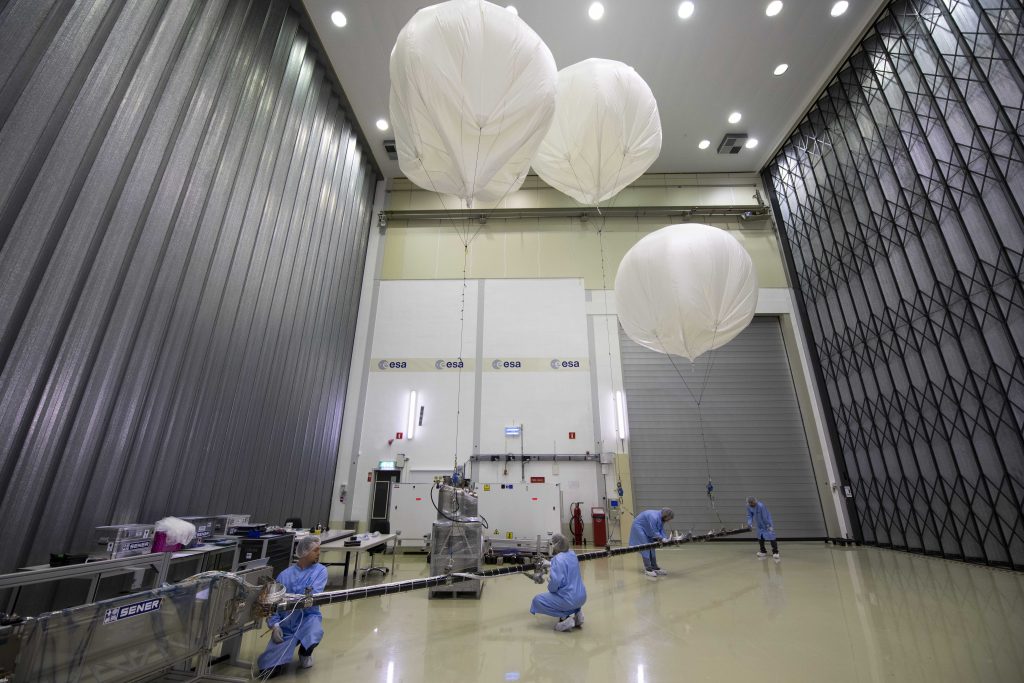
Sener team in the boom tests.

In addition to its length, the design of the boom was conditioned by a series of extremely demanding requirements, such as the range of temperatures and radiation levels to which it will be subjected, magnetic cleaning to avoid distorting the magnetometer readings, the mass available, etc.

How does the boom work?
The system simultaneously deploys the three segments that make up the boom. These segments are each driven by an independent deployment mechanism. The deployment speed is controlled from the satellite interface mechanism through a viscous damper. This damper directly controls the first mechanism, while the other two are controlled using a system of pulleys and retaining cables. The functional check was carried out with help from three balloons, each of which supported the weight of a segment of the boom from its center of gravity. The result simulated the weightless conditions in which the system is designed to operate.
.

Sener Aerospace has also developed three other projects for JUICE:
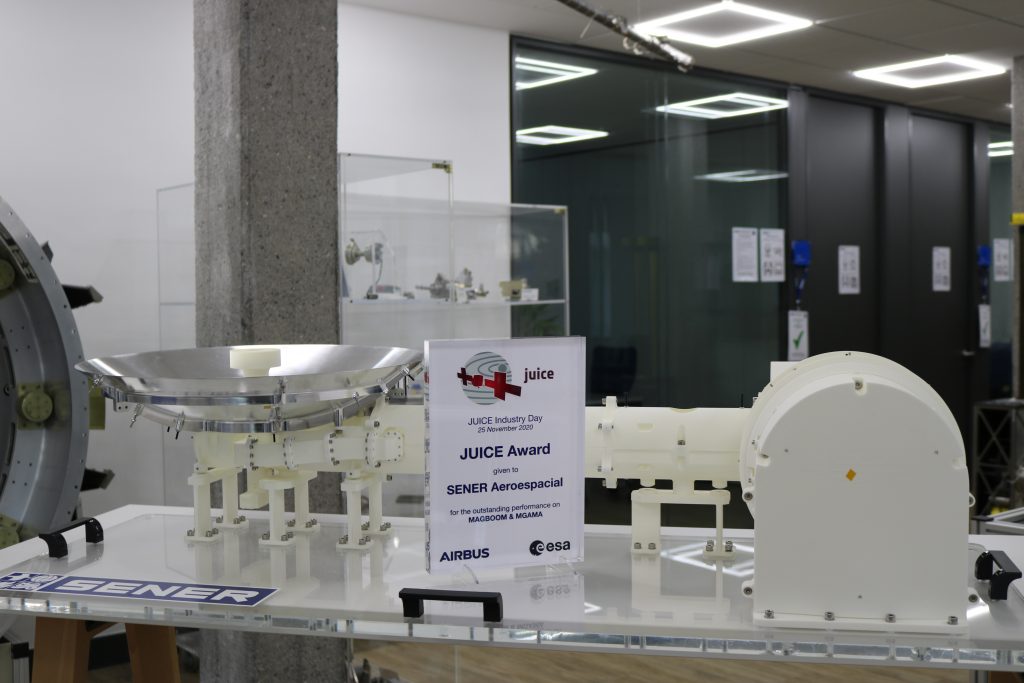
Medium Gain Antenna Main Assembly, or MGAMA: which includes the main and secondary antenna reflectors, feeder, a boom, rotary joints, the pointing mechanism, control electronics and all the interconnecting wiring; this antenna is a key component for communication between the satellite and ground stations, since it will be used to send information and receive commands from the control center. The medium-gain antenna also plays a key role in the radio-science experiments, which will help investigate the geodesic and geophysical properties of Jupiter and its moons, especially Ganymede.

MGAMA_Misión Juice

It is a dual antenna operating in the X and Ka bands whose main reflector is 0.5 m in diameter and 0.7 mm thick. The selection of materials and surface coatings is critical to ensuring the integrity and performance of the equipment under extreme thermomechanical conditions.

The control electronics of the mechanism receive and process the motion commands from the computer on board the satellite. It includes the control algorithms to follow the required motion profiles, and returns telemetry on the status of the antenna and its components.

In addition to dealing with the technical complexity of the device, Sener Aerospace, as the design authority, successfully led the consortium of companies from multiple countries that took part in the project.

Components in the JANUS and GALA science instruments

Sener Aerospace and Defense is also involved in two instruments, alongside the Instituto de Astrofísica de Andalucía, IAA (the team of researcher Luisa María Lara): the JANUS instrument, which is the high-resolution multi-spectral camera that will acquire images of Jupiter’s atmosphere, mainly to study its dynamics, and the surface of the icy moons to determine their composition and structure; and the GALA laser altimeter, which will allow us to understand the ice tectonics of the moons by using topographic data, the subsurface structure by measuring the tidal response, and the roughness and albedo of the surface on a small scale.

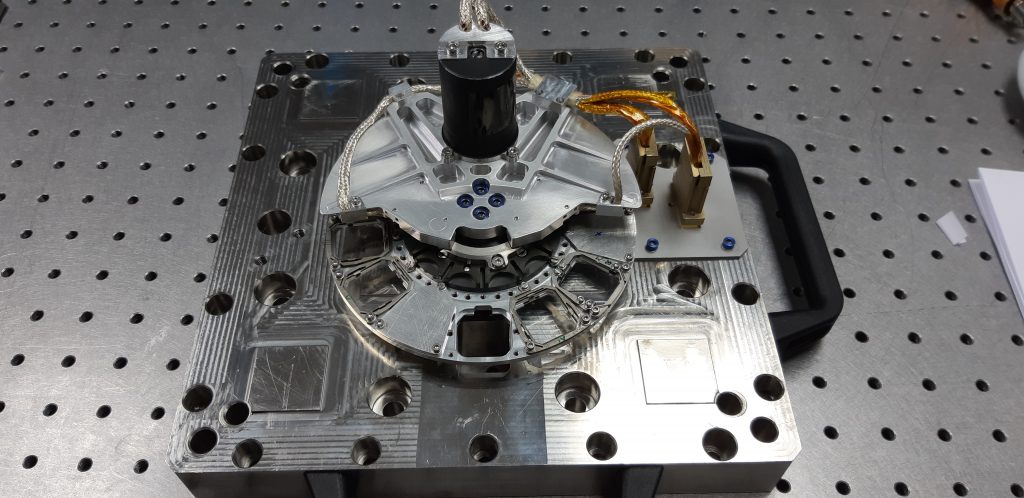
Specifically, Sener Aerospace and Defense did the detailed design, implementation and validation for the filter wheel module (FWM) on the JANUS instrument with its control and power electronics, and for the power supply of the altimeter on the GALA instrument.

Misión Juice
JANUS instrument filter wheel module.

Sener also contributed to the design and manufacture of a series of mechanical ground support equipment (MGSE) for the assembly and testing of the satellite’s solar panels.

Sener participates as a nobel company in the RAI Excellence Mentoring program

Sener participates as a nobel company in the RAI Excellence Mentoring program

29/03/2023

Sener has been the Nobel company invited to the presentation event of the VII edition of the Mentoring of Excellence program of the Women and Engineering project.

Sener has been the Nobel company invited to the presentation event of the VII edition of the Mentoring of Excellence program of the Women and Engineering project, promoted by the Royal Academy of Engineering in Spain (RAI).

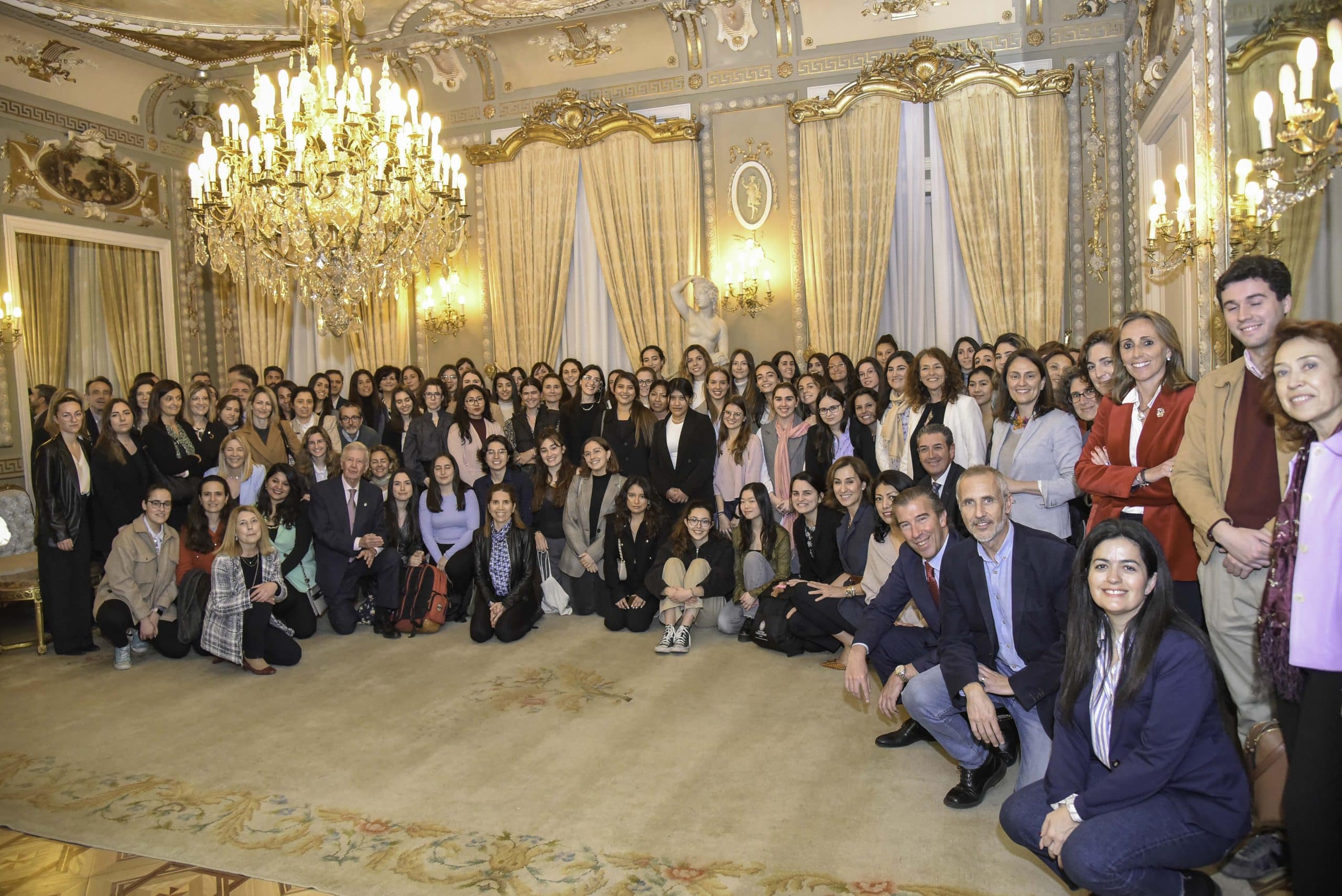
The presentation ceremony took place last Thursday, March 23 at the headquarters of the RAI, in Madrid, and was attended by, among others, Antonio Colino, President of the Royal Academy of Engineering; Nuria Oliver, RAI Academic and Academic Director of the “Women and Engineering” Project; Sara Gómez, Director of the “Women and Engineering” Project; Concha Santos, President of ANCI; Eva Pagán Díaz, Corporate Director of Sustainability and Studies at REDEIA; Ricardo Mairal, Rector of the UNED; Rosa Visiedo, Rector of San Pablo CEU University; and Rosa María de la Fuente, Vice-Rector for Students at the Complutense University of Madrid.

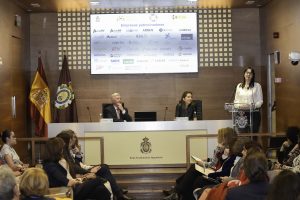
Intervención en el acto de Ana Úsar, responsable de Igualdad, Diversidad e Inclusión de Sener en la presentación del programa Mentoring de Excelencia de la RAI.

On behalf of Sener, Ana Úsar, head of Equality, Diversity and Inclusion of the group, was able to explain in her presentation the importance of uniting youth and experience in a synergy of two-way learning between mentors and mentees.

The Mentoring of Excellence program aims to support the excellence of women in the field of Engineering, contributing to learning, in a bidirectional way, between professionals and students during the process, creating synergies between university and company and giving visibility to female talent in STEM (Science, Technology, Engineering and Mathematics) careers.

The Sener group has been part of RAI’s Women and Engineering project since last October 2022. In the 2023 edition of the Mentoring of Excellence program, Sener colleagues Mercedes Ruiz, Silvia Diaz, Silvia Arrate, Silvia Alonso de Benito and Cecilia Rechea will participate as mentors.

Proba-3, closer to completion

Proba-3, closer to completion

28/03/2023

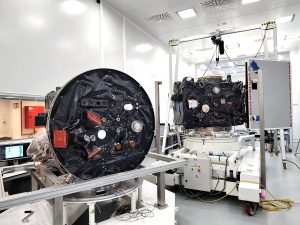
The two Proba-3 satellites are ready for environmental test campaign.

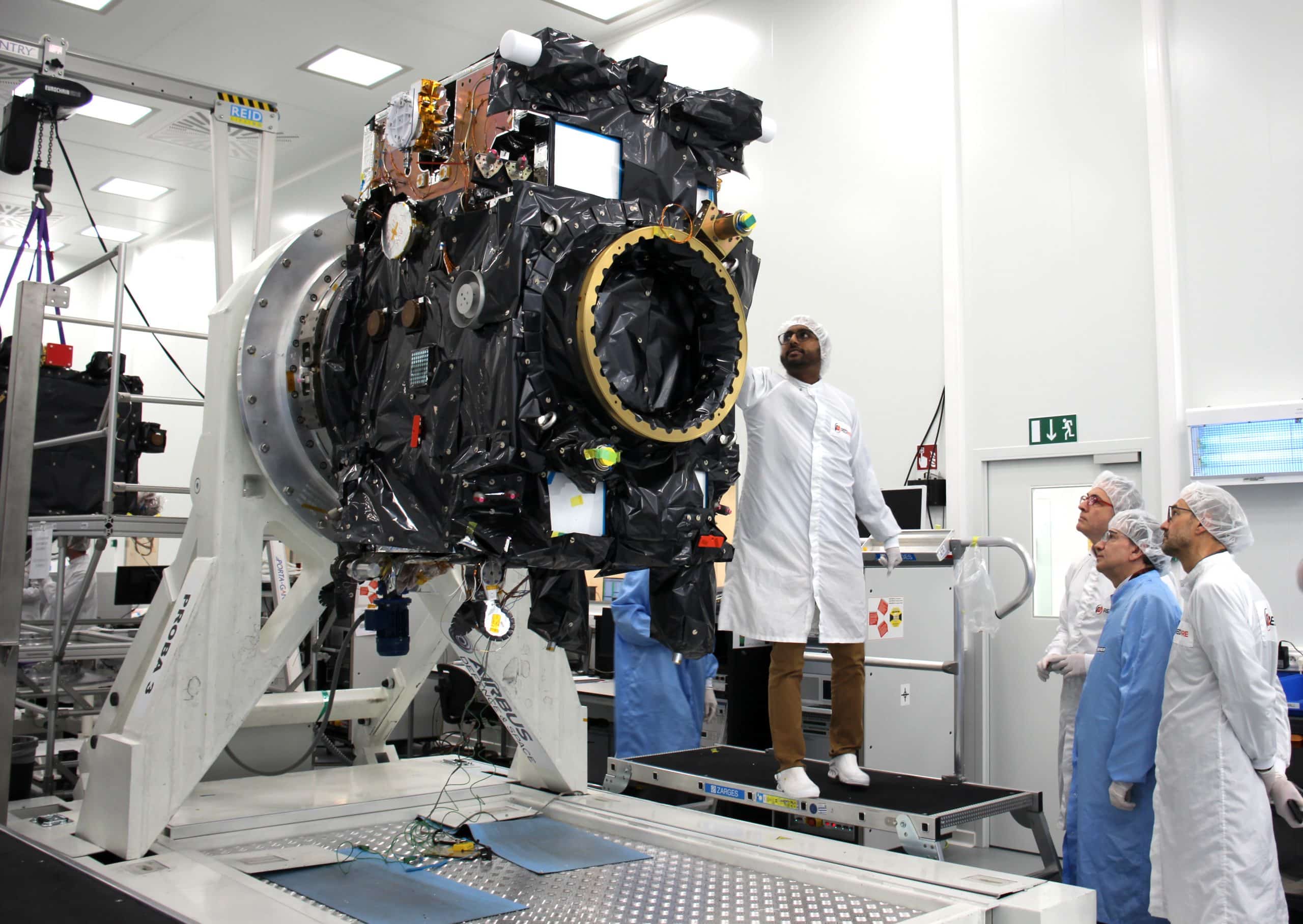
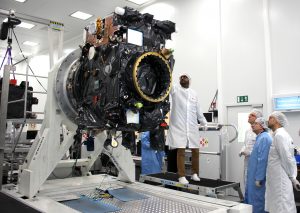
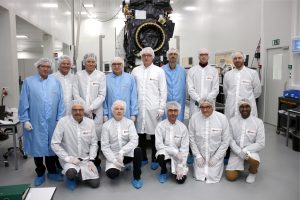
  • The status of the program, as well as the finalized integration of the two Proba-3 satellites, have been presented to ESA and the Spanish & Belgium delegations during a visit to the cleanroom located at the Redwire Space facility in Kruibeke (Belgium).
  • During this visit, Sener Aerospace & Defense and Redwire Space confirmed the readiness of the satellites in view of the environmental test campaign.
  • This is the first time a Spanish company, Sener Aerospace & Defense, has led the full development of a European Space Agency mission.

The Proba-3 program, spearheaded by Sener Aerospace & Defense -the project’s prime contractor for the European Space Agency (ESA)- has reached a major milestone, completing all the integration & testing activities planned before the start of the environmental test campaign of both satellites.

Proba-3 aims to achieve, for the first time, a high-precision formation flight between two platforms in space and demonstrate the readiness of a technology that, in the future, can be used to replace bulky structures (such as telescopes) with small independent platforms. Those are easier to launch into space and can be combined to form large assemblies that work as a single entity, while achieving equivalent performance.

Proba-3 will apply this technology to perform scientific observations, taking images of the sun’s corona through a coronagraph instrument placed in one of the spacecrafts. Formation flying technology entails placing one of the two satellites in front of the instrument’s lens, thus blocking out the sun’s disk and creating an artificial eclipse in flight. Doing this in space, at a distance of 150 m, will achieve unprecedented performance in coronagraphy and, therefore, will bring highly valuable scientific outcomes.

During the visit to the Redwire Space facility, the status of the activities and the different challenges addressed by the Industrial team were presented to the Spanish & Belgium delegates as well as to representatives of the different ESA directorates involved in the project (Technology, Operations, Science). The parallel design and manufacturing of two spacecrafts, the development of cutting-edge formation flying technologies, the high level of autonomy implemented in the on-board algorithms and related operations, and the need to safely coordinate maneuvers between two platforms moving very closely in space, among other challenges, make this mission particularly ambitious. Furthermore, the development of the main instrument, the coronagraph, was presented by CSL.

The environmental test campaign of both satellites is now starting with the RF auto-compatibility tests and the mass properties measurements at Redwire Space. After completing this first phase, the satellites will be shipped in April in order to continue the test campaign in Ottobrunn (Germany) using the mechanical & thermal test facilities of IABG.

Proba-3 satellites will be launched in early 2024. Then, following the usual launch and early orbit phase (LEOP) -including the separation of the stack configuration into two independent satellites- an orbital verification phase will take place before the handover to ESA, which will operate the system for the remainder of the mission life.

Proba-3, first precision formation flying mission
Proba-3 is the world’s first high-precision formation flying mission in space. The two satellites will stay 150 m apart, forming a large rigid virtual structure, with a relative accuracy between them on the order of millimeters and arcseconds. They will be used to validate the technology needed for precision formation flying.

Formation flying will be a key technique for future space science missions. Among other things, it will be used to develop large telescopes whose main elements (such as lenses and detectors) need to be located far away from one another while at the same time holding their relative positions and distances with a high degree of accuracy and stability. This technology will bypass the need to resort to heavy and bulky deployable structures, which may not fit in current launchers or, at best, would make them extremely expensive to put into orbit and operate.

Scientific study of the Sun
In addition to the demonstration mission, Proba-3 will conduct a scientific study of the Sun’s corona. To do this, the two satellites will create a 150-m long coronagraph that will be able to study the Sun’s corona closer to the surface than ever before. The satellites will make up what is called a coronagraph with an external occulter, such that one of the satellites prevents sunlight from directly reaching the camera on the instrument mounted on the other, leaving only the Sun’s corona visible. This will be done fully autonomously, with no intervention from the ground to actively control the formation, creating an artificial six-hour eclipse over the second satellite every day.

Sener Aerospace & Defense is leading the Proba-3 mission, for which it is fully responsible, in close collaboration with an industrial team consisting of Redwire Space, Airbus Defence and Space in Spain, GMV Space and Defence and Spacebel, which encompasses a broad industrial consortium of more than 29 companies from 17 different countries. This is the first time that a Spanish company has led the full development (i.e., is responsible for the entire flight and ground system) of a European Space Agency mission.

Proba-3 is part of ESA’s General Support Technology Programme (GSTP), and Spain’s participation was made possible thanks to the support of the CDTI (Center for Technological and Industrial Development).

Ence Biogas signs a contract with Sener to engineer six biomethane plants

Ence Biogas signs a contract with Sener to engineer six biomethane plants

28/03/2023

Once these plants go into operation, Ence Biogas will inject 300 GWh of biomethane into the gas grid and generate 90,000 tons of biofertilizer for agricultural use. The plants are expected to begin commercial operations in 2025 and 2026.

Ence Biogas, a subsidiary of the Ence-Energía Group and Celulosa, has signed a contract with Sener to provide the conceptual, basic and detailed engineering for six biomethane plants, which will be located in various parts of Spain. This agreement will be implemented this year so that the administrative process to authorize the plants can begin.
Once these plants are commissioned, which is scheduled for late 2025 and 2026, Ence Biogas will inject 300 GWh of biomethane into the gas grid and generate 90,000 tons of biofertilizer for agricultural use.

These facilities, which rely on a model based on the sustainable management of organic (agricultural, livestock or industrial) waste, will produce biogas that will subsequently be purified and converted into biomethane. They will also produce an ecological fertilizer from the digestate obtained after the anaerobic digestion that produces the biogas.

In keeping with the company’s other businesses, sustainability provides a basis for the design of these plants. The design of the process is geared toward minimizing the use of natural resources and prioritizing local raw materials, waste recovery and energy self-sufficiency.

Ence Biogas has a portfolio of 15 biomethane plants under development in the autonomous communities of Andalusia, Aragon, Catalonia, Navarre, Castile and León, Castilla la Mancha, Murcia and the Basque Country. Ence’s goal is to develop 20 biogas plants over the next 5 years, thereby further diversifying its commitment to renewable energies.

Through this new business project, Ence will contribute to energy independence, decarbonization and the use and recovery of biomass resources, which are abundant in the Iberian Peninsula. This technology also has a high development potential and can be instrumental in the energy transition process.

For the President of Ence Biogas, Jordi Aguiló, with this contract “we take a step forward in the development of our business strategy and, specifically, in our commitment to biomethane. A technology and a project fully aligned with the circular economy and with the just energy transition.”

In the words of Sener Energy General Manager, Álvaro Lorente, “We are proud to be able to help Ence once again. This is a customer that we have had a long relationship with, and these new projects will help decarbonize the industry and guarantee a more sustainable future for generations to come.”

The Sener Group improves in conciliation in the Kontzilia community

The Sener Group improves in conciliation in the Kontzilia community

24/03/2023

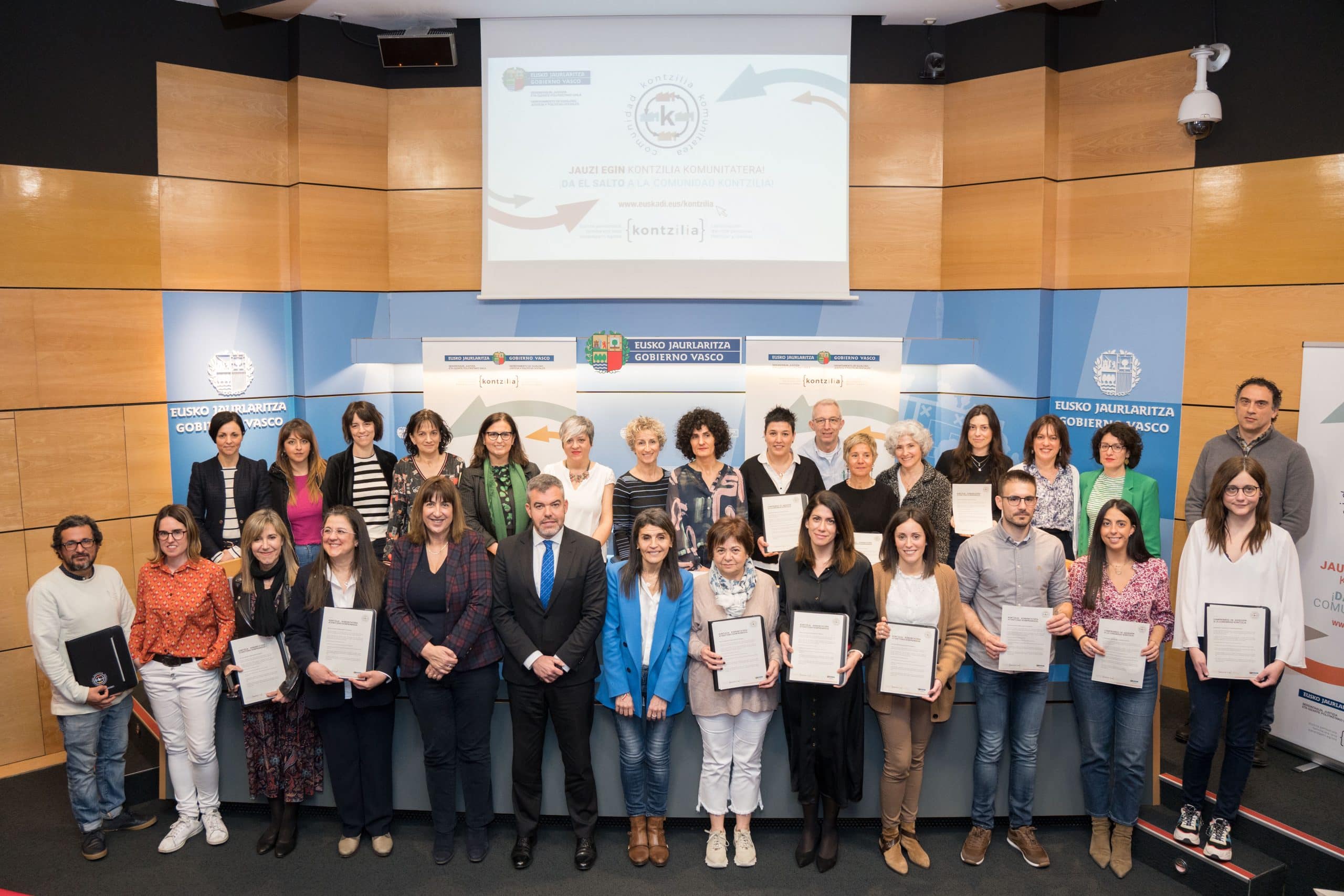
Sener joins the Kontzilia community to improve in conciliation and co-responsibility.

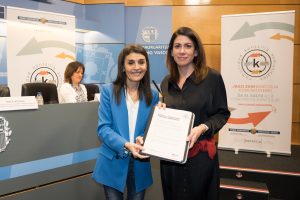
La consejera de Igualdad, Justicia y Políticas Sociales del Gobierno Vasco, Nerea Melgosa, entrega el certificado a Iratxe Angulo, de Dirección de Personas de Sener.

On Thursday, March 23, Sener joined the Kontzilia community to advance in reconciling work and personal life. This accession took place during the celebration of the Day of Conciliation and Co-responsibility, in an event organized by the Kontzilia Community of the Basque Government. Iratxe Angulo, from the People Directorate of the Sener group, attended this event that took place at the headquarters of the Basque Government in Bilbao and with which the Basque Government wanted to give visibility to all the actions being carried out by Basque companies and institutions in this area. During the event, the Counselor of Equality, Justice and Social Policies of the Basque Government, Nerea Melgosa, presented the document of adhesion of new companies to the Kontzilia community, among which was Sener.

At the Sener group we are committed to the development and implementation of work-life balance and flexibility policies that facilitate the balance between the professional, personal and family spheres. In the same way, we implement procedures and work methodologies according to equal opportunities, diversity and inclusion, which means that we are certified as a Family-Responsible Entity (EFR), granted by the MásFamilia Foundation and recognized by the United Nations. Measures such as the S-Working teleworking system and flexible working hours are combined with other actions to promote well-being and work-life balance.

Sener and the IIE establish a University-Industry technological collaboration

Sener and the IIE establish a University-Industry technological collaboration

24/03/2023

Sener and the Spanish Engineering Institute IIE hold a conference to promote technological collaboration between universities and companies.

Sener, together with 43 universities from 16 Autonomous Communities, has launched, in record time, a pioneering process of University-Business technological collaboration, with the help of the “Forum for Technological Collaborations University-Indutry” created by the University, Training and Business Committee of the Institute of Engineering of Spain (IIE).

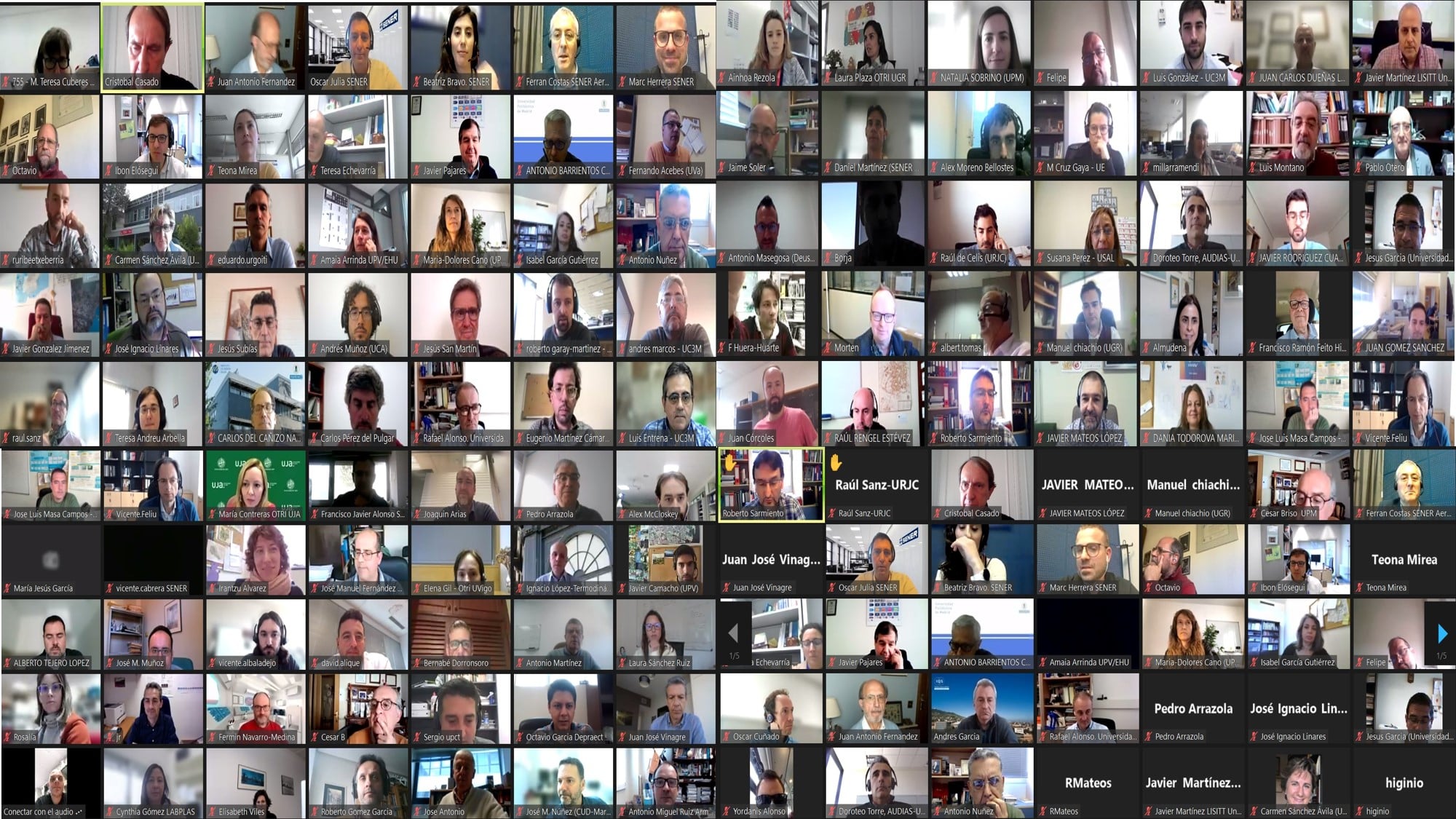
On March 23, representatives of Sener and IIE held a Conference with representatives of 103 different Research Groups and with Research-Innovation-Transfer Managers of the Universities.

The meeting was attended by Òscar Julià, Director of Innovation and Digitalization at Sener, and Ferrán Costas, Director of Innovation and Technology at Sener Aerospace and Defense. Both presented the 10 Priority Technology Lines (LTP) related to Aerospace Systems, Mobility and Transport, Energy, Green Hydrogen, Environmental Sustainability, Digitalization, Artificial Intelligence and Big Data.

During the Conference there was dialogue and high-level technological exchange between the Research Groups of the Universities and the technological managers of Sener.

After the Conference, the heads of the interested research groups are sending technological sheets to Sener, in which they describe their experience and ability to collaborate in one of Sener’s 10 LTPs. Based on this information, and what was discussed at the Conference, SENER’s technology managers will hold specific meetings with the corresponding Research Groups to continue advancing in the process of technological collaboration with Sener, of the Universities whose lines fit into Sener’s priorities.

Agreement between Airbus Helicopters España and Sener Aerospace and Defense

Agreement between Airbus Helicopters España and Sener Aerospace and Defense

13/03/2023

Airbus Helicopters España and Sener Aerospace and Defense will install IFF mode 5/S transponders in the Spanish military helicopter fleets.

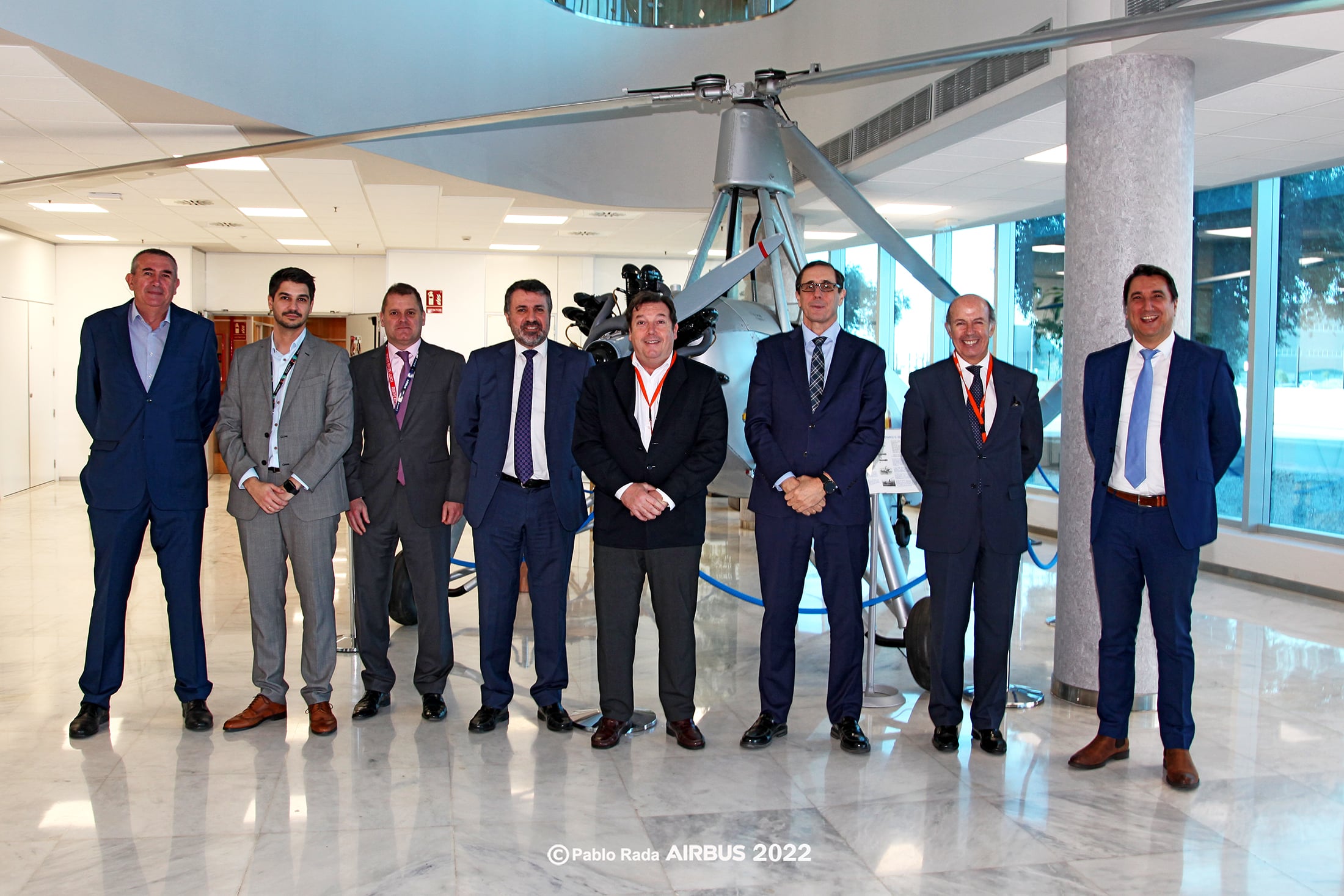
Sener Aerospace and Defense has signed the first contract with Airbus Helicopters Spain to install IFF mode 5/S transponders in the helicopter fleets of Spanish armed forces. This is a navigation and communication identification system sending and receiving radiofrequency signals that are of special importance to flight safety.

Los equipos de Sener Aeroespacial y Defensa y Airbus Helicopters España

Based on the agreement reached, Airbus Helicopters España will act as prime contractor, leading the contract activities for the Spanish Air Force and Army; while Sener will act as a nominated subcontractor to carry out activities (engineering, prototype testing, airworthiness certification, and supply of technical documentation, equipment, and kits) both for the prototype and for the SH-60B series of aircraft, and potentially for the Spanish Navy’s AB-212 helicopters.

Both companies acknowledge the strategic nature of this new alliance and hope this first collaboration will be a success and set the benchmark for subsequent activities, in terms of the modernization and development of subsystems of common interest, both nationally and abroad.