Sener, awarded at the Caminos Madrid Awards for the Hypogea retractable turf system

Sener, awarded at the Caminos Madrid Awards for the Hypogea retractable turf system

20/02/2025

This Thursday, February 20, Sener has received a new recognition that rewards the innovative spirit of its work.

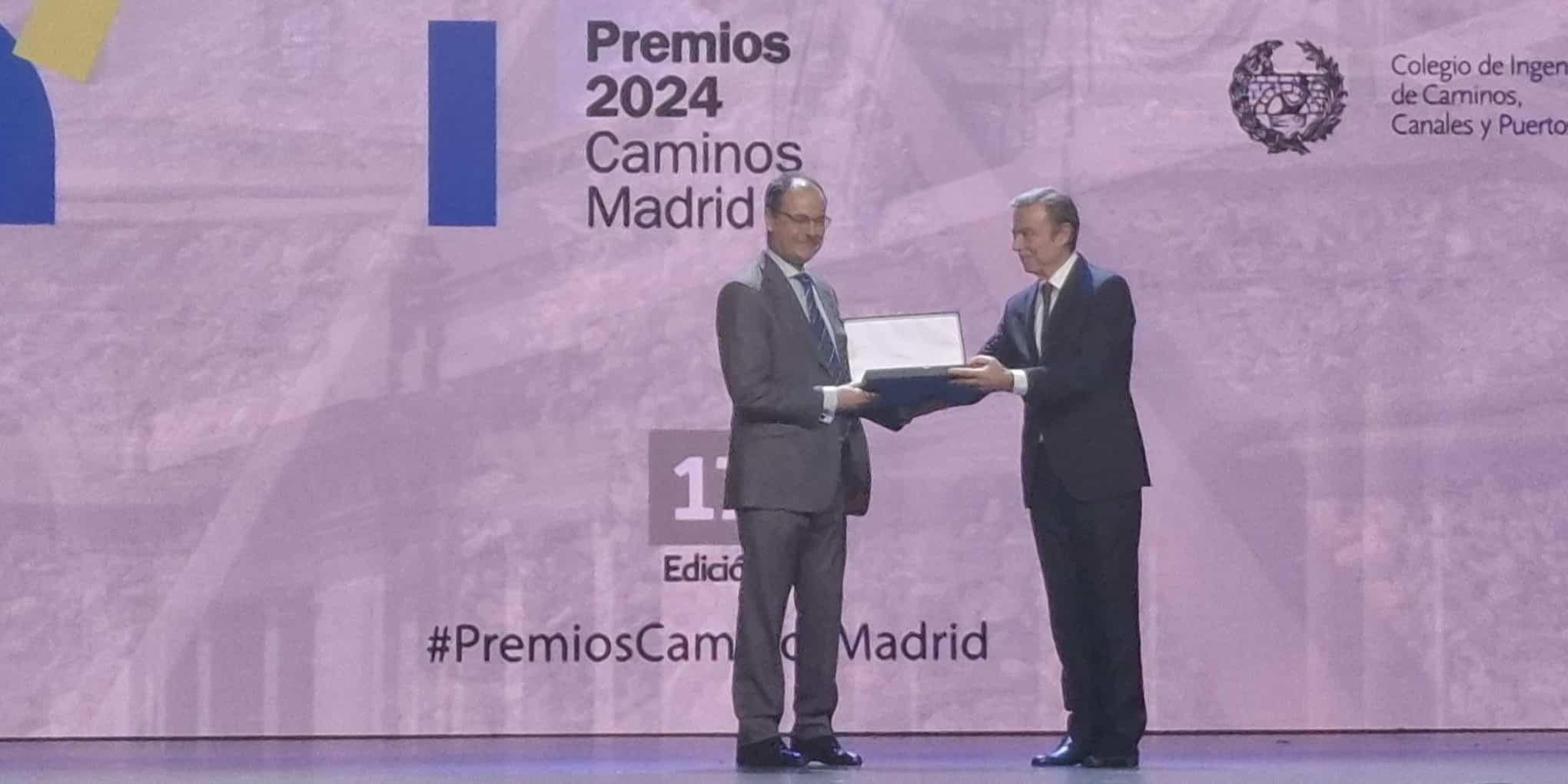
Specifically, the Hypogea® automated retractable turf system has received a distinction within the category of ‘Research and Innovation’ of the XVII edition of the Caminos de Madrid Awards, organized by the Civil Engineers of Roads, Canals and Ports Association of Madrid to highlight the contribution of those projects that promote the economic and social development of the community, with outstanding criteria of modernization and sustainability.

On behalf of Sener, Luis Bazán, Director of Operations, received the recognition from José Osuna, Vice Dean of Caminos Madrid.

Solutions such as Hypogea are the result of the commitment and talent of the people at Sener, who work on the development of innovative, sustainable and scalable solutions that challenge the limits of science and technology.

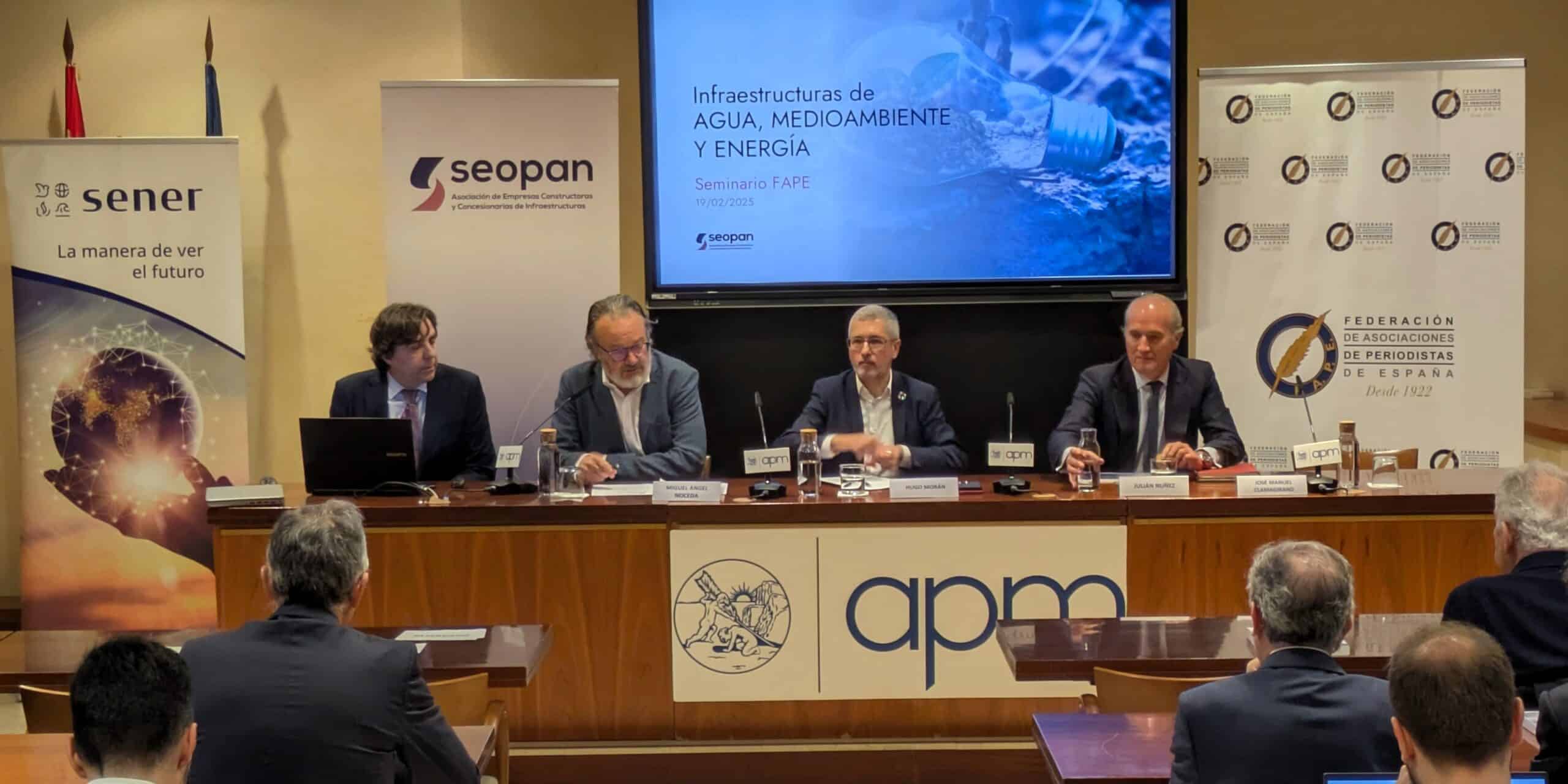
SEOPAN identifies €198.435 million of investment in priority infrastructures for water, energy, environment and public facilities in Spain, based on the report prepared by Sener

SEOPAN identifies €198.435 million of investment in priority infrastructures for water, energy, environment and public facilities in Spain, based on the report prepared by Sener

19/02/2025

Spain needs €198.435 million (M€) of investment in infrastructures for water, energy, environment and public facilities essential to guarantee compliance with Directives and regulations on the complete water cycle and waste treatment and to guarantee compliance with national and European objectives in reducing greenhouse gas emissions and energy neutrality, according to data included in the report “Analysis of Priority Investment in Infrastructure in Spain” prepared by Sener, at the request of SEOPAN, the Association of Construction and Concession Companies of Infrastructures. This investment is broken down into €72.134 million in planned actions, €56.656 million in modernization and adaptation of existing infrastructures and €69.645 million in examples of innovative projects.

The planned investments in water and energy infrastructure represent €72,134 million, contained in the third cycle hydrological plans 2022-2027 and the PNIEC 2023-2030. In hydraulic infrastructures, €11,016 million stands out in sanitation and purification, essential to protect public health and the environment, €8,748 million in supply and irrigation measures, to mitigate the unequal distribution of water resources, €3,724 million in the management of water resources to mitigate drought, €1,649 million in conservation and maintenance, €4,871 million in actions related to irrigation and plans for agriculture and €3,054 million in actions for the prevention and mitigation of the risk of flooding in Spain, the fourth European country, according to Eurostat, with the greatest economic losses due to extreme weather phenomena and climatic events, which represented €27.13/inhabitant in 2020. Another €4,876 million would be added in actions related to the management and restoration of the public hydraulic domain. In addition to the above hydraulic measures included in the report, which in relation to adaptation to climate change in the Spanish Mediterranean Basins represent €2,432 million, we should add the investments scheduled in 2022-2027 of the Flood Risk Management Plan, of €3,312 million not included in the report, as well as €820 million of investment in the scope of the DANA of 29/10/2024 in the re-study and execution of 5 rolling structures and environmental adaptation projects as they constitute the most effective alternative to roll off floods in extreme episodes of rainfall in flood zones with a high rate of population and urbanization.

Regarding the planned investments of the National Integrated Energy and Climate Plan (PNIEC) 2023-2030, the execution of adaptation measures, capacity and network interconnection, and energy efficiency and hydroelectric storage measures, requires €34,196 million of investment. They are broken down into €7,646 million for adapting transmission networks to integrate renewable energy, €4,200 million to increase hydroelectric storage capacity to 3.5 GW by 2030, €4,187 million to improve energy efficiency in existing buildings in the residential sector and investments to improve energy efficiency in ports (€306 million), buildings in the tertiary sector (€2,376 million) and in cold-generating equipment and large air-conditioning installations in the tertiary sector and public infrastructures (€3,947 million). Lastly, it identifies €1,000 million for improving efficiency in the public sector and €10,534 million for actions to increase electrical interconnection in the foreign market and meet the interconnection target of 15% by 2030 (32,100 MW).

Investments in modernisation and adaptation of the existing infrastructure stock, including hydraulic, environmental and public facilities, represent €56,656 million.

In the modernisation and adaptation of infrastructures for the complete water cycle, 44,518 million euros of investment have been identified, highlighting 15,643 million euros in the conversion of unitary sewerage networks to separate ones, 15,000 million euros in adapting the national stock of treatment plants to the requirements of the new Urban Wastewater Treatment Directive, 10,849 million euros for the replacement of water supply networks that are more than 40 years old, 1,539 million euros to promote and achieve energy neutrality in the national stock of desalination plants and treatment plants in operation, which would imply an annual saving in energy consumption of more than 970 million euros, and 1,487 million euros to provide basic sewerage and sanitation services to more than 972,000 homes in Spain that lack them according to the 2020 Survey of Local Infrastructures and Equipment of the Ministry of Territorial Policy. In the modernisation and adaptation of environmental infrastructure, the report identifies €2,733 million, broken down into €2,220 million of investment in waste treatment and recovery plants to meet the EU’s 2030 objectives, €290 million of investment in treatment plants to boost the conversion of wastewater sludge into biogas with a reduction of 471,000 t of CO2, and €223 million of investment for the closure and conditioning of 223 hectares of landfills and to achieve the objective of the Spanish Circular Economy Strategy of reducing waste disposal by 10% in 2030.

The block of investments in modernisation and adaptation of infrastructure is completed by those relating to hospital capacity and energy neutrality in public facilities. They amount to €9,405 million, broken down into €7,831 million for 15,355 new hospital beds to reduce waiting lists in hospitals of the National Health System to zero, and €1,277 million and €297 million of investment to achieve energy neutrality in hospital and university equipment, respectively, with renewable photovoltaic self-consumption and an estimated aggregate saving of annual public expenditure on electricity consumption of €1,800 million, equivalent to the commissioning of 3,331 hospital beds/year and 350,000 scholarships/year. Finally, examples of innovative investments of €69.645 million are identified, related to the prevention of desertification and the promotion of high added value crops in Murcia and Malaga (€7.007 million), the generation of renewable photovoltaic energy on 5,000 hectares of usable surface area of ​​the national highway network (€1.638 million), the promotion and development of floating photovoltaic energy, wave energy and green hydrogen (€21 billion), the creation of urban green infrastructure and the promotion and deployment of district heating/cooling networks with a minimum investment range of €40 billion by 2050 to obtain, with renewable energy, 25% coverage of the national demand for air conditioning in the residential and tertiary sectors.


OPTIMAS, the European project for cybersecure communications in free space, starts led by monodon by Navantia and in collaboration with Sener

OPTIMAS, the European project for cybersecure communications in free space, starts led by monodon by Navantia and in collaboration with Sener

06/02/2025

OPTIMAS, a European project enlisting the collaboration of Sener and led by monodon by Navantia, has begun with the aim of developing an advanced free-space optical communication system for multi-domain defence applications.

This is an ambitious project that seeks to provide high-speed data transfer communications with an exceptional level of security, integrating cutting-edge encryption technologies, such as quantum key distribution (QKD).

OPTIMAS will mark a milestone in the development of airborne laser communication systems, providing secure and high-speed communications. It’s designed to operate in satellite constellations with applications for space, air (drones), naval and ground units.

The project’s final demonstrator will focus on achieving high-speed, secure, bidirectional optical communications. It will enable advanced satellite pointing, acquisition and tracking capabilities in low Earth orbits (LEO). Application in medium orbits (MEO) and geostationary orbits (GEO) will be also explored, expanding the scope and possibilities of the system.

A European consortium with Spanish leadership

OPTIMAS has a powerful European consortium made up of 12 entities from 7 countries, highlighting a strong Spanish presence with 6 organizations involved. Among these, monodon by Navantia assumes the role of project coordinator, reaffirming Spain’s leadership in advanced defence and communications technologies. Sener is in charge of the design of the Pointing, Acquisition and Tracking (PAT) subsystems for both the air and space segments, as well the development of the Attitude and Orbit Control System (AOCS) of the satellite. The company has extensive experience in this field. For example, it served as the prime contractor for the AOCS in the Euclid mission of the European Space Agency (ESA). Furthermore, in 2024, the CDTI awarded Sener the Phase 2 contract for the development of a quantum key distribution demonstrator in LEO orbit, a key step towards what could become Spain’s first QKD-LEO mission.

The project is developed within the framework of the 2023 work program of the European Defence Fund (EDF), consolidating international cooperation in technological innovation for defence.

OPTIMAS is form by:

  • monodon by Navantia (Spain) as coordinator
  • CAILABS (France)
  • Centro de Láseres Pulsados – CLPU (Spain)
  • Tecnobit-Grupo Oesía (Spain)
  • GMV (Portugal)
  • Instituto de Astrofísica de Canarias (Spain)
  • MBRYONICS LIMITED (Ireland)
  • ODYSSEUS Space SA (Luxemburg)
  • REFLEX AEROSPACE GMBH (Germany)
  • Schiebel Elektronische Geraete GmbH (Austria)
  • Sener (Spain)
  • Universidad de Valencia (Spain)
  • Universidad de Vigo (Spain)

OPTIMAS is positioned as a key project in the advancement of cyber-secure laser communications, consolidating European collaboration and the technological leadership of Sener in the field of multi-domain defence.

Project funded by the European Union. Views and opinions expressed are however those of the authors only and do not necessarily reflect those of the European Union. Neither the European Union nor the granting authority can be held responsible for them.

Cofinanciado por la UE

Sener takes part in the expansion of Ottawa’s light rail network in Canada

Sener takes part in the expansion of Ottawa’s light rail network in Canada

03/02/2025

Sener has participated in the expansion of the O-Train South Lines 2 and 4 in Ottawa, which became operational recently. This is the second railway line that has become operational in Canada in which Sener has participated since it was initiated, following its involvement in the Réseau Express Métropolitain (REM), the most ambitious public transport project carried out in the province of Quebec in the last 50 years.

This new north-south railway line connects the centre of Ottawa and Riverside South with a branch to Ottawa International Airport. In the extension of the O-Train South Lines 2 and 4, Sener has provided property engineering services that include essential safety services that guarantee the railway system’s operation and safety. The line’s expansion seeks to improve mobility in Ottawa, offering citizens an efficient and sustainable public transportation option. The company has conducted an Independent Safety Audit (ISA) and issued a Statement of No Objection (SONO), helping to ensure compliance with strict safety standards and a smooth transition to providing the service.

Sener’s participation in the O-Train South Lines 2 and 4 reinforces its commitment to developing quality transport infrastructure in Canada. Since its establishment in the country, Sener has been involved in almost all the railway projects developed in Canada in the last decade, consolidating its presence in the local market and significantly contributing to improving urban mobility.

In Toronto, particularly noteworthy is its involvement in the design of new lines, such as the Ontario Line and Finch West LRT, which is expected to operate in 2025, and the extensions of Scarborough Subway, Eglington Crosstown or the On-Corridor project.

Sener’s operations in Canada are rounded off by projects in five other cities: in Ottawa, where it is working on the extension of the O-Train Line 1, in addition to its involvement in the O-Train South line; in Montreal, with significant activity in the REM of Montreal; on Quebec City’s tram; in Edmonton, where it is currently working on the expansion of Valley Line; and in Vancouver, through various projects on the Skytrain network.

Sener and Tecnalia will collaborate for the development and industrial scaling of advanced technological solutions

Sener and Tecnalia will collaborate for the development and industrial scaling of advanced technological solutions

29/01/2025

The agreement focuses on several vectors of innovation, such as energy, infrastructure and mobility, solutions for the aerospace and defense market or decarbonization, among others.

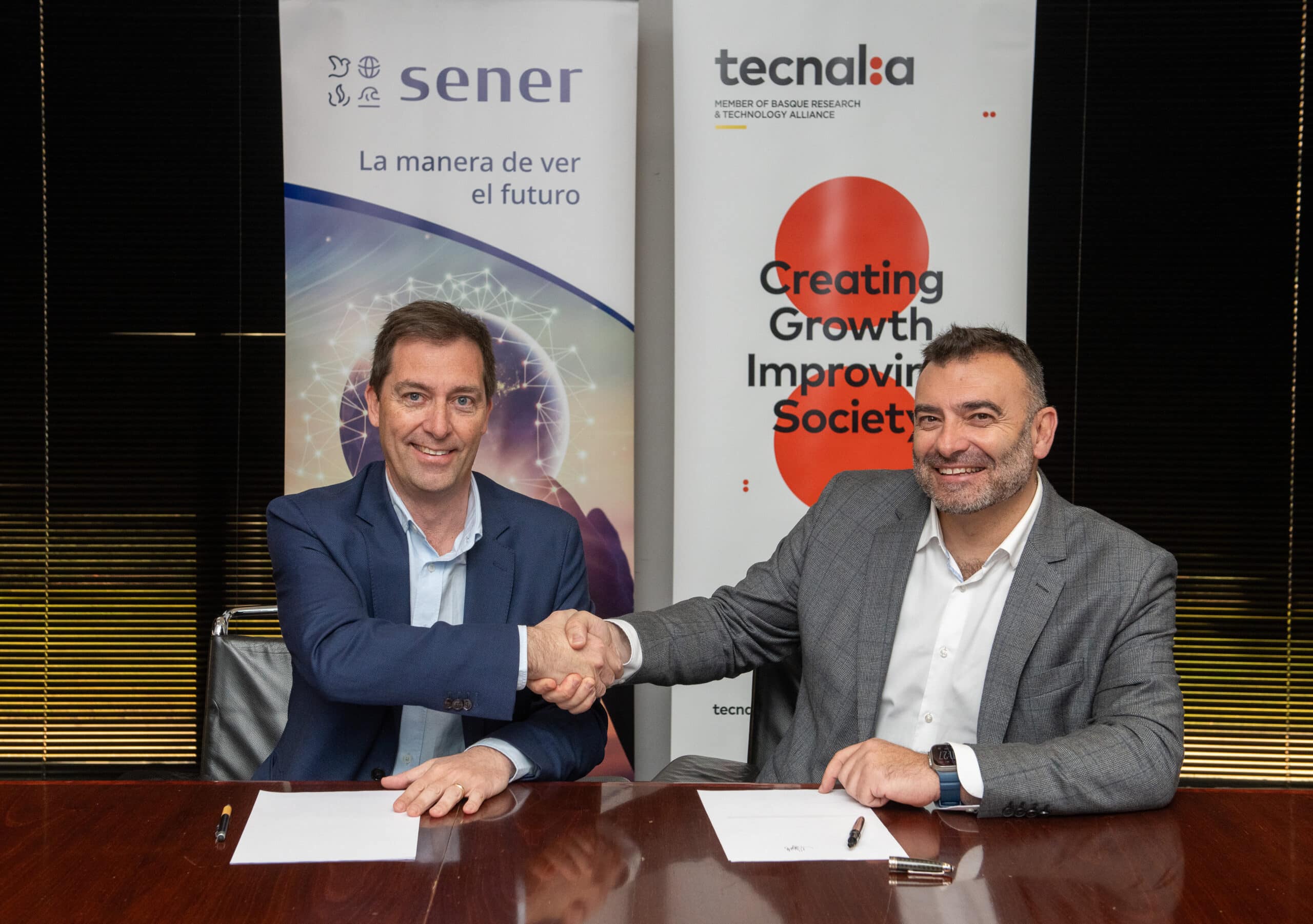
The engineering and technology group Sener and Tecnalia, the largest center for applied research and technological development in Spain, have signed a collaboration agreement to strengthen their capabilities in research, technological development and innovation. The agreement establishes a framework for cooperation that seeks to accelerate the innovation cycle and contribute to the industrial scaling of advanced technological solutions.

This agreement establishes the bases for effective collaboration in various technological areas, including applied research, training and the development of technological skills of personnel. Specific objectives include promoting open innovation strategies, strengthening collaboration with international technological platforms, and conceptualizing and developing joint R&D and innovation projects. The agreement focuses on several innovation vectors, such as energy, infrastructure and mobility, solutions for the aerospace and defence market or decarbonisation, among others. Tecnalia will contribute its experience in transversal and specialised technologies to support these efforts.

Òscar Julià, director of Innovation at Sener, highlights: “this agreement represents another step for Sener in its mission to lead innovation in technologically complex areas. We are excited about the opportunities that this collaboration will offer us to continue developing advanced technological solutions and strengthen our position in this field.”

For his part, Agustín J. Sáenz, director of Strategy, Market and Technology at Tecnalia, adds: “This agreement consolidates the collaboration that we began years ago, and makes us a partner of Sener for the development of new technological solutions to face the challenges of the future. Tecnalia’s mission is to anticipate the needs of companies in order to co-develop new products and processes with them, and this collaboration will be a boost to jointly generate prosperity in the industrial environment and in society.”

To enhance collaboration, the creation of work teams in both companies is planned, with profiles and professionals who are experts in different areas to promote the transversality of the projects. They will also have a Monitoring Committee that will allow for evaluation, adjustments and the incorporation of new initiatives based on the needs of the industry.

SATNUS conducts its first flight test campaign of the NGWS/FCAS program

SATNUS conducts its first flight test campaign of the NGWS/FCAS program

29/01/2025

Logos SATNUS

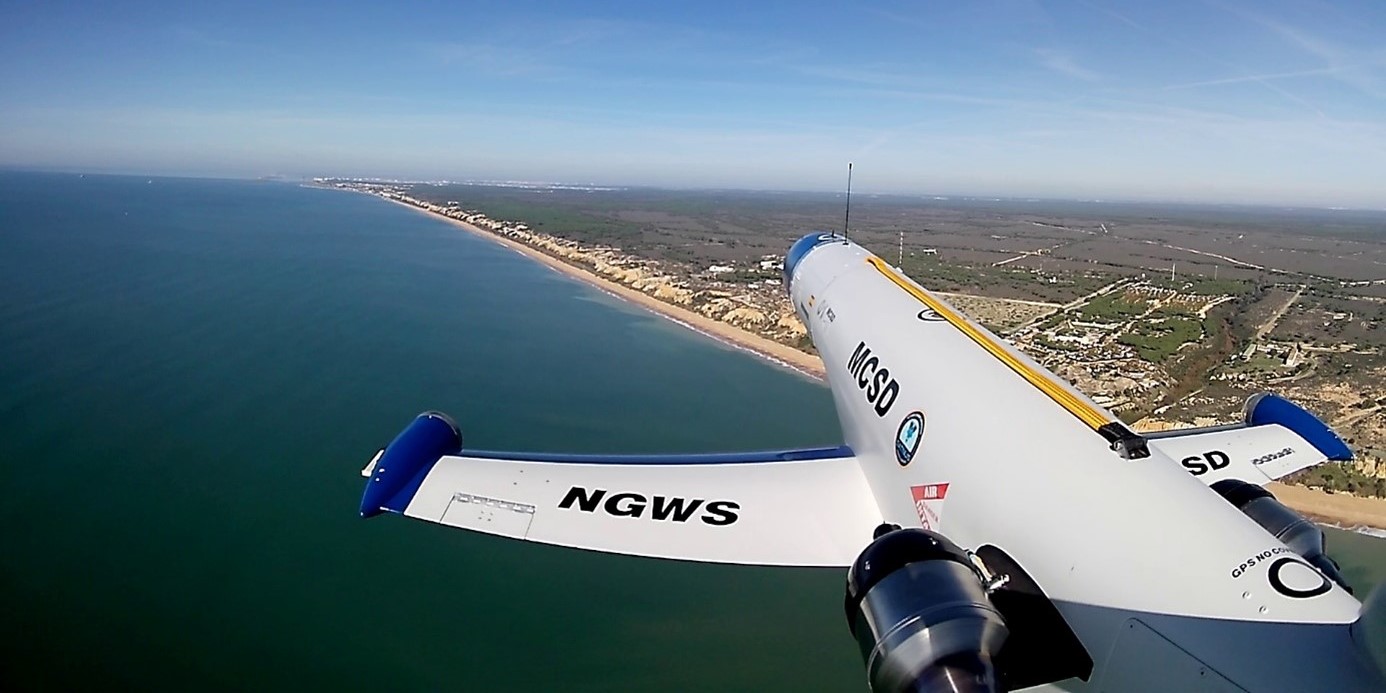
Recently, SATNUS has carried out the planned flight test campaign at the facilities of the El Arenosillo Experimentation Centre (CEDEA) in Huelva. This campaign has been part of the activities assigned to SATNUS in Pillar 3 of the Spanish-French-German cooperation programme NGWS/FCAS, responsible for the maturation of technologies for remotely controlled aircraft systems (Remote Carriers) and collaborative flight with manned or unmanned aircraft (MUT, Manned-Unmanned Teaming). With the support of INTA and for two weeks, SATNUS has carried out multiple validation flights of the MCSD demonstration platform (a modified target drone system), meeting the objectives set and establishing new challenges for future campaigns.

SATNUS has successfully validated the modifications introduced in the flying target drone and its ground controller. During this campaign, in addition to the changes introduced at a structural level, the remote control, communications and FTS (Flight Termination System) subsystems, as well as different payloads, have been validated. A first version of the DIM (Demo Information Management) system and the first C2 (Command and Control) prototype have also been satisfactorily evaluated, both deployed on the ground.

At a general level, tests have been carried out on the multi-platform simulation tool, integrating real and simulated aircraft during the same test, thus laying the first stone for collaborative flights, involving multiple real MCSD demonstration platforms in future campaigns.

With the achievement of these initial tests, SATNUS continues to advance according to the roadmap planned for Phase 1B of the NGWS programme, with the ambitious final objective of demonstrating MUT functionalities with multiple MCSD demonstration platforms in flight.

Sener joins the Strategy, Science and Technology Advisory Board of QSNP

Sener joins the Strategy, Science and Technology Advisory Board of QSNP

23/01/2025

The industrial engineering and technology group Sener has joined the Strategy, Science and Technology Advisory Board (STAB) of QSNP. QSNP is a European Quantum Flagship project that aims to develop quantum cryptography technology to secure the transmission of information over the internet, contributing to the European sovereignty in quantum technology for cybersecurity protecting the privacy and the sensitive information of European citizens transmitted over the internet.

Given Sener’s strong background in the space industry and their recent investments in Quantum Key Distribution (QKD) technology for the period 2025-2028, the inclusion has been acknowledged as a valuable contribution to the project.

Sener has been selected to develop the first demonstrator for a quantum key distribution system from LEO orbit. The project is framed within the scope of Action 8 “Satellite and ground systems for quantum communications” of PERTE Aerospace, and it has been allocated a budget from the European funds for the Spanish Recovery, Transformation and Resilience Plan of the Ministry for Digital Transformation and Public Service, through the State Secretariat for Telecommunications and Digital Infrastructure (SETELECO). It is managed by the CDTI through the pre-commercial public procurement system, in coordination with the Spanish Space Agency. QKD is also funded by the European Union – NextGenerationEU.

Funded by the EU

CDTI

Sener to Update Masterplans for Five Saudi Airports in Strategic Partnership with MATARAT Holding

Sener to Update Masterplans for Five Saudi Airports in Strategic Partnership with MATARAT Holding

22/01/2025

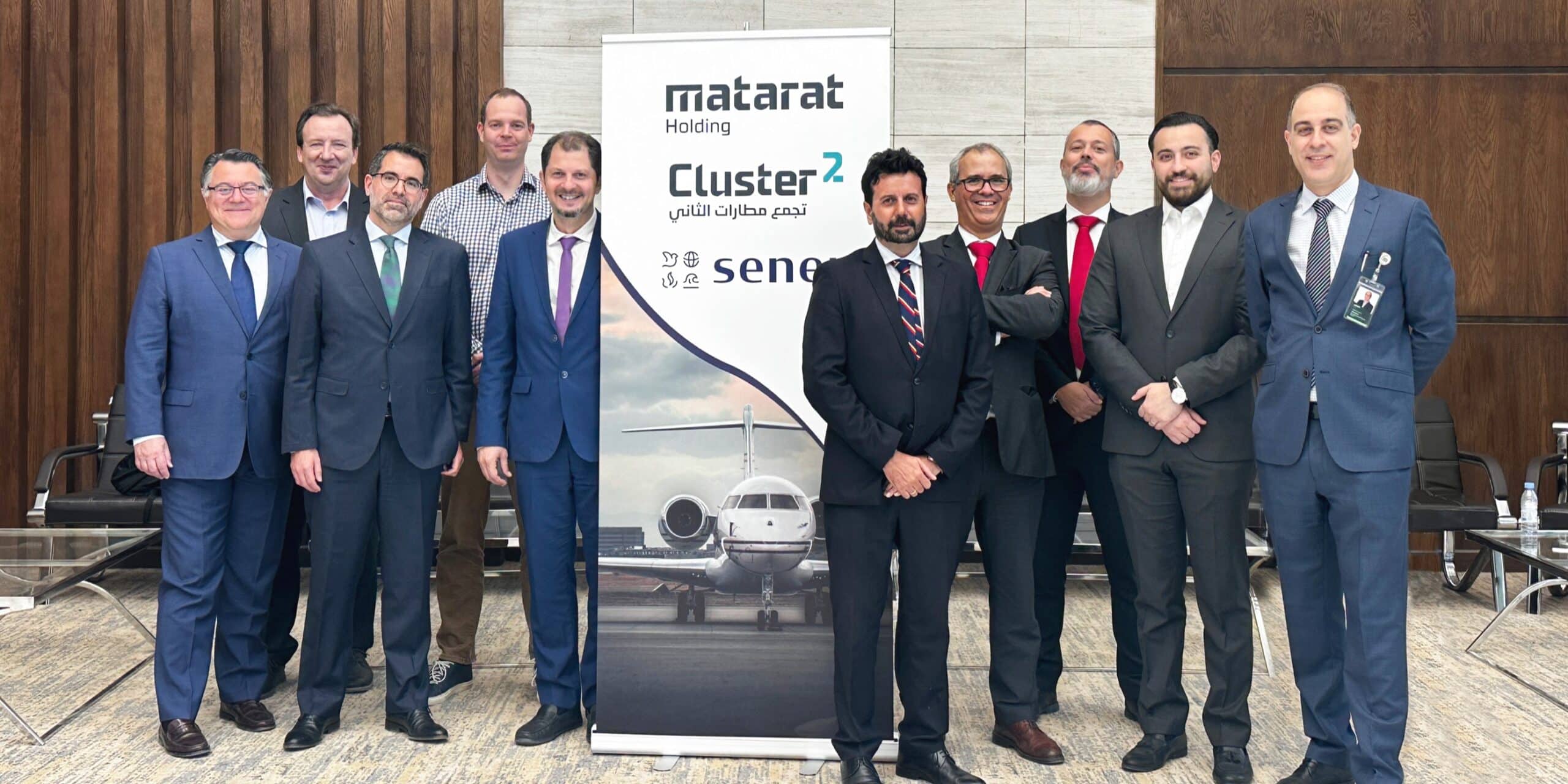
MATARAT Holding has selected the Sener engineering and technology group to update the masterplans for five key airports, including Yanbu, Tabuk, Al-Baha, Al Jouf, and Al Gurayat. The collaboration aligns with MATARAT Holding’s commitment to transforming the Saudi airport sector into a global benchmark for sustainability and efficiency, in line with Saudi Vision 2030.

A masterplan serves as a blueprint for an airport’s growth, outlining its short-, medium- and long-term development needs. It provides a comprehensive framework to guide decision-making, optimize operations and address future challenges.

As part of the project, Sener will conduct a detailed analysis of each airport’s traffic patterns, tourism potential, facility requirements, capacity and environmental impact. Also, the study will forecast future demands and assess resource investment needs.

These updated masterplans will provide MATARAT Holding with advanced tools for strategic planning and decision-making, enabling it to support the Saudi national aviation strategy, attract global investment, and enhance the country’s position as a regional and international aviation hub.

An airport is one of the most complex facilities in the field of transport: due to its high technical and operational requirements, it demands the cross-cutting application of different disciplines and advanced technologies. Sener has a track record that includes work at more than 190 airports and associated facilities around the world. For example, it was involved in developing the master plan of the New Mexico City International Airport (NAICM), and in the construction project of the Lublin airport in Poland.

In Saudi Arabia, where Sener maintains offices in Riyadh, the company has contributed to major projects, including the Riyadh Metro, enhancements to the Red Sea Gate Terminal, and technical studies and consultancy services for the Royal Commission for Jubail and Yanbu.

This new contract represents Sener’s first airport project in the country. In this regard, Mario Neves, Regional Country Manager of Mobility in the Middle East at Sener, notes that “we are happy to put our experience in the airport sector at the service of the MATARAT Holding Company. We hope our technical expertise will help develop more modern and sustainable facilities, in keeping with the vision of MATARAT Holding Company for the sector.”

Sener takes part in SpainSat NG-I, the satellite that will reinforce secure communications for the Spanish armed forces

Sener takes part in SpainSat NG-I, the satellite that will reinforce secure communications for the Spanish armed forces

21/01/2025

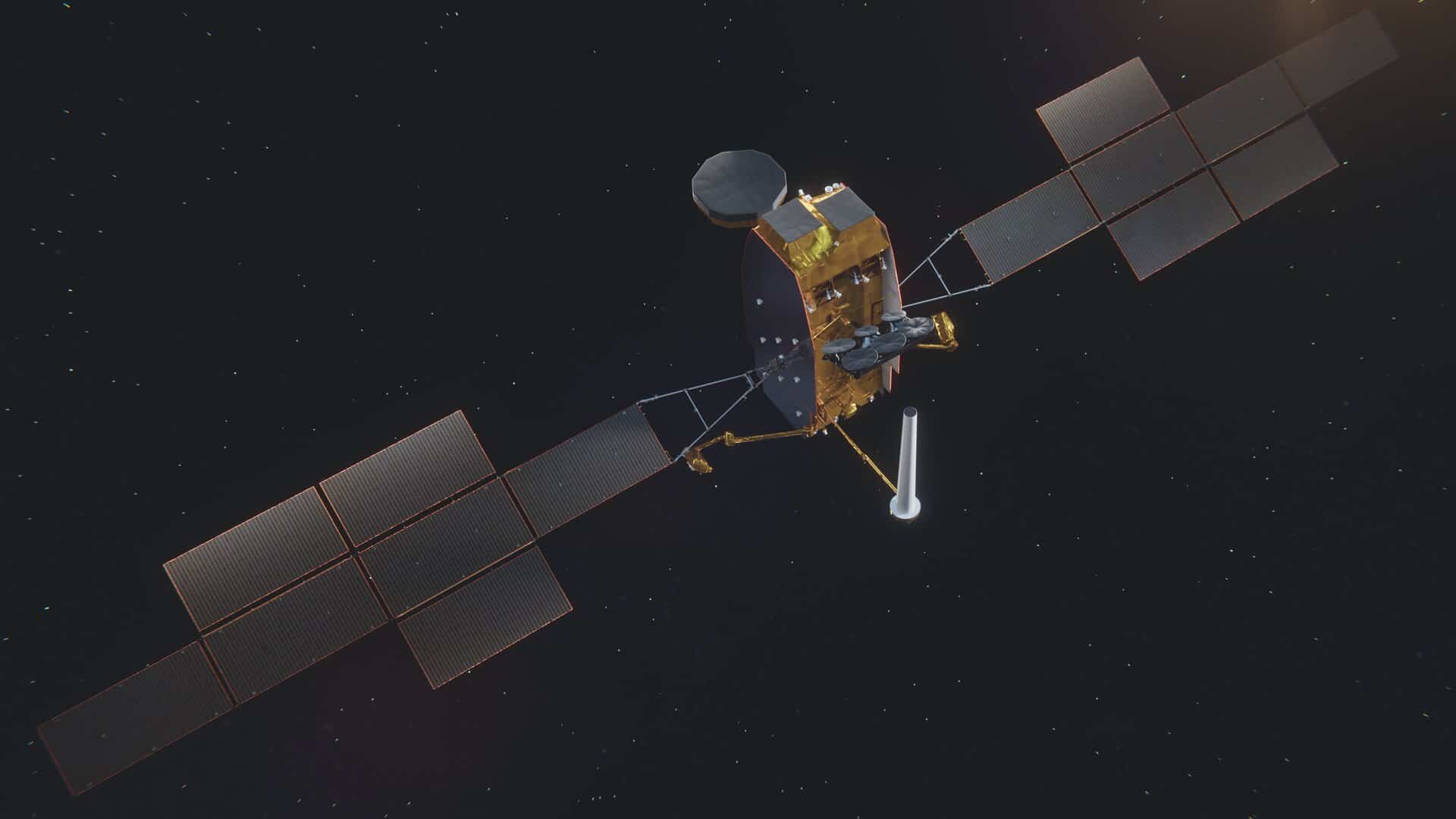
SpainSat NG-I will provide secure and reliable communications for the Spanish armed forces, reinforcing the country’s technological and strategic capacity in space; it will have advanced technologies for protection against attempts at interference and spoofing and will be protected against high-altitude nuclear phenomena.

Among other elements, Sener has been responsible for the design and manufacture of the front-end of the new DRA X-band antennas, both for transmission and reception, which will allow the transmission capacity of current satellites to be multiplied by 16.

The launch of SpainSat NG-I, Hisdesat’s advanced secure communications satellite, will take place on January 29 from Cape Canaveral, in the United States. The engineering and technology industrial group Sener has participated in its development, in collaboration with the rest of the participants in the program, leading companies in the industry.

Sener has designed, manufactured and carried out the tests of several of the elements that make up the satellite’s active X-band transmitting and receiving antennas. These antennas integrate, among others, 120 DSSPA (dual solid-state power amplifiers) and 120 DLNA (dual low-noise amplifiers), both in X-band.

In addition, Sener has supplied 6 sets of steerable reflectors, Mechanical Reflector Assembly (MRA) for the Ka-band communications system, installed on a deployable panel, with three types of antennas and with an angular movement range of the antenna of +/- 5º. These reflectors are fed by several feeders, including the horn, polarizer and guide routing, which have also been supplied by Sener.

Additionally, and for each satellite, Sener has delivered a pair of S-band antennas (circular polarizations on the right and left) and a global X-band TCR antenna with both polarizations (with transmission and reception functions integrated in the same antenna).

Finally, Sener has actively participated in the satellite’s ultra-high frequency or UHF antenna, developing the three-channel OMUX, which filters and groups the outputs of the corresponding amplifiers before attacking the satellite’s UHF antenna. The handling of high powers at low frequencies for space applications made the design of this equipment a first-class challenge.

All these elements will help ensure that, once in orbit, SpainSat NG-I can provide secure and reliable communications for the Spanish armed forces, reinforcing the country’s technological and strategic capacity in space. The satellite will cover a wide area, spanning from the United States and South America to the Middle East, including Africa and Europe, and reaching Singapore. With an operational lifespan of 15 years, it incorporates advanced technologies for protection against interference and spoofing attempts and will be reinforced and protected against high-altitude nuclear phenomena.

Sener has extensive experience in communications for the space market. It has supplied antennas and radio frequency equipment, both active and passive, to the main satellite manufacturers and space agencies for use in navigation, telecommunications, exploration and Earth observation. It has provided more than 10,000 pieces of equipment and subsystems on board 1,400 satellites in LEO, GEO, MEO orbits and for launchers.

In the words of Diego Rodríguez, Director of Space and Science at Sener, “we are proud to be part of this program and therefore to participate in the milestone that the successful completion of a program such as SpainSat NG represents for Hisdesat and our industry, undoubtedly one of the most advanced in its category in the world.”

Sener renews its ‘efr’ certification as a family-responsible entity

Sener renews its ‘efr’ certification as a family-responsible entity

17/01/2025

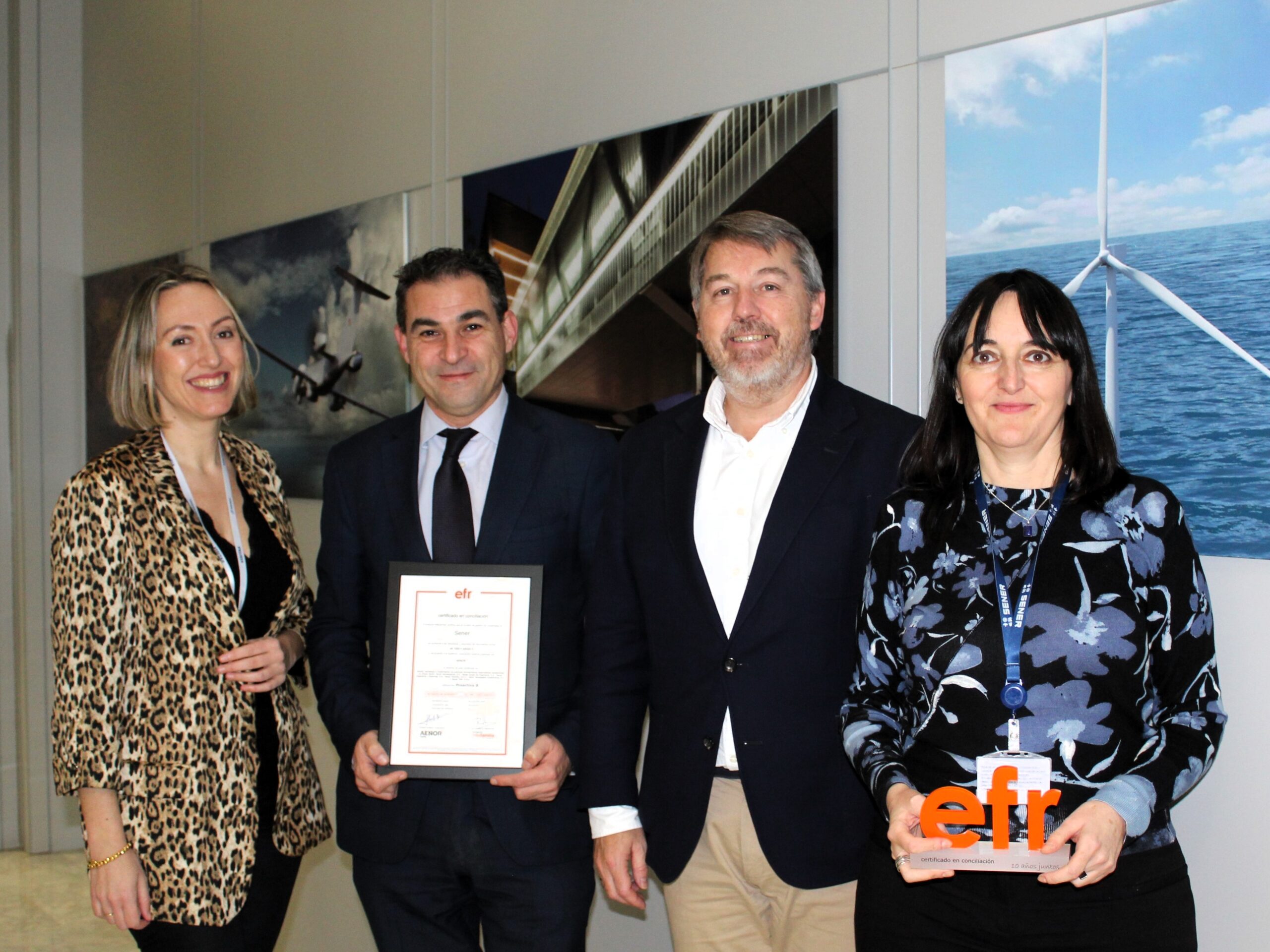
Sener has renewed its ‘efr’ certification as a family-responsible entity, awarded by the Másfamilia Foundation, maintaining the B level of ‘Proactive Company’. Fundación Másfamilia is a private non-profit organization whose mission is to promote the reconciliation of work, personal and family life in companies and in society through initiatives such as the ‘efr’ certification (family-responsible entity).

The recognition highlights the implementation of a management model and policies that facilitate the balance between work, personal and family life and is endorsed by the Ministry of Social Rights and 2030 Agenda in Spain; it is also internationally recognized and is aligned with the United Nations Sustainable Development Goals (SDG). Certified companies are periodically evaluated on their commitment to equal opportunities, work flexibility and the well-being of their employees, as well as conciliation and diversity.

In this way, and in accordance with an external evaluation carried out by AENOR, Sener certifies once again its commitment to the reconciliation of the work, personal and family life of its people and to a flexible management model.

The award ceremony was held on January 14 at the Sener offices in Tres Cantos, by Rafael Fuertes, general manager of Fundación Másfamilia, and Laura Sánchez, project manager at Fundación Másfamilia, with the participation of Mikel Zahino, director of People Management at Sener, and Ana Úsar, head of Equality, Diversity and Inclusion at Sener.

Since its first certification in 2009, Sener has periodically undergone audits that evaluate dozens of reconciliation measures in areas of well-being such as quality in employment, flexibility, family support, development and training, and equal opportunities.