






Sener takes part in SpainSat NG-I, the satellite that will reinforce secure communications for the Spanish armed forces

Sener takes part in SpainSat NG-I, the satellite that will reinforce secure communications for the Spanish armed forces

21/01/2025

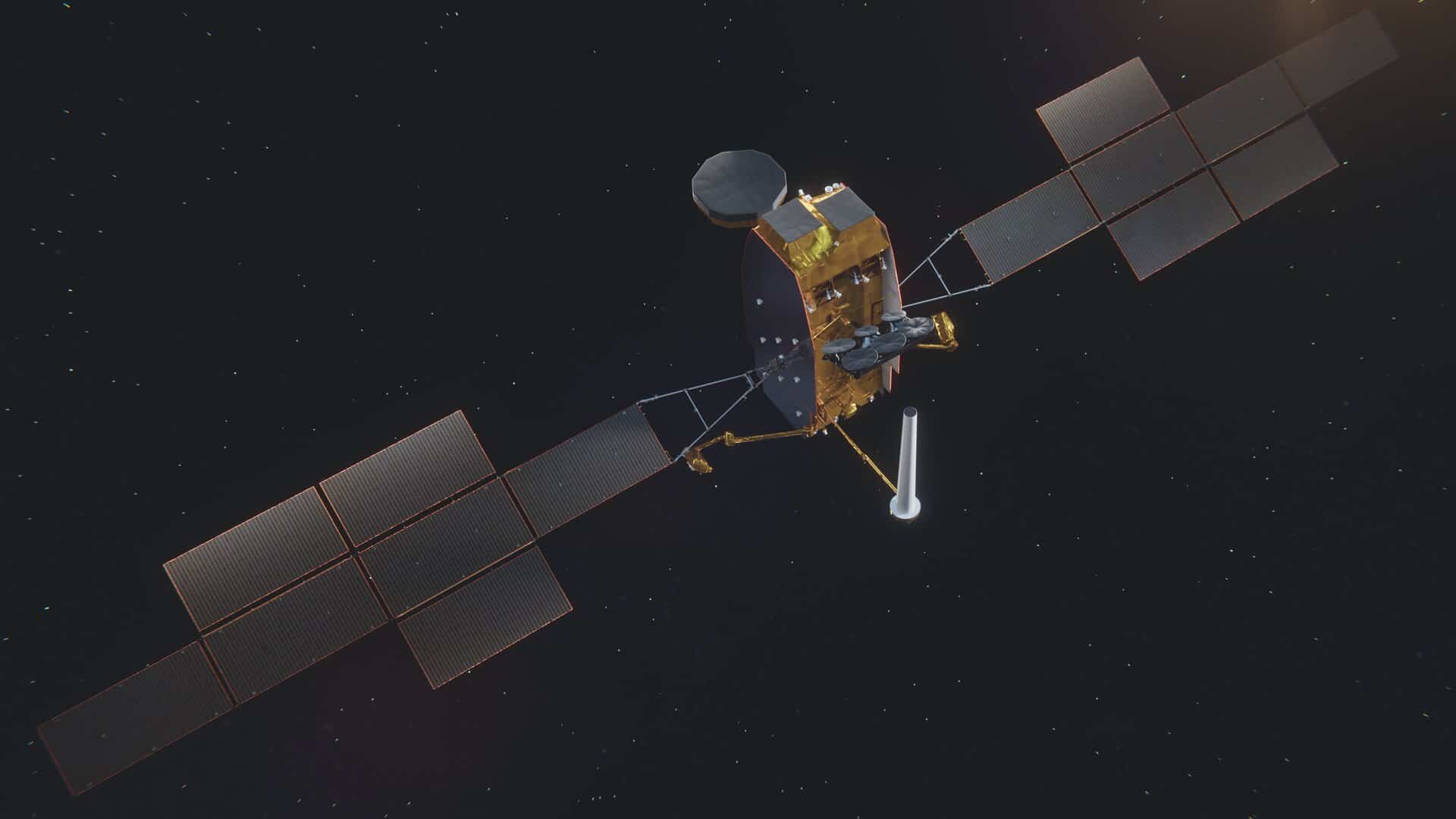
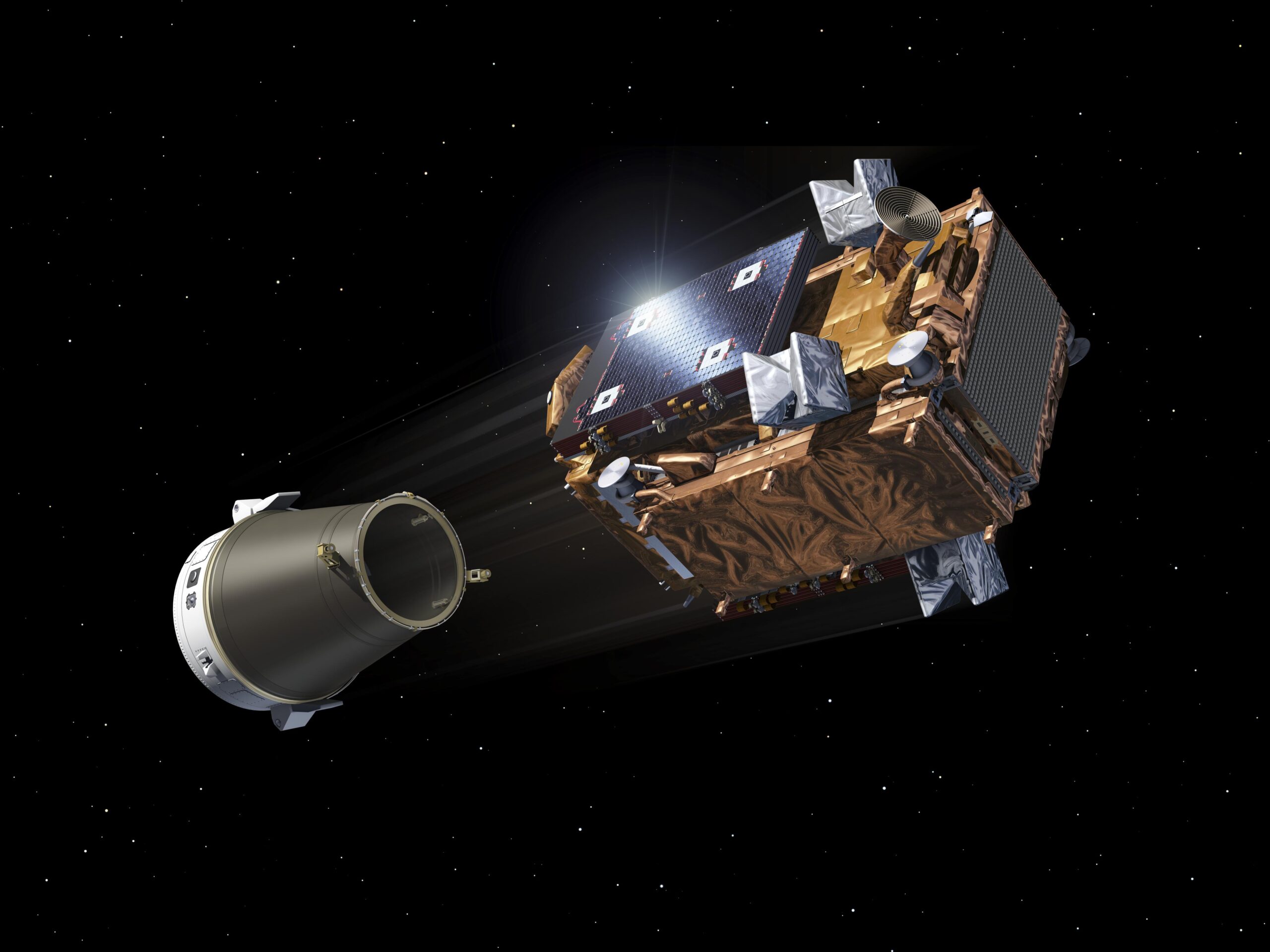
SpainSat NG-I will provide secure and reliable communications for the Spanish armed forces, reinforcing the country’s technological and strategic capacity in space; it will have advanced technologies for protection against attempts at interference and spoofing and will be protected against high-altitude nuclear phenomena.

Among other elements, Sener has been responsible for the design and manufacture of the front-end of the new DRA X-band antennas, both for transmission and reception, which will allow the transmission capacity of current satellites to be multiplied by 16.

The launch of SpainSat NG-I, Hisdesat’s advanced secure communications satellite, will take place on January 29 from Cape Canaveral, in the United States. The engineering and technology industrial group Sener has participated in its development, in collaboration with the rest of the participants in the program, leading companies in the industry.

Sener has designed, manufactured and carried out the tests of several of the elements that make up the satellite’s active X-band transmitting and receiving antennas. These antennas integrate, among others, 120 DSSPA (dual solid-state power amplifiers) and 120 DLNA (dual low-noise amplifiers), both in X-band.

In addition, Sener has supplied 6 sets of steerable reflectors, Mechanical Reflector Assembly (MRA) for the Ka-band communications system, installed on a deployable panel, with three types of antennas and with an angular movement range of the antenna of +/- 5º. These reflectors are fed by several feeders, including the horn, polarizer and guide routing, which have also been supplied by Sener.

Additionally, and for each satellite, Sener has delivered a pair of S-band antennas (circular polarizations on the right and left) and a global X-band TCR antenna with both polarizations (with transmission and reception functions integrated in the same antenna).

Finally, Sener has actively participated in the satellite’s ultra-high frequency or UHF antenna, developing the three-channel OMUX, which filters and groups the outputs of the corresponding amplifiers before attacking the satellite’s UHF antenna. The handling of high powers at low frequencies for space applications made the design of this equipment a first-class challenge.

All these elements will help ensure that, once in orbit, SpainSat NG-I can provide secure and reliable communications for the Spanish armed forces, reinforcing the country’s technological and strategic capacity in space. The satellite will cover a wide area, spanning from the United States and South America to the Middle East, including Africa and Europe, and reaching Singapore. With an operational lifespan of 15 years, it incorporates advanced technologies for protection against interference and spoofing attempts and will be reinforced and protected against high-altitude nuclear phenomena.

Sener has extensive experience in communications for the space market. It has supplied antennas and radio frequency equipment, both active and passive, to the main satellite manufacturers and space agencies for use in navigation, telecommunications, exploration and Earth observation. It has provided more than 10,000 pieces of equipment and subsystems on board 1,400 satellites in LEO, GEO, MEO orbits and for launchers.

In the words of Diego Rodríguez, Director of Space and Science at Sener, “we are proud to be part of this program and therefore to participate in the milestone that the successful completion of a program such as SpainSat NG represents for Hisdesat and our industry, undoubtedly one of the most advanced in its category in the world.”

Sener renews its ‘efr’ certification as a family-responsible entity

Sener renews its ‘efr’ certification as a family-responsible entity

17/01/2025

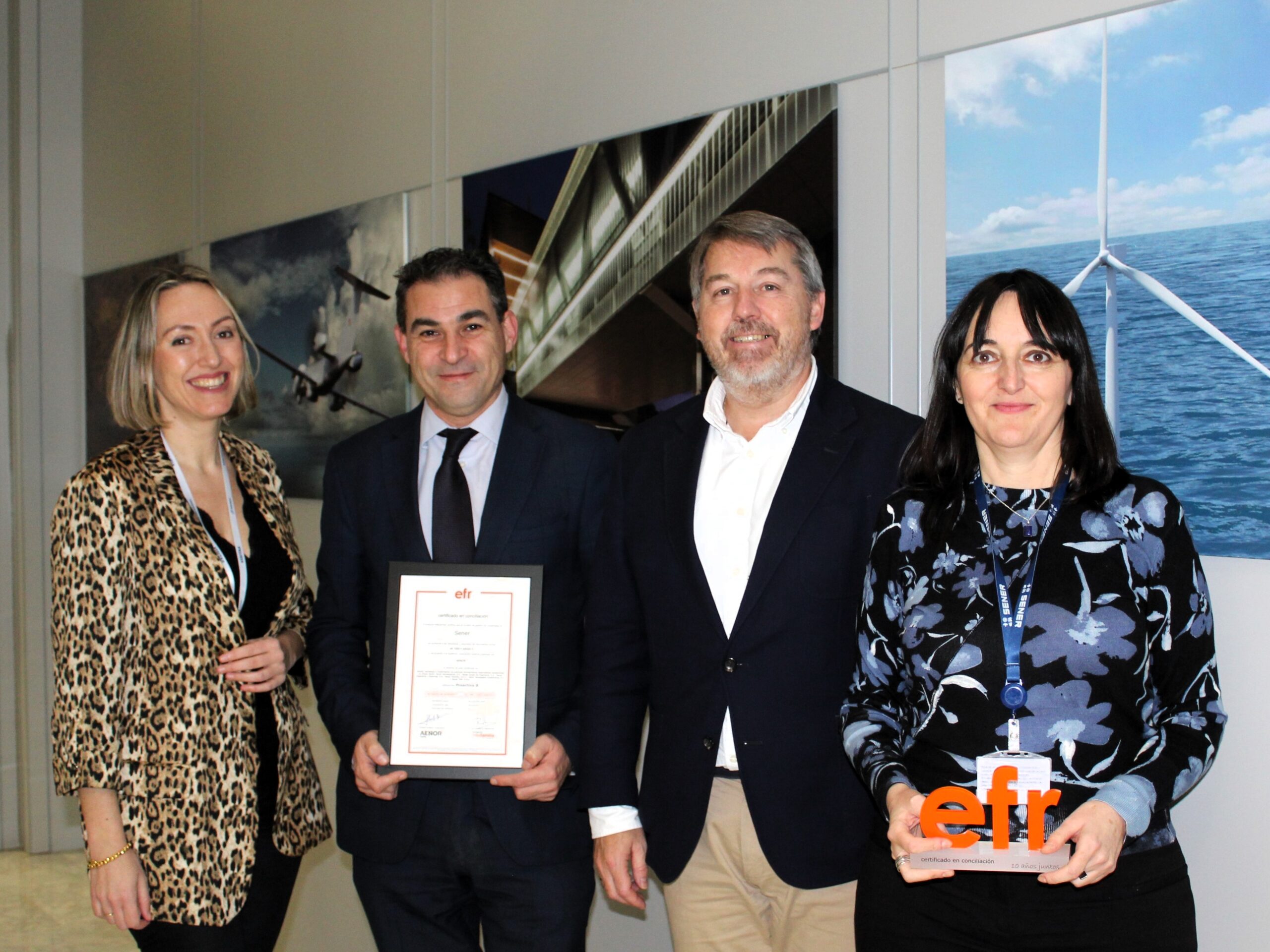
Sener has renewed its ‘efr’ certification as a family-responsible entity, awarded by the Másfamilia Foundation, maintaining the B level of ‘Proactive Company’. Fundación Másfamilia is a private non-profit organization whose mission is to promote the reconciliation of work, personal and family life in companies and in society through initiatives such as the ‘efr’ certification (family-responsible entity).

The recognition highlights the implementation of a management model and policies that facilitate the balance between work, personal and family life and is endorsed by the Ministry of Social Rights and 2030 Agenda in Spain; it is also internationally recognized and is aligned with the United Nations Sustainable Development Goals (SDG). Certified companies are periodically evaluated on their commitment to equal opportunities, work flexibility and the well-being of their employees, as well as conciliation and diversity.

In this way, and in accordance with an external evaluation carried out by AENOR, Sener certifies once again its commitment to the reconciliation of the work, personal and family life of its people and to a flexible management model.

The award ceremony was held on January 14 at the Sener offices in Tres Cantos, by Rafael Fuertes, general manager of Fundación Másfamilia, and Laura Sánchez, project manager at Fundación Másfamilia, with the participation of Mikel Zahino, director of People Management at Sener, and Ana Úsar, head of Equality, Diversity and Inclusion at Sener.

Since its first certification in 2009, Sener has periodically undergone audits that evaluate dozens of reconciliation measures in areas of well-being such as quality in employment, flexibility, family support, development and training, and equal opportunities.

Quark, Spain’s leading data centre design firm, opens subsidiary in Portugal

Quark, Spain’s leading data centre design firm, opens subsidiary in Portugal

13/01/2025

The leading firm in southern Europe is consolidating its international growth strategy, after being acquired by Sener in 2023, with the creation of a subsidiary in Portugal, where it already has its own staff and experience in projects such as Altice’s Covilhã data centre, one of the country’s largest.

Quark, southern Europe’s leading data centre engineering and design firm, has announced the opening of a new subsidiary in Portugal, after opening another in Germany and winning its first contracts in Germany and France. The aim is to reinforce its international expansion plan, following its acquisition by the engineering and technology group Sener in 2023.

Currently, Quark leads the national data centre engineering market and since 2012 has been developing emblematic projects in Portugal, such as Altice’s Covilhã data centre, one of the largest in the country, to as well as other projects for clients such as Banco de Portugal or Sibs, among others.

Quark has a portfolio of more than 45 designed data centres, with an accumulated power of 600 MW and 250,000 square metres of built space. Now, with this new office in Portugal, the company expects to be able to support new projects awarded in the Portuguese market and reinforce its business plan in Europe.

Business growth in Spain and in number of professionals

Last year, Quark won 50% more contracts than in the previous year and increased its workforce by 40 people to more than 100. The growth of the business and the incorporation into the Sener group is facilitating its expansion at international and national level. In the latter sense, Quark has recently announced the opening of a data centre design technology hub in Bilbao, at Sener’s headquarters, where it expects to incorporate 50 professionals over the next two years.

This followed the opening of an office in Catalonia to develop two new projects in the region for two of the main players in the data centre sector. These latest projects in Catalonia represent an investment of 160 million euros and are in addition to the 68,000 square metre project for Panattoni in Cerdanyola del Vallès, which will be the largest data centre in the region, following an investment of 300 million euros.

Ricardo Abad, CEO of Quark, said: “The digital economy is placing increasing demands on our customers’ capabilities. There is a growing demand for increasingly sophisticated and efficient data centres, and we expect that our proximity to our international customers will help them solve their most complex technology challenges. At Quark, we will continue to innovate to deliver the most advanced and sustainable centres.

Sener begins the design of the actuators for the Lockheed Martin’s PAC-3 MSE missile

Sener begins the design of the actuators for the Lockheed Martin’s PAC-3 MSE missile

18/12/2024

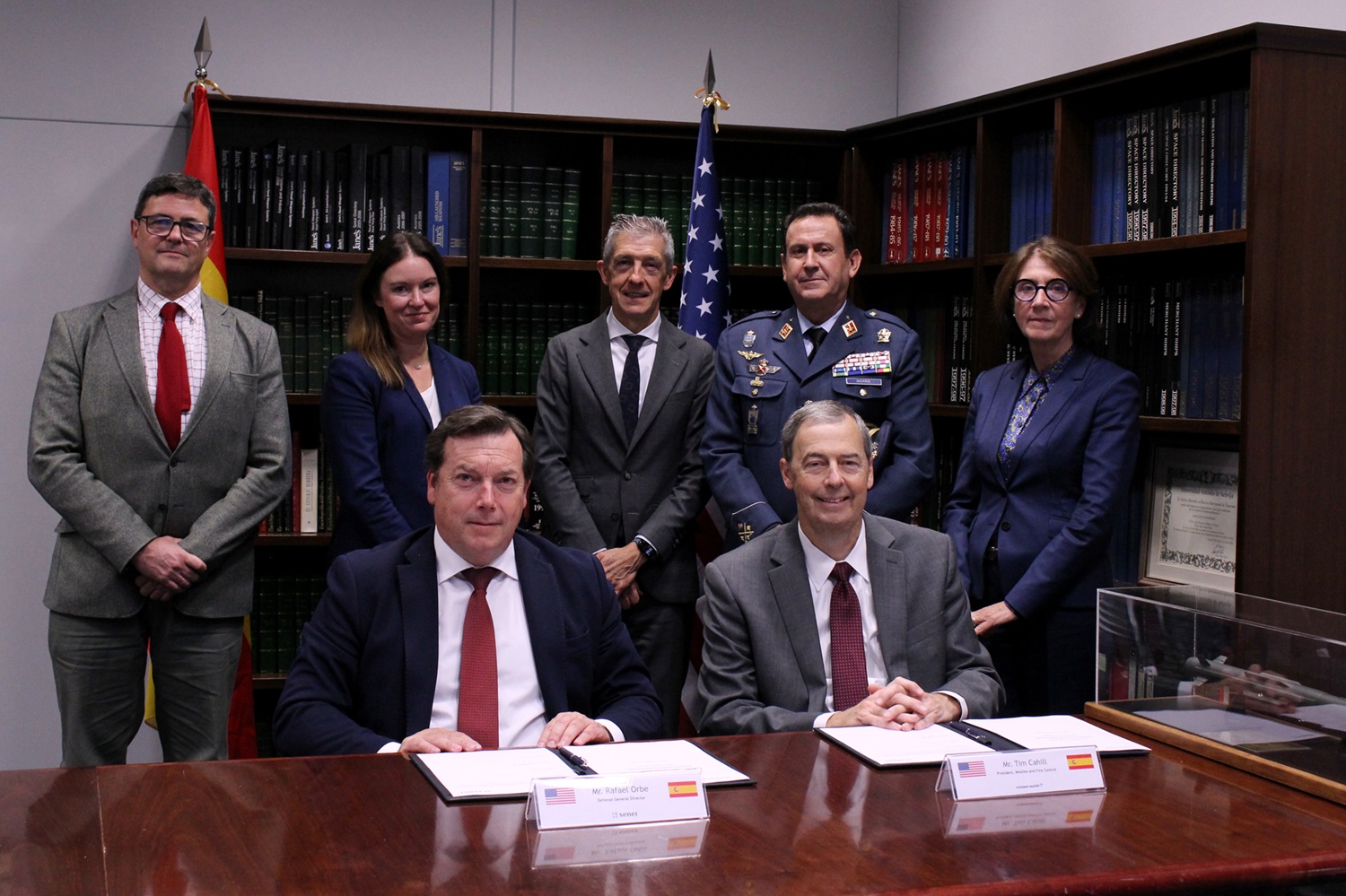
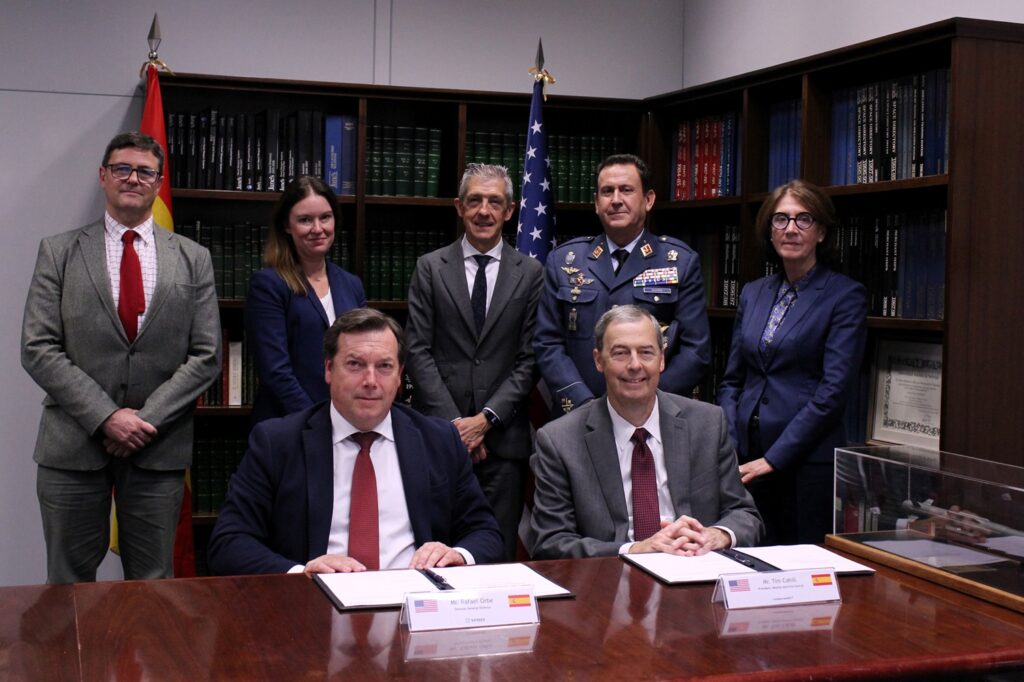
During a recent visit of Lockheed Martin (NYSE: LMT) to Spain, Mr. Tim Cahill, President of Missiles and Fire Control at Lockheed Martin, and Mr. Rafael Orbe, General Director of Defence at Sener, signed an agreement to collaborate on the new development and production of PAC-3 MSE actuators. The signing ceremony was witnessed by Lieutenant General Miguel Ivorra Ruiz, Director General of Strategy and Innovation of the Defence Industry in Spain. This agreement will allow Sener to join the global supply chain of PAC-3 MSE by designing, developing and qualifying PAC-3 MSE actuators in Spain for customers around the world.

Following the contract signing, Sener launched the initial design activities of the PAC-3 MSE actuators aiming to meet a challenging schedule and deploy them in the field as soon as possible. The signing of this contract builds on the Memorandum of Understanding (MoU) between Sener and Lockheed Martin that was established last year.

“We celebrate this agreement with Lockheed Martin, which reinforces Sener’s role as an international Centre of Excellence for the design and production of Control and Actuation Systems (CAS),” said Rafael Orbe, General Director of Defence at Sener. “Furthermore, this partnership is a great opportunity to strengthen the value chain of the Spanish industry as a key partner in the global supply chain in a critical area such as advanced interception systems.”

In June 2024, Spain and the U.S. Government formalized an agreement for the acquisition of PAC-3 MSE and associated support equipment. With that agreement, Spain officially joined the PAC-3 MSE community of partner nations. The PAC-3 MSE missile increases the capabilities of Spain’s Patriot battalions to defend against tactical ballistic missiles, cruise missiles, advanced threats, and aircraft. Seventeen nations have chosen the PAC-3 to provide air and missile defence capabilities in defence of modern threats.

“Our partnership with Sener will provide Spain with critical security assets and boost its integrated air and missile defence system capabilities against ever-evolving threats,” said Brian Kubik, vice president, PAC-3 Programs, Lockheed Martin Missiles and Fire Control. “We look forward to collaborating with Spanish industry and strengthening our existing relationships.”

The agreement between Lockheed Martin and Sener reinforces Sener’s commitment to the Patriot Program of the Spanish Ministry of Defence, while consolidating and boosting the positioning of Sener’s Centre of Excellence for Control and Actuation Systems for missiles.

Sener Respira solution awarded in 12th enerTIC Awards

Sener Respira solution awarded in 12th enerTIC Awards

18/12/2024

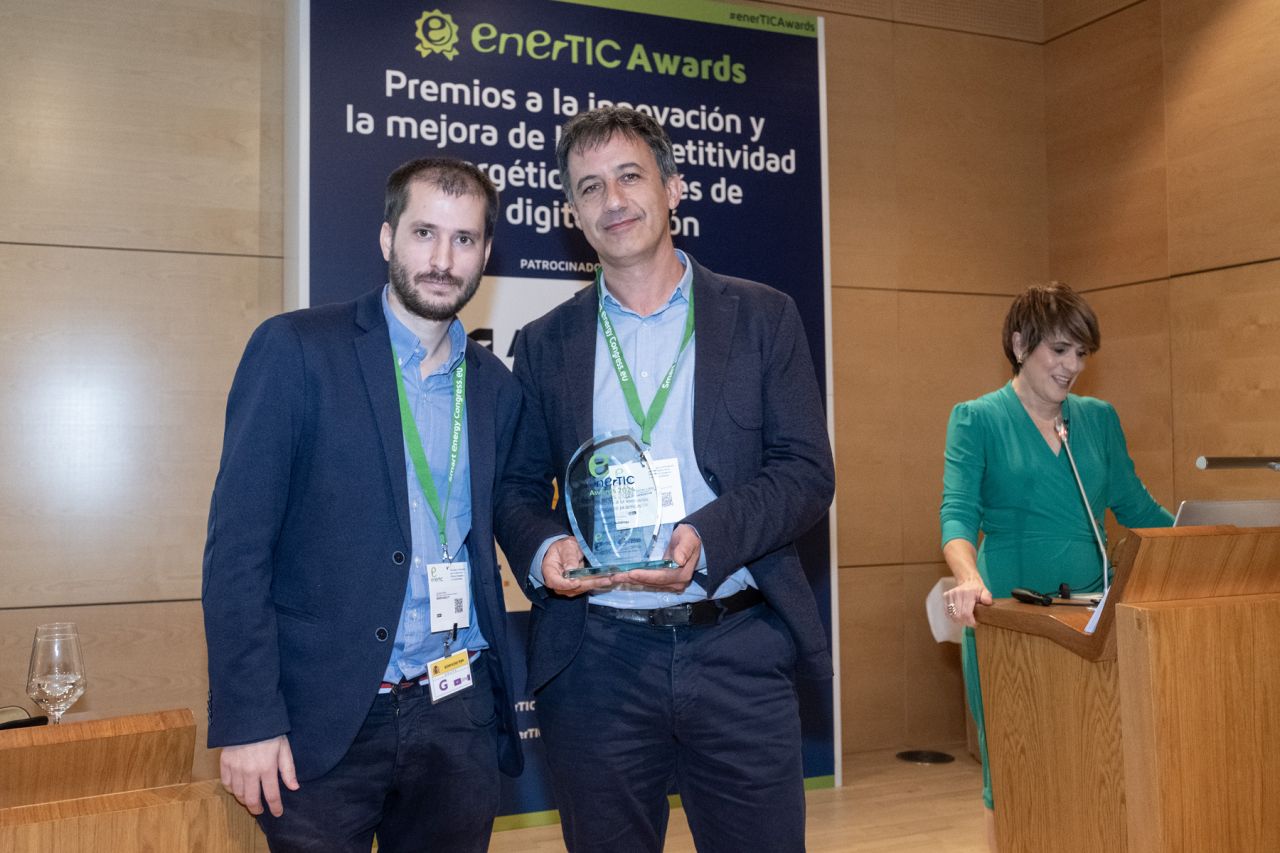
The XII edition of the enerTIC Awards, awards for innovation and improvement of energy competitiveness through digitisation, took place recently at the headquarters of the Ministry of Digital Transformation and Public Function, in Madrid. The event, organised by the enerTIC platform, was attended by leading representatives from the public and private sectors, and served to reward outstanding initiatives and leadership that promote energy competitiveness and sustainability.

In this edition, the project ‘Artificial intelligence for energy efficiency and guest comfort in the Iberostar Hotel Chain’, in which the Sener group participated as a technology partner through the Respira solution, was selected as one of the award-winning initiatives in the Smart Buildings category. The ceremony highlighted excellence in technology and innovation applied to key sectors such as industry, transport, renewable energies and public administrations.

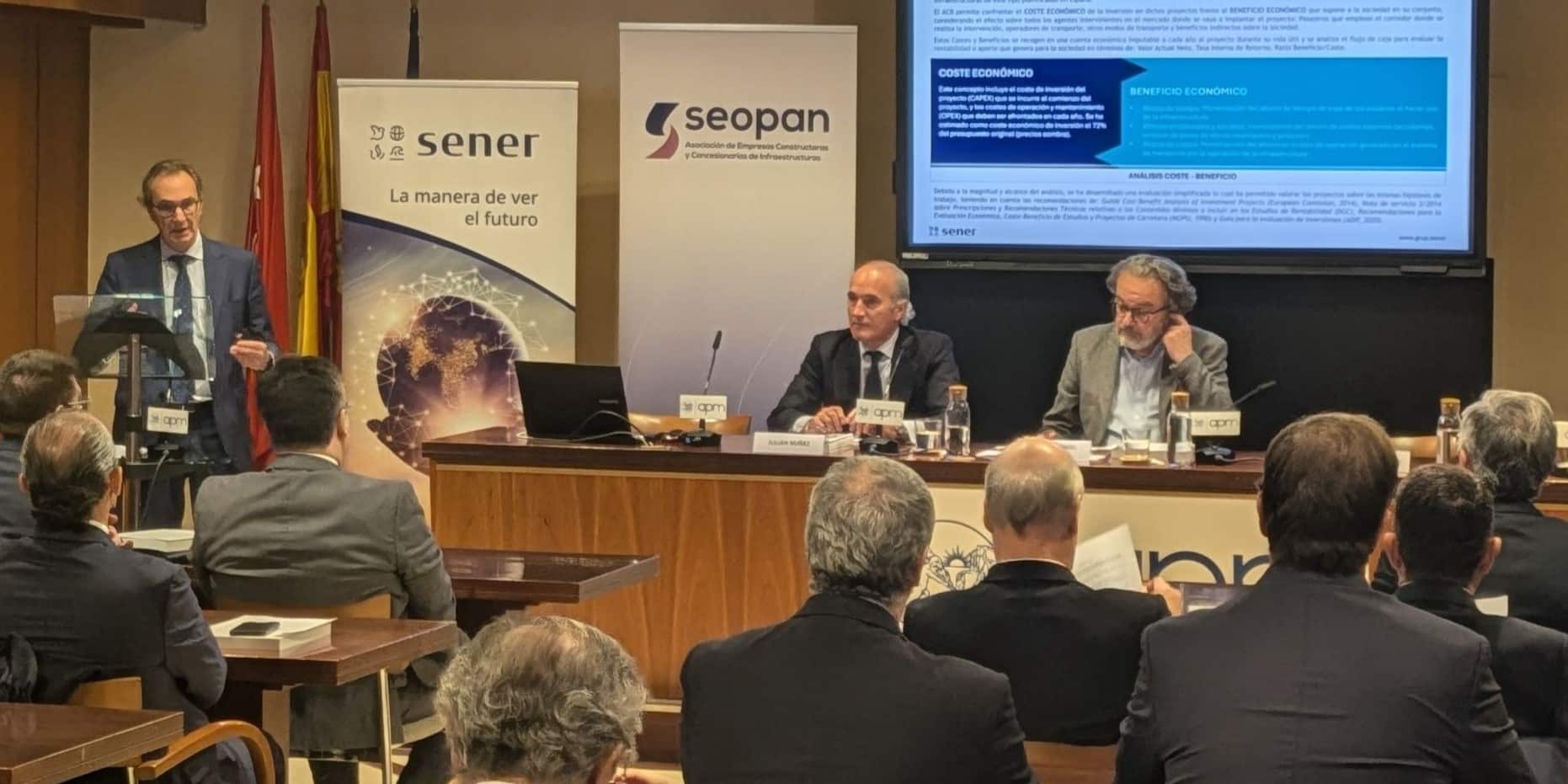
SEOPAN presents the report “Analysis of Priority Investment in Infrastructure in Spain”, prepared by Sener

SEOPAN presents the report “Analysis of Priority Investment in Infrastructure in Spain”, prepared by Sener

12/12/2024

Spain needs 150,833 million euros (M€) of investment in transport infrastructure with high socioeconomic profitability, necessary to carry out the planned actions and comply with European regulations, according to the report “Analysis of Priority Investment in Infrastructure in Spain” prepared by Sener for SEOPAN.

Spain needs 150,833 million euros (M€) of investment in transport infrastructure with high socioeconomic profitability, necessary to execute the planned actions and comply with European regulations according to data from the report ” Analysis of Priority Investment in Infrastructure in Spain ” prepared by the engineering company Sener, at the request of SEOPAN, the Association of Construction and Concession Companies of Infrastructures. This investment is broken down into €85,083 M in planned actions, €57,154 M in modernization and adaptation of existing infrastructures and €8,595 M in innovative projects.

The planned investments in transport infrastructure, which represent €85,083 million with an execution horizon of 2024-2035, aim to renew, maintain and expand the transport network to resolve the growing demand for mobility in Spain and the problems of congestion, highlighting railway actions (€51,315 million) and road actions (€26,935 million).

Completing the connection of the high-speed rail network, whose planned investment represents €16,514 million (with €9,494 million pending execution) will generate a socio-economic benefit (B/C) of €59,962 million in 30 years of operation. And carrying out the planned actions for commuter trains, metro, trams and conventional railways requires an investment of €47,847 million (with €41,821 million pending execution) that will lead to a socio-economic benefit of €46,369 million in 30 years.

Domestic mobility of people and goods is supported mainly by roads, and it is a priority to complete the road projects planned in the last two decades, which represent an investment of €24,067 million for the construction of 2,415 km of new motorways, the execution of which would entail a socio-economic benefit of €32,290 million over 30 years of operation.

Likewise, the increase in daily traffic recorded in certain sections of the high-capacity road network requires the expansion from 2 to 3 lanes per roadway at some critical points to reduce congestion and improve road safety. The actions under analysis represent €2,868 million of investment in 484 km of State motorways with a socioeconomic benefit of €8,468 million in 30years of operation, almost entirely coming from savings in user travel times, and with a B/C ratio of 6.5.

Finally, planned and pending investments in ports and airports represent €2,344 million and €4,490 million, respectively.

Investments in modernisation and adaptation of existing transport infrastructure, which represent €57,154 million, aim to increase its quality, safety, level of service and adaptation to national and European regulatory requirements.

€19.405 billion is proposed for investment in the modernisation and adaptation of road infrastructure, with €5.586 billion being allocated to anticipate full electric mobility on 13,674 km of high-capacity interurban network and on 51,948 km of conventional roads owned by the State and the Autonomous Communities with 1,585 electric charging stations and 10,710 ultra-fast public access charging points. Also noteworthy are €2.083 billion for ecological transition actions such as reducing emissions on the motorway network through repaving actions, carbon sinks, lighting efficiency, noise pollution, etc. and €2.405 billion for the digitalisation of the high-capacity road network.

To improve road safety, €2.559 billion is proposed for investment, broken down into €750 million for sections with high accident rates, €191 million to reduce fatalities among vulnerable users – cycle lanes and pedestrian paths -, €805 million for the duplication of conventional roads and €813 million for the implementation of 2+1 roads on 534 km of conventional roads. Additionally, €500 million is proposed for the creation of 400,000 safe parking spaces for trucks. Finally, €6.272 billion is identified for specific projects to bury urban roads in Madrid and Barcelona, ​​which would generate significant savings in travel times, a significant reduction in emissions and the release of large urban areas for future uses.

Intermodal infrastructure represents another important part of modernisation and adaptation investments, with actions worth €4,335 million, broken down into €358 million in railway motorways, €882 million in rail-port connections, €1,717 million in air-rail connections and €1,379 million in transport interchanges. It is also a priority to increase the current modal share of rail freight transport; the multi-sector association FERRMED identifies €30,236 million of investment in Spain for the construction and adaptation of through stations and interconnection lines. Added to this is €1,080 million in various unique railway infrastructures.

In the port sector, investments of €1,000 million are worth mentioning, for the civil works necessary for industrial development and the execution of floating foundations associated with the deployment of offshore wind energy, and €1,098 million for the Onshore Power Supply port programme to meet the European objective of electrical connectivity at berths in 2030.

Thirdly and finally, examples of innovative investments are identified to improve efficiency in the mobility of people and goods (dynamic electric charging, vertiports and magnetic levitation train), the promotion of smart cities and digital infrastructures – data centres -, reaching an estimated investment of €8,595 million.

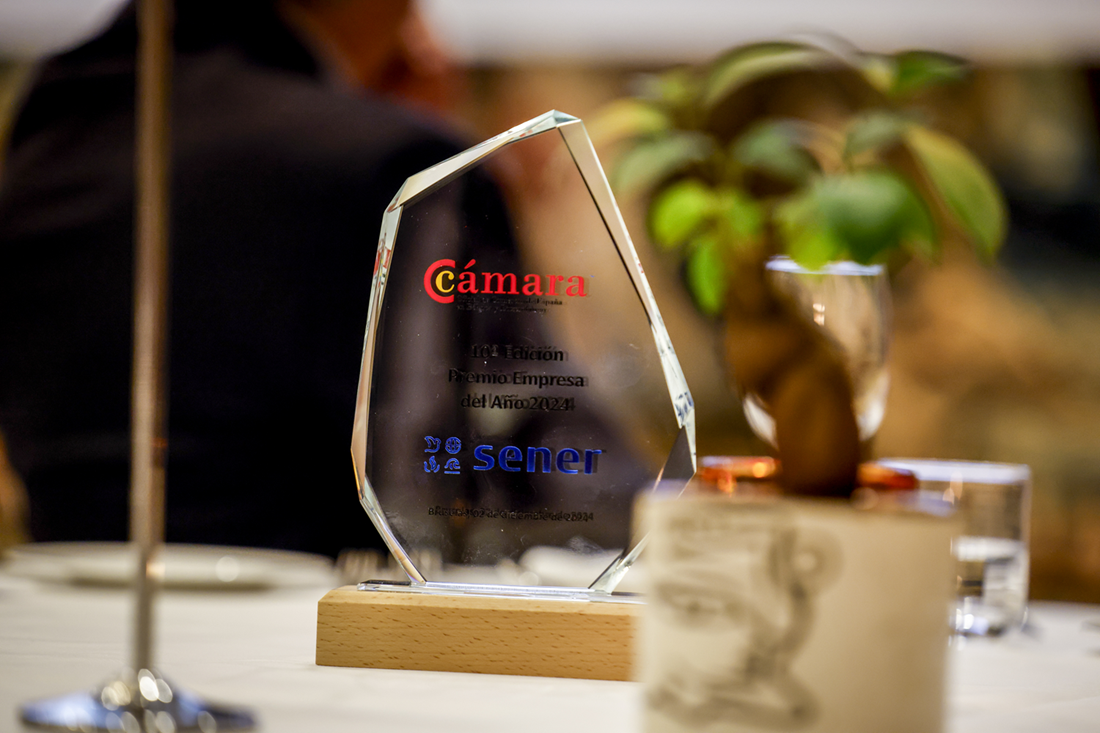
Sener receives the “Company of the Year 2024” award in Brussels from the Spanish Chamber of Commerce in Belgium and Luxembourg

Sener receives the “Company of the Year 2024” award in Brussels from the Spanish Chamber of Commerce in Belgium and Luxembourg

03/12/2024

The engineering and technology industrial group Sener received the “Company of the Year 2024” award yesterday in Brussels, granted by the Spanish Chamber of Commerce in Belgium and Luxembourg. The presentation took place during the 10th Edition of the awards and highlighted Sener’s cutting-edge work in the aerospace and defence sector in these countries. In this way, the Chamber once again promotes national economic and business development in Belgium and Luxembourg, rewarding the experience, leadership and competitiveness of Spanish companies.

The event was attended by Mr. Alberto Antón Cortés, Spanish ambassador to the Kingdom of Belgium; Pablo López-Álvarez, president of the Spanish Chamber of Commerce in Belgium and Luxembourg; Andrés Sendagorta, president of Sener; Rafael Orbe, general director of Defence at Sener; and Fernando Horcada, Director of EU and NATO Programmes and of the Aerospace and Defence Representation Office of Sener in Brussels, together with more than a hundred authorities from European institutions and the community innovation ecosystem.

The Spanish ambassador to the Kingdom of Belgium, Mr. Alberto Antón Cortés, highlighted in his speech that “it is an honour to present this award to Sener and to celebrate the recognition of its experience, leadership, and contribution to the Spanish economic and business development in Belgium and Luxembourg. Its trajectory has not only driven its success, but has also strengthened the global position of our industry and has contributed to giving international visibility to the Spanish brand in innovative and strategic sectors.”

In the words of Pablo López-Álvarez, President of the Spanish Chamber of Commerce in Belgium and Luxembourg, “it is particularly satisfying to present our award to this exemplary company, which was founded almost 70 years ago as a marine technical office, being the first Spanish engineering company registered as such.”

For his part, Andrés Sendagorta, President of Sener, said: “We are grateful to the Chamber for this award, as well as to all the Spanish authorities in Brussels who have facilitated our local establishment. We will continue working to be a reference in Europe and we expect our representative office in Brussels to grow progressively, strengthening our collaboration with the industry in Belgium and Luxembourg.”

Sener, founded in 1956 as the first Spanish engineering company registered in Spain, today has approximately 4,000 professionals on five continents, offices in 18 countries and production centres for the aerospace and defence market in Spain and Poland. In addition to these markets, Sener has a recognised track record in energy, data centres, infrastructure and mobility.

Since the opening of its office in Brussels in 2019, Sener has actively collaborated with around 30 Belgian companies on 18 European defence projects and 12 European space projects. As an example of these collaborations, Sener led the consortium that won the HYDEF project, co-financed by the EU and led by Spain (today, under the coordination of SMS) for the development of a hypersonic missile interceptor system, in which the Belgian company SONACA participates as a relevant partner. In addition, Sener also leads COMMANDS, for the development of technology that facilitates intelligent cooperation between manned and unmanned military ground vehicles, which is also co-financed by the EU.

In addition to these collaborations, Sener leads the Proba-3 mission of the European Space Agency (ESA). It is one of the first ESA missions led by Spain and will achieve, in addition to generating valuable scientific knowledge about the solar corona, an unprecedented technological milestone, as it will demonstrate that formation flight between satellites is possible. Belgian companies, especially SPACEBEL and Redwire, have an important participation in this mission; The latter has collaborated in the integration of the satellites at its facilities in Kruibeke, near Antwerp.

In collaboration with the Luxembourg industry, Sener is leading a multinational very low orbit satellite project, coordinated by the European Defence Agency (EDA) and called VLEO. Among others, the Luxembourg companies SPARK.

Sener participates in ESA’s Copernicus Sentinel 1-C mission

Sener participates in ESA’s Copernicus Sentinel 1-C mission

03/12/2024

Sentinel-1C es el tercer satélite de la misión Copernicus Sentinel-1 de observación y obtención de imágenes de la superficie terrestre, para el que Sener ha aportado el mecanismo de despliegue y bloqueo de su radar de apertura sintética.

El satélite beneficiará a varios servicios del programa europeo Copernicus de observación de la Tierra, como los relacionados con la vigilancia del hielo marino en el Ártico, el control de la pesca ilegal, o el control de la deformación del suelo provocada por hundimientos, terremotos y volcanes.

El grupo industrial de ingeniería y tecnología Sener ha participado en el desarrollo del satélite Sentinel-1C, cuyo lanzamiento tendrá lugar mañana, 4 de diciembre, desde la Guyana Francesa, a bordo de un cohete europeo Vega-C. Concretamente, Sener es la empresa responsable de aportar el mecanismo de despliegue y bloqueo del radar de apertura sintética (SAR DLM) de Sentinel-1. Dicho radar es un instrumento que permitirá al satélite ofrecer datos de alta y media resolución para la observación terrestre y de las zonas costeras en zonas nubladas y por la noche. El mecanismo aportado por Sener tienen en cuenta la composición de Sentinel-1, que cuenta con cinco paneles (A, B, C, D y E). De estos, el panel central (C) está fijado rígidamente a la parte superior del satélite, y los otros cuatro (A, B, D y E) se desplegarán con relación al panel C en una secuencia controlada después del lanzamiento.

Copernicus Sentinel-1C será el tercer satélite Sentinel-1 que se lanza, en una ambiciosa misión dotada de una avanzada tecnología de radar que permite obtener imágenes de la superficie terrestre en cualquier condición meteorológica durante el día y la noche, mejorando los radares espaciales. La misión beneficia a numerosos servicios y aplicaciones de Copernicus, como los relacionados con la vigilancia del hielo marino en el Ártico, el seguimiento de icebergs, la cartografía rutinaria del hielo marino, la vigilancia de la velocidad de los glaciares, del medio marino, incluido el control de vertidos de petróleo y la detección de buques para la seguridad marítima, así como el control de la pesca ilegal. También se utiliza para controlar la deformación del suelo provocada por hundimientos, terremotos y volcanes, el mapeo de la gestión de los bosques, el agua y el suelo, así como el mapeo de apoyo a la ayuda humanitaria y las situaciones de crisis.

Copernicus es el programa de observación de la Tierra de la Unión Europea, que ofrece servicios de información de acceso gratuito y abierto, empleando enormes cantidades de datos globales procedentes de satélites y sistemas de medición terrestres, aéreos y marítimos para proporcionar información que ayude a los proveedores de servicios, las administraciones públicas y otras organizaciones internacionales a mejorar la calidad de vida de la ciudadanía europea.

Sentinel-1 es el resultado de una estrecha colaboración entre la Agencia Espacial Europea (ESA), la Comisión Europea, la industria, los proveedores de servicios y los usuarios de datos. Diseñada y construida por un consorcio de unas 60 empresas, Sentinel-1 es un ejemplo destacado de la excelencia tecnológica europea.

Developed under Sener’s leadership, ESA’s Proba-3 mission successfully launched from India

Developed under Sener’s leadership, ESA’s Proba-3 mission successfully launched from India

02/12/2024

The European Space Agency (ESA) Proba-3 mission was successfully launched on December 5th from the Satish Dhawan Space Centre, near Chennai, from a PSLV-XL launcher of the Indian Space Research Organisation (ISRO).

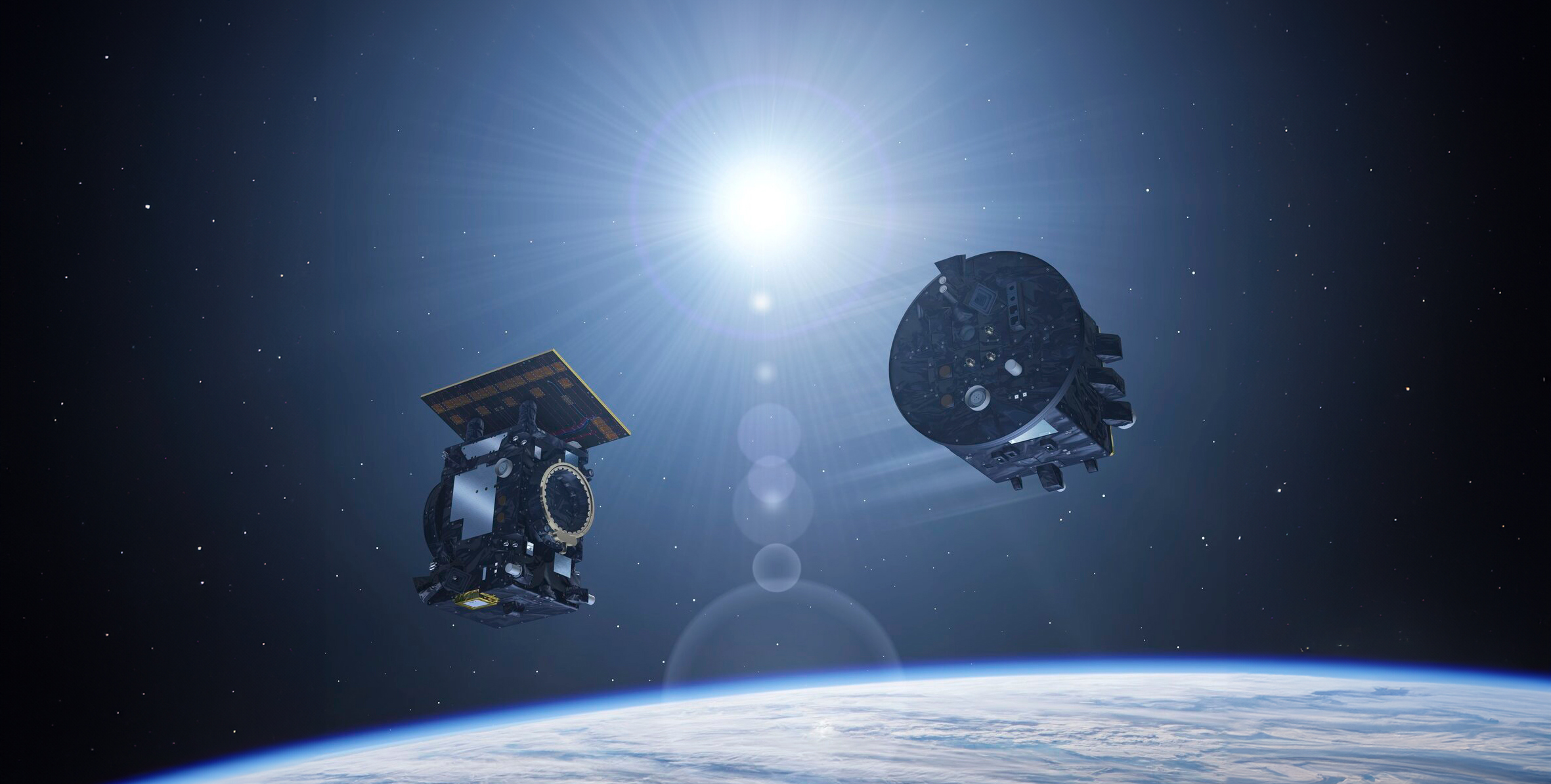
Proba-3 is a mission of special relevance for Spain, a country that leads the mission through the industrial engineering and technology group Sener, the main contractor, in close collaboration with a consortium of 40 companies from 16 countries. It is also a historic milestone for space exploration, as it will demonstrate that high-precision formation flight between satellites in space is possible; in addition to this technological objective, the mission has a scientific goal, as the synchronization between the two satellites that make up the mission (the Coronagraph and the Occulter) will allow the study of the solar corona in unprecedented detail, by creating an artificial eclipse.

The success of the mission will require millimetric precision when synchronising its two satellites, which will fly in an elliptical orbit, moving just over 60,000 km away from the Earth (approximately 10 times the distance from the surface to the Earth’s core). Another technical challenge posed by the project is the autonomy of the satellites: the formation will be managed automatically, with both satellites calculating their position and trajectory with respect to its counterpart, without the intervention of a human operator; to do so, they will use advanced guidance, navigation and control (GNC) systems, a branch of engineering that deals with the design of systems to control the movement of vehicles, both manned and autonomous, and in which Spain is a global leader.

The Coronagraph satellite will house the mission’s coronagraph, an instrument that will point directly at the Sun. The second satellite, the Occulter, will eclipse the Sun, interposing itself between the star and the Coronagraph. To do this, it will use a disc of about 140 centimetres in diameter and various devices (optical and laser) that will allow it to calculate the relative position and attitude between the two satellites and position them both with extreme precision.

The perfect synchrony between the two satellites will create an artificial eclipse in an unprecedented way: the coronagraph will be able to obtain images of the Sun that will not be affected by disturbances in the Earth’s atmosphere, while the Occulter satellite, hundreds of metres from the focal point of the optical instrument, will significantly reduce diffraction effects. Proba-3 will guarantee up to 1,000 hours of eclipses to study the solar corona in unprecedented detail.

New possibilities for space exploration

Precise formation flying will enable the satellites to act as a single optical instrument, composing a virtual structure in space with high reconfiguration capabilities. Proba-3 will demonstrate that future missions could be developed on a larger scale and at lower cost using multiple small modules that behave in flight as a single large satellite.

Proba-3 is the latest mission in a series of highly scientifically valuable projects, dating back to Proba-1, launched in 2001 (an Earth observation satellite with advanced onboard autonomy that incorporated an innovative hyperspectral instrument, operational for more than 20 years), as well as Proba-2 (launched in 2009 to observe the Sun, with more than 20 technological payloads and scientific instruments) and Proba-V (v for “vegetation”, launched in 2012, including innovative Earth imaging equipment, for global vegetation mapping using multispectral images).

Sener is the prime contractor for Proba-3 and is responsible for both the flight and ground segments, and the participation of the Spanish industry is completed by Airbus in Spain, which has carried out the design, manufacture and integration of the two platforms and cabling, as well as the delivery of on-board equipment on the two satellites; by GMV for the development of the formation flight subsystem, the relative GPS function and the flight dynamics calculation tool for operations; and by Deimos, responsible for the orbit analysis and the development of the rendezvous experiment. Thales Alenia Spain has delivered equipment on board the satellites.

In the words of Diego Rodríguez, Director of Space and Science at Sener: “Proba-3, the result of years of work and collaboration, is a technological milestone of great value for our industry and shows that Spain is capable of leading highly complex space missions. We want to thank all the professionals, participating companies and, of course, ESA, for their commitment and work, necessary to reach this moment.”

Proba-3 is part of the ESA General Support Technology Programme, and Spain’s participation has been possible thanks to the support of theMinistry of Science, Innovation and Universities, through the Spanish Space Agency, as well as close collaboration between companies at an international level.

Please find below the live broadcast via streaming from the ESA control centre in REDU (Belgium) produced by Sener with RedWire:

Watch the launch of the European Space Agency’s Proba-3 on streaming

Watch the launch of the European Space Agency’s Proba-3 on streaming

28/11/2024

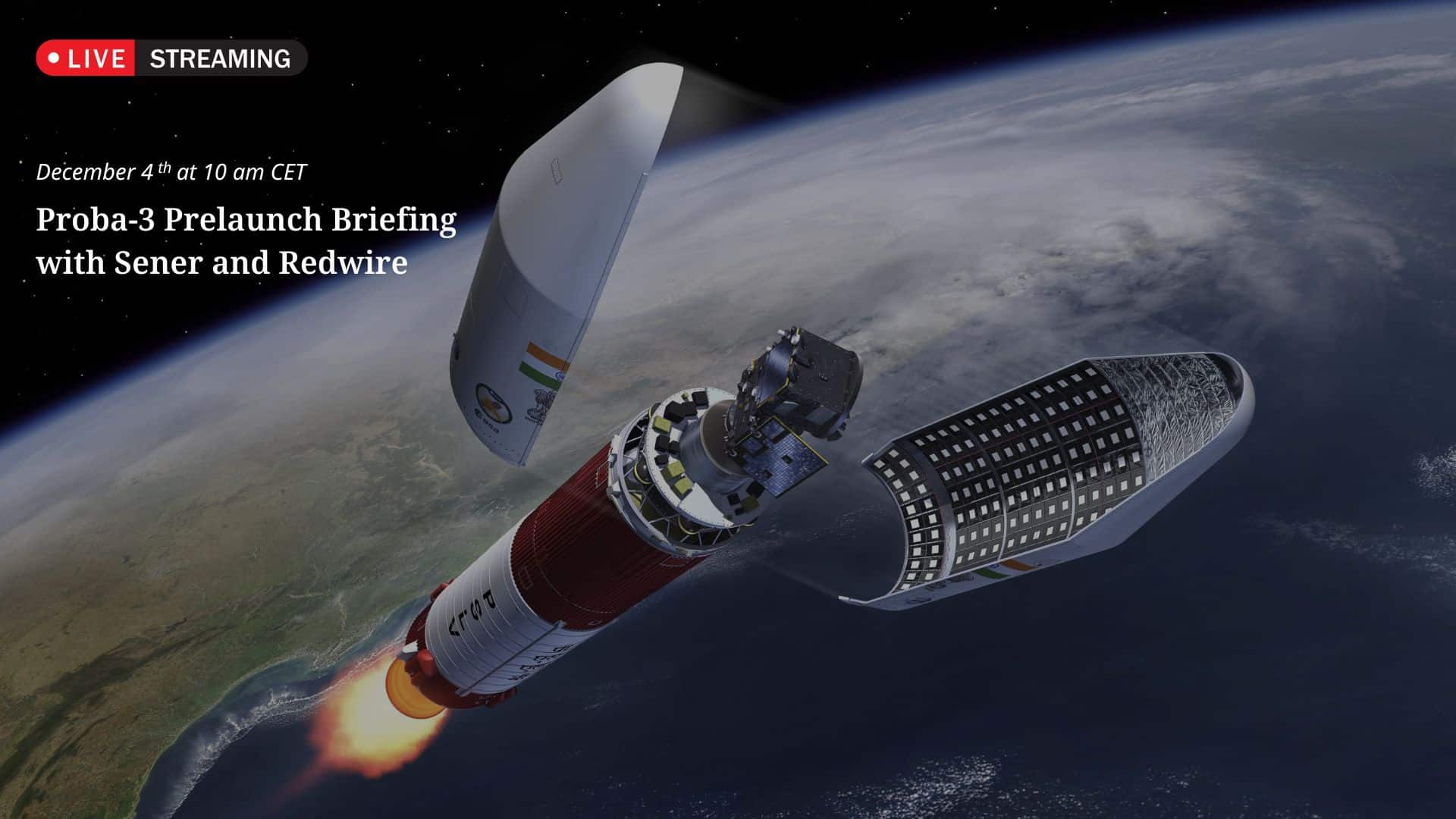
Follow the live launch of Proba-3, the European Space Agency (ESA) mission led by Spain through Sener that will demonstrate that formation flight between satellites is possible and will provide interesting scientific knowledge about the behaviour of the solar corona.

On December 4, join our streaming broadcast, through Sener’s YouTube channel, to experience the moments leading up to this milestone for the aerospace industry, a key technological demonstration for future space observation missions and scientific studies.

During the event, you will be able to learn about the mission first-hand, through the interventions of our experts from the mission control centre, in REDU (Belgium):

  • Diego Rodriguez, Space and Science Director at Sener.
  • Yann Scoarnec, Proba-3 Project Manager at Sener.
  • Sandra Mingot, Head of EU and Defence Programmes at Sener.
  • Erik Masure, President of Redwire Space Europe.
  • Akos Haasz, Proba-3 Project Manager, Redwire Space Europe.
  • Austin Jordan, VP, Marketing & Communications, Redwire Space Europe.

Don’t miss this milestone in the aerospace industry, in which two satellites will autonomously maintain an exact alignment of less than 1 millimetre apart at a distance of 150 metres, to generate up to 1,000 hours of artificial eclipses during the life of the mission. With Proba-3, Spain demonstrates its world leadership in guidance, navigation and control (GNC) systems, in an initiative that is the result of years of work and collaboration between 40 companies from 16 countries and institutions such as ESA, CDTI and the Ministry of Science, Innovation and Universities, the Spanish Space Agency (AEE).

Follow the streaming on December 4, at 10:00 AM CET