





Sener secures contract in ESA Themis project – groundbreaking demonstrator of European reusable rockets

Sener secures contract in ESA Themis project – groundbreaking demonstrator of European reusable rockets

11/09/2025

Sener has joined the ranks of contractors in the Themis program, implemented by the European Space Agency (ESA) in collaboration with ArianeGroup. The aim of the program is to develop a demonstrator of a reusable rocket capable of vertical landing and relaunch.

Securing the contract for the Themis project opens the door for Sener to participate in one of ESA’s most ambitious programs. The project is strategically important for the development of reusable rockets and represents a significant step toward increasing Europe’s independence in accessing space.

Rocket demonstrators, such as Themis, allow new technologies to be tested in practice before they are deployed in operational rockets used in missions. They help reduce potential risks and accelerate the development of competitive launch systems.

In Poland, Sener engineers are responsible within the Themis program for designing and producing two components essential to the operation of the grid fin system. These include the GFAM (Grid Fin Assembly Mechanism), which serves as the main mechanical interface structure, and the LLD-D device, which enables locking and unlocking of the fins after deployment. Both components will be tested as part of the qualification model.

Meanwhile, Sener’s Spanish team is developing the GFAD (Grid Fin Actuation Device), a linear actuator responsible for transferring motion to the GFAM developed in Poland. Both devices, GFAD and GFDM, are integral parts of the GFS (Grid Fin System), delivered by Sener’s Spain offices. This system provides precise control necessary for the safe vertical landing of Themis’ first stage.

Participation in the Themis project confirms Sener’s expertise – the company is among those creating the most advanced technologies for the European space sector. Components from Sener will form an integral part of a system that could define the future of European reusable rockets. We are excited to contribute to such a groundbreaking project. – says Jakub Pierzchała, General Manager of Sener in Poland.

Themis is designed to demonstrate that Europe can compete with global leaders in reusable rockets. Its success is expected to pave the way for lowering the cost of space access and enhancing Europe’s competitiveness on the global market.
Sener Chosen as Lead Designer for the Extension of Toronto Subway Line 2

Sener Chosen as Lead Designer for the Extension of Toronto Subway Line 2

12/06/2025

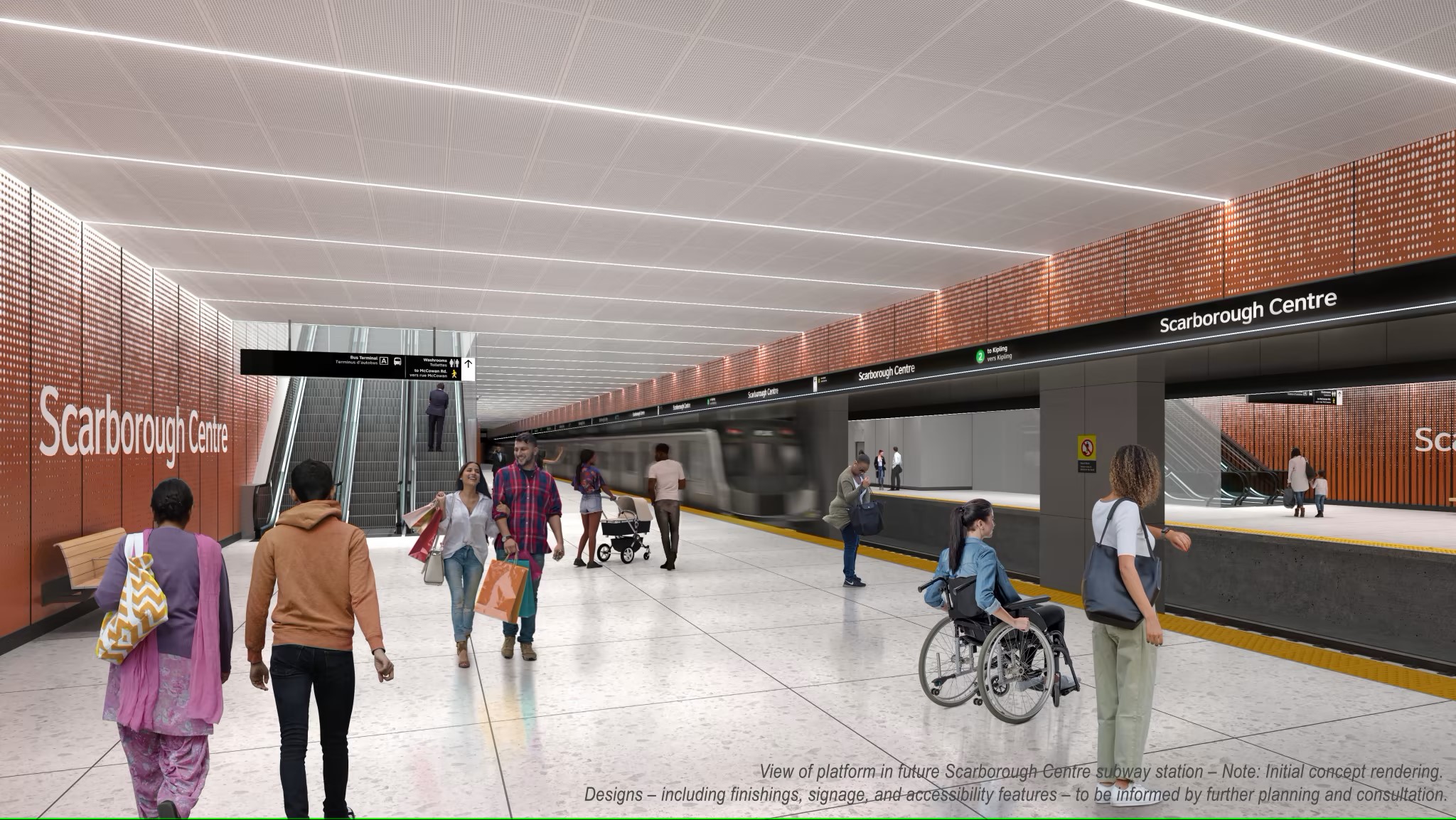
The group will be responsible for the detailed design of the stations and systems to extend the subway further into Scarborough.

The Sener engineering and technology group will develop the detailed design to extend Line 2 of the Toronto subway further into Scarborough on behalf of the construction consortium formed by Aecon and FCC Canada Limited, which has been selected by Metrolinx and Infrastructure Ontario to perform the stations, track and systems contract for the project.

The new extension has a total length of 7.8 km and runs entirely underground. It includes three new underground stations, each featuring surface-level bus terminals to facilitate modal interchange. Additionally, the project involves upgrading an existing station, eight new emergency exits, and four electrical substations.

As the lead engineering firm in the implementation phase of the stations, track and systems contract, Sener will develop the detailed design for the architecture, structures and electromechanical installations, as well as for the geotechnics and station caverns, ventilation systems, electrification, signalling and train control, communications and track, landscaping, and utilities. Sener will also be responsible for the integration and safety certification.

The project involves the extension of Line 2 subway service further into Scarborough, located in the eastern part of Toronto, the most populous city in Canada, providing an efficient transport alternative to the city centre. The new section is expected to be used by 105,000 passengers daily, of whom 52,000 will be new subway users, which will reduce greenhouse gas emissions by up to 10,000 tonnes annually.

The project is being developed under a Progressive Design and Build model, a collaborative approach aimed at maximising coordination between the owner, the contractor, the communities and other stakeholders, and at reducing risks during the execution phase. In this context, Sener already collaborated with Aecon and FCC Canada Limited in the earlier stages of the process, initially contributing to the consortium’s selection by Metrolinx, and later, during the preliminary design phase, helping secure the contract to carry out the work.

Consolidated presence in the Canadian market

Sener’s presence in the Canadian transport infrastructure market is further consolidated with this milestone, following the expansion of Ottawa’s O-Train South 2 and 4 lines, the second railway project involving Sener in Canada to begin operation, after the REM automated light rail in the city of Montreal.

In the last decade, the firm has been involved in a significant number of Canadian railway projects, strengthening its role in improving urban mobility across the country. For example, in Toronto, Sener has taken part in several projects including the Finch West LRT, the Ontario Line, the Eglinton Crosstown West Extension, and ongoing work to rehabilitate and expand the GO Train network (On-Corridor Works). Additionally, it has contributed to the Quebec tramway, the expansion of Edmonton’s Valley Line light rail, and various projects within the Skytrain network in Vancouver. This activity has led to the growth of Seners offices in Canada, located in Toronto, Montreal, Vancouver and Ottawa, which now employ over 120 professionals.

Sener Group recognised for Best Practices in Workplace Health Promotion by the INSST

Sener Group recognised for Best Practices in Workplace Health Promotion by the INSST

06/06/2025

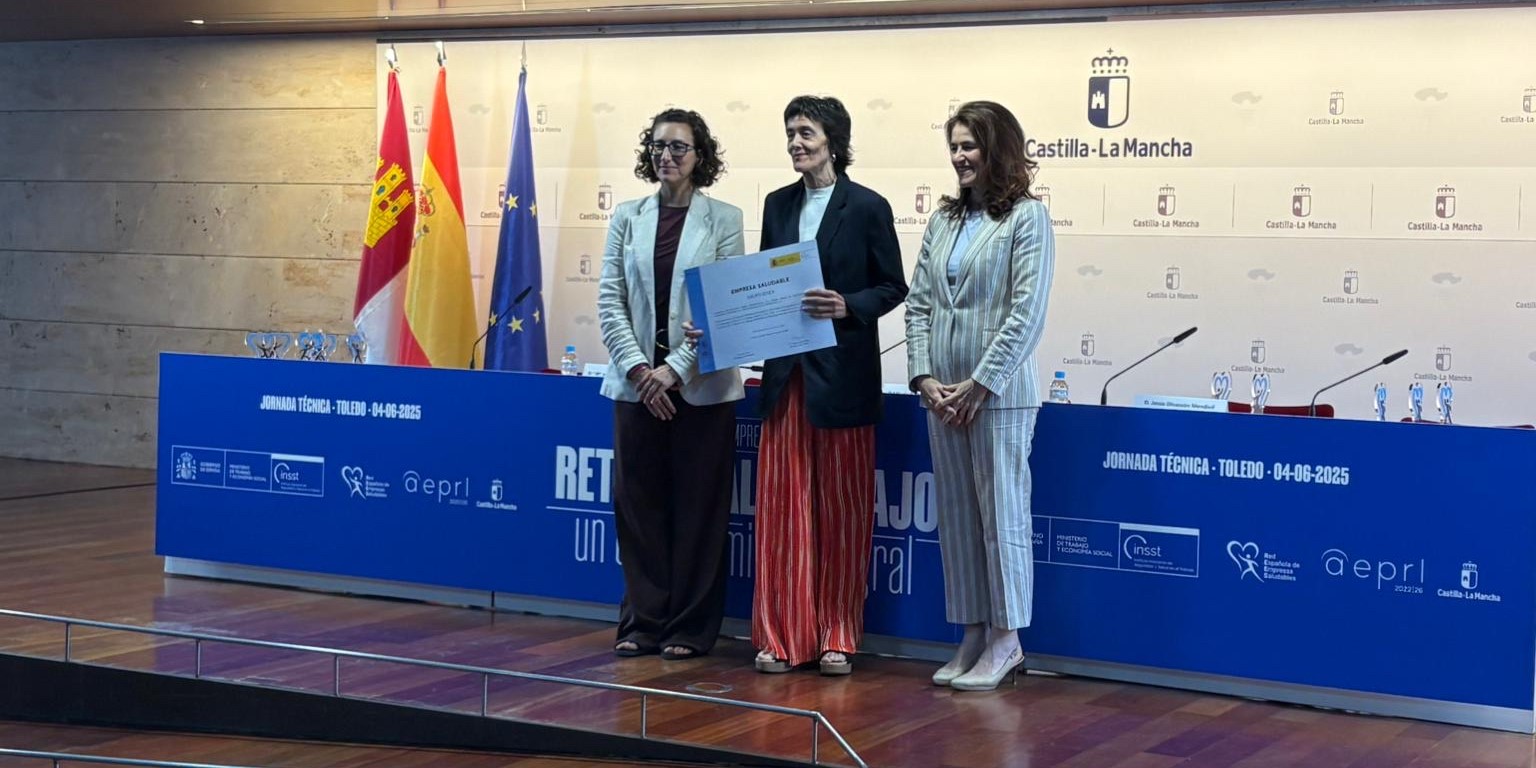
The National Institute for Health and Safety at Work (INSST), a body under the Ministry of Labour and Social Economy of Spain, together with the Regional Ministry of Economy, Business and Employment of Castilla-La Mancha, held the 10th Open Meeting of the Spanish Network of Healthy Companies in Toledo (Spain). The event featured the participation of the Spanish Heart Foundation, the Spanish Foundation for Psychiatry and Mental Health, and Inserta Empleo, as well as institutional representatives, occupational health experts, and leaders of companies recognised for their commitment to promoting healthy work environments.

Among the award-winning companies was Sener, recognised for its Sener Care programme and its strong corporate practices in workplace health promotion. The award was accepted by Mar Rúa, Sener’s Corporate Head of the HSE Department. Other companies, such as Sacyr, Renfe, and Adif, also received awards.This recognition highlights Sener’s firm commitment to the health and wellbeing of its people, embedding a wide range of initiatives into its corporate strategy to foster safe and healthy work environments. These initiatives include disease prevention programmes, psychological support, awareness campaigns on healthy lifestyle habits, sports activities at Sener, and training and awareness sessions for all staff. This distinction by the INSST reaffirms Sener’s dedication to the holistic care of everyone within the group.

Sener advances its decarbonisation plan by contracting 100% renewable energy for most of its offices in Spain

Sener advances its decarbonisation plan by contracting 100% renewable energy for most of its offices in Spain

03/06/2025

The measure will cover more than 75% of the Group’s total electricity consumption and represent a breakthrough in its decarbonisation strategy.

In keeping with its commitment to sustainability and the fight against climate change, the Sener engineering and technology group began consuming 100% renewable energy with a guarantee of origin in most of its offices in Spain in April.

Thanks to this decision, Sener will cover more than 75% of its total energy consumption (based on estimated 2024 data) with electricity from renewable sources, which will significantly contribute to reducing its Scope 2 greenhouse gas (GHG) emissions and to shifting toward more efficient and environmentally friendly operations. Sener will also continue working to contract renewable energy for other group offices outside of Spain.

This milestone reinforces Sener’s commitment to a more sustainable energy model, in line with global climate goals and the growing expectations of its stakeholders. It is also part of a broader set of initiatives the company is driving to promote a real and effective green transition.

Sener will continue progressing on its ESG (Environmental, Social, and Governance) roadmap, implementing actions in areas such as energy efficiency, sustainable mobility, waste management and social impact, all in an effort to build a more responsible future committed to sustainable development.

Sener welcomes Panama’s Minister of Public Works to advance design of the fourth bridge over the Panama Canal

Sener welcomes Panama’s Minister of Public Works to advance design of the fourth bridge over the Panama Canal

30/05/2025

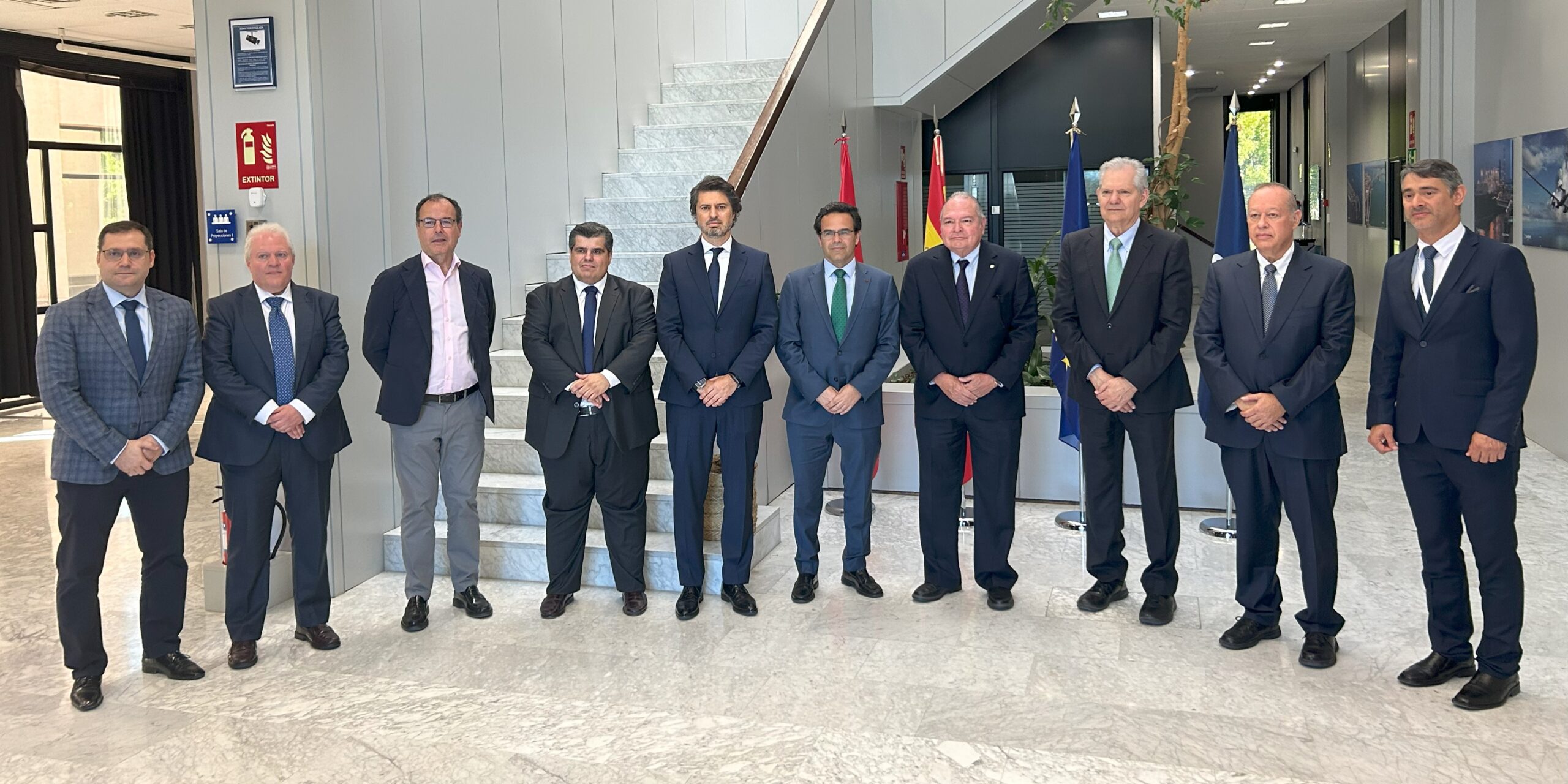
On 28 May, Sener welcomed the Panamanian Minister of Public Works, José Luis Andrade, to its Tres Cantos offices, accompanied by engineers Edgar Hernández and Manuel Alvarado.

The purpose of the visit was to review progress on the access design for the Fourth Bridge over the Panama Canal – a strategic project in which Sener is responsible for the design. During the working meeting, particular emphasis was placed on accelerating the design of the Eastern Interchange.

A BIM simulator was used during the visit, allowing a detailed visualisation of the bridge’s structure, traffic flow, and signage. The day concluded with a tour of Sener’s facilities, giving the Panamanian representatives an insight into the company’s technological capabilities and multidisciplinary approach.

Representing Sener’s Mobility team at the meeting were César Quevedo, Managing Director; Ricardo Sardinha, Roads Director; Jaime Borrego, Engineering Director; Luis Bazán, Operations Director; José Antonio Alvarado, Head of the Transport Infrastructure Hub; and Eduardo Villarejo, Project Manager.

Sener Takes Part in a European Project to Improve Port Climate Resilience and Will Develop a Digital Twin of the Port of Seville

Sener Takes Part in a European Project to Improve Port Climate Resilience and Will Develop a Digital Twin of the Port of Seville

21/05/2025

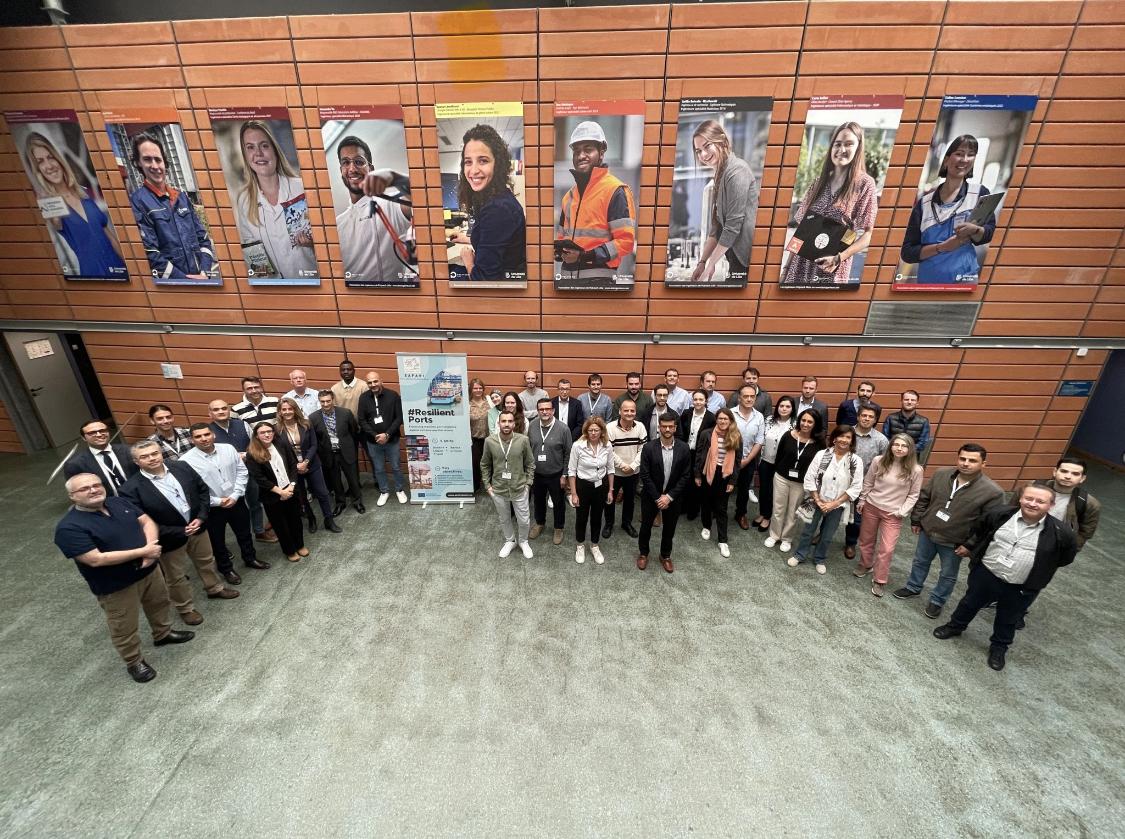
The SAFARI project, funded by the European Union’s Horizon Europe research and innovation programme, will create a generic digital platform to strengthen port infrastructure against extreme weather events.

The Port of Seville has been selected as a pilot port for the initiative, while Sener’s contribution will include, among other tasks, the development of artificial intelligence (AI) algorithms that will predict and advise on the impact of weather events, optimising infrastructure maintenance.

Ports are among the many infrastructures affected by global warming, which is causing rising ocean temperatures and glacier melt, resulting in higher sea levels. Between 1993 and 2024 alone, sea levels have risen by 10 centimetres, and by the end of the century, up to 410 million people could be at risk from the negative effects of coastal flooding, according to NASA. Additionally, such infrastructure is increasingly impacted by other phenomena such as droughts.

The SAFARI project, funded by the European Union’s Horizon Europe research and innovation programme, has been launched to tackle this challenge through the development of a generic digital platform for port infrastructure, enabling it to better withstand extreme weather events. This platform will include several emergency management modules powered by operational, maintenance, and analytical components.

The engineering and technology group Sener is participating in the project and will develop a digital twin to support the maintenance of the lock at the Port of Seville, enhancing decision-making during flooding events. Sener will collaborate with the University of Seville, the Port of Seville, CMA CGM, NextPort, Serviport Andalucía and Lynxdrone in developing this system. The Ports of Seville, Dunkirk, and Lisbon have been selected as pilot ports for the project. The knowledge gained from them will be extrapolated to other similar infrastructures. The project brings together 26 entities from 10 countries (France, Spain, Italy, Norway, Finland, Belgium, the United Kingdom, Portugal, Greece, and Lebanon), including 7 universities and 6 ports.

Specific goals of the SAFARI project include: developing measures to reinforce port infrastructure against extreme climate events; maintaining port operations at 80% capacity during periods of disruption; optimising the allocation of multimodal transport assets before and after disruptive events to achieve a 20% modal shift of freight with a lower environmental footprint and minimise downtime during extreme weather events; ensuring the safety of personnel and vessels and protecting biodiversity; and building a governance model and guidelines to address climate risks and hazards affecting port infrastructure.

Sener’s specific role in the project focuses on three main areas. Firstly, the development of artificial intelligence (AI) algorithms that will predict and advise on the impact of weather events, thereby optimising the maintenance of the lock infrastructure. Three algorithms will serve as the foundation for the decision-making process within the maintenance module of the project’s digital twin: infrastructure and system condition monitoring; predictive maintenance of equipment; and intelligent emergency management system protocols.

Secondly, Sener will work on developing the BIM (Building Information Modelling) model of the Port of Seville’s lock, which includes modelling the infrastructure and systems of the lock and adding a geometric layer to the data.

Thirdly and finally, Sener will develop the maintenance management module for an intelligent and interactive digital representation of the Seville lock system. The digital twin includes the predictive maintenance optimisation tool, integrated with the recently implemented CMMS (Computerised Maintenance Management System) at the Port of Seville.

The work being carried out at the Port of Seville is part of the broader efforts within the SAFARI project, which has already begun and will run until 2027, with a total investment of nearly 8 million euros.

Sener Attends Meeting with the Minister of Defence as Part of the Industrial and Technological Plan

Sener Attends Meeting with the Minister of Defence as Part of the Industrial and Technological Plan

20/05/2025

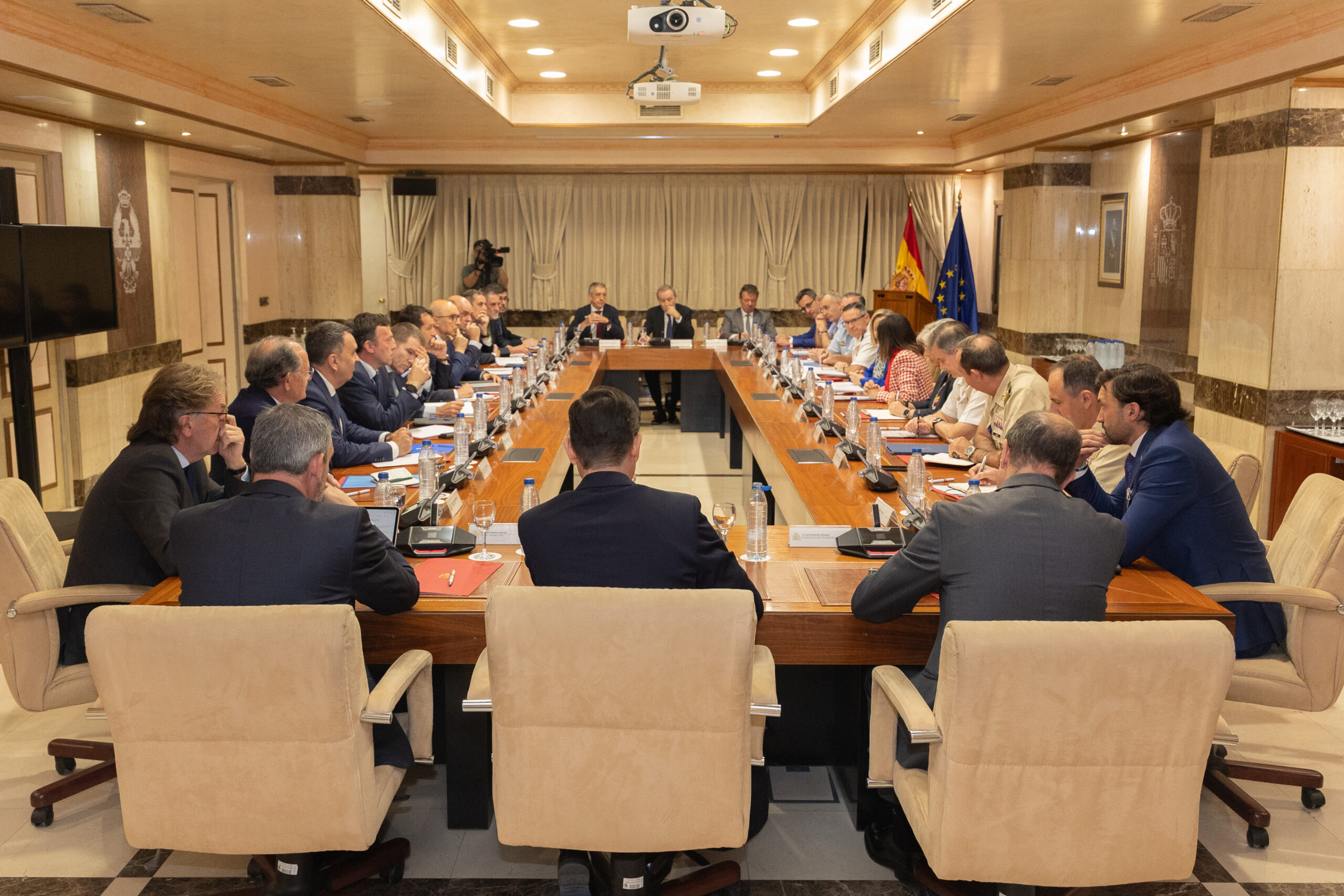
The Minister of Defence, Margarita Robles, received on Monday, at the Ministry’s headquarters, eighteen executives from Spain’s leading defence companies, including Sener. Representing the company was José Julián Echevarría, Managing Director of Aerospace and Defence at Sener.

Margarita Robles, who was accompanied at the meeting by the Secretary of State for Defence, Amparo Valcarce, began by thanking the attendees for their participation in the latest edition of FEINDEF, held last week. Collaboration with the defence industry is being channelled through the Industrial and Technological Plan for Security and Defence, which encompasses several programmes led by the Ministry.

The Industrial and Technological Plan for Security and Defence aims to modernise defence capabilities, consolidate Spain’s position as a reliable and central member of the EU, and promote innovation and training in dual-use technologies. Strengthening the defence industrial fabric to reduce external dependence, as well as promoting territorial cohesion through the creation of new industries and jobs, are also key aspects of the Plan.

More information available on the Ministry’s website: La ministra de Defensa reitera el compromiso con la industria del sector – Ministerio de Defensa de España

Sener and Iberostar win Actualidad Económica – El Mundo “100 Best Ideas” Award

Sener and Iberostar win Actualidad Económica – El Mundo “100 Best Ideas” Award

14/05/2025

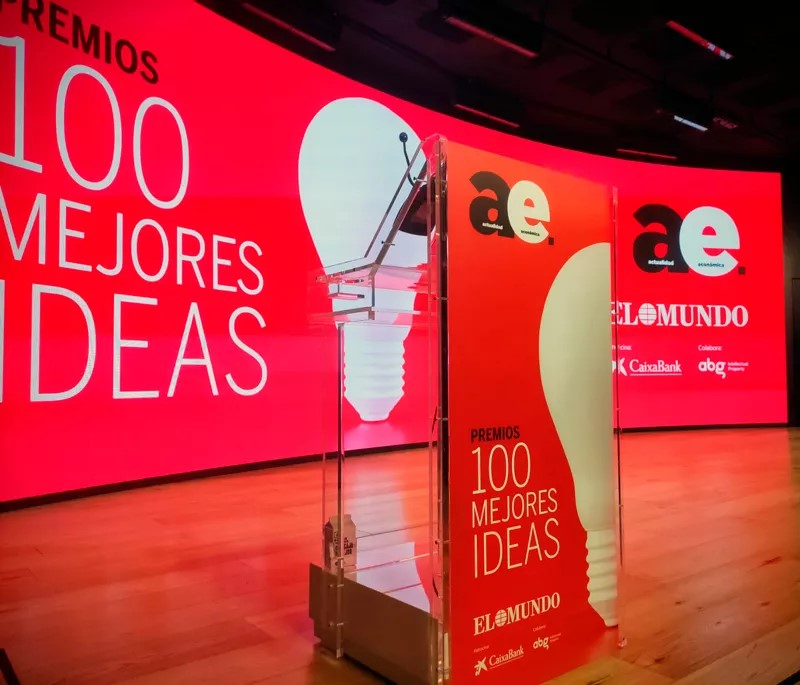
Sener, together with Iberostar, has been awarded one of the “100 Best Ideas” prizes by the renowned Spanish magazine Actualidad Económica – El Mundo, thanks to the BRAIAN solution, which is built upon Sener’s Respira technology.

The upcoming award ceremony will take place in Madrid to recognize the most innovative projects across different industries. BRAIAN received recognition due to its use of artificial intelligence to optimize climate control in Iberostar hotels, enabling smarter and more sustainable energy management.

This award highlights Sener’s commitment to technological innovation in support of sustainability, and the strength of collaborations with major partners like Iberostar to bring these solutions to real-world applications.

Sener recognised in the Fundación Caminos Awards

Sener recognised in the Fundación Caminos Awards

13/05/2025

Sener receives recognition in the ‘Acueducto de Segovia Award for Public Works and the Environment’, part of the Fundación Caminos Awards, for its contribution to ADIF High Speed project “Pajares Bypass – High-Speed Rail Connection between León and Asturias”.

On May 9th, Sener received recognition in the ‘Acueducto de Segovia Award for Public Works and the Environment’, part of the Fundación Caminos Awards, for its contribution to ADIF High Speed project “Pajares Bypass – High-Speed Rail Connection between León and Asturias”.

Jesús Planchuelo, Director of Railways, accepted the official certificate, which highlights Sener’s work on a project we are especially proud of due to its technical complexity. Specifically, the Pajares Bypass crosses the Cantabrian Mountains and overcomes the significant altitude difference between the provinces of León and Asturias. This infrastructure represents an unprecedented engineering and construction challenge on the continent, with 80% of its route (40 out of nearly 50 kilometres) running through tunnels

This recognition further strengthens our role as a leading player in the development and advancement of Spanish railway infrastructure in general, and high-speed rail in particular.

Sener Participates in 6 Projects of the Latest European Defence Fund Call for Proposals

Sener Participates in 6 Projects of the Latest European Defence Fund Call for Proposals

13/05/2025

The company will contribute its experience in the BEAST project (concept study of the future short-range air-to-air missile); AI-WASP (which will research multifunctional communications and electronic warfare systems controlled with the help of Artificial Intelligence); ePERFECT (for the development of high-performance electronic modules and components), AURIGA (which responds to the need to develop an Armoured Infantry Vehicle (AIFV)) and NEREUS (which underpins the System of Systems of future naval combat platforms).

In total, Sener is currently involved in 20 European Defence Fund projects since its start in 2021, notably in EU HYDEF, the first programme to develop a European interceptor missile against hypersonic vehicle threats, whose coordination was awarded to Sener and subsequently transferred to SMS, and COMMANDS, where Sener leads a multinational consortium for the development of land convoys equipped with autonomous navigation.

Once again, Sener consolidates its position as a technological and industrial leader in Europe, participating in six important projects of the European Defence Fund (EDF) in its 2024 call: BEAST, AI-WASP, ePERFECT, AURIGA and NEREUS, thus strengthening its commitment to European industrial collaboration.

BEAST is the programme that aims to advance Missile Systems technologies in Europe through the development of the Future Short-Range Missile (FSRM), a multi-role missile for use in air-to-air environments, ground-based air defence or even air-to-surface operations. BEAST will pave the way for a joint European development and procurement mechanism. Sener is leading important aspects of this project, based on its experience as a design authority in actuation and control systems (CAS) on several missiles in the European inventory (IRIS-T, IRIS-T SLM, METEOR, TAURUS) as well as on the PATRIOT, which positions the entity as a centre of excellence in these mechanisms, as well as in missile systems engineering and navigation.

AI-WASP aims to develop a pioneering AI-based multifunctional aperture and processing unit solution. The outcome of the project will be two prototypes of two different variants of the system to be integrated into small and medium-sized unmanned aerial systems and/or ground vehicles. Sener is contributing with its expertise in electronically-pointable antenna designs, especially in the airborne segment, building on its experience in remote carrier communications in the NGWS-FCAS programme.

On the other hand, ePERFECT will focus on the development of RF-CMOS (complementary metal oxide semiconductor on integrated circuits) connected components in current and future military applications. The project proposes a European supply chain strategy that can provide the Armed Forces with these high-performance components, such as transceivers and processors. SENER will develop a use case based on next generation communications using the elements developed in ePERFECT.

The AURIGA project seeks to respond with a multidisciplinary consortium to the critical requirements of an Armoured Infantry Fighting Vehicle (AIFV), such as protection, mobility, firepower and situational awareness, incorporating innovative and disruptive technologies also with the potential to modernise existing vehicles. Sener is involved in several areas, derived from its experience in UGS and autonomy such as MUT (Manned-Unmanned Teaming), situational awareness and integration.

Finally, the NEREUS project, coordinated by Navantia, and with a broad participation of the Spanish Defence & technology industrial base, will develop the intelligent System of Systems that will be integrated as an essential element of future naval combat platforms.

Rafael Orbe, Managing Director of Defence at Sener, said: “We are very satisfied with the results of the contracts received, as they are perfectly aligned with the three pillars of technological and industrial development we have focused on. Within the scope of the European Defense Fund, Sener is involved in more than 20 programs, all of them linked to our centers of excellence: communications, autonomous navigation, and high-precision electromechanical and targeting systems.”

In total, Sener has been involved in 20 EDF projects since its start in 2021. Of particular note is its significant participation in EU HYDEF, the first project to develop a European interceptor missile against hypersonic vehicle threats, awarded to Sener and subsequently handed over to SMS, and which is complemented by a classified hypersonic technologies project in the 2024 call; as well as in COMMANDS, where Sener’s leadership has been recognised with the coordination of the European Defence Fund in autonomous navigation of ground platforms.