






The Barcelona metro network will feature intelligently controlled ventilation thanks to RESPIRA, the new AI platform developed by Sener

The Barcelona metro network will feature intelligently controlled ventilation thanks to RESPIRA, the new AI platform developed by Sener

02/04/2020

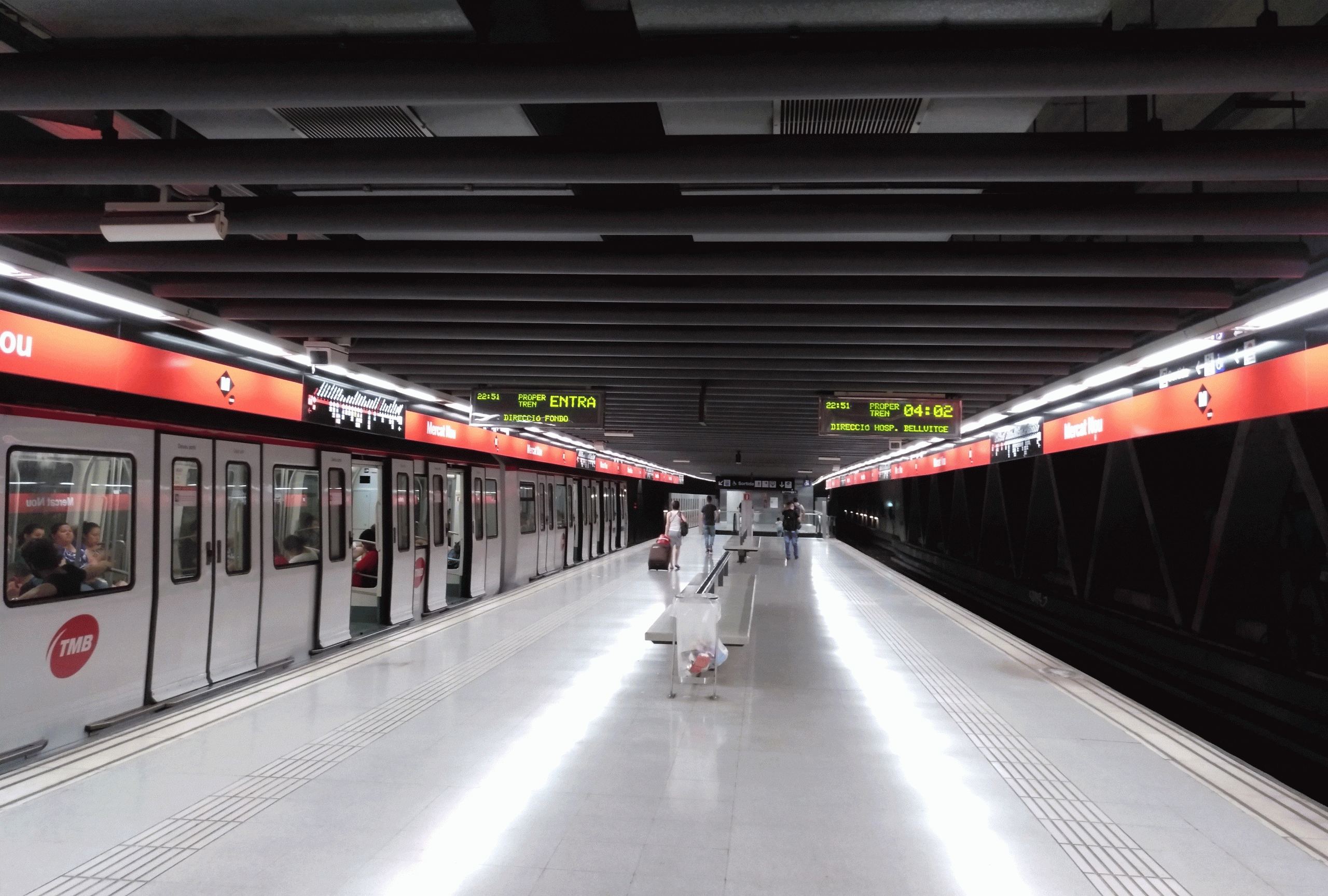
This year 2020, the Barcelona metro will have a new Artificial Intelligence (AI)-based ventilation system, developed by the Sener engineering and technology group, that will improve the comfort of the network’s passengers and workers alike while at the same time lowering energy costs. The goal of this initiative is to improve the efficiency of all the ventilation assets of the metro network, for which more than 400 million trips are made every year.

Sener and Ferrocarril Metropolità de Barcelona (FMB) have signed a collaboration agreement to launch a new initiative called RESPIRA®, whose main objective is to improve passenger comfort inside Barcelona’s metro stations through the efficient and optimised use of ventilation systems.

RESPIRA® is an artificial intelligence system that will make it possible to set up an ideal ventilation strategy for each of the metro lines, in terms of improving comfort and energy efficiency. The new system, developed by Sener, takes into account the temperature perceived by passengers and workers by using a comfort index, as well as various criteria and variables, such as temperature, humidity, air quality inside the stations and the electrical consumption of the ventilation. With these data, it implements a dynamic algorithm for predicting environmental conditions inside the stations. Additionally, the system can also be used to make long-term forecasts, thus allowing FMB to prioritize future investments and maintenance work.

Sener’s Director of Innovation, Òscar Julià, states that «RESPIRA® will be used to monitor and process over 500 million datapoints a year. Thanks to its self-learning process, the system will be able to adapt and act in advance.» By maximising the performance of the current shafts and fans with the help of artificial intelligence, the system will reduce the average temperature of the tunnel, improve air quality and thermal comfort for the more than 400 million journeys made by the Barcelona metro every year.

In the initial phase, the system will be installed in Line 1 in May of this year, where it will be used to control all the fans. In the remaining lines of the conventional network (lines 2, 3, 4, 5), the system will be phased in throughout 2020.

Main advantages of RESPIRA®

On the one hand, RESPIRA® will be used to monitor the environmental conditions inside the stations (temperature, humidity, heat index and air quality, among others) in real time, which will be useful in identifying problem spots within the metro network.

And, on the other, it will be used to monitor the operation of the fans and their effect on indoor temperatures, which will be of significant help to the maintenance activities required for the installation and to the efficient management of future investments.

This initiative is consistent with the following Sustainable Development Goals (SDGs) approved by the UN:

  • Enhance the health and well-being of metro users by improving the thermal comfort and air quality.
  • Help use energy more efficiently by saving up to 30%, and contribute to reducing the carbon footprint by more than 700 tons of CO2 a year.
  • Develop an advanced technology system with a distinctly innovative nature.
  • Offer an environmentally friendly product that promotes sustainable development by minimizing equipment operating hours, reducing wear and tear, the maintenance and/or replacement period of the equipment, all while helping manage future investments in the ventilation system.

The RESPIRA® project is one of the digitalisation initiatives of Sener, a technology group with more than 60 years of history, which has been a leader in innovation in many sectors of activity. For Sener, the digital transformation does not consist of using new technologies, but of integrating them into the business from its conception, and in line with the company’s founding vocation: to put technology at the service of society, providing innovations capable of improving people’s lives and that are sustainable and environmentally friendly.
04

Format: 04

153,12 KB

SENER Poland successfully completed the functional tests of a mechanism

SENER Poland successfully completed the functional tests of a mechanism

01/04/2020

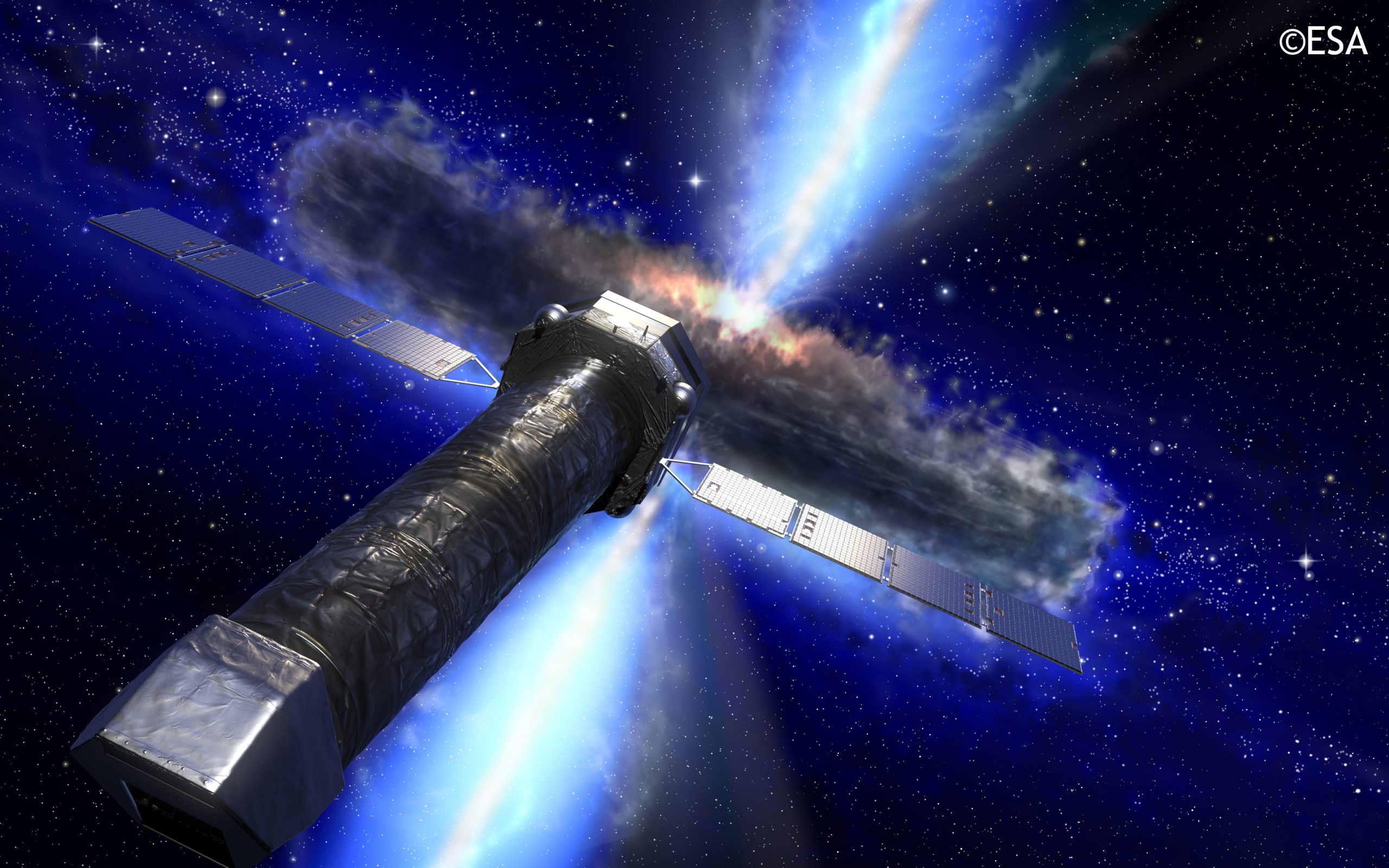
The goal of ATHENA, one of ESA’s largest missions, will be to study the formation of galaxies and black holes. SENER Poland has completed functional tests of the prototype mechanism necessary to carry out the mission.

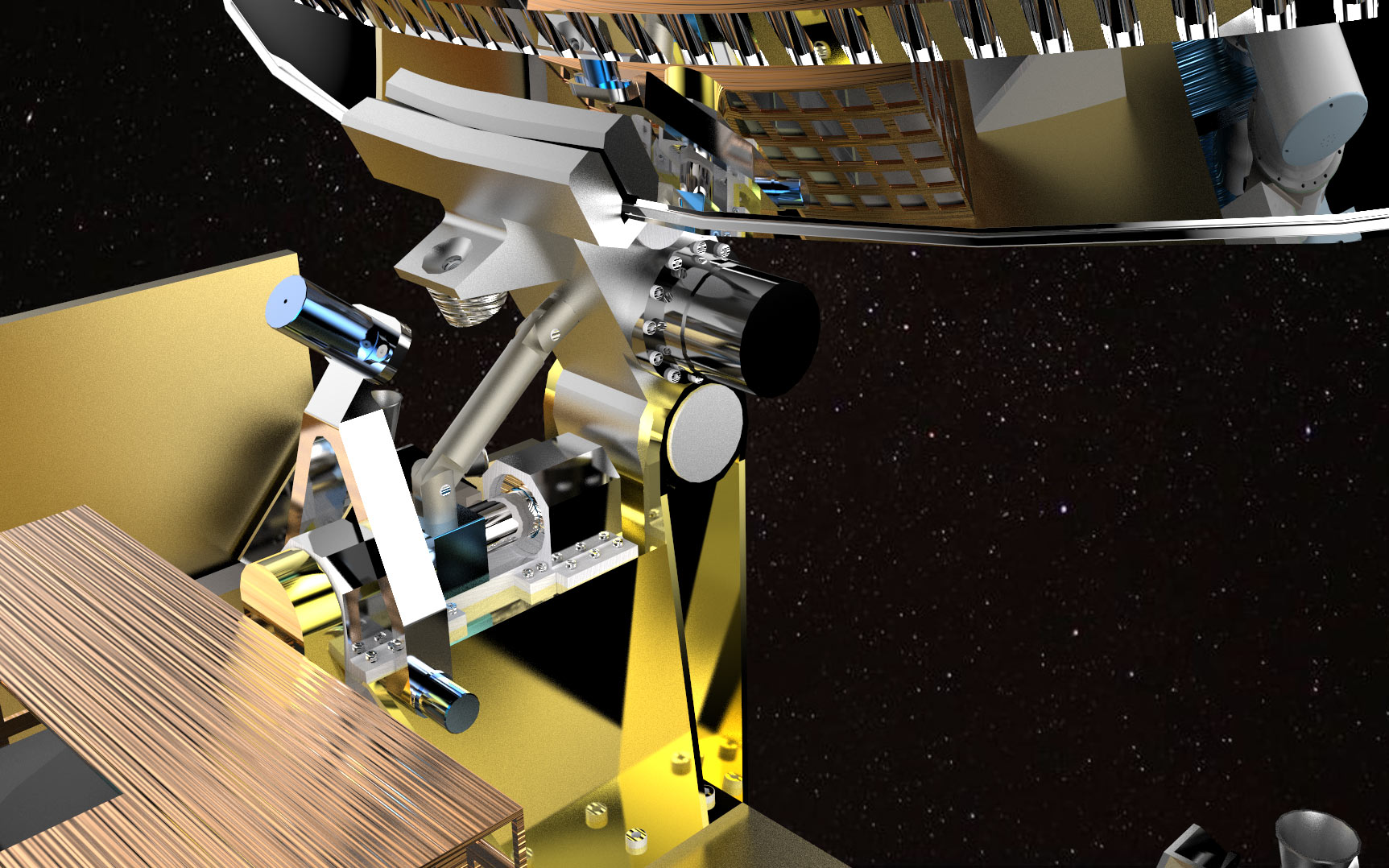
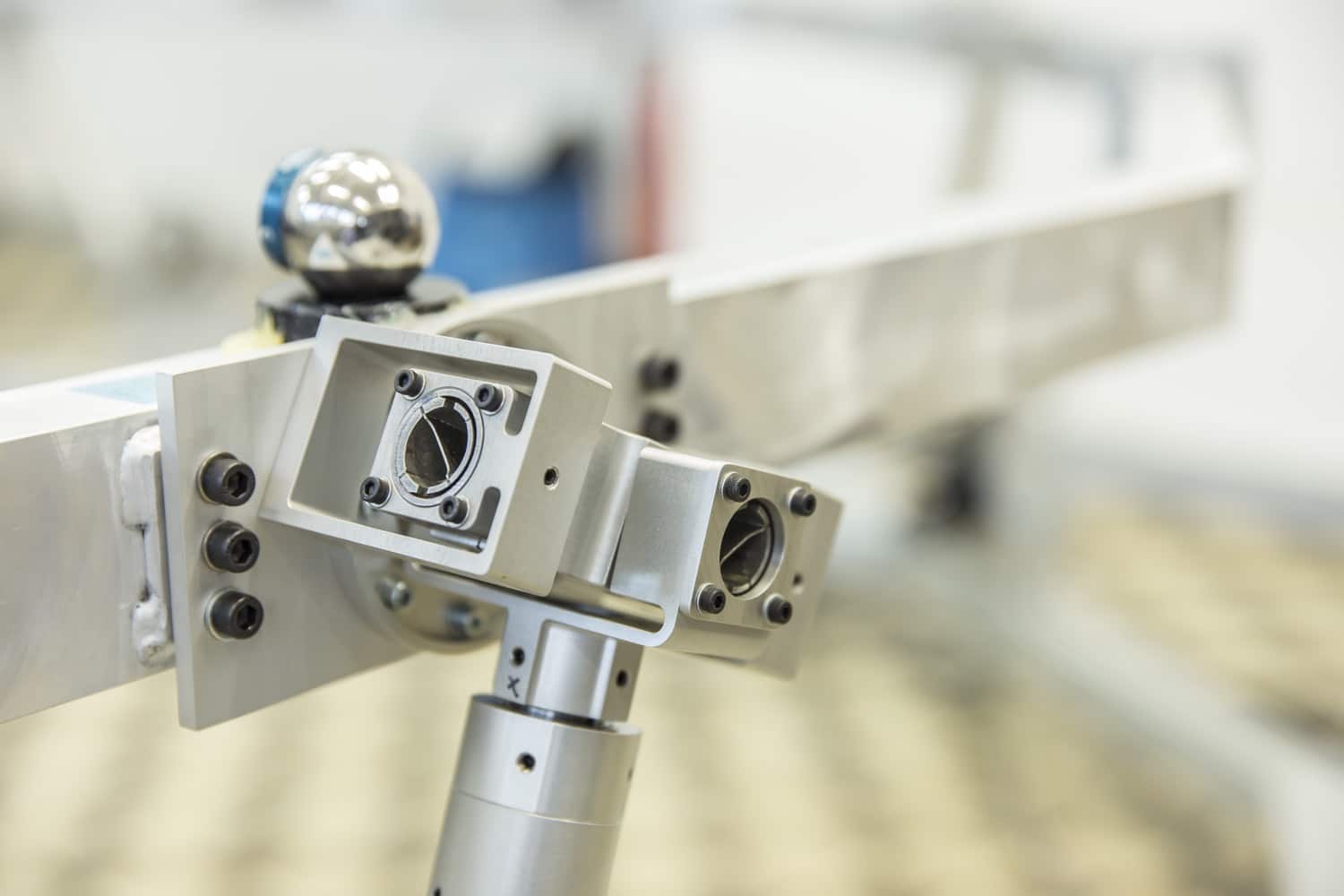
The instrument selection mechanism (ISM) designed by SENER Poland engineers is used to change the position of the telescope mirror so that the beam of rays goes to one of two scientific instruments. Functional tests of the ISM prototype confirmed that the device works as intended, is suitable for further development and can be used in the space mission. While implementing this project, SENER Poland cooperated with 38 Polish partners and research institutes that were responsible for the production of components and devices.

«The biggest engineering challenges arise from the size of the mirror – it is over 2 meters in diameter and weighs over a ton. During the start, our mechanism will have to withstand strength of 15 g. When designing the mechanism, we used the innovative SENER solution – the device is a hexapod, i.e. a structure that uses six actuators to move the mirror precisely in many planes «- says Katarzyna Okulska – Gawlik, SENER Poland Project Manager.

The ATHENA probe is a huge 12-meter x-ray telescope. Space is widely believed to be filled with cold void, but x-ray astronomy has shown that the universe is hot and full of energy, to the point that stars appear to be low-temperature objects. The surface temperature of the stars ranges between 2,000 and 30,000 Kelvin. Meanwhile, most of the ordinary matter of the universe can be enclosed in gas clouds hotter than a million Kelvin. At such temperatures, the gas shines brightly on X-rays. The goal of ATHENA’s mission is to study Warm-Hot Intergalactic Medium (WHIM) and black holes – how they grow and how they affect the shape of the universe. The probe will make many point observations of selected parts of the Universe – about 300 observations per year are assumed. The mission is planned for a minimum of 5 years, but all systems are designed to operate twice as long.

In the space sector, scientific missions such as ATHENA are among the most demanding. They also contribute the most to scientific and technological progress, because new discoveries require the creation of completely new devices.

The ATHENA mission uses another SENER Poland product – the HDRA (Hold-Down and Release Actuator) mechanism, which will ensure that the huge telescope mirror remains immobilized until the probe is in the right orbit. Then the mechanism will be released and it will be possible to move the telescope mirror.

Space sector and the coronavirus epidemic

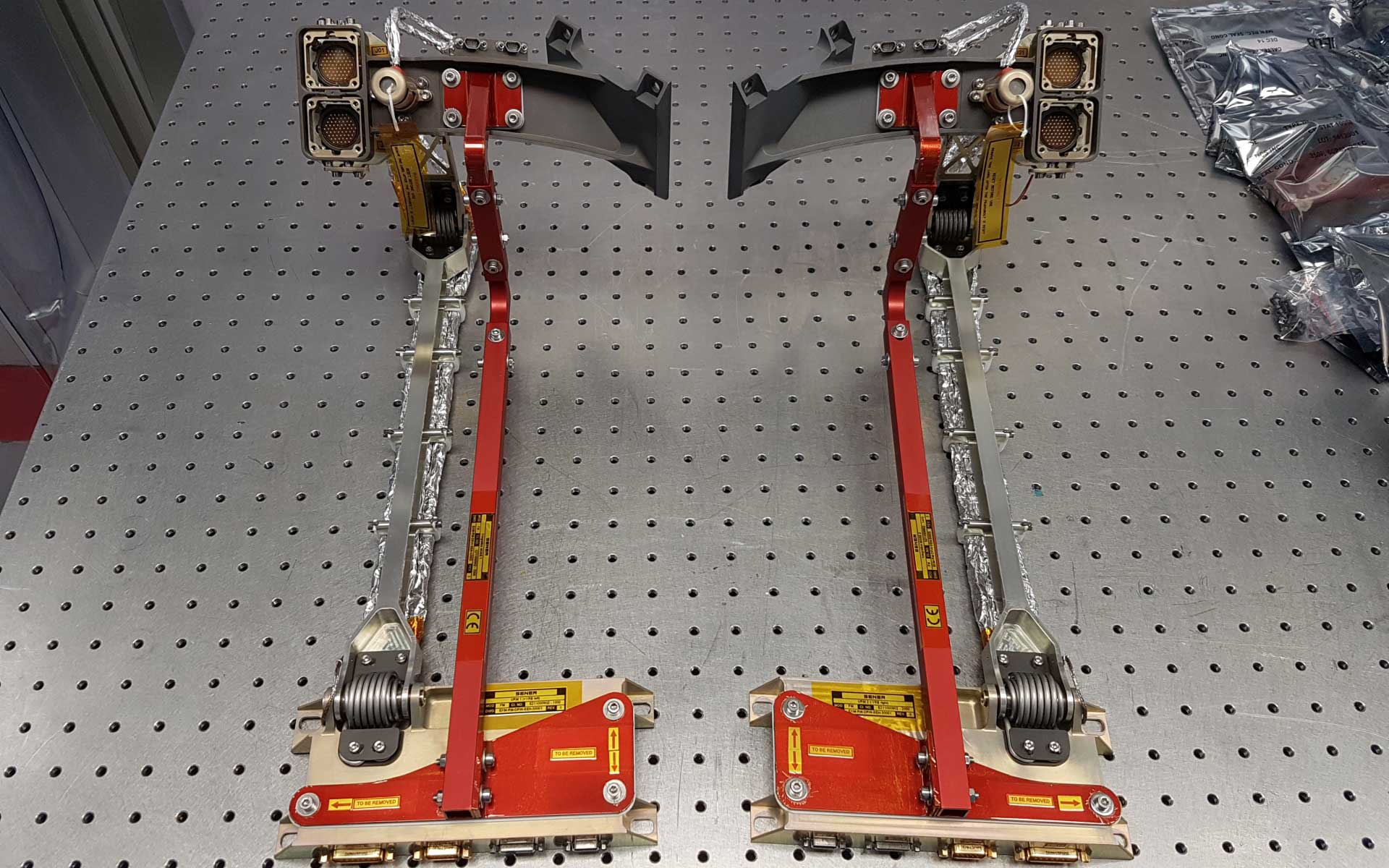
The coronavirus outbreak has an impact on the space sector. From March 16th, no flights from the Kourou Space Center in French Guiana will take place until further notice. The mission of the European Martian robot ExoMars, which was to launch in July this year, has been postponed by two years. SENER Poland has already delivered the finished product to this mission – the Umbilical Release Mechanism, which is critical for the mission’s success.

Space projects, however, have a long-term perspective. A good example is the ATHENA mission. ESA began preparations for it many years before the launch planned for 2031. This is the specifics of the ESA scientific program «Cosmic Vision» – within it are implemented technically and scientifically ambitious projects, the implementation of which is planned for decades:

“On the one hand, it allows the development of really advanced technologies, the development of which takes many years. On the other hand, scientific missions like ATHENA, JUICE or Euclid ensure stable demand in the European space sector. European companies know that part of the ESA’s budget is intended for financing stable, multi-annual programs. This allows us to create development strategies and invest in promising technologies” – explains Ilona Wojtkiewicz, Ph.D., development director of SENER Poland.

PDF

Press Release

Format: PDF

173,14 KB

SENER Aeroespacial delivers the flight model of the Umbilical Release Mechanism for ExoMars 2020

SENER Aeroespacial delivers the flight model of the Umbilical Release Mechanism for ExoMars 2020

18/09/2019

The goal of ATHENA, one of ESA’s largest missions, will be to study the formation of galaxies and black holes. SENER Poland has completed functional tests of the prototype mechanism necessary to carry out the mission.

The instrument selection mechanism (ISM) designed by SENER Poland engineers is used to change the position of the telescope mirror so that the beam of rays goes to one of two scientific instruments. Functional tests of the ISM prototype confirmed that the device works as intended, is suitable for further development and can be used in the space mission. While implementing this project, SENER Poland cooperated with 38 Polish partners and research institutes that were responsible for the production of components and devices.

«The biggest engineering challenges arise from the size of the mirror – it is over 2 meters in diameter and weighs over a ton. During the start, our mechanism will have to withstand strength of 15 g. When designing the mechanism, we used the innovative SENER solution – the device is a hexapod, i.e. a structure that uses six actuators to move the mirror precisely in many planes «- says Katarzyna Okulska – Gawlik, SENER Poland Project Manager.

The ATHENA probe is a huge 12-meter x-ray telescope. Space is widely believed to be filled with cold void, but x-ray astronomy has shown that the universe is hot and full of energy, to the point that stars appear to be low-temperature objects. The surface temperature of the stars ranges between 2,000 and 30,000 Kelvin. Meanwhile, most of the ordinary matter of the universe can be enclosed in gas clouds hotter than a million Kelvin. At such temperatures, the gas shines brightly on X-rays. The goal of ATHENA’s mission is to study Warm-Hot Intergalactic Medium (WHIM) and black holes – how they grow and how they affect the shape of the universe. The probe will make many point observations of selected parts of the Universe – about 300 observations per year are assumed. The mission is planned for a minimum of 5 years, but all systems are designed to operate twice as long.

In the space sector, scientific missions such as ATHENA are among the most demanding. They also contribute the most to scientific and technological progress, because new discoveries require the creation of completely new devices.

The ATHENA mission uses another SENER Poland product – the HDRA (Hold-Down and Release Actuator) mechanism, which will ensure that the huge telescope mirror remains immobilized until the probe is in the right orbit. Then the mechanism will be released and it will be possible to move the telescope mirror.

Space sector and the coronavirus epidemic

The coronavirus outbreak has an impact on the space sector. From March 16th, no flights from the Kourou Space Center in French Guiana will take place until further notice. The mission of the European Martian robot ExoMars, which was to launch in July this year, has been postponed by two years. SENER Poland has already delivered the finished product to this mission – the Umbilical Release Mechanism, which is critical for the mission’s success.

Space projects, however, have a long-term perspective. A good example is the ATHENA mission. ESA began preparations for it many years before the launch planned for 2031. This is the specifics of the ESA scientific program «Cosmic Vision» – within it are implemented technically and scientifically ambitious projects, the implementation of which is planned for decades:

“On the one hand, it allows the development of really advanced technologies, the development of which takes many years. On the other hand, scientific missions like ATHENA, JUICE or Euclid ensure stable demand in the European space sector. European companies know that part of the ESA’s budget is intended for financing stable, multi-annual programs. This allows us to create development strategies and invest in promising technologies” – explains Ilona Wojtkiewicz, Ph.D., development director of SENER Poland.

PDF

Press Release

Format: PDF

173,14 KB

SENER develops the hold down and release actuator for the ATHENA telescope mirror

SENER develops the hold down and release actuator for the ATHENA telescope mirror

13/03/2019

The goal of ATHENA, one of ESA’s largest missions, will be to study the formation of galaxies and black holes. SENER Poland has completed functional tests of the prototype mechanism necessary to carry out the mission.

The instrument selection mechanism (ISM) designed by SENER Poland engineers is used to change the position of the telescope mirror so that the beam of rays goes to one of two scientific instruments. Functional tests of the ISM prototype confirmed that the device works as intended, is suitable for further development and can be used in the space mission. While implementing this project, SENER Poland cooperated with 38 Polish partners and research institutes that were responsible for the production of components and devices.

«The biggest engineering challenges arise from the size of the mirror – it is over 2 meters in diameter and weighs over a ton. During the start, our mechanism will have to withstand strength of 15 g. When designing the mechanism, we used the innovative SENER solution – the device is a hexapod, i.e. a structure that uses six actuators to move the mirror precisely in many planes «- says Katarzyna Okulska – Gawlik, SENER Poland Project Manager.

The ATHENA probe is a huge 12-meter x-ray telescope. Space is widely believed to be filled with cold void, but x-ray astronomy has shown that the universe is hot and full of energy, to the point that stars appear to be low-temperature objects. The surface temperature of the stars ranges between 2,000 and 30,000 Kelvin. Meanwhile, most of the ordinary matter of the universe can be enclosed in gas clouds hotter than a million Kelvin. At such temperatures, the gas shines brightly on X-rays. The goal of ATHENA’s mission is to study Warm-Hot Intergalactic Medium (WHIM) and black holes – how they grow and how they affect the shape of the universe. The probe will make many point observations of selected parts of the Universe – about 300 observations per year are assumed. The mission is planned for a minimum of 5 years, but all systems are designed to operate twice as long.

In the space sector, scientific missions such as ATHENA are among the most demanding. They also contribute the most to scientific and technological progress, because new discoveries require the creation of completely new devices.

The ATHENA mission uses another SENER Poland product – the HDRA (Hold-Down and Release Actuator) mechanism, which will ensure that the huge telescope mirror remains immobilized until the probe is in the right orbit. Then the mechanism will be released and it will be possible to move the telescope mirror.

Space sector and the coronavirus epidemic

The coronavirus outbreak has an impact on the space sector. From March 16th, no flights from the Kourou Space Center in French Guiana will take place until further notice. The mission of the European Martian robot ExoMars, which was to launch in July this year, has been postponed by two years. SENER Poland has already delivered the finished product to this mission – the Umbilical Release Mechanism, which is critical for the mission’s success.

Space projects, however, have a long-term perspective. A good example is the ATHENA mission. ESA began preparations for it many years before the launch planned for 2031. This is the specifics of the ESA scientific program «Cosmic Vision» – within it are implemented technically and scientifically ambitious projects, the implementation of which is planned for decades:

“On the one hand, it allows the development of really advanced technologies, the development of which takes many years. On the other hand, scientific missions like ATHENA, JUICE or Euclid ensure stable demand in the European space sector. European companies know that part of the ESA’s budget is intended for financing stable, multi-annual programs. This allows us to create development strategies and invest in promising technologies” – explains Ilona Wojtkiewicz, Ph.D., development director of SENER Poland.

PDF

Press Release

Format: PDF

173,14 KB

Warsaw University of Technology and SENER cooperates in building the human resources of the Polish space industry

Warsaw University of Technology and SENER cooperates in building the human resources of the Polish space industry

16/01/2019

The goal of ATHENA, one of ESA’s largest missions, will be to study the formation of galaxies and black holes. SENER Poland has completed functional tests of the prototype mechanism necessary to carry out the mission.

The instrument selection mechanism (ISM) designed by SENER Poland engineers is used to change the position of the telescope mirror so that the beam of rays goes to one of two scientific instruments. Functional tests of the ISM prototype confirmed that the device works as intended, is suitable for further development and can be used in the space mission. While implementing this project, SENER Poland cooperated with 38 Polish partners and research institutes that were responsible for the production of components and devices.

«The biggest engineering challenges arise from the size of the mirror – it is over 2 meters in diameter and weighs over a ton. During the start, our mechanism will have to withstand strength of 15 g. When designing the mechanism, we used the innovative SENER solution – the device is a hexapod, i.e. a structure that uses six actuators to move the mirror precisely in many planes «- says Katarzyna Okulska – Gawlik, SENER Poland Project Manager.

The ATHENA probe is a huge 12-meter x-ray telescope. Space is widely believed to be filled with cold void, but x-ray astronomy has shown that the universe is hot and full of energy, to the point that stars appear to be low-temperature objects. The surface temperature of the stars ranges between 2,000 and 30,000 Kelvin. Meanwhile, most of the ordinary matter of the universe can be enclosed in gas clouds hotter than a million Kelvin. At such temperatures, the gas shines brightly on X-rays. The goal of ATHENA’s mission is to study Warm-Hot Intergalactic Medium (WHIM) and black holes – how they grow and how they affect the shape of the universe. The probe will make many point observations of selected parts of the Universe – about 300 observations per year are assumed. The mission is planned for a minimum of 5 years, but all systems are designed to operate twice as long.

In the space sector, scientific missions such as ATHENA are among the most demanding. They also contribute the most to scientific and technological progress, because new discoveries require the creation of completely new devices.

The ATHENA mission uses another SENER Poland product – the HDRA (Hold-Down and Release Actuator) mechanism, which will ensure that the huge telescope mirror remains immobilized until the probe is in the right orbit. Then the mechanism will be released and it will be possible to move the telescope mirror.

Space sector and the coronavirus epidemic

The coronavirus outbreak has an impact on the space sector. From March 16th, no flights from the Kourou Space Center in French Guiana will take place until further notice. The mission of the European Martian robot ExoMars, which was to launch in July this year, has been postponed by two years. SENER Poland has already delivered the finished product to this mission – the Umbilical Release Mechanism, which is critical for the mission’s success.

Space projects, however, have a long-term perspective. A good example is the ATHENA mission. ESA began preparations for it many years before the launch planned for 2031. This is the specifics of the ESA scientific program «Cosmic Vision» – within it are implemented technically and scientifically ambitious projects, the implementation of which is planned for decades:

“On the one hand, it allows the development of really advanced technologies, the development of which takes many years. On the other hand, scientific missions like ATHENA, JUICE or Euclid ensure stable demand in the European space sector. European companies know that part of the ESA’s budget is intended for financing stable, multi-annual programs. This allows us to create development strategies and invest in promising technologies” – explains Ilona Wojtkiewicz, Ph.D., development director of SENER Poland.

PDF

Press Release

Format: PDF

173,14 KB

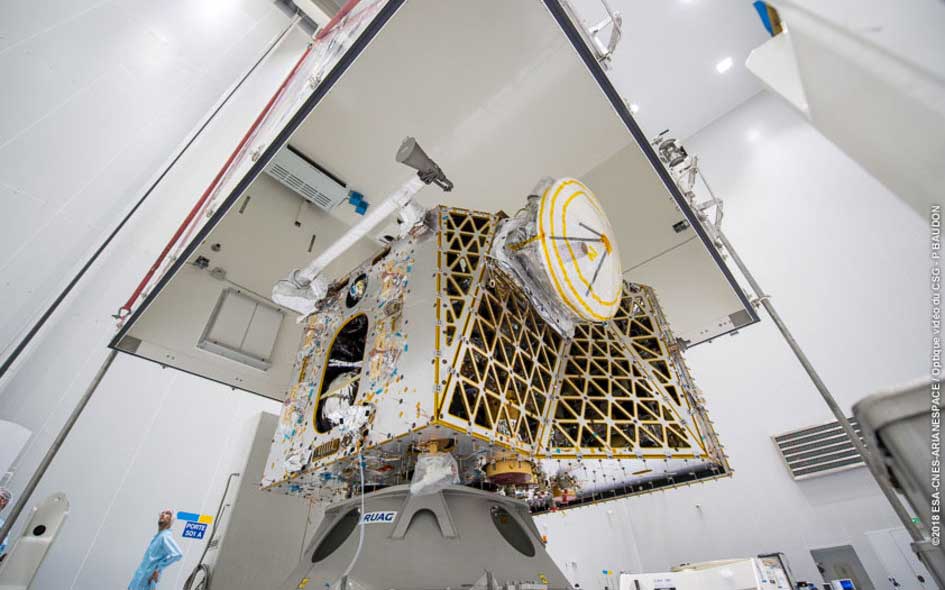
SENER Group’s companies supply the antennas to the BepiColombo satellite

SENER Group’s companies supply the antennas to the BepiColombo satellite

17/10/2018

The goal of ATHENA, one of ESA’s largest missions, will be to study the formation of galaxies and black holes. SENER Poland has completed functional tests of the prototype mechanism necessary to carry out the mission.

The instrument selection mechanism (ISM) designed by SENER Poland engineers is used to change the position of the telescope mirror so that the beam of rays goes to one of two scientific instruments. Functional tests of the ISM prototype confirmed that the device works as intended, is suitable for further development and can be used in the space mission. While implementing this project, SENER Poland cooperated with 38 Polish partners and research institutes that were responsible for the production of components and devices.

«The biggest engineering challenges arise from the size of the mirror – it is over 2 meters in diameter and weighs over a ton. During the start, our mechanism will have to withstand strength of 15 g. When designing the mechanism, we used the innovative SENER solution – the device is a hexapod, i.e. a structure that uses six actuators to move the mirror precisely in many planes «- says Katarzyna Okulska – Gawlik, SENER Poland Project Manager.

The ATHENA probe is a huge 12-meter x-ray telescope. Space is widely believed to be filled with cold void, but x-ray astronomy has shown that the universe is hot and full of energy, to the point that stars appear to be low-temperature objects. The surface temperature of the stars ranges between 2,000 and 30,000 Kelvin. Meanwhile, most of the ordinary matter of the universe can be enclosed in gas clouds hotter than a million Kelvin. At such temperatures, the gas shines brightly on X-rays. The goal of ATHENA’s mission is to study Warm-Hot Intergalactic Medium (WHIM) and black holes – how they grow and how they affect the shape of the universe. The probe will make many point observations of selected parts of the Universe – about 300 observations per year are assumed. The mission is planned for a minimum of 5 years, but all systems are designed to operate twice as long.

In the space sector, scientific missions such as ATHENA are among the most demanding. They also contribute the most to scientific and technological progress, because new discoveries require the creation of completely new devices.

The ATHENA mission uses another SENER Poland product – the HDRA (Hold-Down and Release Actuator) mechanism, which will ensure that the huge telescope mirror remains immobilized until the probe is in the right orbit. Then the mechanism will be released and it will be possible to move the telescope mirror.

Space sector and the coronavirus epidemic

The coronavirus outbreak has an impact on the space sector. From March 16th, no flights from the Kourou Space Center in French Guiana will take place until further notice. The mission of the European Martian robot ExoMars, which was to launch in July this year, has been postponed by two years. SENER Poland has already delivered the finished product to this mission – the Umbilical Release Mechanism, which is critical for the mission’s success.

Space projects, however, have a long-term perspective. A good example is the ATHENA mission. ESA began preparations for it many years before the launch planned for 2031. This is the specifics of the ESA scientific program «Cosmic Vision» – within it are implemented technically and scientifically ambitious projects, the implementation of which is planned for decades:

“On the one hand, it allows the development of really advanced technologies, the development of which takes many years. On the other hand, scientific missions like ATHENA, JUICE or Euclid ensure stable demand in the European space sector. European companies know that part of the ESA’s budget is intended for financing stable, multi-annual programs. This allows us to create development strategies and invest in promising technologies” – explains Ilona Wojtkiewicz, Ph.D., development director of SENER Poland.

PDF

Press Release

Format: PDF

173,14 KB

SENER will develop the devices for assembly of the Biomass satellite structure

SENER will develop the devices for assembly of the Biomass satellite structure

09/05/2018

The goal of ATHENA, one of ESA’s largest missions, will be to study the formation of galaxies and black holes. SENER Poland has completed functional tests of the prototype mechanism necessary to carry out the mission.

The instrument selection mechanism (ISM) designed by SENER Poland engineers is used to change the position of the telescope mirror so that the beam of rays goes to one of two scientific instruments. Functional tests of the ISM prototype confirmed that the device works as intended, is suitable for further development and can be used in the space mission. While implementing this project, SENER Poland cooperated with 38 Polish partners and research institutes that were responsible for the production of components and devices.

«The biggest engineering challenges arise from the size of the mirror – it is over 2 meters in diameter and weighs over a ton. During the start, our mechanism will have to withstand strength of 15 g. When designing the mechanism, we used the innovative SENER solution – the device is a hexapod, i.e. a structure that uses six actuators to move the mirror precisely in many planes «- says Katarzyna Okulska – Gawlik, SENER Poland Project Manager.

The ATHENA probe is a huge 12-meter x-ray telescope. Space is widely believed to be filled with cold void, but x-ray astronomy has shown that the universe is hot and full of energy, to the point that stars appear to be low-temperature objects. The surface temperature of the stars ranges between 2,000 and 30,000 Kelvin. Meanwhile, most of the ordinary matter of the universe can be enclosed in gas clouds hotter than a million Kelvin. At such temperatures, the gas shines brightly on X-rays. The goal of ATHENA’s mission is to study Warm-Hot Intergalactic Medium (WHIM) and black holes – how they grow and how they affect the shape of the universe. The probe will make many point observations of selected parts of the Universe – about 300 observations per year are assumed. The mission is planned for a minimum of 5 years, but all systems are designed to operate twice as long.

In the space sector, scientific missions such as ATHENA are among the most demanding. They also contribute the most to scientific and technological progress, because new discoveries require the creation of completely new devices.

The ATHENA mission uses another SENER Poland product – the HDRA (Hold-Down and Release Actuator) mechanism, which will ensure that the huge telescope mirror remains immobilized until the probe is in the right orbit. Then the mechanism will be released and it will be possible to move the telescope mirror.

Space sector and the coronavirus epidemic

The coronavirus outbreak has an impact on the space sector. From March 16th, no flights from the Kourou Space Center in French Guiana will take place until further notice. The mission of the European Martian robot ExoMars, which was to launch in July this year, has been postponed by two years. SENER Poland has already delivered the finished product to this mission – the Umbilical Release Mechanism, which is critical for the mission’s success.

Space projects, however, have a long-term perspective. A good example is the ATHENA mission. ESA began preparations for it many years before the launch planned for 2031. This is the specifics of the ESA scientific program «Cosmic Vision» – within it are implemented technically and scientifically ambitious projects, the implementation of which is planned for decades:

“On the one hand, it allows the development of really advanced technologies, the development of which takes many years. On the other hand, scientific missions like ATHENA, JUICE or Euclid ensure stable demand in the European space sector. European companies know that part of the ESA’s budget is intended for financing stable, multi-annual programs. This allows us to create development strategies and invest in promising technologies” – explains Ilona Wojtkiewicz, Ph.D., development director of SENER Poland.

PDF

Press Release

Format: PDF

173,14 KB

ESA selects SENER’s clamping mechanism as part of the solution to combat the space debris problem

ESA selects SENER’s clamping mechanism as part of the solution to combat the space debris problem

26/04/2018

The goal of ATHENA, one of ESA’s largest missions, will be to study the formation of galaxies and black holes. SENER Poland has completed functional tests of the prototype mechanism necessary to carry out the mission.

The instrument selection mechanism (ISM) designed by SENER Poland engineers is used to change the position of the telescope mirror so that the beam of rays goes to one of two scientific instruments. Functional tests of the ISM prototype confirmed that the device works as intended, is suitable for further development and can be used in the space mission. While implementing this project, SENER Poland cooperated with 38 Polish partners and research institutes that were responsible for the production of components and devices.

«The biggest engineering challenges arise from the size of the mirror – it is over 2 meters in diameter and weighs over a ton. During the start, our mechanism will have to withstand strength of 15 g. When designing the mechanism, we used the innovative SENER solution – the device is a hexapod, i.e. a structure that uses six actuators to move the mirror precisely in many planes «- says Katarzyna Okulska – Gawlik, SENER Poland Project Manager.

The ATHENA probe is a huge 12-meter x-ray telescope. Space is widely believed to be filled with cold void, but x-ray astronomy has shown that the universe is hot and full of energy, to the point that stars appear to be low-temperature objects. The surface temperature of the stars ranges between 2,000 and 30,000 Kelvin. Meanwhile, most of the ordinary matter of the universe can be enclosed in gas clouds hotter than a million Kelvin. At such temperatures, the gas shines brightly on X-rays. The goal of ATHENA’s mission is to study Warm-Hot Intergalactic Medium (WHIM) and black holes – how they grow and how they affect the shape of the universe. The probe will make many point observations of selected parts of the Universe – about 300 observations per year are assumed. The mission is planned for a minimum of 5 years, but all systems are designed to operate twice as long.

In the space sector, scientific missions such as ATHENA are among the most demanding. They also contribute the most to scientific and technological progress, because new discoveries require the creation of completely new devices.

The ATHENA mission uses another SENER Poland product – the HDRA (Hold-Down and Release Actuator) mechanism, which will ensure that the huge telescope mirror remains immobilized until the probe is in the right orbit. Then the mechanism will be released and it will be possible to move the telescope mirror.

Space sector and the coronavirus epidemic

The coronavirus outbreak has an impact on the space sector. From March 16th, no flights from the Kourou Space Center in French Guiana will take place until further notice. The mission of the European Martian robot ExoMars, which was to launch in July this year, has been postponed by two years. SENER Poland has already delivered the finished product to this mission – the Umbilical Release Mechanism, which is critical for the mission’s success.

Space projects, however, have a long-term perspective. A good example is the ATHENA mission. ESA began preparations for it many years before the launch planned for 2031. This is the specifics of the ESA scientific program «Cosmic Vision» – within it are implemented technically and scientifically ambitious projects, the implementation of which is planned for decades:

“On the one hand, it allows the development of really advanced technologies, the development of which takes many years. On the other hand, scientific missions like ATHENA, JUICE or Euclid ensure stable demand in the European space sector. European companies know that part of the ESA’s budget is intended for financing stable, multi-annual programs. This allows us to create development strategies and invest in promising technologies” – explains Ilona Wojtkiewicz, Ph.D., development director of SENER Poland.

PDF

Press Release

Format: PDF

173,14 KB

SENER in Poland publishes the first social impact report for the Polish space industry

SENER in Poland publishes the first social impact report for the Polish space industry

20/03/2018

The goal of ATHENA, one of ESA’s largest missions, will be to study the formation of galaxies and black holes. SENER Poland has completed functional tests of the prototype mechanism necessary to carry out the mission.

The instrument selection mechanism (ISM) designed by SENER Poland engineers is used to change the position of the telescope mirror so that the beam of rays goes to one of two scientific instruments. Functional tests of the ISM prototype confirmed that the device works as intended, is suitable for further development and can be used in the space mission. While implementing this project, SENER Poland cooperated with 38 Polish partners and research institutes that were responsible for the production of components and devices.

«The biggest engineering challenges arise from the size of the mirror – it is over 2 meters in diameter and weighs over a ton. During the start, our mechanism will have to withstand strength of 15 g. When designing the mechanism, we used the innovative SENER solution – the device is a hexapod, i.e. a structure that uses six actuators to move the mirror precisely in many planes «- says Katarzyna Okulska – Gawlik, SENER Poland Project Manager.

The ATHENA probe is a huge 12-meter x-ray telescope. Space is widely believed to be filled with cold void, but x-ray astronomy has shown that the universe is hot and full of energy, to the point that stars appear to be low-temperature objects. The surface temperature of the stars ranges between 2,000 and 30,000 Kelvin. Meanwhile, most of the ordinary matter of the universe can be enclosed in gas clouds hotter than a million Kelvin. At such temperatures, the gas shines brightly on X-rays. The goal of ATHENA’s mission is to study Warm-Hot Intergalactic Medium (WHIM) and black holes – how they grow and how they affect the shape of the universe. The probe will make many point observations of selected parts of the Universe – about 300 observations per year are assumed. The mission is planned for a minimum of 5 years, but all systems are designed to operate twice as long.

In the space sector, scientific missions such as ATHENA are among the most demanding. They also contribute the most to scientific and technological progress, because new discoveries require the creation of completely new devices.

The ATHENA mission uses another SENER Poland product – the HDRA (Hold-Down and Release Actuator) mechanism, which will ensure that the huge telescope mirror remains immobilized until the probe is in the right orbit. Then the mechanism will be released and it will be possible to move the telescope mirror.

Space sector and the coronavirus epidemic

The coronavirus outbreak has an impact on the space sector. From March 16th, no flights from the Kourou Space Center in French Guiana will take place until further notice. The mission of the European Martian robot ExoMars, which was to launch in July this year, has been postponed by two years. SENER Poland has already delivered the finished product to this mission – the Umbilical Release Mechanism, which is critical for the mission’s success.

Space projects, however, have a long-term perspective. A good example is the ATHENA mission. ESA began preparations for it many years before the launch planned for 2031. This is the specifics of the ESA scientific program «Cosmic Vision» – within it are implemented technically and scientifically ambitious projects, the implementation of which is planned for decades:

“On the one hand, it allows the development of really advanced technologies, the development of which takes many years. On the other hand, scientific missions like ATHENA, JUICE or Euclid ensure stable demand in the European space sector. European companies know that part of the ESA’s budget is intended for financing stable, multi-annual programs. This allows us to create development strategies and invest in promising technologies” – explains Ilona Wojtkiewicz, Ph.D., development director of SENER Poland.

PDF

Press Release

Format: PDF

173,14 KB

The European Columbus laboratory, a project participated in by SENER, completes ten years in space

The European Columbus laboratory, a project participated in by SENER, completes ten years in space

08/02/2018

The goal of ATHENA, one of ESA’s largest missions, will be to study the formation of galaxies and black holes. SENER Poland has completed functional tests of the prototype mechanism necessary to carry out the mission.

The instrument selection mechanism (ISM) designed by SENER Poland engineers is used to change the position of the telescope mirror so that the beam of rays goes to one of two scientific instruments. Functional tests of the ISM prototype confirmed that the device works as intended, is suitable for further development and can be used in the space mission. While implementing this project, SENER Poland cooperated with 38 Polish partners and research institutes that were responsible for the production of components and devices.

«The biggest engineering challenges arise from the size of the mirror – it is over 2 meters in diameter and weighs over a ton. During the start, our mechanism will have to withstand strength of 15 g. When designing the mechanism, we used the innovative SENER solution – the device is a hexapod, i.e. a structure that uses six actuators to move the mirror precisely in many planes «- says Katarzyna Okulska – Gawlik, SENER Poland Project Manager.

The ATHENA probe is a huge 12-meter x-ray telescope. Space is widely believed to be filled with cold void, but x-ray astronomy has shown that the universe is hot and full of energy, to the point that stars appear to be low-temperature objects. The surface temperature of the stars ranges between 2,000 and 30,000 Kelvin. Meanwhile, most of the ordinary matter of the universe can be enclosed in gas clouds hotter than a million Kelvin. At such temperatures, the gas shines brightly on X-rays. The goal of ATHENA’s mission is to study Warm-Hot Intergalactic Medium (WHIM) and black holes – how they grow and how they affect the shape of the universe. The probe will make many point observations of selected parts of the Universe – about 300 observations per year are assumed. The mission is planned for a minimum of 5 years, but all systems are designed to operate twice as long.

In the space sector, scientific missions such as ATHENA are among the most demanding. They also contribute the most to scientific and technological progress, because new discoveries require the creation of completely new devices.

The ATHENA mission uses another SENER Poland product – the HDRA (Hold-Down and Release Actuator) mechanism, which will ensure that the huge telescope mirror remains immobilized until the probe is in the right orbit. Then the mechanism will be released and it will be possible to move the telescope mirror.

Space sector and the coronavirus epidemic

The coronavirus outbreak has an impact on the space sector. From March 16th, no flights from the Kourou Space Center in French Guiana will take place until further notice. The mission of the European Martian robot ExoMars, which was to launch in July this year, has been postponed by two years. SENER Poland has already delivered the finished product to this mission – the Umbilical Release Mechanism, which is critical for the mission’s success.

Space projects, however, have a long-term perspective. A good example is the ATHENA mission. ESA began preparations for it many years before the launch planned for 2031. This is the specifics of the ESA scientific program «Cosmic Vision» – within it are implemented technically and scientifically ambitious projects, the implementation of which is planned for decades:

“On the one hand, it allows the development of really advanced technologies, the development of which takes many years. On the other hand, scientific missions like ATHENA, JUICE or Euclid ensure stable demand in the European space sector. European companies know that part of the ESA’s budget is intended for financing stable, multi-annual programs. This allows us to create development strategies and invest in promising technologies” – explains Ilona Wojtkiewicz, Ph.D., development director of SENER Poland.