





SENER Aeroespacial and Aerdron collaborate to develop a drone designed to fly on Mars

SENER Aeroespacial and Aerdron collaborate to develop a drone designed to fly on Mars

23/03/2022

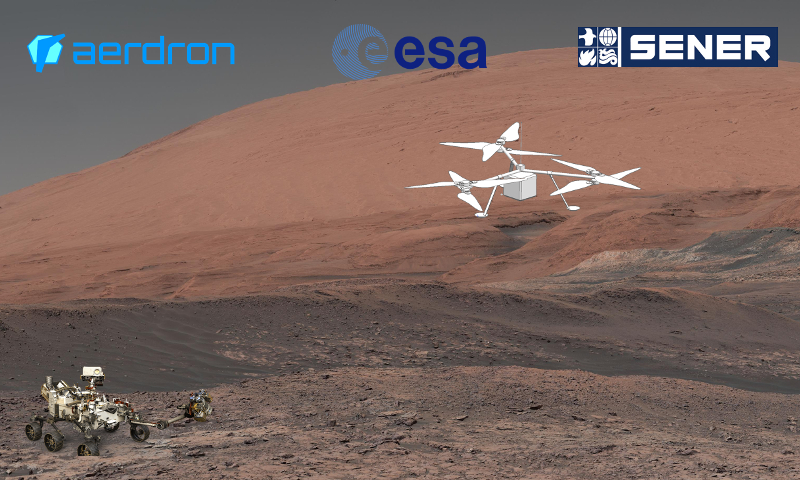
The European Space Agency (ESA) awarded SENER Aeroespacial the AERIAL project to design an unmanned aerial vehicle or drone capable of flying in the low density, pressure and temperature of the Martian atmosphere. AERIAL is the European proposal to conquer the Martian skies by increasing and improving the capabilities of classic ground exploration vehicles (rover) and avoiding dealing with the complicated terrain they face in their quest to search for scientific data.

SENER Aeroespacial is the company responsible for spearheading the project, in concert with AERDRON. SENER Aeroespacial has extensive experience in the design, integration and validation of space systems, including on-board electronics, navigation and control algorithms, communications systems, optical equipment and robotic actuators (mechatronics). It also has experts in fluid dynamics to design the aerodynamic profiles of the Martian blades. SENER Aeroespacial has already taken part in the development of Martian vehicles, such as the Perseverance rover for NASA’s Mars2020 mission, currently operating on the Martian surface, and the Curiosity rover for NASA’s MSL mission, and it has also contributed technology to ESA’s ExoMars 2016 and 2022 missions. For its part, AERDRON, a Spanish company involved in the design and manufacture of unmanned aerial vehicles, will develop a drone prototype with six-propellers with a maximum take-off weight of five kilos that will be capable of flying in an environment that reproduces the complex thermal and pressure conditions of Mars.

Guillermo Rodríguez, AERIAL Project Manager at SENER Aeroespacial, says that «AERIAL is a very ambitious project within the framework of European collaboration for the European Space Agency, one that will enhance the technologies and knowledge of the Spanish space industry, driving it towards new limits. This project will serve to demonstrate our industry’s ability to develop highly sophisticated devices that are capable of flying in the atmosphere of another planet.»

Marcos Alazraki Benveniste, President of AERDRON, noted that «drones will play a very important role in the future of space exploration, since they can reach places, such as Martian volcanoes, that rovers cannot. Drones could also be used to prospect for water and minerals, as well as to fabricate infrastructures in space.»

Flying on Mars using rotary wings poses a technological challenge due to the harsh environmental conditions: very light atmosphere with a density 100 times lower than Earth’s, extreme temperatures with swings of 70 degrees or more, and radiation seven hundred times higher than on Earth. The biggest technological challenges will be generating enough thrust to lift the 5-kg mass, while minimizing the heat generated by the propulsion system and developing an autonomous navigation system that does not rely on GPS, which is not present on our neighboring planet.

The drone will be designed to take off from a platform on the rover, fly around to a range of one kilometer and land back on the same platform. The rover would swap out and charge the battery.

The tests will be done at the Mars Simulation Laboratory in Denmark, whose atmospheric chamber has been especially designed to simulate the environmental conditions and dusty surface of Mars.

This project is in keeping with ESA’s long history of developing Mars missions (such as Mars Express 2003 and Exodus 2016 and 2022) and applications for planetary exploration.
PDF

Format: PDF

114,49 KB

SENER is certified in BIM according to ISO 19650 with LRQA

SENER is certified in BIM according to ISO 19650 with LRQA

15/03/2022

The European Space Agency (ESA) awarded SENER Aeroespacial the AERIAL project to design an unmanned aerial vehicle or drone capable of flying in the low density, pressure and temperature of the Martian atmosphere. AERIAL is the European proposal to conquer the Martian skies by increasing and improving the capabilities of classic ground exploration vehicles (rover) and avoiding dealing with the complicated terrain they face in their quest to search for scientific data.

SENER Aeroespacial is the company responsible for spearheading the project, in concert with AERDRON. SENER Aeroespacial has extensive experience in the design, integration and validation of space systems, including on-board electronics, navigation and control algorithms, communications systems, optical equipment and robotic actuators (mechatronics). It also has experts in fluid dynamics to design the aerodynamic profiles of the Martian blades. SENER Aeroespacial has already taken part in the development of Martian vehicles, such as the Perseverance rover for NASA’s Mars2020 mission, currently operating on the Martian surface, and the Curiosity rover for NASA’s MSL mission, and it has also contributed technology to ESA’s ExoMars 2016 and 2022 missions. For its part, AERDRON, a Spanish company involved in the design and manufacture of unmanned aerial vehicles, will develop a drone prototype with six-propellers with a maximum take-off weight of five kilos that will be capable of flying in an environment that reproduces the complex thermal and pressure conditions of Mars.

Guillermo Rodríguez, AERIAL Project Manager at SENER Aeroespacial, says that «AERIAL is a very ambitious project within the framework of European collaboration for the European Space Agency, one that will enhance the technologies and knowledge of the Spanish space industry, driving it towards new limits. This project will serve to demonstrate our industry’s ability to develop highly sophisticated devices that are capable of flying in the atmosphere of another planet.»

Marcos Alazraki Benveniste, President of AERDRON, noted that «drones will play a very important role in the future of space exploration, since they can reach places, such as Martian volcanoes, that rovers cannot. Drones could also be used to prospect for water and minerals, as well as to fabricate infrastructures in space.»

Flying on Mars using rotary wings poses a technological challenge due to the harsh environmental conditions: very light atmosphere with a density 100 times lower than Earth’s, extreme temperatures with swings of 70 degrees or more, and radiation seven hundred times higher than on Earth. The biggest technological challenges will be generating enough thrust to lift the 5-kg mass, while minimizing the heat generated by the propulsion system and developing an autonomous navigation system that does not rely on GPS, which is not present on our neighboring planet.

The drone will be designed to take off from a platform on the rover, fly around to a range of one kilometer and land back on the same platform. The rover would swap out and charge the battery.

The tests will be done at the Mars Simulation Laboratory in Denmark, whose atmospheric chamber has been especially designed to simulate the environmental conditions and dusty surface of Mars.

This project is in keeping with ESA’s long history of developing Mars missions (such as Mars Express 2003 and Exodus 2016 and 2022) and applications for planetary exploration.
PDF

Format: PDF

114,49 KB

SENER Aeroespacial awarded with a new contract for Airbus’ OneSat program

SENER Aeroespacial awarded with a new contract for Airbus’ OneSat program

10/03/2022

The European Space Agency (ESA) awarded SENER Aeroespacial the AERIAL project to design an unmanned aerial vehicle or drone capable of flying in the low density, pressure and temperature of the Martian atmosphere. AERIAL is the European proposal to conquer the Martian skies by increasing and improving the capabilities of classic ground exploration vehicles (rover) and avoiding dealing with the complicated terrain they face in their quest to search for scientific data.

SENER Aeroespacial is the company responsible for spearheading the project, in concert with AERDRON. SENER Aeroespacial has extensive experience in the design, integration and validation of space systems, including on-board electronics, navigation and control algorithms, communications systems, optical equipment and robotic actuators (mechatronics). It also has experts in fluid dynamics to design the aerodynamic profiles of the Martian blades. SENER Aeroespacial has already taken part in the development of Martian vehicles, such as the Perseverance rover for NASA’s Mars2020 mission, currently operating on the Martian surface, and the Curiosity rover for NASA’s MSL mission, and it has also contributed technology to ESA’s ExoMars 2016 and 2022 missions. For its part, AERDRON, a Spanish company involved in the design and manufacture of unmanned aerial vehicles, will develop a drone prototype with six-propellers with a maximum take-off weight of five kilos that will be capable of flying in an environment that reproduces the complex thermal and pressure conditions of Mars.

Guillermo Rodríguez, AERIAL Project Manager at SENER Aeroespacial, says that «AERIAL is a very ambitious project within the framework of European collaboration for the European Space Agency, one that will enhance the technologies and knowledge of the Spanish space industry, driving it towards new limits. This project will serve to demonstrate our industry’s ability to develop highly sophisticated devices that are capable of flying in the atmosphere of another planet.»

Marcos Alazraki Benveniste, President of AERDRON, noted that «drones will play a very important role in the future of space exploration, since they can reach places, such as Martian volcanoes, that rovers cannot. Drones could also be used to prospect for water and minerals, as well as to fabricate infrastructures in space.»

Flying on Mars using rotary wings poses a technological challenge due to the harsh environmental conditions: very light atmosphere with a density 100 times lower than Earth’s, extreme temperatures with swings of 70 degrees or more, and radiation seven hundred times higher than on Earth. The biggest technological challenges will be generating enough thrust to lift the 5-kg mass, while minimizing the heat generated by the propulsion system and developing an autonomous navigation system that does not rely on GPS, which is not present on our neighboring planet.

The drone will be designed to take off from a platform on the rover, fly around to a range of one kilometer and land back on the same platform. The rover would swap out and charge the battery.

The tests will be done at the Mars Simulation Laboratory in Denmark, whose atmospheric chamber has been especially designed to simulate the environmental conditions and dusty surface of Mars.

This project is in keeping with ESA’s long history of developing Mars missions (such as Mars Express 2003 and Exodus 2016 and 2022) and applications for planetary exploration.
PDF

Format: PDF

114,49 KB

SENER wins the Best Engineering Corporate Governance Europe 2021 award

SENER wins the Best Engineering Corporate Governance Europe 2021 award

08/03/2022

The European Space Agency (ESA) awarded SENER Aeroespacial the AERIAL project to design an unmanned aerial vehicle or drone capable of flying in the low density, pressure and temperature of the Martian atmosphere. AERIAL is the European proposal to conquer the Martian skies by increasing and improving the capabilities of classic ground exploration vehicles (rover) and avoiding dealing with the complicated terrain they face in their quest to search for scientific data.

SENER Aeroespacial is the company responsible for spearheading the project, in concert with AERDRON. SENER Aeroespacial has extensive experience in the design, integration and validation of space systems, including on-board electronics, navigation and control algorithms, communications systems, optical equipment and robotic actuators (mechatronics). It also has experts in fluid dynamics to design the aerodynamic profiles of the Martian blades. SENER Aeroespacial has already taken part in the development of Martian vehicles, such as the Perseverance rover for NASA’s Mars2020 mission, currently operating on the Martian surface, and the Curiosity rover for NASA’s MSL mission, and it has also contributed technology to ESA’s ExoMars 2016 and 2022 missions. For its part, AERDRON, a Spanish company involved in the design and manufacture of unmanned aerial vehicles, will develop a drone prototype with six-propellers with a maximum take-off weight of five kilos that will be capable of flying in an environment that reproduces the complex thermal and pressure conditions of Mars.

Guillermo Rodríguez, AERIAL Project Manager at SENER Aeroespacial, says that «AERIAL is a very ambitious project within the framework of European collaboration for the European Space Agency, one that will enhance the technologies and knowledge of the Spanish space industry, driving it towards new limits. This project will serve to demonstrate our industry’s ability to develop highly sophisticated devices that are capable of flying in the atmosphere of another planet.»

Marcos Alazraki Benveniste, President of AERDRON, noted that «drones will play a very important role in the future of space exploration, since they can reach places, such as Martian volcanoes, that rovers cannot. Drones could also be used to prospect for water and minerals, as well as to fabricate infrastructures in space.»

Flying on Mars using rotary wings poses a technological challenge due to the harsh environmental conditions: very light atmosphere with a density 100 times lower than Earth’s, extreme temperatures with swings of 70 degrees or more, and radiation seven hundred times higher than on Earth. The biggest technological challenges will be generating enough thrust to lift the 5-kg mass, while minimizing the heat generated by the propulsion system and developing an autonomous navigation system that does not rely on GPS, which is not present on our neighboring planet.

The drone will be designed to take off from a platform on the rover, fly around to a range of one kilometer and land back on the same platform. The rover would swap out and charge the battery.

The tests will be done at the Mars Simulation Laboratory in Denmark, whose atmospheric chamber has been especially designed to simulate the environmental conditions and dusty surface of Mars.

This project is in keeping with ESA’s long history of developing Mars missions (such as Mars Express 2003 and Exodus 2016 and 2022) and applications for planetary exploration.
PDF

Format: PDF

114,49 KB

SENER and Aena will work together to improve air quality and energy efficiency at airports

SENER and Aena will work together to improve air quality and energy efficiency at airports

02/03/2022

The European Space Agency (ESA) awarded SENER Aeroespacial the AERIAL project to design an unmanned aerial vehicle or drone capable of flying in the low density, pressure and temperature of the Martian atmosphere. AERIAL is the European proposal to conquer the Martian skies by increasing and improving the capabilities of classic ground exploration vehicles (rover) and avoiding dealing with the complicated terrain they face in their quest to search for scientific data.

SENER Aeroespacial is the company responsible for spearheading the project, in concert with AERDRON. SENER Aeroespacial has extensive experience in the design, integration and validation of space systems, including on-board electronics, navigation and control algorithms, communications systems, optical equipment and robotic actuators (mechatronics). It also has experts in fluid dynamics to design the aerodynamic profiles of the Martian blades. SENER Aeroespacial has already taken part in the development of Martian vehicles, such as the Perseverance rover for NASA’s Mars2020 mission, currently operating on the Martian surface, and the Curiosity rover for NASA’s MSL mission, and it has also contributed technology to ESA’s ExoMars 2016 and 2022 missions. For its part, AERDRON, a Spanish company involved in the design and manufacture of unmanned aerial vehicles, will develop a drone prototype with six-propellers with a maximum take-off weight of five kilos that will be capable of flying in an environment that reproduces the complex thermal and pressure conditions of Mars.

Guillermo Rodríguez, AERIAL Project Manager at SENER Aeroespacial, says that «AERIAL is a very ambitious project within the framework of European collaboration for the European Space Agency, one that will enhance the technologies and knowledge of the Spanish space industry, driving it towards new limits. This project will serve to demonstrate our industry’s ability to develop highly sophisticated devices that are capable of flying in the atmosphere of another planet.»

Marcos Alazraki Benveniste, President of AERDRON, noted that «drones will play a very important role in the future of space exploration, since they can reach places, such as Martian volcanoes, that rovers cannot. Drones could also be used to prospect for water and minerals, as well as to fabricate infrastructures in space.»

Flying on Mars using rotary wings poses a technological challenge due to the harsh environmental conditions: very light atmosphere with a density 100 times lower than Earth’s, extreme temperatures with swings of 70 degrees or more, and radiation seven hundred times higher than on Earth. The biggest technological challenges will be generating enough thrust to lift the 5-kg mass, while minimizing the heat generated by the propulsion system and developing an autonomous navigation system that does not rely on GPS, which is not present on our neighboring planet.

The drone will be designed to take off from a platform on the rover, fly around to a range of one kilometer and land back on the same platform. The rover would swap out and charge the battery.

The tests will be done at the Mars Simulation Laboratory in Denmark, whose atmospheric chamber has been especially designed to simulate the environmental conditions and dusty surface of Mars.

This project is in keeping with ESA’s long history of developing Mars missions (such as Mars Express 2003 and Exodus 2016 and 2022) and applications for planetary exploration.
PDF

Format: PDF

114,49 KB

SENER Aeroespacial and the Instituto Tecnológico de Galicia develop the artificial intelligence that will be used to detect and deactivate improvised explosive devices

SENER Aeroespacial and the Instituto Tecnológico de Galicia develop the artificial intelligence that will be used to detect and deactivate improvised explosive devices

02/03/2022

The European Space Agency (ESA) awarded SENER Aeroespacial the AERIAL project to design an unmanned aerial vehicle or drone capable of flying in the low density, pressure and temperature of the Martian atmosphere. AERIAL is the European proposal to conquer the Martian skies by increasing and improving the capabilities of classic ground exploration vehicles (rover) and avoiding dealing with the complicated terrain they face in their quest to search for scientific data.

SENER Aeroespacial is the company responsible for spearheading the project, in concert with AERDRON. SENER Aeroespacial has extensive experience in the design, integration and validation of space systems, including on-board electronics, navigation and control algorithms, communications systems, optical equipment and robotic actuators (mechatronics). It also has experts in fluid dynamics to design the aerodynamic profiles of the Martian blades. SENER Aeroespacial has already taken part in the development of Martian vehicles, such as the Perseverance rover for NASA’s Mars2020 mission, currently operating on the Martian surface, and the Curiosity rover for NASA’s MSL mission, and it has also contributed technology to ESA’s ExoMars 2016 and 2022 missions. For its part, AERDRON, a Spanish company involved in the design and manufacture of unmanned aerial vehicles, will develop a drone prototype with six-propellers with a maximum take-off weight of five kilos that will be capable of flying in an environment that reproduces the complex thermal and pressure conditions of Mars.

Guillermo Rodríguez, AERIAL Project Manager at SENER Aeroespacial, says that «AERIAL is a very ambitious project within the framework of European collaboration for the European Space Agency, one that will enhance the technologies and knowledge of the Spanish space industry, driving it towards new limits. This project will serve to demonstrate our industry’s ability to develop highly sophisticated devices that are capable of flying in the atmosphere of another planet.»

Marcos Alazraki Benveniste, President of AERDRON, noted that «drones will play a very important role in the future of space exploration, since they can reach places, such as Martian volcanoes, that rovers cannot. Drones could also be used to prospect for water and minerals, as well as to fabricate infrastructures in space.»

Flying on Mars using rotary wings poses a technological challenge due to the harsh environmental conditions: very light atmosphere with a density 100 times lower than Earth’s, extreme temperatures with swings of 70 degrees or more, and radiation seven hundred times higher than on Earth. The biggest technological challenges will be generating enough thrust to lift the 5-kg mass, while minimizing the heat generated by the propulsion system and developing an autonomous navigation system that does not rely on GPS, which is not present on our neighboring planet.

The drone will be designed to take off from a platform on the rover, fly around to a range of one kilometer and land back on the same platform. The rover would swap out and charge the battery.

The tests will be done at the Mars Simulation Laboratory in Denmark, whose atmospheric chamber has been especially designed to simulate the environmental conditions and dusty surface of Mars.

This project is in keeping with ESA’s long history of developing Mars missions (such as Mars Express 2003 and Exodus 2016 and 2022) and applications for planetary exploration.
PDF

Format: PDF

114,49 KB

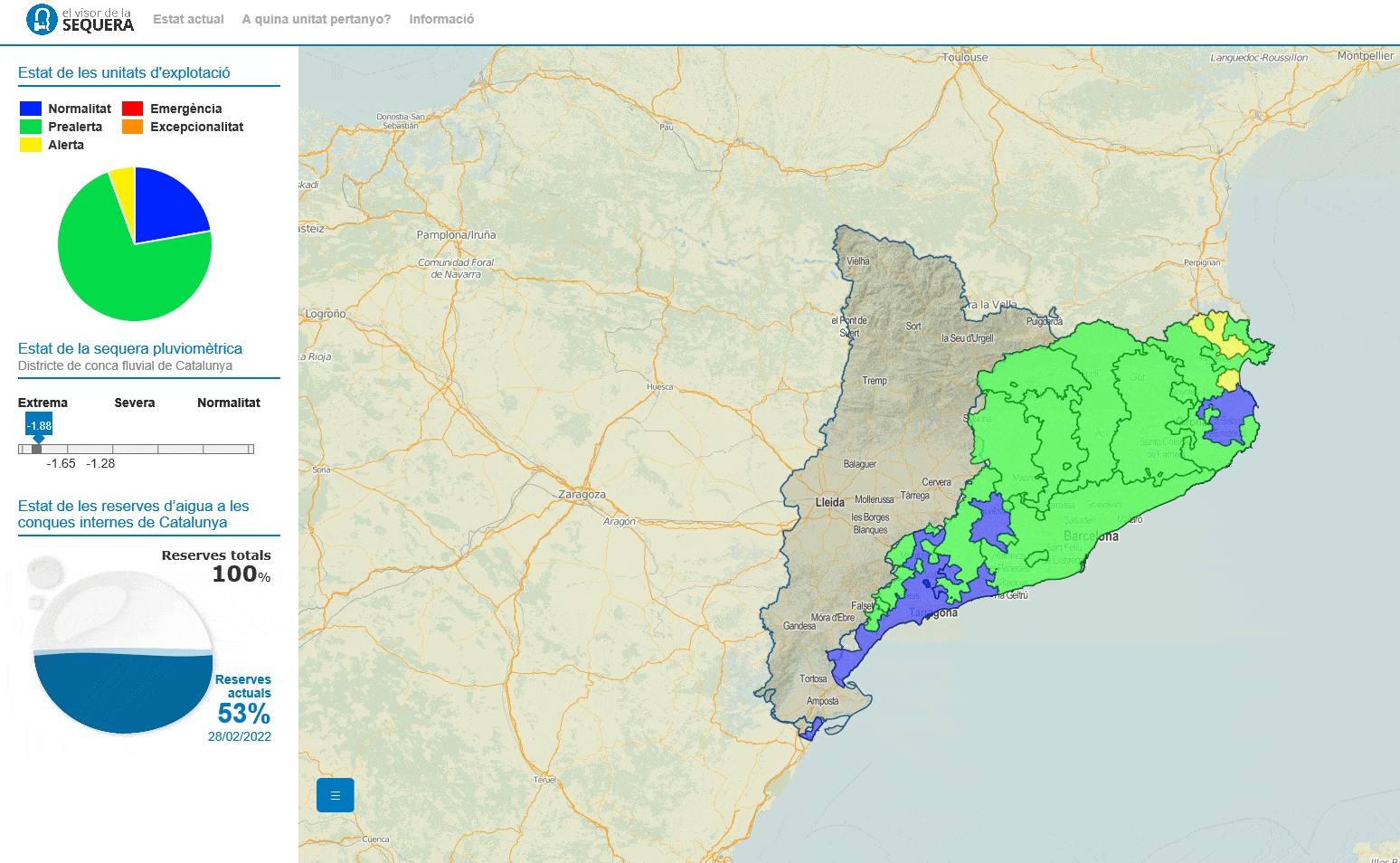
SENER has developed VISSEQ (drought viewer), essential in situations of water scarcity

SENER has developed VISSEQ (drought viewer), essential in situations of water scarcity

01/03/2022

The European Space Agency (ESA) awarded SENER Aeroespacial the AERIAL project to design an unmanned aerial vehicle or drone capable of flying in the low density, pressure and temperature of the Martian atmosphere. AERIAL is the European proposal to conquer the Martian skies by increasing and improving the capabilities of classic ground exploration vehicles (rover) and avoiding dealing with the complicated terrain they face in their quest to search for scientific data.

SENER Aeroespacial is the company responsible for spearheading the project, in concert with AERDRON. SENER Aeroespacial has extensive experience in the design, integration and validation of space systems, including on-board electronics, navigation and control algorithms, communications systems, optical equipment and robotic actuators (mechatronics). It also has experts in fluid dynamics to design the aerodynamic profiles of the Martian blades. SENER Aeroespacial has already taken part in the development of Martian vehicles, such as the Perseverance rover for NASA’s Mars2020 mission, currently operating on the Martian surface, and the Curiosity rover for NASA’s MSL mission, and it has also contributed technology to ESA’s ExoMars 2016 and 2022 missions. For its part, AERDRON, a Spanish company involved in the design and manufacture of unmanned aerial vehicles, will develop a drone prototype with six-propellers with a maximum take-off weight of five kilos that will be capable of flying in an environment that reproduces the complex thermal and pressure conditions of Mars.

Guillermo Rodríguez, AERIAL Project Manager at SENER Aeroespacial, says that «AERIAL is a very ambitious project within the framework of European collaboration for the European Space Agency, one that will enhance the technologies and knowledge of the Spanish space industry, driving it towards new limits. This project will serve to demonstrate our industry’s ability to develop highly sophisticated devices that are capable of flying in the atmosphere of another planet.»

Marcos Alazraki Benveniste, President of AERDRON, noted that «drones will play a very important role in the future of space exploration, since they can reach places, such as Martian volcanoes, that rovers cannot. Drones could also be used to prospect for water and minerals, as well as to fabricate infrastructures in space.»

Flying on Mars using rotary wings poses a technological challenge due to the harsh environmental conditions: very light atmosphere with a density 100 times lower than Earth’s, extreme temperatures with swings of 70 degrees or more, and radiation seven hundred times higher than on Earth. The biggest technological challenges will be generating enough thrust to lift the 5-kg mass, while minimizing the heat generated by the propulsion system and developing an autonomous navigation system that does not rely on GPS, which is not present on our neighboring planet.

The drone will be designed to take off from a platform on the rover, fly around to a range of one kilometer and land back on the same platform. The rover would swap out and charge the battery.

The tests will be done at the Mars Simulation Laboratory in Denmark, whose atmospheric chamber has been especially designed to simulate the environmental conditions and dusty surface of Mars.

This project is in keeping with ESA’s long history of developing Mars missions (such as Mars Express 2003 and Exodus 2016 and 2022) and applications for planetary exploration.
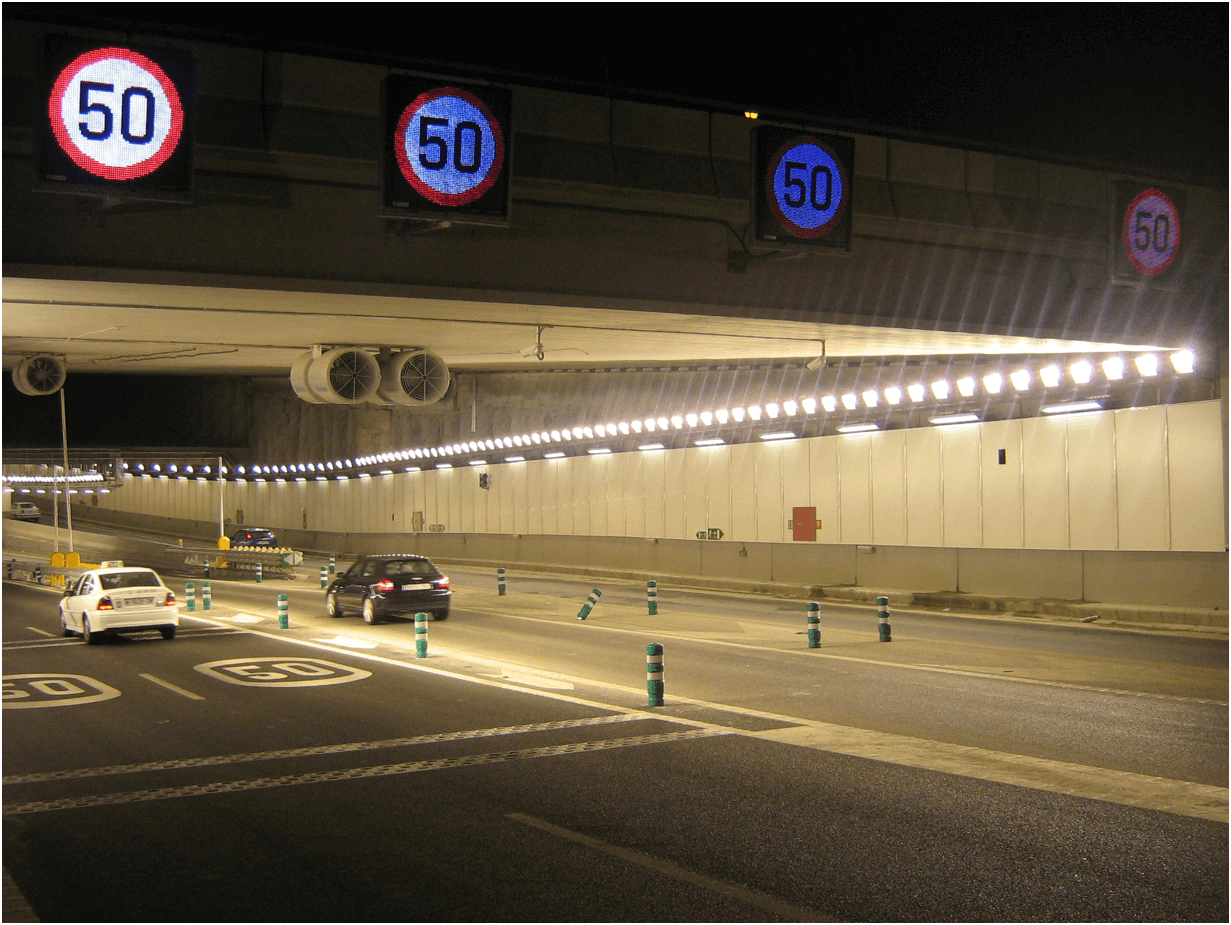
SENER brings artificial intelligence to the M-30

SENER brings artificial intelligence to the M-30

23/02/2022

The European Space Agency (ESA) awarded SENER Aeroespacial the AERIAL project to design an unmanned aerial vehicle or drone capable of flying in the low density, pressure and temperature of the Martian atmosphere. AERIAL is the European proposal to conquer the Martian skies by increasing and improving the capabilities of classic ground exploration vehicles (rover) and avoiding dealing with the complicated terrain they face in their quest to search for scientific data.

SENER Aeroespacial is the company responsible for spearheading the project, in concert with AERDRON. SENER Aeroespacial has extensive experience in the design, integration and validation of space systems, including on-board electronics, navigation and control algorithms, communications systems, optical equipment and robotic actuators (mechatronics). It also has experts in fluid dynamics to design the aerodynamic profiles of the Martian blades. SENER Aeroespacial has already taken part in the development of Martian vehicles, such as the Perseverance rover for NASA’s Mars2020 mission, currently operating on the Martian surface, and the Curiosity rover for NASA’s MSL mission, and it has also contributed technology to ESA’s ExoMars 2016 and 2022 missions. For its part, AERDRON, a Spanish company involved in the design and manufacture of unmanned aerial vehicles, will develop a drone prototype with six-propellers with a maximum take-off weight of five kilos that will be capable of flying in an environment that reproduces the complex thermal and pressure conditions of Mars.

Guillermo Rodríguez, AERIAL Project Manager at SENER Aeroespacial, says that «AERIAL is a very ambitious project within the framework of European collaboration for the European Space Agency, one that will enhance the technologies and knowledge of the Spanish space industry, driving it towards new limits. This project will serve to demonstrate our industry’s ability to develop highly sophisticated devices that are capable of flying in the atmosphere of another planet.»

Marcos Alazraki Benveniste, President of AERDRON, noted that «drones will play a very important role in the future of space exploration, since they can reach places, such as Martian volcanoes, that rovers cannot. Drones could also be used to prospect for water and minerals, as well as to fabricate infrastructures in space.»

Flying on Mars using rotary wings poses a technological challenge due to the harsh environmental conditions: very light atmosphere with a density 100 times lower than Earth’s, extreme temperatures with swings of 70 degrees or more, and radiation seven hundred times higher than on Earth. The biggest technological challenges will be generating enough thrust to lift the 5-kg mass, while minimizing the heat generated by the propulsion system and developing an autonomous navigation system that does not rely on GPS, which is not present on our neighboring planet.

The drone will be designed to take off from a platform on the rover, fly around to a range of one kilometer and land back on the same platform. The rover would swap out and charge the battery.

The tests will be done at the Mars Simulation Laboratory in Denmark, whose atmospheric chamber has been especially designed to simulate the environmental conditions and dusty surface of Mars.

This project is in keeping with ESA’s long history of developing Mars missions (such as Mars Express 2003 and Exodus 2016 and 2022) and applications for planetary exploration.

PDF

Format: PDF

114,49 KB

SENER wins the contract for the basic and detailed engineering of the GNA II combined cycle power plant in Brazil

SENER wins the contract for the basic and detailed engineering of the GNA II combined cycle power plant in Brazil

16/02/2022

The European Space Agency (ESA) awarded SENER Aeroespacial the AERIAL project to design an unmanned aerial vehicle or drone capable of flying in the low density, pressure and temperature of the Martian atmosphere. AERIAL is the European proposal to conquer the Martian skies by increasing and improving the capabilities of classic ground exploration vehicles (rover) and avoiding dealing with the complicated terrain they face in their quest to search for scientific data.

SENER Aeroespacial is the company responsible for spearheading the project, in concert with AERDRON. SENER Aeroespacial has extensive experience in the design, integration and validation of space systems, including on-board electronics, navigation and control algorithms, communications systems, optical equipment and robotic actuators (mechatronics). It also has experts in fluid dynamics to design the aerodynamic profiles of the Martian blades. SENER Aeroespacial has already taken part in the development of Martian vehicles, such as the Perseverance rover for NASA’s Mars2020 mission, currently operating on the Martian surface, and the Curiosity rover for NASA’s MSL mission, and it has also contributed technology to ESA’s ExoMars 2016 and 2022 missions. For its part, AERDRON, a Spanish company involved in the design and manufacture of unmanned aerial vehicles, will develop a drone prototype with six-propellers with a maximum take-off weight of five kilos that will be capable of flying in an environment that reproduces the complex thermal and pressure conditions of Mars.

Guillermo Rodríguez, AERIAL Project Manager at SENER Aeroespacial, says that «AERIAL is a very ambitious project within the framework of European collaboration for the European Space Agency, one that will enhance the technologies and knowledge of the Spanish space industry, driving it towards new limits. This project will serve to demonstrate our industry’s ability to develop highly sophisticated devices that are capable of flying in the atmosphere of another planet.»

Marcos Alazraki Benveniste, President of AERDRON, noted that «drones will play a very important role in the future of space exploration, since they can reach places, such as Martian volcanoes, that rovers cannot. Drones could also be used to prospect for water and minerals, as well as to fabricate infrastructures in space.»

Flying on Mars using rotary wings poses a technological challenge due to the harsh environmental conditions: very light atmosphere with a density 100 times lower than Earth’s, extreme temperatures with swings of 70 degrees or more, and radiation seven hundred times higher than on Earth. The biggest technological challenges will be generating enough thrust to lift the 5-kg mass, while minimizing the heat generated by the propulsion system and developing an autonomous navigation system that does not rely on GPS, which is not present on our neighboring planet.

The drone will be designed to take off from a platform on the rover, fly around to a range of one kilometer and land back on the same platform. The rover would swap out and charge the battery.

The tests will be done at the Mars Simulation Laboratory in Denmark, whose atmospheric chamber has been especially designed to simulate the environmental conditions and dusty surface of Mars.

This project is in keeping with ESA’s long history of developing Mars missions (such as Mars Express 2003 and Exodus 2016 and 2022) and applications for planetary exploration.
PDF

Format: PDF

114,49 KB

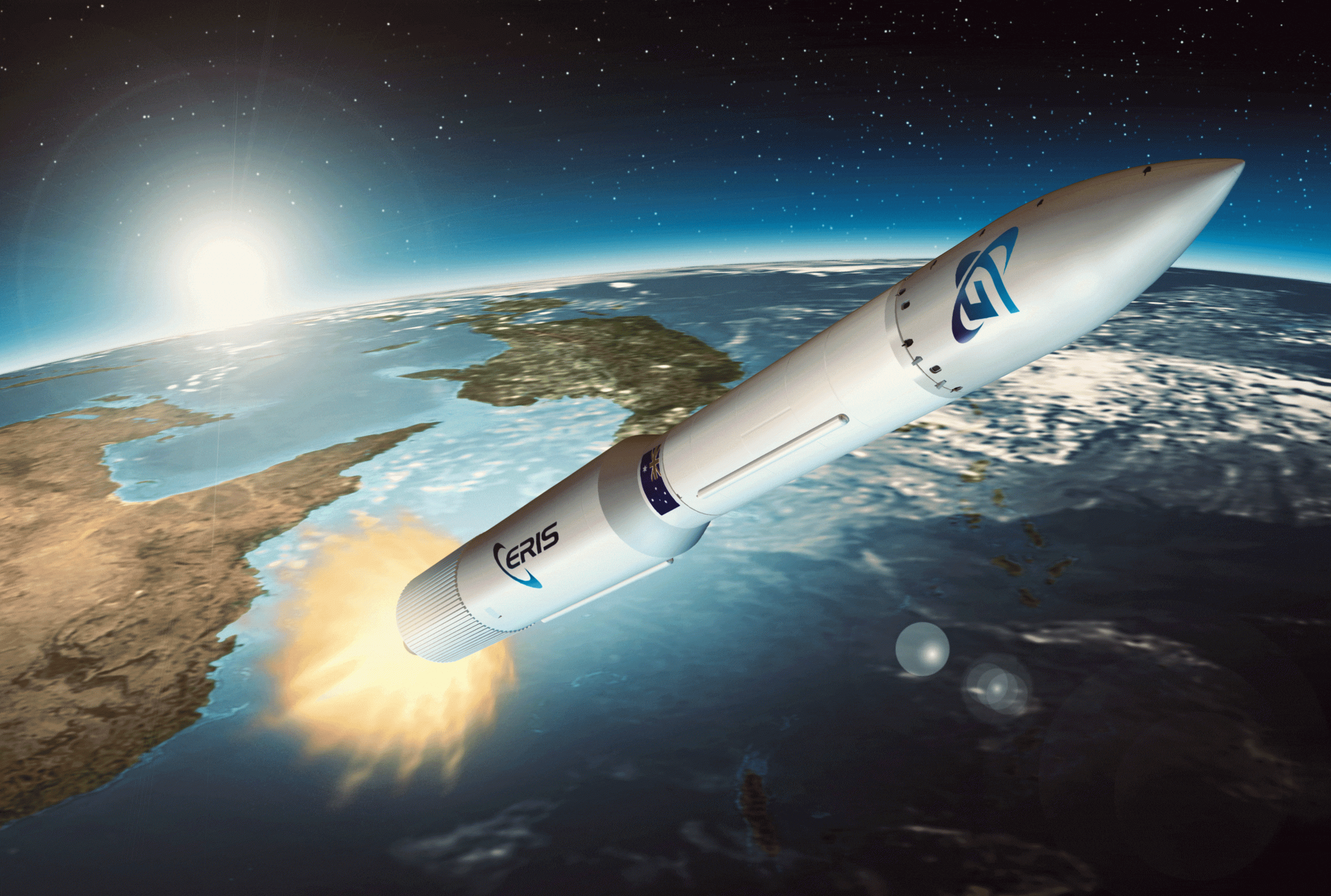
SENER Aeroespacial and Gilmour Space to develop Autonomous Flight Termination System for Eris launch vehicle

SENER Aeroespacial and Gilmour Space to develop Autonomous Flight Termination System for Eris launch vehicle

08/02/2022

The European Space Agency (ESA) awarded SENER Aeroespacial the AERIAL project to design an unmanned aerial vehicle or drone capable of flying in the low density, pressure and temperature of the Martian atmosphere. AERIAL is the European proposal to conquer the Martian skies by increasing and improving the capabilities of classic ground exploration vehicles (rover) and avoiding dealing with the complicated terrain they face in their quest to search for scientific data.

SENER Aeroespacial is the company responsible for spearheading the project, in concert with AERDRON. SENER Aeroespacial has extensive experience in the design, integration and validation of space systems, including on-board electronics, navigation and control algorithms, communications systems, optical equipment and robotic actuators (mechatronics). It also has experts in fluid dynamics to design the aerodynamic profiles of the Martian blades. SENER Aeroespacial has already taken part in the development of Martian vehicles, such as the Perseverance rover for NASA’s Mars2020 mission, currently operating on the Martian surface, and the Curiosity rover for NASA’s MSL mission, and it has also contributed technology to ESA’s ExoMars 2016 and 2022 missions. For its part, AERDRON, a Spanish company involved in the design and manufacture of unmanned aerial vehicles, will develop a drone prototype with six-propellers with a maximum take-off weight of five kilos that will be capable of flying in an environment that reproduces the complex thermal and pressure conditions of Mars.

Guillermo Rodríguez, AERIAL Project Manager at SENER Aeroespacial, says that «AERIAL is a very ambitious project within the framework of European collaboration for the European Space Agency, one that will enhance the technologies and knowledge of the Spanish space industry, driving it towards new limits. This project will serve to demonstrate our industry’s ability to develop highly sophisticated devices that are capable of flying in the atmosphere of another planet.»

Marcos Alazraki Benveniste, President of AERDRON, noted that «drones will play a very important role in the future of space exploration, since they can reach places, such as Martian volcanoes, that rovers cannot. Drones could also be used to prospect for water and minerals, as well as to fabricate infrastructures in space.»

Flying on Mars using rotary wings poses a technological challenge due to the harsh environmental conditions: very light atmosphere with a density 100 times lower than Earth’s, extreme temperatures with swings of 70 degrees or more, and radiation seven hundred times higher than on Earth. The biggest technological challenges will be generating enough thrust to lift the 5-kg mass, while minimizing the heat generated by the propulsion system and developing an autonomous navigation system that does not rely on GPS, which is not present on our neighboring planet.

The drone will be designed to take off from a platform on the rover, fly around to a range of one kilometer and land back on the same platform. The rover would swap out and charge the battery.

The tests will be done at the Mars Simulation Laboratory in Denmark, whose atmospheric chamber has been especially designed to simulate the environmental conditions and dusty surface of Mars.

This project is in keeping with ESA’s long history of developing Mars missions (such as Mars Express 2003 and Exodus 2016 and 2022) and applications for planetary exploration.

PDF

Format: PDF

114,49 KB