





Sener’s proprietary ORUGA® software is certified by a Technical Advisor for performance calculations in PV plants on complex orography terrains

Sener’s proprietary ORUGA® software is certified by a Technical Advisor for performance calculations in PV plants on complex orography terrains

09/12/2022

After a 6-month duration Technical Audit process by a specialized company in the PV sector and on behalf of an Independent Power Purchaser (IPP), Sener has been awarded a certificate positioning ORUGA® as a more accurate software than the state-of-the-art for complex terrains.

Calculating the annual electricity production of a PV plant in a complex orography terrain is a problem with no commercial solution today.

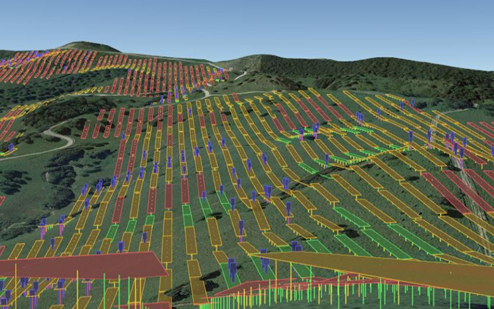
Sener has developed ORUGA® software, which selects the optimal lay out alternative in terms of LCOE (Levelized Cost of Electricity) for PV plants on any given terrain. This tool has optimal performance to address the most common problems that can affect the profitability of your project: the Lay Out module defines the optimal distribution by sweeping different combinations of DC power, trackers, panels, inverters, pitch/GCR and even batteries; the Civil Works module accurately calculates the Earthworks, as well as the length of the pylons required for plant construction; and its advanced 3D Backtracking algorithms maximizes production by positioning the trackers at the optimal angle to minimize shadowing between trackers throughout the day.

There are other reference software in the Market for Banks, Technical Advisors and Engineering firms – the most widespread, for example, is extremely accurate and detailed for flat terrains – but they present an important limitation: precise performance calculation on complex (undulating) terrains, where shadowing between trackers appears. The reference software on the market, for example, can only be used on plants of the order of a few MWp at most; it sets a reasonable limit of about 1 MWp and an upper limit of 5 MWp, due to the calculation time, which would be prohibitive at higher powers.

The decrease in annual electricity production when moving from a flat terrain to a complex one typically varies between 0 and 10%. The specific value depends on the complexity of the terrain in each case.

ORUGA® software calculates accurately the Annual Electricity Production of PV plants in complex orography terrains for any tracker model, applying Flat Backtracking or Sener proprietary 3D Backtracking strategy.

ORUGA® therefore overcomes the limitations of the Software considered as the Reference in the Market for commercial plants (>1 MWp) in complex orography terrains. This new feature can positively reduce the uncertainties associated to complex orography in PV projects at all levels: Development, EPC and Operation.

These results have been endorsed after a 6-month Technical Audit process carried out by a company specialized in the photovoltaic sector and at the request of an independent power producer. Sener has thus obtained the certification that positions ORUGA® as a more accurate alternative to the market standard for complex terrains.

Find here the article with all the technical details.

PDF

Oruga Performance

Oruga Performance

Format: PDF

1,57 MB

“A challenge for science” receives the Educaweb Award for Academic and Professional Guidance

“A challenge for science” receives the Educaweb Award for Academic and Professional Guidance

02/12/2022

The project “A challenge for science” encourages young people to pursue careers in science and technology by proposing innovative challenges in engineering. The Companies category is endorsed by the Bertelsmann Foundation.

The “A challenge for science” project was recognized in the 15th edition of the Educaweb Awards for Academic and Professional Guidance in the Companies category. The initiative, developed by the Sener Foundation in collaboration with Sener, aims to promote science and technology careers among high school students by presenting and solving innovative challenges in engineering.

The jury determined that “A challenge for science” is suited to the target audience, achieves its goals and is a project that is expected to continue.

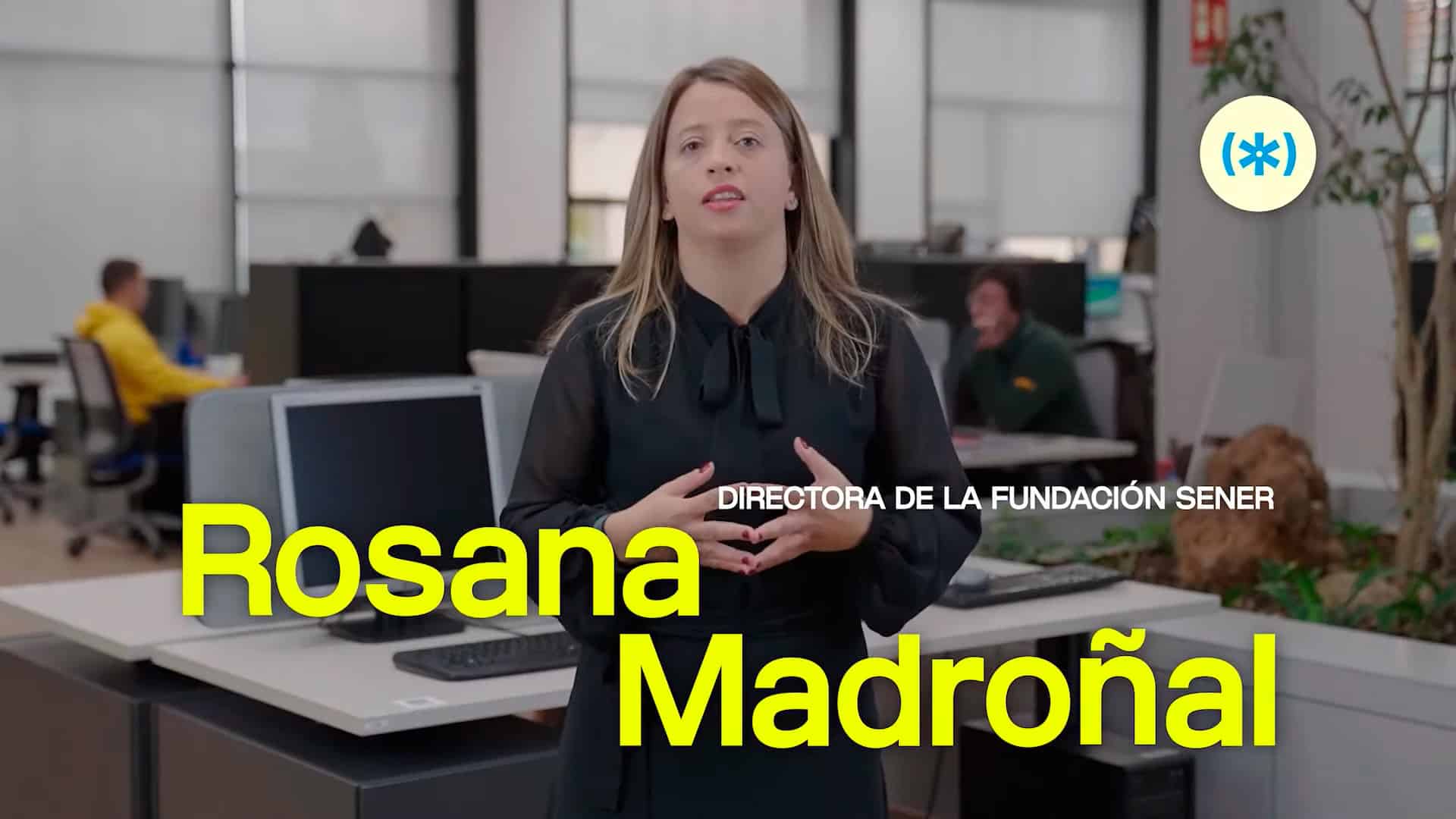
The presentation ceremony took place on December 1 at a virtual event attended by the Director of the Sener Foundation, Rosana Madroñal, who thanked Educaweb for the award. She also noted that “we are proud to receive this award from Educaweb, an entity that specializes in academic and professional guidance, for A Challenge for Science. This is a project where, through real engineering challenges, we try to show students what an engineer’s average workday is like and, in short, what their work could be like tomorrow if they decide to study engineering in college.”

During the award ceremony, the CEO of Educaweb, Josep Lluis Segú, stressed that these awards recognize “those projects that are laying the foundations for the future and that really serve to meet the needs of the citizens of this society, which is facing new challenges.” And he added that “the challenge of guidance is to make available to people, both young and old, the information and itineraries that will be used to train the professionals we are going to need.

What is “A challenge for science”?

“A challenge for science” is a project of the Sener Foundation in collaboration with Sener that seeks to promote science and technical careers among young people. It involves presenting actual engineering challenges to high school students. The students then have to find solutions to the problems faced daily by an engineering company. The students’ solutions are subsequently evaluated by Sener personnel and other external collaborators with expertise in these areas of engineering, and the best ones face off in a final between schools.

It is Sener employees who, through a voluntary program with the Sener Foundation, take the project to the school where their children study, or where they themselves studied, present the project and the challenges to the participants, and monitor the students throughout the entire process of designing the solution.

The innovation of the project lies in the types of problems or challenges presented to the students. These are real challenges, the same ones faced by professional engineers, but tailored to the intended audience. By presenting these challenges and developing their own solutions, we make students aware of the typical problems we face as a society and how they can be solved by applying engineering and technology.

Some of the challenges posed to the students involve implementing the circular economy, improving health through engineering, reducing the carbon footprint, alleviating the problem of space trash or issues related to smart cities. This way, the young participants are able to see first-hand how science, technology and engineering serve people in order to improve their quality of life.

This project is being done in collaboration with the Spanish Foundation for Science and Technology (FECYT), which is part of the Ministry of Innovation and Science.

Educaweb Awards 2022

The Educaweb Awards for Academic and Professional Guidance were launched in 2008 to mark the 10th anniversary of Educaweb. Their goal is to reward the best academic and professional orientation projects in order to highlight and showcase the work done, often anonymously, by guidance professionals.

In this year’s edition, the following awards were presented:

  • IMPLIKA-Educaweb Award for Professional Training for the Integrated Polytechnic Vocational Training Center of Cartagena, in Murcia, for its Orienta vocational project: Looking to the Future.
  • The Dualiza-Educaweb Award in the Professional category, sponsored by CaixaBank Dualiza, went to The (in)visible engineer, by Núria Salán Ballesteros.
  • The Educaweb Award in the Institutions category went to neoSKILLS VR, a virtual reality simulator for diagnosing and developing soft skills, developed by neoCK.
  • The Human Revolution, an organization from Extremadura.
  • The Guiding City Honorable Mention, which acknowledges and shines the spotlight on a city in the world that has a comprehensive and coordinated project for academic and professional orientation, went to for Bologna (Italy) for its Centro Risorse per l’Orientamento Maria Luisa Pombeni. Cittá Metropolitana de Bologna.
  • The 10th Enric Renau i Permanyer Honorable Mention for applied social research in education, training and work went to the Barcelona Open Data Initiative.

BIRPLAST, industrial research to make progress towards a circular model of the plastics value chain

BIRPLAST, industrial research to make progress towards a circular model of the plastics value chain

23/11/2022

The BIRPLAST project is developing improved processes for obtaining circular raw materials from the thermochemical recycling of complex plastic waste.

Twelve Basque companies are collaborating on BIRPLAST, a strategic industrial research project to develop technologies to supply fuels and products with a lower carbon footprint and contribute to the recovery of plastic waste through circular economy processes.

According to the latest data from Plastic Europe, 29.5 million tons of post-consumer plastic waste were collected in Europe (UE27+3) in 2020, of which 42% went toward energy recovery, 35% was managed through recycling processes and 23% was sent to controlled dumps. Recycling plastics is a priority within the European Green Deal strategy to transition to a green and circular European market, one that will require investments and innovation to develop the new business models needed to achieve the goals set by Europe for this stream, which include recycling 55% of plastic packaging by 2030. Currently, European industry only uses 10% recycled plastic in its products, around 5.5 million tons, meaning there is still substantial room for improvement.

This waste stream is also a priority in the 2030 Circular Economy Strategy of the Basque Country and the new 2030 Waste Prevention and Management Plan of the Basque Country, which aim to enable new value chains through recycling and waste recovery processes to increase the use of recycled raw materials by 30% (Basque industry currently imports 77% of its raw materials); increase corporate turnover to 10 billion euros through more circular products, create 3,000 new jobs and reduce the carbon emissions associated with consumption by 26%. In the Basque Country, nearly 640,000 tons of complex plastic waste have been identified annually, which could be used to generate new raw materials and for which there is currently no material recovery route.

BIRPLAST Project

The main goal of the project is to generate a knowledge base for developing improved thermochemical recycling processes for complex plastic waste. This waste stream is created primarily in the treatment of other waste, such as light packaging, disused vehicles, and waste electrical and electronic equipment (WEEE). Due to the problems that its composition and characteristics pose to current recycling models, the reuse of these plastic waste remains very low compared to other materials such as paper, glass and metals. This makes it a potential source of raw materials that cannot be salvaged using state-of-the-art techniques.

BIRPLAST will contribute to the development of new processes for obtaining raw materials from this waste fraction by transforming it into new plastics (Plastic2Plastic) and other high-value chemicals (Plastic2Chemicals), ensuring that materials are kept in a circular process, replacing non-renewable raw materials in the industry.

Technologies to improve thermochemical recycling processes for complex plastic waste

BIRPLAST seeks to play a part in achieving these strategic objectives, while also creating competitive advantages for the companies that make up the consortium, through the following lines of industrial research:
• Improve advanced pre-treatment and separation processes that include drying technologies and optical and robotic systems, combined with Machine Learning algorithms.
• Improve thermochemical recovery processes based on pyrolysis, gasification and solvolysis, including product quality control and the development of advanced purification processes.
• Validate the use of circular raw materials obtained in thermochemical recovery processes, such as polyols, oils, synthesis gases, and polymers, in the manufacture of new plastics and other high-value products.
• Assess the technical-economic feasibility and scalability of the solutions proposed.

The project includes industrial research in 25 new processes, 26 new products and 12 patentable developments. The expected results of the project are:
• The recovery of material resources (€12.4M/year) in the form of waste with a high plastic content,
• New technological solutions to recover complex plastic waste (500,000 t/year),
• Increase the efficiency of separation and sorting processes (10% increase compared to current ones) and couple them to prepare the waste for pyrolysis and gasification processes.

The technologies being developed by BIRPLAST will yield fuels and products with a lower carbon footprint and aid in the recovery of plastic waste through circular economy processes. This is a key contribution to the waste-to-end-product value chain that will also help decarbonize today’s economy while contributing to the Sustainable Development Goals and the 2030 Agenda.

BIRPLAST is a strategic industrial research project that has received funding from the HAZITEK 2022 program, an initiative of the Basque Government’s Department of Economic Development, Sustainability and Environment to help corporate R&D.

Project consortium

The consortium is made up of 12 partners, led by SENER. The companies involved are: PETRONOR, TRADEBE, EIFORSA, GLOBAL FACTOR, FIDEGAS, ROBOKIDE, ROTOBASQUE, SBS, SADER, SENER, TRIENEKENS, and ZORROZA GESTIÓN; It is also supported by three members of the Basque Science and Technology Network: GAIKER, TECNALIA and ACLIMA, Basque Environment Cluster.

The Cebu cable-stayed bridge, a Sener project, awarded in the CEMEX 2022 Awards

The Cebu cable-stayed bridge, a Sener project, awarded in the CEMEX 2022 Awards

22/11/2022

In this project, entirely designed by Sener, the company also provided technical assistance during construction, together with its partner CFC (Carlos Fernández Casado, S.L.).

The cable-stayed bridge connecting the Cebu Cordova Link Expressway in Cebu, Philippines, has been awarded the prize for the best international work in the Infrastructure category in the international edition of the CEMEX Building Award 2022, a competition that recognizes the best construction projects around the world for their creativity and innovation in the use of concrete. This year’s jury selected 26 finalists from 11 countries.

In this project, entirely designed by Sener, the company also provided technical assistance during construction, together with its partner CFC (Carlos Fernández Casado, S.L.). It is a public-private enterprise of the Cebu Cordova Link Expressway, a subsidiary of Metro Pacific Tollways Corporation, the city of Cebu and the municipality of Cordova, with the Cebu Link Joint Venture as the construction consortium.

The entire project consists of a road approximately 8.5 km long that connects the islands of Cebu and Mactan-Cordova. It does so by joining the southern part of Cebu City, on the island of the same name, with Cordova. This connection may be extended in the future to Mactan-Cebu Airport, a strategic hub for the entire area of Visayas. The road runs entirely over water (viaduct or causeway), with a combination of viaducts starting on the island of Cebu that cross the navigable part of the Mactan Strait, where the iconic cable-stayed bridge is located. They continue with another access viaduct that connects the main bridge to a causeway, with a sea wall, located over shallow waters in the area facing Mactan Island, where several bridges and culverts works are located that seek to minimize the barrier effect of the causeway itself. This makes it possible to cross the Mactan Channel, allowing ships to navigate through the Cebu Strait. The most iconic part of Cebu-Cordova Link Expressway is the main bridge, a symmetrical cable-stay design.

For this complex project, Sener was the lead engineering firm in the detailed design of the entire project, which it provided as part of a temporary joint venture with its partner CFC. The consortium was responsible for the detailed design of all the infrastructure needed for the expressway: causeways, sea walls, viaducts and bridges, drainage, intertidal communication passage, road surfaces, road signs, safety barriers, lighting, as well as part of the installations: electricity and lighting supply and smart transport systems, together with their associated ducting. Sener also designed the structures needed for the toll area (booths, ducts, canopy and auxiliary electrical building). To give shape to the above, Sener did the preliminary work, which included climate and geotechnical studies, scale model testing in the laboratory and seismic risk analysis.

AIRIS Synchro, a European project to promote synchromodality at the Port of Seville

AIRIS Synchro, a European project to promote synchromodality at the Port of Seville

16/11/2022

Sener was the technical manager for this innovative project, promoted by the Seville Port Authority, which applied technology to synchromodality to integrate all the modes of transportation that converge at the port: ships, trains and trucks

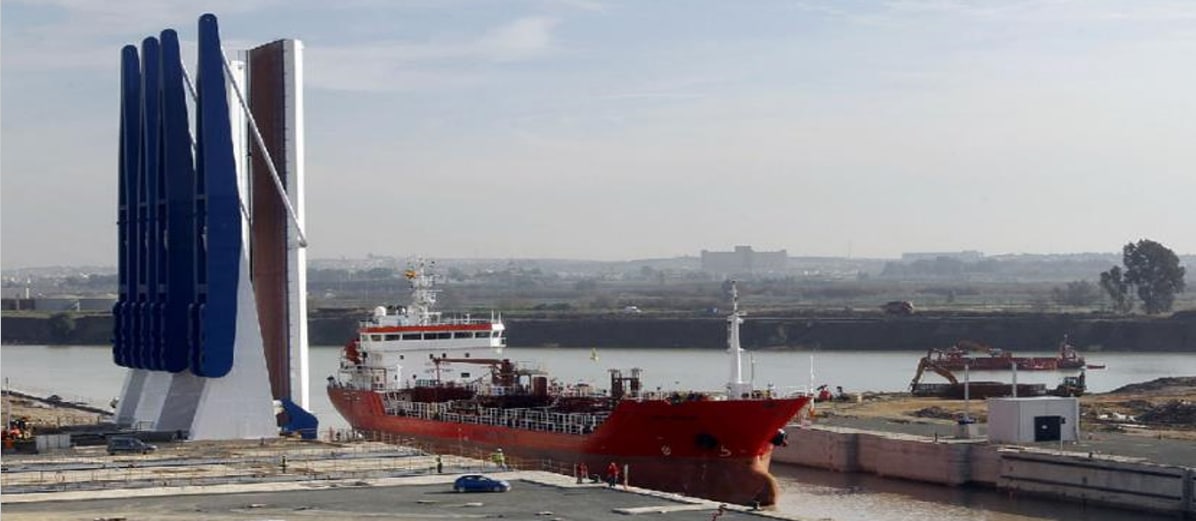
In August, the AIRIS Synchro project came to a close. Led by the Seville Port Authority (APS) and based on technology pilot programs, it integrates synchromodality between maritime and land transport (ship, railway and truck) with monitoring of the waterway and the management of operations on the docks. As an inland seaport, the Port of Seville has excellent connections between ships, trains and trucks, making it a multimodal port and a fundamental link in logistics chains.

AIRIS Synchro integrates synchromodality between maritime, land and rail transport with monitoring of the waterway and operations at the docks. It does so through pilot programs and technology solutions to optimize the control and coordination of different modes of transportation in real time, and to develop multimodal planning. To this end, it integrates systems and databases extracted from the digitization of the waterway, from Smart Transport Systems (STS) and port terminals, and provides the Port of Seville with tools for managing and planning land traffic, and also to conduct navigation studies to optimize speeds and maximize the use of the channel; as well as to learn more about tides and better plan mooring times.

In this innovative project, Sener was responsible for the technical management, working together with the universities of Seville and Málaga and the technology companies Serviport and Siport21.

On the technological side, Sener contributed its experience in digitization, as well as in the field of designing and integrating STS systems, both road and rail, but, above all, its knowledge of port operations. Notable among the pilot programs proposed as part of the project are:

  • A truck slot system. A mobile app that allows carriers to reserve the time slot when they plan to arrive at the terminal.
  • A railway operations planner. This system plans the optimal route on the rail-port network, taking into account all the operations during the journey.
  • A system to monitor the daily planning of transportation modes that collects and displays data to synchronize processes throughout the logistics chain.
  • A module that can work with the travel planner developed in AIRIS I, which integrates tide predictions due to weather phenomena and external factors along the Guadalquivir River.
  • A module related to ship navigation and optimal entrance and exit slots. The solution consists of updating the table with maximum allowable drafts for port entry and exit based on ship length.

With AIRIS Synchro, the port of Seville is further digitizing with better coordinated operations, lower logistics costs and shorter freight movement times. It is also making progress in sustainability and energy savings.

This modernization is the result of long-term planning by the Port of Seville, which previously launched initiatives such as AIRIS-PS (Advanced Implementation of RIS in the Port of Seville). In this project, the Seville Port Authority awarded Sener the design and supervision of pilot projects to implement the European RIS (River Information Services) standard, and thus expand its knowledge of the waterway and improve its management.

AIRIS Synchro has a budget of 1.7 million euros, 50% of which is provided by the European CEF (Connecting Europe Facility) mechanism, announced in 2018. The European program “Connecting Europe” prioritizes initiatives that help digitize maritime transportation and reduce carbon emissions within the Trans-European Transportation Network.

Sener’s Digital Twin contributes to the APM Terminals Callao award

Sener’s Digital Twin contributes to the APM Terminals Callao award

15/11/2022

The American Association of Port Authorities and the Inter-American Committee on Ports of the OAS have presented APM Terminals Callao (APMTC), concessionaire of the North Multipurpose Terminal in Callao, Peru, the 2022 Award for Excellence in the Port Industry, in the Technology and Innovation category.

The American Association of Port Authorities and the Inter-American Committee on Ports of the OAS have presented APM Terminals Callao (APMTC), concessionaire of the North Multipurpose Terminal in Callao, Peru, the 2022 Award for Excellence in the Port Industry, in the Technology and Innovation category.

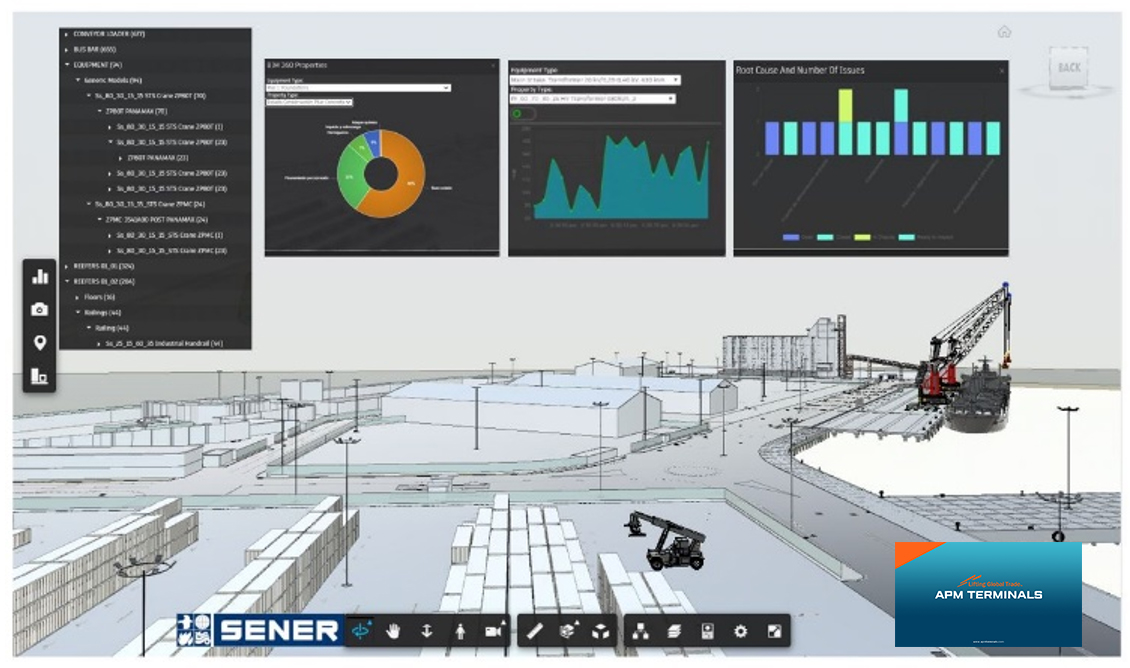
The award went to APMT Callao for having implemented at this terminal – one of the largest and most complex container port terminals in Latin America – various innovations, automation systems and technological advances, including a digital twin, a solution developed by Sener at the request of the Project Implementation Team to improve the management of infrastructure projects in the north multipurpose terminal of Callao.

Sener developed this digital twin using the BIM methodology, a first in the sector, which to date did not have an application of these characteristics developed using this methodology. By employing BIM, the pioneering digital twin of APMT Callao not only guarantees maximum reliability in terms of functional, technical and operational uses, but it also makes it possible to gradually integrate the new technologies and management systems that are being implemented in the organization, such as the Asset Digitization developed by APMT.

Characteristics of Sener’s digital twin for APMTC

The digital twin developed by SENER has allowed APMTC to manage infrastructure assets since 2020. It is a data-based solution with integration flows that are used to manage large data processes and computational power for larger virtual worlds. This tool makes it possible to check the status, maintenance, dimension and operations of its infrastructure assets, structured by functional processes, and to manage and adapt new innovations. The latter has proved crucial for the proper operation of the terminal, as this is a brownfield terminal whose operation is very complex.

The Digital Twin provides a structured database for the information and documentation generated during the project life cycle. Having this information is vital when validating objects, systems and designs. In addition, the information is portable and coded, meaning that any authorized individuals can access it even when they are not connected, through a virtual and autonomous, non-immersive experience, displayed on computers and mobile devices such as tablets and smartphones. The digital architecture is modular, flexible, synchronized, and easily expandable, and is able to adapt to the different functional needs of the Terminal. It allows users to isolate elements, such as road surfaces, and discover underground and hidden public services.

It also lowers the risk of the operation and can be used to size areas for different commercial purposes, thus facilitating future designs. It has also improved communication with suppliers and among workers by providing them with tools to enable virtual presence, interactive virtual encounters, virtual presentations, and more.

All the progress and work can be searched for in the timeline and by version, allowing for comparisons and review of changes in real time. The digital twin replicates the operation and characteristics of objects and systems, meaning it can help teams understand the terminal, as well as anticipate future scenarios and problems in order to optimize solutions.

Sener’s digital twin allows APMT Callao customers to reliably manage their infrastructure assets at one of the main Pacific port terminals in Latin America.

In the words of Sener’s Manager of Ports, Xavier Pascual: “We are very pleased to have helped modernize the Port of Callao’s Multipurpose North Terminal with our digital twin. We are honored to have been selected by APMT Callao from among other vendors to guide it in its innovative project for this important port hub. Congratulations on the award, which recognizes the effort and determination of APMT Callao to turn Peru’s port sector into a technology leader.”

At this time, Sener is still working with the client on the training, maintenance and familiarization of the solution implemented under the leadership of Michael Diaz, Engineering Manager of APMT Callao.

“My vision is to integrate our local digital twin with the development of Asset Digitization promoted by the company globally and with the recently implemented automated systems, so as to have a robust tool that helps us manage Big Data and transform it into information that helps us make decisions to optimize the operation of the multipurpose terminal and ensure constant improvement. When we invited Sener to be part of this vision, we found a highly competent partner that integrated information that, until then, had been scattered, into a reliable digital twin. The applications will be available soon and will be useful for us in the short term to redesign the terminal,” says Leonardo Tello del Pino, Project Implementation Manager at APMT Callao.

Sener is part of the design team for the Ontario Line metro in Toronto

Sener is part of the design team for the Ontario Line metro in Toronto

10/11/2022

This important project will shorten travel times and put 227,500 more people within walking distance of transit

Sener is part of the design team for the approximately 7-kilometre southern portion of the Ontario Line metro in Toronto (Canada). Sener has been selected to carry out the design, along with three other companies, by the construction consortium Ontario Transit Group, formed by Ferrovial and Vinci.

The new Ontario Line will be a fast, stand-alone mass transit line that will span a total of 15.6 kilometers from Exhibition/Ontario Place to the Ontario Science Centre. The Southern Civil, Stations and Tunnel contract will require the construction of 6 kilometres of tunnels and seven stations, six of them underground. Once in operation, the Ontario Line will put an estimated 227,500 people within a 10-minute walk of a transit station. The project will also significantly relieve congestion on the existing Line 1 (Yonge-University) metro.

Sener has been very active in the Canadian Rail & Transit Sector, currently working on significant projects in 5 different cities: Finch West LRT, Eglinton Crosstown West Extension and OnCorr projects in Toronto; the Réseau Express Métropolitain in Montreal; the Confederation Line and Trillium Line in Ottawa; and Valley Line West Extension in Edmonton.

Sener accredited as Independent Safety Assessor in Canada

Sener accredited as Independent Safety Assessor in Canada

08/11/2022

This important project will shorten travel times and put 227,500 more people within walking distance of transit

Sener is part of the design team for the approximately 7-kilometre southern portion of the Ontario Line metro in Toronto (Canada). Sener has been selected to carry out the design, along with three other companies, by the construction consortium Ontario Transit Group, formed by Ferrovial and Vinci.

The new Ontario Line will be a fast, stand-alone mass transit line that will span a total of 15.6 kilometers from Exhibition/Ontario Place to the Ontario Science Centre. The Southern Civil, Stations and Tunnel contract will require the construction of 6 kilometres of tunnels and seven stations, six of them underground. Once in operation, the Ontario Line will put an estimated 227,500 people within a 10-minute walk of a transit station. The project will also significantly relieve congestion on the existing Line 1 (Yonge-University) metro.

Sener has been very active in the Canadian Rail & Transit Sector, currently working on significant projects in 5 different cities: Finch West LRT, Eglinton Crosstown West Extension and OnCorr projects in Toronto; the Réseau Express Métropolitain in Montreal; the Confederation Line and Trillium Line in Ottawa; and Valley Line West Extension in Edmonton.

Sener Foundation volunteers complete engineering study to improve the production process for whole cane sugar in Peru

Sener Foundation volunteers complete engineering study to improve the production process for whole cane sugar in Peru

02/11/2022

The engineering study is part of the project to improve the social and production aspects of whole cane sugar in Sierra de Piura (Peru), carried out in partnership with ICLI and the University of Piura.

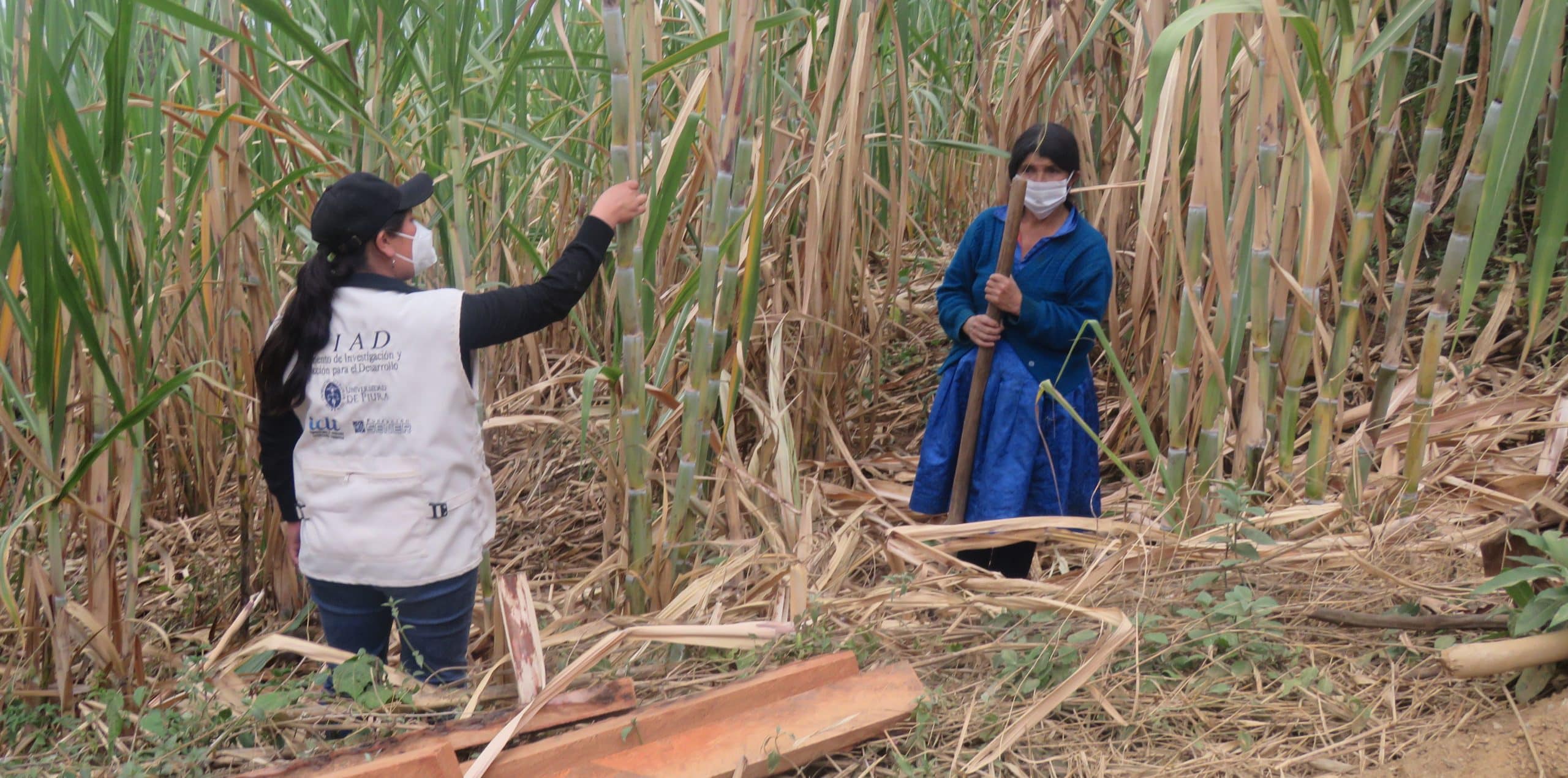
Volunteers with the Sener Foundation have completed the engineering study conducted as part of the project to improve the social and production aspects of whole cane sugar in Sierra de Piura (Peru), in collaboration with the NGO Ingeniería para la Cooperación – Lankidetzarako Ingeniaritza (ICLI) and the civil association Fomento de Investigación y Acción para el Desarrollo (FIAD) of the University of Piura (Peru). The work of Sener’s staff focused on identifying various improvements throughout the entire production process in order to modernize and optimize it.

In total, more than 500 hours of engineering have resulted in the proposed improvements, which focused primarily on creating by-products derived from the production of whole cane sugar; recovering the heat used throughout the production process; incorporating instrumentation into the production and composting.

The project coordinator for ICLI, and Sener engineer, Imanol Iraragorri, stated that “the involvement of the Sener Foundation and the participation of the Sener Engineering team and the University of Piura, together with ICLI, in this project has provided an example of how different parties have to collaborate in order to develop the technology needed to achieve the goal of improving the conditions of the most disadvantaged people living in the Piura highlands.”

For her part, the director of the Sener Foundation, Rosana Madroñal, noted that “we are very proud of this project, of the work that has been done in the Sierra de Piura through the different training courses and, above all, we are very proud of our volunteers who have made their engineering knowledge and expertise available to the people of Piura in order to improve their daily lives and, ultimately, their quality of life.

Isabel Soto, a Sener engineer and volunteer on the project, pointed out that “what I liked most about the project was the interaction with the University of Piura and how they brought us closer to the final goal of the project, and their constant willingness to help.” Juan José Milla, a Sener engineer and also a volunteer, stressed that “this project required a change of mentality, since it forced us to propose effective solutions that are tailored to what the beneficiaries need.”

As a whole, the project, in addition to the engineering study to improve the production process, required a social effort to plant more than 6 hectares of sugarcane seeds, and provide technical training on the cultivation of sugarcane, as well as literacy courses, to more than 40 people. In addition, 130 people benefited from the training on planning, organization and association.

The result was a comprehensive project – undertaken in one of the most disadvantaged areas of Peru – that seeks to improve the living conditions of families in the Piura highlands that produce whole sugar cane. And it did so by training the women there and by sharing with them the engineering knowledge of Sener’s personnel in order to improve the production process.

The involvement of the Sener Foundation and Sener in this project is yet another example of the group’s commitment to society and to the more social aspect of sustainability. Sener has been committed to its professionals, the environment and society since its founding, and seeks to improve its environment through engineering, technology and innovation.

First actuators from the DTA10 series by SENER Aeroespacial in space

27/10/2022

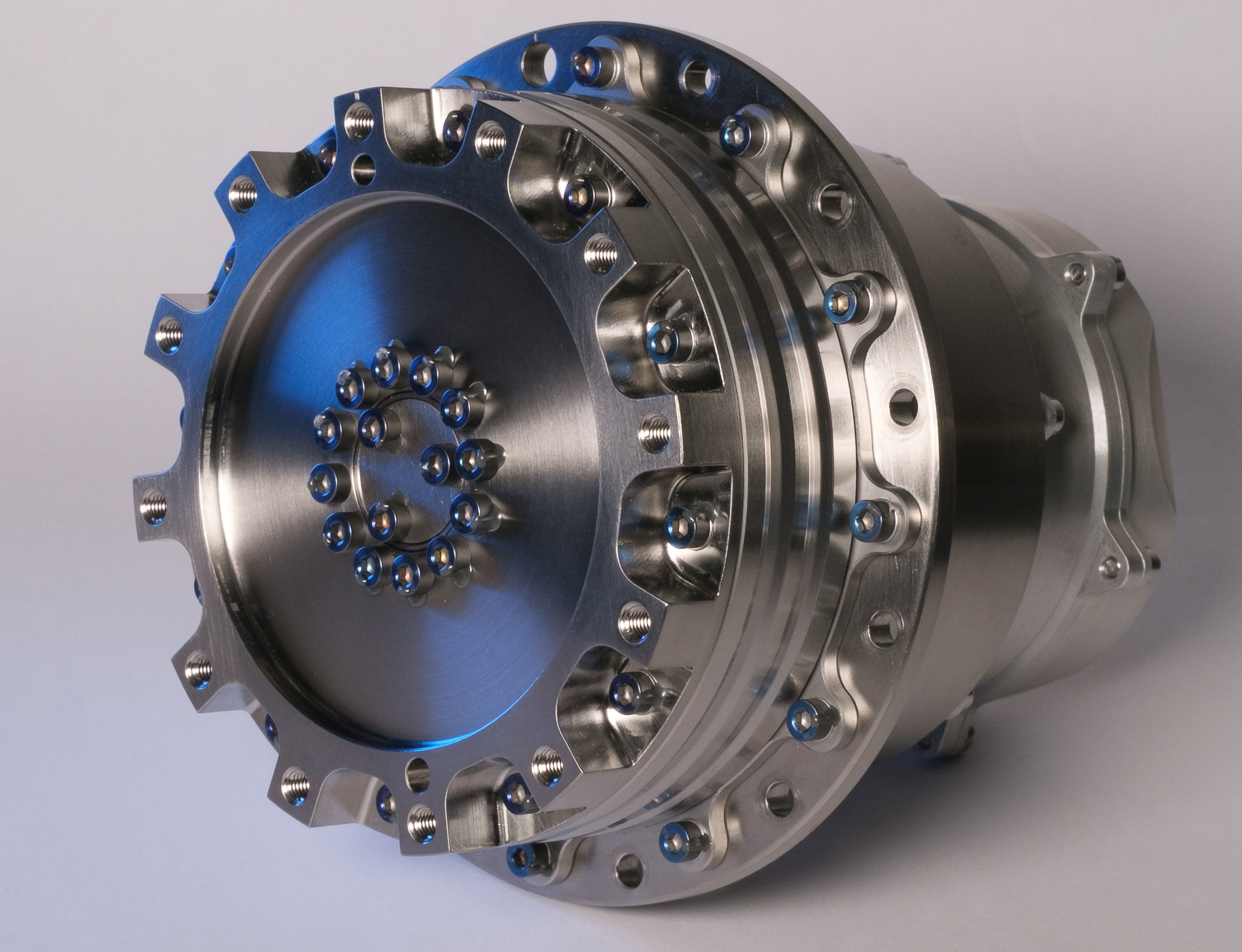
The first six actuators of the more than 100 currently in series production by SENER Aeroespacial have been successfully launched and operated in space aboard the Hotbird 13F satellite.

The first six actuators of the more than 100 currently in series production by SENER Aeroespacial have been successfully launched and operated in space aboard the Hotbird 13F satellite.

The Hotbird13F satellite is the first satellite based on the 100% electric Neosat platform. The actuators of the DTA10 series operate on the electric propulsion module of the Nosaat and Onesat platforms and on the deployable radiator of Airbus Space and Defence’s Neosat platform. Our actuators have already performed the pointing of the spacecraft’s electric thrusters, which is critical for the spacecraft to reach its operational orbital position.

These actuators reach TRL9 level, culminating a design, verification and validation process initiated with our own R&D funds and an ARTES program. This effort responded to the strategic decision to provide the market with a family of rotary actuators with high holding torque (DTA) and which are manufactured in series continuously from 2018 to the present day.

The rotary actuator R&D activity has developed other models of various sizes and performance, offering the market a product family that covers a wide spectrum of performance and functionalities. All our DTA actuators also include our SUM electric motors, designed and manufactured at SENER Aerospace. Another element of the DTA family is for example the DTA6-201 actuator, which will fly on the Spainsat mission.

27/10/2022