






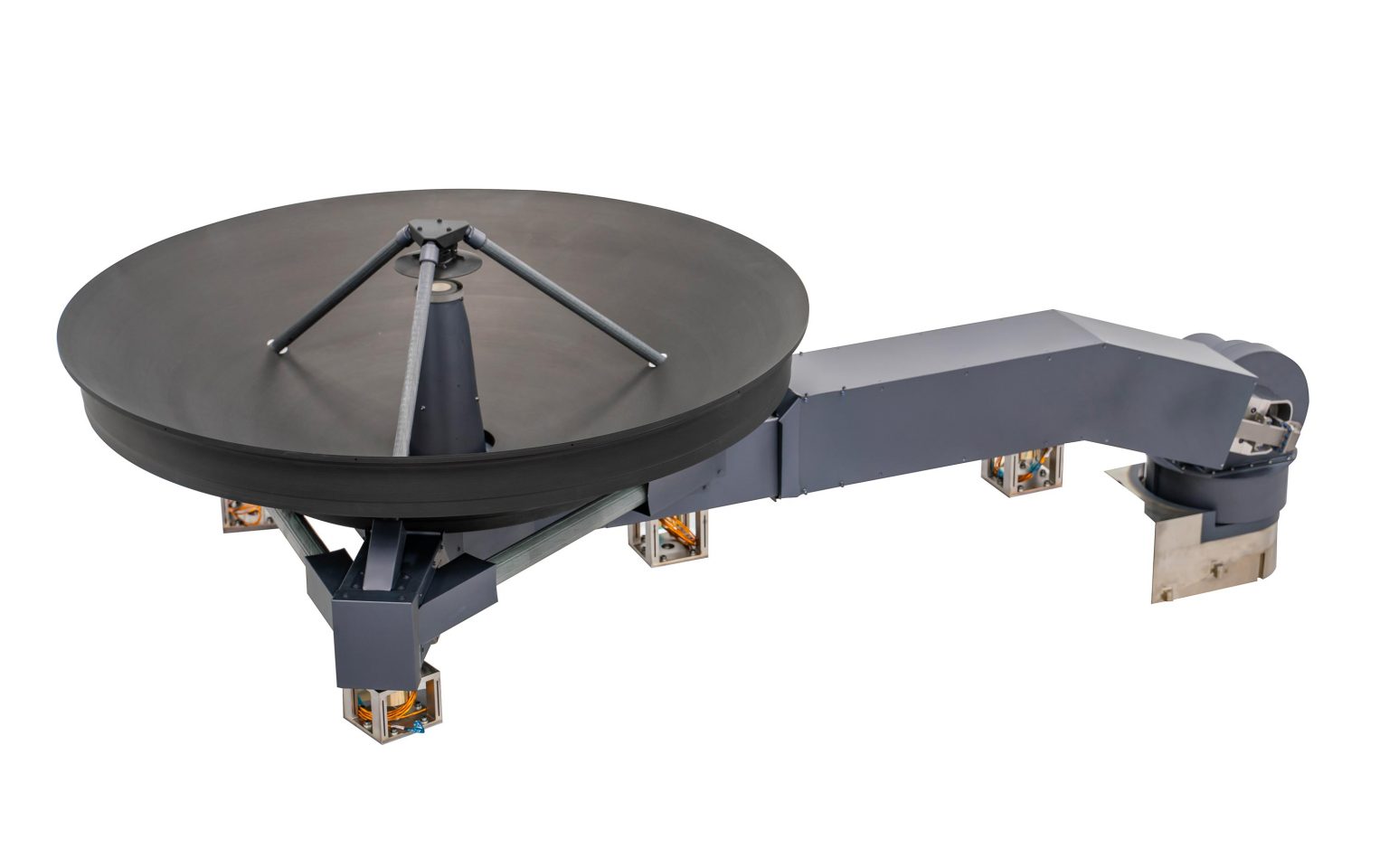
Solar Orbiter High Gain Antenna Subsystem (HGA S/S)
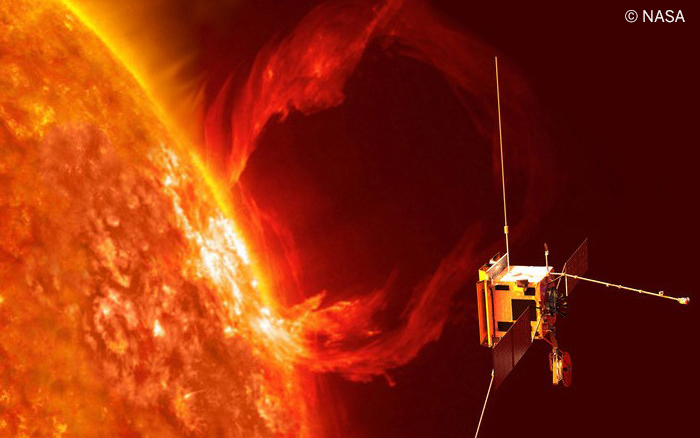
Solar Orbiter High Gain Antenna Subsystem (HGA S/S)
1 5
Sener Space / Communications in Space / Space
Solar Orbiter High Gain Antenna Subsystem (HGA S/S)
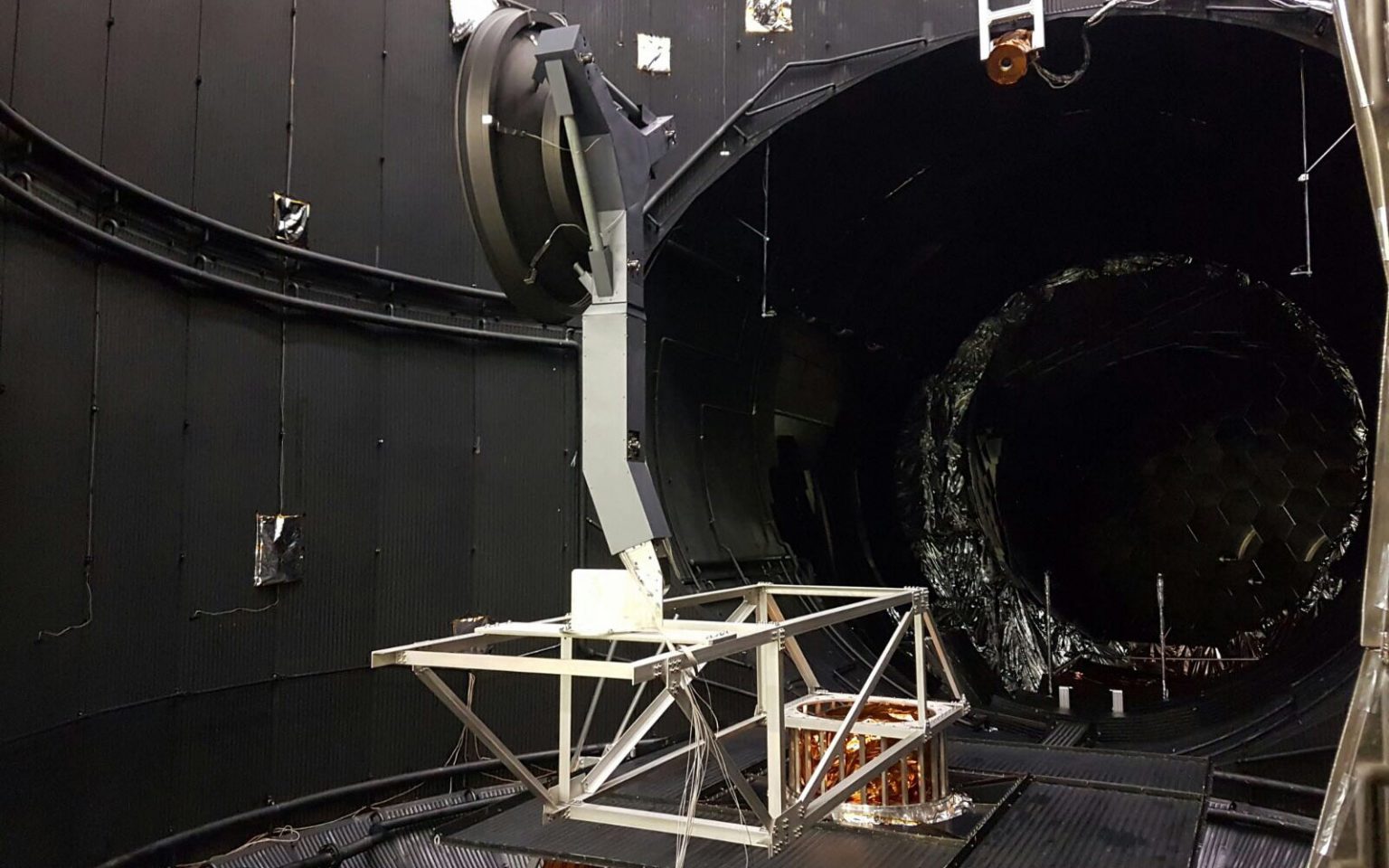
Client: Airbus DS UK / ESA
Country: Space

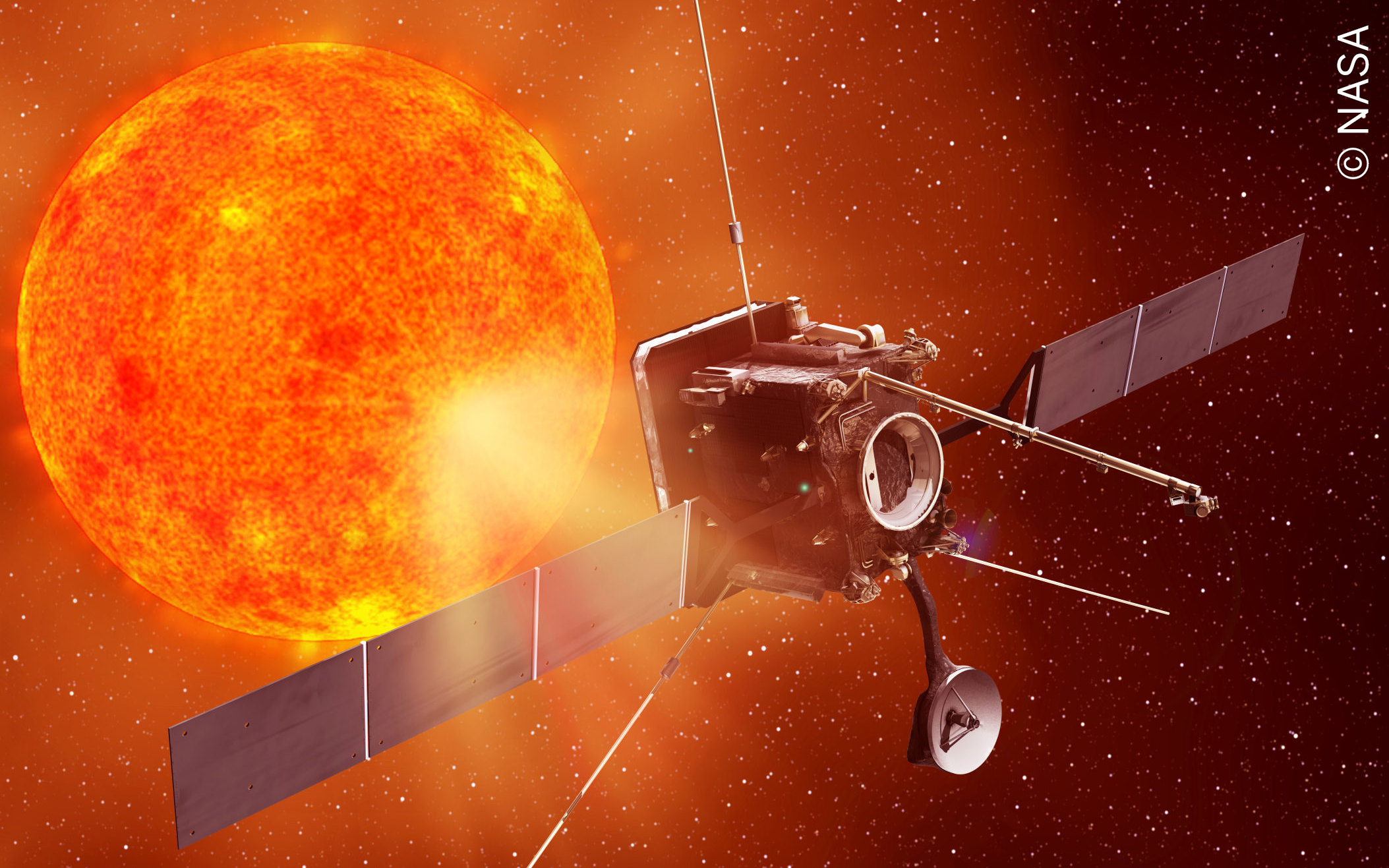
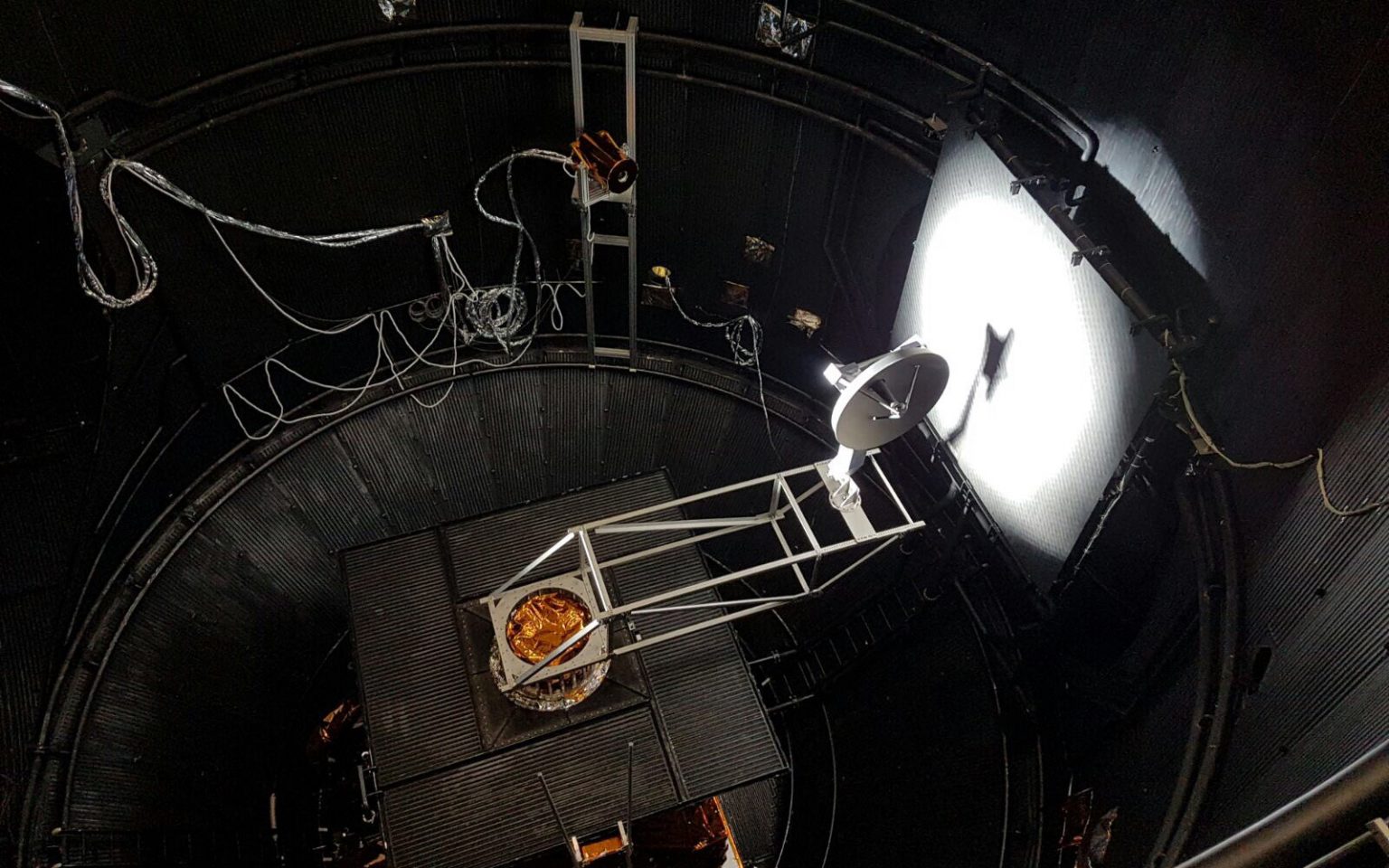
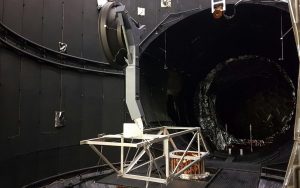
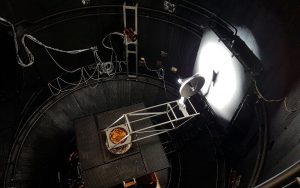
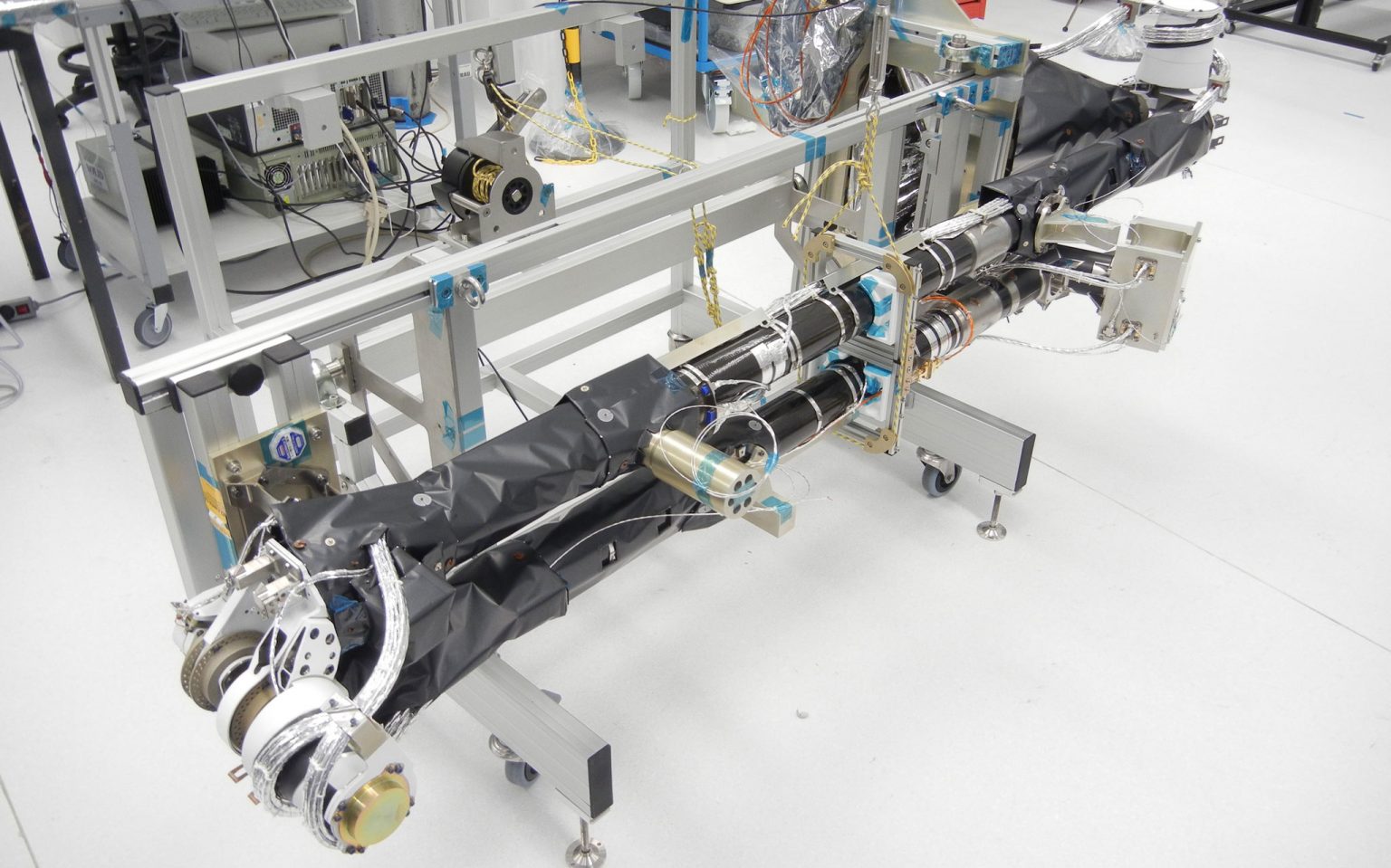
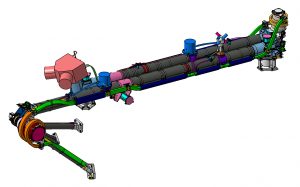
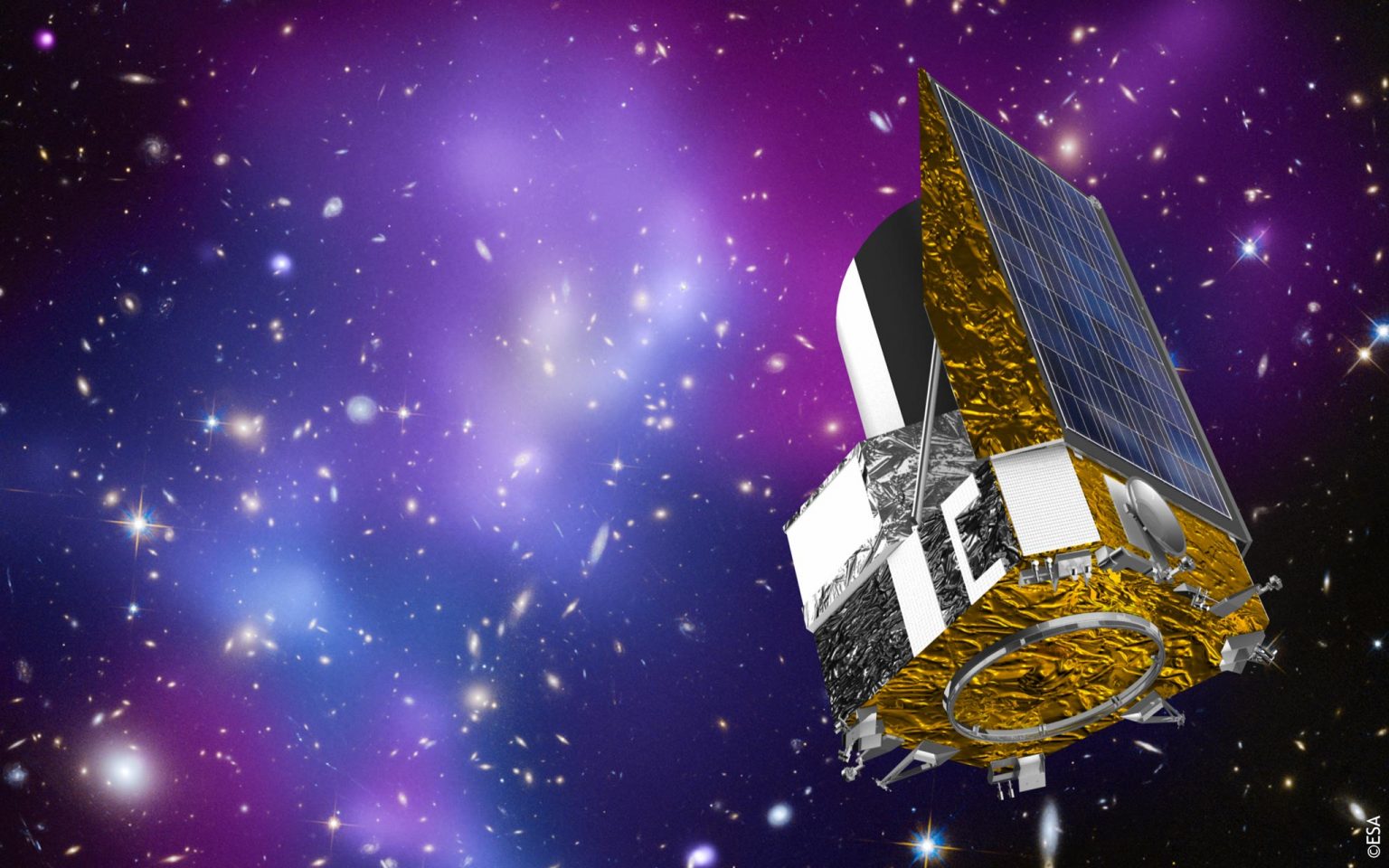
The main objective of the project was to design, manufacture, integrate, test and deliver the satellite’s complete antenna subsystem. This subsystem comprises four independent devices:

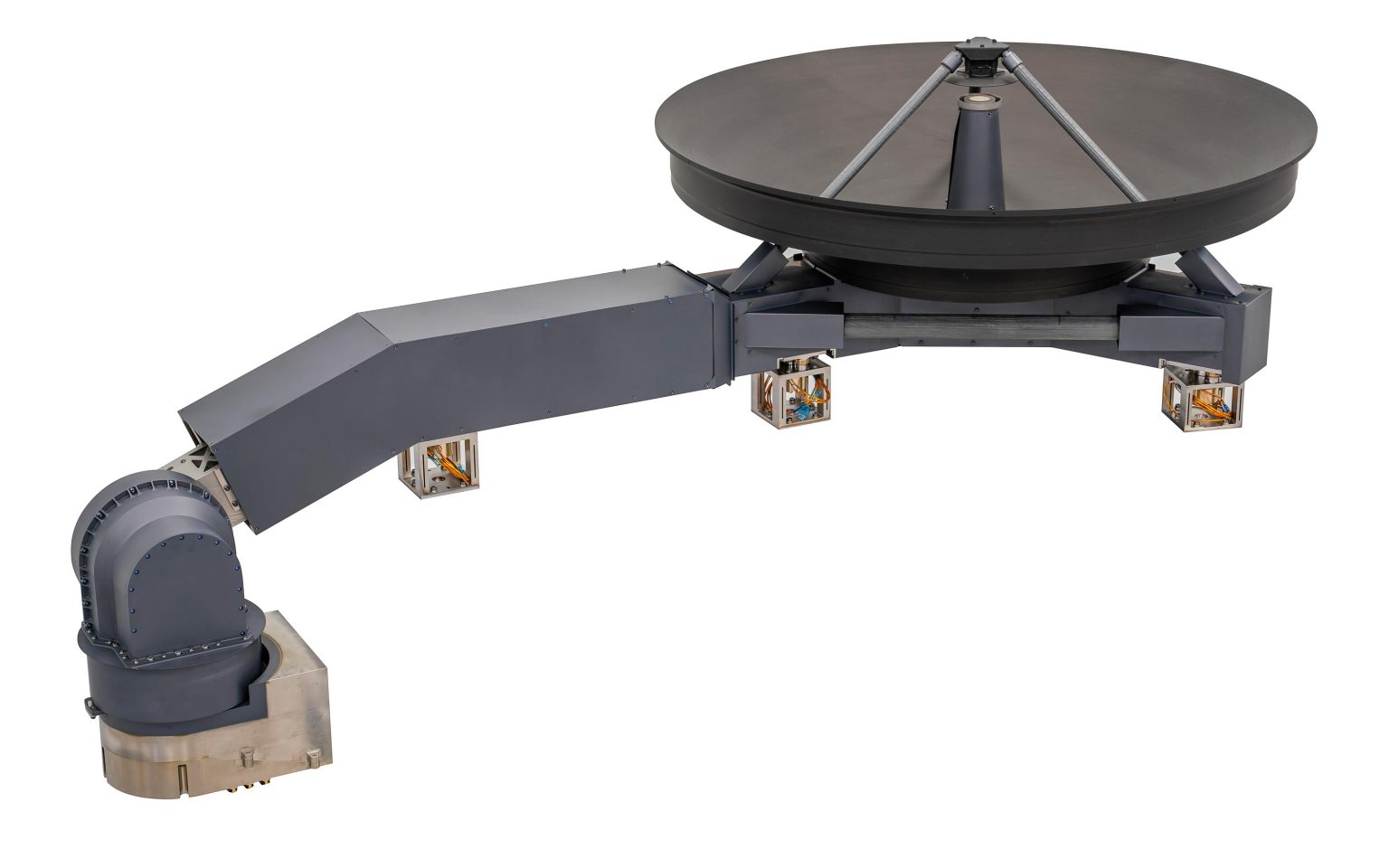
High Gain Antenna Major Assembly (HGAMA)

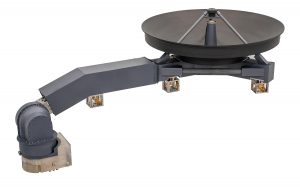
In turn, the HGAMA consists of:

  • An “axially displaced ellipse” reflector antenna made of titanium whose main reflector has a diameter of 1100 mm.
  • A boom that permits antenna operation separately from the satellite.
  • A two-axis antenna pointing mechanism (APM).
  • Thermal shields and blankets to protect the entire assembly.
Read more

The main objective of the project was to design, manufacture, integrate, test and deliver the satellite’s complete antenna subsystem. This subsystem comprises four independent devices:

High Gain Antenna Major Assembly (HGAMA)

In turn, the HGAMA consists of:

  • An “axially displaced ellipse” reflector antenna made of titanium whose main reflector has a diameter of 1100 mm.
  • A boom that permits antenna operation separately from the satellite.
  • A two-axis antenna pointing mechanism (APM).
  • Thermal shields and blankets to protect the entire assembly.
  • Four Hold-down and Release Mechanisms
  • Antenna Pointing Mechanism Electronics (APME) located inside the satellite to control antenna pointing.

Medium Gain Antenna Major Assembly (MGAMA)

In turn, the MGAMA consists of:

  • A horn antenna
  • A 700-mm boom to articulate the antenna.
  • Heat shield for the boom and thermal protection blankets of the APM.
  • A Hold-down and Release Mechanism
  • A single-axis Antenna Pointing Mechanism (APM) at the end of the boom.
  • Antenna Pointing Mechanism Electronics (APME) located inside the satellite.

The MGAMA has certain similarities with the assembly of the same name being developed at Sener for the BepiColombo Mission.

Low Gain Antennas (LGAs)

Two Low Gain Antennas (LGAs) with semi-omnidirectional coverage, the combination of which allows the satellite to establish a communications link with the Earth in emergences or loss of attitude.

  • Characteristics:
  • The high gain antenna operates on the X band with gains of more than 36.5 dBi in downlink and more than 35.0 dBi in uplink.
  • The antenna operates at a power of 48.45 dBm in the required setting at less than 0.28 AU (astronomical units). The temperatures it must withstand during the science phase are 585ºC in areas exposed to the sun, and it has a special coating developed specially to guarantee that it will operate even in such a harsh environment.
  • The unit operates on two axes at speeds of 0.5º/seconds with pointing stabilities compatible with the radio-frequency requirements.
  • The medium gain antenna also operates on the X band with a gain of 22.3 dBi in downlink and 20.5 dBi in uplink with a power of 48.48 dBm. The antenna also operates during the science phase at the minimum distance from the sun, withstanding temperatures of 550ºC.
  • The low gain antenna operates during the phase closest to Earth on the X band, transmitting the satellite’s telemetry data.  
Read less

Related content

10.22.2025 Science & Earth observation / Space
05.16.2016 Science & Earth observation / International

Contact us

Contact us to find out how we can help you.
SOLAR ORBITER. Instrument boom

SOLAR ORBITER. Instrument boom

1 3
Sener Space / Science & Earth observation / International
SOLAR ORBITER. Instrument boom
Client: ADS UK / ESA
Country: International

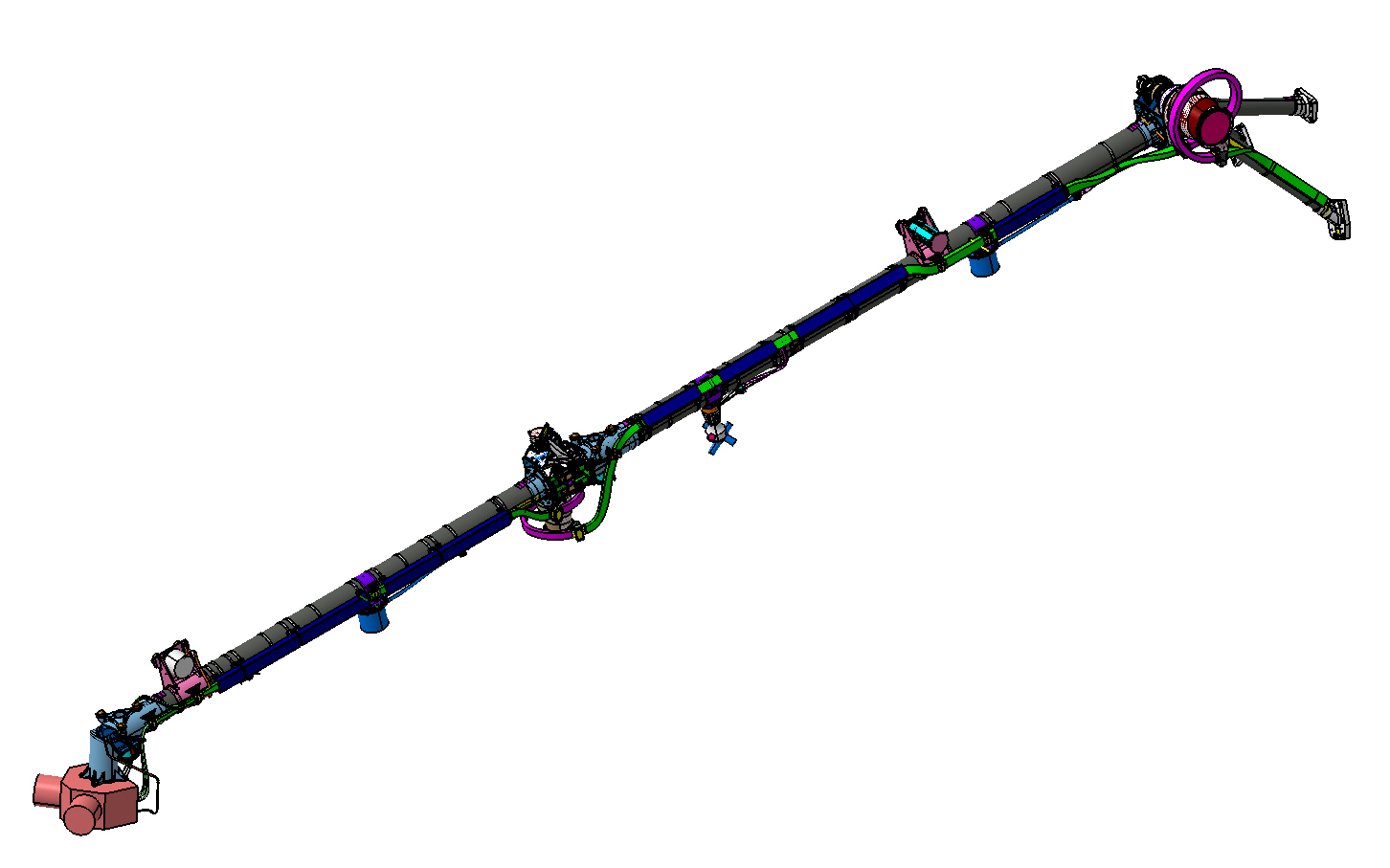
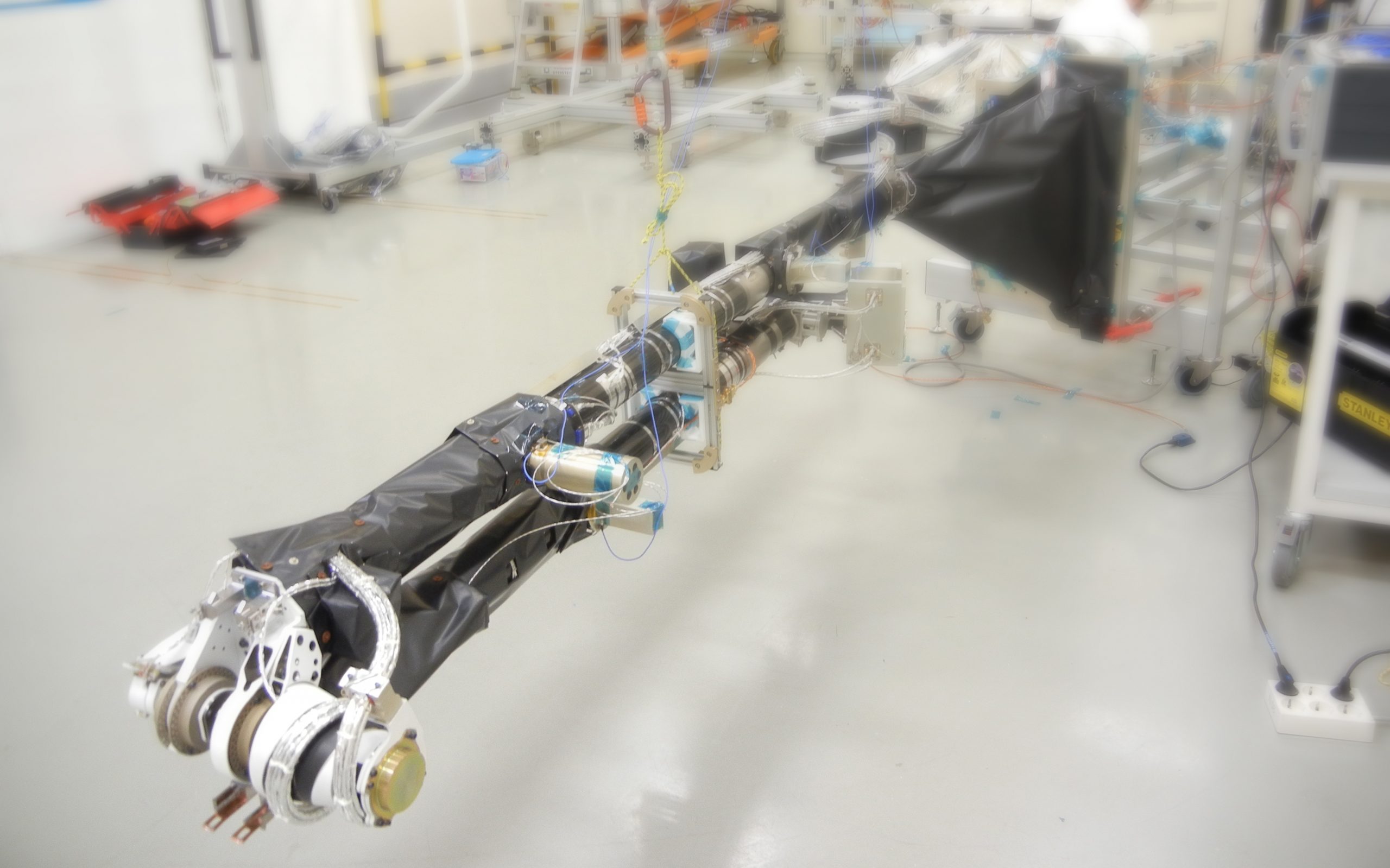
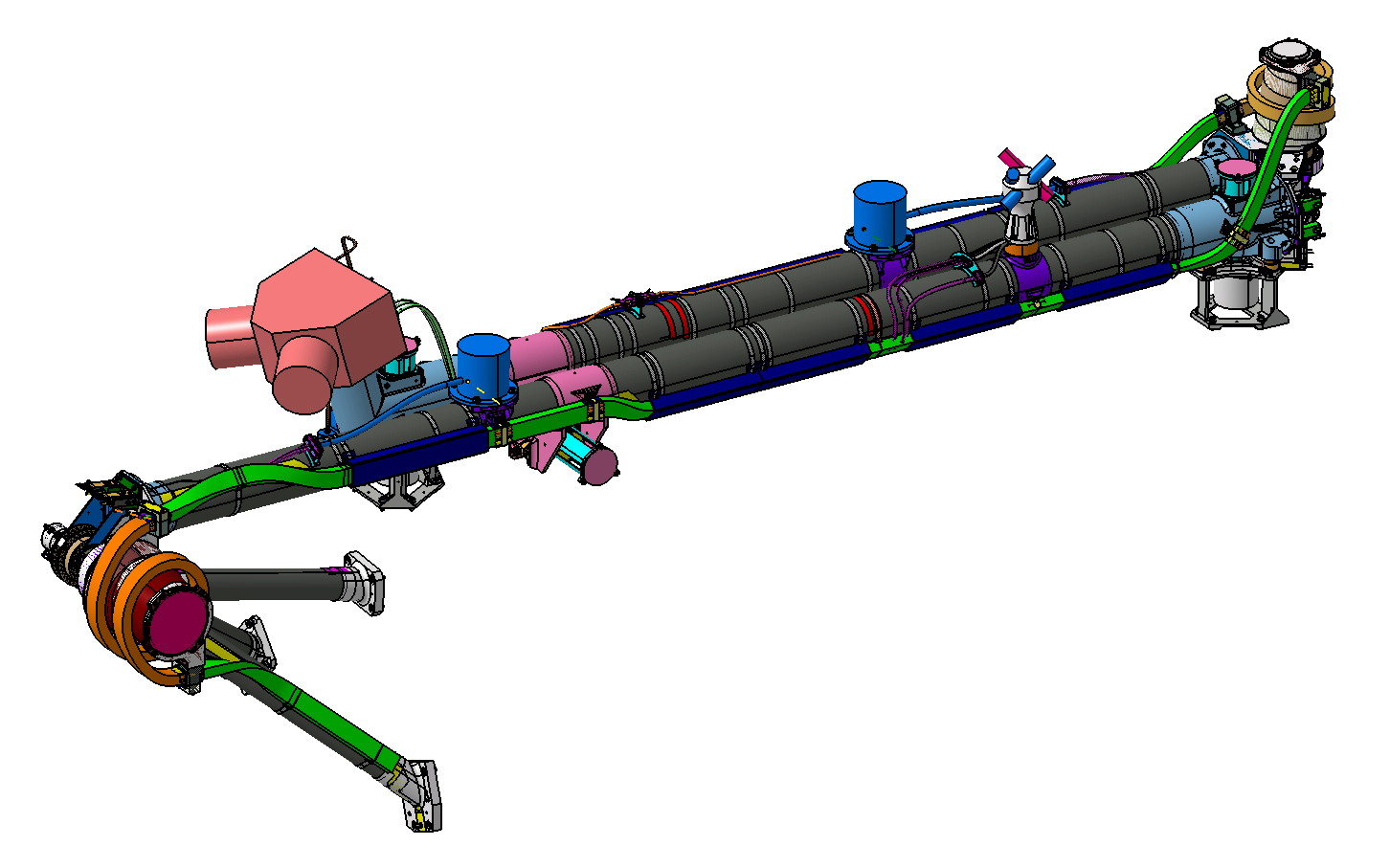
The Solar Orbiter deployable boom function is to support and deploy four instruments which, due to their sensitivity to magnetic fields, need to be placed far from the electromagnetic disturbances generated by the satellite.

It consists of three rigid sections joined by two deployment mechanisms. Each section consists of titanium pieces affixed to CFRP pipes. During launch, the boom remains undeployed and secured to the satellite’s panels by means of a tripod and two hold-down mechanisms, while a third hold-down mechanism keeps the two deployable sections joined together.

Read more

The Solar Orbiter deployable boom function is to support and deploy four instruments which, due to their sensitivity to magnetic fields, need to be placed far from the electromagnetic disturbances generated by the satellite.

It consists of three rigid sections joined by two deployment mechanisms. Each section consists of titanium pieces affixed to CFRP pipes. During launch, the boom remains undeployed and secured to the satellite’s panels by means of a tripod and two hold-down mechanisms, while a third hold-down mechanism keeps the two deployable sections joined together. Once in orbit, deployment takes place in two sequences. Initially the two hold-down mechanisms are released and both sections are rotated 195° by the internal deployment mechanism until a stop point is reached, which defines the deployed position. The intermediate moving mechanism is then released and the external section rotates 180° with regard to the internal section by means of the external deployment mechanism, reaching the deployed position.

The deployment mechanisms consist of one hinge with spherical bearings and are clock spring-actuated. A viscous damper is included for smooth deployment. The mechanisms have a mechanical end-of-deployment stop point together with a hook-up system. They also include a potentiometer as a position sensor plus switches to monitor the final positions.

In order to adapt the subsystem to the thermal atmosphere, thermal control is included, which comprises both passive elements (thermal blankets and paint with suitable thermal-optical properties), and active elements (electric heaters and thermistors).

The subsystem includes the instrument cable bundles, the wiring required to transmit the signals from the position sensors and the thermistors, and the wiring to supply power to the electric heaters.

One important characteristic is the routing and fixing of the wiring along the pipes and around the deployment mechanisms.

Due to the strict magnetic cleanliness requirements, as far as possible, all the materials used are amagnetic (titanium, aluminium, CFRP, Vespel, beryllium copper, etc.), and in unavoidable cases of materials with a certain residual magnetism, exhaustive demagnetisation is performed.

  • Characteristics:
  • Undeployed length: 2250 mm
  • Deployed length: 4400 mm
  • Subsystem mass: 35 kg
  • Instrument and wiring mass: 9.7 kg
  • Stiffness – undeployed: 80 Hz
  • Stiffness – deployed: 1.1 Hz
  • Deployment angle – internal articulation: 195º
  • Deployment angle – external articulation : 180º
  • Deployment times – first section: < 90 s
  • Deployment times – second section: < 90 s
  • Vibration  sine: 10 g
  • Vibration random: 13 grms
Read less

Contact us

Contact us to find out how we can help you.
Secondary Mirror Refocusing Mechanism (M2M) of the Euclid telescope

Secondary Mirror Refocusing Mechanism (M2M) of the Euclid telescope

1 3
Sener Space / Science & Earth observation / Space
Secondary Mirror Refocusing Mechanism (M2M) of the Euclid telescope
Client: ADS F / TAS-I / ESA
Country: Space

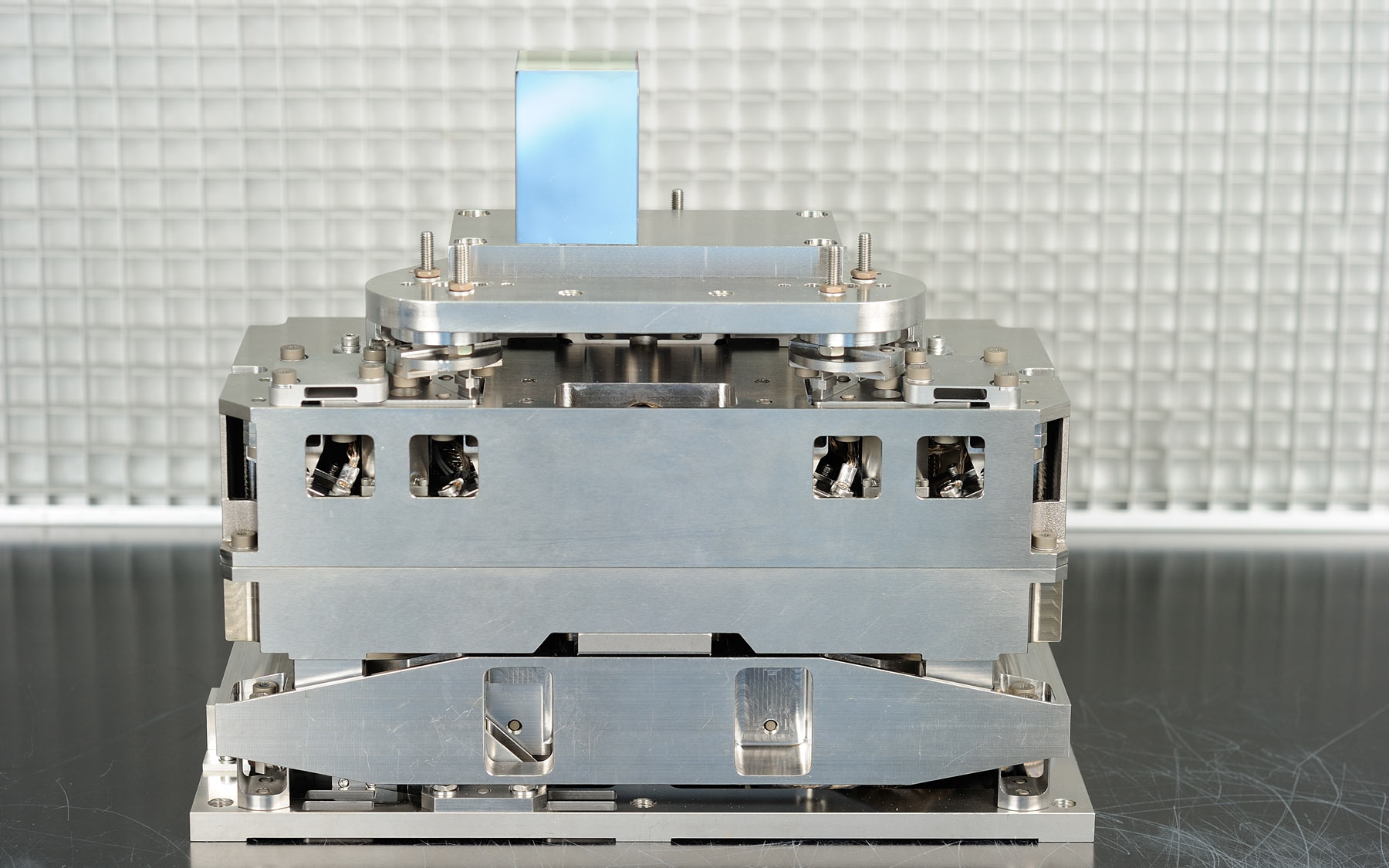
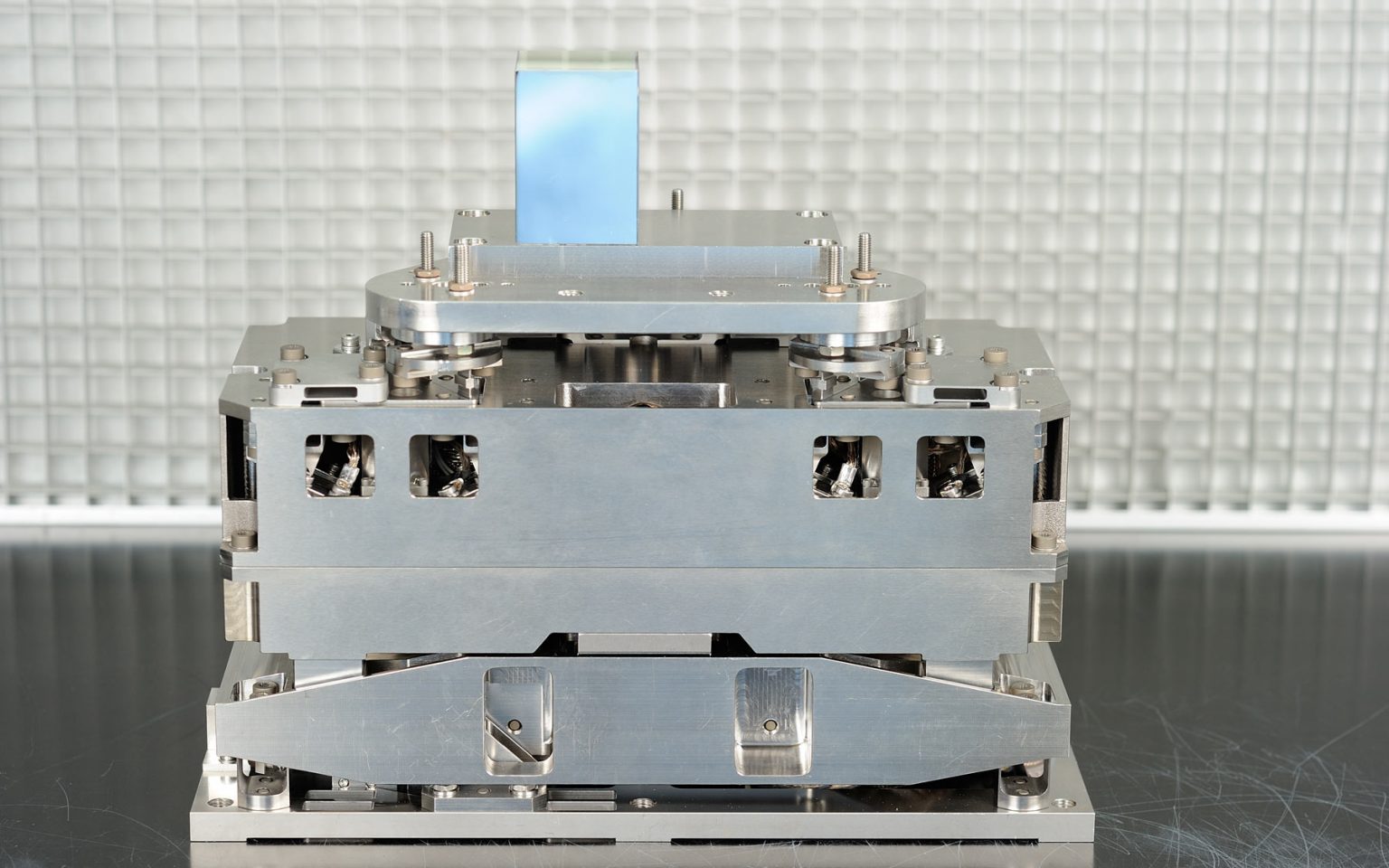
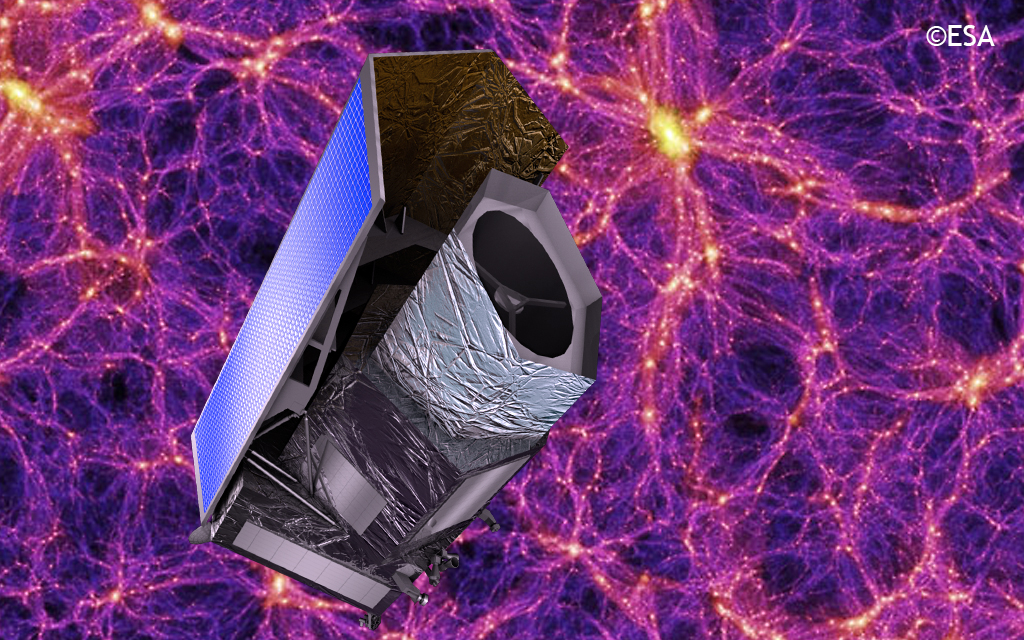
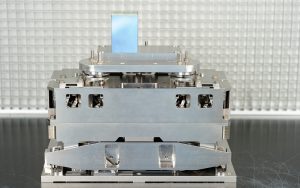
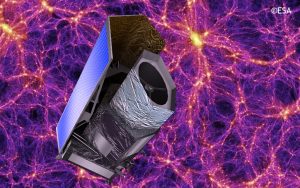
At Sener, we develop the Secondary Mirror Refocusing Mechanism (M2M). The M2MM is a positioning mechanism with 5 degrees of freedom which allows the movement and adjustment of the secondary mirror (M2M) of the Euclid telescope to guarantee the optical quality required in orbit, necessary to recover telescope misalignment caused by the difference in conditions between the earth and space.

Characteristics:

  • Radiation environment: The unit is designed to tolerate a uniformly distributed total dose of 22 krad inside the box.
Read more

At Sener, we develop the Secondary Mirror Refocusing Mechanism (M2M). The M2MM is a positioning mechanism with 5 degrees of freedom which allows the movement and adjustment of the secondary mirror (M2M) of the Euclid telescope to guarantee the optical quality required in orbit, necessary to recover telescope misalignment caused by the difference in conditions between the earth and space.

Characteristics:

  • Radiation environment: The unit is designed to tolerate a uniformly distributed total dose of 22 krad inside the box.
  • Mass: MDE 2.1 kg. Harness 1.6Kg. Mechanism 4.45 kg
  • Thermal:
       – MDE operating range: 250K – 313K; non operating range: 230K – 313K.
    – M2MM operating range: 110K – 313K.
    – Harness operating range from 110K to 313K and support a gradient of 203K.
    – Special cabling to connect the mechanisms to the electronics with low thermal conductivity.
    – Max. dissipation by conduction for MDE < 8W .
    – Max. dissipation by radiation for MDE < 2W.
    – Harness transfer in cryogenic zone < 0.0005 W in non-operational mode
  • Functional: Mechanical Resolution is half micron resolution over a travel of +/- 225 µm with stable positions and high load capability to withstand launch loads without losing a given position in a compact volume.
    – Positioning method based on a stepper motor.
    – Adjustment in 3 degrees of freedom of translation.
    – Adjustment in 2 degrees of freedom of rotation.
    – Linear resolution <0.050 μm.
    – Angular resolution <5μrad.
    – Range of linear operation 300 μm.
    – Range of angular operation 2mrad.
    – Precision of 2 μm for linear adjustments.
    – Precision of 30 μrad for angular adjustments.
  • Redundancy: Two fully redundant sections in a single box.
  • Power:  Each section powered by a 10W isolation converter.
  • Control: Each section provided with an “intelligent” device capable of decoding all telecommands received via serial channels, (MIL-STD-1553, preferred) providing the switching sequences required by the motors, and encoding the status information to provide serial telemetry.
    Compact electronics for the operation and control of the twin mechanisms (up to 10 degrees of freedom).
  • Motors drive: Ten independently biphased motors (with main and redundant wiring) can be managed by MDE main and redundant section in cold redundancy.
Read less

Related content

Contact us

Contact us to find out how we can help you with your projects.

AUTOPLAK Efficiency for the microbiology laboratory

07.08.2013 pdf

AUTOPLAK Efficiency for the microbiology laboratory

07.08.2013
Format: pdf

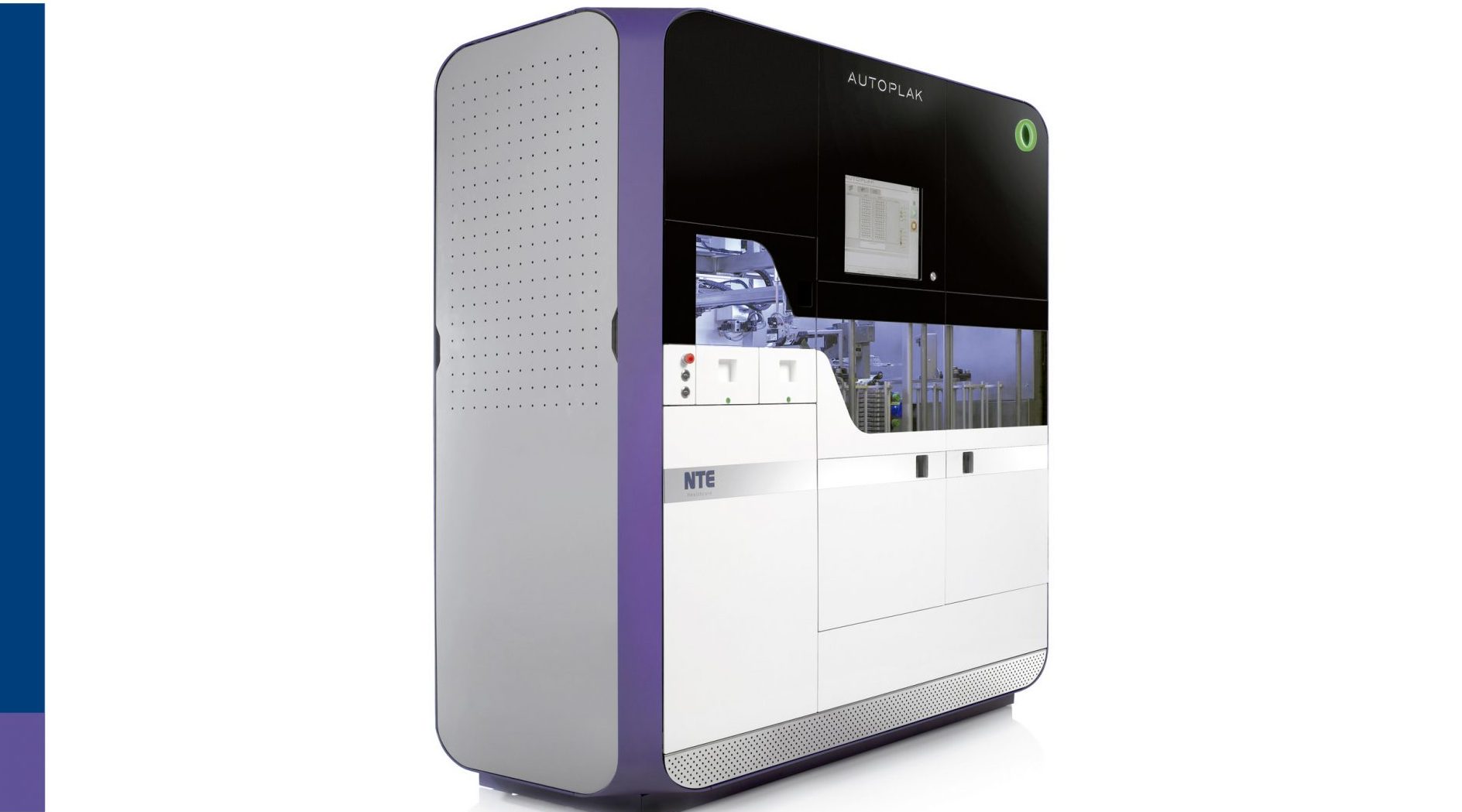
AUTOPLAK is an automatic sample inoculation and streaking system for Petri dishes in microbiology laboratories.

Fllight Models Delivered

08.17.2012 pdf

Fllight Models Delivered

08.17.2012
Format: pdf

AUTOPLAK is an automatic sample inoculation and streaking system for Petri dishes in microbiology laboratories.

High efficiency thermal cycles technology for municipal solid waste

03.22.2011 pdf

High efficiency thermal cycles technology for municipal solid waste

03.22.2011
Format: pdf

AUTOPLAK is an automatic sample inoculation and streaking system for Petri dishes in microbiology laboratories.