Seville
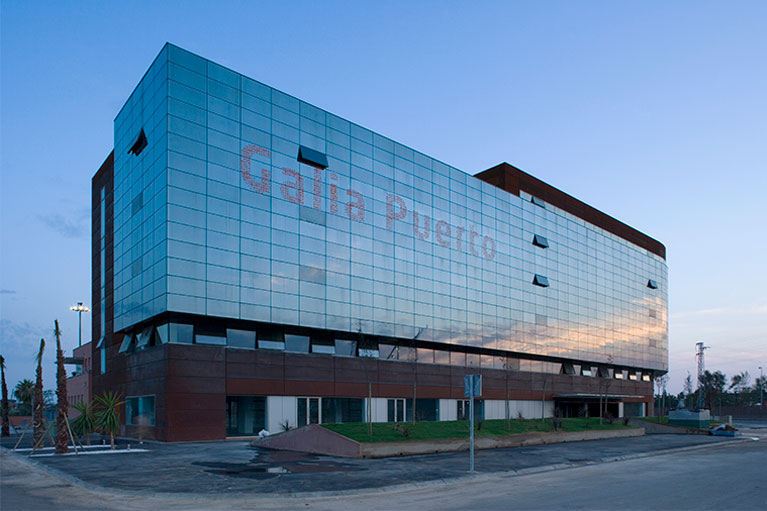
Edificio Galia Puerto Módulo 2, 1
c/ José Delgado Brackenbury, 11
(anteriormente Ctra. de la Esclusa)
41011 Seville
(España/Spain)
Edificio Galia Puerto Módulo 2, 1
c/ José Delgado Brackenbury, 11
(anteriormente Ctra. de la Esclusa)
41011 Seville
(España/Spain)
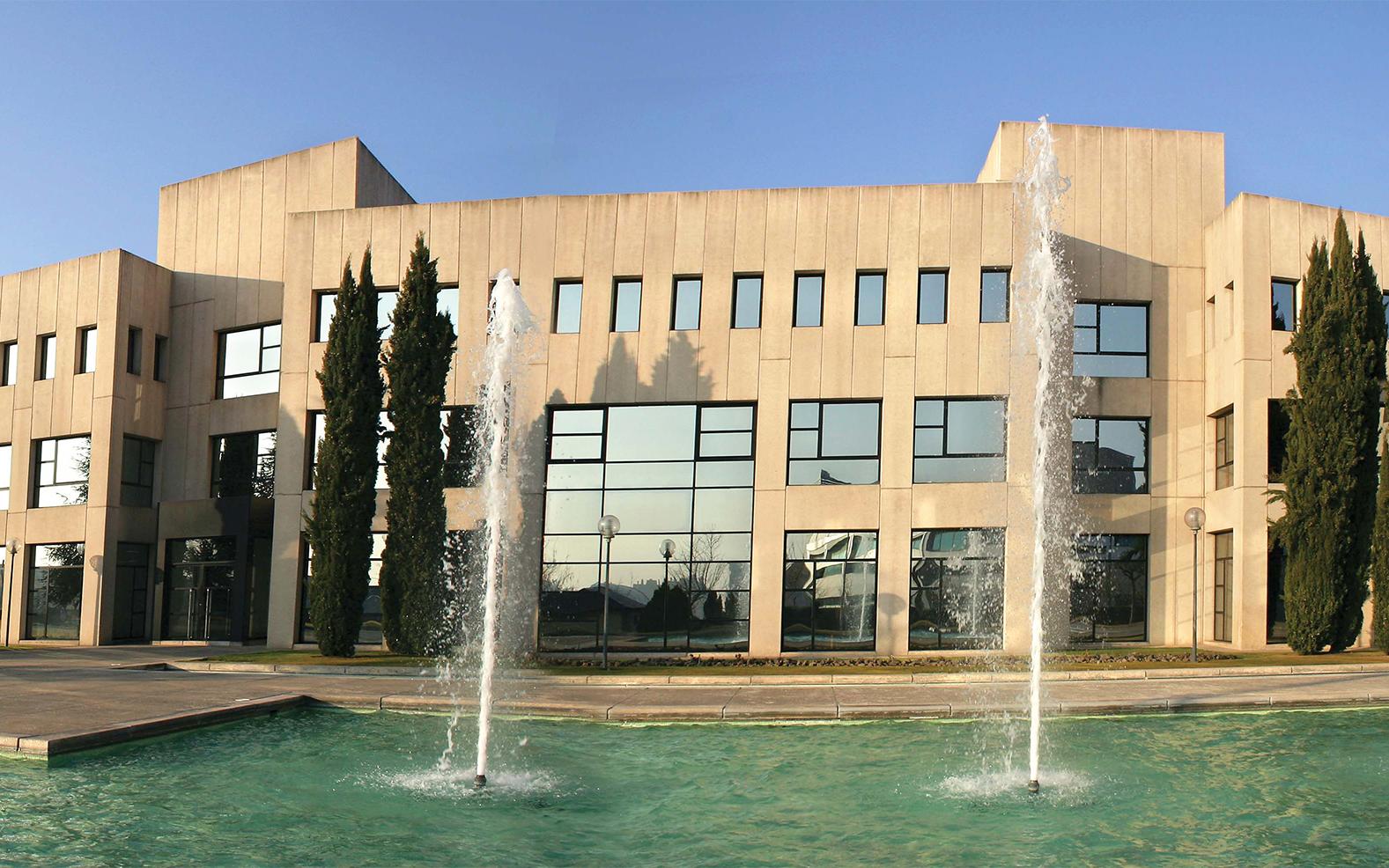
Calle Severo Ochoa 4
Parque Tecnológico de Madrid
28760 Tres Cantos, Madrid
(España / Spain)
Teléfono: +34 918 077 000
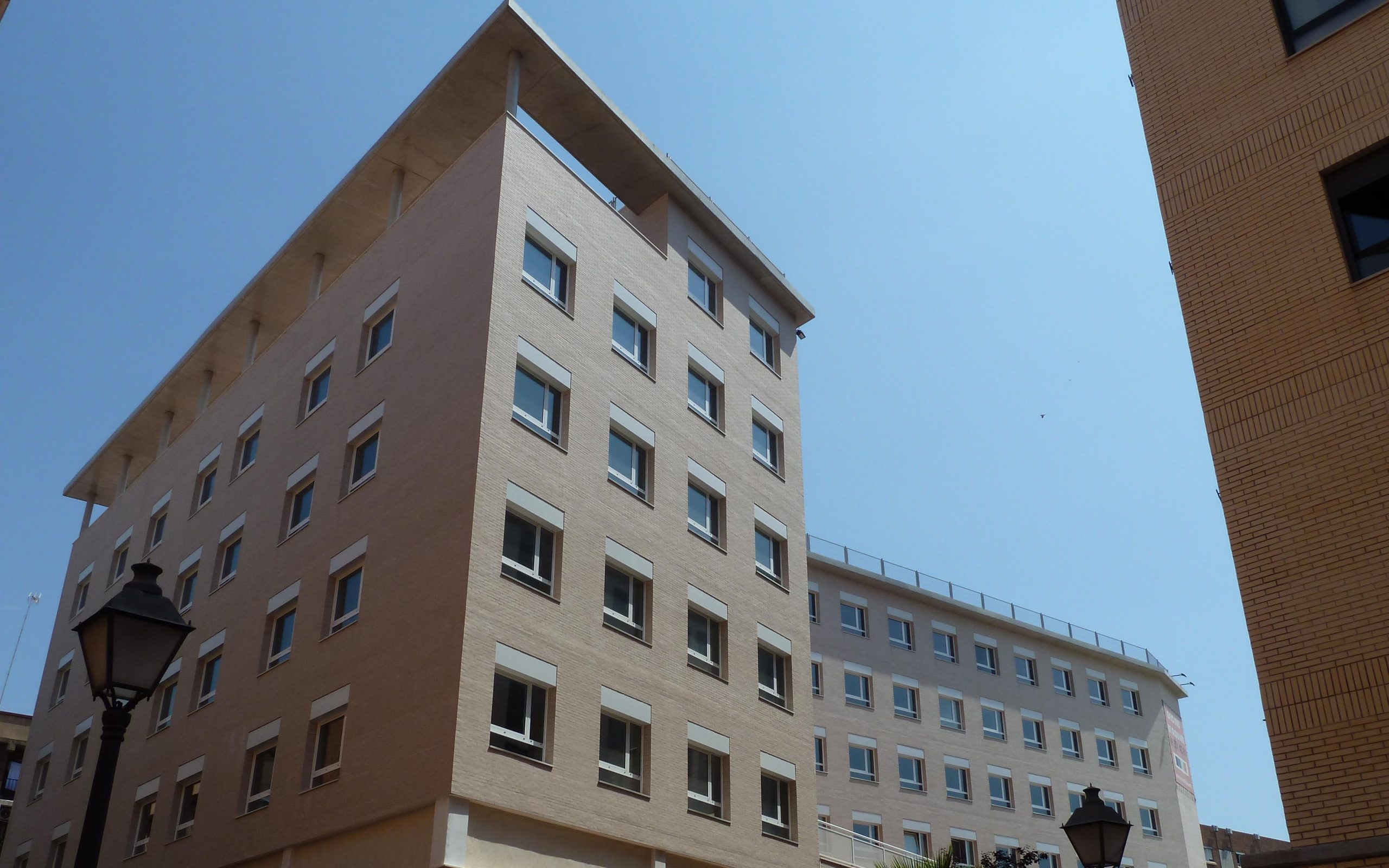
c/ Méndez Núñez, 40 – 4ª planta
46024 Valencia
(España / Spain)
(Instalaciones de producción)
Ctra. Bilbao-Plentzia, 36
48950 Erandio (Bizkaia)
(España/Spain)

During Smart City Expo, we will share our latest and innovative and market-ready urban solutions related to the energy transition and sustainability from different perspectives: sustainable mobility and transport systems, architecture, digital transformation, cognitive infrastructures and intelligent management systems of energy and air conditioning such as EMS or Respira. Hope to see you!
Speaker at session Climate-Proofing Cities: Towards Greener Public Space.
Tuesday 05, 13:25h – 14:10h | Hall 3 | Congress: Green Room
Speaker at talk Case Demo: “Respira® application in the halls of the Smart City World Congress”(TBC) together with Martina Vilar, Mechanical Systems Manager at FIRA bARCELONA.
Tuesday 05, 16h | Hall 2 | Booth E150 (Sener)
Contact us to find out how we can help you in your projects.
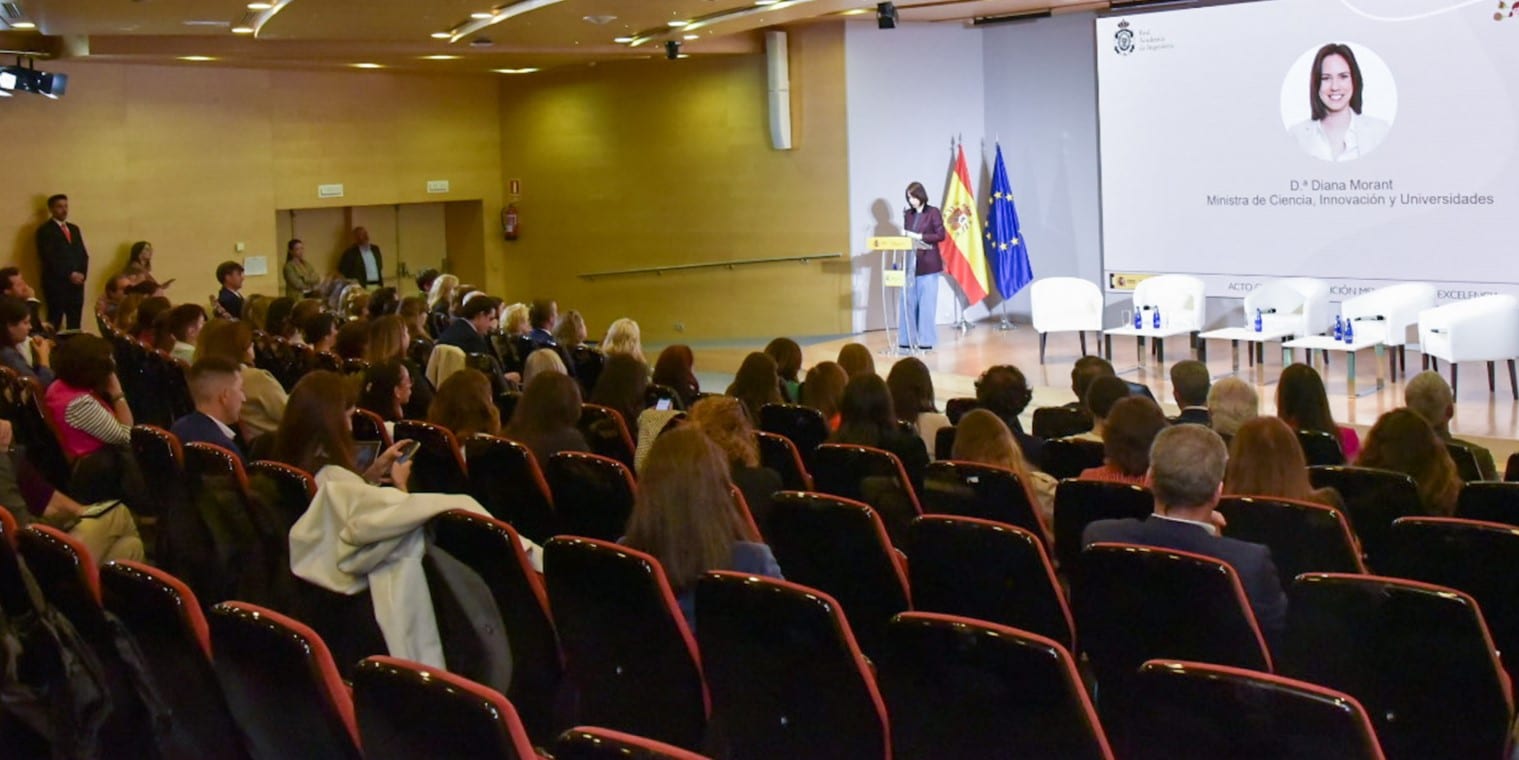
On October 22nd, the Excellence Mentoring programme concluded, one of the initiatives led by the Royal Academy of Engineering of Spain as part of the Women and Engineering project. In this programme, professionals from the industry serve as mentors to young mentees who are about to complete their studies in engineering and other STEM fields, supporting their transition into the professional world by sharing their experiences and perspectives. The event was attended by Diana Morant, Minister of Science, Innovation and Universities of the Spanish Government.
Sener has been collaborating with this programme since 2023. In the seventh edition (2023), icolleagues Mercedes Ruiz, Silvia Diaz, Cecilia Rechea, Silvia Arrate, and Silvia Alonso de Benito from Sener participated, while Ana Torre, Oihane Niebla, Mª Angeles González, and Silvia Gil de las Heras will be involved in the eighth edition (2024). These accomplished professionals, with extensive experience in the field, contribute to the mentees in the following areas:
The Women and Engineering project was launched in 2016 as a benchmark for promoting STEM careers among women, aiming to bridge the “gender gap” in engineering. Its objectives are:
To date, more than 2,500 people have joined the programme’s community, with the involvement of over 200 schools, colleges, and vocational training centres, as well as 30 institutions, administrations, and companies.
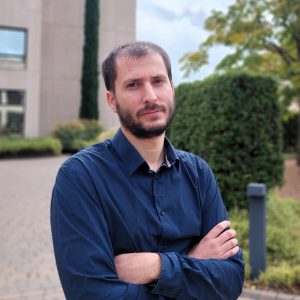
The Sener Foundation has presented the Sener Foundation Award for the Best Doctoral Thesis in Engineering for works submitted in 2022. In this edition, the award-winning author was Daniel Arias Medina, a PhD from the Carlos III University of Madrid, for his work entitled Robust GNSS Carrier Phase-based Position and Attitude Estimation: Theory and Applications. The thesis was directed by Jesús García Herrero, Jordi Vilà-Valls and Ralf Ziebold.
The prize is worth 12,000 euros for the author of the thesis and a further 3,000 euros to be divided among the thesis supervisors.
The jury had a difficult task in choosing the winning thesis, given the high quality of the works presented. In particular, it described the winner as “having a remarkable analytical and mathematical depth, being well organized, relevant and technically complete; the objectives are well defined and the text is clear. In short, this is a great work that represents a clear advancement of our knowledge.”
For its part, the Board of Trustees of the Sener Foundation noted that “it is an honor for the Sener Foundation to receive in each edition of these awards an increasing number of doctoral theses, and to continue to encourage in this way young people to contribute to society through research in engineering.”
The author of the thesis recognized “the work of the Sener Foundation for its efforts to acknowledge the effort and merit of young researchers.” He also thanked “his thesis directors, as well as his family and his partner, for their support.” For their part, the directors of the work pointed out that “the doctoral thesis combines theoretical and applied work with contributions in different fields such as the theory of estimation, the fusion of sensor data and robust signal processing.” The work, they point out, “proposes limits for estimation errors and new algorithms applied to today’s challenges involving multi-sensor navigation systems, exhibits a rigorous approach to formalization, and is directly related to problems of relevance to the industry and the academic community in this area.”
The results of the work Robust GNSS Carrier Phase-based Position and Attitude Estimation: Theory and Applications fall within the scope of Aerospace Engineering and are related to the use of Global Navigation Satellite System (GNSS) measurements to provide precise navigational estimates for vehicles that cross areas where signal propagation conditions are particularly difficult. In addition to providing location data for applications related to Intelligent Transportation Systems (ITS), there is an increasing reliance on GNSS for timing purposes, which are crucial for the distribution of the electrical grid, finance, and emergency response.
Through its Best Engineering Doctoral Thesis Award, the Sener Foundation aims to stimulate research at the highest level in the areas of science and technology in which the Sener group is active, namely, in the aerospace and defense, energy, mobility, advanced facilities for data centers, digital and marine sectors.
The Sener Foundation is now evaluating the theses presented to the Sener Foundation Award for the Best Doctoral Thesis for works presented in 2023 and expects to announce the winner of the 2023 edition in December 2024.
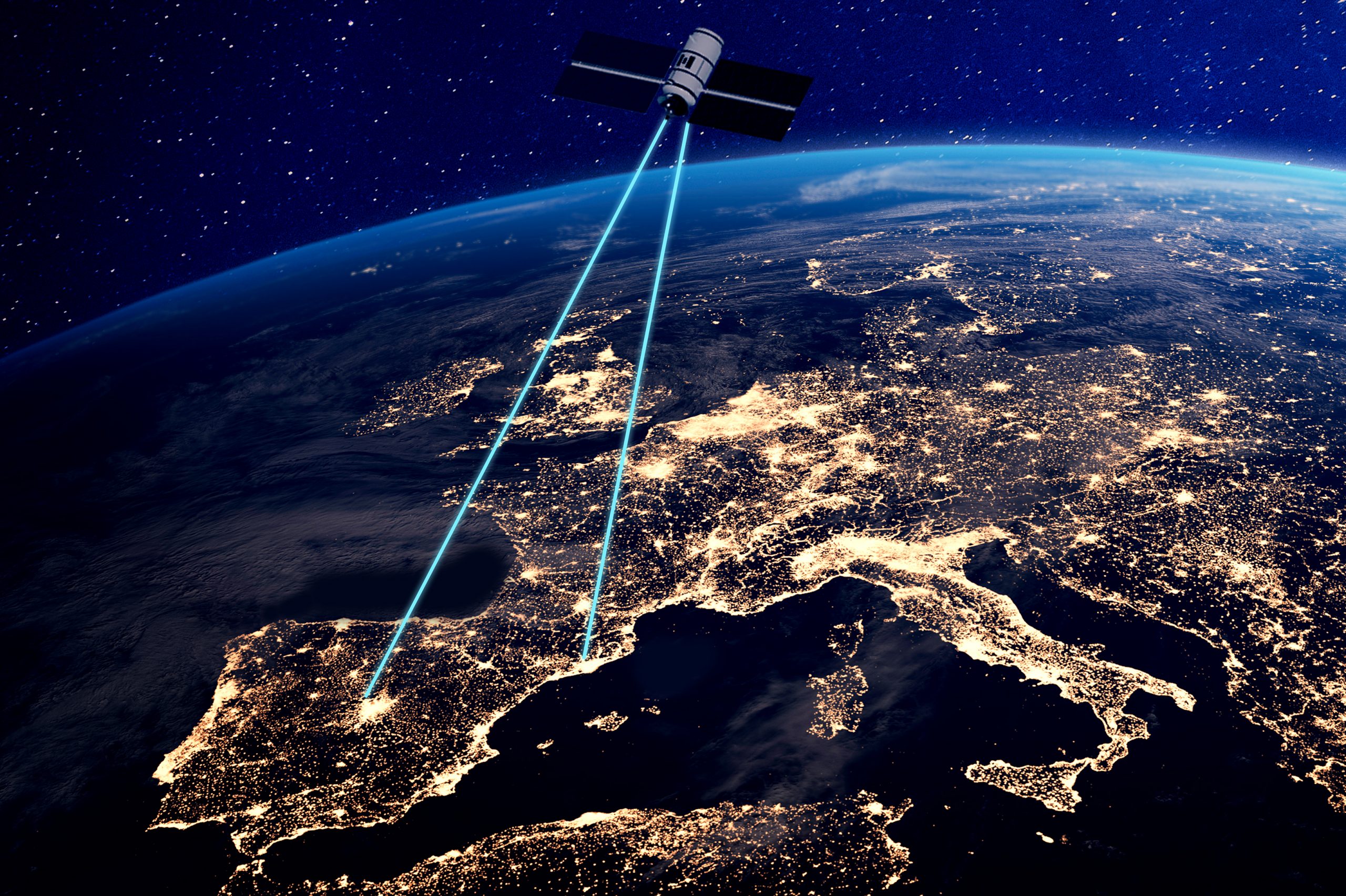
The CDTI (Centre for Technological Development and Innovation) awards Sener the phase 2 contract to develop a quantum key demonstrator for LEO orbits, within the scope of PERTE Aerospace. This is the first Spanish quantum key distribution (QKD) mission, and its development is critical for the future of communications security.
Thanks to the award of this contract, Sener leads low-orbit quantum distribution technology in Spain and is at the head of a Spanish consortium of top-tier companies, SMEs and Public Research Organisations. With a budget obtained from PERTE Aerospace, it will enable Spain to strengthen its position in quantum technology, and its results could be applied to the EU secure satellite communication constellation (IRIS2).
The CDTI (Centre for Technological Development and Innovation), an agency under the Ministry of Science, Innovation and Universities, has awarded Sener the phase 2 contract to develop a QKD demonstrator for low earth orbits (LEO). This is a precursor of what could be the first Spanish QKD-LEO mission, which will enable us to move forward in communications security.
Phase 2 was awarded this summer. Sener previously completed a first phase involving a feasibility study, leading a Spanish consortium made up of the top-tier companies Hisdeat, Hispasat and Deimos; the SMEs Quside and Luxquanta; and the Public Research Organisations ICFO and IEEC. In phase 2 other leading Spanish companies and institutions will join in the quantum field. The R&D solution proposed by the consortium led by Sener has obtained a very high score in the assessment of phase 1. Now kicks off the prototype’s development, construction, verification and validation phase, which is estimated to span 20 months and has been funded with 18 million euros.
Quantum key distribution is a secure communications method based on the inherent properties of photons according to quantum mechanics, specifically on the no-cloning theorem, which states that it is impossible to create an identical copy of an arbitrary quantum state. In essence, it allows creating a secure coded key in the polarisation of an extremely attenuated light beam, in such a way that it is only shared and known by the message’s emitter and receiver. It is considered to be the only way to ensure the invulnerability of communications in the future, once super quantum computers acquire the capacity to decode any encrypted message.
Sener will produce the demonstrator for a LEO mission at an altitude of 500-700 kilometres, by developing a useful load to be onboarded a low earth orbit satellite and its associated ground segment, including the optical ground station.
There are currently no technological solutions on the market that address the technological challenge of quantum key distribution. Therefore, this project has a considerable innovative component that will help Spain strengthen its position in the field of quantum technology. Similarly, the results could be applied to the EU secure satellite communication constellation (IRIS2).
Sener’s contribution in the field of communications, ground-based telescopes and space
Sener will offer its knowledge and experience in the aerospace market in the field of onboarded optical instrumentation, with their required pointing and which will emit the key, and in the field of optical ground-based telescopes, which will receive it. In both fields, Sener is a renowned contractor for the main leading satellite manufacturers and space agencies for use in navigation, telecommunications, exploration and Earth observation, and it has supplied equipment to the main ground-based astronomical observatories and for their large optical telescopes for over 23 years.
A project framed within PERTE Aerospace
The project is framed within the scope of Action 8 “Satellite and ground systems for quantum communications” of PERTE Aerospace, and it has been allocated a budget from the European funds for the Spanish Recovery, Transformation and Resilience Plan of the Ministry for Digital Transformation and Public Service, through the State Secretariat for Telecommunications and Digital Infrastructure (SETELECO). It is managed by the CDTI through the pre-commercial public procurement system, in coordination with the Spanish Space Agency. QKD is also funded by the European Union – NextGenerationEU.

![]()
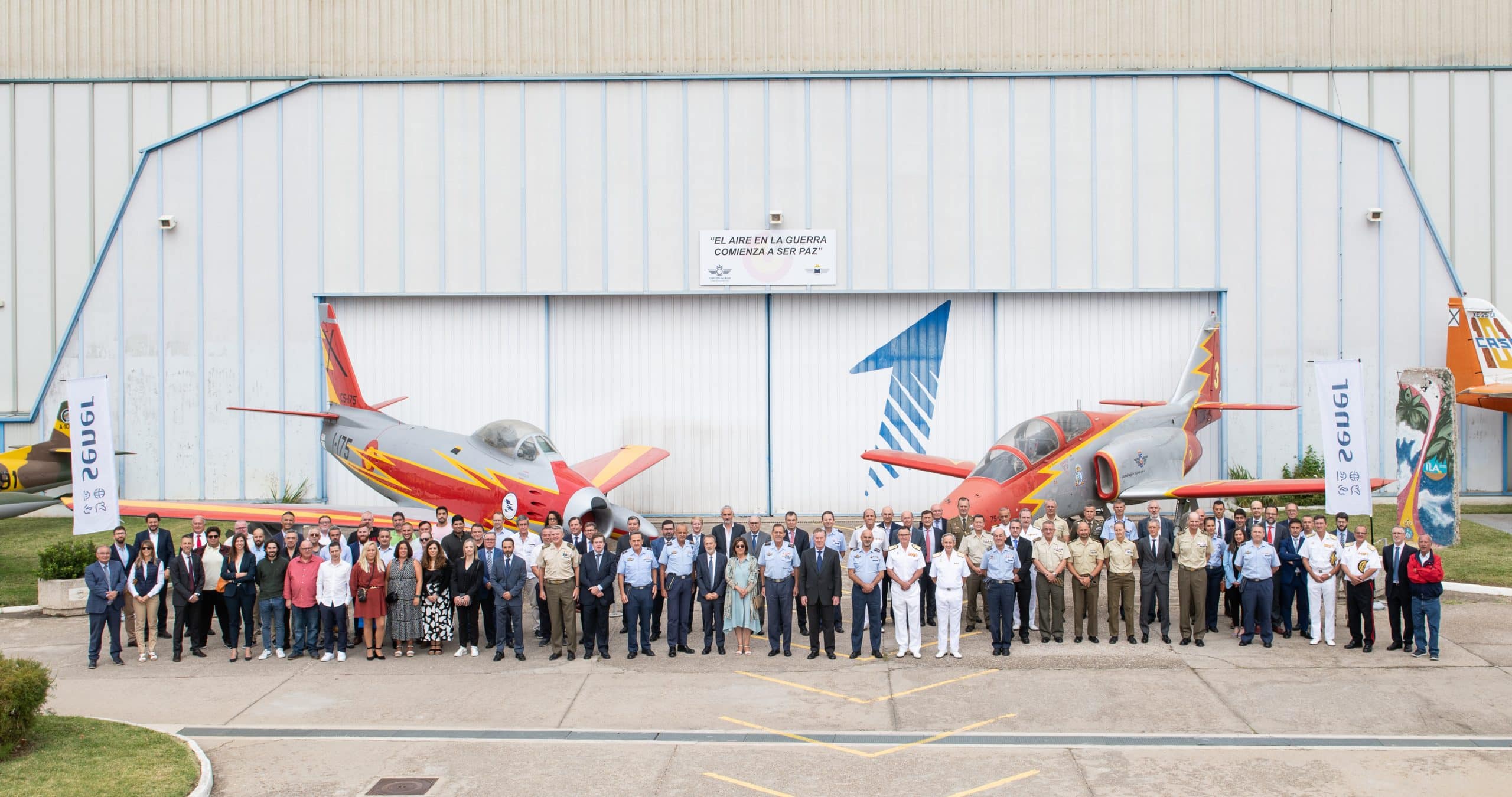
Today, the company celebrated at the Air and Space Museum in Madrid its 30-year history in the design, production and operation of high-performance unmanned aerial, land and naval systems, as well as its recent integration into Sener, a milestone that strengthens the group’s industrial and technological capabilities and its value proposition in remote operators and autonomous navigation.
To mark the occasion, SCR donated to the collection of the Air and Space Museum a unit of its SCRAB I, the first member of the family of SCRAB aerial targets, the latest model of which, the SCRAB III, is able to reach speeds of 390 knots.
SCR (Sistemas de Control Remoto), a company acquired by the Sener Industrial Group in April, celebrated its 30th anniversary today at an event at the Air and Space Museum in Madrid that was attended by various officials in the field of defence and security, including Air Force General Francisco Braco Carbó, Chief of Staff of the Air Force and Space Force; Admiral Aniceto Rosique Nieto, Director of Armament and Material; Lieutenant General Julio Ayuso Miguel, Director of the National Institute of Aerospace Technology; Lieutenant General Fernando Miguel García y García de las Hijas, General Chief of the Logistics Command of the Army; Admiral Gonzalo Sanz Alisedo; Second Chief of Staff of the Navy; Major General Jose Luis Figuero Aguilar, Head of the Historical and Cultural Service of the Air Force and Space Force, as well as representatives of the Armies, Navy and DGAM. The event was supported by Colonel Félix Manjón Martín, director of the Air and Space Museum. Representing Sener were Andrés Sendagorta, its chairman; Jose Antonio Ceballos, the CEO of SCR; José Julián Echevarría, the Managing Director of Aerospace and Defence at Sener; Rafel Orbe, Managing Director of Defence at Sener; as well as the staff of SCR and part of Sener’s Aerospace and Defence team.
Founded in 1994, SCR is a Spanish company that specialises in the design, production and operation of high-performance unmanned aerial, land and naval systems, providing comprehensive solutions in both products and services. It is a pioneering company in Spain that was able to identify the potential of this field and anticipate the current boom in demand for this type of system in our country. Today, SCR is a market leader, having produced more than 1,000 platforms and rendered more than 3,500 field services. It is currently present in 17 countries in Europe, the Middle East, Asia and Africa.
SCR products have evolved significantly over the last 30 years, from the ALBA model (its first aerial target, designed in collaboration with the Spanish Institute for Aerospace Technology in 1994) to the SCRAB III, its most advanced product: it is an aerial target with high subsonic performance, capable of reaching speeds of up to 390 knots, designed and developed to respond to the most demanding needs, taking into account military training operations for long-range air defence systems, like PATRIOT, AMRAAM and NASAM. On the occasion of this anniversary, SCR donated to the Air and Space Museum a unit of the SCRAB I, the predecessor of the SCRAB III, which will become part of the Museum’s collection.
During his speech at the event, Jose Antonio Ceballos, the CEO of SCR, highlighted that “we are glad to have consolidated SCR as a benchmark in the industry. More than a celebration of our journey, this milestone is one more step in our history: we look to the future and, as always, we will continue innovating to push the technological limits of a sector that is critical to Spain’s and Europe’s future technological sovereignty”.
In addition, Jose Julián Echevarría, Managing Director of Aerospace and Defence at Sener, stated that “we are proud to celebrate this anniversary, which offers the opportunity to recognise decades of success at SCR, the work and commitment of its people and the vision of its founding team. We celebrate its integration into Sener, which undoubtedly reinforces our industrial capabilities in the development and production of remote operators, an area in which we are an internationally renowned player”.

The Santiago Bernabéu stadium, which retractable turf system has been developed by the engineering and technology group Sener, has been chosen as the best stadium in the world during the World Football Summit, the main international event for the football industry and held annually by the organisation of the same name, bringing together the most influential professionals in the sector.
The award recognises, among other aspects, the set of technological achievements and innovations that the stadium incorporates, as well as its “ambitious vision of redefining not only the panorama of sports stadiums, but also the cultural and economic fabric of Madrid”. Among these innovations, the construction of a state-of-the-art retractable pitch with an underground greenhouse stands out. Sener has contributed to the achievement of this milestone by developing and implementing a version adapted to the Santiago Bernabéu of Hypogea®, the innovative retractable grass system developed entirely by Sener architects and engineers. Hypogea allows the removal and maintenance of natural grass in stadiums quickly, safely and automatically using a set of mechanisms that reposition and move the trays into which the playing field is divided, taking advantage of its space for non-sporting events and integrating advanced grass conservation systems.
Hypogea allows each of the longitudinal trays into which the natural grass playing field is divided to be removed from its central position in the stadium to a lateral underground chamber where it can be maintained for long periods of time, allowing all kinds of alternative events to football to be held at any time of the year.
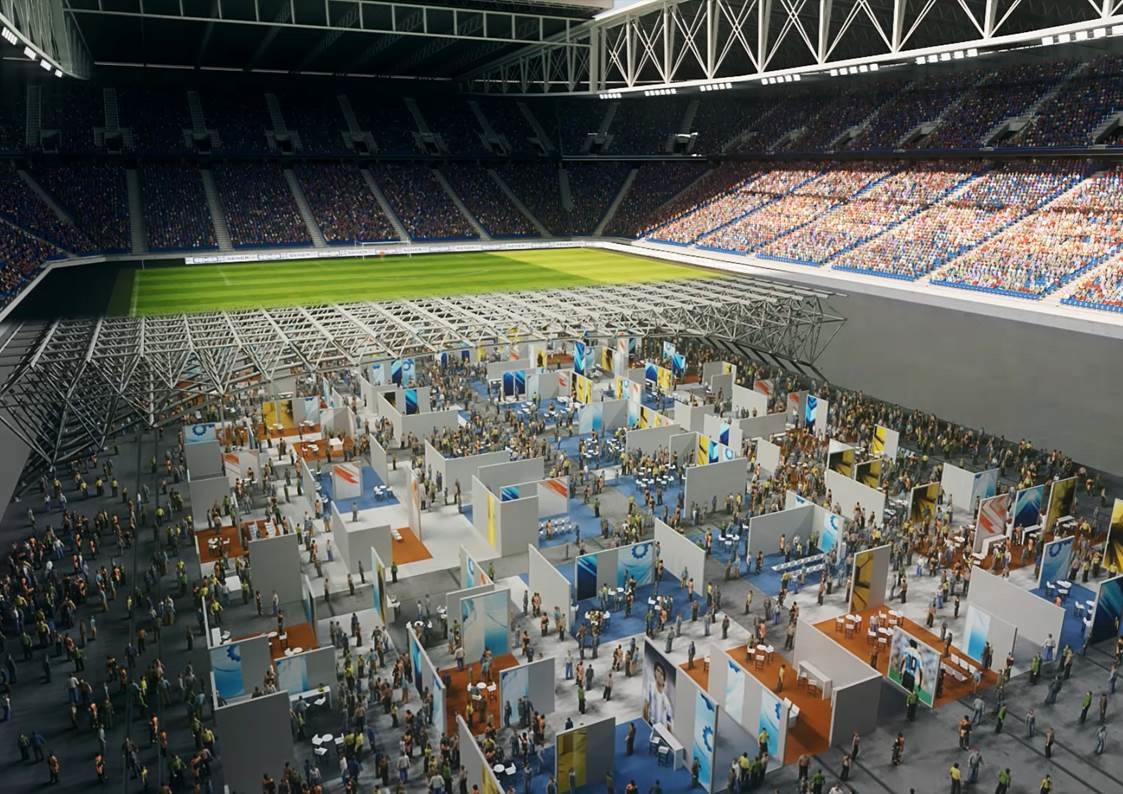
With Hypogea, stadiums will be transformed into fully multifunctional and versatile spaces, with the capacity to host all kinds of shows, from concerts, conventions, fairs and even all kinds of alternative sporting events to the main one. This flexibility allows the original spirit of stadiums as urban centres to be recovered, providing them with cutting-edge capabilities and technology, to facilitate their function transcending mere sporting use.