Parc Tramuntana: offshore wind energy for the decarbonisation of Catalonia

Energy

Renewable and Low-Carbon Solutions Generation

Offshore wind

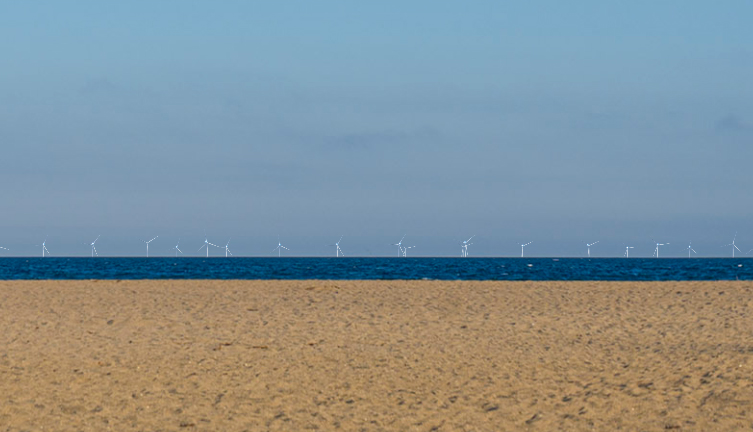
Parc Tramuntana: offshore wind energy for the decarbonisation of Catalonia

Parc Tramuntana

Case of success

Transports Metropolitans de Barcelona integrates high-efficiency fans with the Sener Respira system at the Hospital Clínic metro station

Transports Metropolitans de Barcelona integrates high-efficiency fans with the Sener Respira system at the Hospital Clínic metro station

21/08/2024

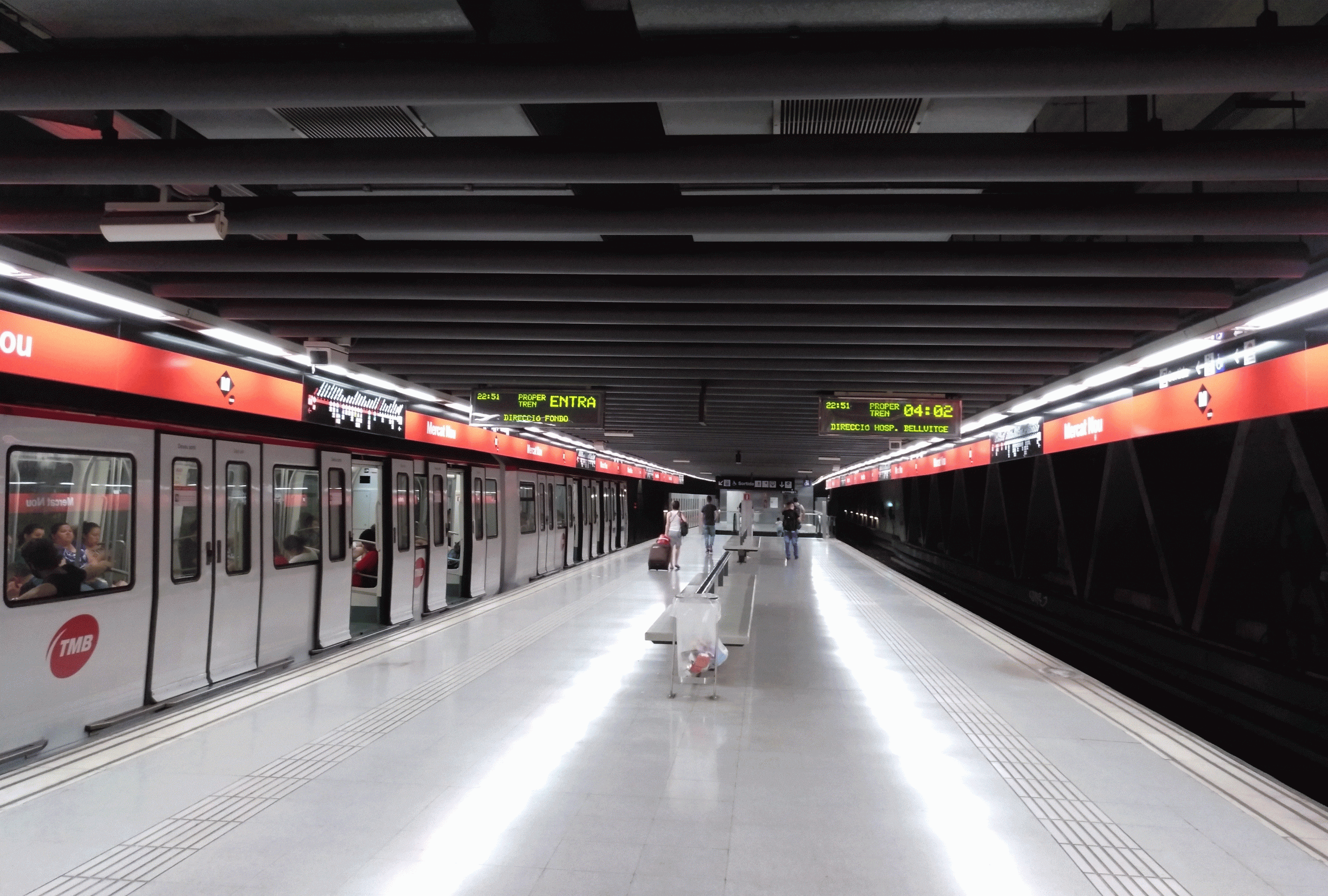
Transports Metropolitans de Barcelona (TMB) has started this summer, at the Hospital Clínic metro station on Line 5, a pilot test that consists of the installation of 12 high-efficiency fans (HVLS) (6 per platform). This system aims to improve the thermal comfort conditions of passengers considering environmental and energy efficiency criteria. This type of fan has already been used for some years in work areas such as rolling stock workshops and now the test is starting at the network station that is recording the highest temperatures during the hot months.

The project is linked to the digital energy management platform based on artificial intelligence (AI) Respira®, developed by Sener, already active on all conventional lines of the metro network since 2019 and thanks to which the ambient temperature of the stations has already been lowered by 2 degrees in the last 2 years. Previously, during the pandemic, the system was configured in sanitary mode to maximize air renewal in metro stations.

Respira® is an AI-based platform capable of improving the thermal sensation and environmental quality of metro passengers and workers by defining various criteria and reading variables in real time, such as temperature, humidity, indoor air quality in stations and electricity consumption. With this data, a dynamic algorithm for predicting environmental conditions inside stations based on the weather forecast and the planned service, among others, is responsible for applying an operating mode to each fan with the aim of improving the thermal sensation and at the same time optimizing energy consumption.

With intelligent ventilation control, the maximum intake of fresh air from outside is achieved, thus improving environmental conditions in stations in terms of temperature and humidity. The system also incorporates significant optimization of energy consumption. In the years it has been in operation, energy savings in the ventilation system of around 30% have been achieved across the entire network of conventional lines.

Nordés offshore wind farm

Energy

Renewable and Low-Carbon Solutions Generation

Offshore wind

Nordés offshore wind farm

Case of success

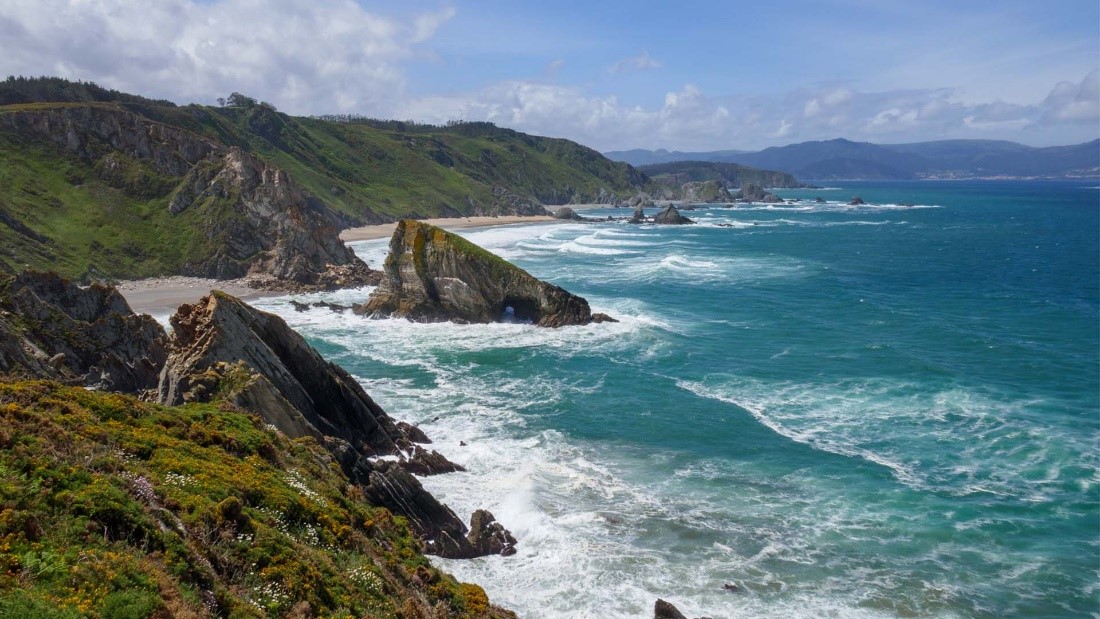
Parque Nordés is a floating offshore wind project designed for Galicia in collaboration with the territory to address the challenge of climate change. The fishing sector and the industry are essential to promote a consensual energy transition towards a more sustainable and prosperous future.

Parque Nordés will represent a unique energy, environmental and economic opportunity for the territory, its population and its economic, social and business activity.

Ventajas

It will reduce the carbon footprint and allow savings of 26 million tons of CO2 emissions
during the useful life of the wind farm.
It will stimulate the improvement and modernisation of the energy industry in Galicia.
It will strengthen Galicia’s competitiveness as a hub for the offshore wind sector and shipbuilding industry
at a European and global level.
It will contribute to the promotion of solutions in other sectors
such as metal and electro-intensive industries.
It will generate direct and indirect jobs in the territory.
It will be able to cover 13 % of Galicia’s current electricity consumption.
It will support decarbonisation and sustainability initiatives
located in the municipalities of the regions near the park.

Combining all these objectives, Parque Nordés represents a unique opportunity for Galicia and is open to all the people of the territory, to contribute to the fulfilment of the objectives of energy transition and penetration of renewable energies in Galicia as a whole.

From Parque Nordés we are working with all the administrations, organisations, associations and interested entities in the area to achieve together a consensus on its definition, to benefit the whole territory and its people in the context of environmental sustainability.

Scope of works

Screening and scoping
Feasibility studies
LIDAR permitting
Permisos LIDAR
Stakeholder’s engagement

Tarahal offshore wind farm

Energy

Renewable and Low-Carbon Solutions Generation

Offshore wind

Tarahal offshore wind farm

Case of success

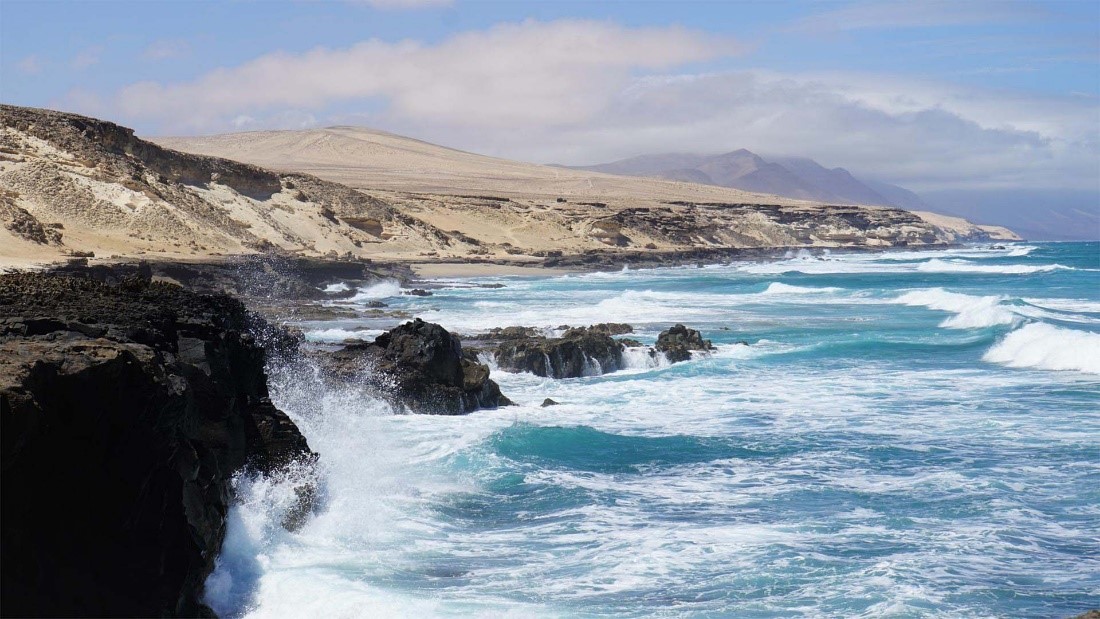
Given the specific situation of the Canary Islands, where 96% of the energy used is of fossil origin, an accelerated energy transition is needed to decarbonise the islands and face the challenges of climate change and energy dependency.

Tarahal is a floating wind energy project that offers a viable alternative for the island of Gran Canaria, in collaboration with the territory and institutions.

Advantages

It will save 15 million tonnes of CO2 emissions
over the lifetime of the park.
It will reduce the carbon footprint, the use of fossil fuels and the warming and pollution of water.
Increase the island’s green energy production from 16.4% to 25.6%.
It will lead to the improvement and modernisation of local industry
in Gran Canaria, especially the energy industry..
It will strengthen the competitiveness of Gran Canaria as a hub for the offshore wind and shipbuilding industries at the European (and world) level.
It will promote the training and development
of professionals in innovative sectors.
It will generate direct and indirect employment in the area.

Sener is currently delivering

Screening
Feasibility studies
Conceptual engineering
Pre-FEED engineering
LIDAR permitting and campaign supervision
Stakeholder’ engagement

ECCMID 2024

April 27, 2024
Barcelona, ESP

ECCMID 2024


We will showcase our latest innovation, Ai5 Lab!

Sener is set to make waves at the 2024 European Congress of Clinical Microbiology and Infectious Diseases (ECCMID), taking place from April 27th to 30th in Barcelona, Spain. This cutting-edge event will bring together leading companies and expert figures driving innovation in the medical field.

We invite you to visit our stand, D45, where we will showcase our latest innovation, Ai5 Lab! Experience the future of microbiology labs firsthand and witness how Ai5 Lab is poised to revolutionise medical diagnosis.

Don’t miss this exciting opportunity to discover all that Sener Diagnostics can contribute to the development of clinical microbiology of tomorrow. See you at ECCMID from April 27th to 30th at stand D45! We look forward to seeing you there!

Sener holds the ‘Sener Synergy Summit’ to foster collaboration between its businesses

Sener holds the ‘Sener Synergy Summit’ to foster collaboration between its businesses

10/07/2024

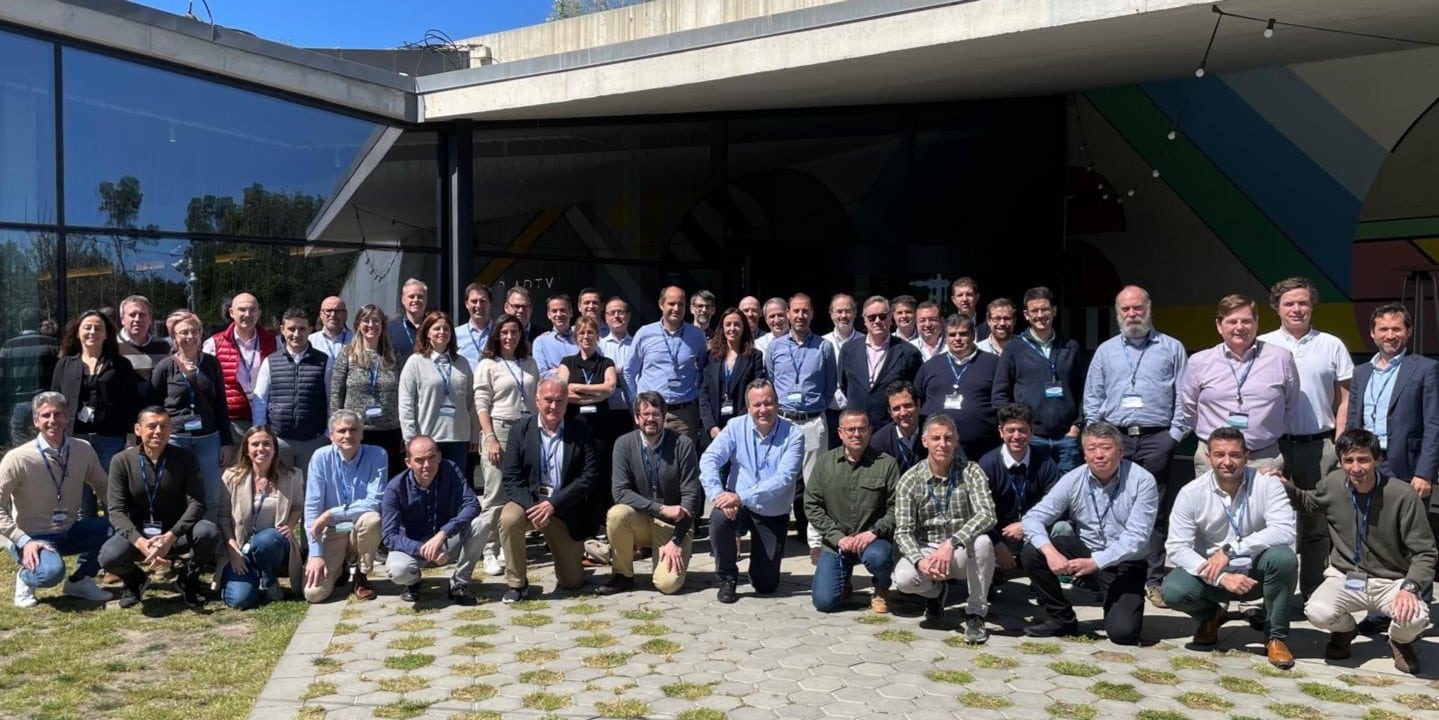
With the aim of promoting synergies between its different businesses, Sener recently held the Sener Synergy Summit. During this event, the group established a starting point for a subsequent process of developing specific synergies between areas.

Currently, around 4,000 professionals in 18 countries around the world are part of Sener, in very diverse markets: aerospace and defence, energy, transport infrastructures, advanced installations for data centres, digital and naval.

In 2024, the company acquired SCR, a company specialising in unmanned air, ground and naval systems; in 2023, Quark, an expert in data centre design and a benchmark in the sector in Europe; and in 2022, Tactix-Sener (formerly Tactix Group), a benchmark in infrastructures in Australia. These acquisitions, together with its organic growth, are enabling Sener to strengthen the diversification of its solutions and its business.

The Sener group has diverse capabilities and is characterised by its technological transversality, as well as specialising in solving technically complex challenges.

Thus, the Sener Synergy Summit will serve to reinforce its uniqueness and main added values: the ability to foster collaboration between diverse teams, cross-innovation and knowledge transfer between areas and people, with the aim of offering better solutions to Sener’s customers.

The Ramón y Cajal Hospital applies artificial intelligence for the early detection of familial cancer

The Ramón y Cajal Hospital applies artificial intelligence for the early detection of familial cancer

04/07/2024

It will study, in collaboration with the Sener Foundation, 10,000 family trees of 3 or more generations, and individual clinical data.

It will help clinicians to predict the future development of diseases and to make better decisions.

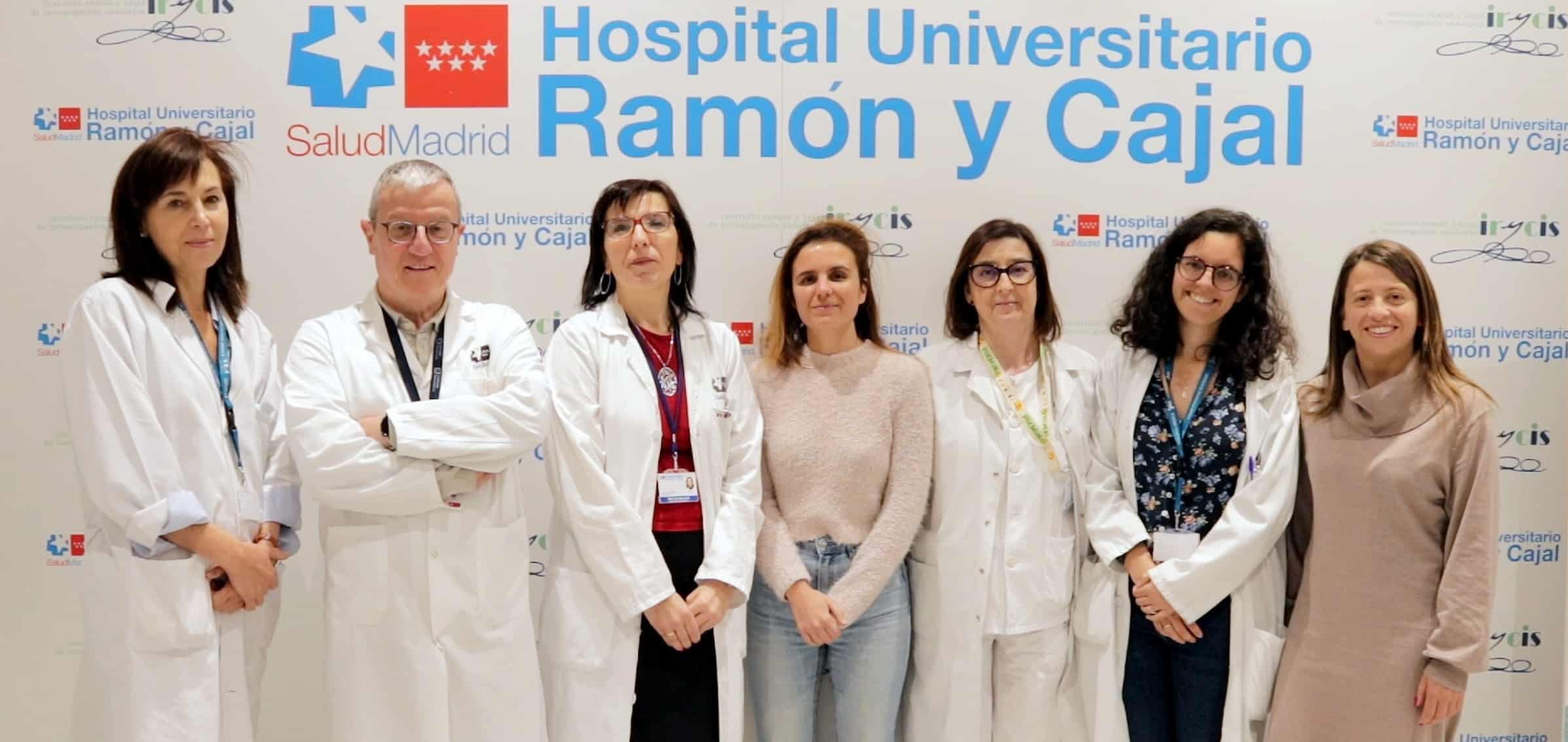
The Ramón y Cajal University Hospital, a public center of the Community of Madrid, will develop a tool based on Artificial Intelligence (AI) through the Hereditary Cancer Unit, thanks to a collaboration agreement with the Sener Foundation, to identify cancer risk. It will be developed jointly between the two institutions, based on anonymized information from 10,000 family trees (spanning three or more generations) and individual clinical data. This information includes data such as age at diagnosis, presence and type of tumors or relevant benign pathologies, among others.

Simplifying the decision-making process

The aim of this tool is to assist clinicians in their decision-making process by estimating an individual’s risk of having an inherited genetic susceptibility to cancer. Unlike other medical tests, germline DNA genetic studies can predict future disease development, improve early diagnosis and prevention and, additionally, can be relevant not only to the individual, but also to his or her family members. Currently, only one in 10 people who are decided, according to conventional methods, to undergo genetic testing have an alteration in their genes.

Advances in the understanding of the molecular mechanisms of cancer have made it possible to discover genes whose functional alteration carries a risk of developing certain malignant diseases, representing considerable progress and a challenge in the prevention, diagnosis, and treatment of tumors. It is estimated that between 5 and 10% of all cancers are hereditary, i.e., the person suffering from cancer is born with a genetic alteration that predisposes to a higher risk of developing this disease.

According to Dr. Carmen Guillén Ponce, head of the Medical Oncology section and head of the Family Cancer Unit at the Ramón y Cajal University Hospital, “artificial intelligence provides data analysis tools that can facilitate the decision-making process in clinical practice and, specifically, in the Family Cancer Unit, it will allow us to more accurately select families and individuals who are candidates for genetic testing to identify their hereditary risk of cancer. This has very important implications in terms of their follow-up for early detection of cancer, their treatments, if needed, and their offspring. Our aim is to provide excellent and humane healthcare, centered on the individual, patients, and their families, and to achieve this we seek to transfer knowledge to the well-being of patients and society, through prevention, research and innovation,” concludes Guillén.

The head of the project at Sener, Daniel Martínez, emphasizes that “being able to analyze all the family and clinical data as a whole and thanks to the application of AI techniques will make it possible to obtain an analytical tool of great utility for the clinicians in charge of interpreting the individual’s genogram and to more efficiently select candidates for a germline genetic study. We are pleased to put the knowledge of our engineers at the service of clinicians, with the consequent utility for their work and, ultimately, for the well-being of individuals and families.”

The Sener Group receives the 22nd Prize for Business Collaboration from the Leonardo Torres Quevedo Foundation of the University of Cantabria

The Sener Group receives the 22nd Prize for Business Collaboration from the Leonardo Torres Quevedo Foundation of the University of Cantabria

27/06/2024

Sener has been collaborating with the UC since the early 90s through six different departments and research institutes, resulting in 41 research projects

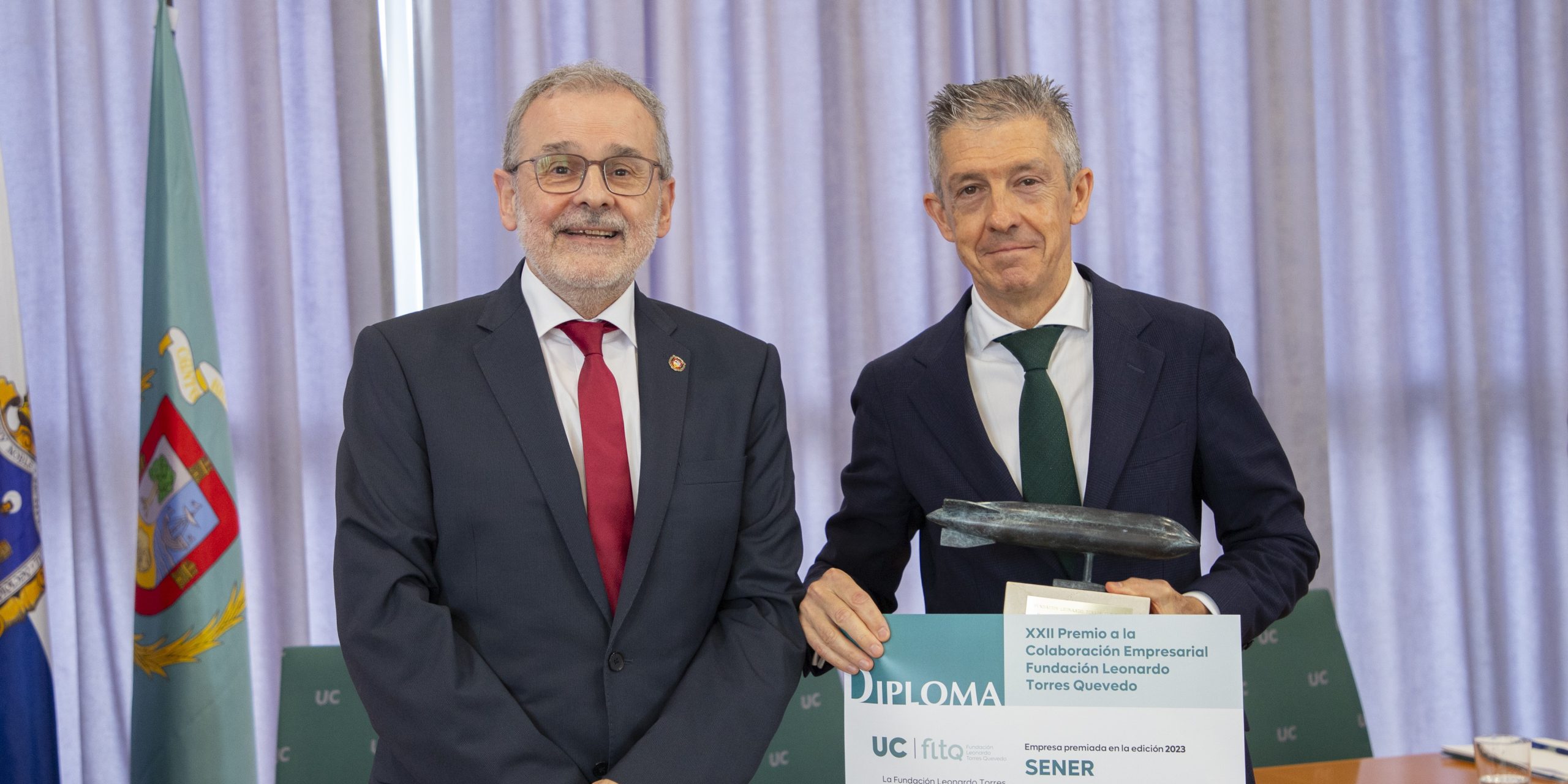
The Rector of the University of Cantabria (UC) and Chairman of the Leonardo Torres Quevedo Foundation (LTQF), Ángel Pazos Carro, presented the  XII Business Collaboration Award to the Sener Group , represented by José Julián Echevarría, Managing Director of Aerospace and Defence at Sener.

The event took place this morning in the Gómez Laá hall of the UC’s Law and Economics and Business Building. Also present were the President of the Social Board, José Luis Zarate, and the Managing Director of the LTQF, Jorge Castro, as well as other representatives of both the academic institution and the award-winning company.

The nomination, put forth by Amparo Herrera Guardado, Director of the Communications Engineering Department at the UC and supported by different research centres and groups at the institution, “represents the most cutting-edge advances in engineering and technology at the international level and is a magnificent example of how private investment can collaborate with the university to develop the regional and national production fabric, and to train highly qualified professionals”, noted the jury, stating that it is “a benchmark for effective collaboration between academia and industry”.

José Julián Echevarría emphasised how “receiving this prize is an honour”, detailing that, in relation to the future, “the projects we want to develop here are at the forefront of technology. We are talking about collaborative projects such as data links for defence programs, for satellites, the largest hypertonic threat interception programme being developed here…”.

Meanwhile, the rector and chairman of the LTQF, Ángel Pazos, noted that this recognition is for a business group that has been collaborating with several groups at the University of Cantabria for years, “since there is a tradition of research projects with groups from different faculties, from different schools; as a result, the prize is fully merited in this regard”.

Pazos went on to say how there is a second aspect of this prize, which is that in this case, it is a project in training, since a company delegation was recently set up on campus, “a move that we are certain will result in a very clear increase in collaboration on research activity, transfer activity and economic activity”.  “I’m particularly excited about this prize because it combines our past trajectory with the clear plan for the future”, the rector concluded.

Close collaboration

Sener has been collaborating with the UC since the early 90s through six different departments and research institutes, resulting in 41 research projects for the various firms that make up this corporate group, with an approximate investment by the group of one and a half million euros.

Examples of these collaborations include those with the Communications Engineering Department, whose first project dates back to 1995, on the optimisation of hemispheric coverage antennas, and the latest project, currently under development, on advanced architectures for power amplifiers.

Other recent or current projects are on topics such as the design and construction of port facilities adapted to climate change, floating platforms for wind power, hydrodynamic studies for a bridge project in Brazil, and modelling discharges from desalination plants, conducted in collaboration with IHCantabria.

In 2023, Sener opened a branch in Santander at the Technology Development Centre of the University of Cantabria (CDTUC), as noted by the manager of the LTQF, Jorge Castro, who manages the Leonardo Torres Quevedo Foundation (LTQF), in an effort to promote its Aerospace and Defence Department. This represents a step forward in its collaboration with the region, developing, for example, projects for the European Space Agency in concert with the UC.

Sener

The Sener Group develops innovative engineering and technology solutions in various markets, such as Aerospace and Defence, Energy, Transport Infrastructure, Advanced Facilities for Data Centres, Digital and Marine, and it promotes, through industrial holdings, companies in the renewable energies sector.

Sener is a private engineering and technology group founded in 1956 which seeks to transform the world by pushing the limits of technology in an effort to help its customers with innovative and effective solutions through its distinctive values: innovation, excellence, commitment, passion and teamwork. Sener has around 4,000 professionals on five continents. Sener works in the sectors.

“Sener is renowned for the level of its national and international impact through engaging in engineering projects and providing highly specialised technology services, which in turn requires highly qualified personnel, many of whom were educated in the UC”, according to the jury’s statement. Against this backdrop, Sener has promoted the completion of Bachelor’s and Master’s Theses as part of its research projects at the UC.

LTQF

The Leonardo Torres Quevedo Foundation is a non-profit organisation that aims to promote and disseminate science and technical research at the University of Cantabria, and to develop professionals in the field of technology by providing professional and quality management. It also aims to consolidate the Technology Development Centre at the UC (CDTUC) as a space and model for collaboration between research groups and companies in order to create technology companies.


The DECIMAP project, led by Sener, receives funding from the PERTE for the marine industry to promote the development of floating offshore wind

The DECIMAP project, led by Sener, receives funding from the PERTE for the marine industry to promote the development of floating offshore wind

27/06/2024

With a total investment of approximately 2.9 million euros, DECIMAP will help to modernise the offshore wind power industry by proposing a standardised modular model and developing a new floating foundation for high-power (over 15 MW) marine turbines.

The DECIMAP project, led by the Sener engineering and technology group, has been awarded a grant of around 700,000 euros from the Strategic Plan for the Economic Recovery and Transformation (PERTE) of the Spanish marine sector. DECIMAP is part of the INNCODIS incubator project, presented by Navantia.

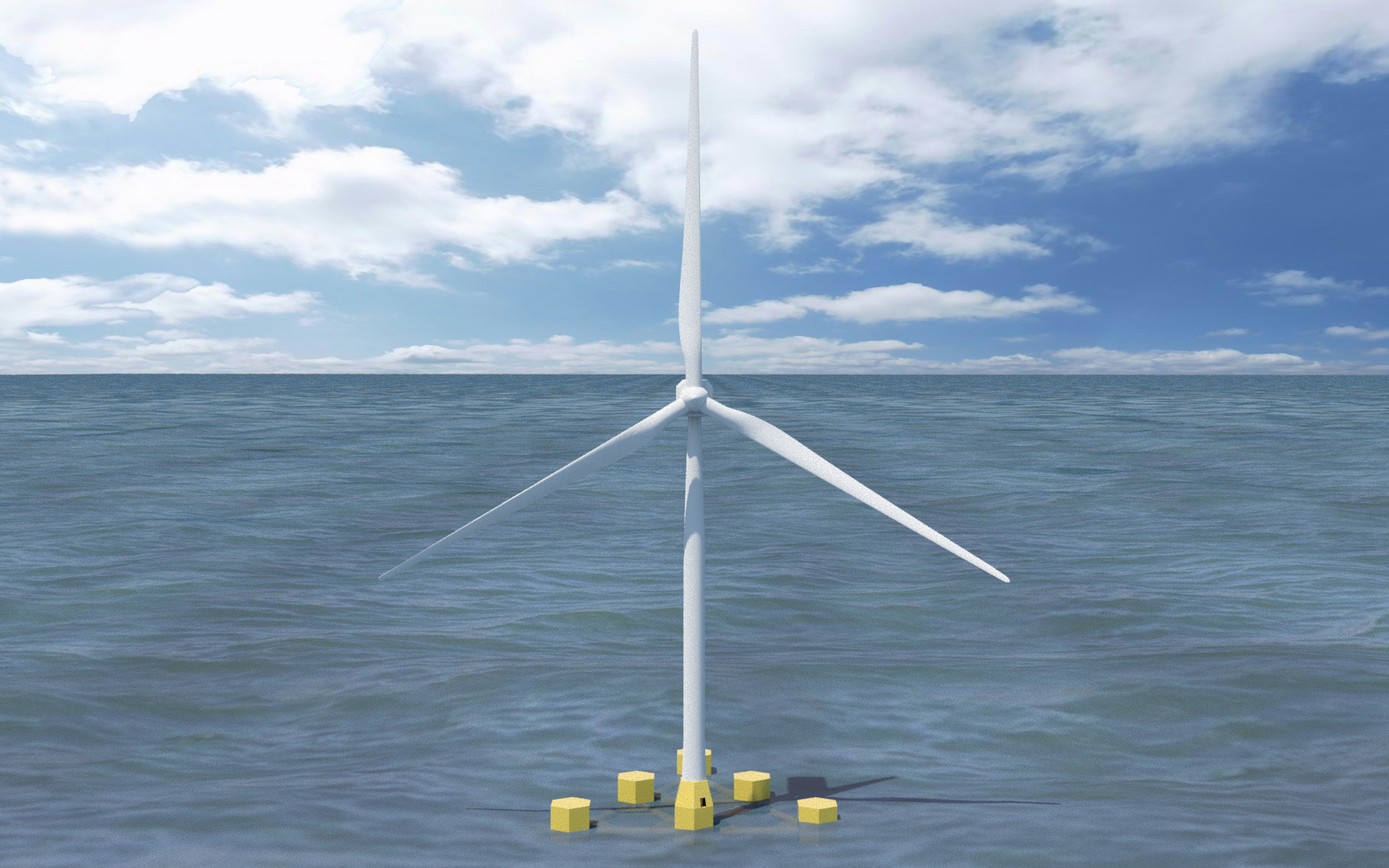
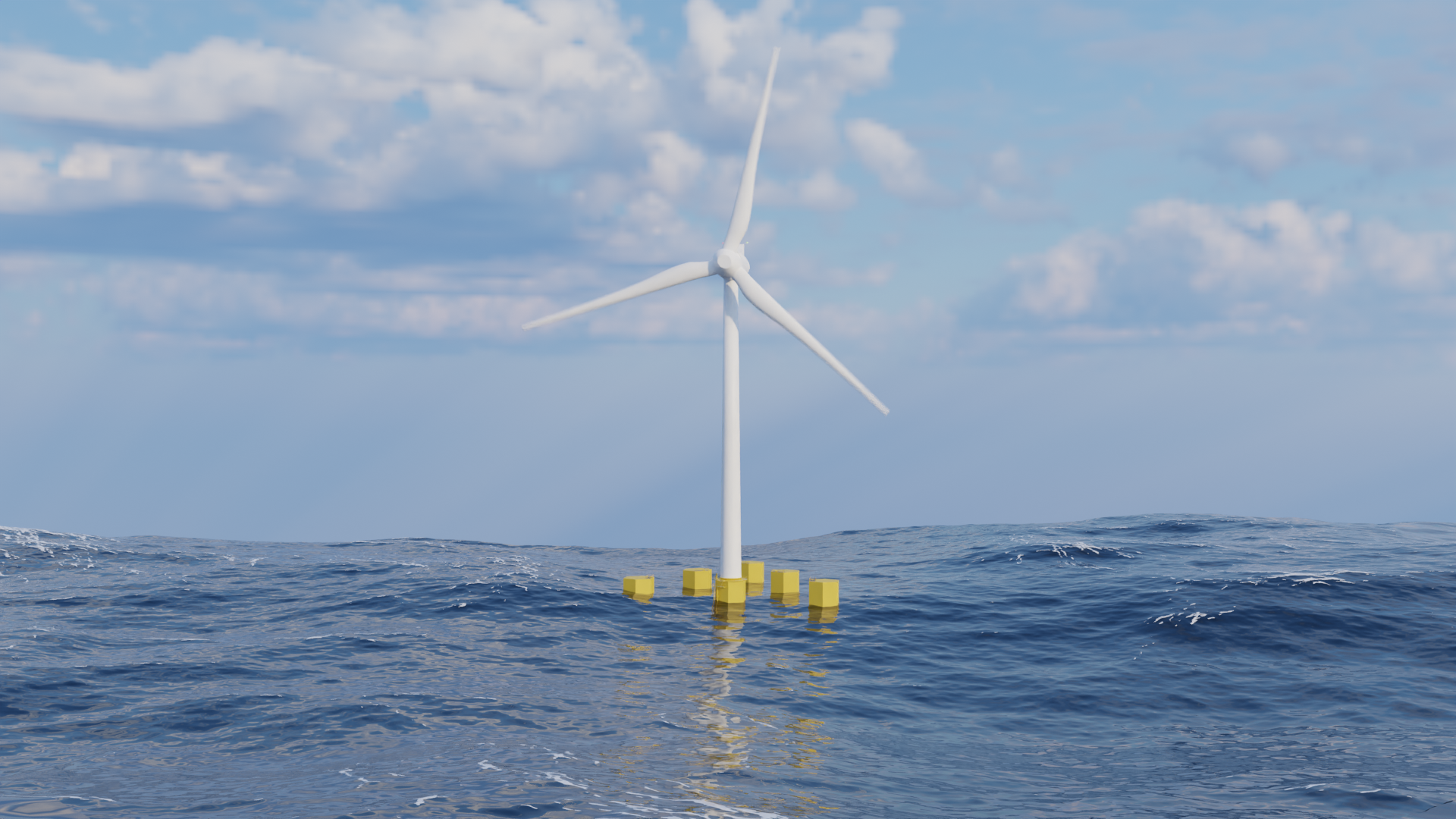
The main goal of DECIMAP is to develop a new floating foundation for high-power (over 15 MW) marine wind turbines that introduces competitive advantages over the solutions currently available. The project uses an innovative concept that was previously patented: HiveWind, a semi-submersible floating steel platform, developed by Sener in collaboration with WindWaves (formerly, Nervión Naval-Offshore), for offshore wind turbines.

The HiveWind foundation is characterised by its modularity, standardisation, stability and constructability, and is adaptable to the specific conditions of the site. The development of this solution involves close collaboration with wind turbine manufacturers to meet the rigorous operating requirements and achieve an optimum design.

DECIMAP covers several key aspects for the progress of offshore wind: site study and definition of the design conditions, validation of numerical models, design of auxiliary elements, definition of manufacturing and logistics processes, and certification by a classification society. It will also explore the adaptability of the HiveWind foundation to different sites and high-power commercial turbines.

In the words of Sergi Ametller, Director of Offshore Wind at Sener, “with a total investment of nearly 2.9 million euros and a grant of around 700,000 euros, DECIMAP will contribute to developing a competitive solution for the deployment of floating offshore wind, proposing a modular, standardized model that facilitates the involvement of multiple shipyards in these projects. With this project, we are taking a step forward in this technology for the competitiveness offshore wind power, and reinforcing the commitment of Spain’s marine industry to innovation and industrial transformation”.

Guillermo Dierssen, Chief Technical Engineer at Sener, receives the Medal for Professional Merit from the Spanish Association of Civil Engingeers

Guillermo Dierssen, Chief Technical Engineer at Sener, receives the Medal for Professional Merit from the Spanish Association of Civil Engingeers

11/06/2024

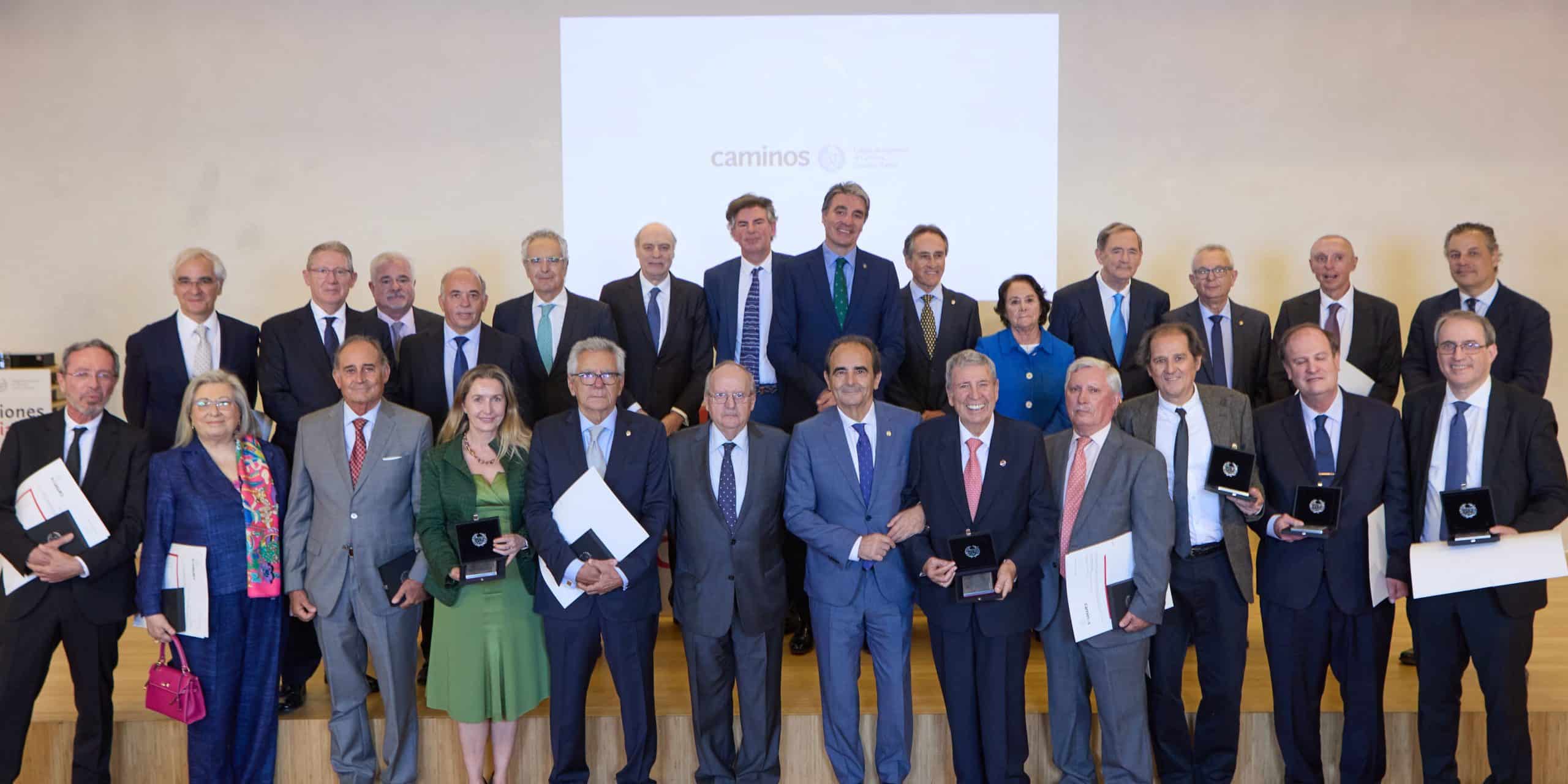
Guillermo Dierssen, Chief Technical Engineer at Sener specializing in geotechnics and tunnels, has received the Medal for Professional Merit from the Colegio de Ingenieros de Caminos, Canales y Puertos – the Spanish Association of Civil Engingeers – in an event celebrated this July, 10 June, in the auditorium Agustín de Betancourt del Colegio.

The award is a professional recognition to those collegiates who have distinguished themselves in a relevant way throughout their region, having carried out a work of indisputable merit or having rendered outstanding services for the benefit of the sector and its professionals.

In addition to having led and participated in numerous projects in the Mobility area in the last 30 years, such as Línea 1 del Metro in Panama City, or the railway tunnels in Port Said, in Egypt, Guillermo has supported his work professional with teaching, as a professor.