






First zero-emission floating substation for an offshore wind farm ECOFOSS has begun testings in ocean tanks

First zero-emission floating substation for an offshore wind farm ECOFOSS has begun testings in ocean tanks

24/02/2025

The ECOFOSS project is driven by a consortium of six companies with a strong technological component: Navantia Seanergies, Red Eléctrica, Sener, Ocean Ecostructures, Ditrel and Uptech Sensing. The initiative is funded by Next Generation EU funds, through PERTE Naval. The tests are carried out at the Environmental Hydraulics Institute of the University of Cantabria.

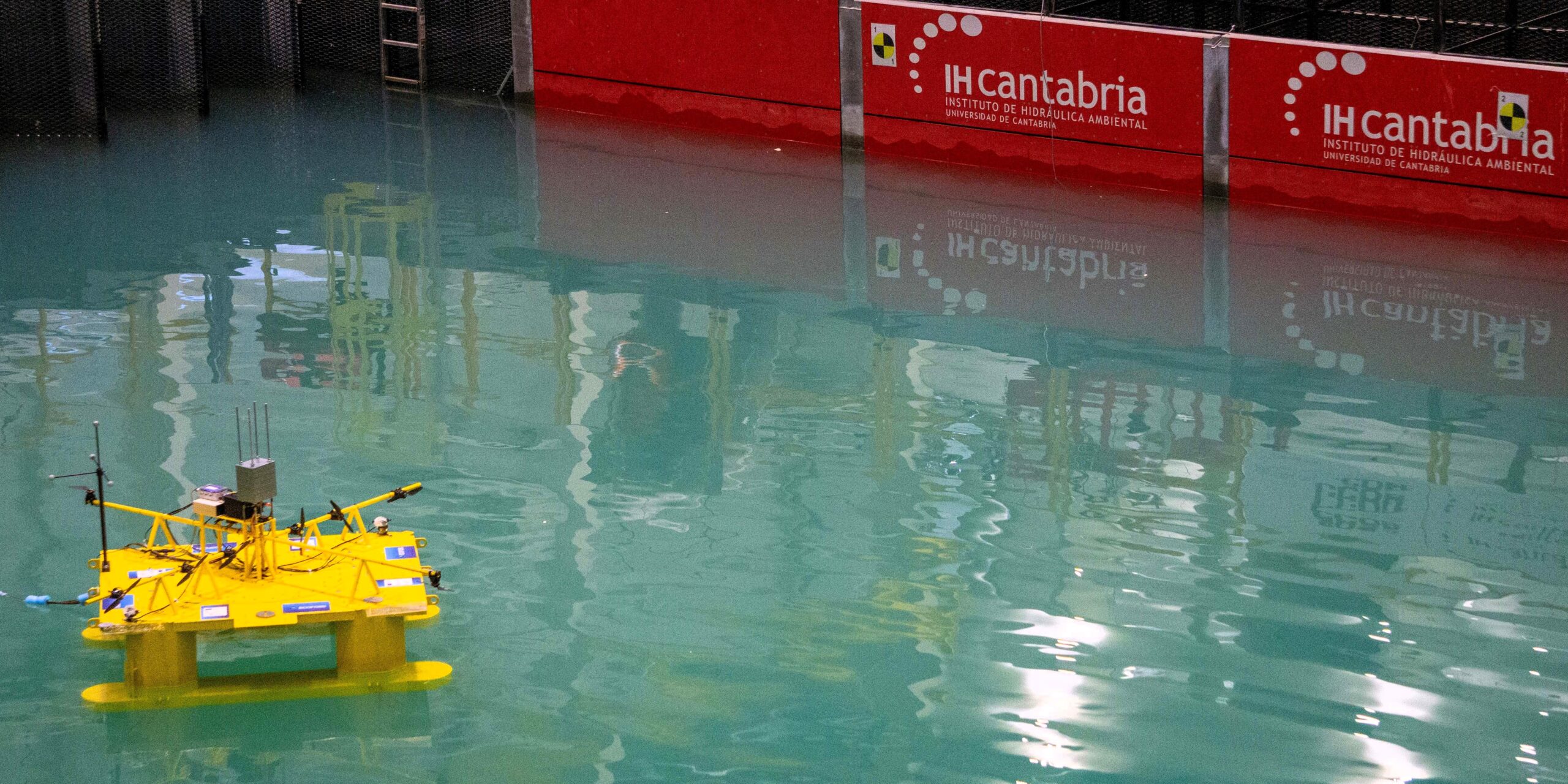
The ECOFOSS R&D project, whose objective is the design of a zero-emission floating high-voltage alternating current electrical substation, has started its testing phase this month by carrying out tests with a model to validate its behaviour at sea in a controlled aquatic environment.

ECOFOSS is an innovative project promoted by a consortium of six high-tech companies: Red Eléctrica, Sener, Ocean Ecostructures, Ditrel and Uptech Sensing, and led by Navantia Seanergies, through its centre of excellence COEX Green Energies.

The floating substation being developed thanks to this project will allow the electrical production of offshore wind turbines, installed in deep water areas far from the coast, to be integrated into the electrical system for subsequent distribution to consumers.

The tests that have begun consisting of the experimental analysis of the behaviour of the substation at sea, thanks to the study of the behaviour of its 1/40 scale model in a tank where ocean conditions are reproduced. These results will then be compared with those previously obtained from the simulations carried out in the design phase.

These tests will allow the validation of the design of the substation and its operation in locations with specific wind, sea and current conditions. The dynamics of the mooring system, as well as the dynamic power cables, and their response to different sea states and specific seabeds will also be tested. However, an experimental database will be generated for the calibration and validation of the numerical models used for the concept design.

The hydrogen plant will be validated in March

This project is especially innovative as it is the first zero-emission substation design: It includes a renewable hydrogen generation and re-electrification plant, which will feed the substation’s auxiliary services in maintenance and emergency situations in which it cannot obtain electrical energy from the wind farm.

The hydrogen plant tests will be carried out in March, on a test bench that is being developed at the COEX Green Energies headquarters located at the Navantia Seanergies facilities in Cartagena.

The project consortium

Each of the ECOFOSS partners brings its specific experience and knowledge to the project. Navantia, a SEPI group company that leads the project through its green energy division Navantia Seanergies, has been designing and building foundations and substations for offshore wind farms for 10 years and has accumulated knowledge and experience in the hydrogen sector. Red Eléctrica – a subsidiary of Redeia – is the operator and transporter of the Spanish electricity system, providing its knowledge and experience in substations and submarine links, always ensuring a quality and safe electricity supply – and increasingly renewable – throughout the country. Sener, for its part, is a leading multidisciplinary engineering and technology firm, with extensive experience in the design of offshore floating platforms and naval engineering. Ocean Ecostructures is a bluetech company that, through its technology, transforms any marine infrastructure into “nature positive” spaces, regenerating marine biodiversity. Ditrel has specialized in power cable connection systems and Uptech Sensing is characterized by providing fiber optic monitoring solutions for power cables.

This is a fundamental project for the deployment and integration into the electrical system in an efficient, safe and environmentally friendly way of offshore wind energy, aligned with the objectives of the Roadmap for the development of Offshore Wind and Marine Energy in Spain, which will be developed through floating technology. Offshore wind is one of the renewable energy sources that will allow the ecological transition to be achieved, contributing to energy independence.

Financing

ECOFOSS is part of the INNCODIS tractor project, an action financed through the PERTE Naval Call, launched by the Ministry of Industry and Tourism and belonging to the Recovery, Transformation and Resilience Plan (PRTR). Financed by the European Union – Next Generation EU.

The Cantabria Maritime Engineering Tank

Managed by IH Cantabria, this infrastructure has a multidirectional wave generator, as well as a current generator that allows generating any meteo-ocean condition on a laboratory scale. With dimensions of 30 x 44 x 3 meters deep, the installation integrates Hardware-In-The-Loop type systems for simulating the action of the wind on turbines and any other type of offshore structure with the highest levels of realism and fidelity. The main purpose of the installation is to contribute to the validation of innovative structural typologies, both fixed and floating.
Sener, awarded at the Caminos Madrid Awards for the Hypogea retractable turf system

Sener, awarded at the Caminos Madrid Awards for the Hypogea retractable turf system

20/02/2025

This Thursday, February 20, Sener has received a new recognition that rewards the innovative spirit of its work.

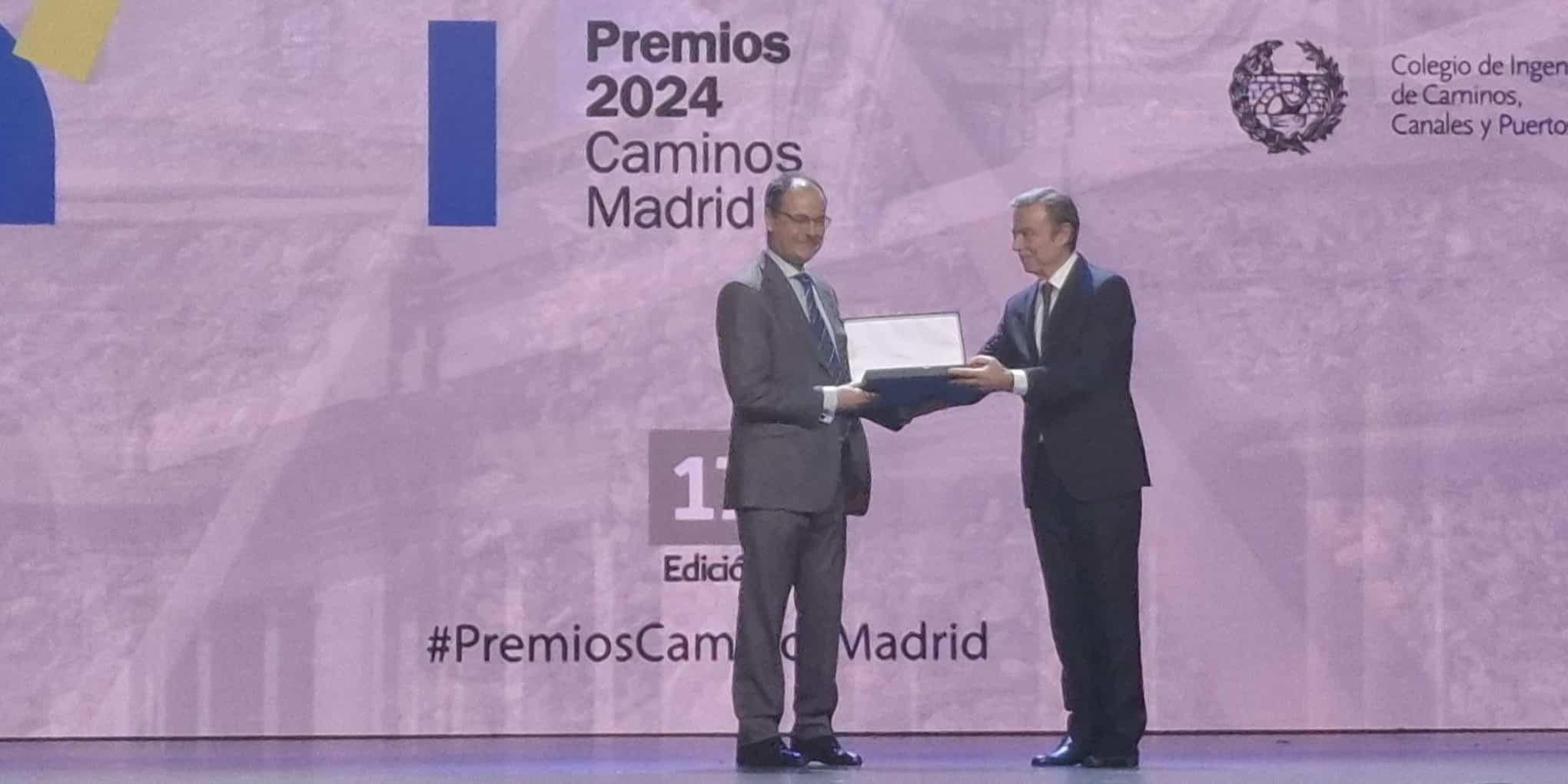
Specifically, the Hypogea® automated retractable turf system has received a distinction within the category of ‘Research and Innovation’ of the XVII edition of the Caminos de Madrid Awards, organized by the Civil Engineers of Roads, Canals and Ports Association of Madrid to highlight the contribution of those projects that promote the economic and social development of the community, with outstanding criteria of modernization and sustainability.

On behalf of Sener, Luis Bazán, Director of Operations, received the recognition from José Osuna, Vice Dean of Caminos Madrid.

Solutions such as Hypogea are the result of the commitment and talent of the people at Sener, who work on the development of innovative, sustainable and scalable solutions that challenge the limits of science and technology.

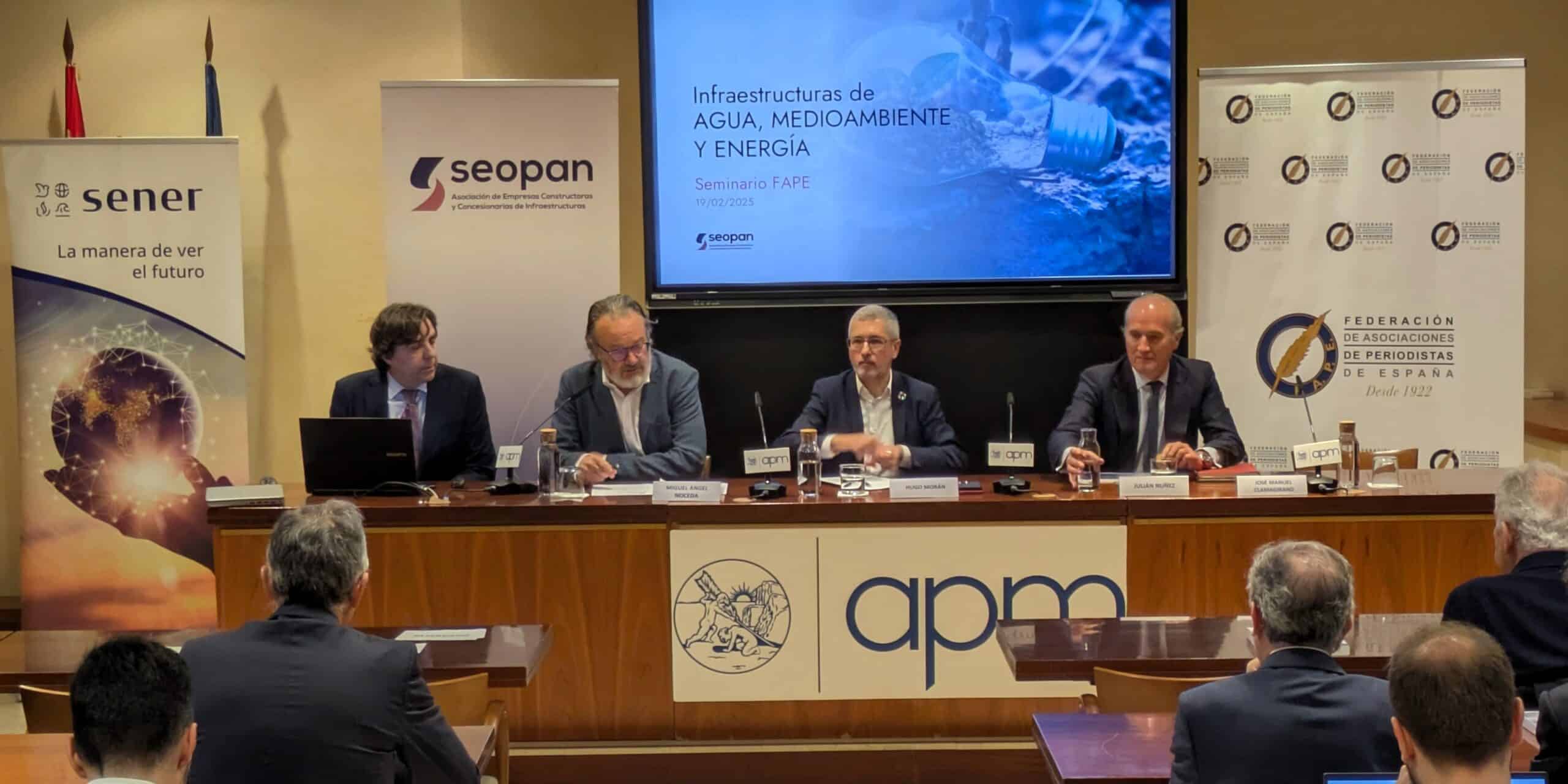
SEOPAN identifies €198.435 million of investment in priority infrastructures for water, energy, environment and public facilities in Spain, based on the report prepared by Sener

SEOPAN identifies €198.435 million of investment in priority infrastructures for water, energy, environment and public facilities in Spain, based on the report prepared by Sener

19/02/2025

Spain needs €198.435 million (M€) of investment in infrastructures for water, energy, environment and public facilities essential to guarantee compliance with Directives and regulations on the complete water cycle and waste treatment and to guarantee compliance with national and European objectives in reducing greenhouse gas emissions and energy neutrality, according to data included in the report “Analysis of Priority Investment in Infrastructure in Spain” prepared by Sener, at the request of SEOPAN, the Association of Construction and Concession Companies of Infrastructures. This investment is broken down into €72.134 million in planned actions, €56.656 million in modernization and adaptation of existing infrastructures and €69.645 million in examples of innovative projects.

The planned investments in water and energy infrastructure represent €72,134 million, contained in the third cycle hydrological plans 2022-2027 and the PNIEC 2023-2030. In hydraulic infrastructures, €11,016 million stands out in sanitation and purification, essential to protect public health and the environment, €8,748 million in supply and irrigation measures, to mitigate the unequal distribution of water resources, €3,724 million in the management of water resources to mitigate drought, €1,649 million in conservation and maintenance, €4,871 million in actions related to irrigation and plans for agriculture and €3,054 million in actions for the prevention and mitigation of the risk of flooding in Spain, the fourth European country, according to Eurostat, with the greatest economic losses due to extreme weather phenomena and climatic events, which represented €27.13/inhabitant in 2020. Another €4,876 million would be added in actions related to the management and restoration of the public hydraulic domain. In addition to the above hydraulic measures included in the report, which in relation to adaptation to climate change in the Spanish Mediterranean Basins represent €2,432 million, we should add the investments scheduled in 2022-2027 of the Flood Risk Management Plan, of €3,312 million not included in the report, as well as €820 million of investment in the scope of the DANA of 29/10/2024 in the re-study and execution of 5 rolling structures and environmental adaptation projects as they constitute the most effective alternative to roll off floods in extreme episodes of rainfall in flood zones with a high rate of population and urbanization.

Regarding the planned investments of the National Integrated Energy and Climate Plan (PNIEC) 2023-2030, the execution of adaptation measures, capacity and network interconnection, and energy efficiency and hydroelectric storage measures, requires €34,196 million of investment. They are broken down into €7,646 million for adapting transmission networks to integrate renewable energy, €4,200 million to increase hydroelectric storage capacity to 3.5 GW by 2030, €4,187 million to improve energy efficiency in existing buildings in the residential sector and investments to improve energy efficiency in ports (€306 million), buildings in the tertiary sector (€2,376 million) and in cold-generating equipment and large air-conditioning installations in the tertiary sector and public infrastructures (€3,947 million). Lastly, it identifies €1,000 million for improving efficiency in the public sector and €10,534 million for actions to increase electrical interconnection in the foreign market and meet the interconnection target of 15% by 2030 (32,100 MW).

Investments in modernisation and adaptation of the existing infrastructure stock, including hydraulic, environmental and public facilities, represent €56,656 million.

In the modernisation and adaptation of infrastructures for the complete water cycle, 44,518 million euros of investment have been identified, highlighting 15,643 million euros in the conversion of unitary sewerage networks to separate ones, 15,000 million euros in adapting the national stock of treatment plants to the requirements of the new Urban Wastewater Treatment Directive, 10,849 million euros for the replacement of water supply networks that are more than 40 years old, 1,539 million euros to promote and achieve energy neutrality in the national stock of desalination plants and treatment plants in operation, which would imply an annual saving in energy consumption of more than 970 million euros, and 1,487 million euros to provide basic sewerage and sanitation services to more than 972,000 homes in Spain that lack them according to the 2020 Survey of Local Infrastructures and Equipment of the Ministry of Territorial Policy. In the modernisation and adaptation of environmental infrastructure, the report identifies €2,733 million, broken down into €2,220 million of investment in waste treatment and recovery plants to meet the EU’s 2030 objectives, €290 million of investment in treatment plants to boost the conversion of wastewater sludge into biogas with a reduction of 471,000 t of CO2, and €223 million of investment for the closure and conditioning of 223 hectares of landfills and to achieve the objective of the Spanish Circular Economy Strategy of reducing waste disposal by 10% in 2030.

The block of investments in modernisation and adaptation of infrastructure is completed by those relating to hospital capacity and energy neutrality in public facilities. They amount to €9,405 million, broken down into €7,831 million for 15,355 new hospital beds to reduce waiting lists in hospitals of the National Health System to zero, and €1,277 million and €297 million of investment to achieve energy neutrality in hospital and university equipment, respectively, with renewable photovoltaic self-consumption and an estimated aggregate saving of annual public expenditure on electricity consumption of €1,800 million, equivalent to the commissioning of 3,331 hospital beds/year and 350,000 scholarships/year. Finally, examples of innovative investments of €69.645 million are identified, related to the prevention of desertification and the promotion of high added value crops in Murcia and Malaga (€7.007 million), the generation of renewable photovoltaic energy on 5,000 hectares of usable surface area of ​​the national highway network (€1.638 million), the promotion and development of floating photovoltaic energy, wave energy and green hydrogen (€21 billion), the creation of urban green infrastructure and the promotion and deployment of district heating/cooling networks with a minimum investment range of €40 billion by 2050 to obtain, with renewable energy, 25% coverage of the national demand for air conditioning in the residential and tertiary sectors.

Sener and Tecnalia will collaborate for the development and industrial scaling of advanced technological solutions

Sener and Tecnalia will collaborate for the development and industrial scaling of advanced technological solutions

29/01/2025

The agreement focuses on several vectors of innovation, such as energy, infrastructure and mobility, solutions for the aerospace and defense market or decarbonization, among others.

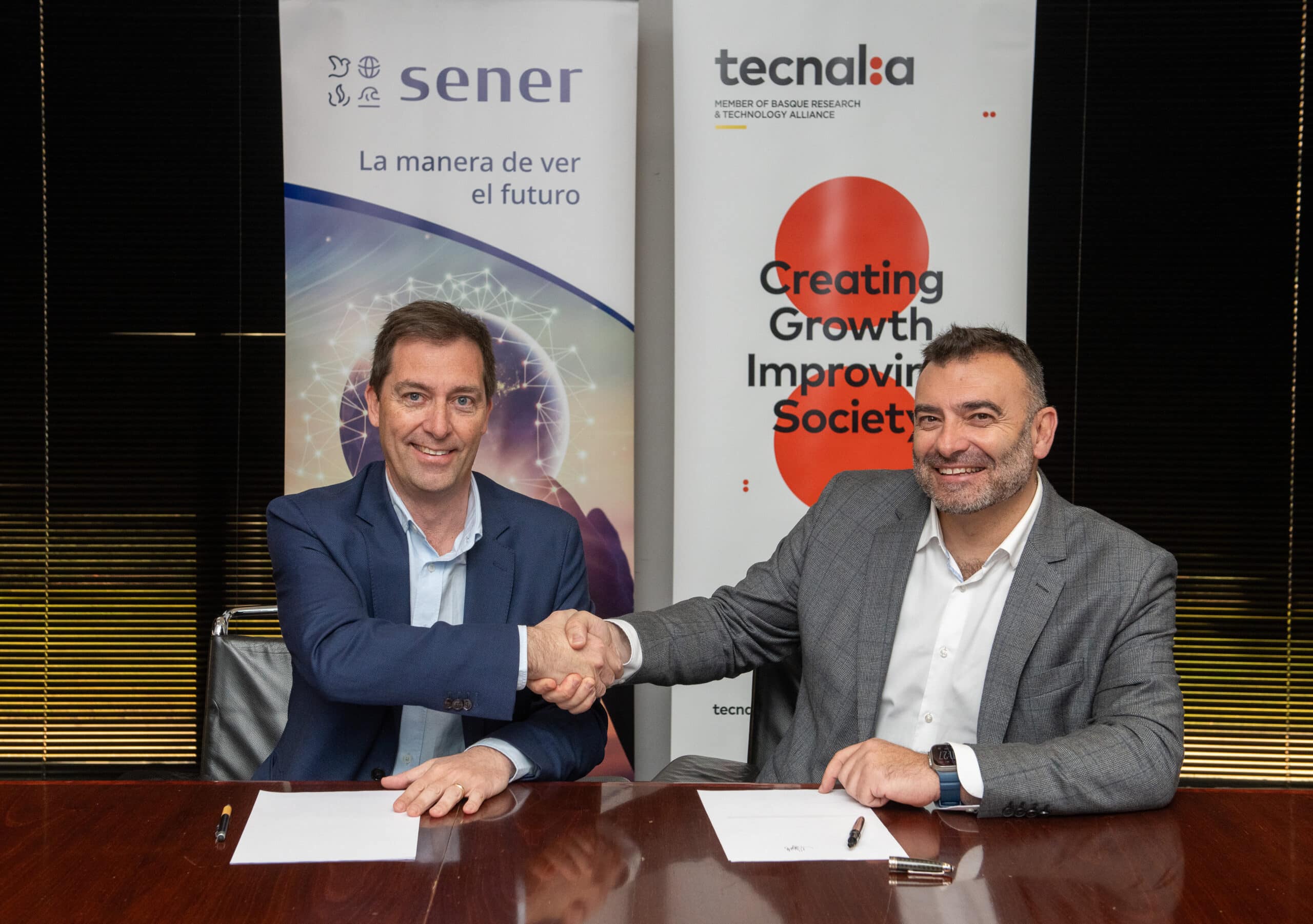
The engineering and technology group Sener and Tecnalia, the largest center for applied research and technological development in Spain, have signed a collaboration agreement to strengthen their capabilities in research, technological development and innovation. The agreement establishes a framework for cooperation that seeks to accelerate the innovation cycle and contribute to the industrial scaling of advanced technological solutions.

This agreement establishes the bases for effective collaboration in various technological areas, including applied research, training and the development of technological skills of personnel. Specific objectives include promoting open innovation strategies, strengthening collaboration with international technological platforms, and conceptualizing and developing joint R&D and innovation projects. The agreement focuses on several innovation vectors, such as energy, infrastructure and mobility, solutions for the aerospace and defence market or decarbonisation, among others. Tecnalia will contribute its experience in transversal and specialised technologies to support these efforts.

Òscar Julià, director of Innovation at Sener, highlights: “this agreement represents another step for Sener in its mission to lead innovation in technologically complex areas. We are excited about the opportunities that this collaboration will offer us to continue developing advanced technological solutions and strengthen our position in this field.”

For his part, Agustín J. Sáenz, director of Strategy, Market and Technology at Tecnalia, adds: “This agreement consolidates the collaboration that we began years ago, and makes us a partner of Sener for the development of new technological solutions to face the challenges of the future. Tecnalia’s mission is to anticipate the needs of companies in order to co-develop new products and processes with them, and this collaboration will be a boost to jointly generate prosperity in the industrial environment and in society.”

To enhance collaboration, the creation of work teams in both companies is planned, with profiles and professionals who are experts in different areas to promote the transversality of the projects. They will also have a Monitoring Committee that will allow for evaluation, adjustments and the incorporation of new initiatives based on the needs of the industry.

Sener takes part in SpainSat NG-I, the satellite that will reinforce secure communications for the Spanish armed forces

Sener takes part in SpainSat NG-I, the satellite that will reinforce secure communications for the Spanish armed forces

21/01/2025

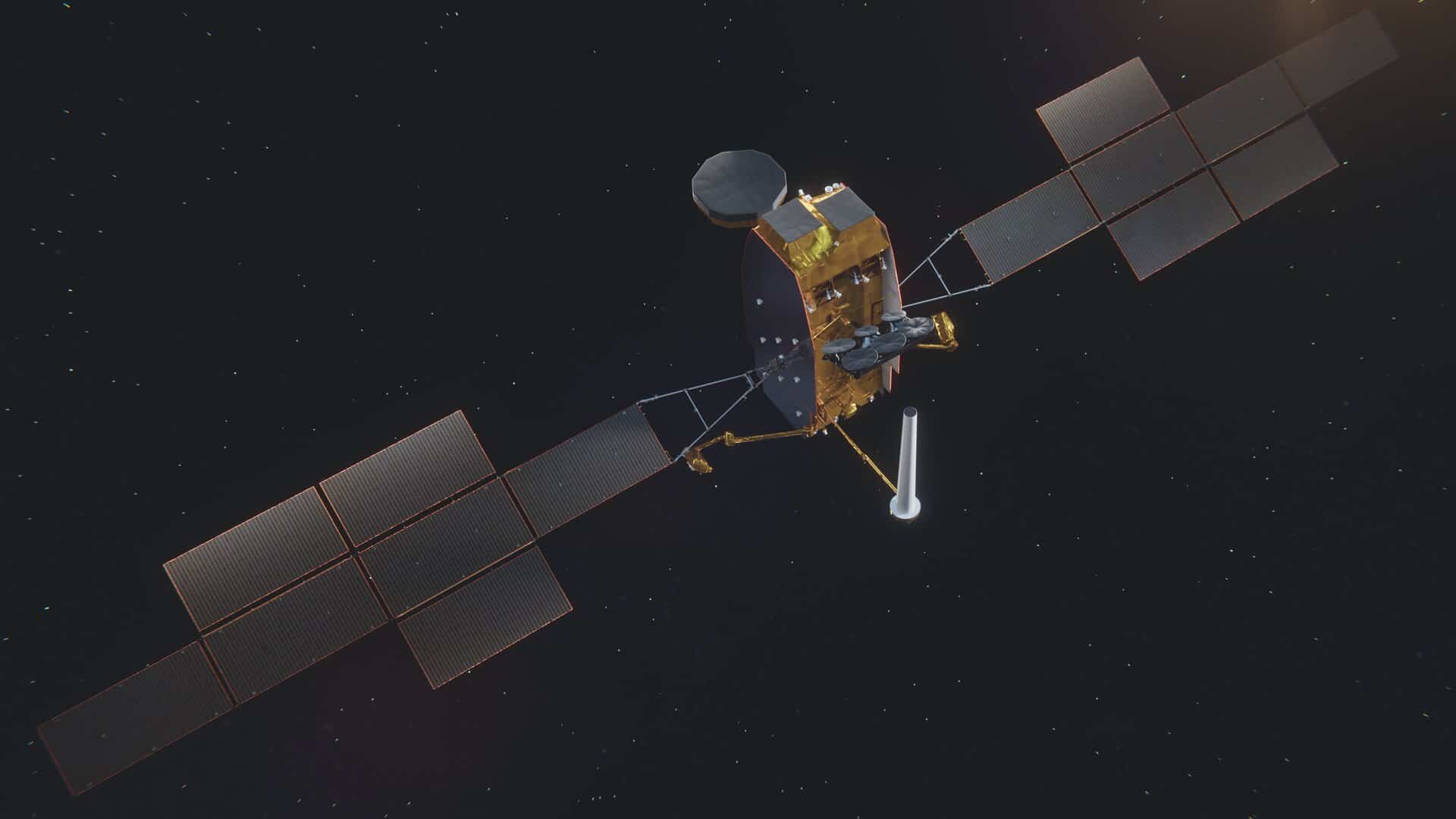
SpainSat NG-I will provide secure and reliable communications for the Spanish armed forces, reinforcing the country’s technological and strategic capacity in space; it will have advanced technologies for protection against attempts at interference and spoofing and will be protected against high-altitude nuclear phenomena.

Among other elements, Sener has been responsible for the design and manufacture of the front-end of the new DRA X-band antennas, both for transmission and reception, which will allow the transmission capacity of current satellites to be multiplied by 16.

The launch of SpainSat NG-I, Hisdesat’s advanced secure communications satellite, will take place on January 29 from Cape Canaveral, in the United States. The engineering and technology industrial group Sener has participated in its development, in collaboration with the rest of the participants in the program, leading companies in the industry.

Sener has designed, manufactured and carried out the tests of several of the elements that make up the satellite’s active X-band transmitting and receiving antennas. These antennas integrate, among others, 120 DSSPA (dual solid-state power amplifiers) and 120 DLNA (dual low-noise amplifiers), both in X-band.

In addition, Sener has supplied 6 sets of steerable reflectors, Mechanical Reflector Assembly (MRA) for the Ka-band communications system, installed on a deployable panel, with three types of antennas and with an angular movement range of the antenna of +/- 5º. These reflectors are fed by several feeders, including the horn, polarizer and guide routing, which have also been supplied by Sener.

Additionally, and for each satellite, Sener has delivered a pair of S-band antennas (circular polarizations on the right and left) and a global X-band TCR antenna with both polarizations (with transmission and reception functions integrated in the same antenna).

Finally, Sener has actively participated in the satellite’s ultra-high frequency or UHF antenna, developing the three-channel OMUX, which filters and groups the outputs of the corresponding amplifiers before attacking the satellite’s UHF antenna. The handling of high powers at low frequencies for space applications made the design of this equipment a first-class challenge.

All these elements will help ensure that, once in orbit, SpainSat NG-I can provide secure and reliable communications for the Spanish armed forces, reinforcing the country’s technological and strategic capacity in space. The satellite will cover a wide area, spanning from the United States and South America to the Middle East, including Africa and Europe, and reaching Singapore. With an operational lifespan of 15 years, it incorporates advanced technologies for protection against interference and spoofing attempts and will be reinforced and protected against high-altitude nuclear phenomena.

Sener has extensive experience in communications for the space market. It has supplied antennas and radio frequency equipment, both active and passive, to the main satellite manufacturers and space agencies for use in navigation, telecommunications, exploration and Earth observation. It has provided more than 10,000 pieces of equipment and subsystems on board 1,400 satellites in LEO, GEO, MEO orbits and for launchers.

In the words of Diego Rodríguez, Director of Space and Science at Sener, “we are proud to be part of this program and therefore to participate in the milestone that the successful completion of a program such as SpainSat NG represents for Hisdesat and our industry, undoubtedly one of the most advanced in its category in the world.”

Sener Respira solution awarded in 12th enerTIC Awards

Sener Respira solution awarded in 12th enerTIC Awards

18/12/2024

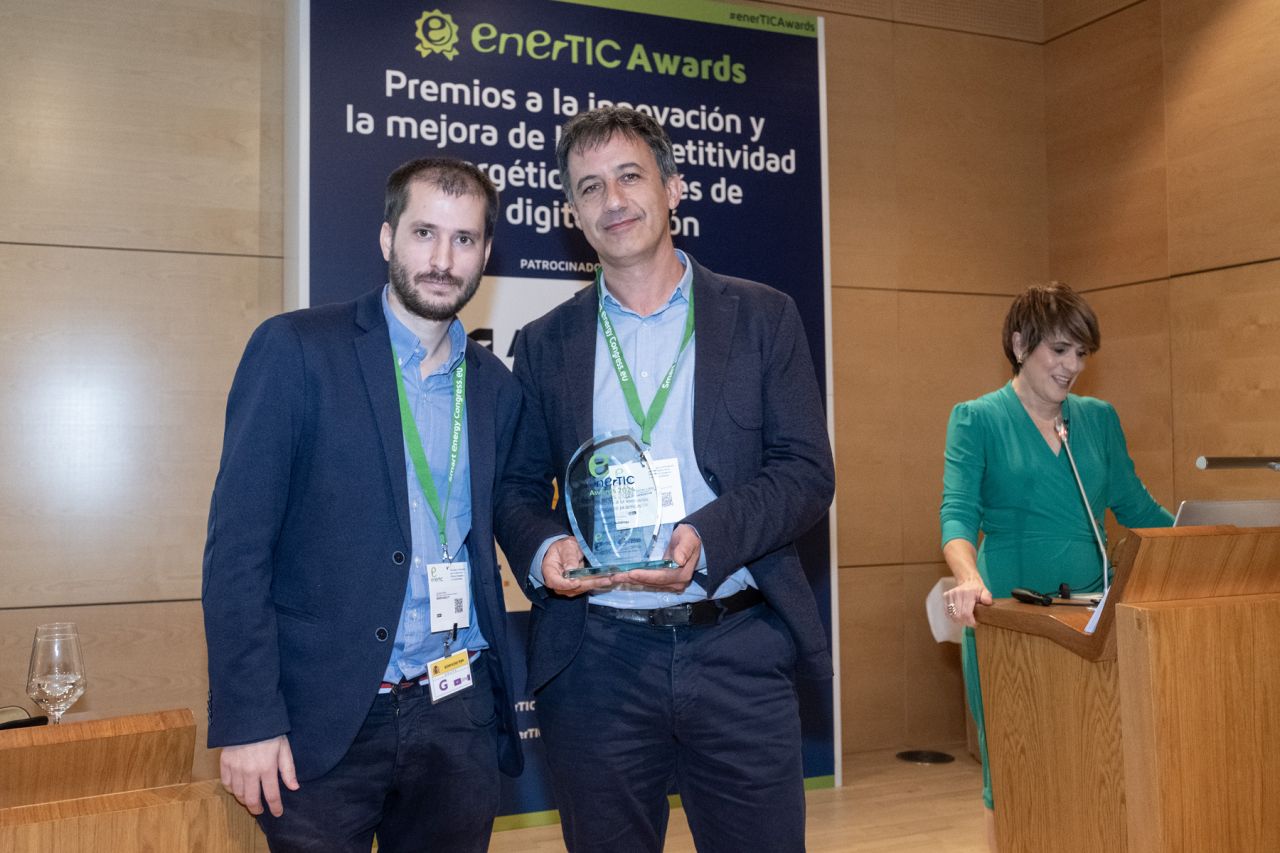
The XII edition of the enerTIC Awards, awards for innovation and improvement of energy competitiveness through digitisation, took place recently at the headquarters of the Ministry of Digital Transformation and Public Function, in Madrid. The event, organised by the enerTIC platform, was attended by leading representatives from the public and private sectors, and served to reward outstanding initiatives and leadership that promote energy competitiveness and sustainability.

In this edition, the project ‘Artificial intelligence for energy efficiency and guest comfort in the Iberostar Hotel Chain’, in which the Sener group participated as a technology partner through the Respira solution, was selected as one of the award-winning initiatives in the Smart Buildings category. The ceremony highlighted excellence in technology and innovation applied to key sectors such as industry, transport, renewable energies and public administrations.

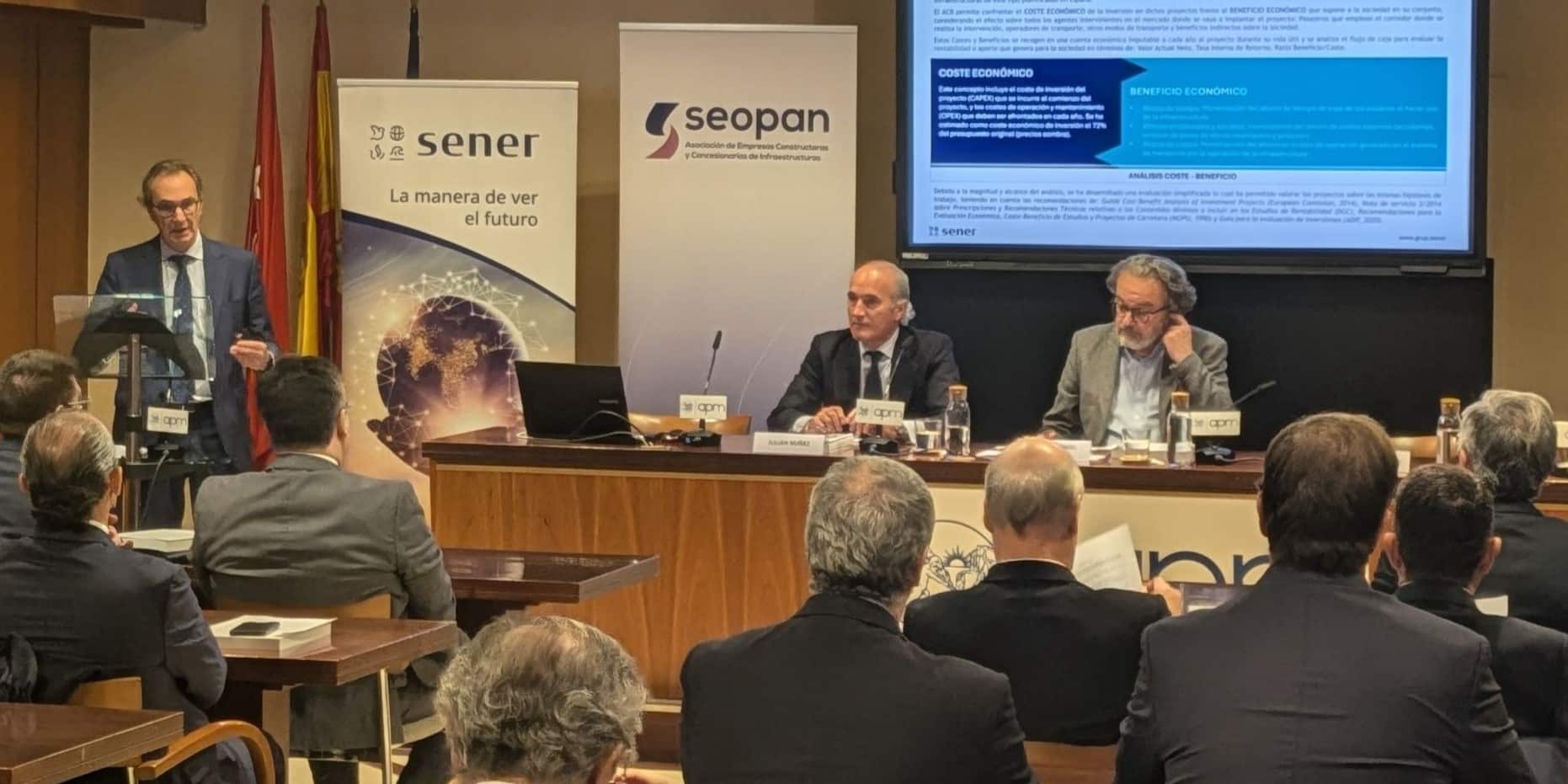
SEOPAN presents the report “Analysis of Priority Investment in Infrastructure in Spain”, prepared by Sener

SEOPAN presents the report “Analysis of Priority Investment in Infrastructure in Spain”, prepared by Sener

12/12/2024

Spain needs 150,833 million euros (M€) of investment in transport infrastructure with high socioeconomic profitability, necessary to carry out the planned actions and comply with European regulations, according to the report “Analysis of Priority Investment in Infrastructure in Spain” prepared by Sener for SEOPAN.

Spain needs 150,833 million euros (M€) of investment in transport infrastructure with high socioeconomic profitability, necessary to execute the planned actions and comply with European regulations according to data from the report ” Analysis of Priority Investment in Infrastructure in Spain ” prepared by the engineering company Sener, at the request of SEOPAN, the Association of Construction and Concession Companies of Infrastructures. This investment is broken down into €85,083 M in planned actions, €57,154 M in modernization and adaptation of existing infrastructures and €8,595 M in innovative projects.

The planned investments in transport infrastructure, which represent €85,083 million with an execution horizon of 2024-2035, aim to renew, maintain and expand the transport network to resolve the growing demand for mobility in Spain and the problems of congestion, highlighting railway actions (€51,315 million) and road actions (€26,935 million).

Completing the connection of the high-speed rail network, whose planned investment represents €16,514 million (with €9,494 million pending execution) will generate a socio-economic benefit (B/C) of €59,962 million in 30 years of operation. And carrying out the planned actions for commuter trains, metro, trams and conventional railways requires an investment of €47,847 million (with €41,821 million pending execution) that will lead to a socio-economic benefit of €46,369 million in 30 years.

Domestic mobility of people and goods is supported mainly by roads, and it is a priority to complete the road projects planned in the last two decades, which represent an investment of €24,067 million for the construction of 2,415 km of new motorways, the execution of which would entail a socio-economic benefit of €32,290 million over 30 years of operation.

Likewise, the increase in daily traffic recorded in certain sections of the high-capacity road network requires the expansion from 2 to 3 lanes per roadway at some critical points to reduce congestion and improve road safety. The actions under analysis represent €2,868 million of investment in 484 km of State motorways with a socioeconomic benefit of €8,468 million in 30years of operation, almost entirely coming from savings in user travel times, and with a B/C ratio of 6.5.

Finally, planned and pending investments in ports and airports represent €2,344 million and €4,490 million, respectively.

Investments in modernisation and adaptation of existing transport infrastructure, which represent €57,154 million, aim to increase its quality, safety, level of service and adaptation to national and European regulatory requirements.

€19.405 billion is proposed for investment in the modernisation and adaptation of road infrastructure, with €5.586 billion being allocated to anticipate full electric mobility on 13,674 km of high-capacity interurban network and on 51,948 km of conventional roads owned by the State and the Autonomous Communities with 1,585 electric charging stations and 10,710 ultra-fast public access charging points. Also noteworthy are €2.083 billion for ecological transition actions such as reducing emissions on the motorway network through repaving actions, carbon sinks, lighting efficiency, noise pollution, etc. and €2.405 billion for the digitalisation of the high-capacity road network.

To improve road safety, €2.559 billion is proposed for investment, broken down into €750 million for sections with high accident rates, €191 million to reduce fatalities among vulnerable users – cycle lanes and pedestrian paths -, €805 million for the duplication of conventional roads and €813 million for the implementation of 2+1 roads on 534 km of conventional roads. Additionally, €500 million is proposed for the creation of 400,000 safe parking spaces for trucks. Finally, €6.272 billion is identified for specific projects to bury urban roads in Madrid and Barcelona, ​​which would generate significant savings in travel times, a significant reduction in emissions and the release of large urban areas for future uses.

Intermodal infrastructure represents another important part of modernisation and adaptation investments, with actions worth €4,335 million, broken down into €358 million in railway motorways, €882 million in rail-port connections, €1,717 million in air-rail connections and €1,379 million in transport interchanges. It is also a priority to increase the current modal share of rail freight transport; the multi-sector association FERRMED identifies €30,236 million of investment in Spain for the construction and adaptation of through stations and interconnection lines. Added to this is €1,080 million in various unique railway infrastructures.

In the port sector, investments of €1,000 million are worth mentioning, for the civil works necessary for industrial development and the execution of floating foundations associated with the deployment of offshore wind energy, and €1,098 million for the Onshore Power Supply port programme to meet the European objective of electrical connectivity at berths in 2030.

Thirdly and finally, examples of innovative investments are identified to improve efficiency in the mobility of people and goods (dynamic electric charging, vertiports and magnetic levitation train), the promotion of smart cities and digital infrastructures – data centres -, reaching an estimated investment of €8,595 million.

Sener and Modelical to Develop Virtual Models of the Guadiana Hydrographic Confederation Dams

Sener and Modelical to Develop Virtual Models of the Guadiana Hydrographic Confederation Dams

28/11/2024

La UTE Sener-Modelical ha sido adjudicataria del lote 6 del contrato de Implementación de Metodología BIM licitado por la Secretaría de Estado de Medio Ambiente para realizar los modelos BIM de diecisiete presas de titularidad estatal en la Confederación Hidrográfica del Guadiana. El consorcio aplicará tecnologías de escaneo láser terrestre y drones para obtener nubes de puntos y fotografías de 360 grados de las infraestructuras y de sus edificios auxiliares. La UTE proveerá los modelos 3D con información para la gestión de las presas en las diferentes fases de su ciclo de vida.

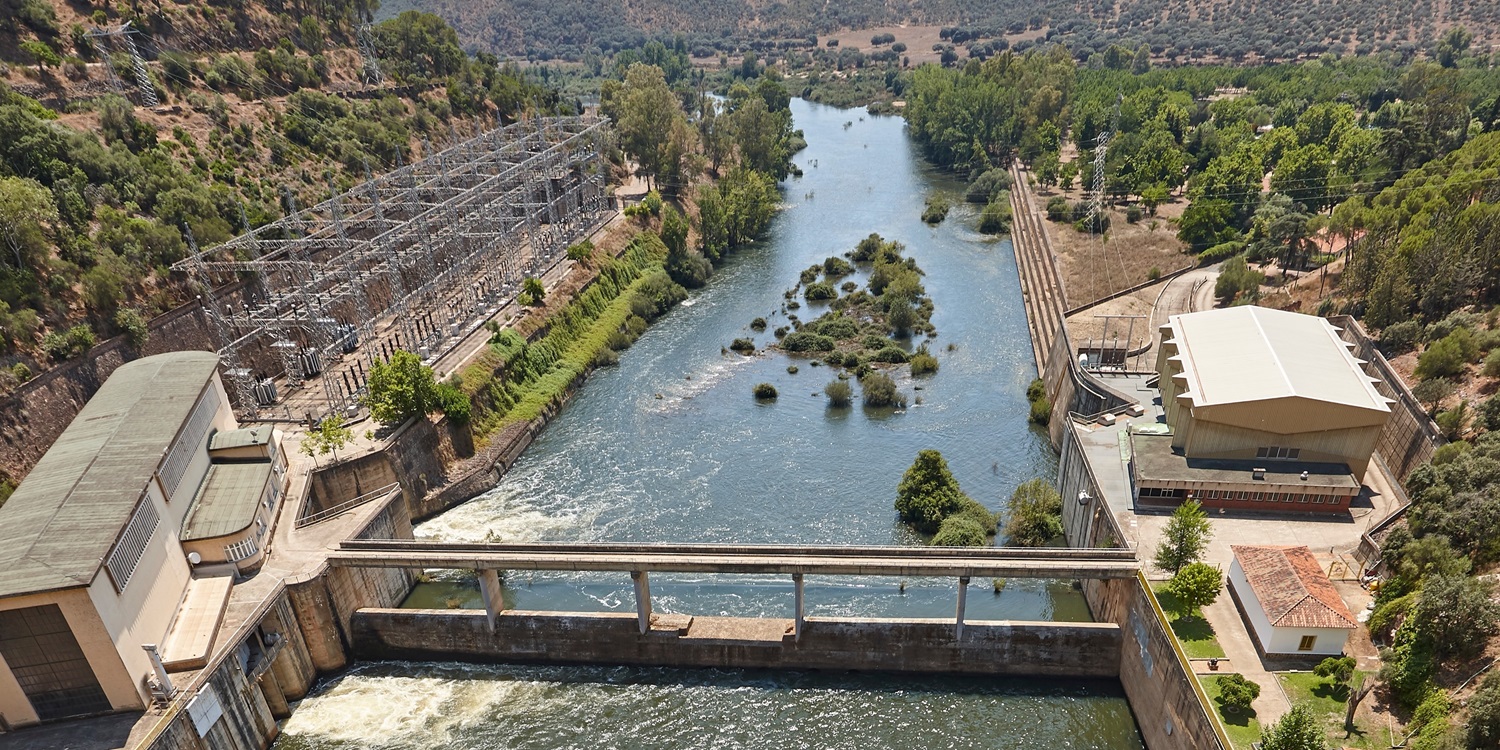
La UTE formada por el grupo de ingeniería y tecnología Sener y por Modelical, consultora especializada en transformación digital, ha sido adjudicataria del lote 6 del contrato de Implementación de Metodología BIM licitado por la Secretaría de Estado de Medio Ambiente para desarrollar los modelos virtuales de las presas de la Confederación Hidrográfica del Guadiana.

Los trabajos adjudicados forman parte del Contrato de servicios para el desarrollo, coordinación, implementación y formación de la metodología BIM en las presas estatales, en el Marco del Plan de Recuperación, Transformación y Resiliencia (PRTR). Este proyecto permitirá generar modelos digitales en tres dimensiones de las infraestructuras con información para apoyar la toma de decisiones y facilitar su operativa y mantenimiento.

Sener y Modelical combinarán su experiencia en ingeniería y creación de gemelos digitales de infraestructuras para desarrollar los modelos BIM de las presas del Guadiana.

En una fase inicial, el consorcio se encargará de digitalizar las diecisiete presas, sus instalaciones, así como sus edificios auxiliares aplicando tecnologías de escaneo láser terrestre y aéreo. El empleo de drones y dispositivos similares permitirá obtener nubes de puntos y fotografías de 360 grados.

En una segunda fase, Sener y Modelical moldearán las infraestructuras codificando cada elemento para su vinculación con otros sistemas. De esta manera los gemelos digitales se integrarán con sistemas como los de información geográfica (GIS) o de gestión del mantenimiento asistido por ordenador (GMAO). La clasificación y la codificación de los elementos facilitarán la incorporación de documentación asociada. Adicionalmente, entornos tridimensionales permitirán visitas virtuales de las instalaciones.

En paralelo, la UTE realizará varias formaciones para que los equipos técnicos de la Confederación Hidrográfica del Guadiana puedan usar los modelos para la gestión de operaciones y mantenimiento.

Estos trabajos de digitalización y agregación de información cambiarán muchos aspectos en la gestión de las presas y permitirán:

  • Trabajar a partir de modelos virtuales que serán la fuente de información única y fiable para todas las partes implicadas.
  • Asegurar la trazabilidad de la información.
  • Mejorar la coordinación entre disciplinas en la operativa y mantenimiento.
  • Proveer información detallada y agregada a todos los niveles implicados.
  • Apoyar la toma de decisiones.

La digitalización de estas infraestructuras aportará beneficios para los equipos técnicos, la Dirección General del Agua (DGA) y la ciudadanía.

Getxo

Getxo


Direction: Avda. Zugazarte, 56 (entrada por c/ Cervantes, 8) 48930 Getxo (Bizkaia) (España / Spain)

The Sener Foundation and the Ramón y Cajal Hospital win the Ennova Health Award in the Big Data and Artificial Intelligence category for their AI application project for the prevention of familial cancer

The Sener Foundation and the Ramón y Cajal Hospital win the Ennova Health Award in the Big Data and Artificial Intelligence category for their AI application project for the prevention of familial cancer

20/11/2024

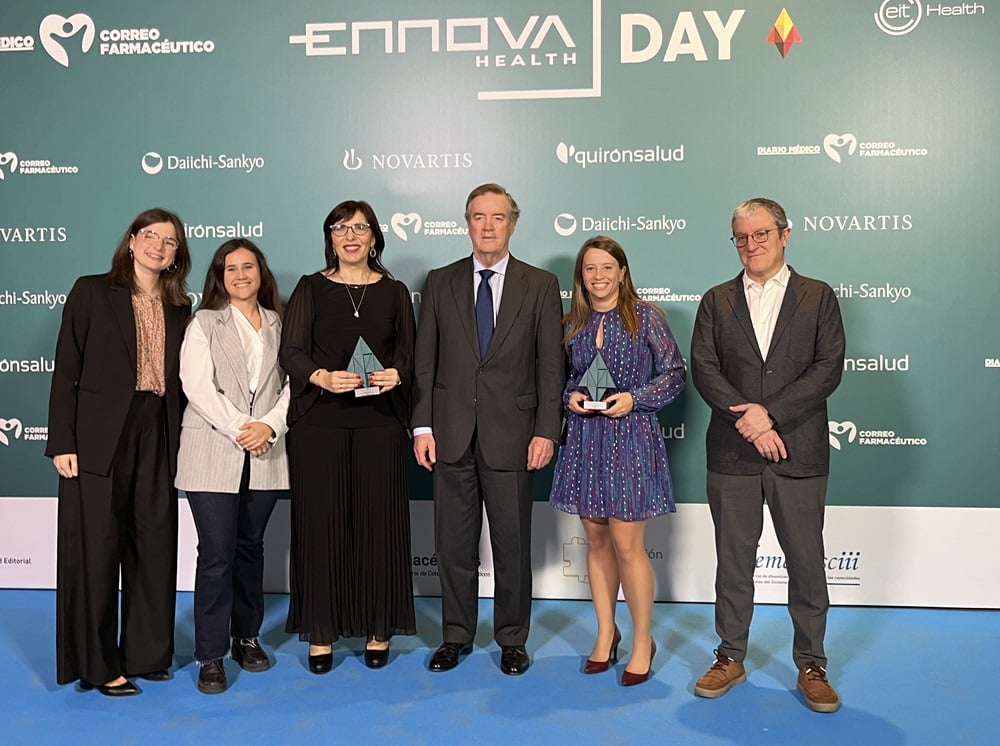
The Sener Foundation and the Ramón y Cajal University Hospital in Madrid have won the Ennova Health Award 2024, in the Big Data and Artificial Intelligence category, for the project called CARE-AI for the development of an artificial intelligence-based tool to identify the risk of hereditary familial cancer.

The awards ceremony took place within the framework of Ennova Health Day, a meeting organized by Diario Médico and Correo Farmacéutico that brought together professionals from the health sector and was held at the Real Teatro de Retiro in Madrid.

The president of Sener and president of the Sener Foundation, Andrés Sendagorta, was responsible of collecting the award. The event was also attended by María García and Marta Fernández, Sener professionals who have developed this tool – together with Julia Simón – through a volunteer programme of the Sener Foundation, and the director of the Sener Foundation, Rosana Madroñal. On behalf of the Ramón y Cajal University Hospital, Carmen Guillén, head of the Medical Oncology Section and head of the Familial Cancer Unit, and Javier Zamora, head of the Clinical Biostatistics Unit, attended.

The award-winning project consists of the development of a tool that, using artificial intelligence (AI), helps to more efficiently identify those people with a higher probability of presenting a hereditary genetic susceptibility to cancer. For its development, anonymised information contained in approximately 10,000 family genealogical trees (covering three or more generations) and clinical data of individuals, anonymised information provided by the Hospital, were used. This information includes data such as age of diagnosis, presence and type of tumours or relevant benign pathologies, among others. The aim is to provide clinicians with a tool that helps in their decision-making process by estimating an individual’s risk of presenting a hereditary genetic susceptibility to cancer and, also, when selecting candidates to carry out a germline genetic study. More information about the project.

The Ennova Health Awards, which will celebrate their 4th edition in 2024, aim to identify and recognise digital health initiatives that add value, contribute to the sustainability of the system and improve the patient’s quality of life. The awards ceremony was attended, among other personalities, by the Deputy Minister of Digitalisation of the Ministry of Digitalisation of the Community of Madrid, Manuel Pérez Gómez, and the Secretary General of Digital Health and Information Systems for the National Health System (SNS) of the Ministry of Health, Juan Fernando Muñoz Montalvo.