





 About us
 / section
Careers
Careers / section
News & events
News & events / sectionCountries section
About us
About us / section
Careers
Careers / section
News & events
News & events / sectionCountries section
About us
About us / section
Careers
Careers / section
News & events
News & events / sectionCountries section
About us
About us / section
Careers
Careers / section
News & events
News & events / sectionCountries section


 More results
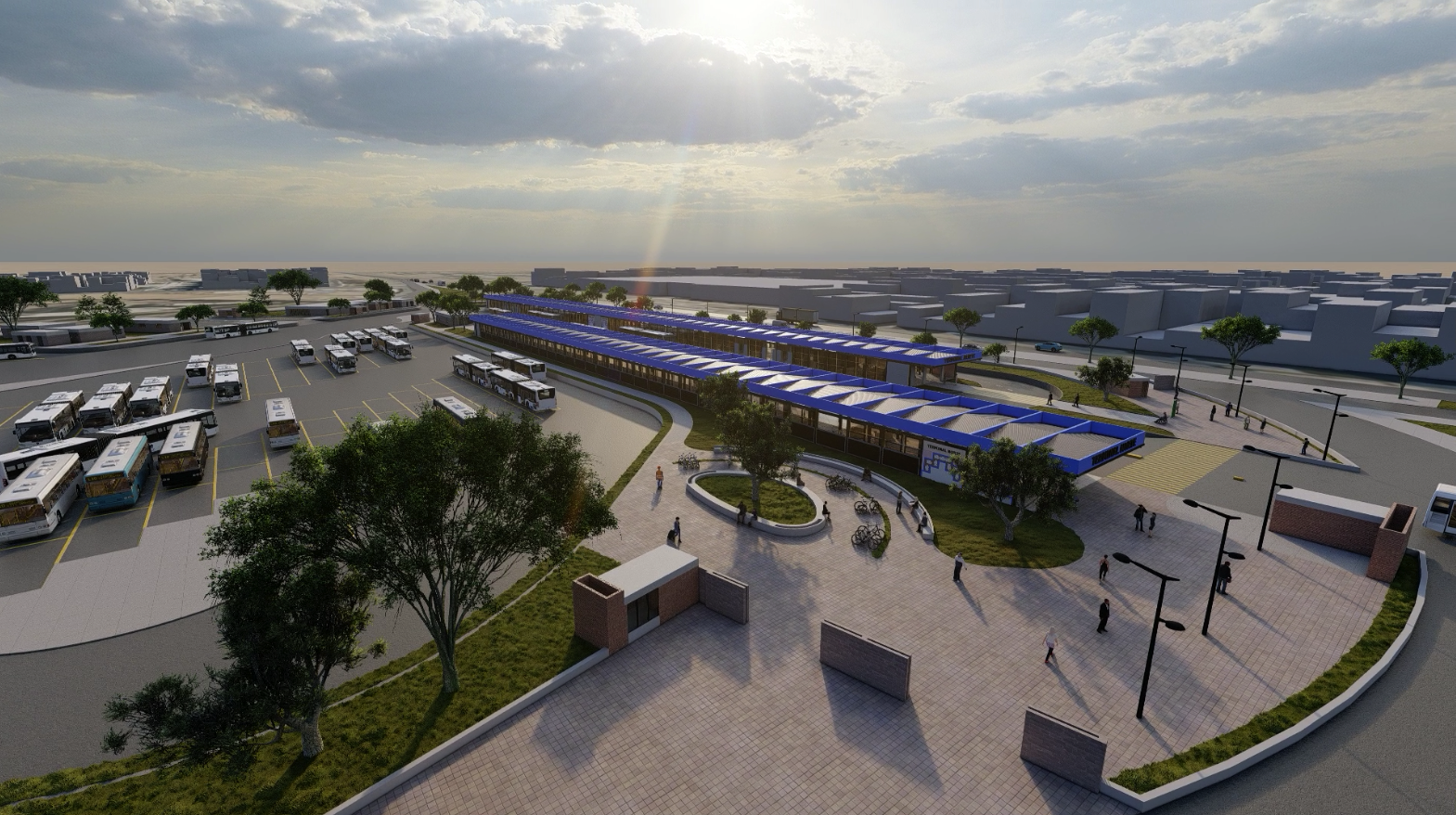
With over one million inhabitants, Trujillo is the first city in the country, after Lima, to move towards a high-capacity public transport system based on bus rapid transit. This will be made possible through a new corridor that will cross five districts, feature 16 stations, and enable a more modern, safe, efficient and sustainable means of transport that will benefit over 440,000 users.
The consortium formed by the engineering and technology group Sener and the Peruvian firm CESEL Ingenieros has been awarded the contract to draft the technical design for the project to Improve Urban Passenger Transport Services through a North–South Trunk Corridor and Feeder Routes in five districts of the city of Trujillo.
The assignment, led by Promovilidad, the National Programme for Sustainable Urban Transport under Peru’s Ministry of Transport and Communications (MTC), is being carried out in collaboration with the Provincial Municipality of Trujillo and Metropolitan Transport of Trujillo (TMT), and is financed by the German Development Bank (KfW). The work undertaken by the consortium will serve as a guide for the future implementers of the project. The technical consultancy will last 18 months. The overall project involves an investment of more than 557 million soles (over 133 million euros) and is supported by an international credit facility of 55 million euros from KfW.
With over 1 million inhabitants, Trujillo is the first city in the country after Lima to move towards a high-capacity public transport system based on Bus Rapid Transit (BRT). This new corridor, in Peru’s third most populous city, will enable more modern, safer, more efficient, and more sustainable mobility, directly benefiting over 440,000 public transport users. The corridor will have a total length of 11.18 km, in addition to 18.1 km of feeder routes. It will connect the districts of La Esperanza, Moche, Huanchaco, Salaverry, and Trujillo, improving travel times, reducing private vehicle traffic, and raising the quality standards of urban transport services.
The system includes 16 stations and 2 terminals (north and south), 2 bus depots, 1 fuelling station, and 3 feeder routes to facilitate integration from outlying areas. Operations are scheduled to begin in 2026, with a fleet of 53 articulated 18-metre buses and 62 feeder buses measuring 9 metres.
The project is expected to reduce inter-district private vehicle travel by 30%, reorganising more than 40 existing routes, improving quality of life in the city, and driving its economic and social development. Miguel Ángel Fernández, Business Development Director for Mobility in Peru, stated: “We’re pleased to contribute our international experience in urban transport infrastructure planning and design to this project, supporting the Peruvian government’s commitment to building more connected cities through a modern, citizen-focused urban mobility model”.
Senhy facilitates the deployment of green hydrogen across Europe

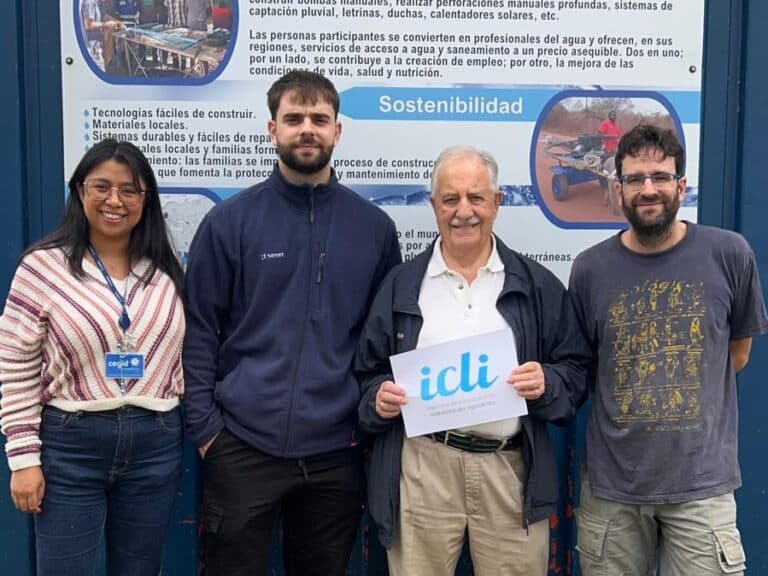
Sener Foundation, ICLI and TADEH join forces to improve access to water in rural and vulnerable communities
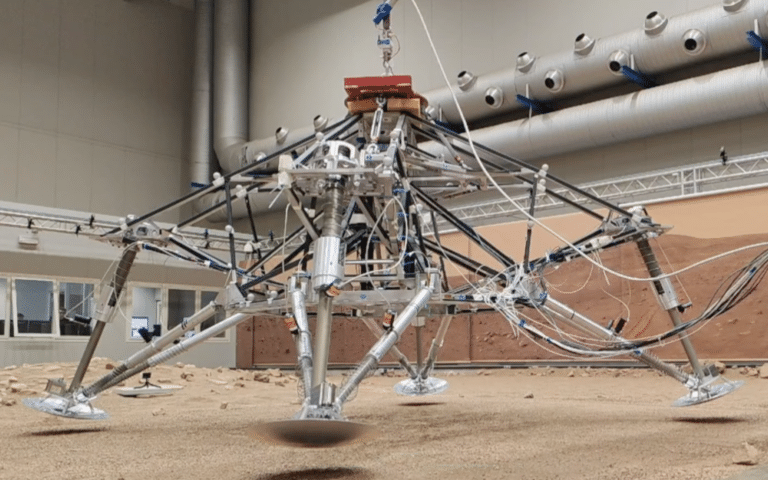
Sener advances qualification of the Rosalind Franklin rover landing gear ahead of its journey to Mars in 2028
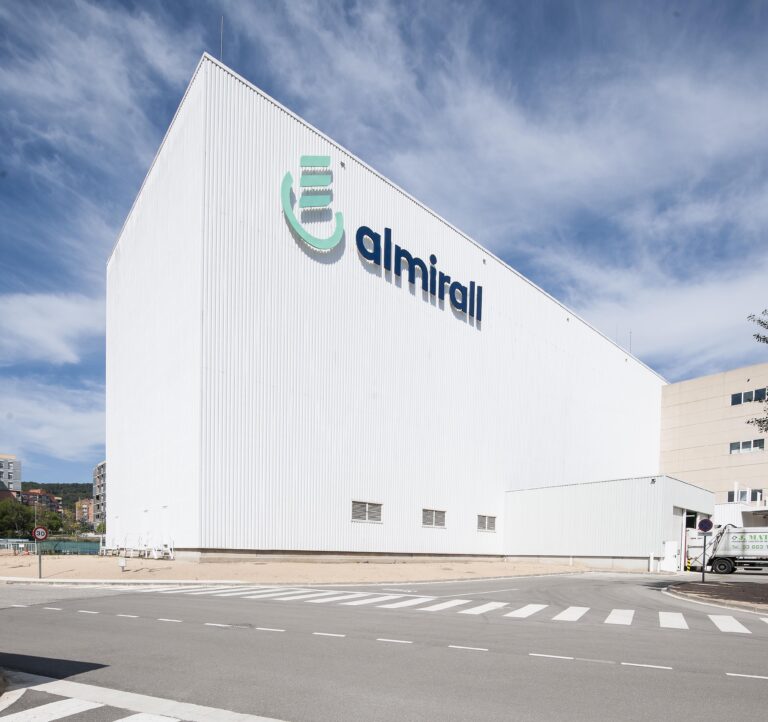
Almirall autonomously optimises energy operations at its Sant Andreu de la Barca plant using a digital twin developed by Sener