





 About us
 / section
Careers
Careers / section
News & events
News & events / sectionCountries section
About us
About us / section
Careers
Careers / section
News & events
News & events / sectionCountries section
About us
About us / section
Careers
Careers / section
News & events
News & events / sectionCountries section
About us
About us / section
Careers
Careers / section
News & events
News & events / sectionCountries section


 More results
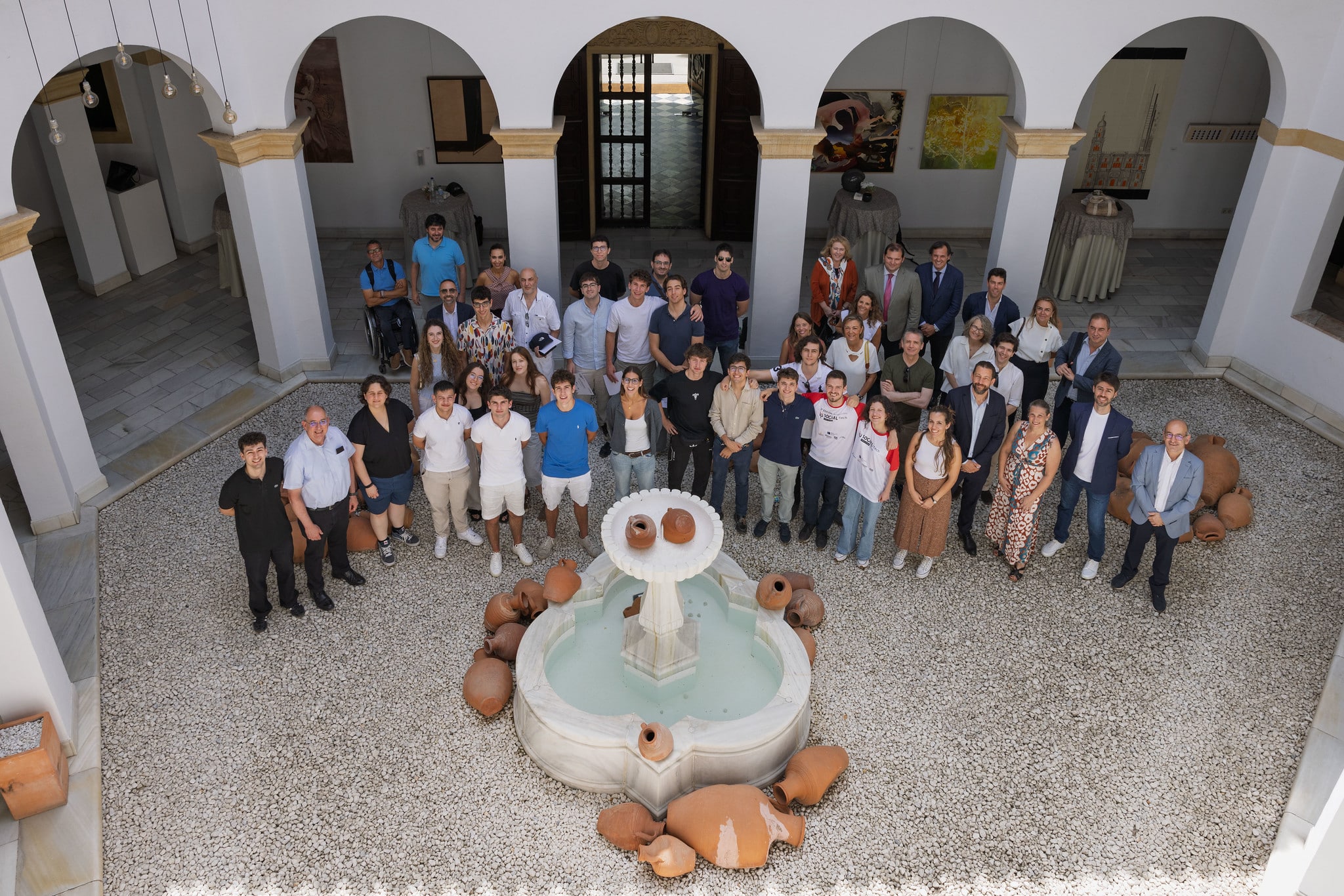
Sener Foundation has taken part, as a sponsoring organisation, in this initiative that brings together students from Jesuit universities to apply engineering to real social challenges. In this third edition, the challenge focused on developing autonomous mobility solutions in hospital environments.
The Sener Foundation, the non-profit organisation of the Sener engineering and technology group, has taken part in the 3rd edition of the SocialTech Challenge, an initiative organised by Jesuit Universities (UNIJES) that connects young talent with technological innovation aimed at improving people’s lives. On this occasion, teams of students from Comillas Pontifical University, the University of Deusto, IQS and Loyola University worked on a challenge with a direct impact on the healthcare sector.
Held at the Advanced Clinical Simulation Centre at Loyola University in Seville, the event focused on a shared goal: developing prototypes of autonomous wheelchairs capable of operating in hospital environments. This is a particularly demanding context, requiring solutions that are safe, precise and adapted to both patients and healthcare professionals.
During the dynamic testing of the wheelchairs, the teams designed, built and validated their proposals on a circuit simulating real hospital situations. Autonomous navigation, sensor integration, ergonomics and accessibility were among the key aspects shaping the development of the projects, reflecting the participants’ ability to tackle complex challenges with a practical and socially driven approach.
The jury, made up of professionals from both the technological and social fields, included Francisco Alarcón, Head of Autonomous Systems in Aerospace and Defence at Sener. In their assessments, both the technical robustness and the potential impact of the solutions presented were taken into account.
Engineering to improve people’s lives
The first prize was awarded by the Rector of Loyola University, Fabio Gómez-Estern, to the team from the University of Deusto, whose proposal stood out for its overall performance in the tests and for its efficient approach, making use of a conventional wheelchair and incorporating an adaptable system. The second prize went to Comillas Pontifical University, in recognition of the quality and feasibility of its project.
The awards ceremony was attended by the Director of the Sener Foundation, Rosana Madroñal, who accompanied the participants and highlighted the role of initiatives such as this in training engineers committed to society.
Beyond the prizes awarded, the SocialTech Challenge is consolidating its position as a collaborative learning space where technology is understood as a tool at the service of people. The experience has enabled students to tackle real problems, work as a team and develop solutions with a clear social purpose.
Through its participation in this project, our Sener Foundation reinforces its commitment to promoting young talent, responsible innovation, and the application of engineering and technology to address major societal challenges.
Rosana Madroñal, Sener Foundation director
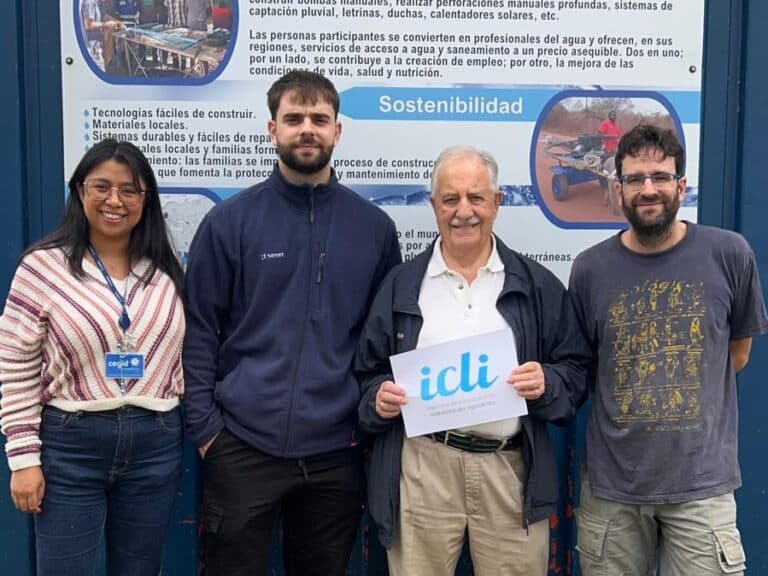
Sener Foundation, ICLI and TADEH join forces to improve access to water in rural and vulnerable communities
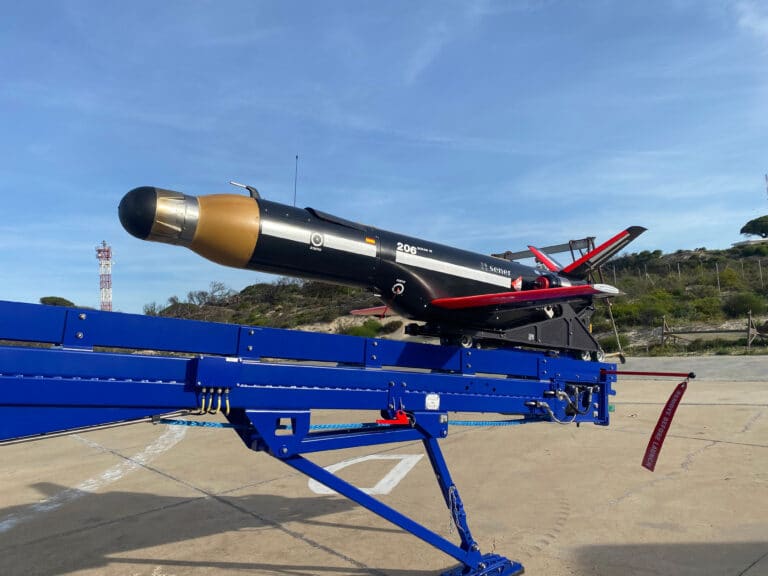
Sener to supply advanced aerial targets to INTA for ATLANTE 26 Exercises
Iñaki Pinto to lead Sener’s Space and Science division, while Diego Rodriguez takes on newly created technology and innovation leadership role in Aerospace and Defence

Sener ranks as Spain’s leading international design engineering firm in ENR, the sector’s leading international publication