



 About us
 / section
Careers
Careers / section
News & events
News & events / sectionCountries section
About us
About us / section
Careers
Careers / section
News & events
News & events / sectionCountries section


 More results
CLIENT | SECTOR | COUNTRY | CONTRACT | PERIOD |
CEMEX | Cement | Germany | FEED Engineering | 2005/2026 |
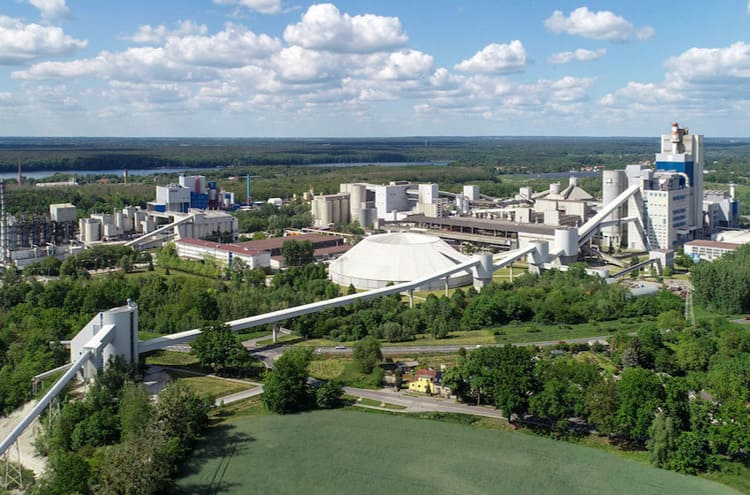 The CO2llect project aims to capture and store 1.3 million tonnes of CO₂ per year by 2030. It will use Linde HISORP® CC technology, which combines adsorption and cryogenic liquefaction.
Sener’s scope focuses on FEED engineering to integrate the auxiliary systems, or Balance of Plant (BoP), of the carbon capture unit with the existing infrastructure at the Rüdersdorf cement plant, the largest in Germany.
The engineering scope covers the installation of new equipment and utilities, the adaptation of existing infrastructure, and the coordination of interfaces between the cement plant and the carbon capture unit.
Layout updates, equipment relocation, and coordination of connections between the different project areas. The scope includes the design and three-dimensional (3D) integration of the Balance of Plant (BoP) with the CO₂ capture plant and the cement plant’s existing facilities, ensuring the functional, operational, and construction compatibility of all systems.
Design of the flue gas collection, temperature conditioning and ducting system for its seamless integration with the future post-combustion CO₂ capture unit. The solution includes the integration of a heat recovery system, together with the sizing of the flue gas ductwork, including bag filters, fans, dampers and the auxiliary stack discharge system, ensuring overall operational compatibility and system integration.
Integration engineering of combustion process modifications to enhance kiln operational efficiency and facilitate the decarbonisation of the cement plant.
Process design and sizing of the condensate treatment plant, aimed at minimising waste generation and maximising the energy recovery of waste heat available from the cement production process. The scope includes the production of water to the required quality, effluent management, and the adaptation of the existing water intake, drainage, and pumping infrastructure, which is currently close to its capacity limit and will need to accommodate the additional demand generated by the CO₂ capture plant.
Modernisation and expansion of the rail infrastructure to meet the new logistics requirements associated with transporting liquefied CO₂. The work includes modifications to railway tracks, weighing systems, and loading and unloading areas, as well as upgrades to the control, signalling, lighting, and noise mitigation systems required for continuous train operations.
The main equipment for the capture plant will be transported by waterway and unloaded at the cement plant’s existing bulk materials quay. Owing to the high loads involved in unloading and handling heavy equipment, the quay will require structural reinforcement to ensure adequate load-bearing capacity and the safe use of high-capacity cranes.
Connection of the new BoP systems to the existing facilities, including the diversion and adaptation of natural gas networks and other affected utilities, as well as demolition, earthworks, buried services, and the other civil works required to integrate the new facilities.
Integration engineering enables the new carbon capture systems to be coordinated with an operating industrial facility and defines the interfaces required for the subsequent project phases.

