





First actuators from the DTA10 series by SENER Aeroespacial in space

27/10/2022

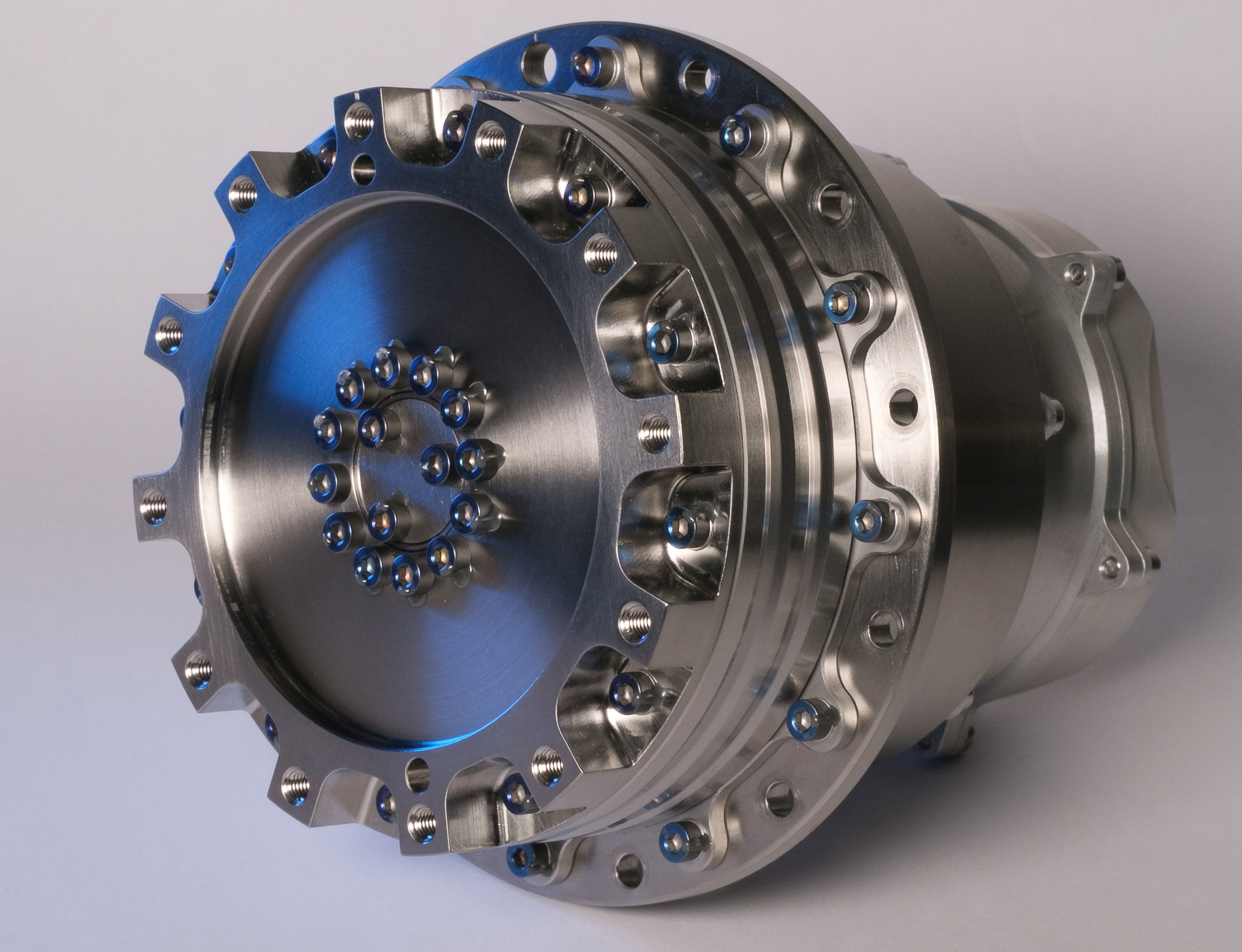
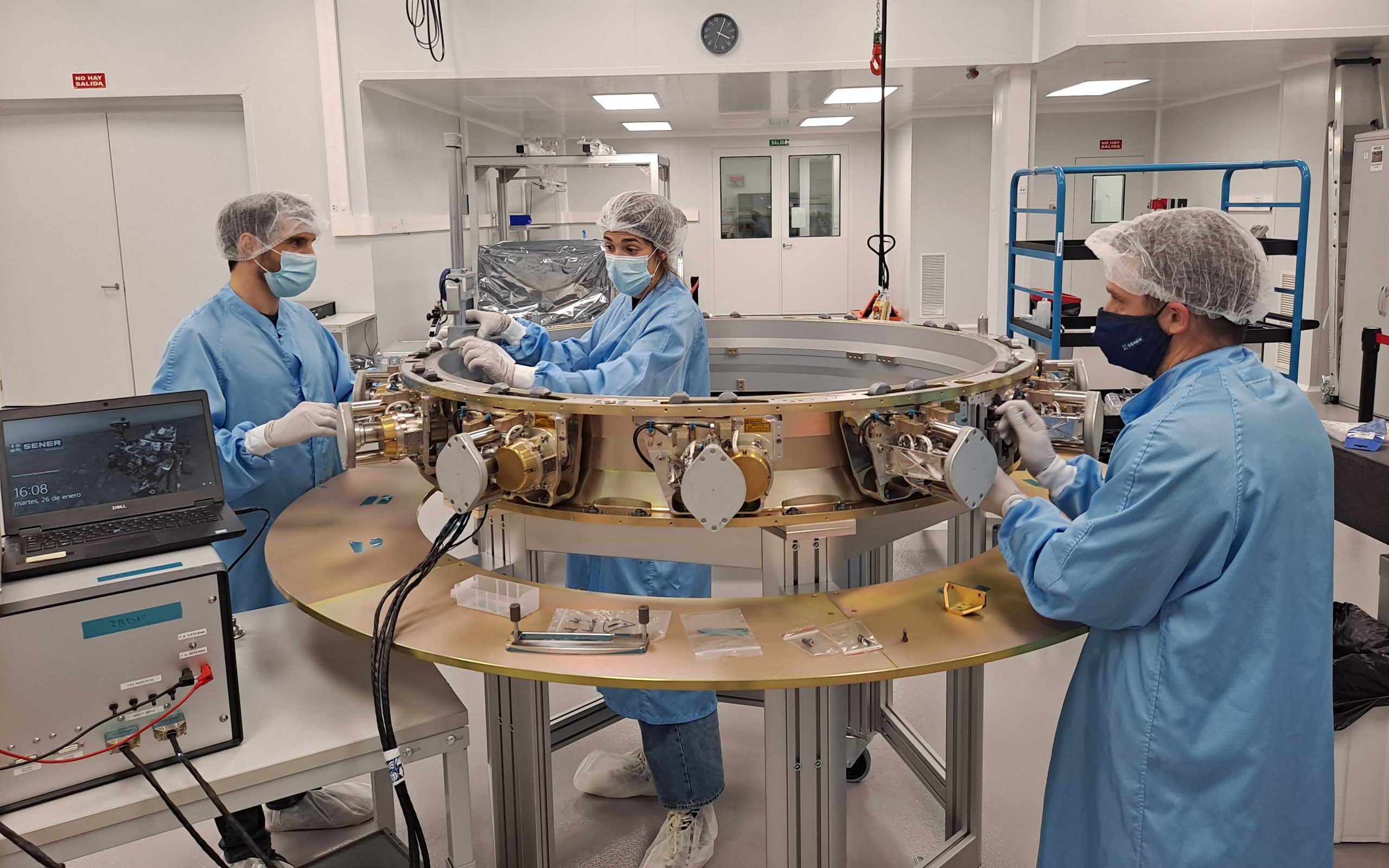
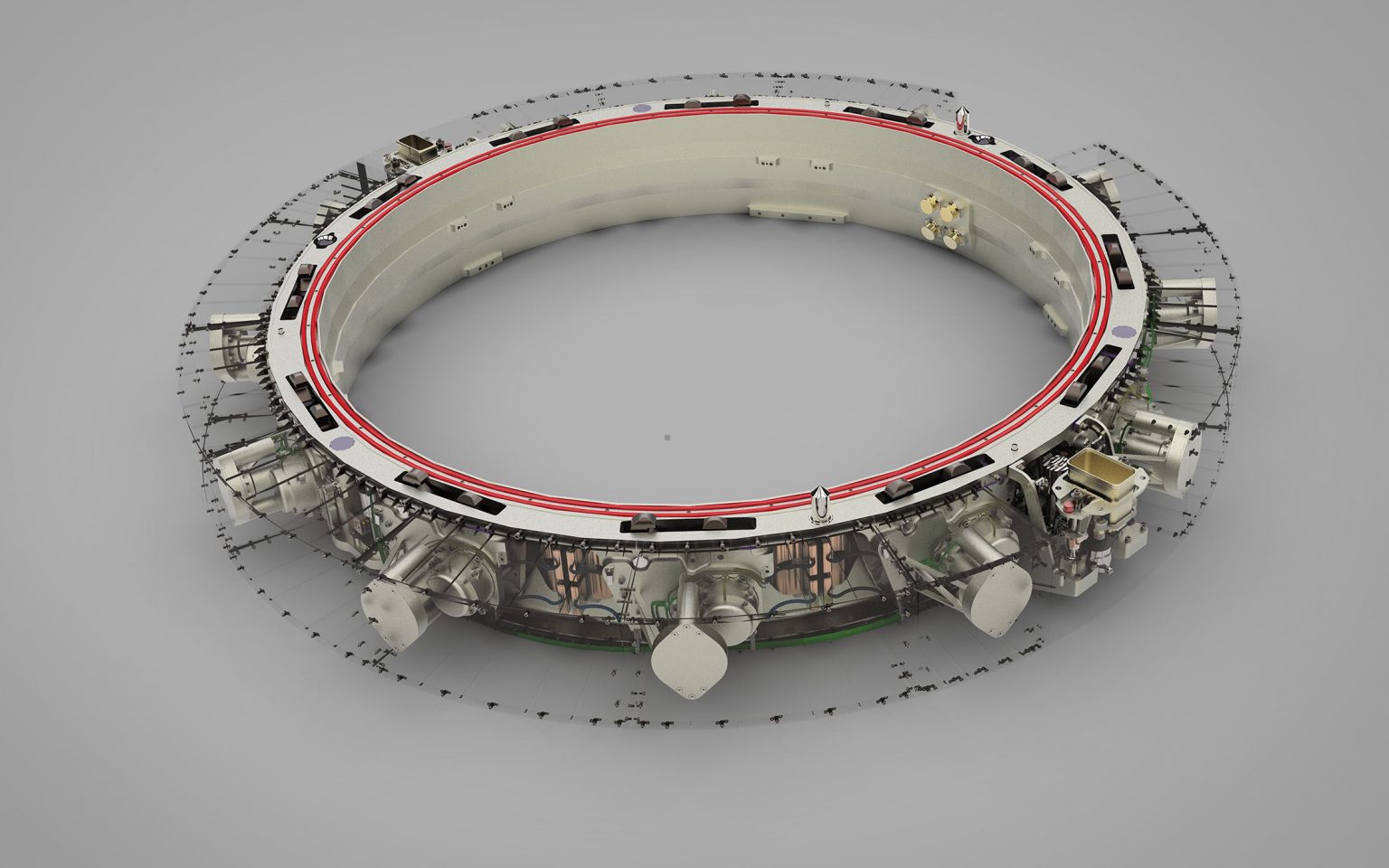
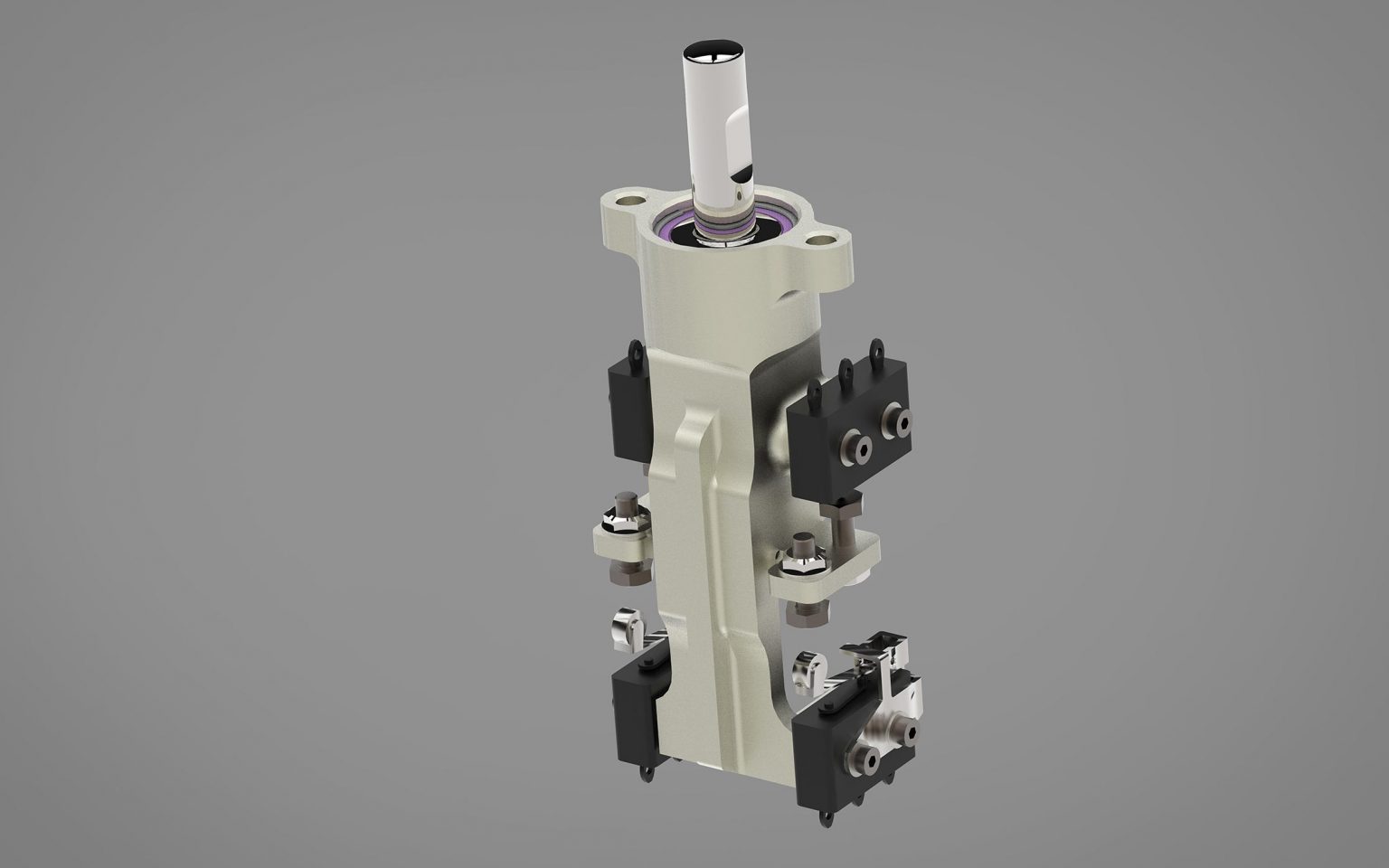
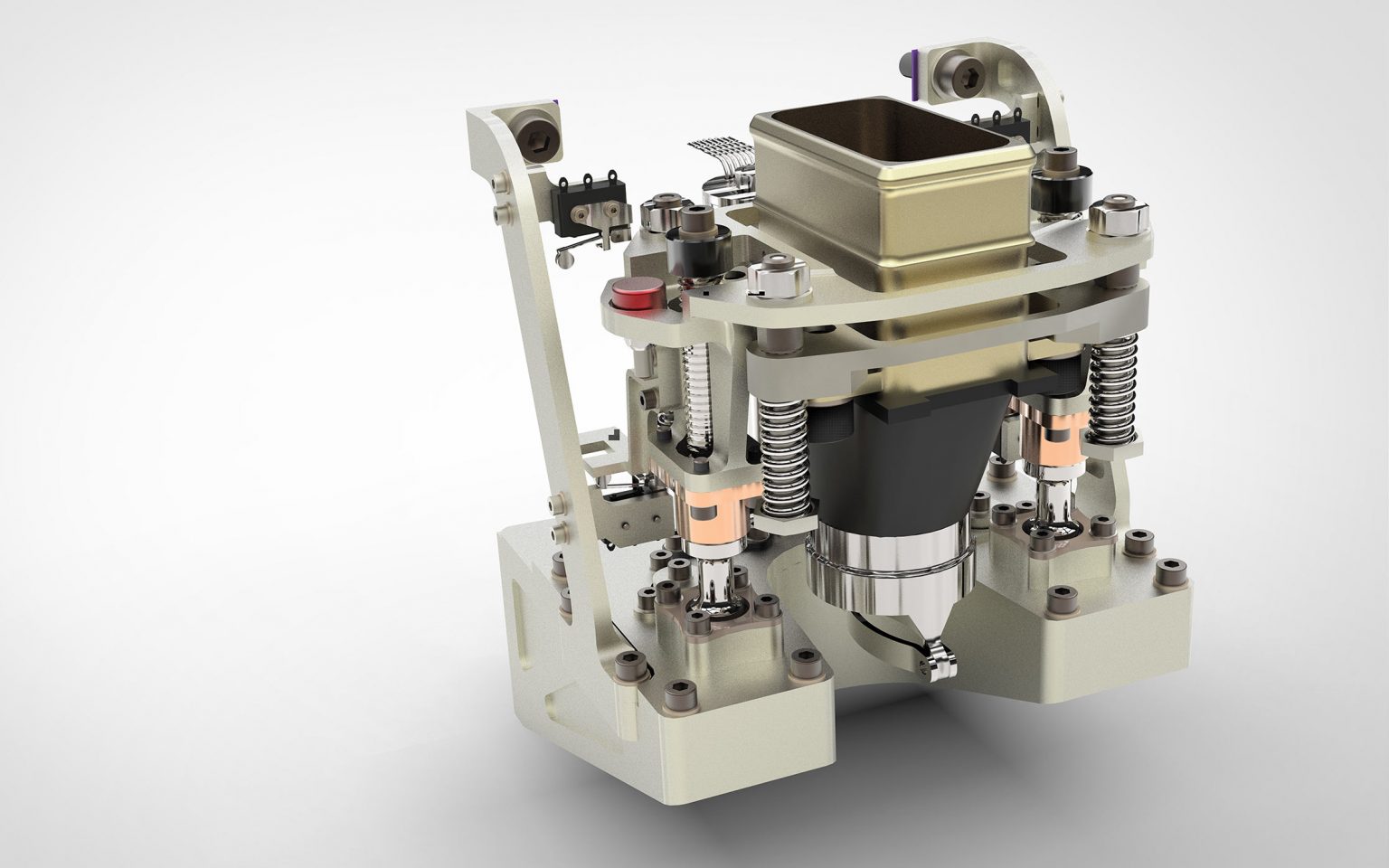
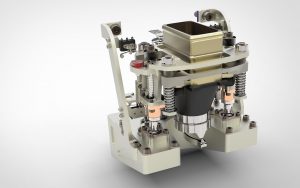
The first six actuators of the more than 100 currently in series production by SENER Aeroespacial have been successfully launched and operated in space aboard the Hotbird 13F satellite.

The first six actuators of the more than 100 currently in series production by SENER Aeroespacial have been successfully launched and operated in space aboard the Hotbird 13F satellite.

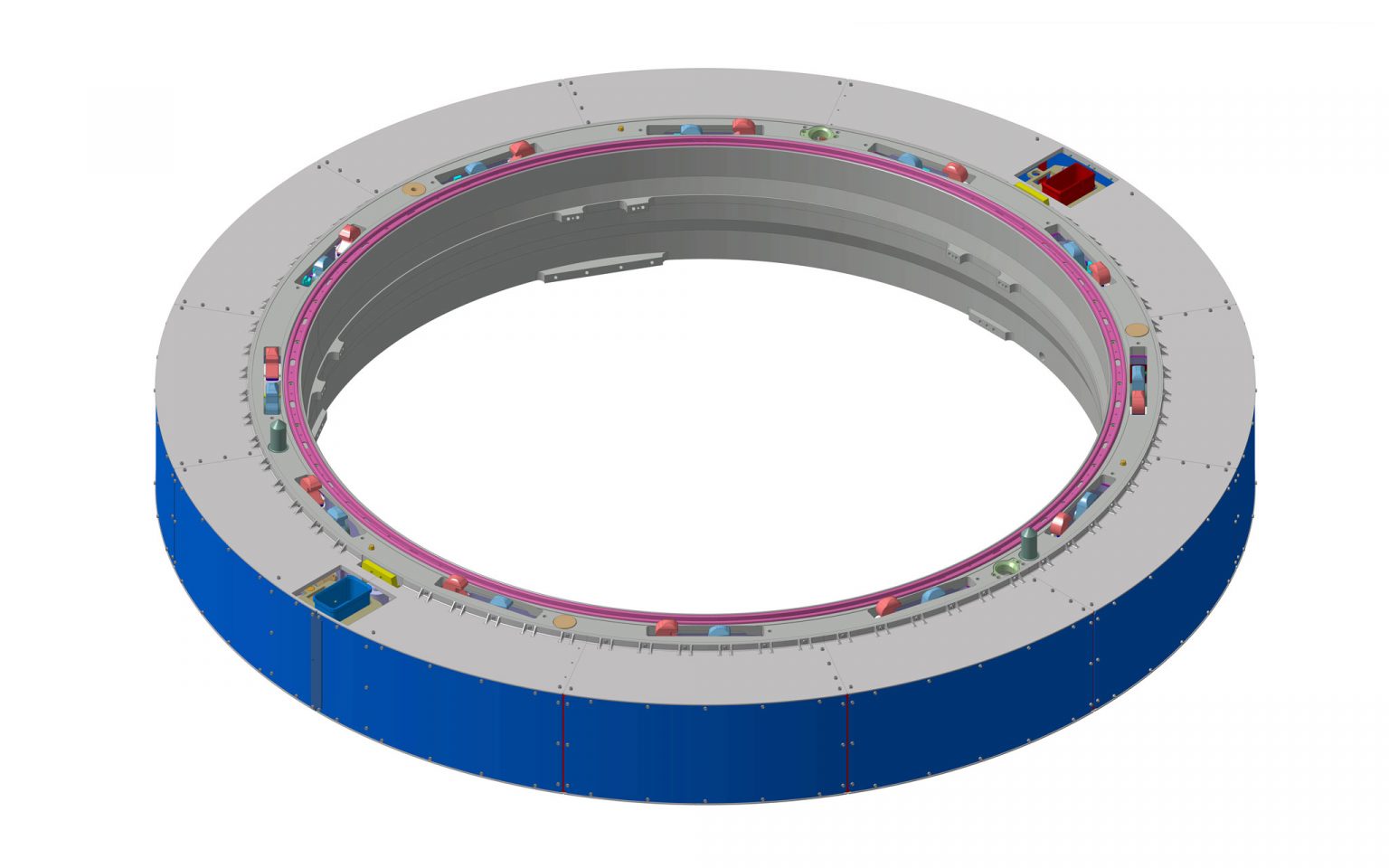
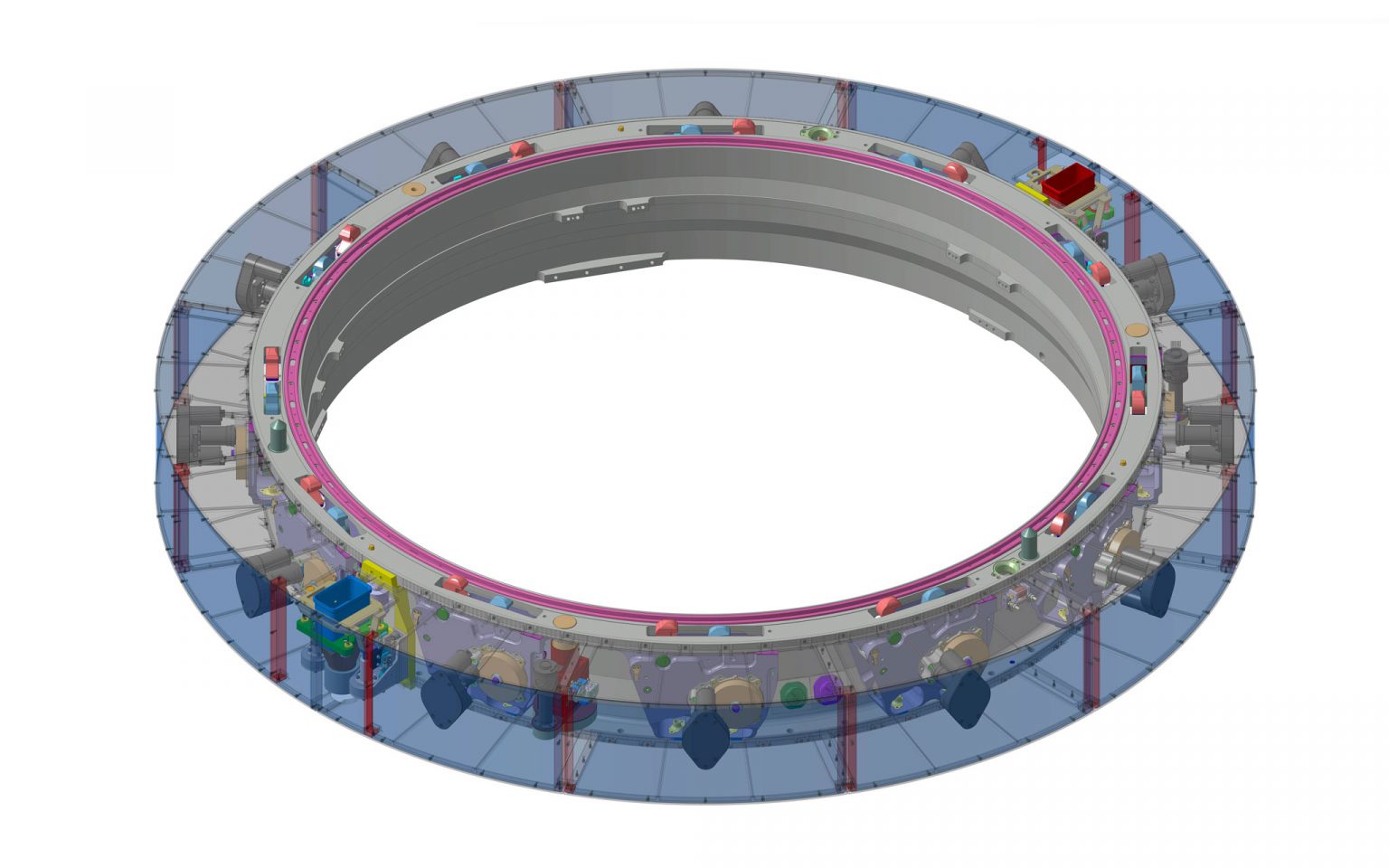
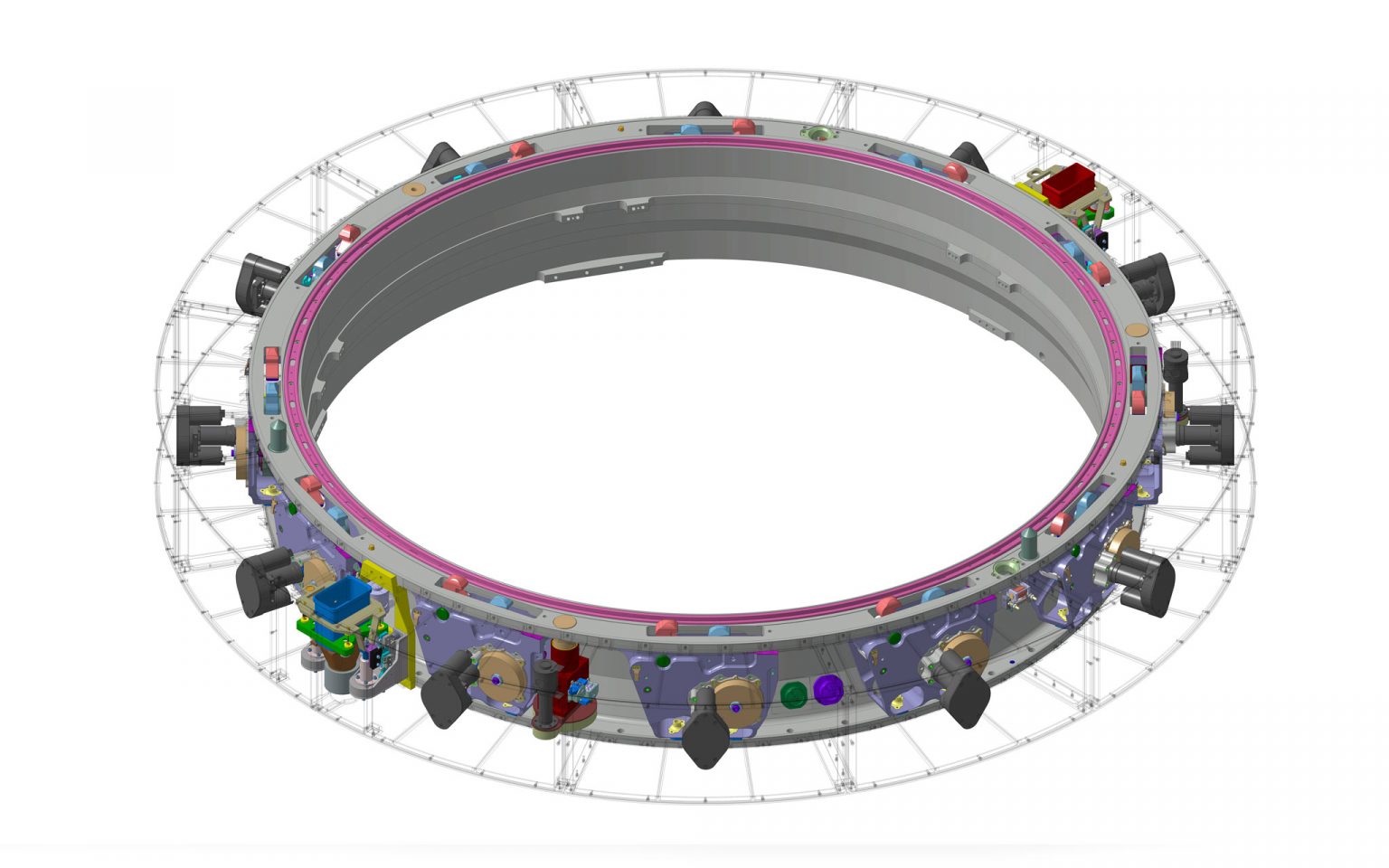
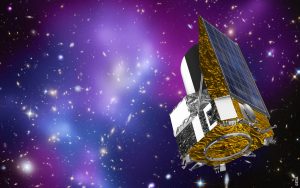
The Hotbird13F satellite is the first satellite based on the 100% electric Neosat platform. The actuators of the DTA10 series operate on the electric propulsion module of the Nosaat and Onesat platforms and on the deployable radiator of Airbus Space and Defence’s Neosat platform. Our actuators have already performed the pointing of the spacecraft’s electric thrusters, which is critical for the spacecraft to reach its operational orbital position.

These actuators reach TRL9 level, culminating a design, verification and validation process initiated with our own R&D funds and an ARTES program. This effort responded to the strategic decision to provide the market with a family of rotary actuators with high holding torque (DTA) and which are manufactured in series continuously from 2018 to the present day.

The rotary actuator R&D activity has developed other models of various sizes and performance, offering the market a product family that covers a wide spectrum of performance and functionalities. All our DTA actuators also include our SUM electric motors, designed and manufactured at SENER Aerospace. Another element of the DTA family is for example the DTA6-201 actuator, which will fly on the Spainsat mission.
27/10/2022

SENER Aeroespacial takes part in the EROSS IOD on-orbit servicing project

SENER Aeroespacial takes part in the EROSS IOD on-orbit servicing project

25/10/2022

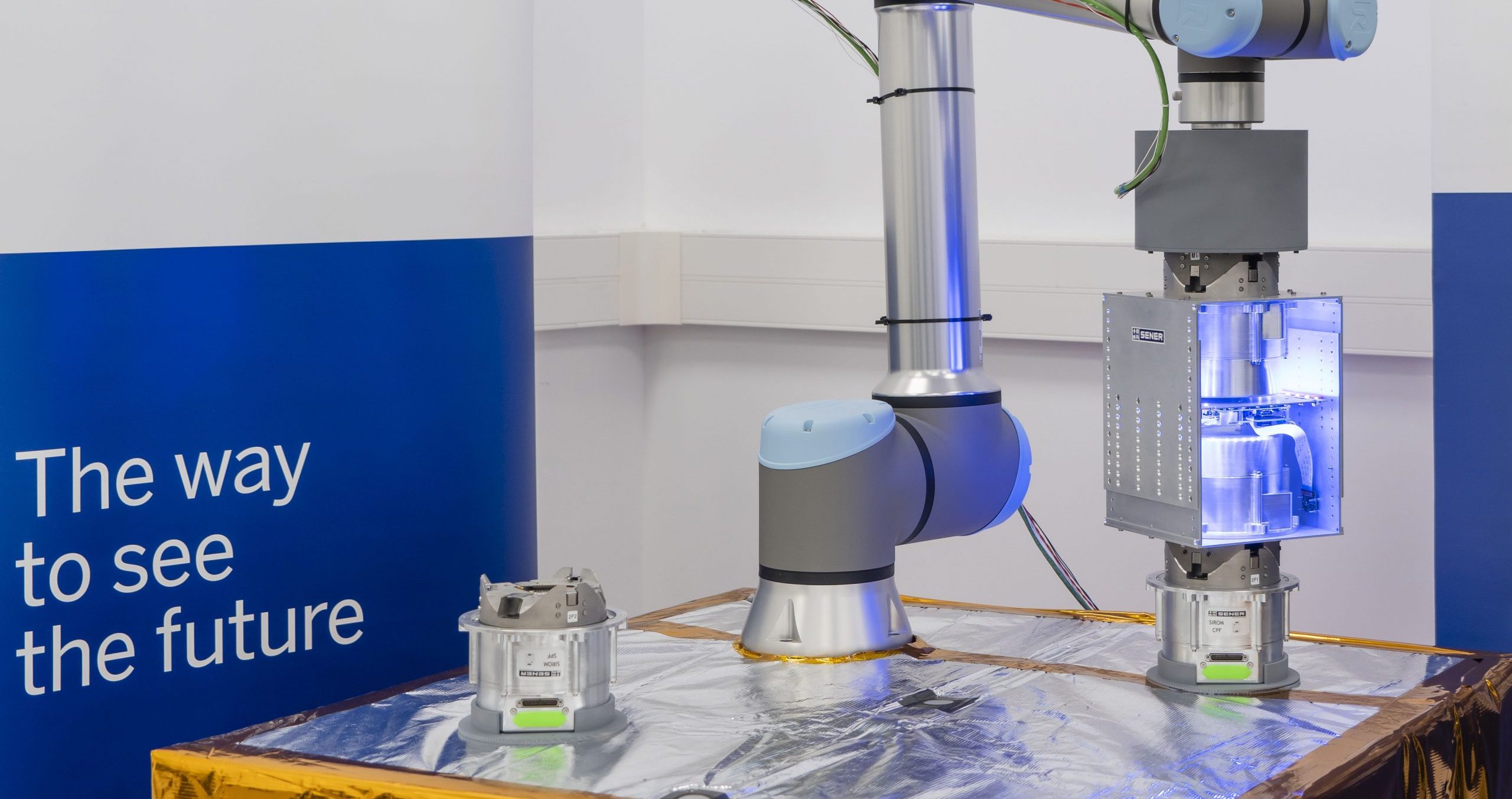
At EROSS IOD, SENER Aeroespacial will integrate its SIROM robotic interface to allow power and data transfer between modules but also providing refuelling capabilities to the system.

SENER Aeroespacial is part of the consortium chosen by the European Commission for the EROSS IOD program dedicated to On-Orbit Servicing. EROSS IOD (European Robotic Orbital Support Services In Orbit Demonstrator) will validate the technologies needed for robotic in-space servicing operations, culminating in a European pioneering mission by 2026. This mission will demonstrate satellite rendezvous, capture, docking, refuelling and payload exchange capabilities to drive major advances in space robotics for future on-orbit robotic missions.

According to the Prime Contractor, Thales Alenia Space, “The goal is to extend satellite lifetimes while also limiting space debris to enable better management of the current and future space assets. On-Orbit Servicing vehicles represent a real paradigm shift, since future space systems will be able to undergo maintenance and upgrades even in orbit. By introducing unrivalled system scalability and flexibility, they will be a real game changer. Satellites as we know can therefore be designed in a completely new way.”

In the consortium, formed by seventeen companies, SENER Aeroespacial will be involved in the adaptation of SIROM to the EROSS IOD needs as ORU (Orbital Replacement Unit) interface. In addition, SIROM will be configured as a refuelling interface based on SENER RIDER solution.

SIROM is a robotic interface developed by SENER Aeroespacial that can be used both in orbital and planetary applications. As a robotic interface, SIROM has the ability to manipulate and carry on different tasks, integrating four different functionalities in a single mechanism: mechanical, data, electrical and fluids.

This EROSS IOD program is under Grant Agreement Preparation and expected to start in January 2023.

SENER Aeroespacial has a long track record in projects that contemplate the generation of space technology from the point of view of sustainability. The company is already working to generate more efficient orbital infrastructures. Since 2019, the company is part of the E.T.PACK consortium to develop a deorbit device based on a space tether to tackle the space debris proliferation problem. And, since 2020, the company is part of the Net Zero Space initiative, as a step forward in the group’s commitment to drive sustainable transformation through engineering and technology.


Biomass Mechanical Ground Support Equipment (MGSE)

Biomass Mechanical Ground Support Equipment (MGSE)

1 3
Sener Space / Science & Earth observation / Space
Biomass Mechanical Ground Support Equipment (MGSE)
Client: ESA
Country: Space

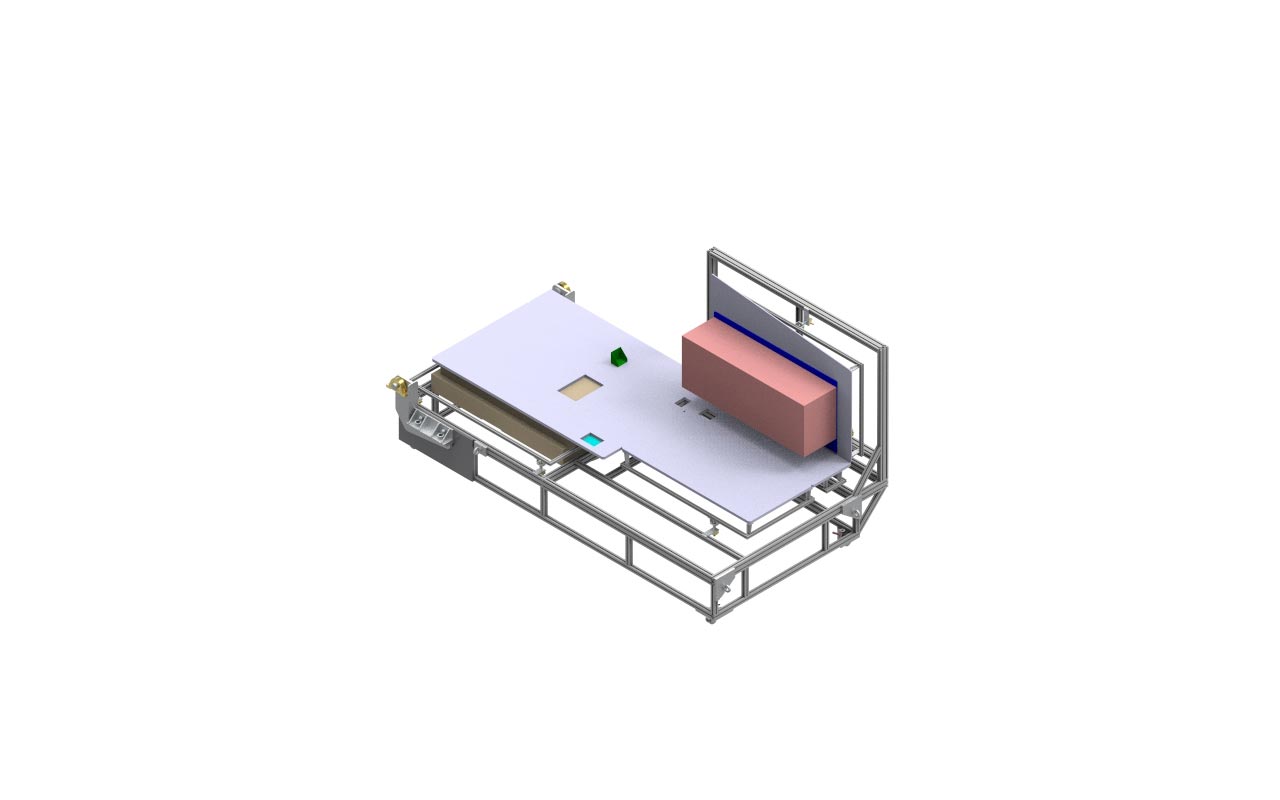
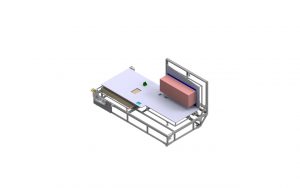
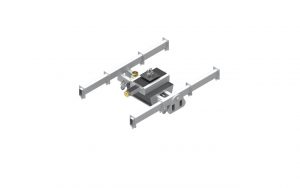
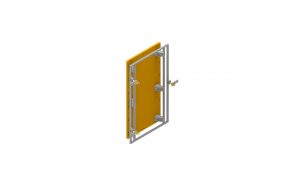
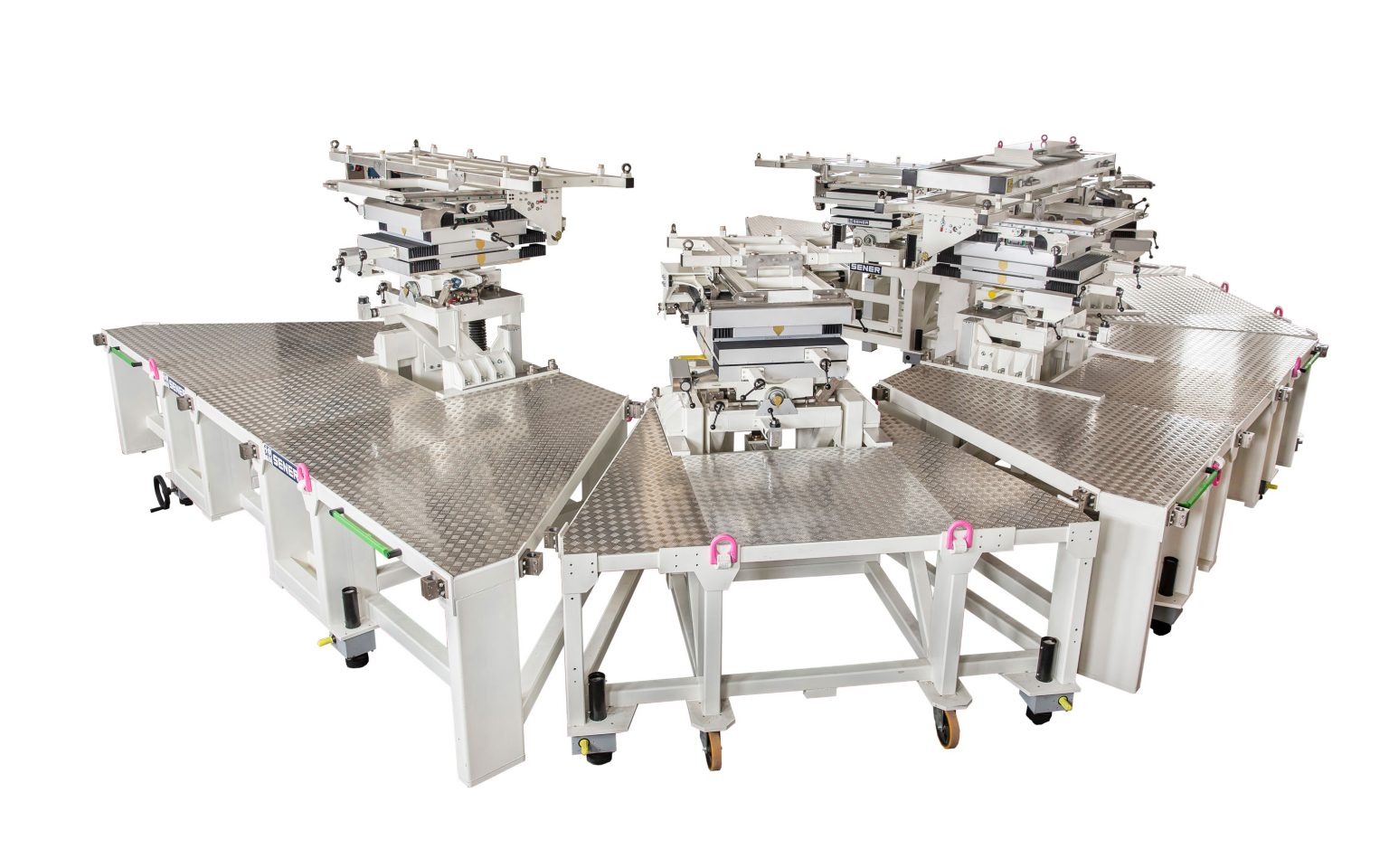
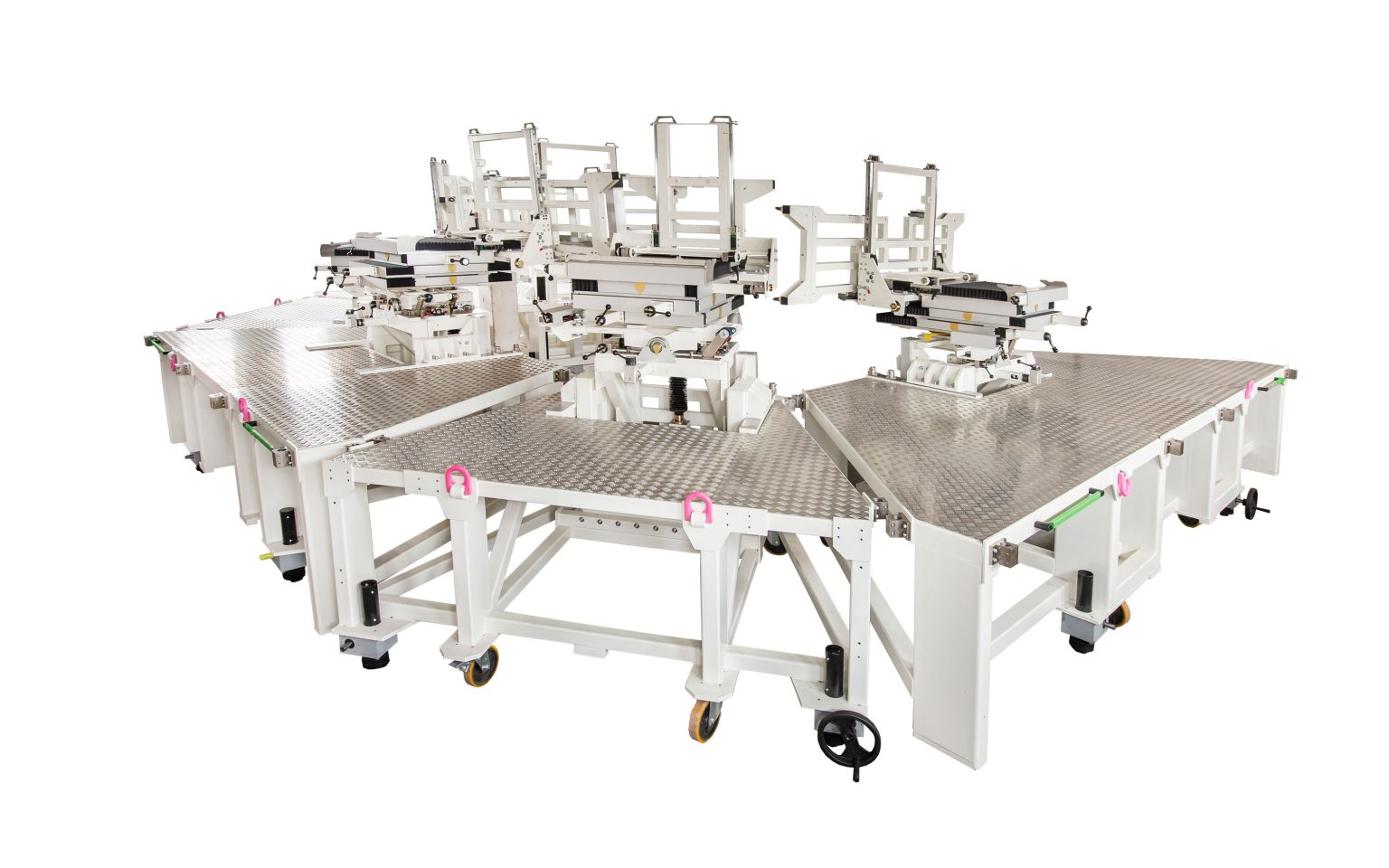
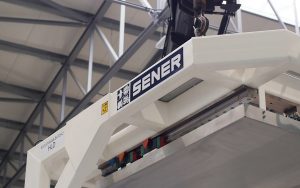
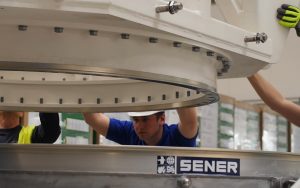
Sener, on behalf of OHB Italy, has designed, manufactured and tested all the devices for assembly of the Biomass satellite structure, including vertical transport equipment, assembly and disassembly of satellite panels, assembly and disassembly of the Synthetic Aperture Radar (SAR), which is the main research instrument, and the container for transporting the radar.

The devices for assembly of the SAR radar constitute the main challenge of the contract, because it contains a huge antenna with a diameter of 12 metres.

Read more

Sener, on behalf of OHB Italy, has designed, manufactured and tested all the devices for assembly of the Biomass satellite structure, including vertical transport equipment, assembly and disassembly of satellite panels, assembly and disassembly of the Synthetic Aperture Radar (SAR), which is the main research instrument, and the container for transporting the radar.

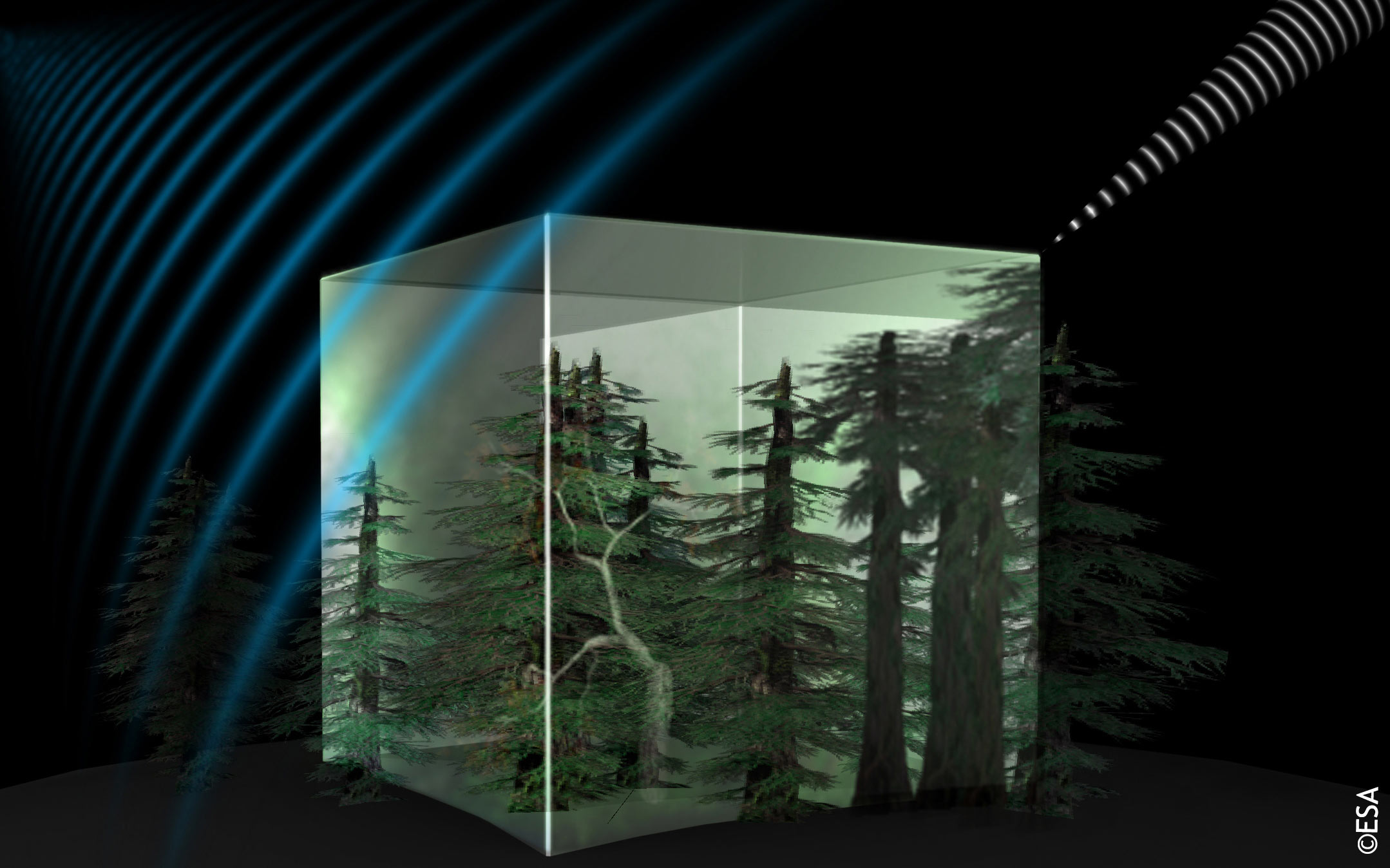
The devices for assembly of the SAR radar constitute the main challenge of the contract, because it contains a huge antenna with a diameter of 12 metres. The waves of this unique and innovative device will permeate tree canopy cover and scan trunks and branches. Due to the data obtained via the radar, a global three-dimensional forest map will be drawn every six months. This way scientists will access previously unattainable data on the quantity of carbon that reaches the atmosphere as a result of deforestation and the quantity of carbon absorbed by trees that grow back.

Biomass mission facts and curiosities:

  • Vega rocket will transport the satellite to low Earth orbit
  • Mission is scheduled to last at least 5 years
  • Satellite dimensions: 10 x 12 x 20 metres
  • Weight: 1,170 kg
  • The measurements via Synthetic Aperture Radar (SAR) that uses P-band and 70- centimetre waves will be conducted from space for the rst time
  • The unique sensitivity of the radar will enable it to generate 3D forest maps in 200 m resolution (1 pixel = 200 m)

The Biomass mission of the European Space Agency (ESA) is aimed at estimating forest biomass on our planet to better understand carbon cycle in the environment and global warming processes. We rarely think about it, but our life is dependent on trees that absorb carbon dioxide and produce oxygen. It is estimated by scientists that we have already lost half of the tropical forests that used to cover the Earth. The data on the scale of deforestation is, however, inaccurate as forest biomass on most territories on the Earth has not been precisely calculated. It is to change due to the Biomass satellite that is being developed under the ESA “Earth Explorer” programme.

The programme is aimed at finding answers to the most important scientific questions regarding the environment of our planet. Reliable data on changes in forest biomass will facilitate better understanding of climate changes that are happening. This data will also form basis for UN initiatives intended to reduce carbon emissions resulting from deforestation in developing countries (REDD+).

Read less

Related projects in Space

Contact us

Contact us to find out how we can help you.

Euclid Mechanical Ground Support Equipment (MGSE)

Euclid Mechanical Ground Support Equipment (MGSE)

1 7
Sener Space / Spain
Euclid Mechanical Ground Support Equipment (MGSE)
Start date: 2023, June
Country: Spain

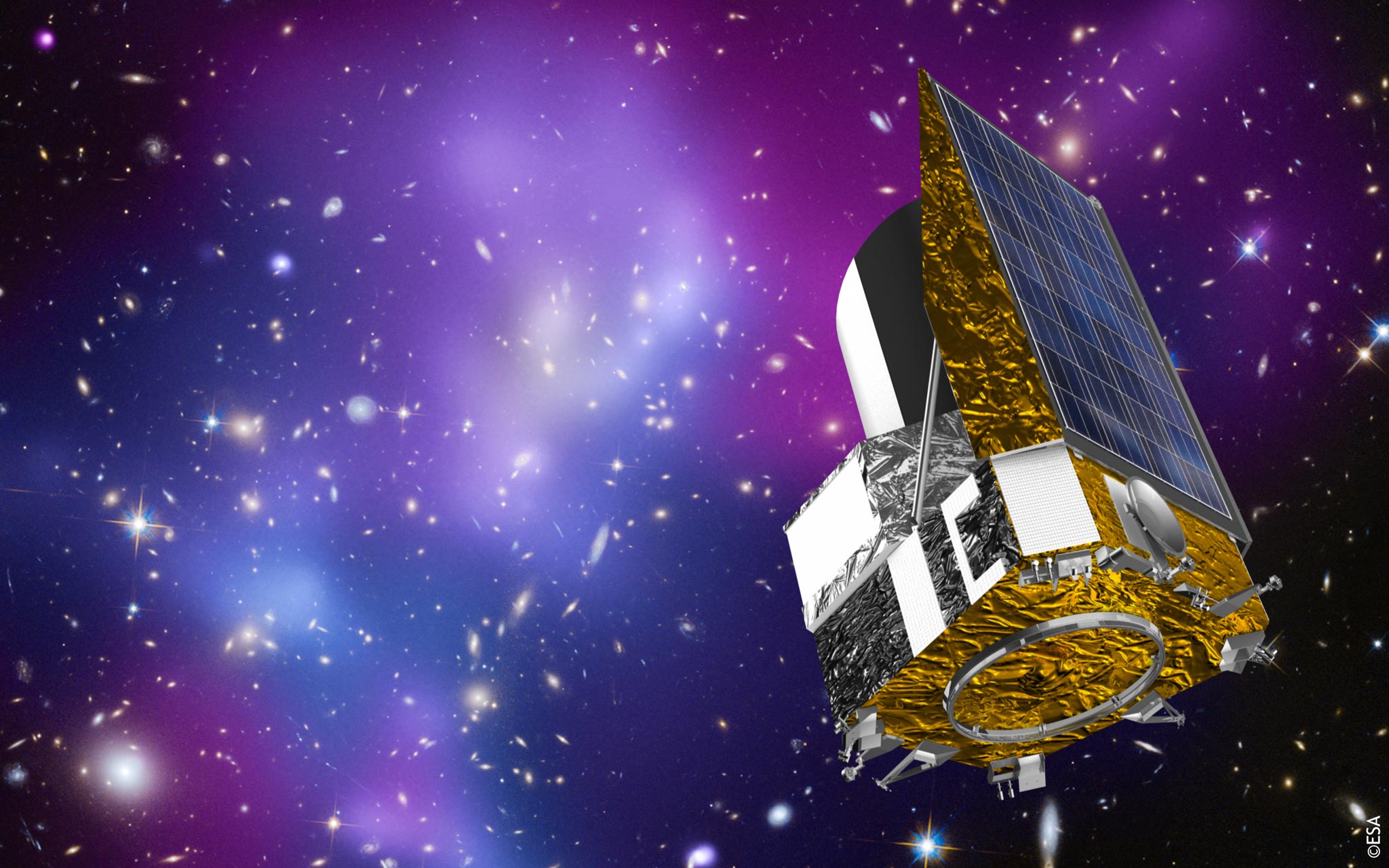
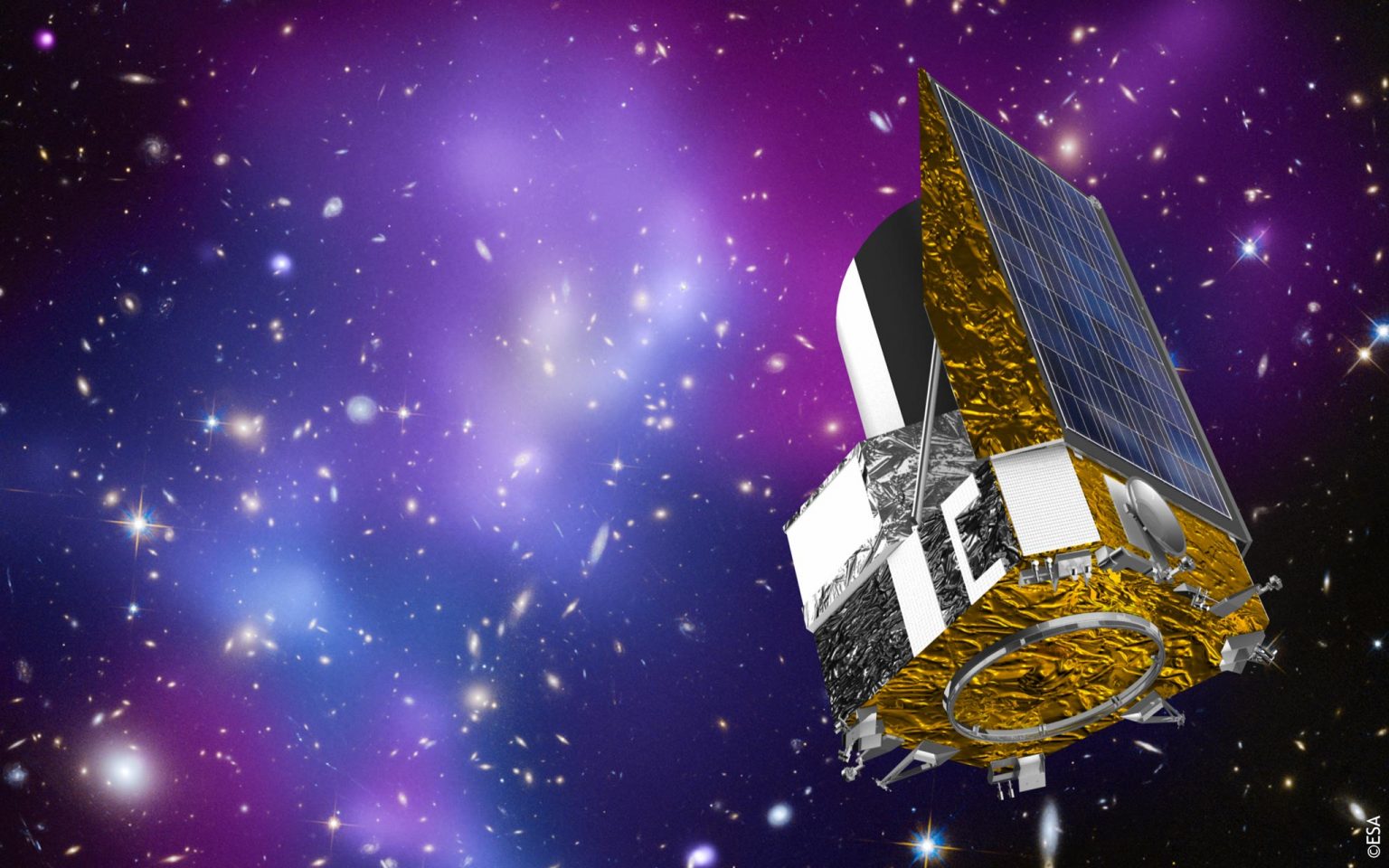
The Euclid mission aims at understanding why the expansion of the Universe is accelerating and what is the nature of the source responsible for this acceleration which physicists refer to as “dark energy”. The mission will investigate the distance-redshift relationship and the evolution of cosmic structures by measuring shapes and redshifts of galaxies and clusters of galaxies out to redshifts ~2, or equivalently to a look-back time of 10 billion years.

Thales Alenia Space, as responsible for the Euclid satellite has selected Sener as the contractor in charge of most of the SVM Mechanical Ground Support Equipment of the spacecraft.

Read more

The Euclid mission aims at understanding why the expansion of the Universe is accelerating and what is the nature of the source responsible for this acceleration which physicists refer to as “dark energy”. The mission will investigate the distance-redshift relationship and the evolution of cosmic structures by measuring shapes and redshifts of galaxies and clusters of galaxies out to redshifts ~2, or equivalently to a look-back time of 10 billion years.

Thales Alenia Space, as responsible for the Euclid satellite has selected Sener as the contractor in charge of most of the SVM Mechanical Ground Support Equipment of the spacecraft.

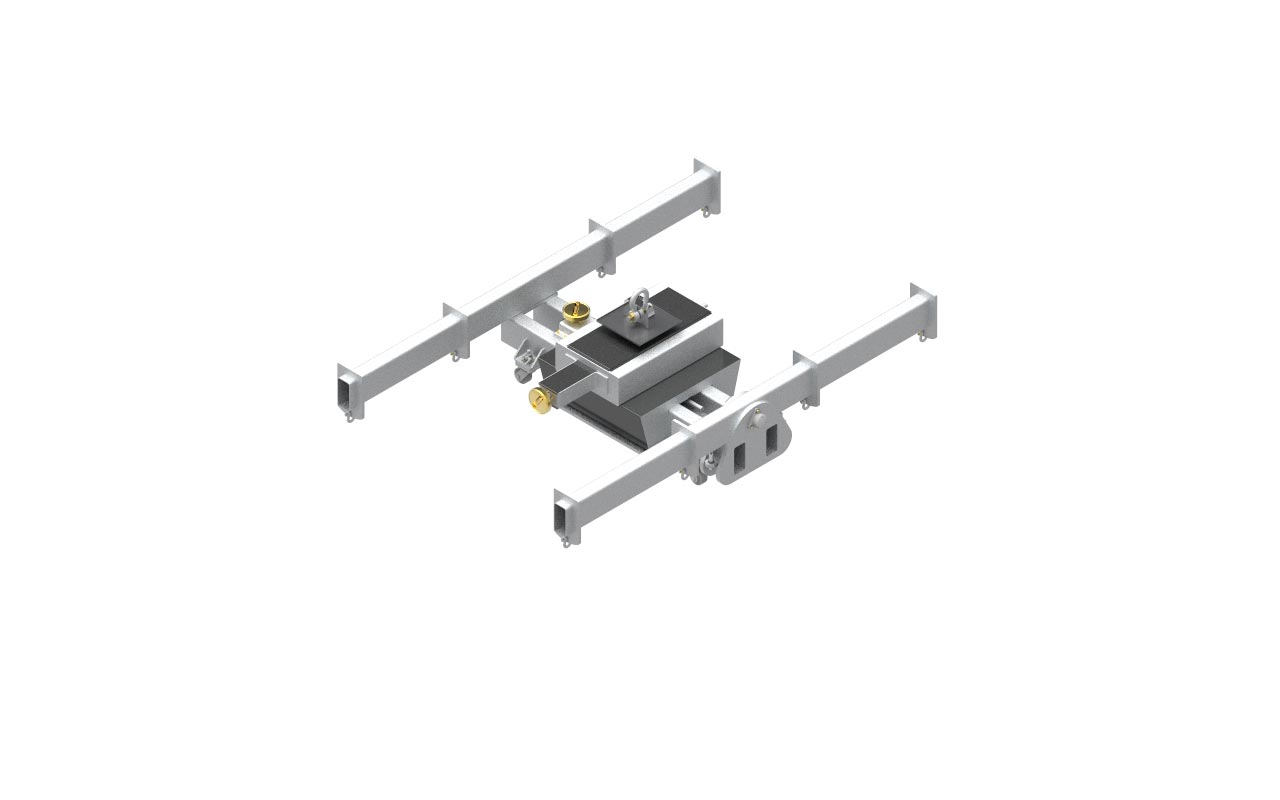
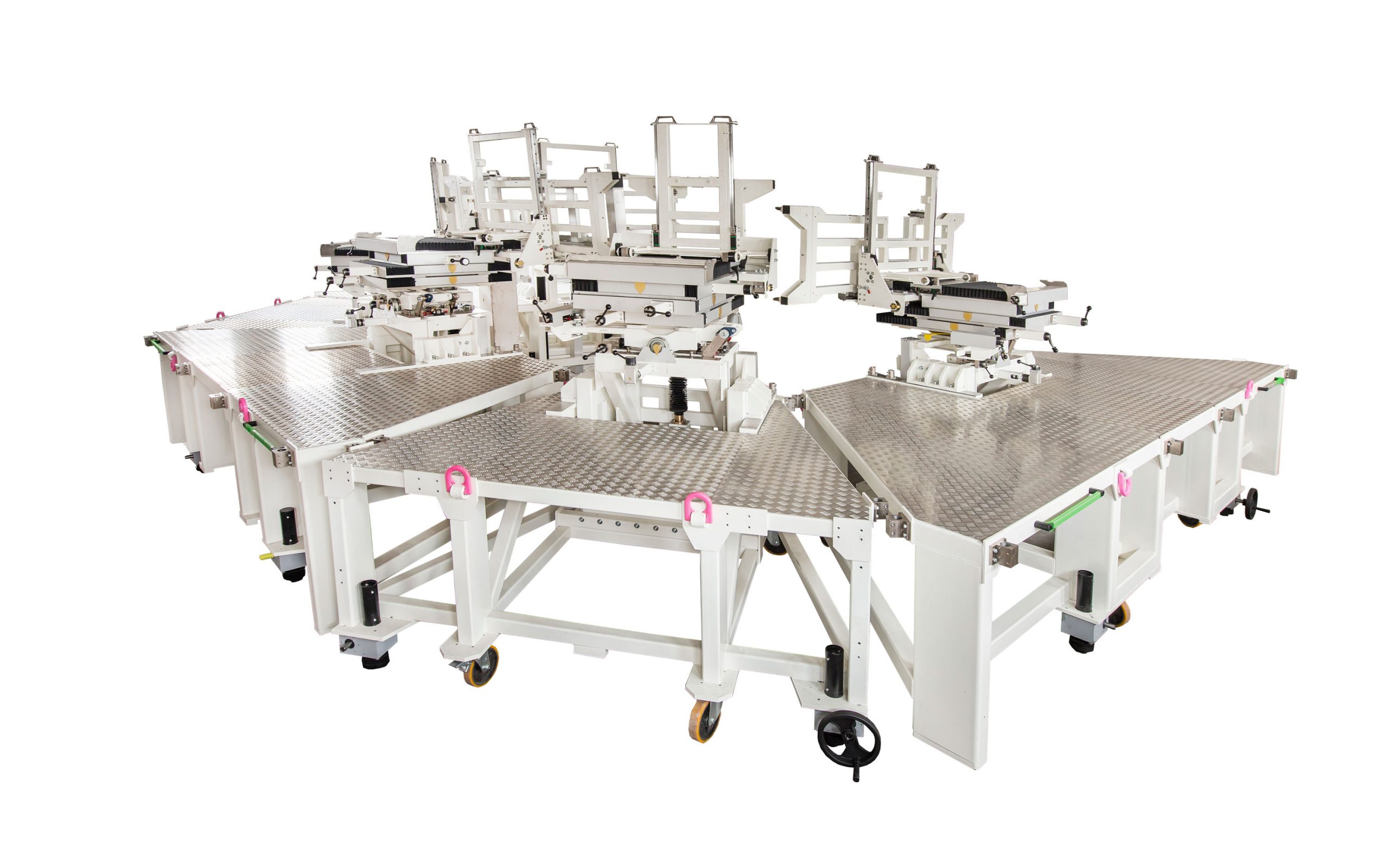
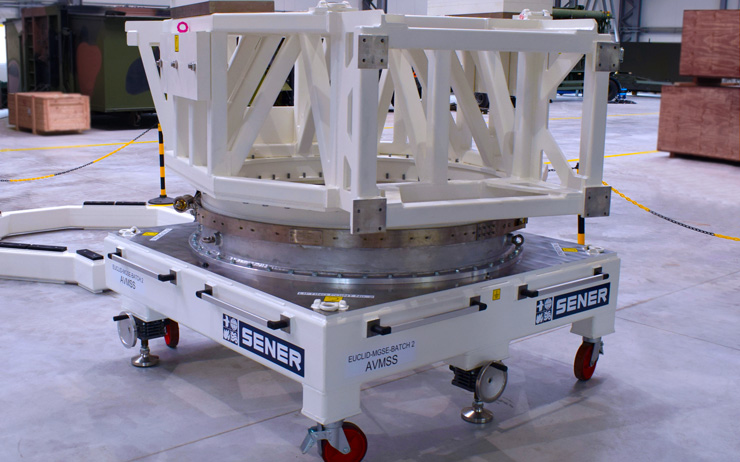
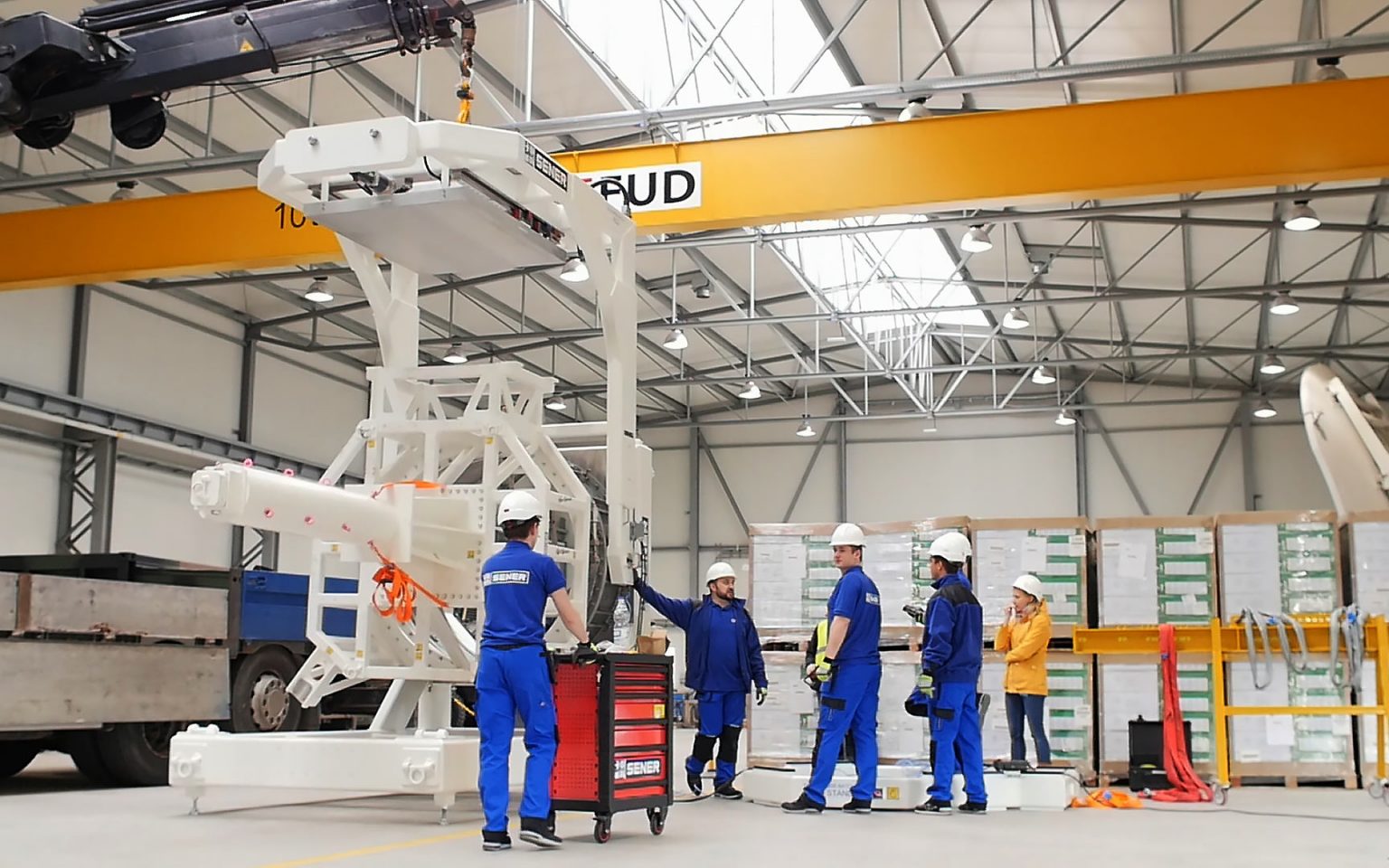
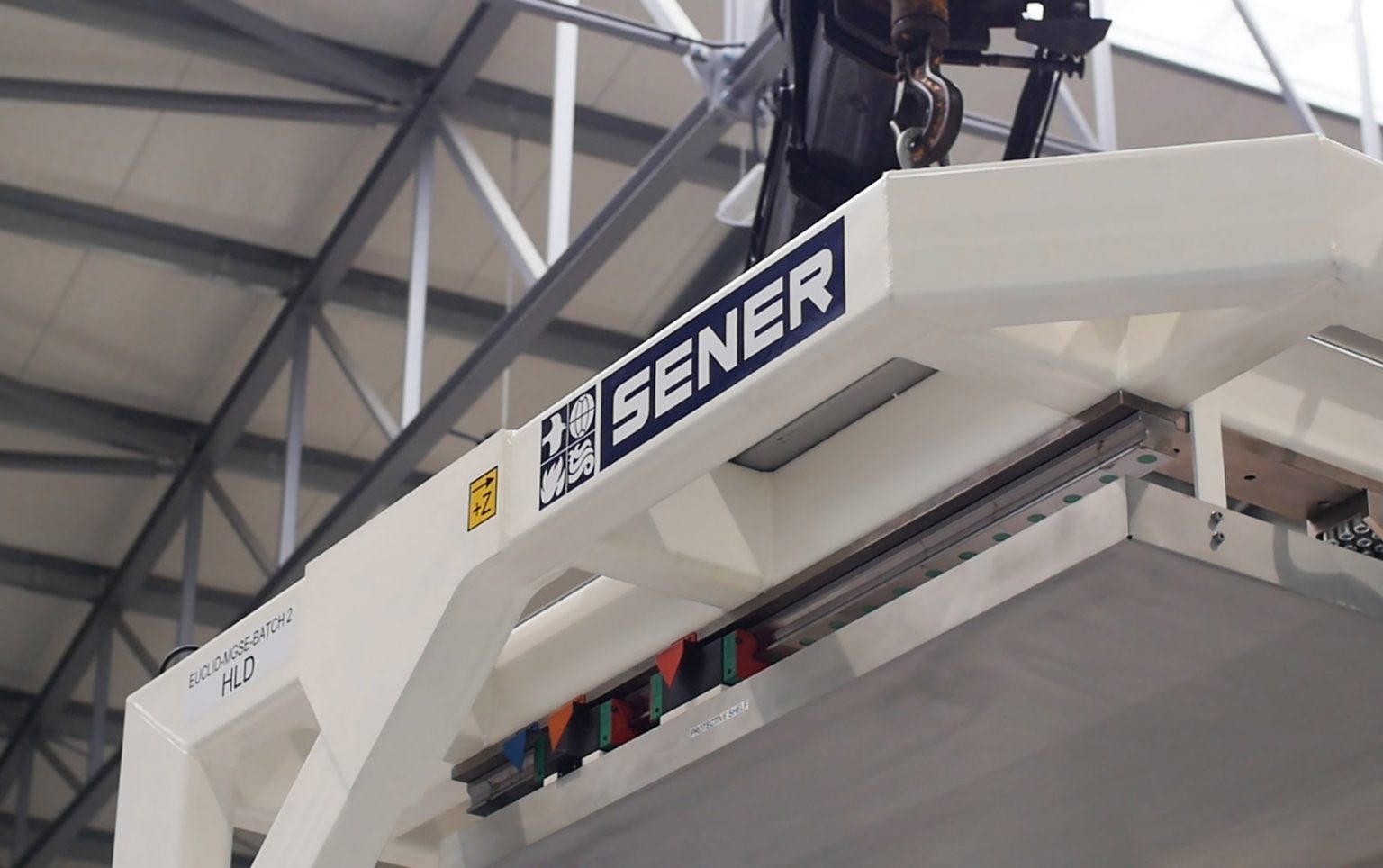
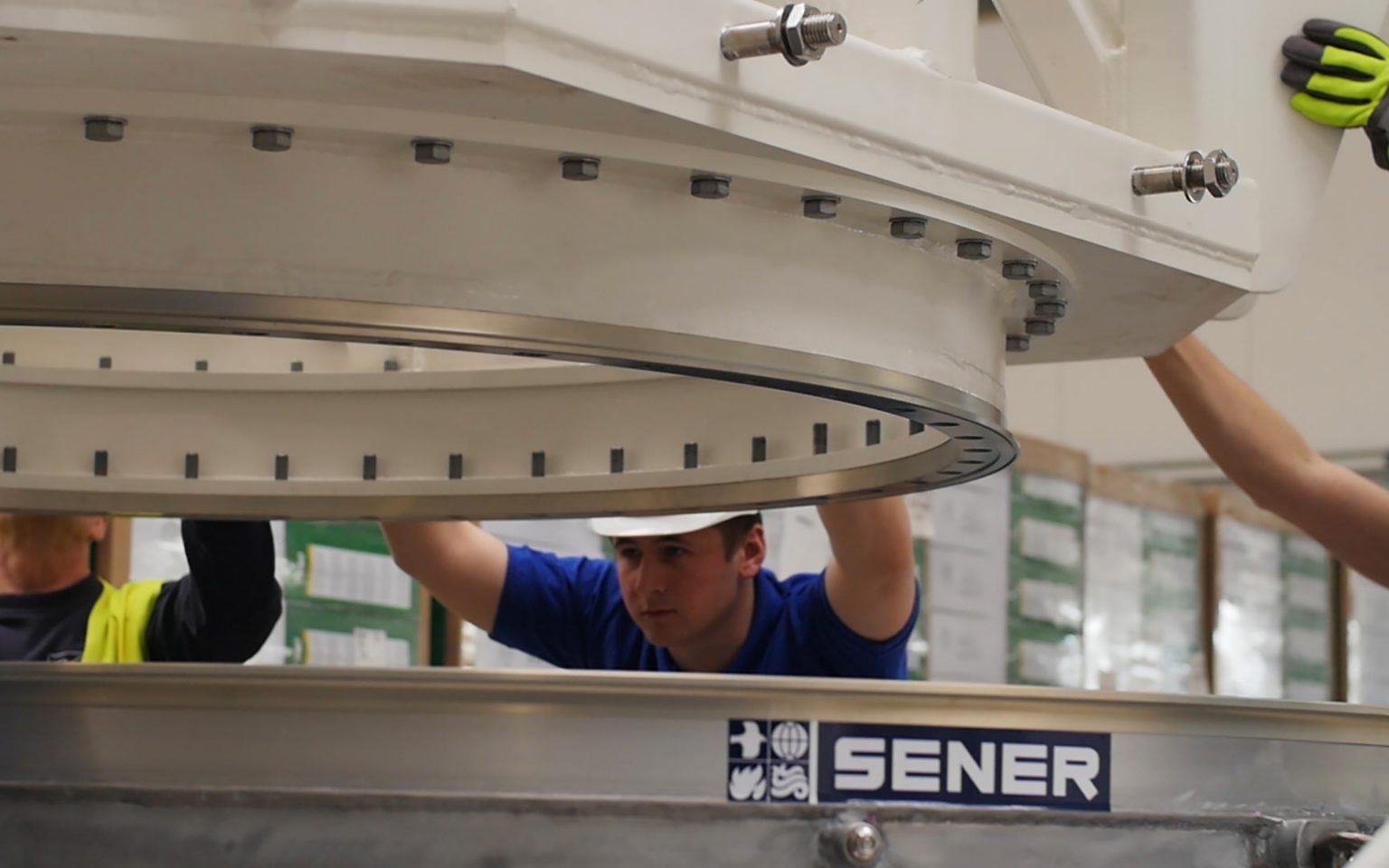
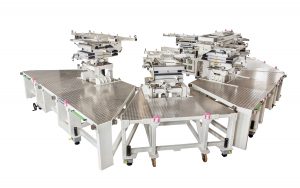
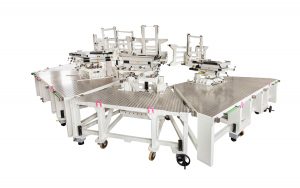
Sener is responsible for the design, manufacturing, integration and testing of 13 MGSE items. The most complex and critical functions are performed by MGSE lifting devices of the entire S/C in different positions and configurations. One of these devices is the Horizontal Lifting Device (HLD) which is used to move the satellite in horizontal position and in different configurations. One of the crucial subassembly of the lifting devices is a Centre of Gravity Adjustment Module (CGAM) which is used to perform an adjustment of the S/C position Centre of Gravity in terms of lifting point.

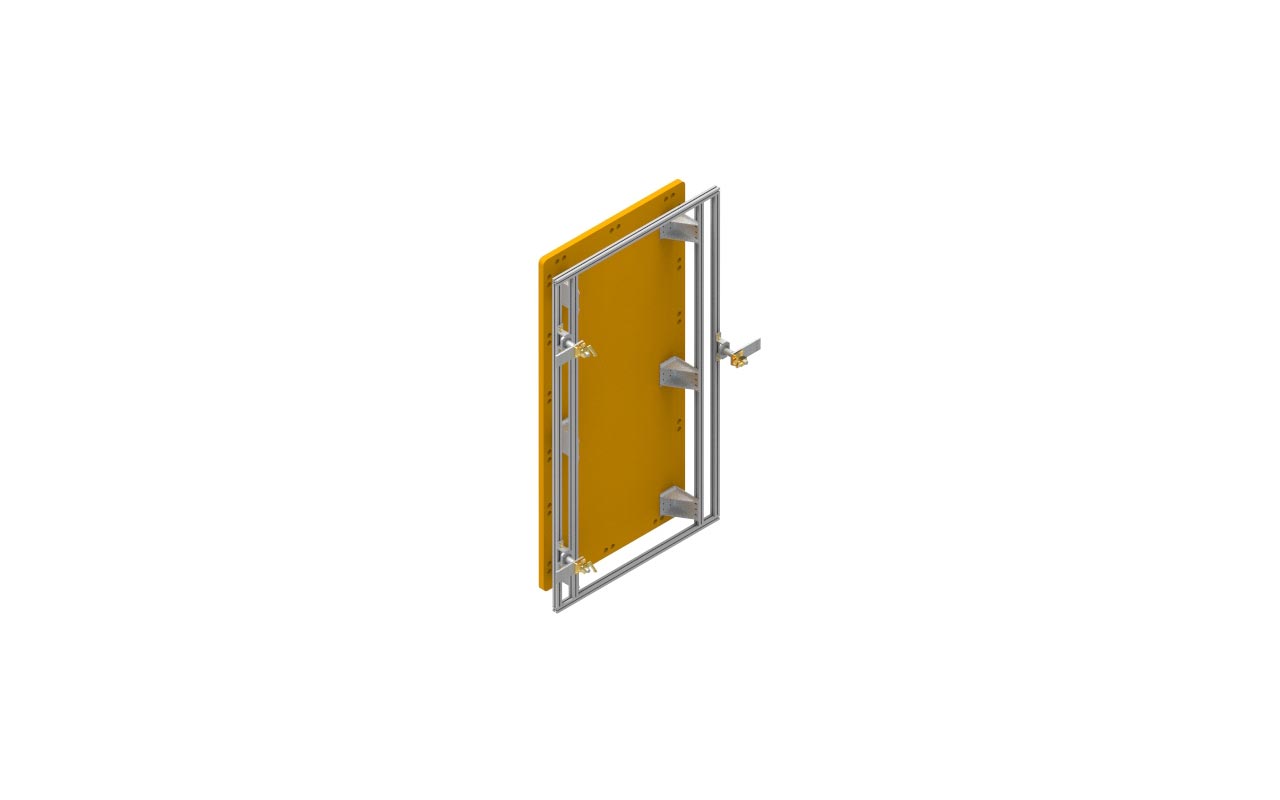
Another noteworthy device is the Panels Support Tilting Stands (PSS) used to mate/demate and tilt the lateral panels of the Euclid Service Module. For this purpose, the PSS contains a 6 degree of freedom adjustment mechanism for panels of up to 150 kg.

Read less

Highlited contect

02.10.2017 Science & Earth observation / Space
05.16.2016 Science & Earth observation / Space

Contact us

Contact us to find out how we can help you.

IBDM Hard Capture System

IBDM Hard Capture System

1 6
Sener Space / In Orbit Operations / Space
IBDM Hard Capture System
Client: QinetiQ / ESA
Country: Space

The International Berthing and Docking Mechanism (IBDM) is the European androgynous low impact docking system that is capable of docking and berthing large and small spacecraft.

Sener, as part of a European consortium, has developed the Hard Capture System of the IBDM. The function of the HCS is to create a rigid structural connection to allow for a pressurised passageway between the two spacecraft. It also includes connections for the transfer of electrical power, data and fluids such as fuel.

The IBDM has been designed to be compatible with the International Docking System Standard (IDSS) and hence compatible with the ISS International Docking Adapters (IDA) on the US side of the International Space Station (ISS).

Read more

The International Berthing and Docking Mechanism (IBDM) is the European androgynous low impact docking system that is capable of docking and berthing large and small spacecraft.

Sener, as part of a European consortium, has developed the Hard Capture System of the IBDM. The function of the HCS is to create a rigid structural connection to allow for a pressurised passageway between the two spacecraft. It also includes connections for the transfer of electrical power, data and fluids such as fuel.

The IBDM has been designed to be compatible with the International Docking System Standard (IDSS) and hence compatible with the ISS International Docking Adapters (IDA) on the US side of the International Space Station (ISS). The possibility of modifying the system to accommodate new docking standards has been taken into account during the project phase, so it has the required flexibility to allow the integration of the IBDM into different vehicles.

This extremely precise and complex system may become a standard for manned space missions in the future.

The main components of the HCS are:

  • HCS Tunnel Assembly, which provides the structural integrity and accommodates seals, alignment pins and sensors.
  • HCS Hooks, with 12 independently driven hook units to achieve the structural mating, seal compressions and interface preload. It also accommodates the Contingency Release Devices, based on pyrobolts.
  • Separation System (three separators), which generates the required axial thrust to push off the hoisting vehicle from the ISS once the hooks are opened.
  • Two Resource Transfer Umbilical, with connectors to transfer power and data.
  • MMOD Cover, a Micro Meteorite and Orbital Debris Cover.
  • Thermal Control, active and passive (Multi-layer Insulation over the MMOD)

Sener is responsible for design, implementation, integration and testing of Separators, Resource Transfer Umbilical, MMOD cover, and two types of sensors: Ready To Hook Sensor (RTH) and Undocking Complete Sensor (UCS).

One of its potential applications is in the successor of the International Space Station, the Gateway station, whose construction, with SENER Aeroespacial participation with five different contracts, is planned for 2025. Ultimately, Gateway will be embedded in space around the Moon and will serve as a strategic point for distant space expeditions, such as a manned flight to Mars. Part of it will be the I-HAB, a habitat for astronauts arriving from Earth, developed by ESA member companies. I-HAB is expected to be equipped with the HCS system developed by Sener.

Read less

Contact us

Contact us to find out how we can help you.

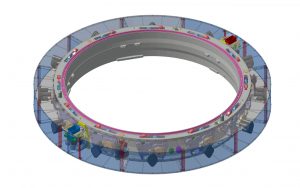
JUICE’s deployable magnetometer boom (MAGBOOM)

Space

Science & Earth observation

JUICE’s deployable magnetometer boom (MAGBOOM)

Case of success

Related content

05.16.2016 Communications in Space / Space
02.27.2017 Science & Earth observation / Space

Contact us

Contact us to find out how we can help you.

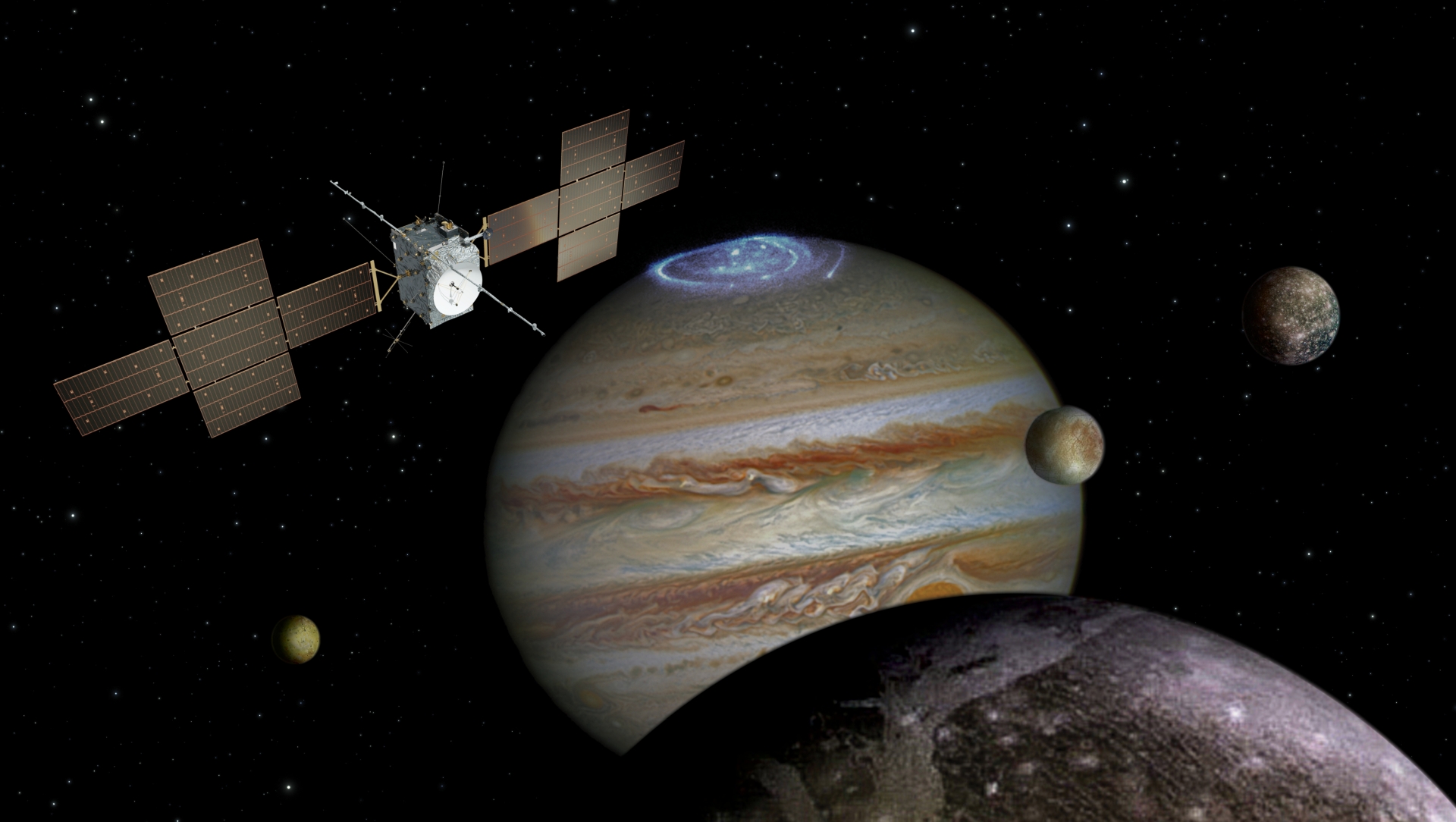
JUICE: mission to explore Jupiter and its icy moons

Space

Science & Earth observation

JUICE: mission to explore Jupiter and its icy moons

Case of success

Related content

05.30.2017 Science & Earth observation / Space
05.16.2016 Communications in Space / Space

More Space projects

Contact us

Contact us to find out how we can help you.

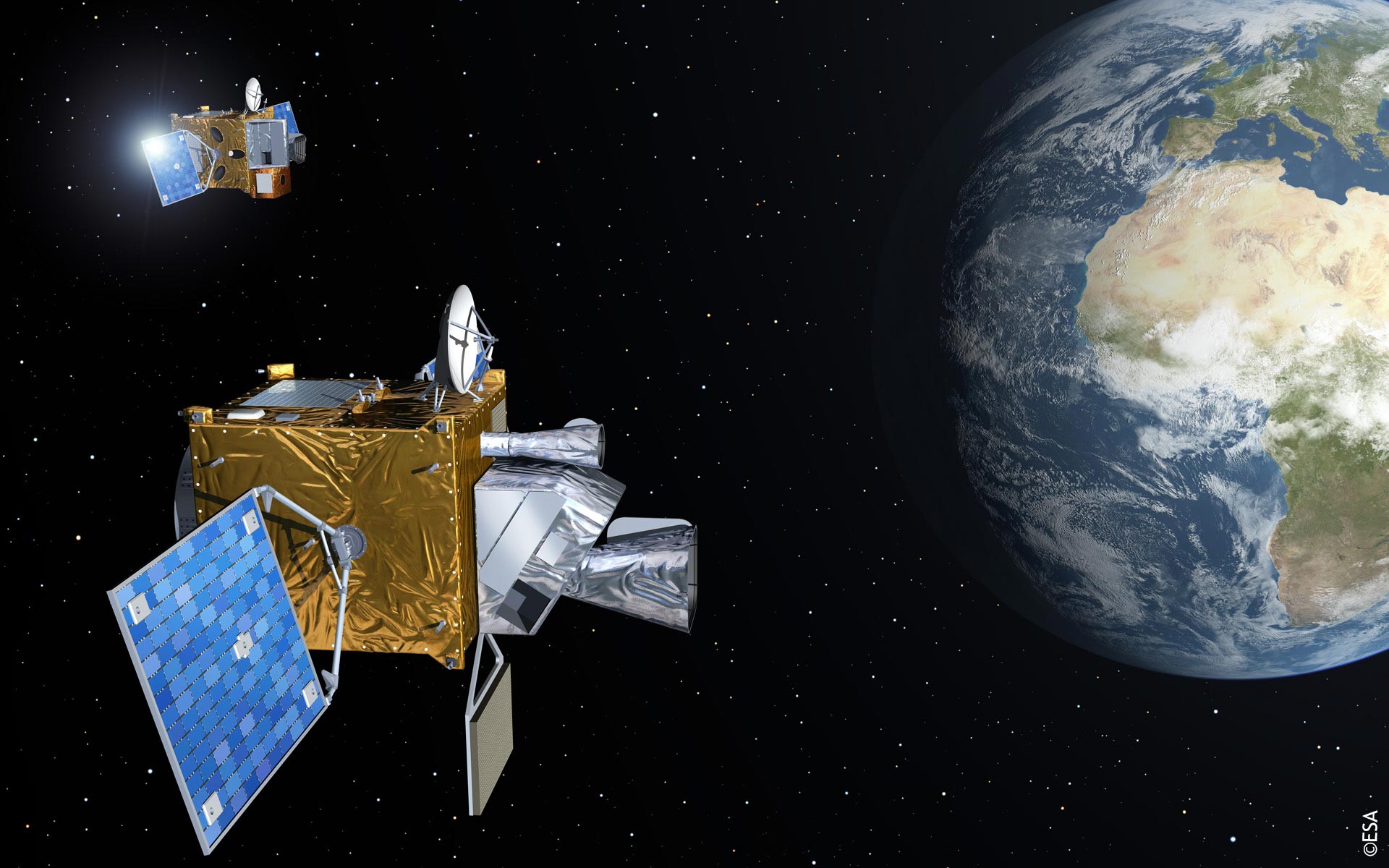
Meteosat Third Generation

Space

Science & Earth observation

Meteosat Third Generation

Case of success

Related content

12.15.2016 Science & Earth observation / Spain
06.11.2017 Science & Earth observation / Spain
08.28.2016 Science & Earth observation / Spain

Contact us

Contact us to find out how we can help you.

Euclid scientific space probe

Space

Science & Earth observation

Euclid scientific space probe

Case of success

Content related to this project

Contact us

Contact us to find out how we can help you with your projects.

Attitude and orbit control system (AOCS) for Euclid

Attitude and orbit control system (AOCS) for Euclid

1 2
Sener Space / Science & Earth observation / Space
Attitude and orbit control system (AOCS) for Euclid
Client: THALES Alenia Space
Country: Space

Sener is responsible for the AOCS subsystem, under the direct coordination of Thales Alenia Space Italy (TASI), principal contractor for the mission.
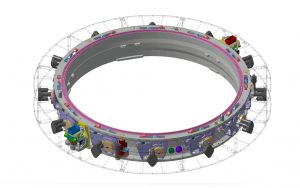
Sener is in charge of the entire subsystem, which includes the equipment, functions and SW that control its attitude (pointing) and orbital position. The AOCS’s sensors include:

  • Fine Guidance Sensor (FGS)
  • Inertial Measurement Unit (IMU)
  • Star Trackers (STR)
  • Coarse Rate Sensors (CRS) and Sun Sensors (SS)
  • Reaction Wheels (RWL)
  • Micro Propulsion Subsystem (MPS) and Reaction Control Subsystem (RCS)

Eight Sener subcontractors from different countries are participating in the subsystem (including subcontractors from the Netherlands,

Read more

Sener is responsible for the AOCS subsystem, under the direct coordination of Thales Alenia Space Italy (TASI), principal contractor for the mission.
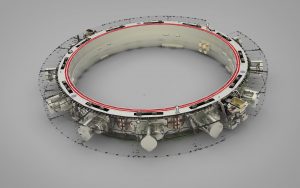
Sener is in charge of the entire subsystem, which includes the equipment, functions and SW that control its attitude (pointing) and orbital position. The AOCS’s sensors include:

  • Fine Guidance Sensor (FGS)
  • Inertial Measurement Unit (IMU)
  • Star Trackers (STR)
  • Coarse Rate Sensors (CRS) and Sun Sensors (SS)
  • Reaction Wheels (RWL)
  • Micro Propulsion Subsystem (MPS) and Reaction Control Subsystem (RCS)

Eight Sener subcontractors from different countries are participating in the subsystem (including subcontractors from the Netherlands, France, Germany, Italy, Portugal, and the US), while the client itself is providing the FGS, MPS and RCS.

The operating logic includes multiple modes and functions which are implemented in the SW of the AOCS, while also integrated in the SW of the central computer. The functions of the AOCS include determining and controlling the satellite’s attitude in all the modes; orbital maneuvers; equipment management and control; fault management (FDIR); interactions with the central software; and management of the AOCS’s data, telemetry and telecommands.

The project includes the preliminary and detailed design, production, verification, classification, delivery, and in-orbit commissioning. The AOCS provides hitherto unseen levels of performance in terms of pointing and stability (75 milli-arcsec., 99.7% C.L.), which will also give the FGS, IMU, MPS, etc. the highest levels of performance. Furthermore, the RWL must compensate for any disturbances (including those caused by the actuation of the mechanisms), while also preventing the transmission of the characteristic (micro-)vibrations, meaning they require very special characteristics and operation.

The AOCS’s SW corresponding to its different modes will be generated using Model Based Design Tools, with subsequent automatic generation of code from these models for the first time on an ESA scientific mission.
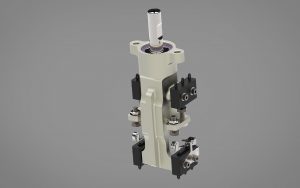
Read less

Contact us

Contact us to find out how we can help you with your projects.