





Sener participates in the ‘Cognitive Hospital’ project, which will provide an advanced digital platform to the Hospital del Henares

Sener participates in the ‘Cognitive Hospital’ project, which will provide an advanced digital platform to the Hospital del Henares

16/02/2024

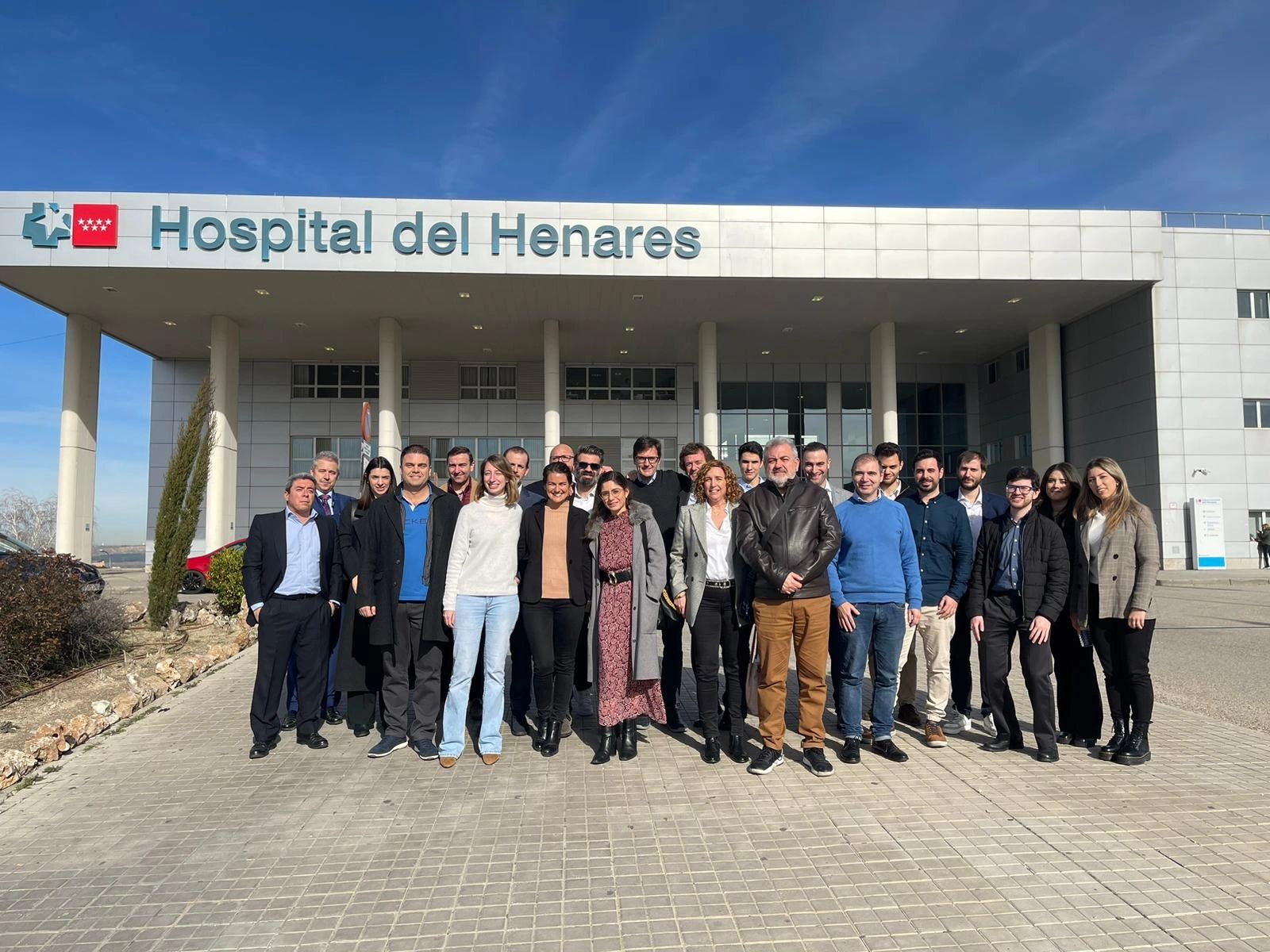
Sener is part of the consortium of companies and research centers that will design an intelligent platform financed by the Community of Madrid that, by applying innovative technologies, will help the center develop a new comprehensive medical facilities management model, improving maintenance processes, efficiency energy, air quality and the circularity of assets and materials.

The company will contribute to achieve a more efficient energy model in the Hospital and will carry on two advanced research projects for the development of real-time predictive algorithms for the presence of legionella bacteria and the spread of respiratory viruses, based on its previous experience in the development of advanced AI solutions, such as Respira®.

The engineering and technology group Sener is part of the consortium of companies and research centers that will develop the “Cognitive Hospital” project, recently approved by the Community of Madrid. The objective of the initiative is to design and deploy an intelligent platform at the Hospital del Henares to optimize its design, processes and operation, achieving greater energy efficiency and a smaller environmental footprint, while improving air quality and thermal comfort of the facilities. To achieve this, the consortium will apply a series of innovative technologies and methodologies, such as artificial intelligence (AI), advanced algorithms, BIM (building information modeling) or data analysis.

The project is financed by the Community of Madrid, as part of the 2023 funds to improve public-private cooperation in R&D, through consortium tractor-effect projects. Likewise, it is co-financed by the European regional development fund, within the ERDF operational program of the Community of Madrid for the period 2021-2027.

Specifically, Sener will develop two specific modules of the Cognitive Hospital platform:

  • Energy management and efficiency AI module: it will allow to optimize the use of the Hospital’s energy resources, acting as an intelligent and automatic virtual operator. It will be deployed on the project’s cloud platform, integrated with the rest of the systems, and will use algorithms with high computing capacity to process the large amount of data related to the Hospital, crossing it with data from external sources, such as meteorology, occupancy, IoT sensors, data related to the electricity rate or photovoltaic generation, among others.
  • Environmental quality AI module: its objective is to guarantee adequate environmental conditions, relative to thermal comfort, air quality, lighting, noise, and risk of disease transmission. Thus, it will help optimize the management of the facilities, based on environmental criteria, to ensure the health of patients and workers.

Sener will also address two innovative research projects, specifically:

  • Research on the risk control of the presence of legionella bacteria: the objective is to develop a predictive algorithm equivalent to real-time detection for the control of legionella in those systems and equipment most susceptible to hosting bacteria, such as cooling towers. The use of AI will allow establishing relationships between operating parameters of the facilities (such as temperature), with physicochemical parameters measured in real time and laboratory sampling on the environmental concentration of legionella.
  • Investigation of the spread of different viruses in the air: the development of a series of predictive algorithms will be investigated, also equivalent to real-time detection, of the presence of viruses in the air, to control the transmission of diseases. The stability and ineffectiveness of different viruses will be investigated in an aerosol chamber under a controlled environment, under different environmental conditions of temperature and humidity. The results obtained will allow us to develop behavioral models of these viruses and carry out verifications in real conditions, carrying out sampling in the Hospital at times coinciding with the presence of respiratory viruses, according to epidemiological data published by the Ministry of Health and the Community of Madrid.

In the words of Guillem Peris, head of Energy Efficiency Solutions in the Digital area of Sener, “this innovative project and its remarkable R&D component demonstrates the potential of technology to improve the quality of life of patients and healthcare workers as well as to optimize hospital management, thanks to the use of AI. This has great potential to make our hospitals safer and more efficient places, as demonstrated by solutions such as Respira®, an advanced intelligent management system for climate control, energy efficiency, thermal comfort and air quality in buildings and infrastructures developed by Sener.

In addition to Sener, Sacyr, Fracttal, 4Digital, Open Ingenius, Áptica and the technology centers of Tecnalia and the Polytechnic University of Madrid are part of the consortium. The project has an execution period of 3 years, between 2024 and 2026.
Sener tasked with engineering the 200 MW Salto de Chira hydroelectric plant in Gran Canaria

Sener tasked with engineering the 200 MW Salto de Chira hydroelectric plant in Gran Canaria

12/02/2024

The pumped-storage facility in Salto de Chira will have a power equivalent to 36% of peak demand in Gran Canaria, and will act as a large natural battery, providing a storage capacity of 3.5 GWh, enough to power the island for almost 7 hours.

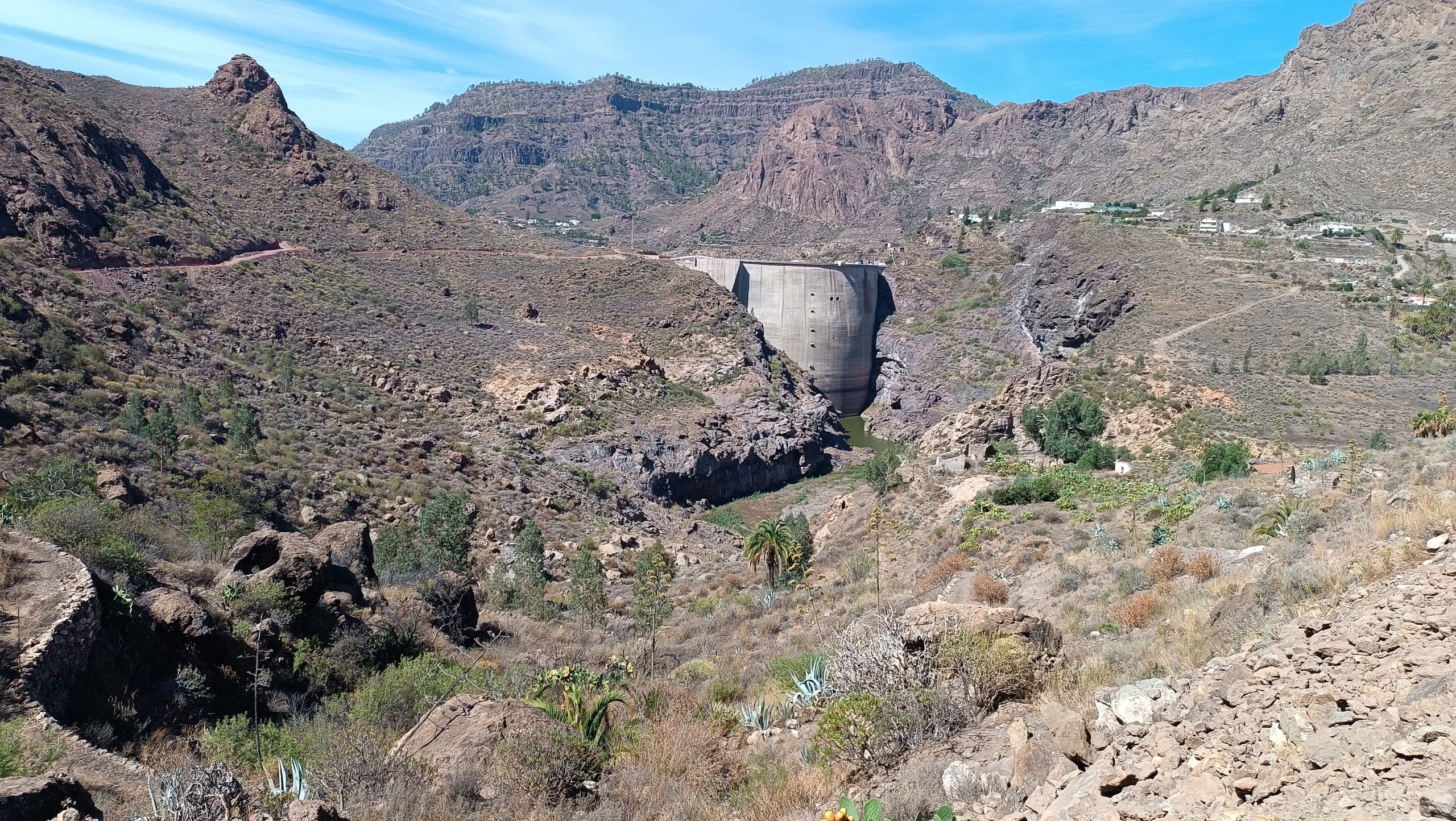
The consortium of Dragados, Cobra and Ossa has awarded to the Sener engineering and technology group the development of the construction engineering of the pumped-storage facility in Salto de Chira, on the island of Gran Canaria, designed and financed by Red Eléctrica.

This 200 MW hydroelectric storage facility (equivalent to 36% of the island’s peak demand) will connect the existing reservoirs of Chira and Soria, in the south of the island. It will act as a large natural battery, providing a storage capacity of 3.5 GWh, enough to power the whole of Gran Canaria for almost 7 hours.

The pumped storage facility in Salto de Chira will be a tool at the service of the grid operator. It will be used to store surplus energy from renewable sources, such as wind and solar. This facility will serve to reinforce the electricity supply on the island and promote the integration of renewables into the island’s electric grid.

For this project, Sener is doing the construction design work of the different elements that make up the pumped storage facility: the access roads to the different areas of the project, the underground access tunnels, the intakes at the Chira and Soria reservoirs, the hydraulic pipes, the caverns for the generators and transformers, the buildings of the different platforms, the hydromechanical and electromechanical equipment and installations, the control system, as well as the integration of the turbine generators and their associated auxiliary systems.

The facility features an innovative design conceived by Red Eléctrica to maximise the island’s energy independence and reduce fossil fuel imports.

“Sener is strongly committed to the energy transition towards a more sustainable model based on technology and innovation”, says José Manuel Clamagirand, Water and Environment Director at Sener. “Our contribution to this project is an example of our experience in the field of renewable power integration and the optimisation of transport networks using various storage technologies. We are pleased to contribute to the development of this innovative design by Red Eléctrica for the Salto de Chira facility, which incorporates the latest technological advances and cutting-edge engineering to maximise its flexibility and performance”.

The Sener Foundation will optimize the maintenance and energy efficiency of the Laguna Hospital

The Sener Foundation will optimize the maintenance and energy efficiency of the Laguna Hospital

08/02/2024

The engineering and technology group Sener, through its foundation, has signed an agreement with the Vianorte-Laguna Foundation to launch a program of improvements in the health center that will result in optimization of patient service.

The project, which will be developed during 2024, will focus on the analysis of the energy, water and waste management situation, in addition to the maintenance of the hospital.

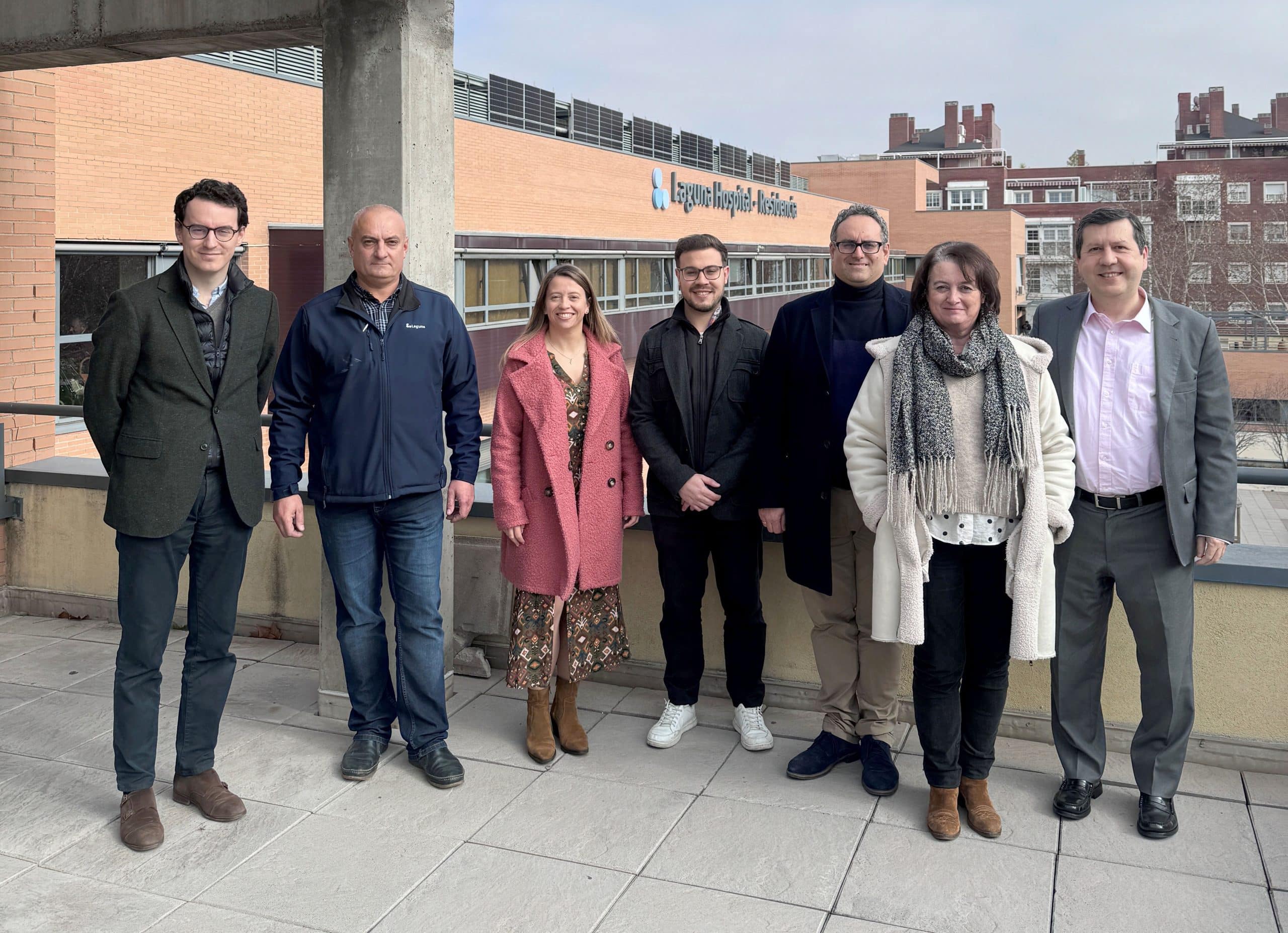
The Sener Foundation, a non-profit organization of the Sener engineering and technology group, has signed an agreement with the Vianorte–Laguna Foundation to carry out a consulting report focused on possible improvements in terms of operation, maintenance and energy and water efficiency in the Laguna de Madrid Care Hospital, as well as a manual for the use and operation of the building. The project, which is scheduled to be developed during 2024, seeks to optimize the available resources in order to offer the best possible service to the patient.

Sener professionals, through a volunteer program of the Sener Foundation, have been working since last January on the collection and analysis of data to make a proposal to improve the operations of the health center. In this way, the center will have the opportunity to improve the energy efficiency of its facilities, being able to allocate more resources to the care of its patients.

The Laguna Care Hospital is a social and health center dedicated to the care and attention of elderly people in situations of special fragility or who suffer from diseases with no hope of cure, in addition to supporting their families. It is promoted by the non-profit entity Vianorte-Laguna Foundation.

“Engineering and technology have the capacity to transform the world and improve the quality of life of numerous groups, as is the case of this project in which, through the application of the experience and knowledge of Sener and its people , we can help the Vianorte-Laguna Foundation optimize its resources so that this can result in better assistance to its patients and their families,” says Rosana Madroñal, director of the Sener Foundation.

For his part, from the Laguna Care Hospital, David Rodríguez-Rabadán, general director of Laguna, has stated that “the healthcare activity carried out by Laguna focuses on the fragile person at the end of life and their families, the Vianorte Foundation -Laguna needs the collaboration of people and institutions that offer their time, knowledge and resources so that we can continue developing this wonderful mission.” “The Sener Foundation has shown great sensitivity, generosity and professionalism, through its engineers and their knowledge, “With this project that seeks to make the Hospital more efficient and obtain savings and improvements in energy use. We sincerely appreciate this help.”

Data analysis and energy efficiency to allocate more resources to patient care

The project will focus on the analysis of the energy, water and waste management situation, in addition to the maintenance of the health center. All of this, with the aim of converting it into improvements for the patient. The Sener Foundation will prepare two reports that help the center’s Management optimize management. One of the reports will focus on the maintenance and operation of the facilities (cleaning, inspections, available equipment, etc.) and the other will be based on efficiency in the use of energy, water and waste.

Ten Spanish companies join forces to apply hydrogen propulsion to a high-speed train for the first time

Ten Spanish companies join forces to apply hydrogen propulsion to a high-speed train for the first time

23/01/2024

The Hympulso project is part of the Strategic Projects for Economic Recovery and Transformation (PERTES). A new technical car with hydrogen and batteries to be developed for a Talgo 250 train, allowing it to run on clean energy on non-electrified lines. The main partners are Talgo, Golendus, Ingeteam, Repsol, Sener and Optimus3D.

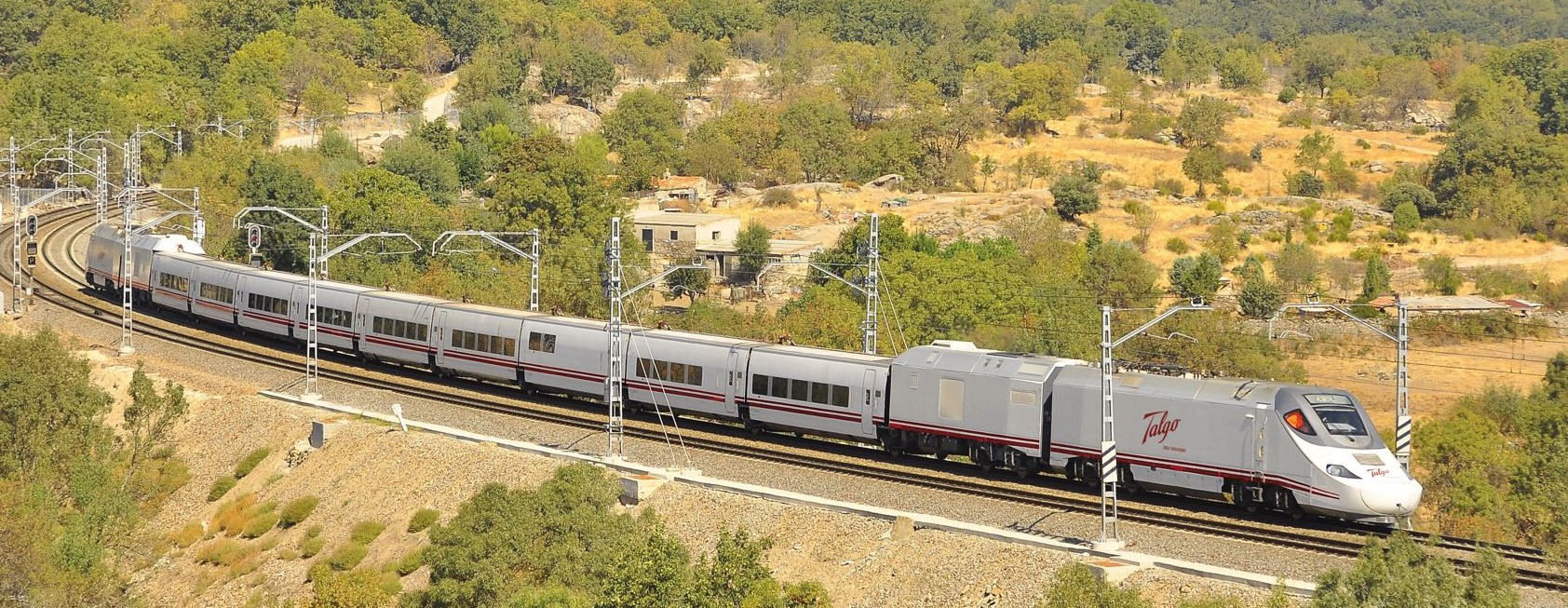
Ten Spanish companies have joined forces to design, build and install, for the first time in the world, a propulsion system based on renewable hydrogen fuel cells on a high-speed train. Under the Hympulso project, the companies will develop a set of technologies that can be applied to the Talgo 250 ‘all-terrain’ train, making it possible to electrify the rail network with energy generated entirely from renewable sources, even on lines without overhead power lines.

Led by Talgo, Hympulso also includes Golendus, Ingeteam, Optimus3D, Repsol and Sener as partners. Universidad Pontificia Comillas and Tecnalia are collaborators, while Adif is an observer. The initiative has received a grant of €6.5 million and is part of the Incentive Programme for the Innovative Value Chain and Knowledge of Renewable Hydrogen, as part of the Recovery, Transformation and Resilience Plan.

Hympulso will be comprehensive in nature: it will activate the entire renewable hydrogen value chain in the railway system, from production to consumption. The project will also make it possible to analyse the impact of the future transition on the various railway infrastructure assets managed by Adif, such as maintenance facilities or the track.

Thus, the project will result in a joint output of hydrogen supply installations adapted to railways -both mobile and static- and a pioneering prototype of a hybrid bimodal train for passengers with automatic track-gauge change, which will be able to run both on conventional and high-speed networks, using catenary supply when available, or hydrogen and batteries in those corridors that are not electrified.

This holistic perspective is key because tackling the many major technological challenges posed by the adoption of renewable hydrogen in rail transport will require the involvement of multiple stakeholders at all levels, and from both the public and private sectors.

An ‘all-terrain’ train

All project partners seek to evolve their enabling technologies and expertise in the field of renewable hydrogen with Hympulso. Talgo’s objective will thus be to develop, manufacture and test dual-hybrid hydrogen battery traction on a Talgo 250 train, intended for long-distance operations on mixed sections: partially electrified and partially non-electrified.

Called Talgo 250, these trains have two technical end cars each (CET), which are currently used to generate electricity from diesel to power the traction units on sections without catenary. Under the Hympulso project, one of these diesel CETs will be replaced in a Talgo 250 unit by one equipped with fuel cells and batteries to supply electricity to the locomotives using 100% green, renewable hydrogen.

The scope of each partner is as follows:

Ingeteam will design, manufacture and test reversible high-power converters, capable of charging the batteries from the catenary. Repsol and Golendus will be responsible for developing two hydrogen refuelling facilities. Repsol will deploy a mobile facility, while Golendus’ hydrogen plant will be a static production and supply facility. For the hydrogen supply facilities and the railway infrastructure, Sener will carry out an overall risk analysis and a simulation of the operation of the services. In both cases, a logistics control platform will be developed to monitor the use of hydrogen in the network.

Finally an SME, the Alava-based Optimus3D will work on more efficient and durable new materials, based on additive manufacturing, and new processes to be used in hydrogen applications.

As for the observer companies, Adif wants to develop its knowledge in the definition of requirements and use cases in the access to the railway infrastructure of hydrogen technology. It will develop the safety requirements associated with the infrastructure and the interfaces with vehicle and refuelling facility, as well as the design of standardised refuelling facilities and collaborate with the use cases on the hydrogen fuelling platform.

Adif will also include the comprehensive management of this new fuels within its wider hydrogen strategy; furthermore, it will contribute during track testing by easing the access to the rail infrastructure.

Initiatives contributing to the transformation of the Spanish economy

The Hympulso project is part of the ‘Value chain: design, demonstration and validation of hydrogen-powered mobility’ call, which forms part of the PERTE (Strategic Projects for Economic Recovery and Transformation) for renewable energies, renewable hydrogen and storage (ERHA). In the resolution of the call for proposals, this project received the highest score for the soundness of its technical proposal and its innovative nature.

Under the PERTE designation, a sector is identified as a key area for the future of the economy. In total, twelve strategic projects have been approved in areas such as the development of electric and connected vehicles, renewable energies, renewable hydrogen and storage, cutting-edge health, the agri-food sector, the new language economy, the circular economy model, the shipbuilding industry, aerospace, the digitisation of the water cycle, microchips, the social and care economy and the decarbonisation of industry.

Plenitude joins the BlueFloat Energy – Sener Renewable Investments partnership for the development of offshore wind projects in Spain

Plenitude joins the BlueFloat Energy – Sener Renewable Investments partnership for the development of offshore wind projects in Spain

22/01/2024

The Italian company integrates the production of energy 100% from renewable sources, energy sales and services, and an extensive network of electric vehicle charging points. It brings in the partnership its presence in the Spanish market, its proven track record in the offshore wind European sector and its technical capacity in the development and execution of complex and large-scale projects.

BlueFloat Energy, Sener Renewable Investments and Plenitude share a strong commitment to promoting a sustainable offshore wind energy sector in Spain, focusing on local communities and social, environmental and economic benefits.

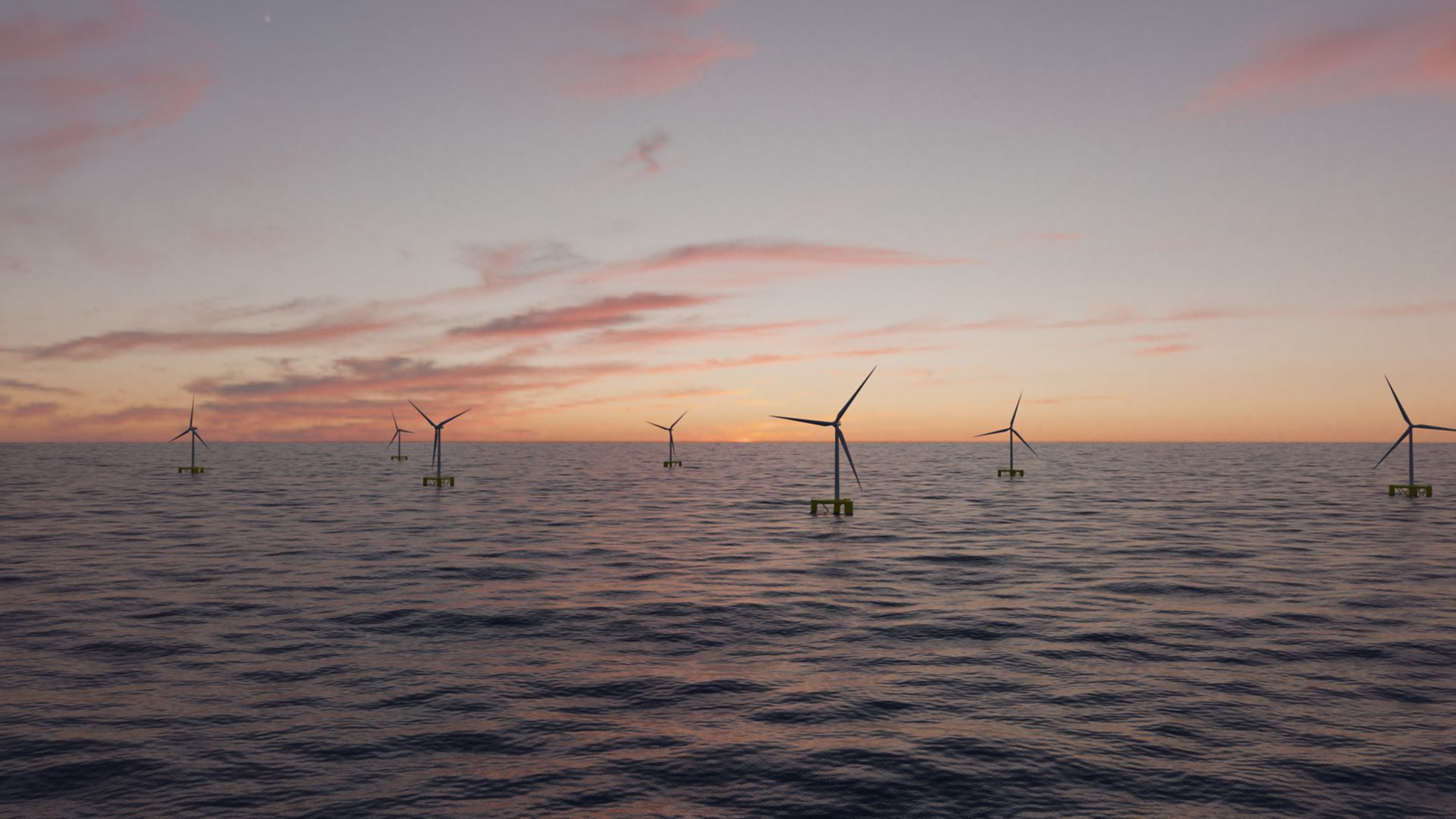
Plenitude has reached an agreement with BlueFloat Energy and Sener Renewable Investments to join their strategic partnership to advance the development of offshore wind projects in Spain. The agreement with Plenitude bolsters the joint venture formed by BlueFloat and Sener Renewable Investments 3 years ago, creating a leading consortium in the offshore wind sector in Spain with a total portfolio of approximately 1.25 GW of floating offshore wind projects across Galicia (Parque Nordés), Catalonia (Parc Tramuntana) and the Canary Islands (Parque Tarahal).

Plenitude shares the unique portfolio development approach consistently applied by BlueFloat Energy and Sener Renewable Investments, which aspires to carefully integrate environmental and social considerations in the project design and embed the projects within the local communities. In Spain, Plenitude manages 430 MW of solar PV and onshore wind power in operation, 1 GW of projects that are under construction, and more than 2 GW of projects in development. The company also manages a network of electric car charging points and provides electricity and energy services to over 300 thousand customers in the country.

Plenitude operates in 15 countries, with a portfolio of around 3 GW of renewable capacity in operations, an objective of 7 GW capacity expected to be in place by 2026 and more than 15 GW by 2030.

Stefano Goberti, CEO of Plenitude, said: “Thanks to this agreement, we strengthen our offshore wind portfolio and commitment in the renewables sector in Spain. We are glad to start this collaboration with BlueFloat and Sener Renewable Investments to contribute to the country’s energy transition process, through an innovative and high-potential technological solution as floating offshore wind. Growth in the renewables sector is central to Plenitude’s strategy, in line with the company’s goal of achieving carbon neutrality by 2024 and providing decarbonized energy to all its customers”.

According to Carlos Martín, CEO of BlueFloat Energy: “The agreement with Plenitude strengthens our consortium thanks to their solid track-record in developing and executing renewable energy projects, financial strength, and strong technical capabilities, which are highly complementary to BlueFloat Energy’s expertise in offshore wind and Sener’s engineering competences. With Plenitude on board, our projects take a significant step forward while consolidating our leading position in the offshore wind sector in our home market”.

As Miguel Domingo, Managing Director of Sener Renewable Investments, points out: “The three companies share a clear commitment to implement offshore wind projects in Spain in a sustainable and equitable way, seeking their environmental, social, and economical compatibility and integration at the local and regional level. With Plenitude we reinforce this commitment”.

Brand new “CLIMPORT” research project will investigate the effects of climate change on the design and construction of port infrastructures

Brand new “CLIMPORT” research project will investigate the effects of climate change on the design and construction of port infrastructures

18/01/2024

As one of CLIMPORT benefits, the Spanish port industry will strengthen its role as a leader in climate change-ready design and construction technologies.

Due to their long lifespan and coastal location, port infrastructures are especially vulnerable to the effects of climate change. Given this evidence, new methodologies for the design and construction of ports that take consider the effects of climate change are needed.

To address this problem, the project “Modeling system for the design and construction of port infrastructures adapted to Climate Change” (CLIMPORT) has been launched, co-financed within the call for Public-Private Partnership Projects 2022 call.

The execution of CLIMPORT is being carried out by a public-private consortium, led by FCC Construction, and formed by the Institute of Environmental Hydraulics of the University of Cantabria (IHCantabria), three large construction companies (FCC Construction, DRAGADOS and ROVER Maritime) and three large engineering companies (the ACCIONA Engineering area, the Sener engineering and technology group and the Amper Group engineering area, PROES Consultores), which have extensive experience in the field of engineering and maritime works. The execution period of this project covers from October 1, 2023, to September 30, 2026.

This project aims to design and build port infrastructures adapted to climate change, so it will research and develop an innovative system that considers the effects of climate change in the design of resilient port structures, which is essential to guarantee a more sustainable mobility.

It will generate an innovative modular system that will incorporate new professional methodologies for the design and construction of port infrastructure, integrating statistical tools, databases, international regulations, and state-of-the-art construction procedures.

One of the innovative elements of the CLIMPORT project is that it explicitly adds the analysis of risks associated with climate change. Another innovative element is the integration of variables to design and build ports, considering different temporal and spatial scales, which represents a unique approach in the international arena.

Key aspects of the CLIMPORT project include: the analysis of climate risks in the design and construction of ports, incorporating the effects of climate change and quantifying the uncertainty of the results; the development of the digital twin of the port’s hydraulic behavior, for different phases of its life cycle; cooperation with the BIM philosophy; the modular system that allows for great versatility and scalability and the characterization of the potential of renewable energy in ports.

Participation in this project demonstrates the corporate social responsibility of all partners of the public-private consortium. This can be seen because the execution of CLIMPORT is aligned with the Sustainable Development Goals (SDGs), especially with SDG 9 (Industry, Innovation, and Infrastructure) and with SDG 13 (Climate Action). Furthermore, the system to be developed will be a benchmark in the design and construction of resilient port infrastructures, which will reinforce the international competitiveness of the Spanish Science, Technology, and Innovation System.

Sener and Eurecat sign a strategic agreement for the joint development of disruptive technologies

Sener and Eurecat sign a strategic agreement for the joint development of disruptive technologies

27/11/2023

The areas of systematic innovation that will be addressed jointly are the digitalization of the industry and technologies to promote sustainability, among others, carbon capture and use, hydrogen, sustainable mobility, offshore wind or resource management.

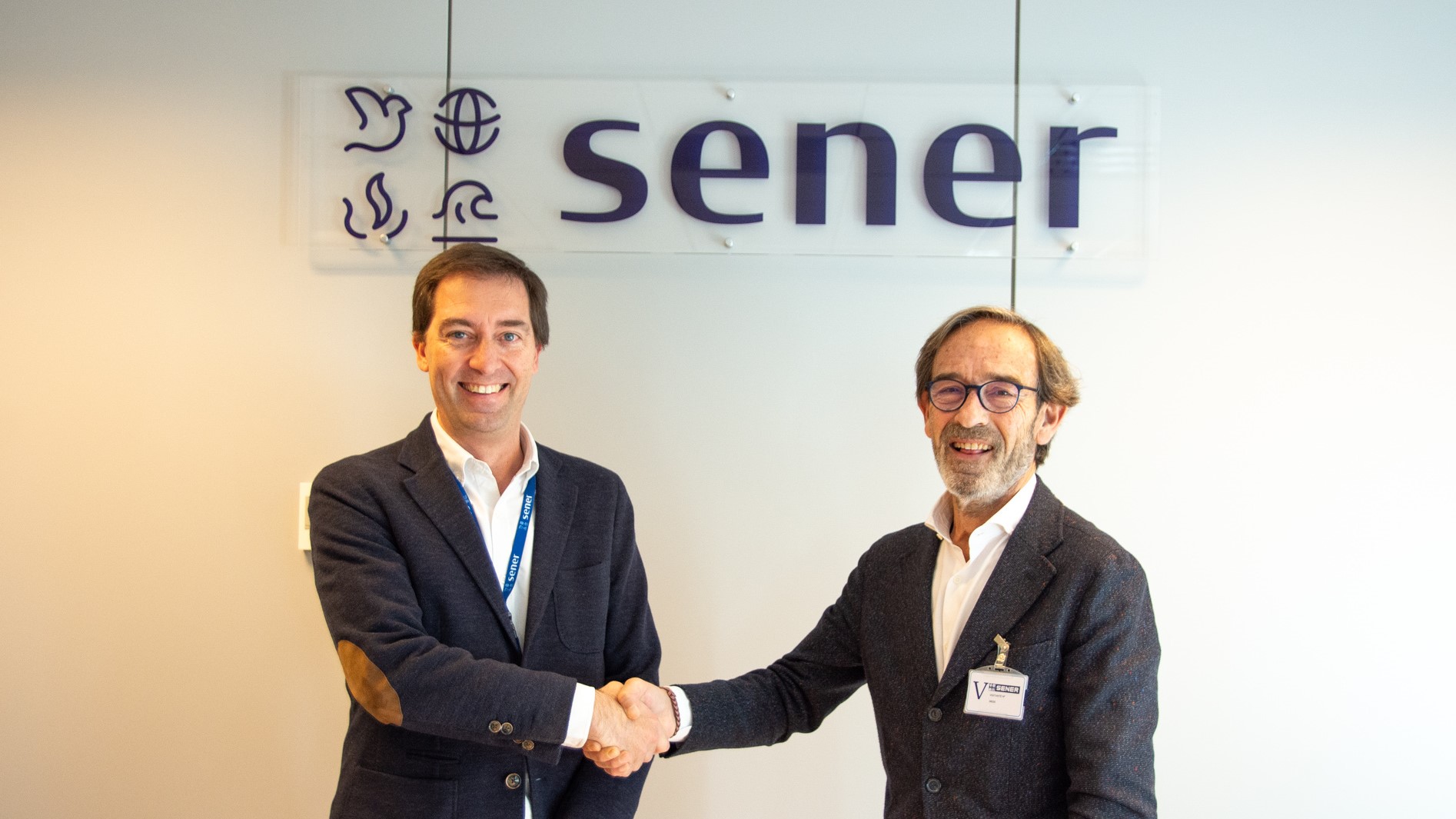
The engineering and technology group Sener and the Eurecat technology center have signed a strategic agreement for the joint development of disruptive technologies and differential solutions, as well as their industrial scaling, through hybrid and multidisciplinary work teams of both organizations.

Under the collaboration agreement, Sener and Eurecat consolidate their alliance to promote innovative multisector technologies at the national and international level and reinforce their commitment to open innovation, acceleration of the innovation cycle and scaling and transfer to the differential technological solutions.

According to the Director of Innovation at Sener, Òscar Julià, “for a highly diversified group like Sener, it is essential to establish strategic collaborations that connect us with the ecosystem. Society and the economy address very complex technological challenges (in the field of energy, mobility, digitalization, among many others) that require open and collaborative innovation models.”

The Eurecat technology center and the Sener group “thus establish synergies aimed at promoting the industrial scalability of disruptive and cutting-edge technologies, in addition to leading their application in the company’s value chain and the industrial sector,” underlined the Corporate and Industrial General Director. of Eurecat Operations, Xavier López. In this sense, he has pointed out that “the strategic agreement with Sener will allow for closer ties of collaboration between both institutions, materialize the deployment of new technologies and enhance the exchange of knowledge.”

The areas of systematic innovation that will be addressed jointly are the digitalization of the industry and technologies to promote sustainability, among others, carbon capture and use, hydrogen, sustainable mobility, offshore wind or resource management.

Since 1956, the Sener group has been developing engineering and high-tech projects, with a high sustainability component, in different international markets, to contribute to the development of new solutions that respond to society’s challenges. Currently, Sener has more than 3,400 professionals around the world, specialized in diverse markets such as aerospace and defense, energy, mobility and infrastructure, data center engineering, digital and naval. By combining diverse profiles and disciplines, the company is capable of tackling projects of great technical complexity, such as the construction of a 2.5 MW electrolyzer for the Petronor refinery in Muskiz (which will generate the first green hydrogen in the Basque Country), Gate Terminal in the Netherlands (one of the largest liquefied natural gas terminals in Europe) or the development of HiveWind, an innovative semi-submersible floating platform for large offshore wind turbines (over 15 MW).

Eurecat is the main technology center in Catalonia and the second largest private research organization in southern Europe. It brings together the experience of more than 700 professionals and provides services to nearly 2,000 companies. Applied R&D, technological services, highly specialized training and specialized technological consulting are some of the services that Eurecat offers for both large and small and medium-sized companies in all sectors. Eurecat stands out for being a technological center of an interdisciplinary, multi-technological and multi-sectoral nature, which allows us to address the challenges and needs from a systemic technological perspective that is especially adjusted to the characteristics necessary to promote technological development. The technology center participates in more than 200 large national and international R&D+ consortium projects. The added value provided by Eurecata accelerates innovation, reduces spending on scientific and technological infrastructure, reduces risks and provides specialized knowledge tailored to each company.

Rail Live 2023

November 29, 2023
Madrid, ESP

Rail Live 2023


Comprehensive engineering services in railway and urban transportation
Diseño de estaciones de monorraíl

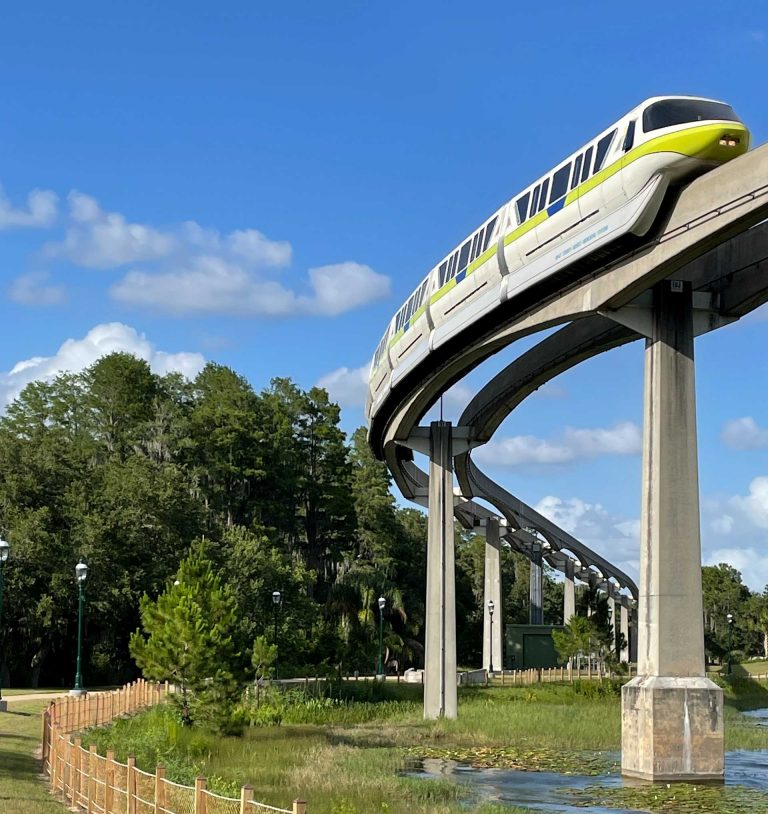
7 key factors to designing monorail stations

The development of monorail projects, which are currently in high demand due to their appealing construction and operational costs, has to find solutions that will increase their resilience and improve the performance and sustainability of these transport systems.

Download

Smart City Expo Congress

November 7, 2023
Barcelona, ESP

Smart City Expo Congress


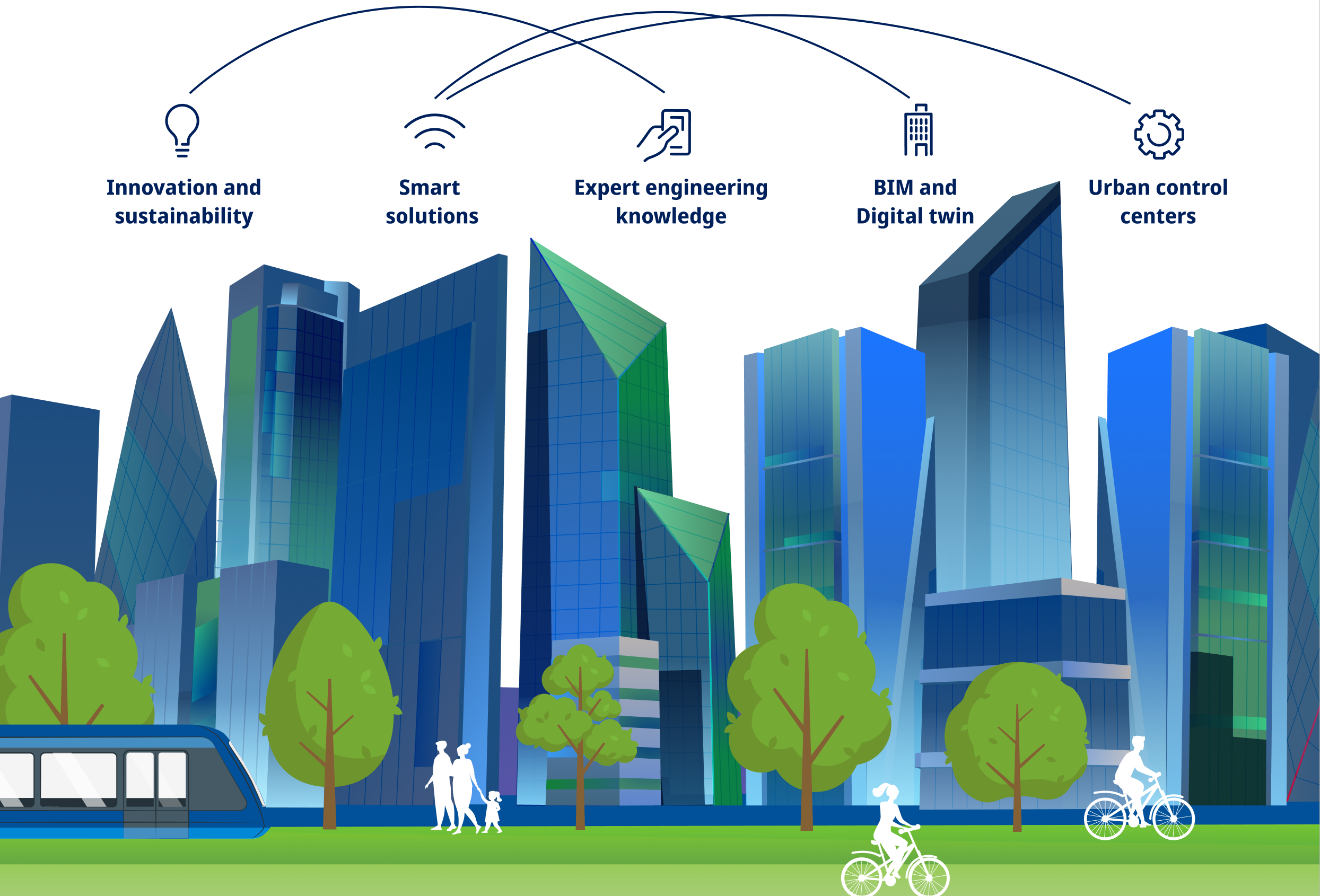
Consultancy engineering services and innovative technologies for sustainable, smart and cognitive cities
Soluciones de Eficiencia Energética

Energy Management System

System based on a model of the installation and different predictors that allows obtaining the only global optimal solution to the problem that arises under different possible objectives: maximizing self-sufficiency and/or sustainability objectives, minimizing energy bill expenses, maximizing benefits of a plant hybridized with service sales stacking, minimize system aging, among others.

Download
Movilidad en Tenerife

Mobility solution for Tenerife

Transport planner to solve inefficiencies generated by low population density areas with regular public transportation routes.

Download
Conducción autónoma

Autonomous driving

Road audit to standardize them and reduce the accident rate due to human error.

Download

Urban Air Mobility

Design and planning of vertiports as a response to the congestion of new land mobility infrastructures.

Download

Sustainability conceptual engineering for thermal use

Environmental solutions

Decarbonization and Sustainable industry

Sustainability conceptual engineering for thermal use

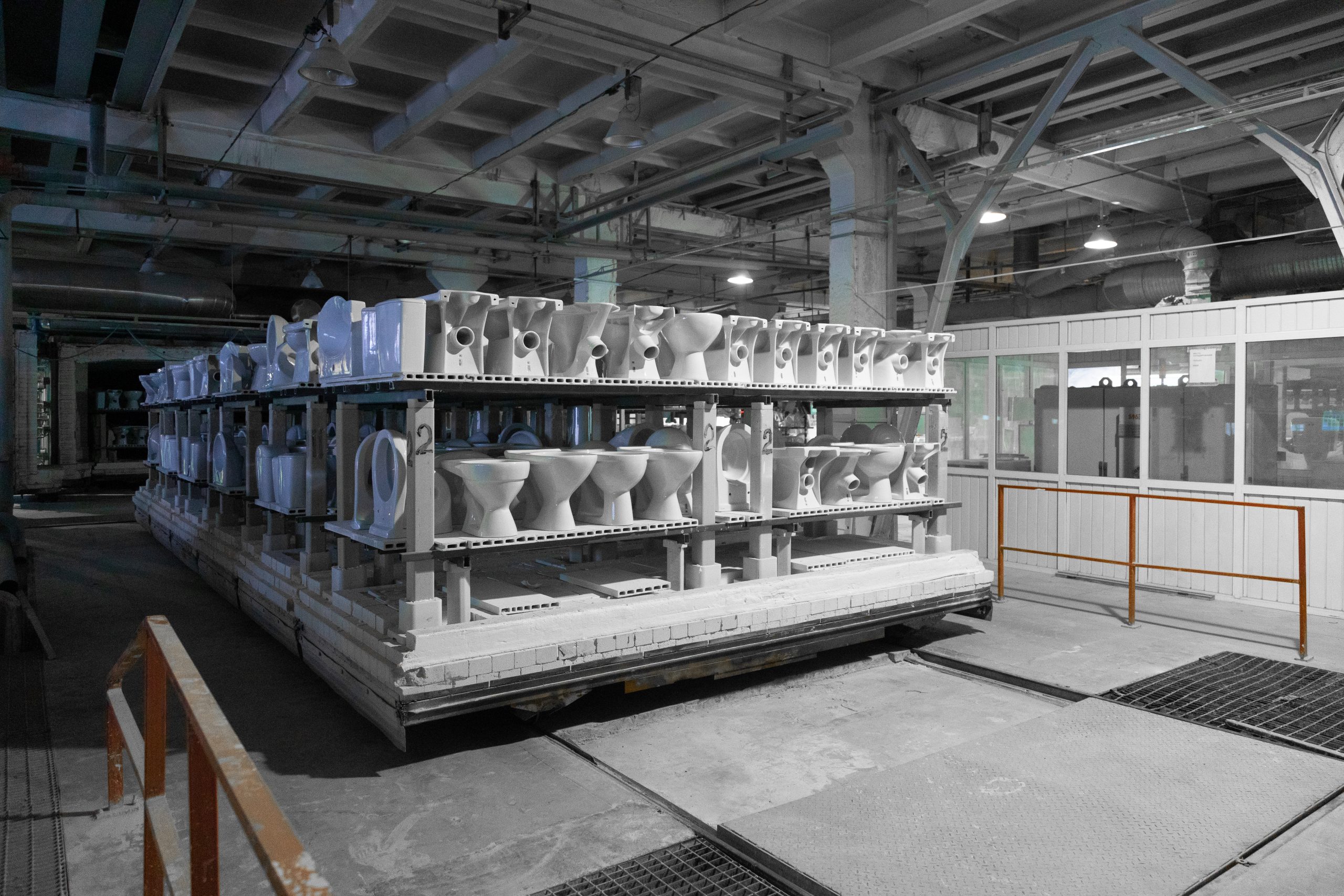
Marking the first steps on the road toward a sustainable future for a multinational company in the ceramics sector

Case of success