






Sener joins ESA’s EnVision mission to study Venus’ formation

Sener joins ESA’s EnVision mission to study Venus’ formation

13/11/2025

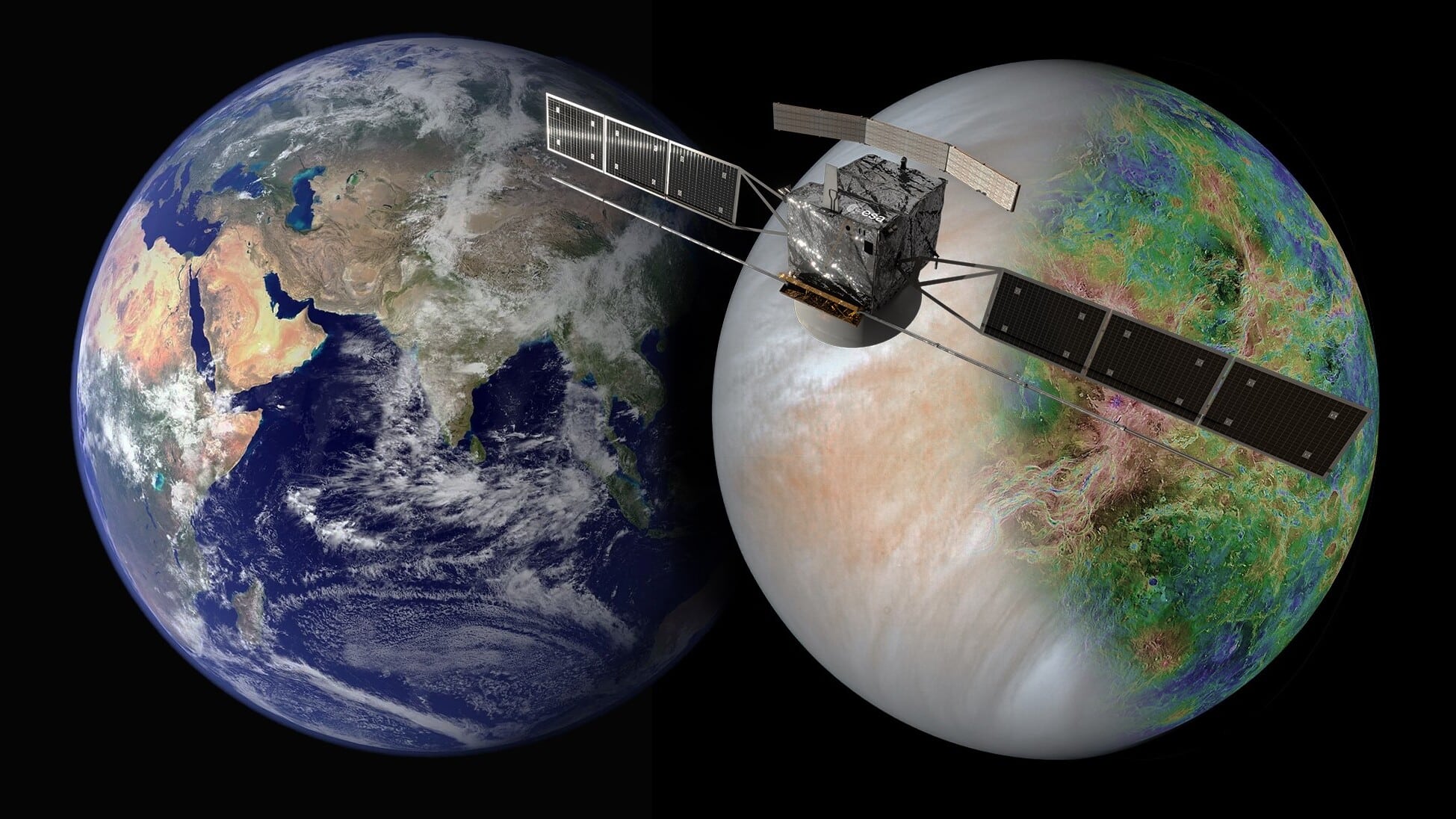
The industrial engineering and technology group Sener will take part in the European Space Agency’s (ESA) EnVision mission, working from its facilities in Spain and Poland.

EnVision will be the first mission to deliver a complete view of Venus, from its inner core to its upper atmosphere, to understand how and why Venus and Earth evolved so differently. The mission will study the planet’s atmosphere, surface, and interior, and how these layers interact. This is ESA’s second mission to Venus. The launch is scheduled for November 2031. The journey will include a 15-month cruise followed by 11 months of aerobraking to reach the final science orbit. The science operations phase will last for four Earth years.

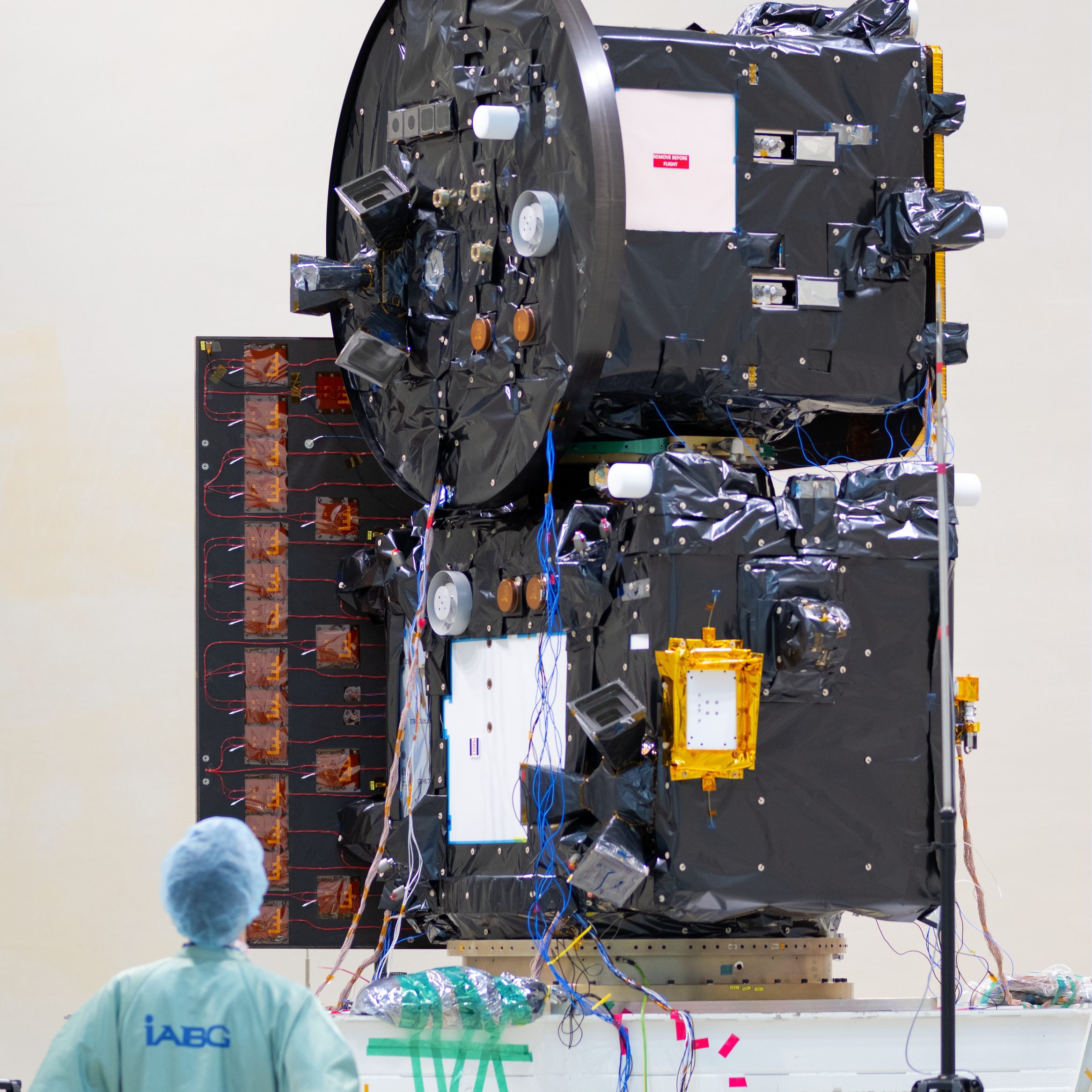
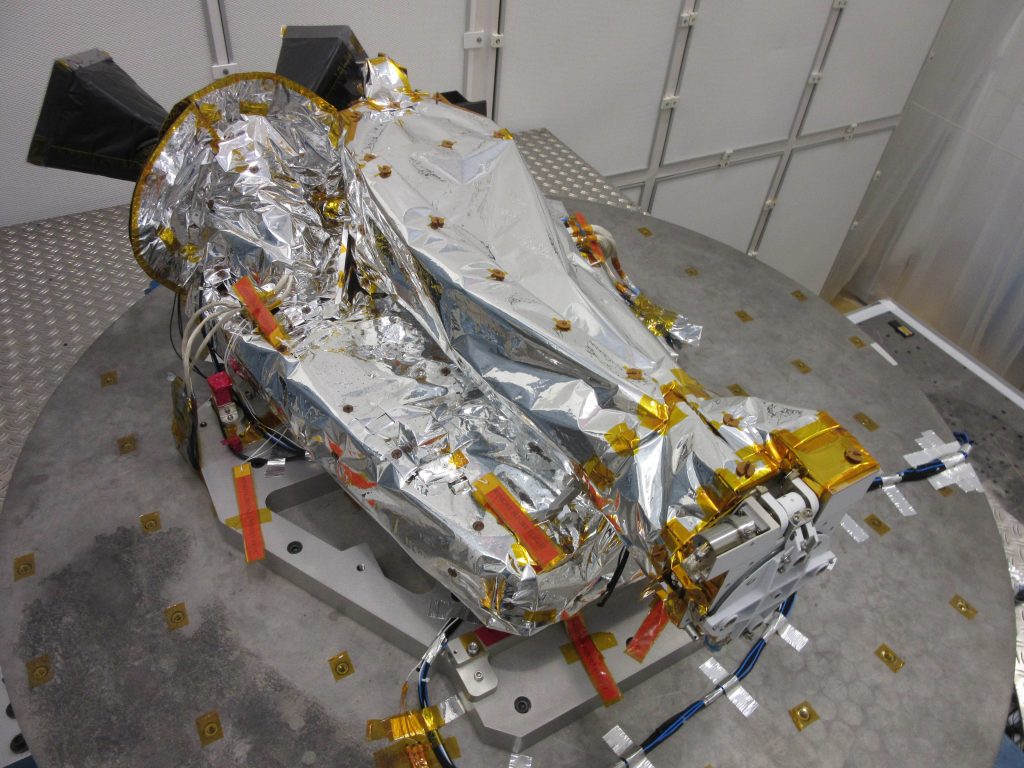
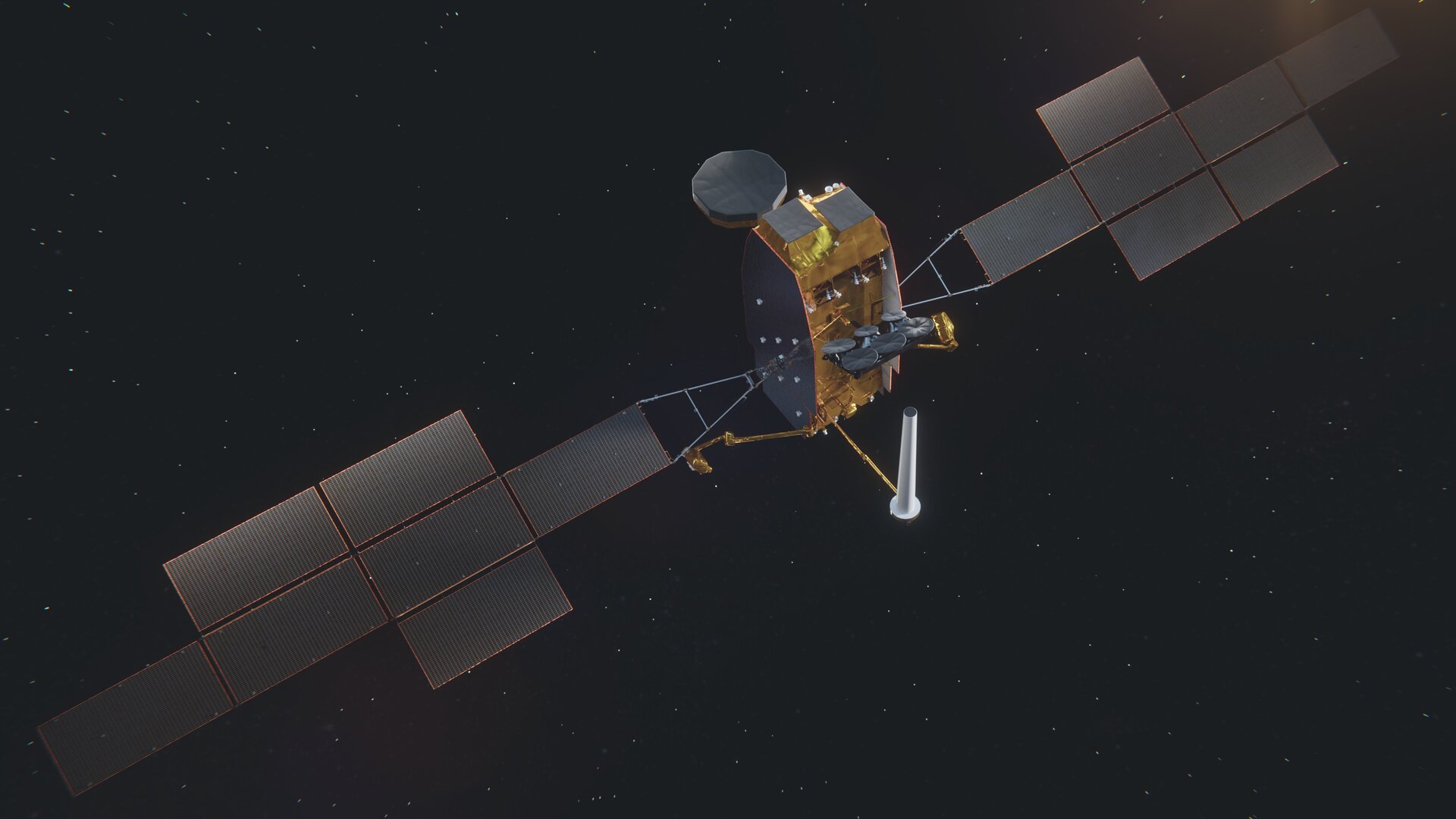
Sener is responsible for the design and development of the power supplies of the VenSpec instrument, as well as a 16-meter-long dipole antenna formed by two booms for the Subsurface Radar Sounder (SRS), developed by Thales Alenia. The SRS is a nadir-looking radar sounder that transmits low-frequency radio waves with the unique ability to penetrate beneath the surface. These waves interact with subsurface structures and dielectric discontinuities, producing reflections that are used to create images (radargrams) and map hidden geological features. The instrument’s design relies on physical and electromagnetic modeling of surface and subsurface targets.

Venus exhibits unusual geological formations such as pancake domes, complex ridged terrain (tesserae), and exceptionally long lava channels, identified by previous missions. Understanding how these features formed will provide key insights into the planet’s geodynamic evolution. The SRS will help characterize vertical structures and properties of these formations, detect buried craters and strata, and define boundaries between geological units.

The boom developed by Sener will be critical for the SRS to achieve its objectives and ensure mission success. Sener brings extensive experience in this field, having designed, manufactured, verified, and integrated the magnetometer boom for ESA’s JUICE mission, launched in 2023 to study Jupiter and its icy moons.

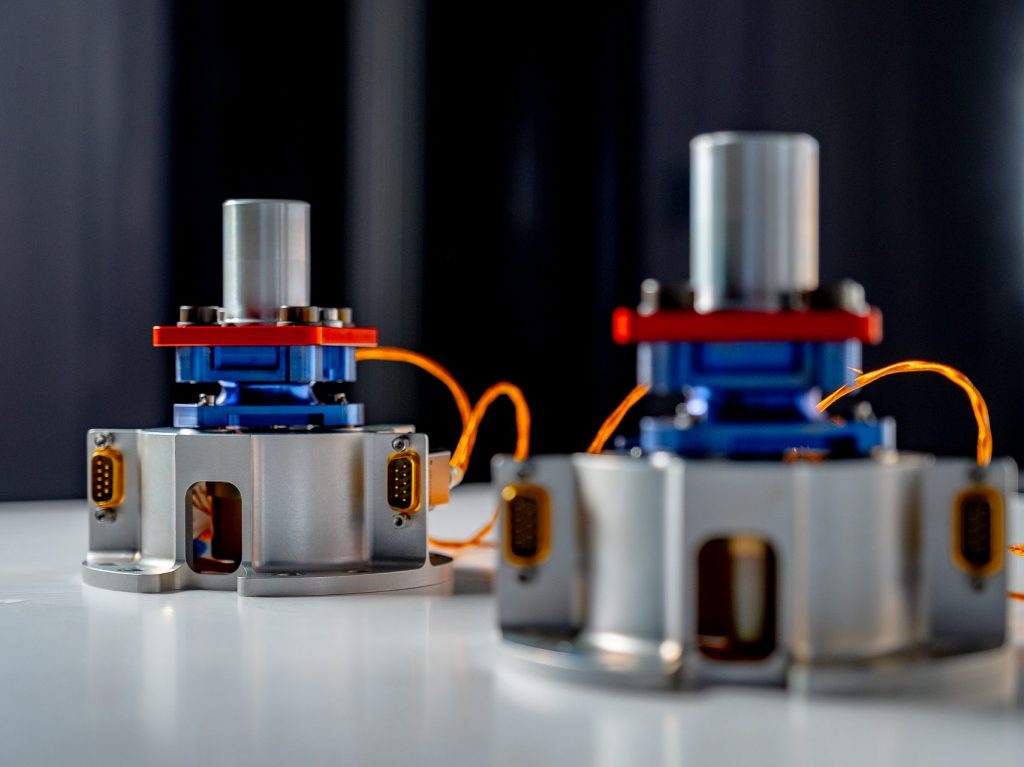
The satellite includes the VenSpec instrument, which is a set of three image spectrometers: VenSpec-M (infrared image generator), VenSpec-H (infrared spectrometer), VenSpec-U (ultraviolet spectrometer). Sener develops, in collaboration with the Instituto de Astrofísica de Andalucía, the Central Control Unit Power Supplies Units (CCU-PSU) of the instrument that communicates with the satellite and the power supplies of the H and U channels, with strict requirements for ripple, noise and voltage precision in the outputs.
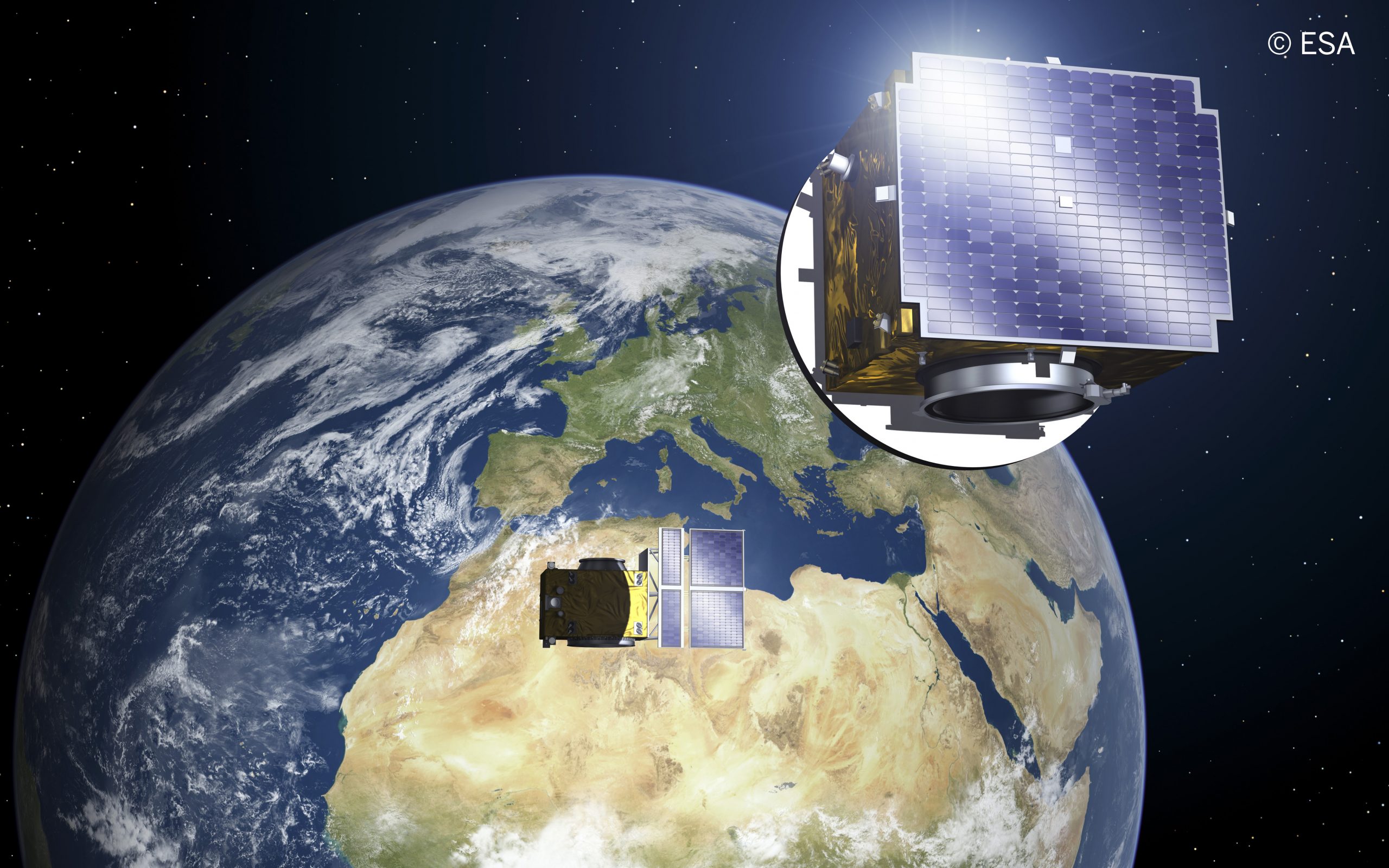
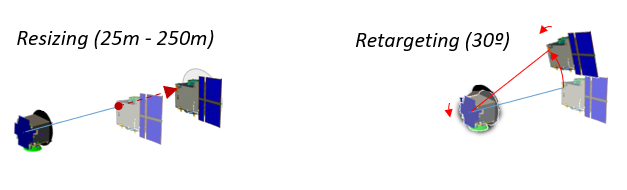
Proba-3: Formation flying for solar corona observation led by Sener

Space

Science & Earth observation

Proba-3: Formation flying for solar corona observation led by Sener

Precise technology for solar corona observation

Case of success

FAQs

Who launched Proba-3?

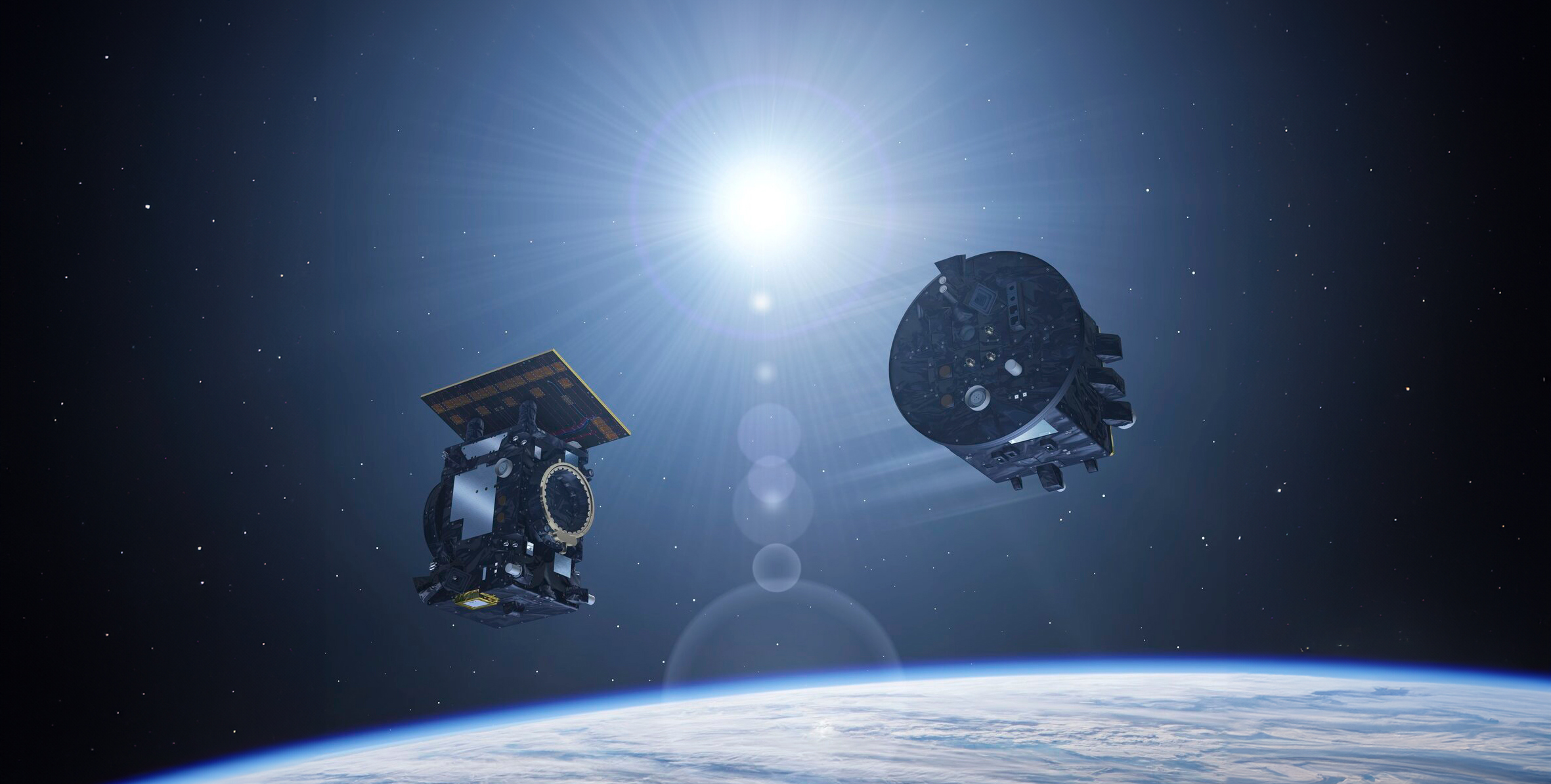
The two Proba-3 spacecraft were launched together by the PSLV-XL launcher of the Indian Space Research Organisation (ISRO), which provides the required performance at a reasonable cost to place the combined 550-kilogram pair into their highly elliptical orbit. This orbit involves reaching an altitude of 60,000 kilometres from Earth before descending to just 600 kilometres.

Sener, as Prime Contractor, developed the satellite platforms and the formation flying system for this pioneering space mission.

When was the Proba-3 space mission launched?

ESA’s Proba-3 space mission was launched on 5 December 2024.

Why is the Proba-3 mission a technological and scientific breakthrough?

The Proba-3 mission represents a major milestone in space exploration thanks to its innovative formation flying approach and its miniaturised satellites.

This technology enables the creation of a modular system in orbit capable of operating with the precision of a single structure, thanks to its millimetre-level accuracy. In this way, formation flying makes it possible to build complex structures, such as telescopes, which would otherwise be very costly to launch into space due to the large dimensions required during operation.

This technology opens new frontiers in astronomy, geodesy, and Earth observation. In particular, Proba-3’s ability to generate its own solar eclipses allows for very long-duration observations of the solar corona, achieving unprecedented precision.

Retractable pitch system: Hypogea

Buildings & Cities

Sports & Entertainment

Retractable pitch system: Hypogea

Multi-functional Stadiums and Arenas

Case of success

The stadium of the future

Discover how the Hypogea system works.

Download
Watch

Contact our expert

Jorge Vizcaya

Sener Architect

“In many ways, stadiums have become modern shrines. However, the sports function, for which most of them were designed, precludes any use or operation for alternative activities.”

“At Sener, we have always believed that stadiums must be designed in such a way that their function transcends a mere sporting use.”

Altamira Data Center

Altamira Data Center

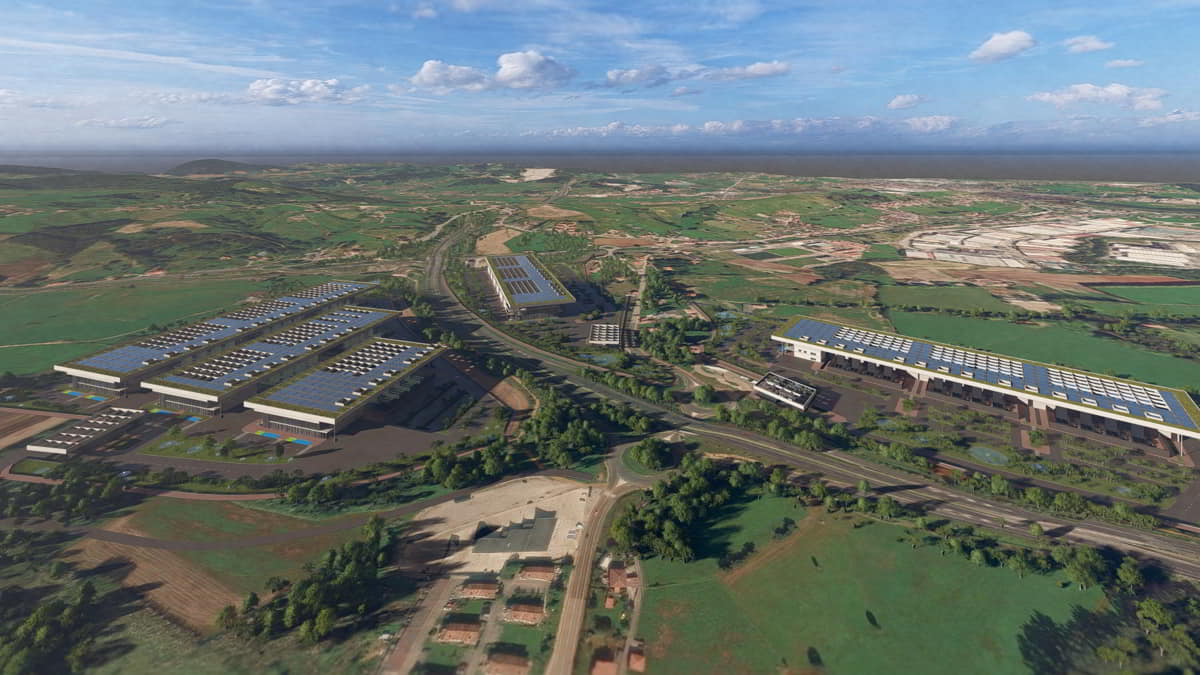
Quark (Sener Group) performs the technical support of a 500 MW sustainable data campus in Cantabria, the largest tech investment in the region’s history.

Case of success

Contact our experts

Let us show you how we can help with your projects.

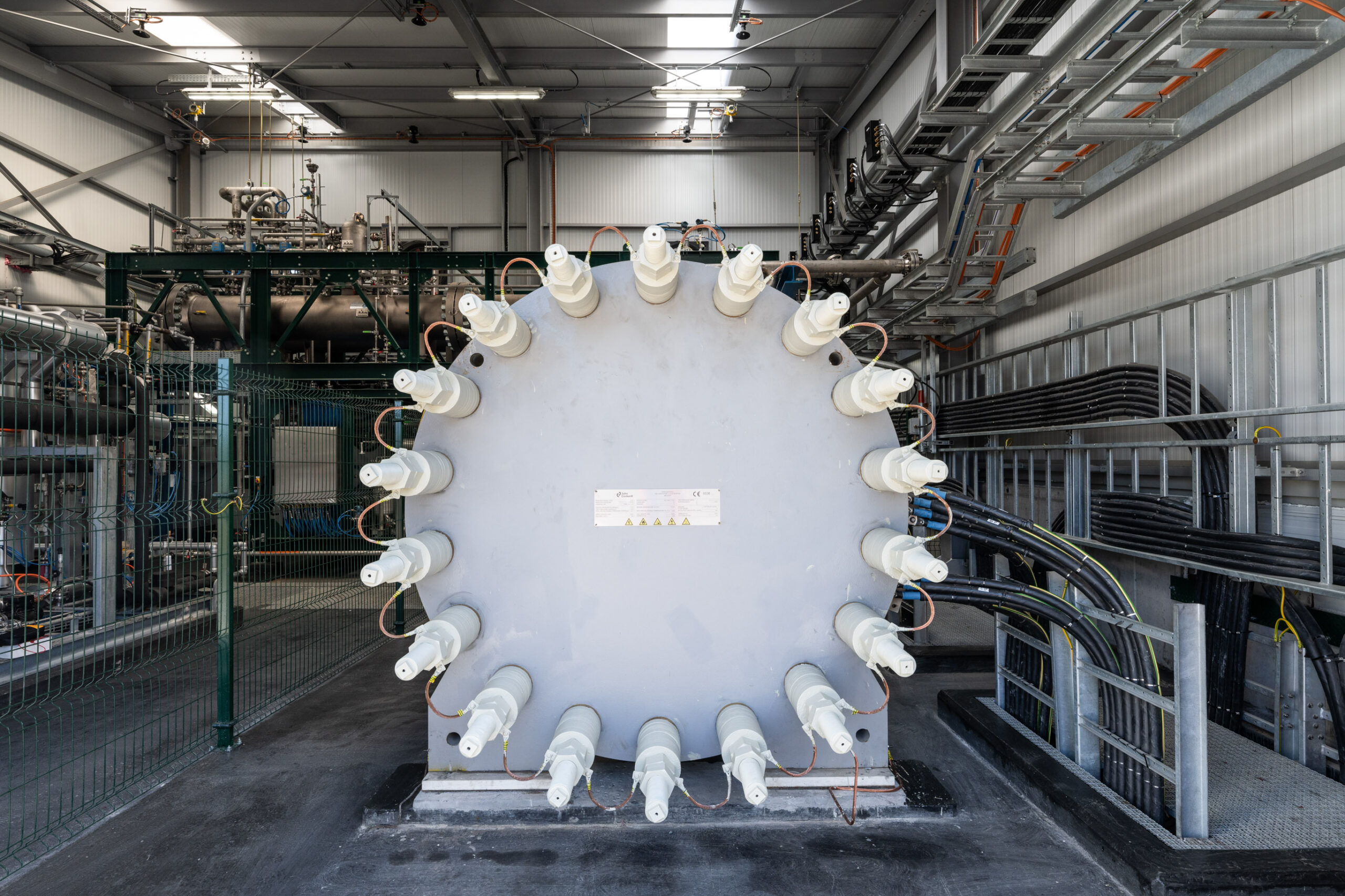
2.5 MW electrolyzer for Petronor’s refinery in Muskiz (Spain)

Energy

Sustainable Fuels

Green Hydrogen & Carriers

2.5 MW electrolyzer for Petronor’s refinery in Muskiz (Spain)

Decarbonization of strategic sectors

Case of success

Contact us

Contact us to find out how we can help you.

Sener strengthens Spain’s technological sovereignty in secure communications with its participation in SpainSat NG II

Sener strengthens Spain’s technological sovereignty in secure communications with its participation in SpainSat NG II

21/10/2025

The second satellite of the SpainSat NG programme will be launched on 22 October, completing Europe’s most advanced secure communications constellation.

The engineering and technology group Sener has been involved in SpainSat NG II, the second satellite in Hisdesat’s secure communications programme, scheduled for launch on 22 October from Cape Canaveral, United States. This milestone will complete the SpainSat NG constellation, following the successful launch and commissioning of its twin satellite, SpainSat NG I, last January, on which Sener also worked.

SpainSat NG II, identical to its predecessor (already successfully operating in orbit), will provide secure and reliable communications for the Spanish Armed Forces, strengthening the nation’s technological and strategic capability in space. The satellite will incorporate advanced technologies to protect against jamming and spoofing attempts and will be shielded against high-altitude nuclear events.

Sener was responsible for the design, manufacture and testing of critical components for SpainSat NG II, replicating its successful contribution to the first satellite in the series:

  • Sener designed, manufactured and tested over one hundred complete chains for both the active transmit antenna and the X-band receive antenna. Each chain integrates a radiating front end with a DSSPA (dual solid-state power amplifier) for the transmit antenna or a DLNA (dual low-noise amplifier) for the receive antenna.
  • In addition, Sener supplied six mechanically steerable reflector systems for the Ka-band communications payload, mounted on a deployable panel, with three types of antenna and an angular movement system for each reflector. These reflectors are fed by radiating chains, also provided by Sener, including a horn, polariser and waveguides for signal distribution.
  • Furthermore, for each satellite, Sener delivered the telemetry and telecommand antennas: a pair of S-band hemispherical antennas and a global coverage antenna with dual polarisations and integrated transmit-and-receive functionality.
  • Finally, Sener played an active role in the satellite’s UHF payload, developing the three-channel OMUX, which filters and combines the outputs of the corresponding amplifiers before feeding the satellite’s UHF antenna. Handling high power at this frequency for space applications made the design of this unit a first-class challenge.

Once in orbit, SpainSat NG II will operate alongside SpainSat NG I to provide extended coverage spanning from the United States and South America to the Middle East, including Africa, Europe and reaching as far as Singapore. With an operational lifetime of 15 years, both satellites will ensure the continuity of Spain’s military and governmental communications.

“With the imminent launch of SpainSat NG II, we complete our involvement in one of the most advanced satellite programmes in the world”, said Diego Rodríguez, Space and Science Director at Sener.“The operational success of SpainSat NG I since its launch in January validates our technological solutions and reinforces our commitment to Spain’s technological sovereignty in space”.

Proven track record in the space sector

Sener has a well-established history in satellite communications, having supplied antennas and radiofrequency equipment—both active and passive—to leading satellite manufacturers and space agencies for applications in navigation, telecommunications, exploration and Earth observation. The company has delivered over 10,000 units of equipment and subsystems, which have flown on 1,400 satellites in LEO, GEO and MEO orbits, as well as on launchers.

Sener’s involvement in the SpainSat NG programme further consolidates its role as a strategic partner in defence space programmes and demonstrates the capability of Spanish industry to develop cutting-edge space technology.

New hospital in Málaga

Buildings & Cities

Smart cities

New hospital in Málaga

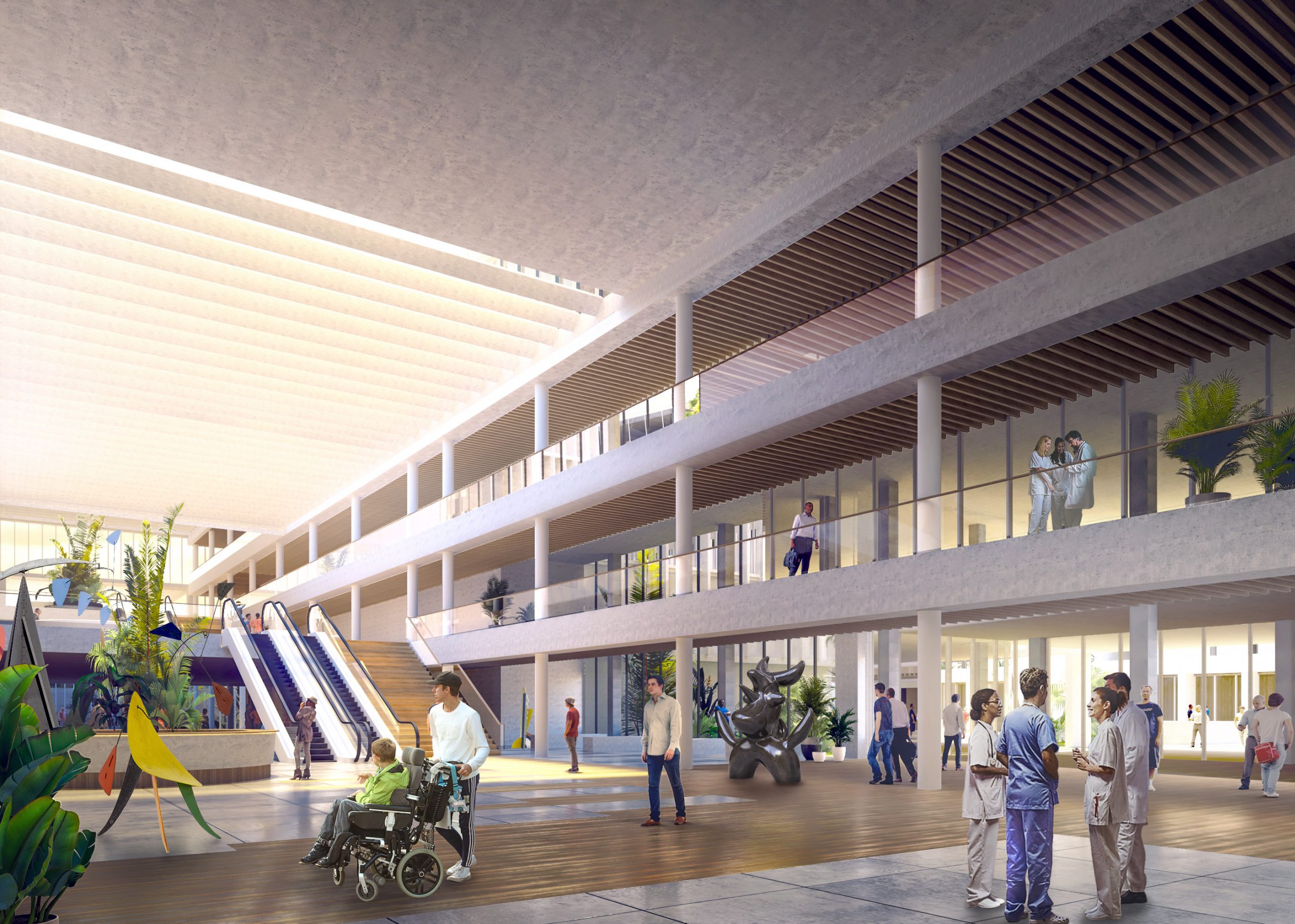
A leading health centre for acute care, highly specialised and offering sophisticated healthcare technologies.

Case of success

Sener opens its 6th Innovation Forum in Barcelona with the participation of Jaume Baró, Secretary of Business and Competitiveness of the Generalitat of Catalunya

Sener opens its 6th Innovation Forum in Barcelona with the participation of Jaume Baró, Secretary of Business and Competitiveness of the Generalitat of Catalunya

13/10/2025

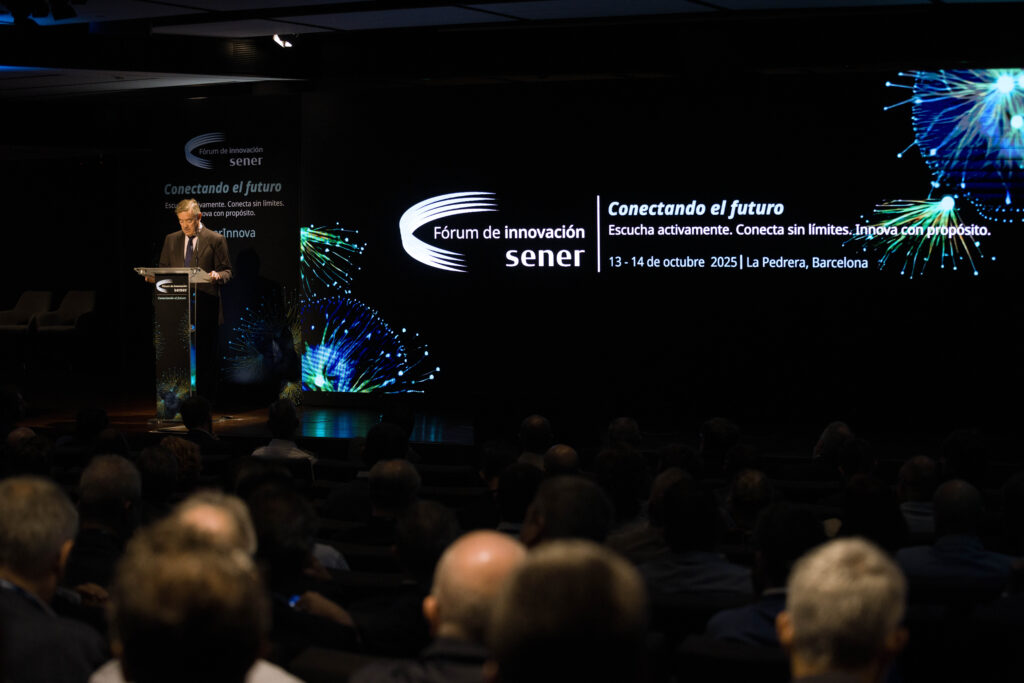
The engineering and technology group Sener inaugurated today, at Casa Milà in Barcelona, the sixth edition of its Innovation Forum, a benchmark event in Spain for analysing the latest technological trends and their applications in strategic sectors.

The opening ceremony was attended by Jaume Baró, Secretary of Business and Competitiveness of the Generalitat of Catalonia, who emphasized that “innovation is key to developing a competitive economy and tackling our major social challenges. Catalonia is very well positioned, with an ecosystem that brings together entrepreneurship, technology, research centres, prestigious universities, local talent and the ability to attract international talent, as well as a growing network of emerging companies that make us a genuine technology hub in southern Europe. In this regard, institutions such as ACCIÓ are essential to continue driving innovation.”

Sr. Jaume Baró Torres Fórum Innovación Sener_2

This year’s Forum brings together, over two days, executives, researchers, and experts from more than 20 leading companies, technological centres, and institutions in their respective fields, including Airbus Defence and Space, CSIC, ADIF, Alstom, Universitat Politècnica de València, Esade, Kapsch TrafficCom, and the European Space Agency, among others.

The program combines inspiring keynote speeches, panel discussions, and demonstrations in the TechShow area, aiming to reflect on major technological challenges in connected and sustainable mobility, defence and drones, decarbonisation and CO₂ management, artificial intelligence, OT cybersecurity, and data centres, among other areas.

During the opening, Sener’s President, Andrés Sendagorta, highlighted that “innovation has been one of Sener’s fundamental pillars since its founding almost 70 years ago. Our founders understood that technological innovation would be our strength and our distinctive value, and that spirit remains alive today thanks to the exceptional team of over 4,000 professionals who make up the company, covering more than 100 technical disciplines. In Barcelona, we have one of our largest production centres, where more than 300 professionals are involved in major international projects. We are convinced that it is essential to innovate in collaboration with the entire ecosystem we are part of: technology centres, start-ups, universities, partners, clients and, of course, with the support of public institutions, which is indispensable to sustain this innovative ecosystem.”

Investment in R&D and Cutting-Edge Projects

Sener maintains a strong commitment to R&D and investment in production capabilities as a driver of growth. Over the past three years, the group has acquired the Australian consultancy Tactix (transport infrastructure), the engineering firm Quark (data centres), and the company SCR (unmanned systems). In parallel, it is expanding its facilities in Zamudio (Vizcaya), Tres Cantos (Madrid), and Barcelona, with industrial projects involving an investment of 35 million euros in new plants and clean rooms for its space and defense businesses.

Similarly, in 2024, the company further strengthened its businesses with significant milestones. In the space sector, Sener was the prime contractor for the European Space Agency’s Proba-3 mission, which marked the first formation flight of two satellites in orbit.

In the energy sector, Sener has contributed to key infrastructure projects, such as the CO2next carbon dioxide storage terminal in Rotterdam and pioneering projects in Germany, including the adaptation of combined-cycle power plants to hydrogen and the country’s first onshore liquefied natural gas storage and regasification plant.

Additionally, the company recently launched Epigea, an automated solution that optimises operations in football stadiums. This mobile and retractable cover ensures the quality of the turf while enabling non-sporting events. This enables stadiums to be used 365 days a year, creating new revenue streams and enhancing the value of the real estate asset.

Through Quark, Sener has designed data centres for the IT Management of Social Security (GISS) and major international operators such as Damac, Equinix, and Prime Data Centers.

Recognition of Technical Excellence

The Innovation Forum also serves as the stage for Sener to recognise the excellence of its professionals. During the event, awards are presented to the technological leader with significant impact and to the project that pushes the boundaries of technology. It is also the occasion for the appointment of its Chief Technical Engineers (CTE). This biennial recognition honours company experts in fields such as geotechnics, acoustics, or electronics, selected by an internal committee based on their knowledge, career, and academic and professional contributions.

Sener, with over 4,000 professionals worldwide and a strong presence in Barcelona (where a team of more than 400 STEM specialists works), develops cutting-edge projects in areas such as space, energy, mobility, data centres, and digital solutions.

The Innovation Forum, which will continue until tomorrow, 14 October, will also present the Forum Awards, geared towards highlighting the most significant contributions to the innovation ecosystem.

SpainSat NG-I: Spain’s next generation secure communications satellite

Defence

Space for Security (defence)

SpainSat NG-I: Spain’s next generation secure communications satellite

Case of success
Watch

FAQ about SpainSat NG

When were SpainSat NG satellites launched?

SpainSat NG-I was launched from Cape Canaveral (Florida) on a Falcon 9 rocket at 20.34 local time (02.34 Spanish time).

Its twin satellite, SpainSat NG II, is expected to be launched into orbit in October 2025.


Who leads SpainSat NG?

The SpainSat programme is an example of public-private collaboration, as it is supported by the Ministry of Defence and other governmental institutions.

The programme is led by the Spanish company Hisdesat, which is responsible for monitoring the project and will carry out the operation and commercial exploitation of the programme during its useful life, as well as having been responsible for the flight segment and the ground segment for the control and operation of the satellites.

Who are the main contractors for SpainSat NG?

The programme is led by a consortium formed by Airbus DS España (as prime contractor) and the French and Spanish subsidiaries of Thales Alenia Space.

What has been Spain’s participation in the SpainSat NG I satellite?

More than 40 % of the satellites have been developed by Spanish companies that are members of Tedae, the Spanish Association of Defence, Security, Aeronautics and Space Technology Companies. These include: Hisdesat, Aibus Defence and Space, Thales Alenia Space, Airbus Crisa, Alter Technology, Arquimea, GMV, HV Sistemas, Indra, Tecnobit-Grupo Oesía, Sener and Inventia.

Ten Basque companies join forces to address the saturation of electricity grids

Ten Basque companies join forces to address the saturation of electricity grids

08/10/2025

The DEMELEK project researches new prospective models and advanced tools to predict future electricity demand, optimise grid capacity management and integrate flexibility mechanisms in high‑consumption sectors. The consortium, led by i‑DE Redes Eléctricas Inteligentes, includes the participation of Ayesa Ibermática, Sener, Ariadna, Veltium Smart Chargers, Iberdrola Clientes, Saltoki, Vidrala, Fundiciones Fumbarri and Ebielec, with the support of the Basque Government through the Hazitek programme.

Electricity grids: a key element in the decarbonisation of the economy

The electrification process is advancing rapidly in key sectors such as industry and transport, driven by European decarbonisation targets. The deployment of new infrastructure, including data processing centres and electric mobility charging systems, together with the incorporation of electrical technologies into production processes, points to a very significant increase in electricity demand over the coming decade.

In this context, the updated draft of Spain’s National Integrated Energy and Climate Plan (PNIEC), published in June 2023, reinforces the country’s commitments to emissions reduction and the energy transition. Among the objectives set out in this document, a key target is to increase the electrification of the economy to 34% by 2030, consolidating it as one of the main drivers of decarbonisation and energy independence.

The Basque Government has also taken decisive steps with the approval of the Basque Country Energy Transition and Climate Change Act, which seeks to leverage the opportunities of the transition process to strengthen industrial competitiveness. The law establishes technological innovation and decarbonisation as strategic pillars for transforming the productive model.

However, this energy transformation entails structural challenges. The Basque electricity grid is operating at the limit of its capacity and requires urgent reinforcement to meet the new needs arising from the electrification of industry and mobility. This situation is highlighted in the Basque Government’s proposal to Red Eléctrica for strengthening the transmission grid in the Basque Country, which underlines the loss of competitiveness that would result from failing to make the necessary investments, putting up to 75,000 jobs at risk.

DEMELEK: a collaborative industrial research project

Against this backdrop, the DEMELEK project, “Solutions based on prospective models and new flexibility services for demand electrification”, aims to anticipate the growth of electrification through the development of georeferenced prospective models that enable accurate estimation of the evolution of electricity demand in key sectors for the Basque Country. Based on these models, grid scenarios will be generated that take into account different levels of electrification and their likelihood of occurrence, thus providing a detailed and dynamic view of the future electricity system. To this end, work will focus on modelling and quantifying the uncertainties associated with demand and infrastructure planning, integrating them into advanced decision‑support tools that optimise the management of available grid capacity by operators.

In parallel, DEMELEK will address the development of new flexibility strategies, from both the grid operation and demand perspectives. The project will incorporate flexibility into capacity management optimisation processes, analysing how consumption in different sectors — with particular emphasis on industry, electric mobility and data processing centres — can adapt to the conditions of the electricity system. In addition, new technological capabilities will be promoted to increase demand flexibility, enabling smarter interaction between consumers and system operators.

Ultimately, the DEMELEK project will enable electricity grid operation to adapt and respond efficiently to connection needs arising from the evolution of electrification demand, thereby mitigating its potential impact on grid saturation and strengthening resilience in the face of the challenges of the energy transition.

The project is coordinated by i‑DE Redes Eléctricas Inteligentes, which is responsible for developing the georeferenced model that will enable the generation of future demand scenarios for the target economic sectors. Ayesa Ibermática will develop the optimisation model for deploying flexibility according to grid constraints. Sener will be responsible for characterising the behaviour of electrification technologies and designing new flexibility models that highlight their value in industrial processes, with the support of Fundiciones Fumbarri and Vidrala as end industrial users. Veltium Smart Chargers, together with Iberdrola Clientes, will address the design of flexibility schemes for electric vehicle charging. Saltoki and Ebielec will study advanced strategies to optimise flexibility management in data processing centres. Finally, Ariadna will develop a tool to apply different future electricity demand scenarios and the grid capacity management optimisation strategies designed in the project to a representative case study in the Basque Country.

Given its highly technological and innovative nature, DEMELEK also benefits from the contribution of agents from the Basque Network for Science, Technology and Innovation (RVCTI). Tecnalia supports the project’s design and strategic vision, while the Ibermática Institute of Innovation (i3B) and Ikerlan provide research support to the companies involved. The BASQUENERGY Cluster supports the consortium by energising communication and dissemination activities.

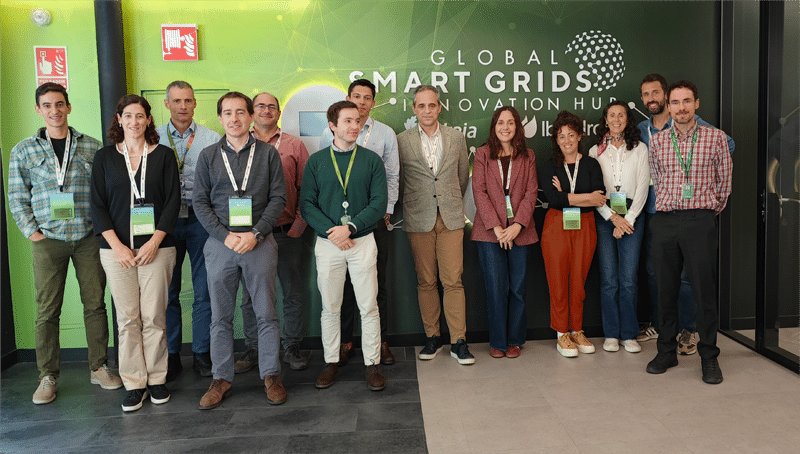
The DEMELEK partners, whose work will span approximately three years, held their kick‑off meeting on 8 October at Iberdrola’s Global Smart Grids Innovation Hub in Bilbao. The project is co‑funded by the Basque Government’s Department of Industry, Energy Transition and Sustainability (HAZITEK Programme) and by the European Union through the European Regional Development Fund 2021–2027 (ERDF).