





Fira de Barcelona deploys ‘Respira’, an AI-powered platform by Sener, to enhance energy efficiency and thermal comfort across its venues

Fira de Barcelona deploys ‘Respira’, an AI-powered platform by Sener, to enhance energy efficiency and thermal comfort across its venues

22/04/2026

Respira is an intelligent energy management platform designed to improve user wellbeing and thermal comfort across Fira de Barcelona’s spaces. By integrating internal and external data sources, it identifies inefficiencies and can reduce energy consumption by up to 30%.

Fira de Barcelona, one of Europe’s leading trade fair organisations, has implemented Respira, an artificial intelligence (AI)-based solution developed by engineering and technology leader Sener, across the eight halls of its Gran Via venue. The platform analyses multiple variables from diverse data sources and functions as a virtual operator, using AI to predict and optimise energy performance while ensuring thermal comfort and indoor air quality.

In large exhibition venues such as Fira de Barcelona, the solution enables more efficient climate control standards, reducing operational and maintenance costs while enhancing visitor comfort. Given the scale and complexity of such spaces—characterised by high ceilings and large flows of people—efficient climate management is essential to ensure responsible energy use and minimise environmental impact.

Fira de Barcelona’s facilities include 240,000 m² of air-conditioned space across eight halls and common areas. The infrastructure comprises heat pumps, chillers, air handling units and fan coils, as well as a district heating and cooling connection. Respira manages more than 275 air handling units, 30 chillers and 55 heat pumps, with the aim of reducing energy consumption while maintaining optimal comfort conditions during events.

Respira integrates with Fira de Barcelona’s SCADA system, as well as other data sources such as local weather stations and energy consumption data. Using AI, it identifies inefficiencies and provides a more comprehensive operational view, enabling better decision-making that translates into energy savings and improved environmental conditions. The platform also features dashboards that support data visualisation, along with recommendations and alerts.

The platform is expected to reduce energy consumption for climate control by up to 30%, contributing to a lower carbon footprint while maintaining optimal indoor environmental conditions, including both thermal comfort and air quality.

Respira has been operational at the Gran Via venue since February 2025 and successfully supported one of Barcelona’s flagship events, MWC Barcelona, held from 3 to 6 March 2025, ensuring thermal comfort for the 109,000 attendees.

Proven experience in Catalonia

Sener has successfully deployed Respira for several clients in Catalonia, including Transports Metropolitans de Barcelona (TMB). In this case, the automated system managing ventilation in the Barcelona Metro has delivered energy savings of 25%, equivalent to €1.7 million annually. In addition, average temperatures across the network decreased by 1.3°C during summer, resulting in a 10.7% increase in passenger satisfaction.

As part of a comprehensive monitoring project for the Consorci Hospitalari de Vic, the Respira platform was deployed across three of its main facilities: the Clínica Universitària de Vic, the Hospital Universitari de Vic, and the Hospital de Sant Jaume de Manlleu. The implementation focused on integrating the existing HVAC and energy systems into a unified platform for supervision and optimisation, enabling real-time monitoring of environmental conditions, equipment performance and energy consumption.

Fernán Vargas, Respira Operations Director at Sener, said: “Improving energy efficiency delivers significant resource savings for the operators of large, multifunctional and iconic venues such as Fira de Barcelona. It also supports the fight against climate change by reducing energy consumption, without compromising thermal comfort, and in many cases improving it”.
Spain’s Minister of Industry and Tourism visits Sener’s facilities

Spain’s Minister of Industry and Tourism visits Sener’s facilities

23/03/2026

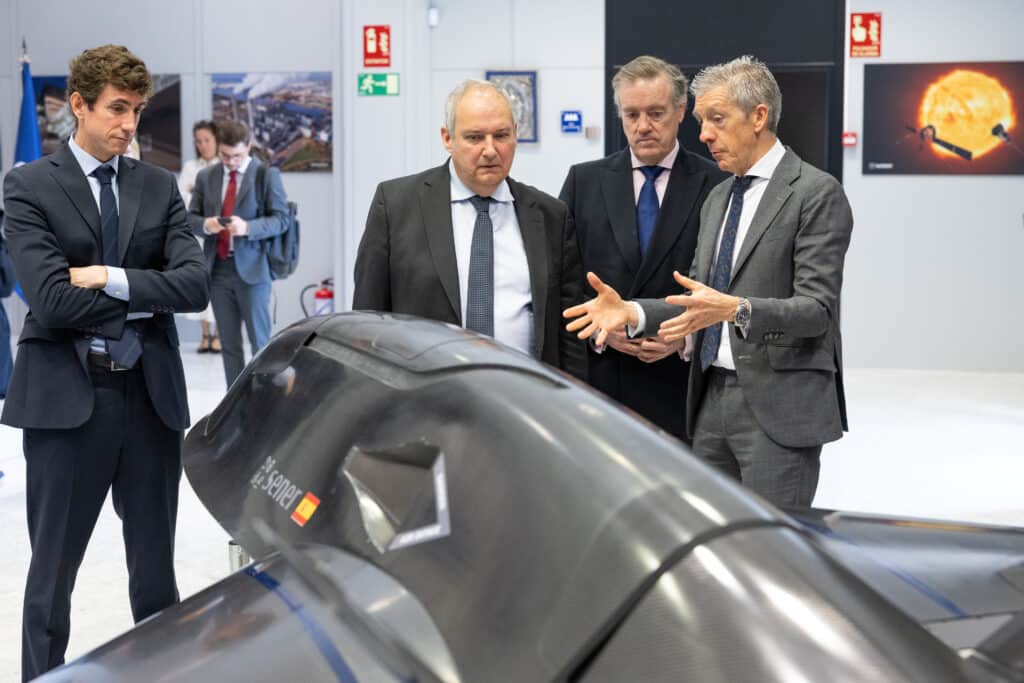
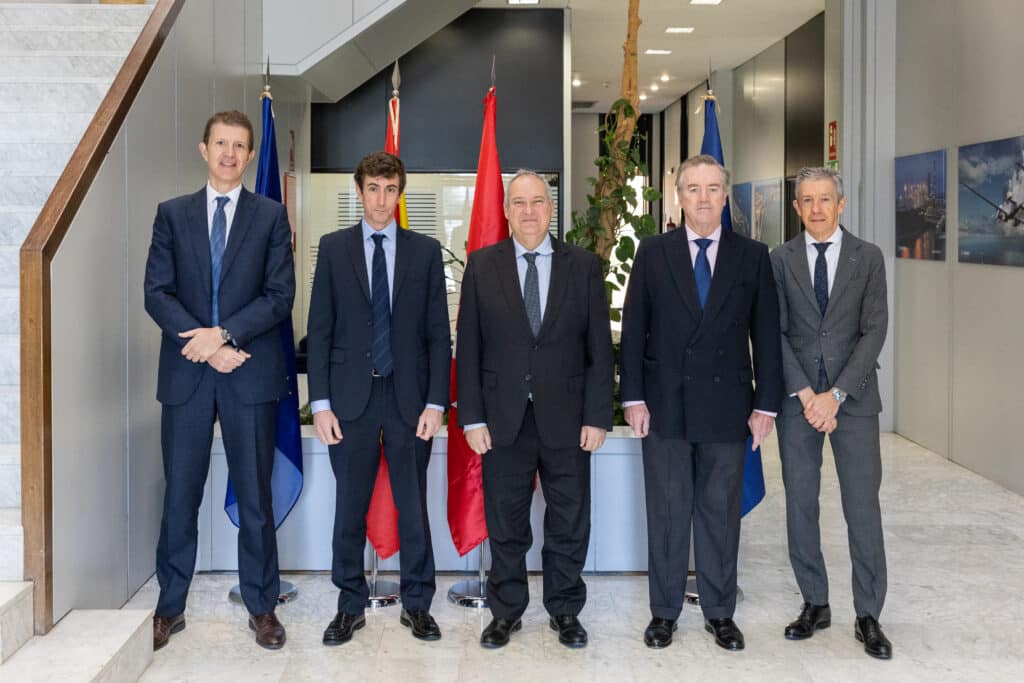
Sener’s facilities in Tres Cantos (Madrid) today received the institutional visit of Spain’s Minister of Industry and Tourism, Jordi Hereu. Representing Sener, the delegation was welcomed by Andrés Sendagorta, President of Sener; Jorge Sendagorta, the company’s CEO; as well as the Corporate Managing Director, Gabriel Alarcón, and the Managing Director of Aerospace and Defence, José Julián Echevarría.

From the left: Gabriel Alarcón, Jorge Sendagorta, Jordi Hereu, Andrés Sendagorta and José Julián Echevarría.

Sener’s leadership team and the delegation headed by the Minister held a working meeting, during which they were introduced to some of the most prominent projects and programmes in which Sener is involved across the Aerospace and Defence, Energy, Infrastructure (through its Mobility division), and Advanced Facilities areas (dedicated to the design of data centres through its subsidiary Quark).

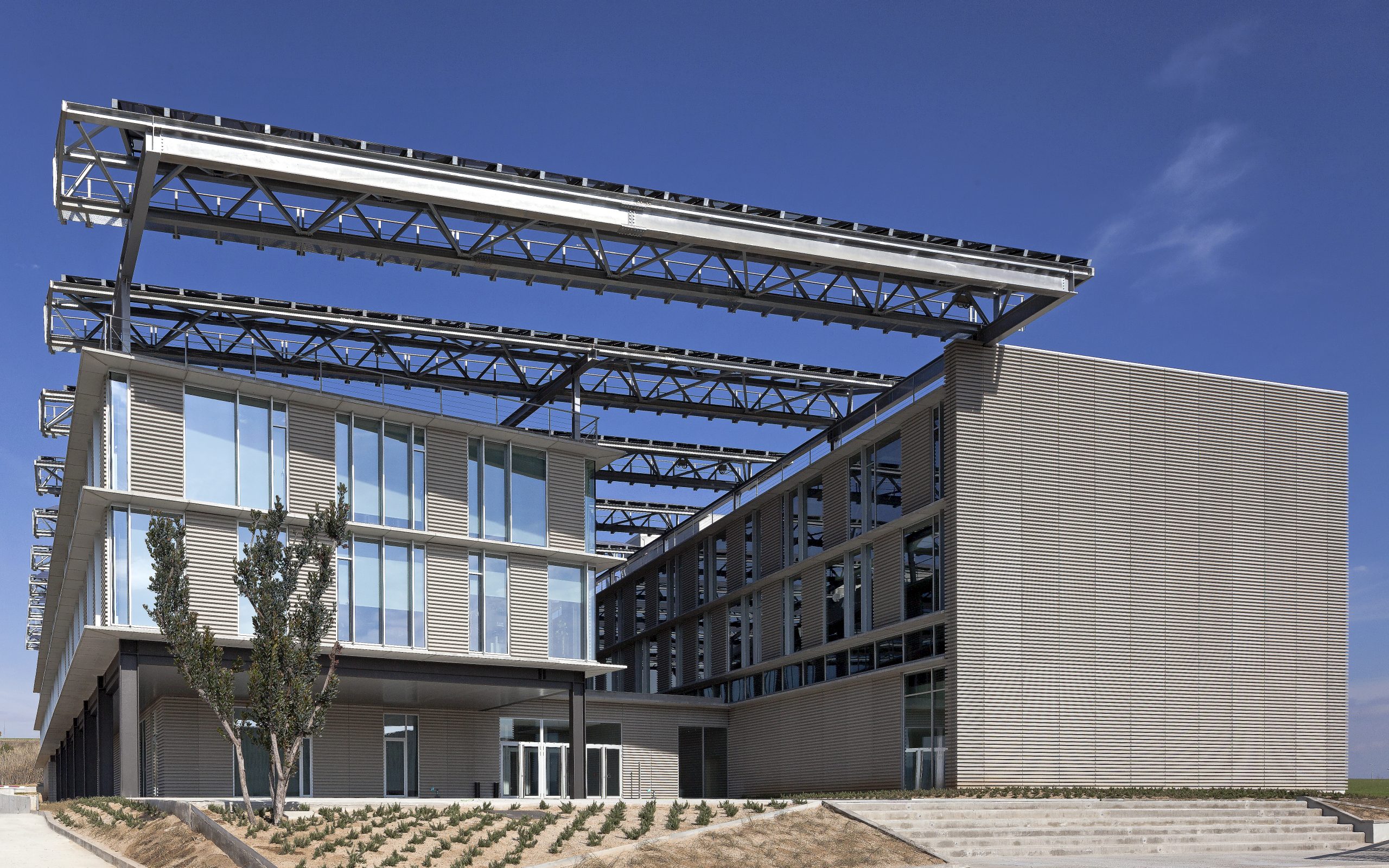
The delegation also visited the Tres Cantos Integration and Testing Centre, dedicated to production, integration, manufacturing and testing of space and defence products. They were also able to observe progress on the construction of the new building within the complex, which will become the tenth on the Tres Cantos campus and will be dedicated to industrial production activities. With this new infrastructure, Sener strengthens its industrial capabilities: once completed, and together with the facilities currently under construction in Zamudio (Bizkaia), the group will exceed 40,000 m² dedicated to space and defence, doubling its current surface area for these activities.

Sener participates in and leads high‑technology programmes in Space, such as Proba‑3, the ESA mission that has demonstrated millimetric satellite formation flying to observe the solar corona; and in Defence, where it supplies key systems for major air‑defence programmes such as Patriot and Iris‑T. In Infrastructure, Sener has designed and managed more than 35,000 kilometres of rail and road corridors, helping to transform mobility in countries around the world, and is involved in major engineering and architectural works such as the Fourth Bridge over the Panama Canal, the award‑winning Cebu–Cordova bridge in the Philippines, and the innovative retractable pitch at the Santiago Bernabéu Stadium. In Energy, it develops strategic projects that advance Europe’s energy autonomy: from Gate terminal in the Netherlands to German LNG, the first onshore regasification terminal planned in Germany, as well as other plants contributing to the German energy transition, such as Heilbronn, Altbach/Deizisau and Scholven. And in the digital sphere, it promotes critical infrastructure such as next‑generation data centres, including the design of the facilities of this type for the Social Security Information Technology Management (GISS).

Sener recognised at the 2026 ScaleupsB2B Awards

Sener recognised at the 2026 ScaleupsB2B Awards

12/03/2026

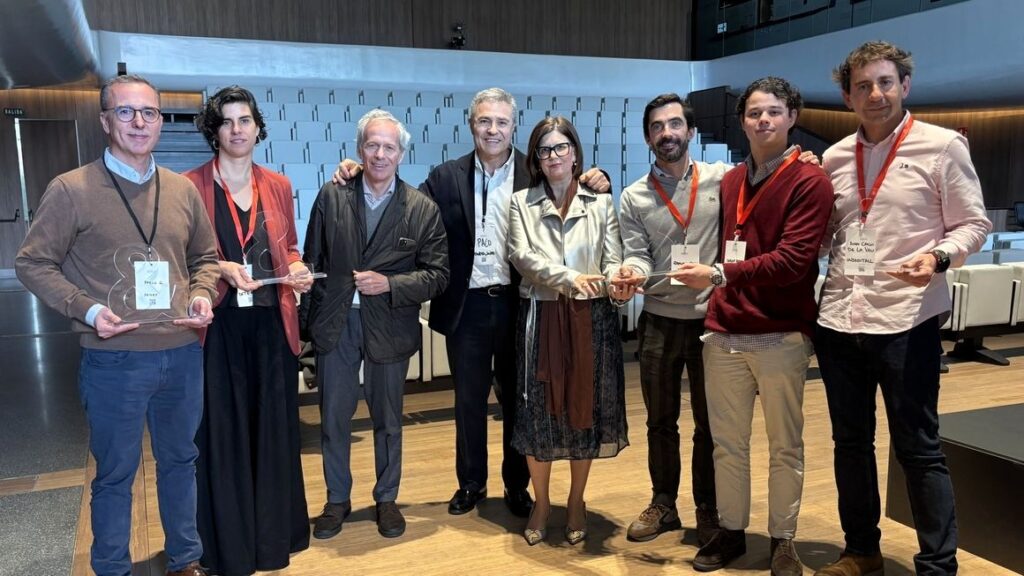
Sener, together with the technology company Detektia, has been recognised at the 2026 ScaleupsB2B Awards organised by the Empresa y Sociedad Foundation. These awards highlight the most outstanding collaborations between major corporations and innovative scaleups addressing real business challenges.

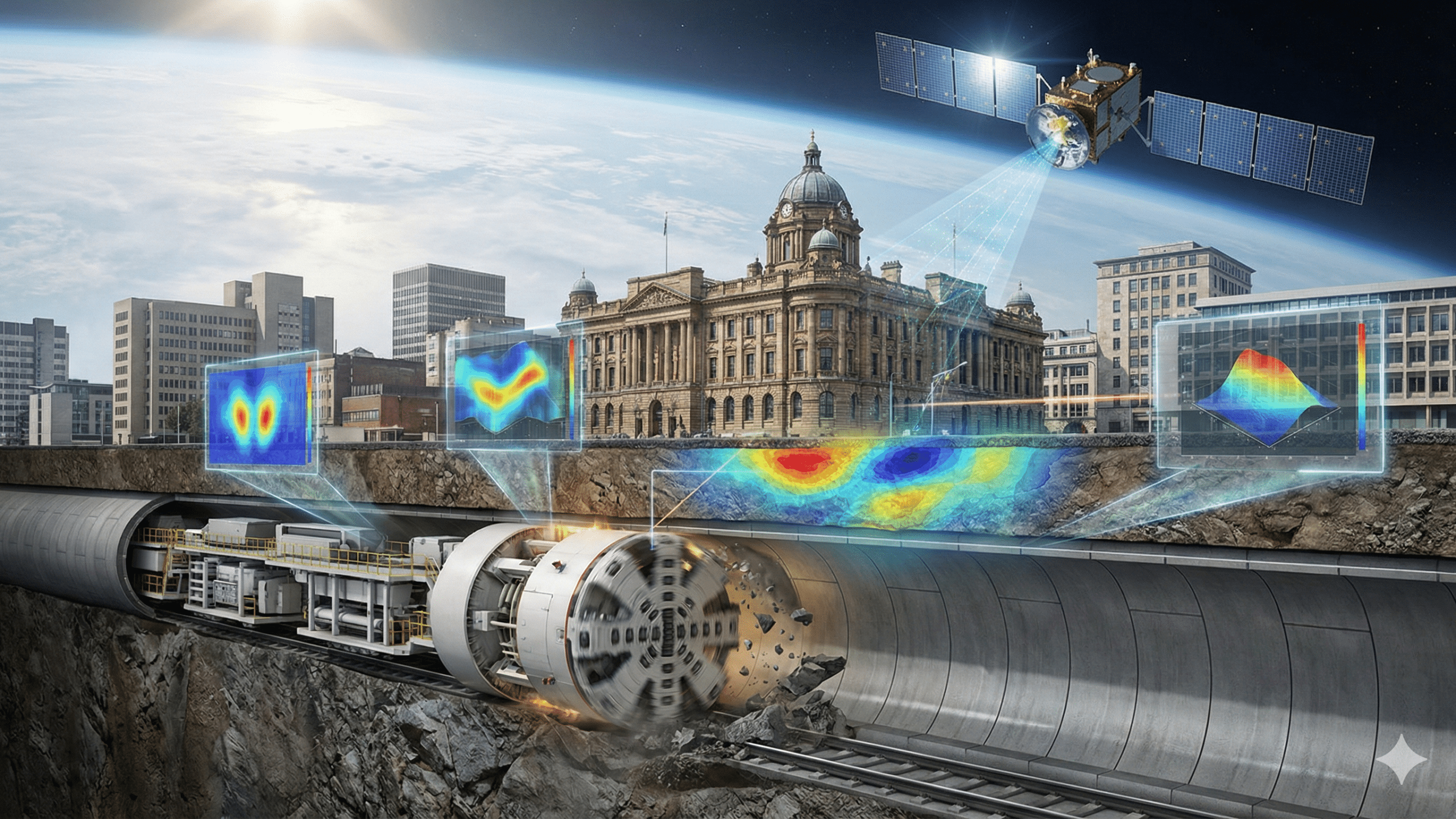
The jury acknowledged the joint project carried out by both organisations, which applied millimetric satellite monitoring to an urban tunnelling project in Guadalajara (Mexico). This approach made it possible to reconstruct nearly ten years of structural behaviour and compare it with real operating data from the tunnel boring machine using our Acrot system. The resulting analysis enabled the team to reduce risks to nearby infrastructure, correctly attribute potential incidents, improve decision‑making and lower operational costs.

This recognition reinforces Sener’s commitment to applied innovation and collaboration with the national technology ecosystem, with the aim of developing solutions that deliver tangible value for our clients.

Spain advances in offshore power grids with the CONECCMAR project, led by Sener

Spain advances in offshore power grids with the CONECCMAR project, led by Sener

05/03/2026

Sener will lead the R&D project CONexión Eléctrica en Corriente Continua MARina (CONECCMAR, Marine High-Voltage Direct Current Electrical Connection), in consortium with leading technology partners Seaplace, Instituto de Investigación Tecnológica (Universidad Pontificia Comillas), CoreMarine, Deep Insight Blue and Ravenwits. The project will be supported by an advisory group composed of Acciona Energía, Naturgy and Navantia Seanergies. It has also received the support of Redeia through a letter of endorsement.

Co-financed by the Community of Madrid and the European Regional Development Fund, the project is part of grants aimed at promoting public–private cooperation in R&D&I through consortium-based flagship projects.

Sener leads a consortium made up of the engineering and technology group and specialised entities Seaplace, Instituto de Investigación Tecnológica (Universidad Pontificia Comillas), CoreMarine, Deep Insight Blue and Ravenwits to implement the R&D project CONECCMAR. This program, aimed at developing the next generation of high-voltage direct current (HVDC) offshore electrical infrastructure, is a key element for the deployment of offshore wind energy in Europe. The project will receive strategic support from an advisory group composed of Acciona Energía, Naturgy and Navantia Seanergies, who will provide their expertise to align the program’s developments with current and future challenges in the electricity system and energy sector. Likewise, Redeia has demonstrated its interest in the project through a letter of endorsement.

The goal of CONECCMAR is to generate new scientific and technological knowledge in the field of marine high-voltage direct current electrical infrastructure, through applied research in three main areas: HVDC floating substations based on advanced concepts; compliant fixed structures for deep-water applications; and hybrid multi-terminal HVDC offshore interconnection nodes. Over the next two years, the consortium will focus on these three research areas to lay the technical and functional groundwork for the next generation of technologies designed to perform in challenging offshore environments.

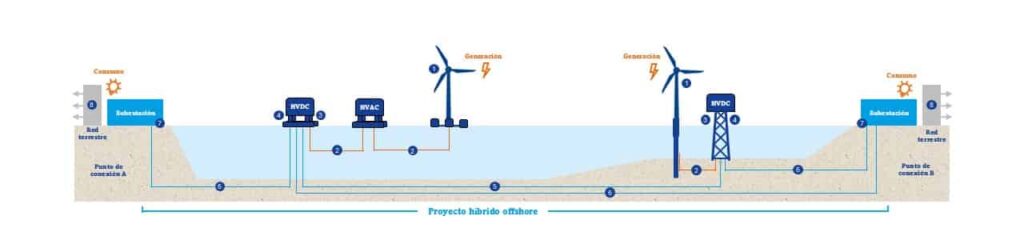
Schematic representation of a hybrid offshore energy link integrating fixed‑bottom and floating wind farms with both HVAC and HVDC transmission systems, connecting multiple offshore substations to onshore grids at two independent landing points.

The initiative aligns with Europe’s goals for decarbonisation and climate neutrality, which require advanced offshore infrastructure capable of integrating new deep-water wind farms and enabling hybrid multi-terminal systems that combine renewable power evacuation and transnational electrical interconnection at a single node.

The project is co-financed by the Community of Madrid (CTVI) and the European Regional Development Fund (ERDF) through a grant program that promotes public–private cooperation in R&D&I via consortium-based flagship projects (no. 59/317816.9/25).

This alliance represents a significant step forward in developing the offshore electrical grids that Europe will need in the coming years and strengthens Spain’s role as one of the leading countries driving the technologies that will power the energy transition.

Cofinanciado por la UE

Sener contributes to the design of the first portable, containerised electrolyser developed in the Basque Country

Sener contributes to the design of the first portable, containerised electrolyser developed in the Basque Country

03/02/2026

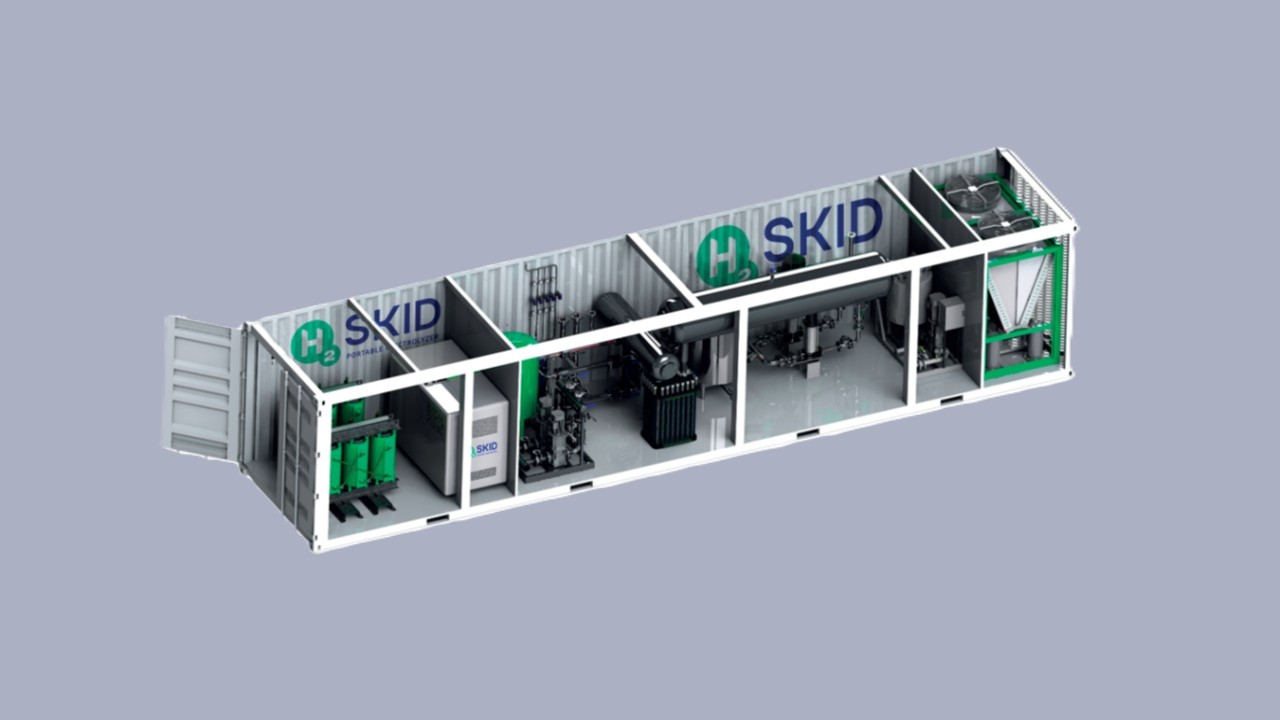
The H2SKID project has officially begun, aiming to develop a 1.25 MW experimental portable electrolyser with AEM/PEM technology. It is conceived as an enabling solution to supply green hydrogen to industrial end users.

With Sener’s participation and led by SARRALLE as coordinating entity, the project brings together eleven leading companies from across the hydrogen value chain. It is a unique initiative in the Basque Country, designed to drive industrial decarbonisation. In Sener’s case, and thanks to its previous R&D experience, the company will focus on designing the electrolyser’s main components. Sener has previously worked on next‑generation electrolysis technology development.

In the Basque Country, renewable hydrogen has become one of the strategic levers for advancing the decarbonisation of industry. Among the most promising pathways is the gradual substitution of natural gas with green hydrogen in high‑temperature processes, such as those in steelmaking, foundries, the paper industry, glass, cement and petrochemicals. However, for this transition to be viable, it is essential to ensure sufficient hydrogen supply to enable demonstrative tests under real operating conditions. At present, the lack of pipeline infrastructure connecting industrial facilities with centralised green hydrogen production plants limits such trials.

The H2SKID project has been created to address this need. Its objective is to design and build a portable, containerised electrolyser that will serve as an enabling solution for supplying green hydrogen to industrial end users. This infrastructure will allow long‑duration testing campaigns, which are essential to validate the performance of hydrogen‑fuelled industrial equipment. The project also includes advanced research into key electrolyser technologies and auxiliary systems, to strengthen a robust and competitive hydrogen production value chain.

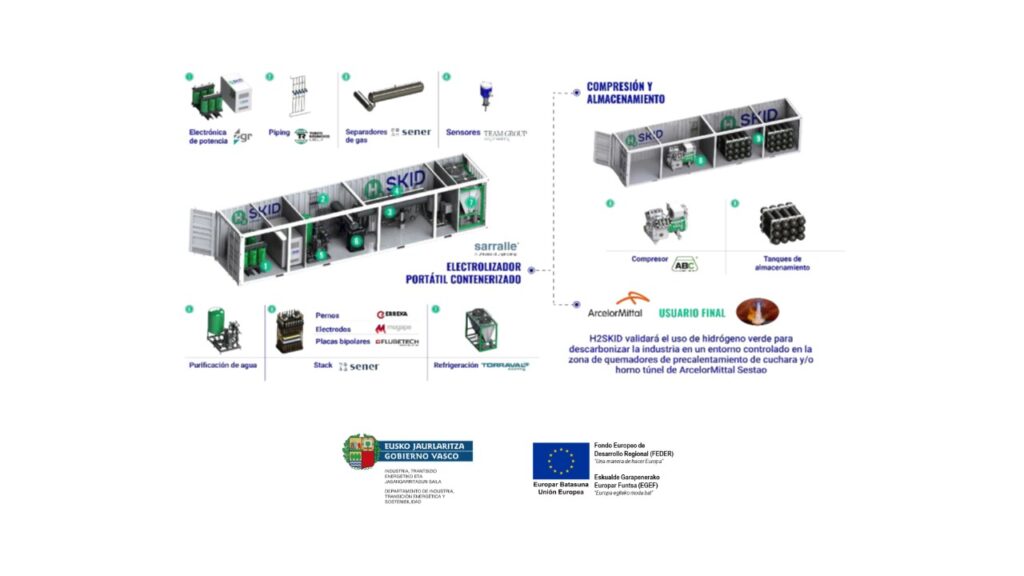
The H2SKID electrolyser is conceived as a compact, modular and plug‑and‑play experimental platform, integrated into two containerised modules: one dedicated to hydrogen production via electrolysis, and the other to compression and storage. The solution will be compatible with both AEM and PEM electrolysis technologies, offering high technological flexibility. In addition, the system will function as a test bench for the validation of critical components of both the electrolyser and the compressor.

The H2SKID solution will be validated in a real industrial environment, specifically in the ladle pre‑heating burner area and/or the tunnel furnace at ArcelorMittal Sestao, ensuring the practical relevance of the results obtained.

By the end of the project, H2SKID will have been consolidated as a flagship scientific‑technological tool to support the development of the hydrogen sector in the Basque Country and to accelerate industrial decarbonisation. H2SKID is a multi‑year (2025–2027) strategic industrial research collaboration involving the following entities: Sarralle (coordinator), ABC Compresores, ArcelorMittal Sestao, Erreka, Flubetech, Mugape, Sener, Team Group Engineering, Torraval, Tubos Reunidos Group and Zigor. It is also supported by ABC Tech, Tecnalia and Zigor’s R&D unit as members of the Basque Network of Science, Technology and Innovation (RVCTI), and by the BASQUE ENERGY Cluster for communication and dissemination activities.


The Secretary of State for Defence presides over the groundbreaking ceremony for the new Sener production facilities in Tres Cantos

The Secretary of State for Defence presides over the groundbreaking ceremony for the new Sener production facilities in Tres Cantos

20/01/2026

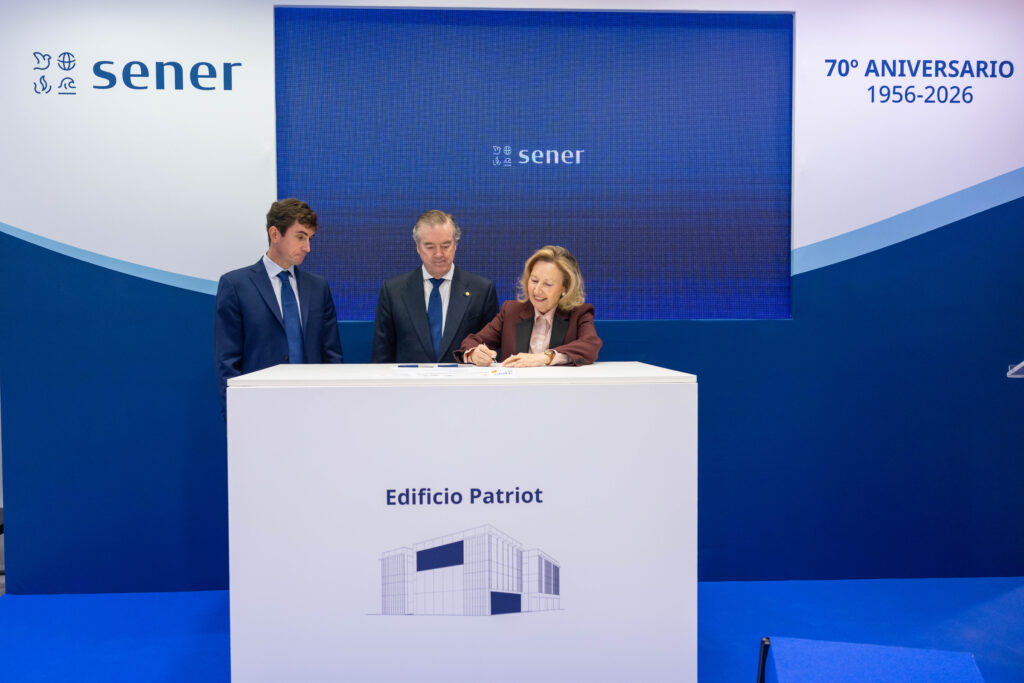
Sener boosts its industrial capabilities: upon completion of the new Patriot building in Tres Cantos (Madrid) and combined with the facilities under construction in Zamudio (Biscay), the total area dedicated to space and defence will reach 40,000 m2, doubling the company’s current surface area.

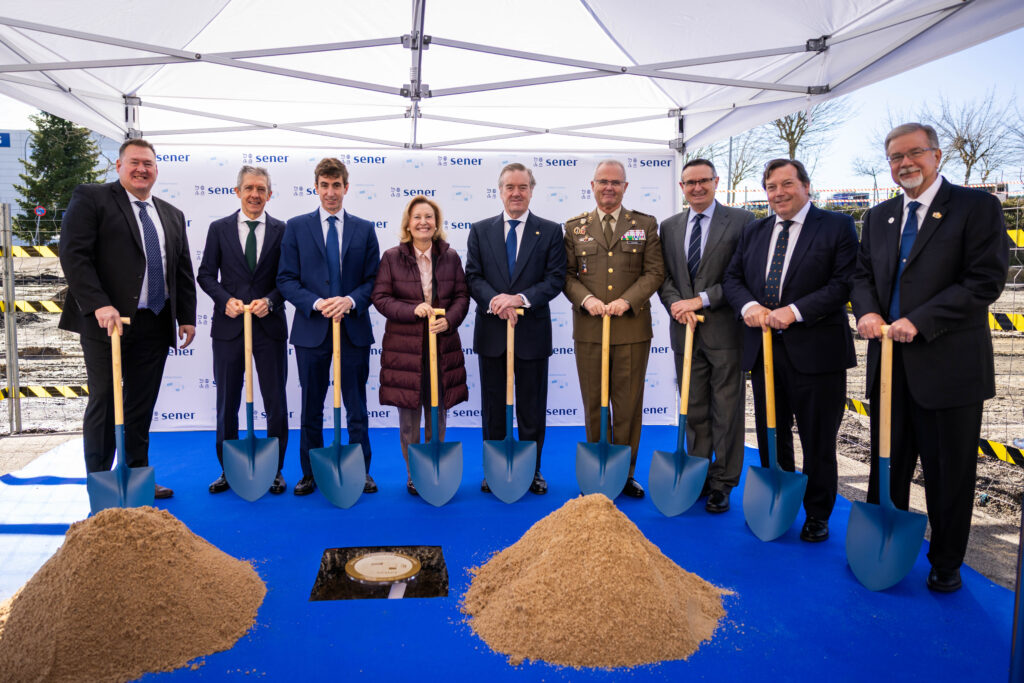
The Secretary of State for Defence, Amparo Valcarce, presided over the groundbreaking ceremony for the new building of the industrial engineering and technology group Sener in Tres Cantos. Designed for industrial production, the new facility will expand the Sener complex in the city with its tenth building, the Patriot building.

Sener Tres Cantos 19.01.2026

The ceremony was also attended by the Second Chief of Staff of the Spanish Army, Alejandro Escámez, Director General of Armament and Materiel at the Ministry of Defence, Aniceto Rosique, along with senior representatives from Raytheon and Lockheed Martin; Andrés Sendagorta, President of Sener; Jorge Sendagorta, CEO of Sener; José Julián Echevarría, Managing Director of Aerospace and Defence at Sener; and Rafael Orbe, General Director of Defence.

A new milestone in Sener’s defence expansion

With space for 220 professionals and a floor area of around 4,300 m², the new building will integrate industrial production machinery and equipment, clean rooms, testing systems and engineering offices serving the aerospace and defence sector.

Designed by Sener’s team of architects and engineers, the building follows the style of the rest of the Tres Cantos complex. The building will be sustainable, featuring advanced energy-efficiency systems, and aims to achieve LEED Gold certification, one of the most demanding standards in sustainability. Operations are expected to start in 2027.

The new Patriot building in Tres Cantos is part of an investment plan aimed at supporting the company’s growth in projects and workforce, through both organic and inorganic expansion.

This development adds to the new complex under construction at the Technology Park in Zamudio (Biscay), which will significantly strengthen Sener’s industrial capacity. The Zamudio facilities, covering a total of 10,000 m², are expected to begin operations during 2026.

“The symbolic act we are celebrating today reflects Sener’s commitment to public safety, Spain’s deterrence capability and the country’s industrial progress. This investment responds to the conviction that having a modern and interoperable defence is essential for our country’s security and consolidates Sener’s Centre of Excellence in Control and Actuation systems as an international reference. Efforts such as this strengthen the position of Spanish industry in international defence programmes, driving the creation of jobs and wealth in the process,” said Amparo Valcarce, Secretary of State for Defence.

In the words of Andrés Sendagorta, President of Sener: “It is a source of pride to contribute to the operational capability of our Armed Forces. Since its origins 70 years ago, the company has championed excellence as a fundamental pillar for generating a positive social impact. We aspire to contribute to the country’s progress, and it is an honour to work for the security of Spaniards and of our allied countries, a task to which the future facilities in Tres Cantos will contribute.”

Likewise, Jorge Sendagorta, CEO of Sener, highlighted that “today we are celebrating a milestone in our expansion in the defence market, and we trust that the technological developments we carry out at the new facilities will have a positive impact on the rest of the markets in which Sener operates, a group with more than 4,500 employees worldwide.”

The event marked the first milestone of a 2026 shaped by Sener’s 70th anniversary, celebrated throughout the year. With this initiative, Sener strengthens its solid industrial footprint in Spain, sustained through a network of production centres distributed across the country. The company has facilities in Bilbao, Madrid (Tres Cantos, Arganda del Rey and San Sebastián de los Reyes), Barcelona, Santander, Seville and Valencia. This industrial presence enhances its ability to develop and manufacture advanced technology in the defence, aerospace and science sectors, bolstering national technological sovereignty and contributing to the growth of Spain’s industrial fabric.

SEDEF Sener Tres Cantos 19.01.2026 - Firma

The Secretary for Digital Policies of the Government of Catalonia visits Sener’s facilities in Cerdanyola del Vallès

The Secretary for Digital Policies of the Government of Catalonia visits Sener’s facilities in Cerdanyola del Vallès

16/01/2026

Sener’s facilities in Cerdanyola have this week hosted the institutional visit of Maria Galindo, Secretary for Digital Policies of the Government of Catalonia, accompanied by Verónica Tercero, Coordinator of the Catalunya Espai 2030 Strategy, during a day focused on sharing advances in technology and industrial capabilities.

Representing Sener, the hosts were Gabriel Alarcón, Corporate Managing Director, and Sandra Mingot, Head of EU Space Programmes and Defence. Throughout the visit, Secretary Galindo was able to gain detailed insight into the group’s polytechnic and multisectoral nature, as well as its role in driving the space and defence industry.

The guests then toured the centre’s clean rooms, guided by Iker Anchustegui-Echearte, Head of Production in Cerdanyola, where aspects of production, quality control and Sener’s distinctive industrial capabilities were addressed. Afterwards, the delegation learned first-hand about the QKD LEO project, a strategic initiative aimed at secure quantum communications, presented by its lead, Òscar Maroto.

This meeting reinforces Sener’s role as a key player within Catalonia’s industrial and technological ecosystem and highlights its alignment with the Catalunya Espai 2030 Strategy, aimed at boosting competitiveness, innovation and the region’s strategic capabilities in a rapidly expanding sector.

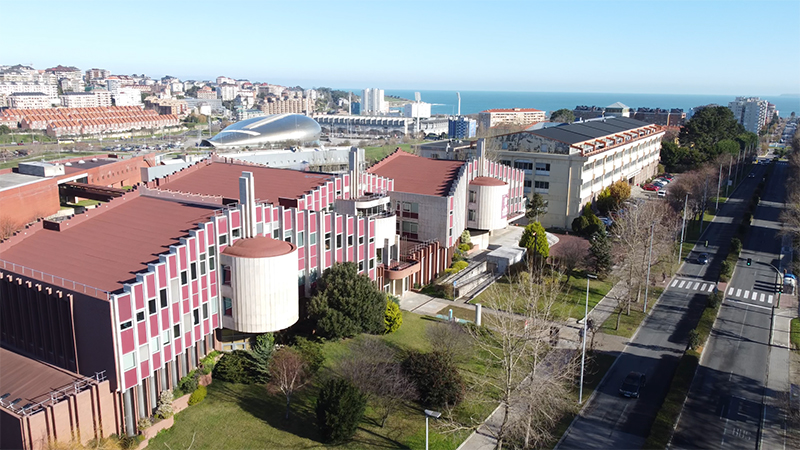
Santander

Santander


Av. de los Castros, 44,
39005 Santander,
Cantabria (Spain)


Direction: Av. de los Castros, 44, 39005 Santander, Cantabria (Spain)

Sener wins enerTIC Award with the Cognitive Hospital project

Sener wins enerTIC Award with the Cognitive Hospital project

15/12/2025

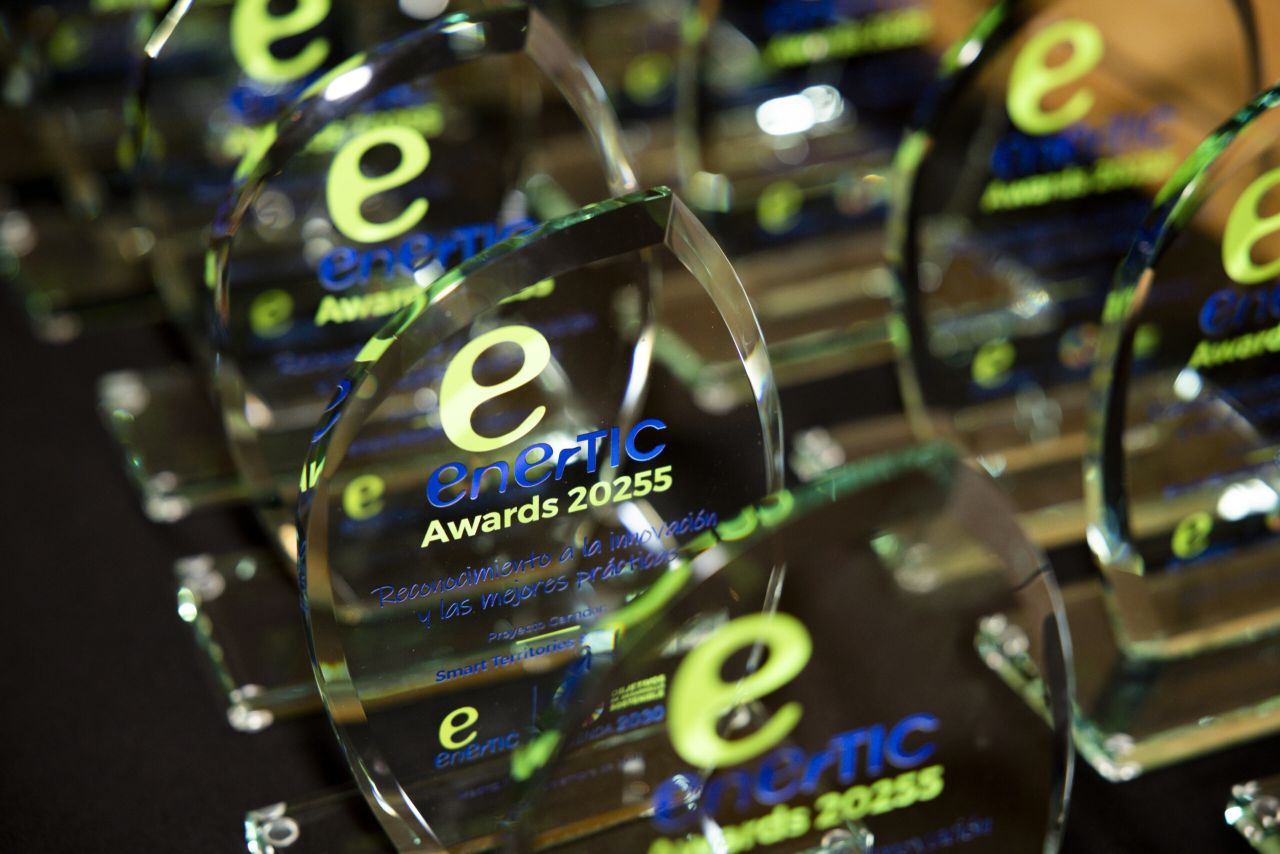
The Cognitive Hospital project, led by Sener in collaboration with a consortium of companies and research centres, has received a prestigious enerTIC Award. This groundbreaking initiative aims to revolutionise hospital management through advanced technologies, enhancing energy efficiency, air quality and comfort for patients and staff.

Funded by the Community of Madrid and co-financed by the European Regional Development Fund, the project is being implemented at Hospital del Henares and will serve as a benchmark for sustainable digitalisation in healthcare.

The project combines artificial intelligence, advanced algorithms and data analytics to optimise hospital infrastructure management. Key goals include reducing the environmental footprint, improving thermal comfort and air quality, and predicting health risks through real-time algorithms that detect viruses and bacteria in critical systems.

Sener developed two core modules: one for energy management and efficiency, and another to ensure optimal environmental conditions. Additionally, research projects on respiratory virus propagation and legionella control are underway, strengthening safety and health in hospital environments.

This achievement places Sener at the forefront of hospital engineering, showcasing how technology can improve quality of life for patients and professionals while driving a more sustainable future.

The Spanish Society of Medical Oncology awards the work of the Sener Foundation and the Ramón y Cajal Hospital

The Spanish Society of Medical Oncology awards the work of the Sener Foundation and the Ramón y Cajal Hospital

13/11/2025

The Spanish Society of Medical Oncology (SEOM) has granted a SEOM Research Project Grant on Hereditary Cancer and Genetic Counselling to the Care-AI project, jointly developed by the Sener Foundation and the Ramón y Cajal University Hospital in Madrid. This award represents a significant boost for Care-AI, both in disseminating the results obtained and in optimising the prototype currently under development.

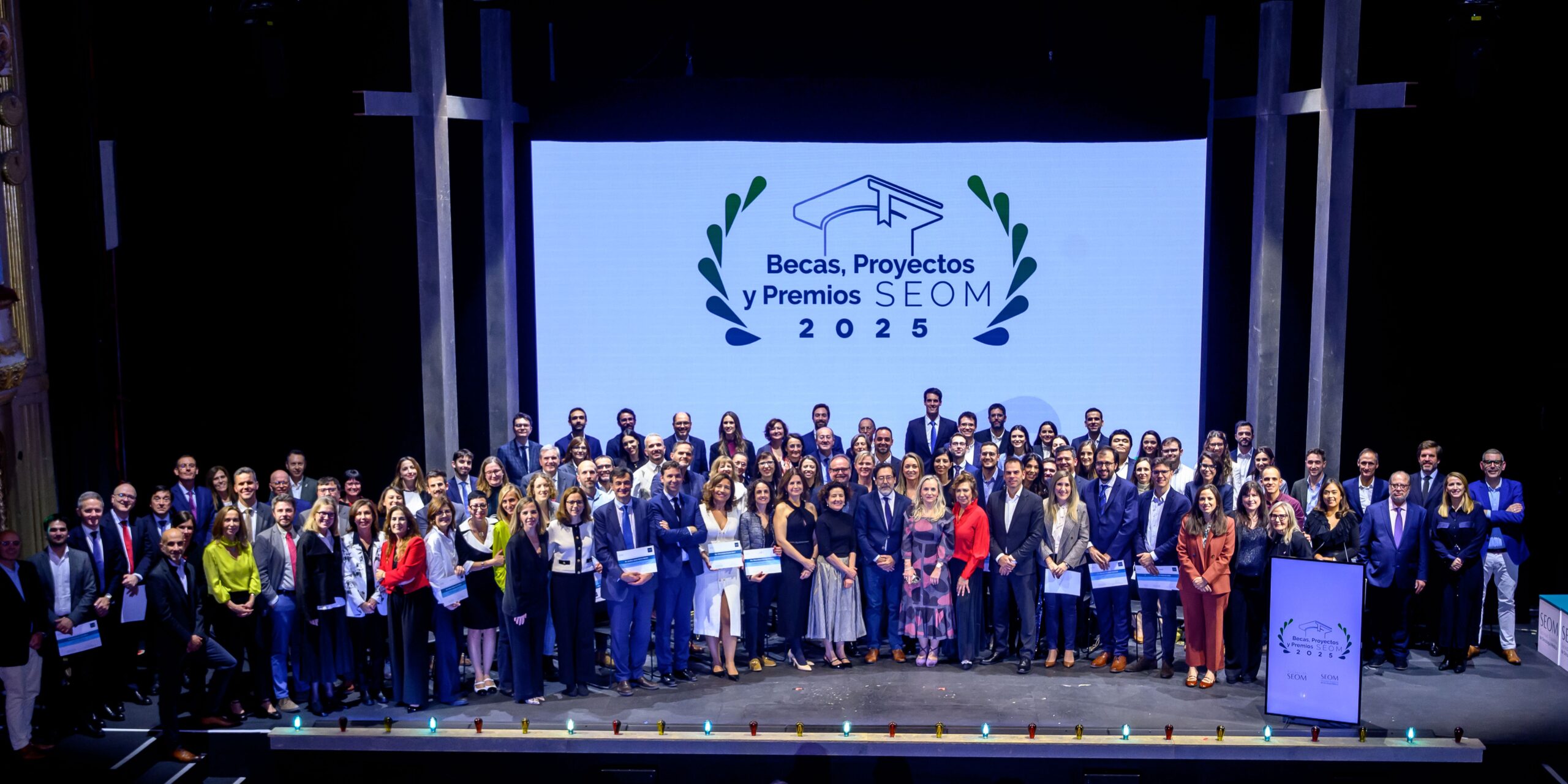
The grant was presented on 12 November at the Calderón Theatre in Madrid, as part of the SEOM 2025 Congress, held from 11 to 14 November. The award was collected by Rosana Madroñal, Director of the Sener Foundation, and Carmen Guillén, Principal Investigator of the project, Head of the Medical Oncology Section and Head of the Familial Cancer Unit at Ramón y Cajal University Hospital.

Also attending the event were María García, Marta Fernández and Julia Simón, Sener professionals who contributed to the project through the Sener Foundation’s volunteer programme, together with Javier Zamora, Head of the Clinical Biostatistics Unit at Ramón y Cajal University Hospital.

About the Care-AI Project

Care-AI aims to develop an AI-based tool to more efficiently identify individuals with a higher likelihood of hereditary genetic susceptibility to cancer. To achieve this, anonymised data from approximately 10,000 family trees (with three or more generations) and clinical data provided by the Hospital have been analysed, including information such as age at diagnosis, presence and type of tumours, or relevant benign pathologies.

This tool seeks to support clinical decision-making by estimating individual risk of hereditary genetic susceptibility and facilitating the selection of candidates for germline genetic studies.

SEOM Grants, Projects and Awards 2025

In its 2025 call, the Spanish Society of Medical Oncology (SEOM) awarded 70 SEOM Grants totalling €1,300,000 to medical oncologists, SEOM members, enabling them to conduct research and training to improve survival and quality of life for cancer patients. For the fourth consecutive year, this is the highest number of grants awarded by SEOM to date.

The awards include 4 international placements, 12 SEOM Travel Grants for external rotations, 1 intensification grant, 10 SEOM Awards for doctoral theses for young researchers, 2 SEOM Awards for outstanding residents and 40 research projects, 4 of them for SEOM Sections. In addition, a SEOM Grant was awarded for the Joan Rodés Fellowship.