03.03.2016 image
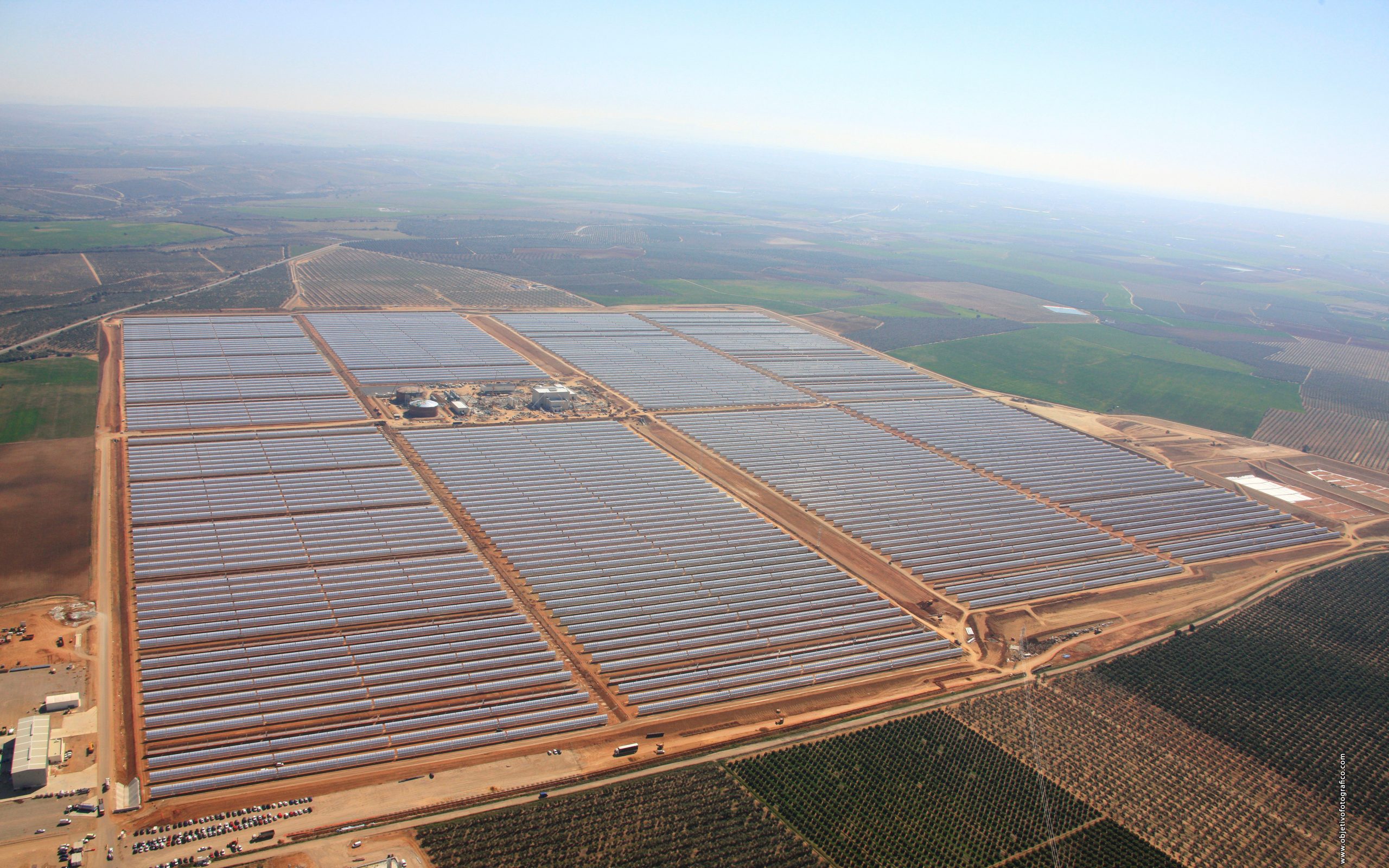
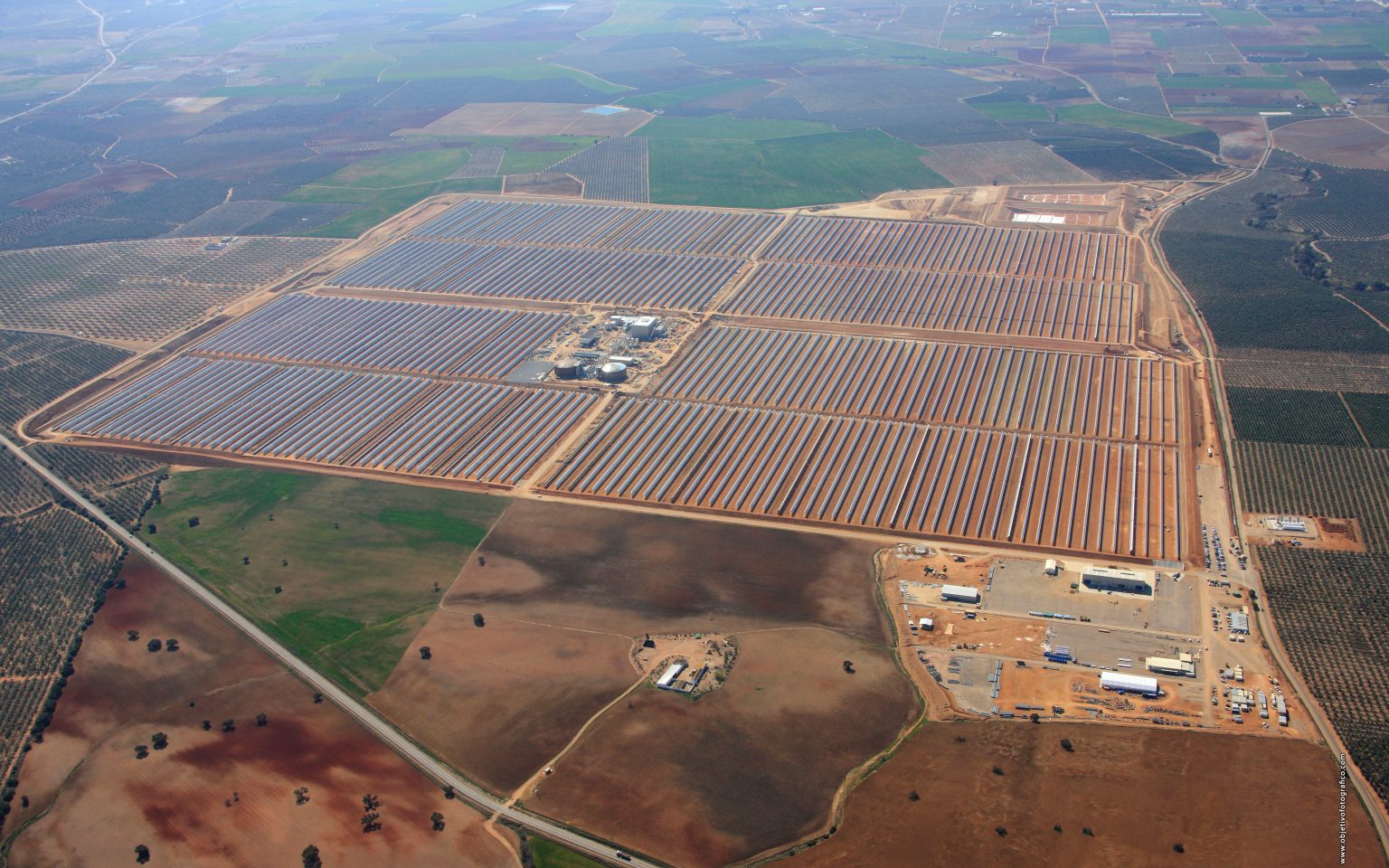
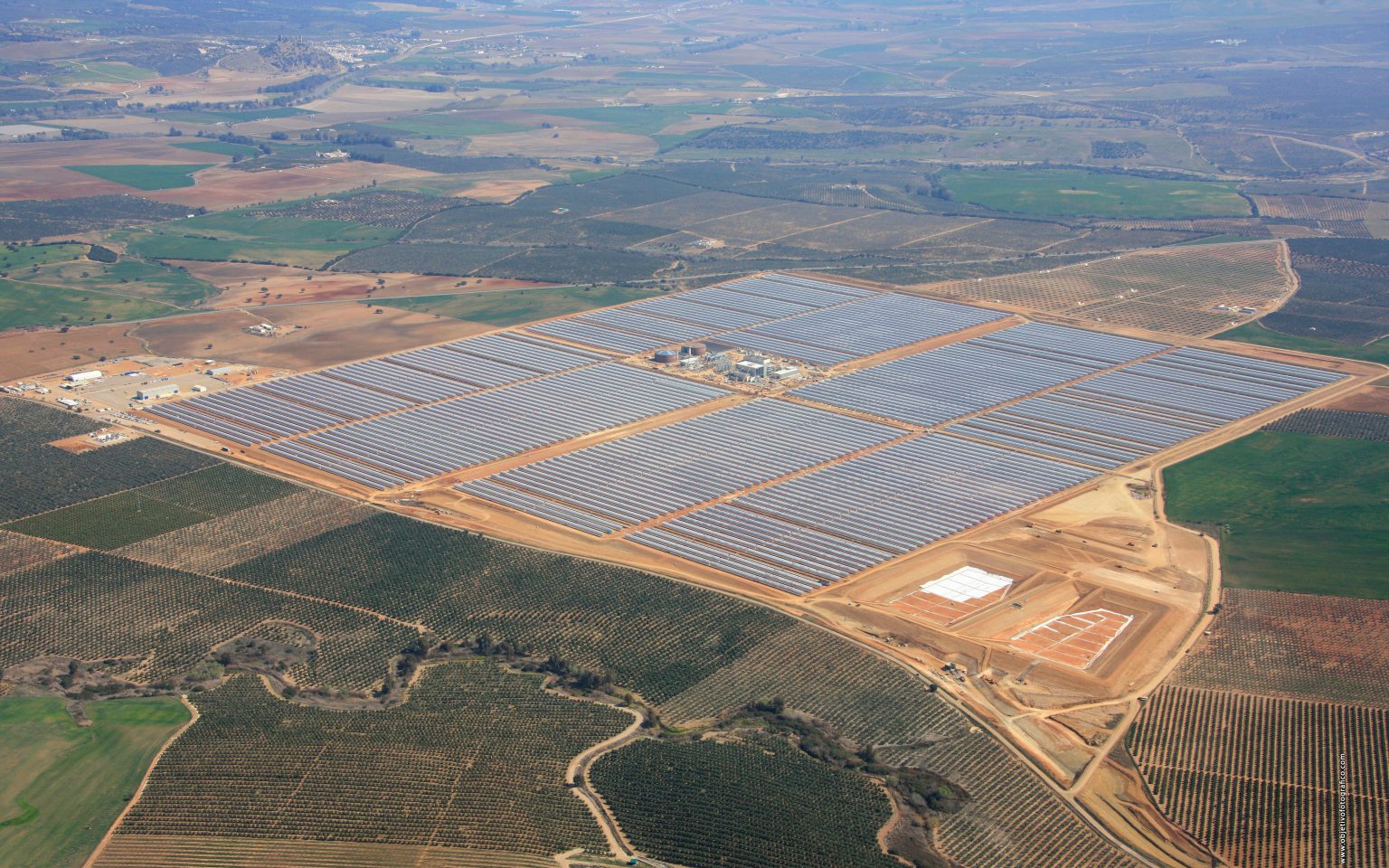
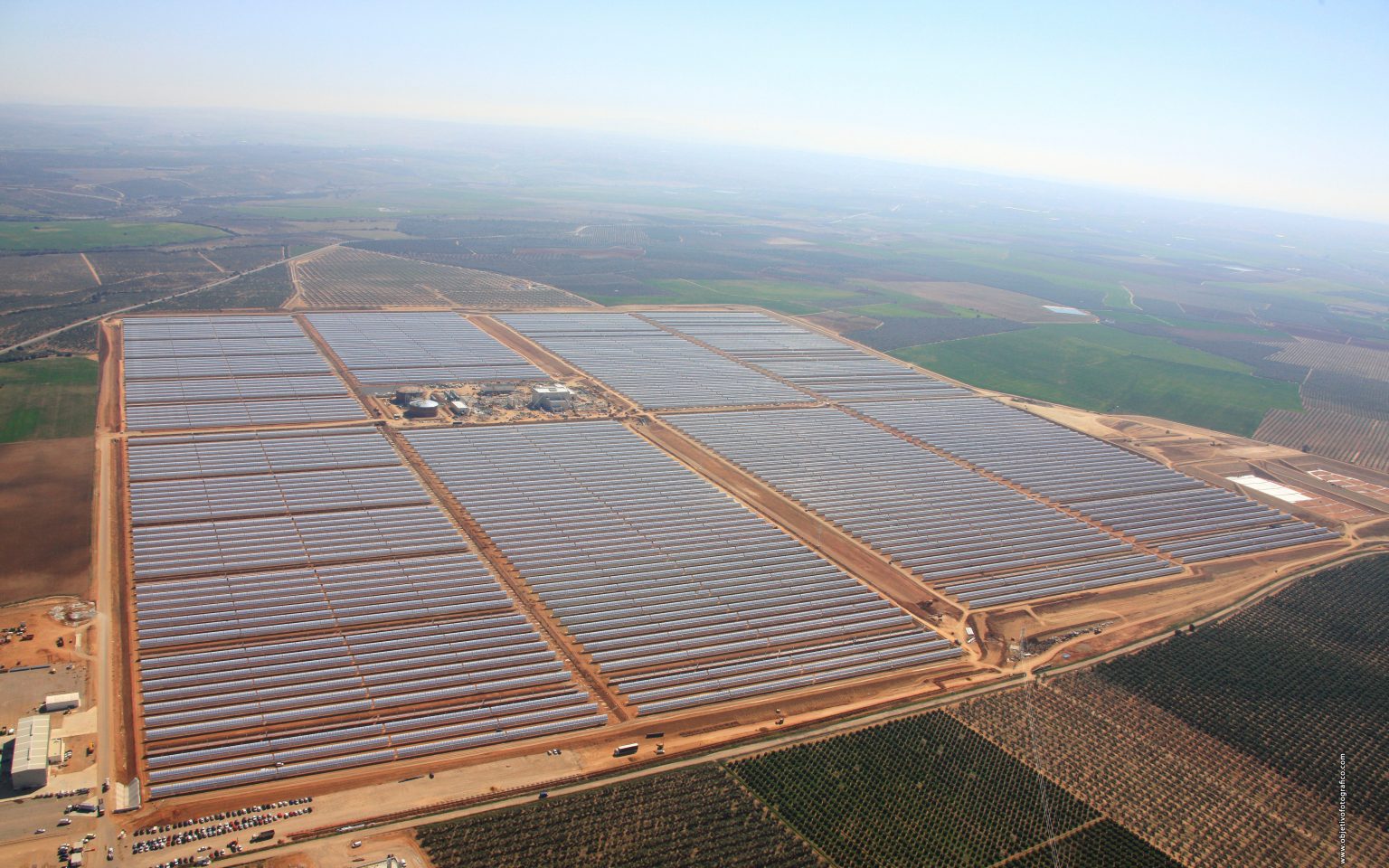
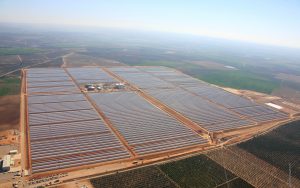
Valle 1 and Valle 2 parabolic through plants
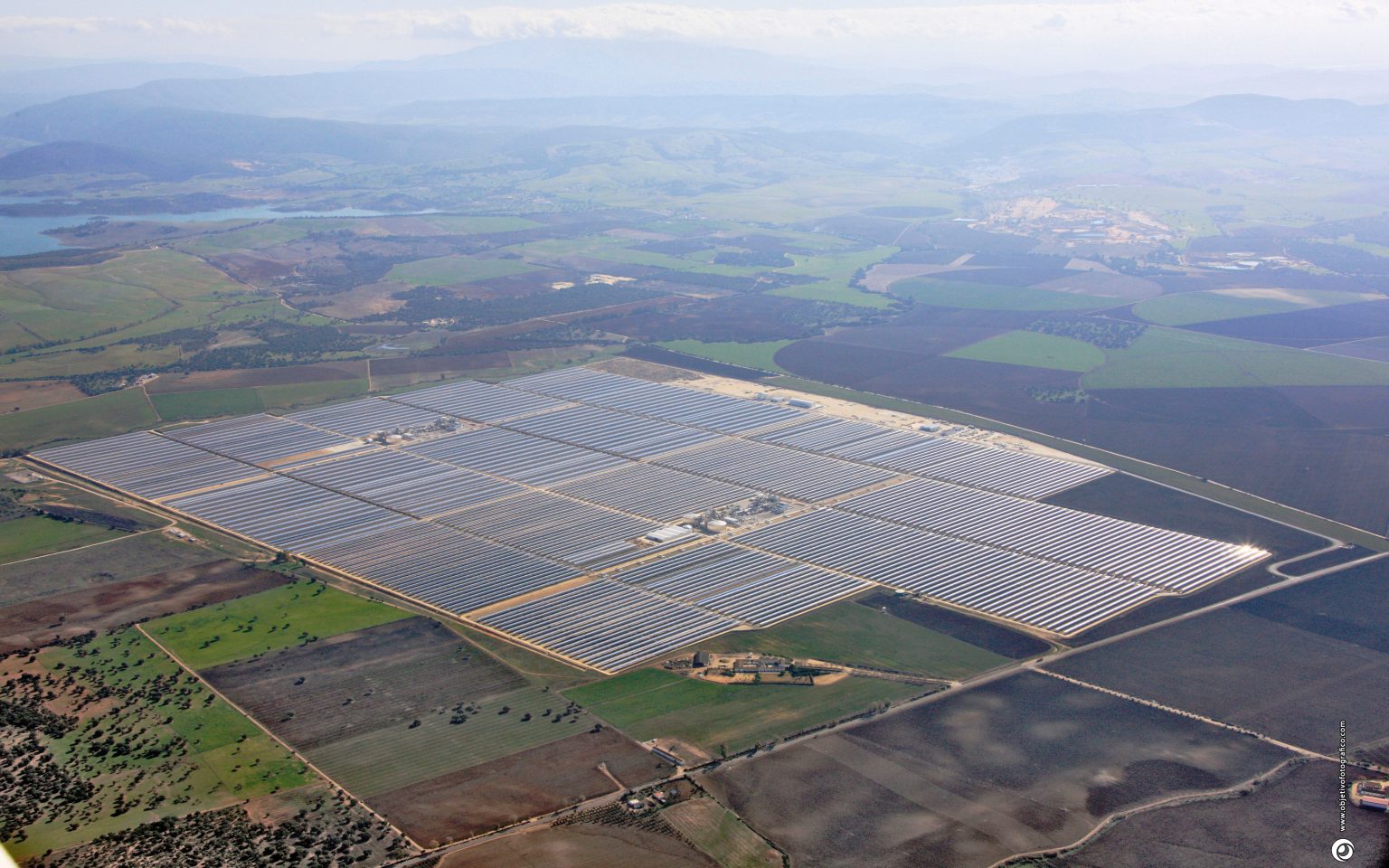
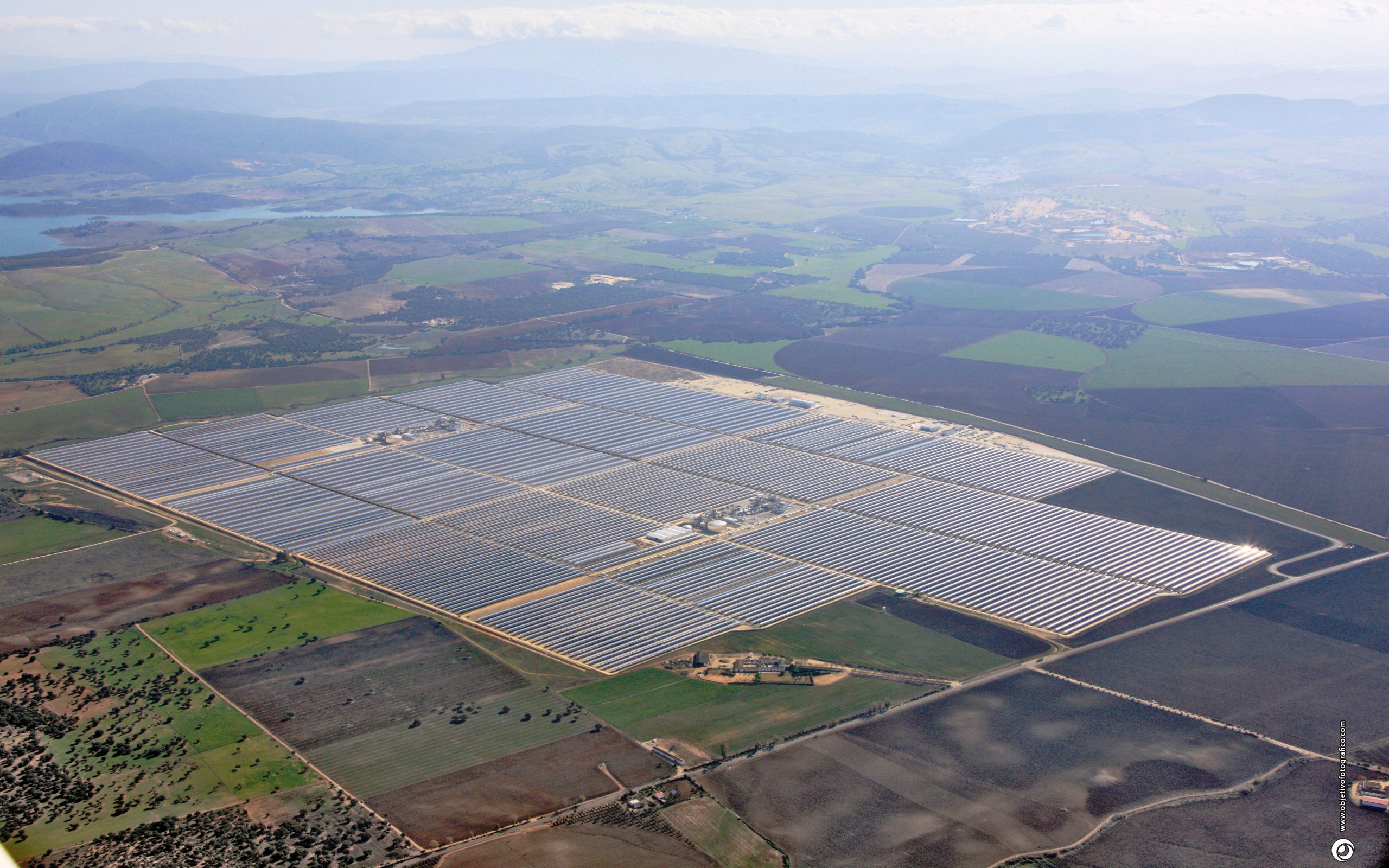
Valle 1 and Valle 2 are two adjacent 50 MW plants of electrical energy generation with similar characteristics located in San José del Valle (Cadiz, Spain).








 About us
 / section
Careers
Careers / section
News & events
News & events / sectionCountries section
About us
About us / section
Careers
Careers / section
News & events
News & events / sectionCountries section


 More results
Valle 1 and Valle 2 are two adjacent 50 MW plants of electrical energy generation with similar characteristics located in San José del Valle (Cadiz, Spain).
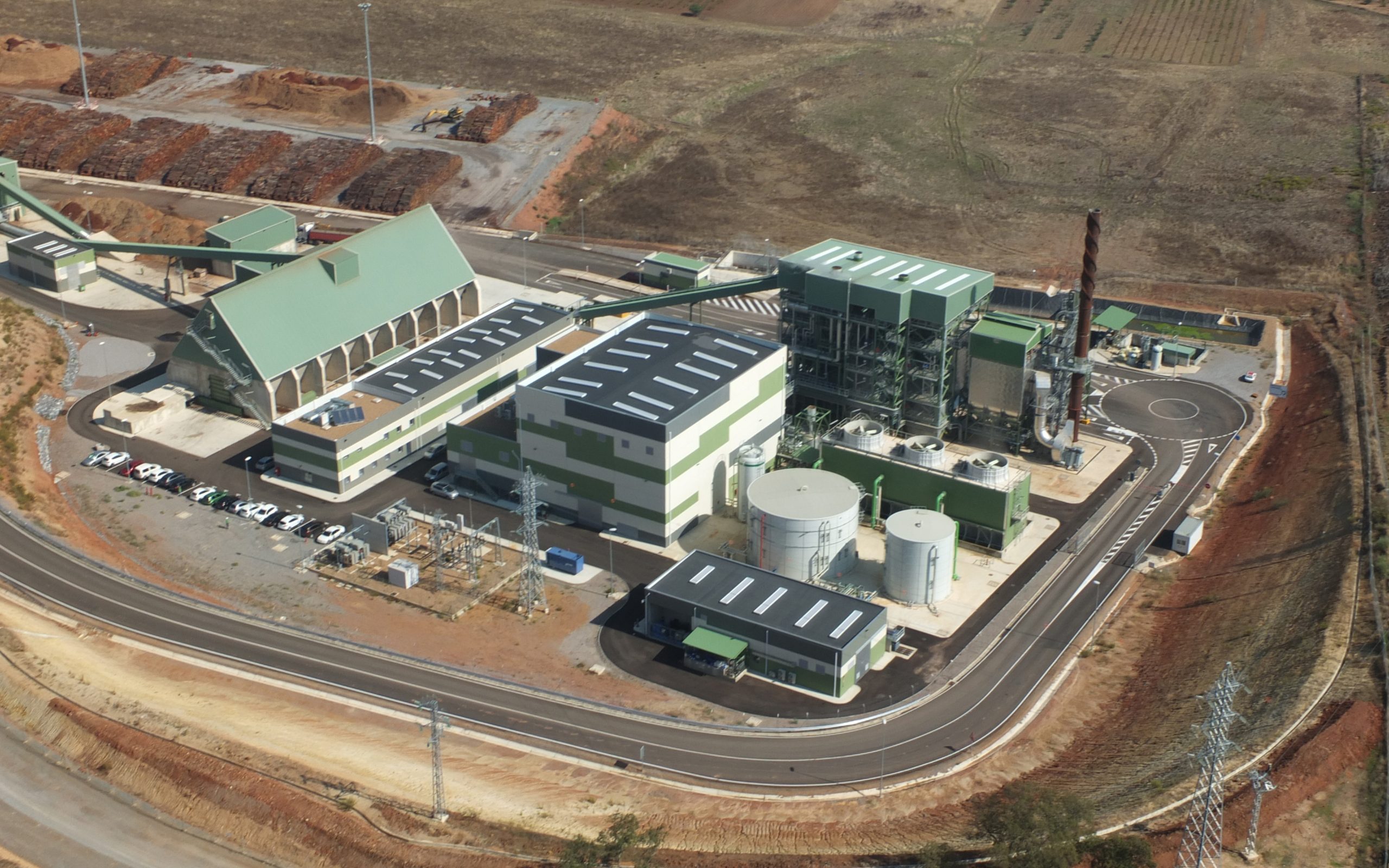
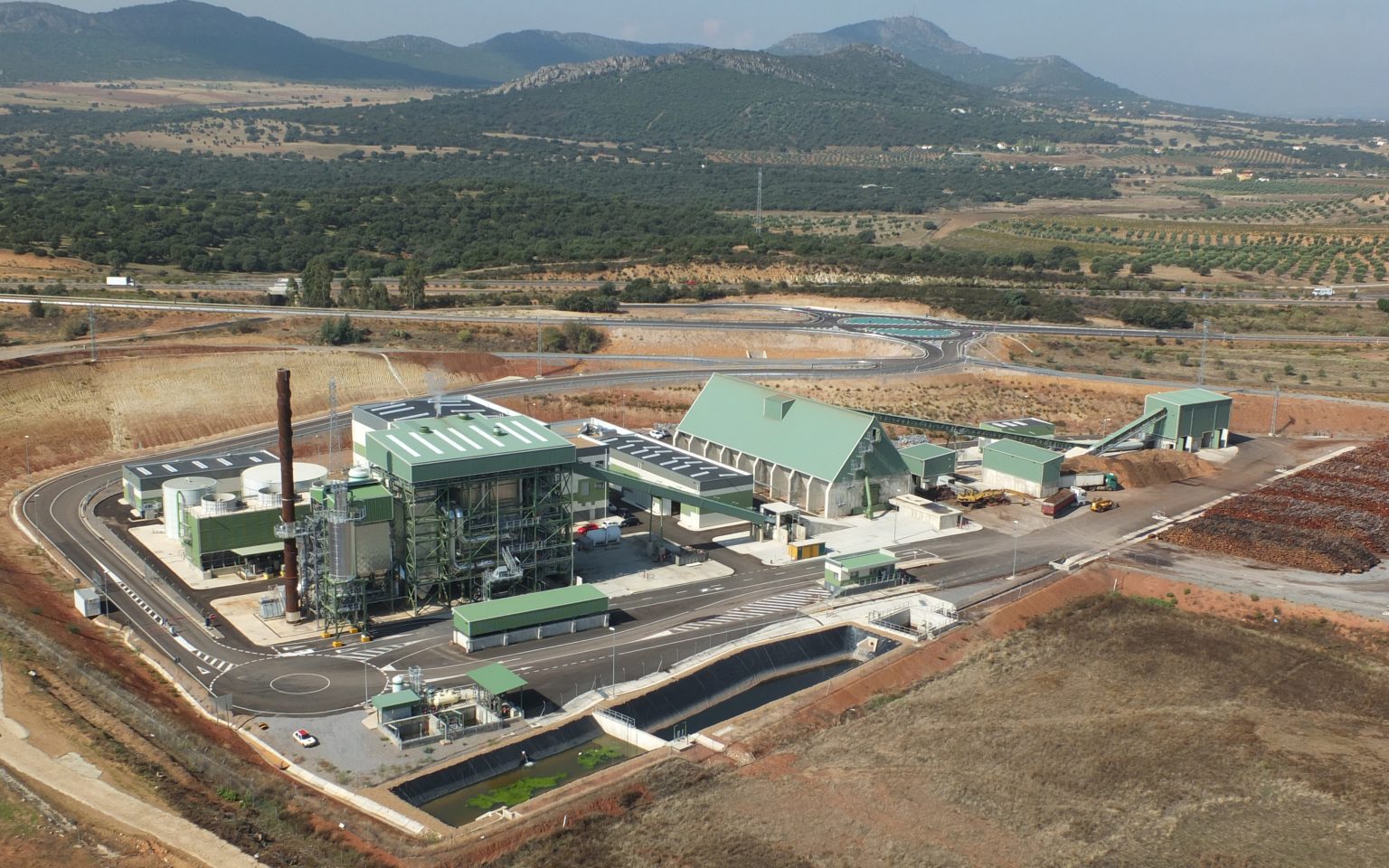
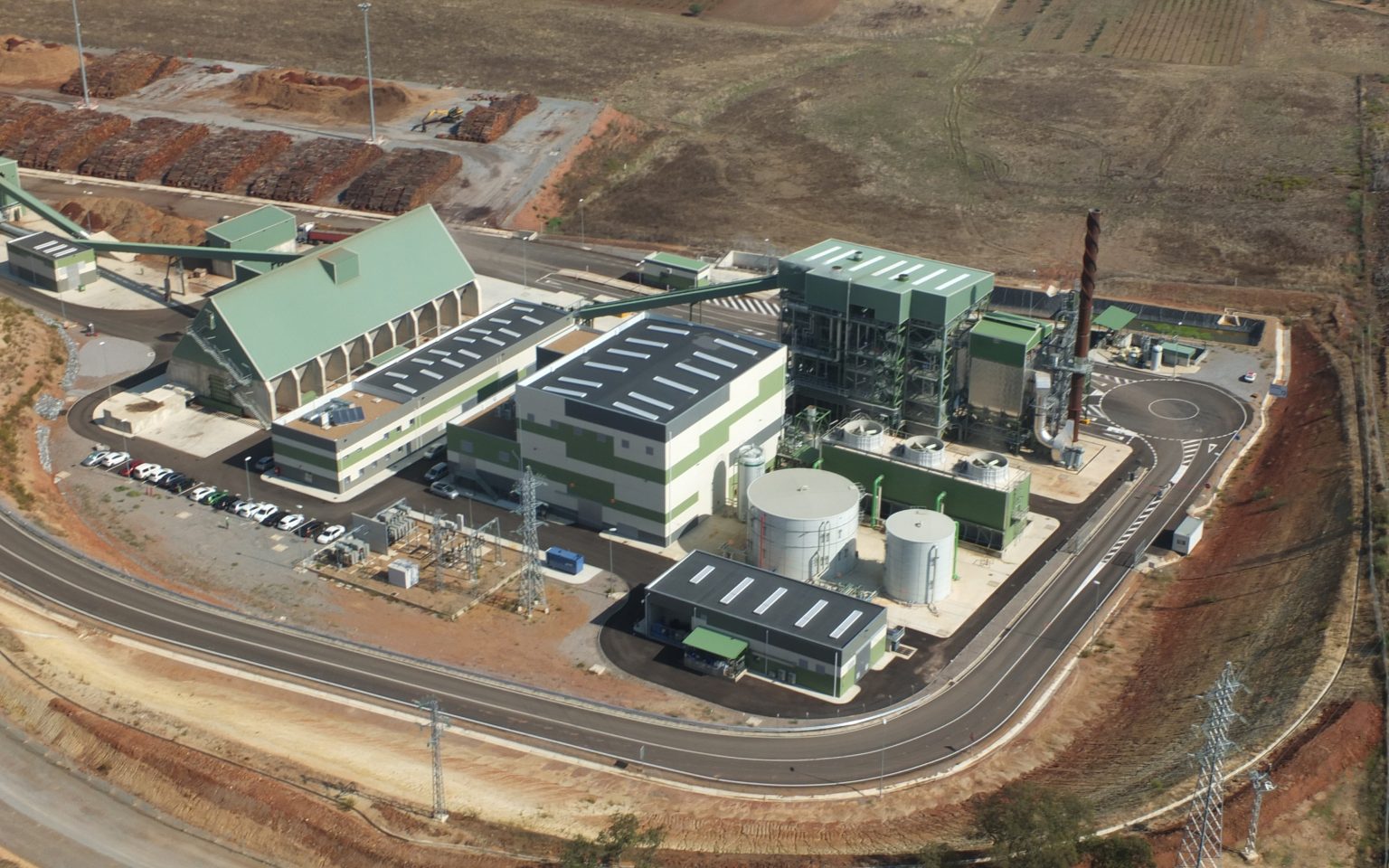
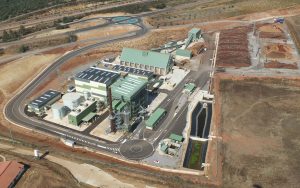
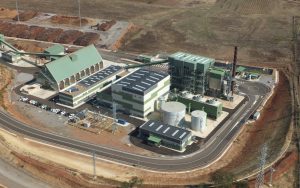
Sener has developed the turnkey project for a biomass power generation plant in Mérida (Badajoz). The contract included the design, procurement, construction and commissioning of the plant, as well as its operation and maintenance for the first two years of exploitation. The annual production of this plant, which generates renewable energy from biomass (forest and energy crops), will be around 160 GWh, with a nominal power of 20 MW. The plant, which will mainly operate with poplar and eucalyptus, will be operational as of the third quarter of 2014.
Sener has developed the turnkey project for a biomass power generation plant in Mérida (Badajoz). The contract included the design, procurement, construction and commissioning of the plant, as well as its operation and maintenance for the first two years of exploitation. The annual production of this plant, which generates renewable energy from biomass (forest and energy crops), will be around 160 GWh, with a nominal power of 20 MW. The plant, which will mainly operate with poplar and eucalyptus, will be operational as of the third quarter of 2014. Sener has designed a high efficiency thermodynamic cycle with reheating and regeneration for these types of plants.
Mérida Biomass Plant includes Sener high efficiency developments. These improvements have made posible that the reheating steam turbine could be competitive for this power sizes. The Project will include one firing boiler equipped with an air cooled grate and one reheating steam turbine. Circulating water circuit is cooled by Mechanical draft cooling towers.
La Africana is a power generation plant of 50 MW located in Posadas, Córdoba, Spain.
The technology of the plant is parabolic through collectors. The owner is MAGTEL – TSK – ORTIZ. Sener is responsible for the solar field collectors engineering, supply, erection and commissioning.
La Africana is a power generation plant of 50 MW located in Posadas, Córdoba, Spain.
The technology of the plant is parabolic through collectors. The owner is MAGTEL – TSK – ORTIZ. Sener is responsible for the solar field collectors engineering, supply, erection and commissioning.
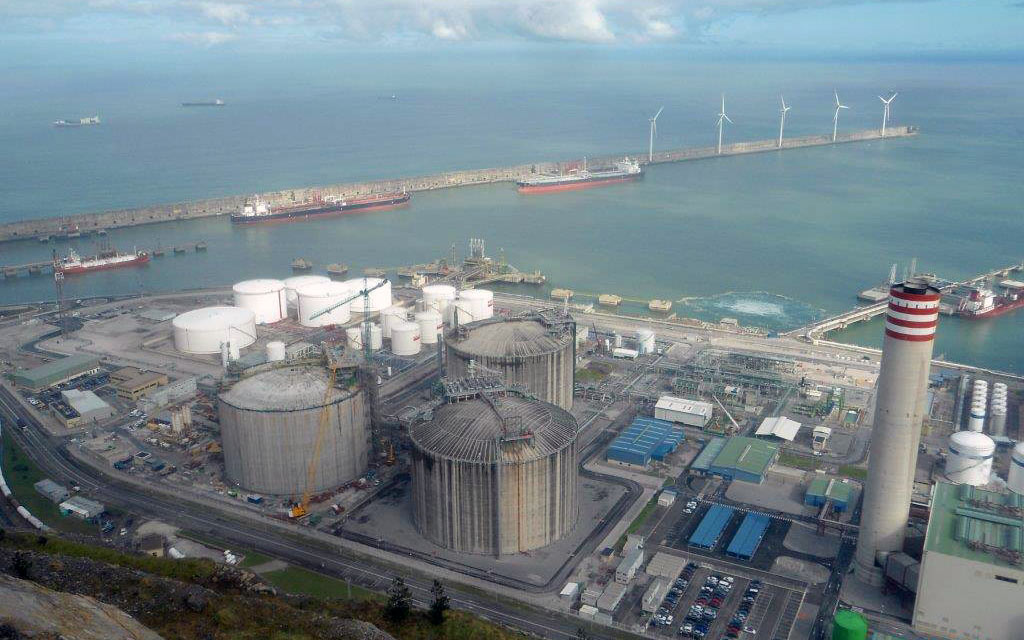
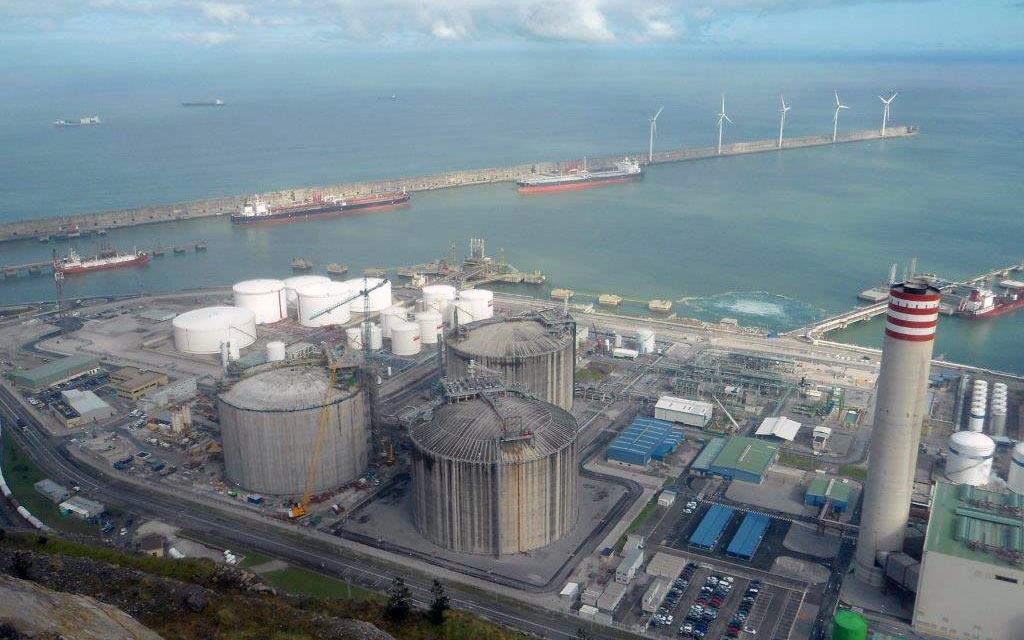
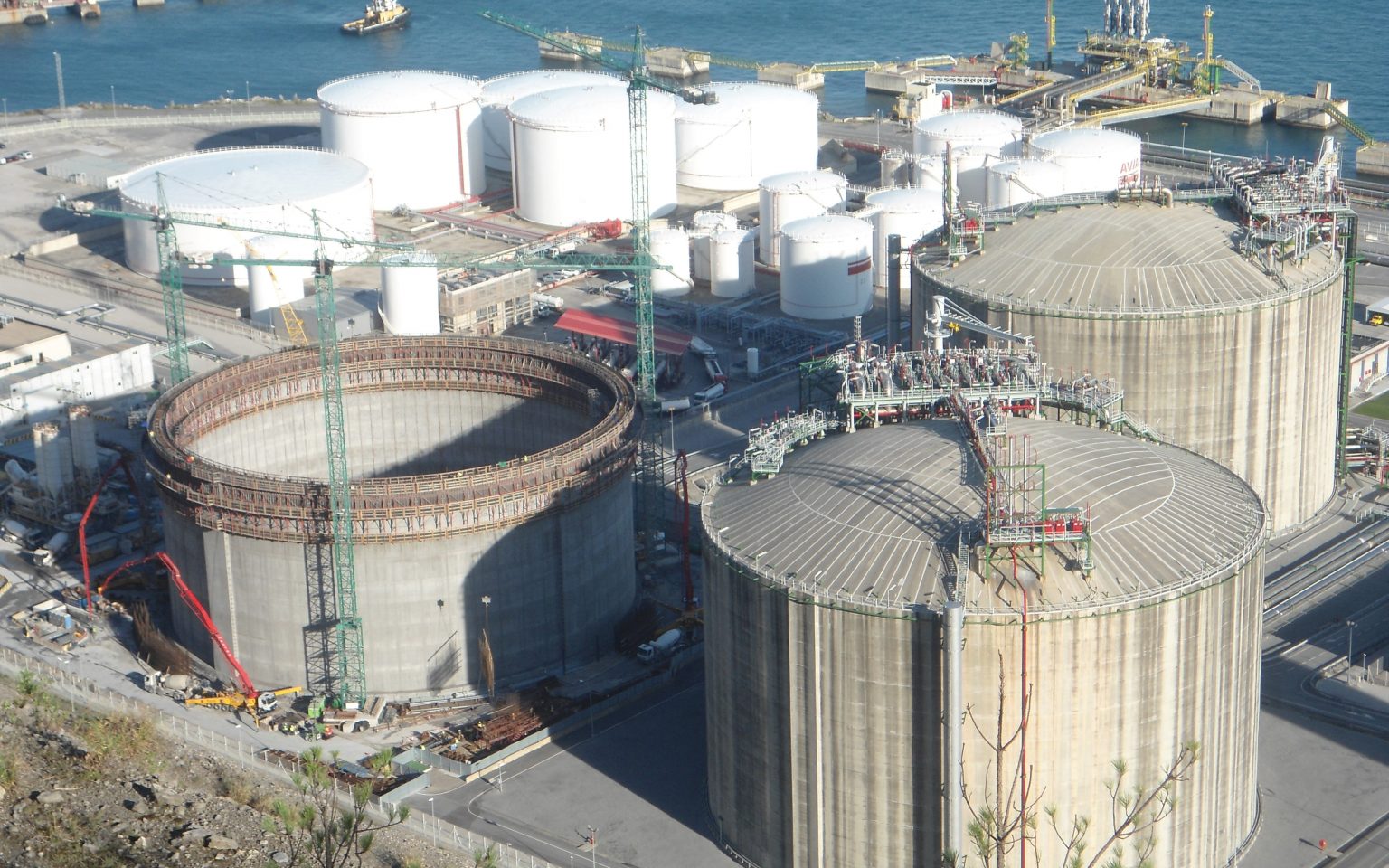
Liquefied Natural Gas (LNG) regasification plant in Zierbena, Basque Country, Spain.
Sener, in consortium with other companies, successfully executed the EPC contract for the expansion of the regasification terminal owned by Bahía Bizkaia Gas (BBG) in Zierbena (Biscay, Spain).
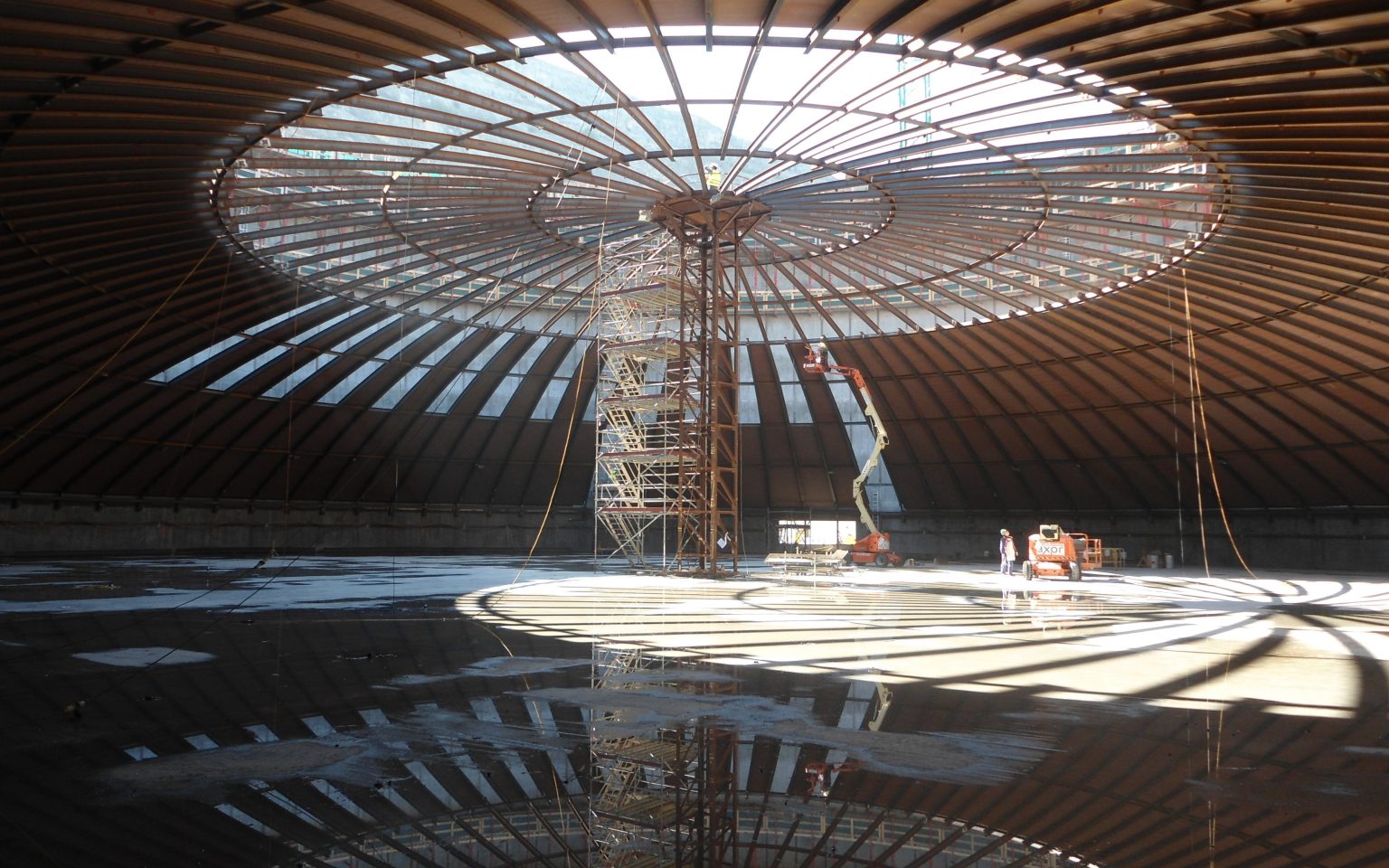
This is the first tank developed by a Spanish consortium, with all technology being Spanish. Moreover, the new tank was the first in Spain to be built in accordance with the European quality standards EN 1473 and EN 14620.
Project information:
Liquefied Natural Gas (LNG) regasification plant in Zierbena, Basque Country, Spain.
Sener, in consortium with other companies, successfully executed the EPC contract for the expansion of the regasification terminal owned by Bahía Bizkaia Gas (BBG) in Zierbena (Biscay, Spain).
This is the first tank developed by a Spanish consortium, with all technology being Spanish. Moreover, the new tank was the first in Spain to be built in accordance with the European quality standards EN 1473 and EN 14620.
Project information:
Sener held the deputy leadership of the EPC project, and was the only company responsible for tank technology.
The Laser Interferometer Space Antenna (LISA) is a joint ESA/NASA mission to detect and observe gravitational waves in space and thus verify Einstein”s General Theory of Relativity.
The LISA core technologies are gravitational reference sensors, reactors that deliver micro-Newton thrust and laser interferometry. These technologies will be tested in space on the LISA Pathfinder Mission, which will comprise two instruments: the LISA Test Package (LTP) and the Disturbance Reduction System (DRS). Both of them will test the key “free-fall control”
The Laser Interferometer Space Antenna (LISA) is a joint ESA/NASA mission to detect and observe gravitational waves in space and thus verify Einstein”s General Theory of Relativity.
The LISA core technologies are gravitational reference sensors, reactors that deliver micro-Newton thrust and laser interferometry. These technologies will be tested in space on the LISA Pathfinder Mission, which will comprise two instruments: the LISA Test Package (LTP) and the Disturbance Reduction System (DRS). Both of them will test the key “free-fall control” technology by means of test masses.
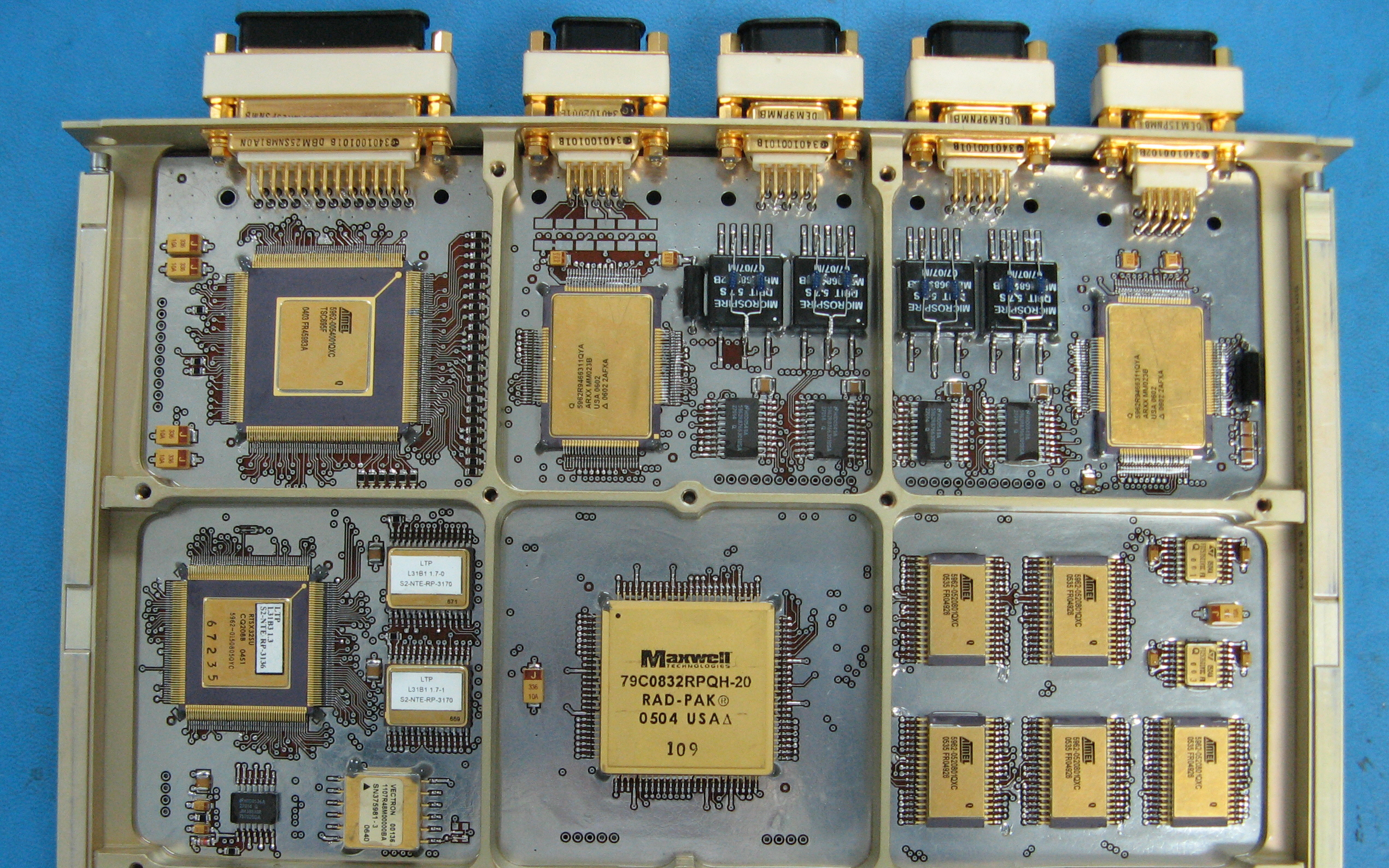
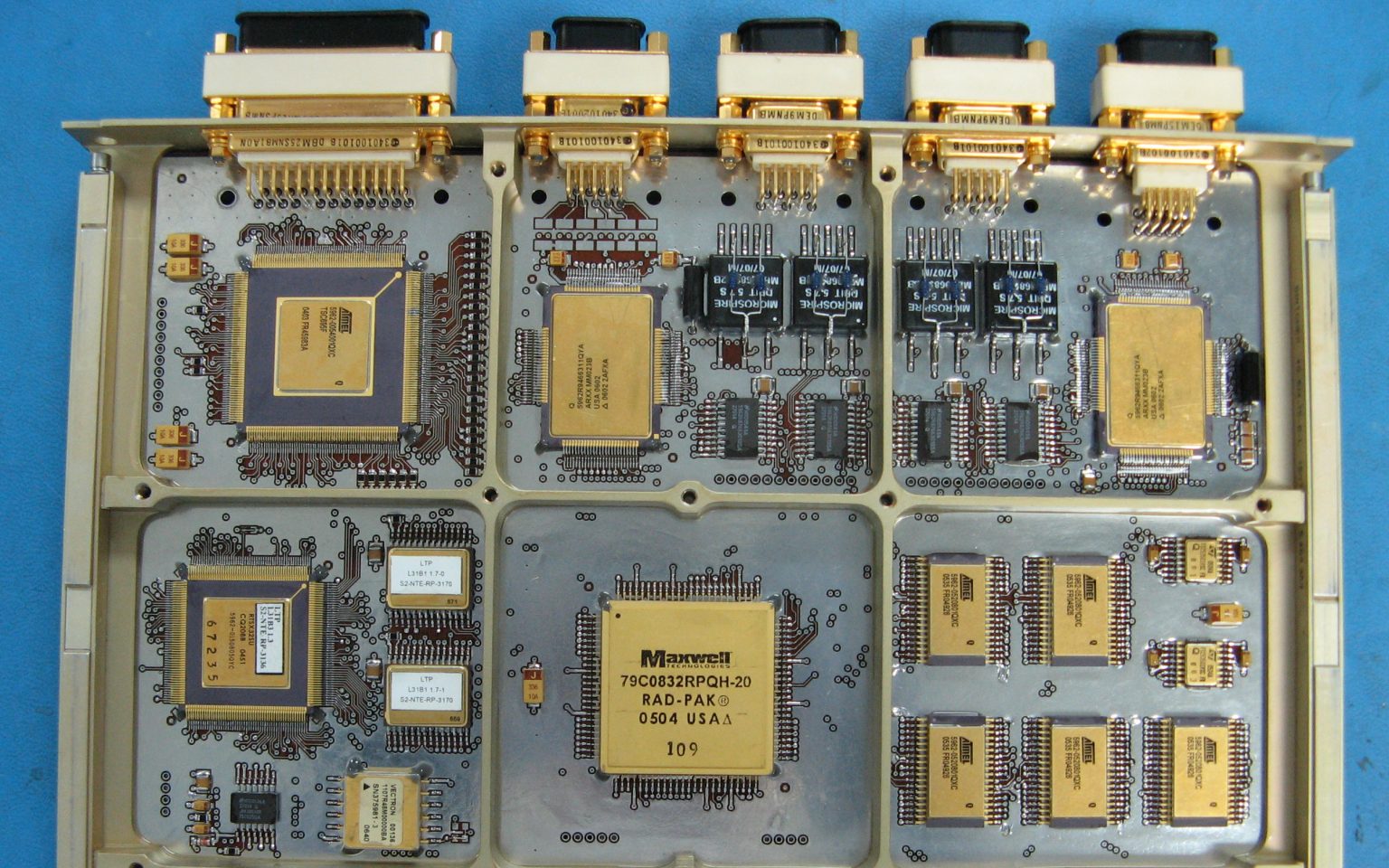
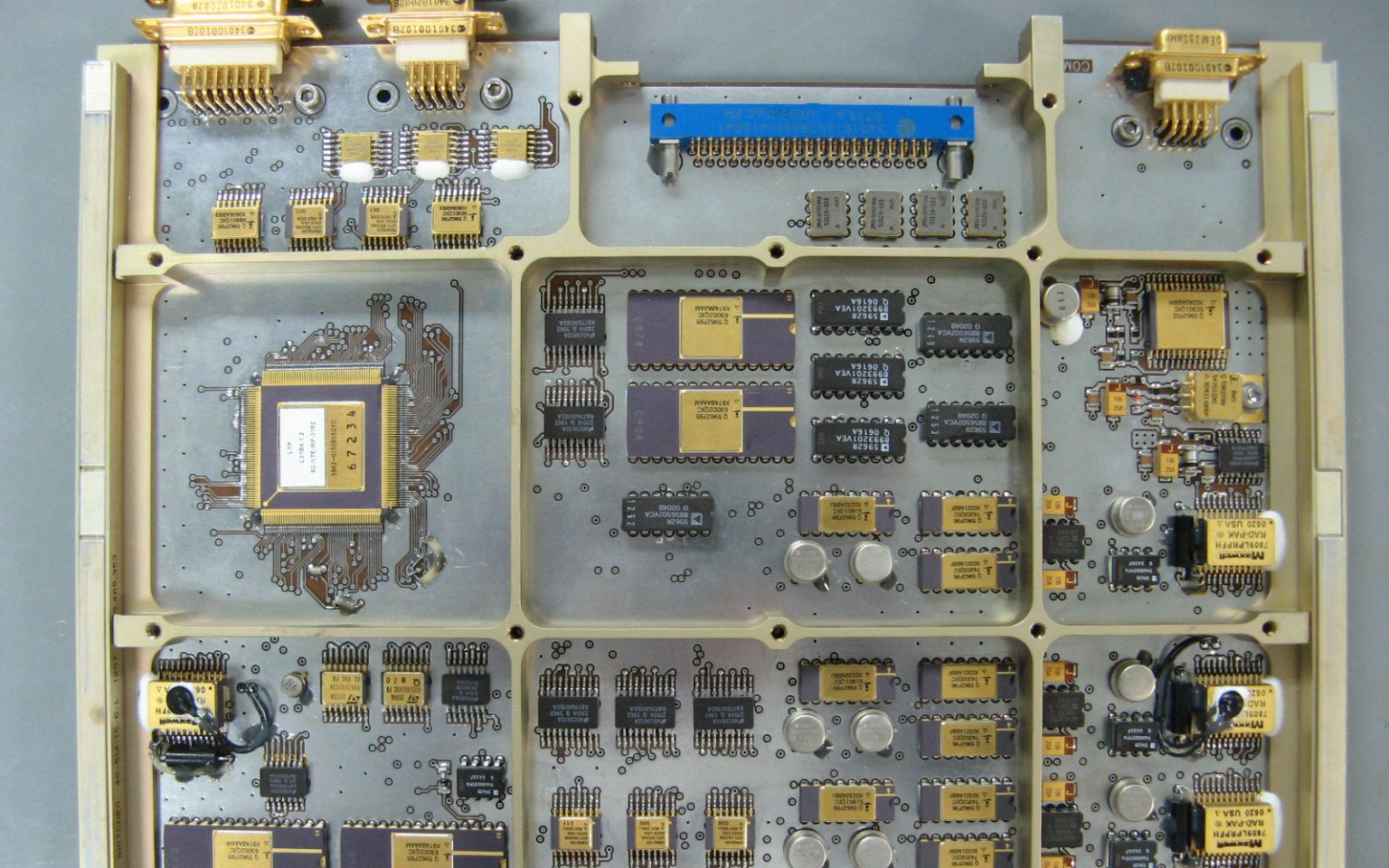
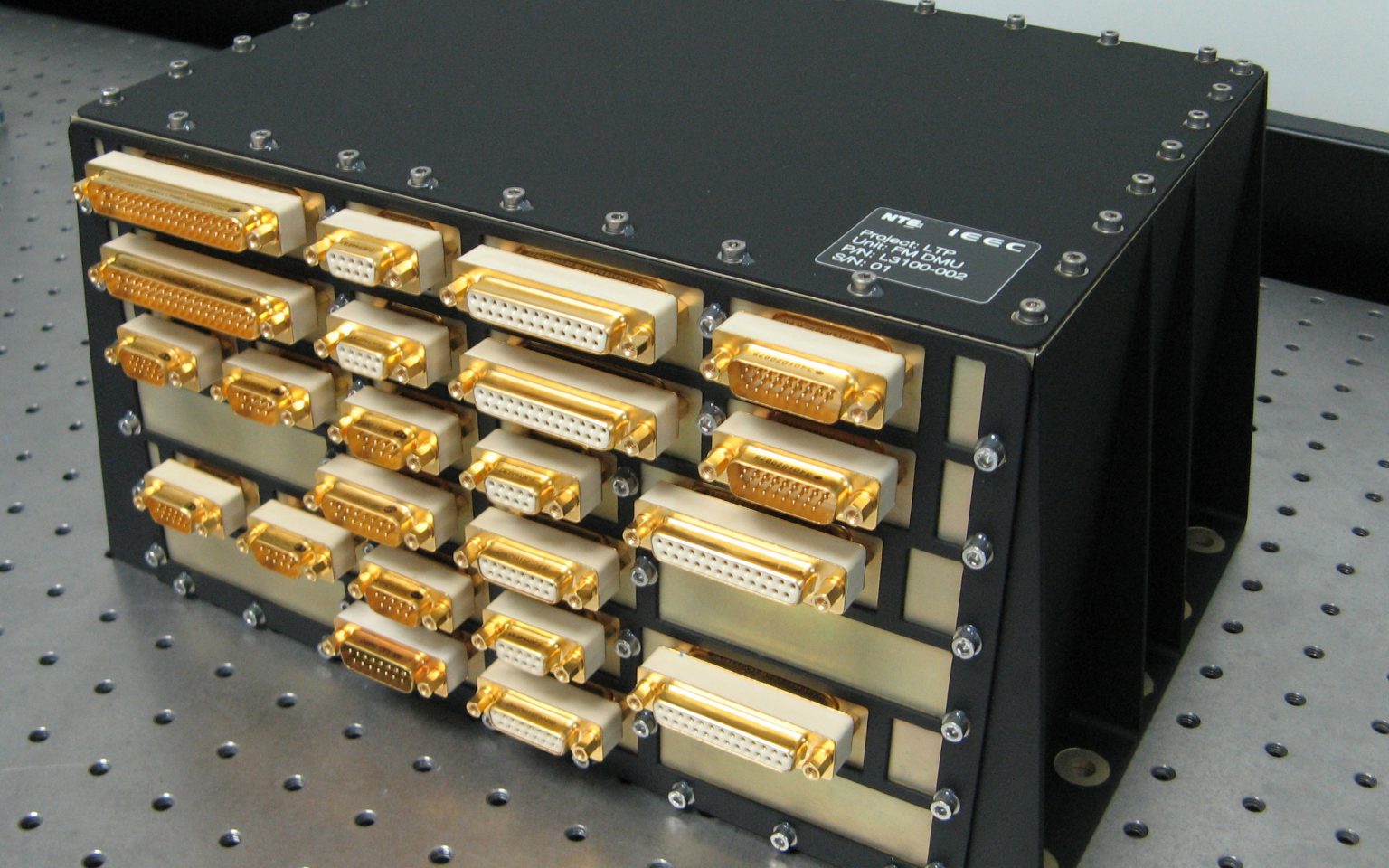
Sener performed the design, integration and verification of the LTP”s Data & Diagnostics Subsystem, which includes:
The DMU performs:
Contact us to find out how we can help you.
Sentinel-3 mission, framed in the European Union-ESA Copernicus program, has as one of its main targets to monitor sea and land-surface temperatures with high accuracy and reliability. First Sentinel-3 satellite was launched in February 2016, followed by a second satellite to provide jointly maximum coverage.
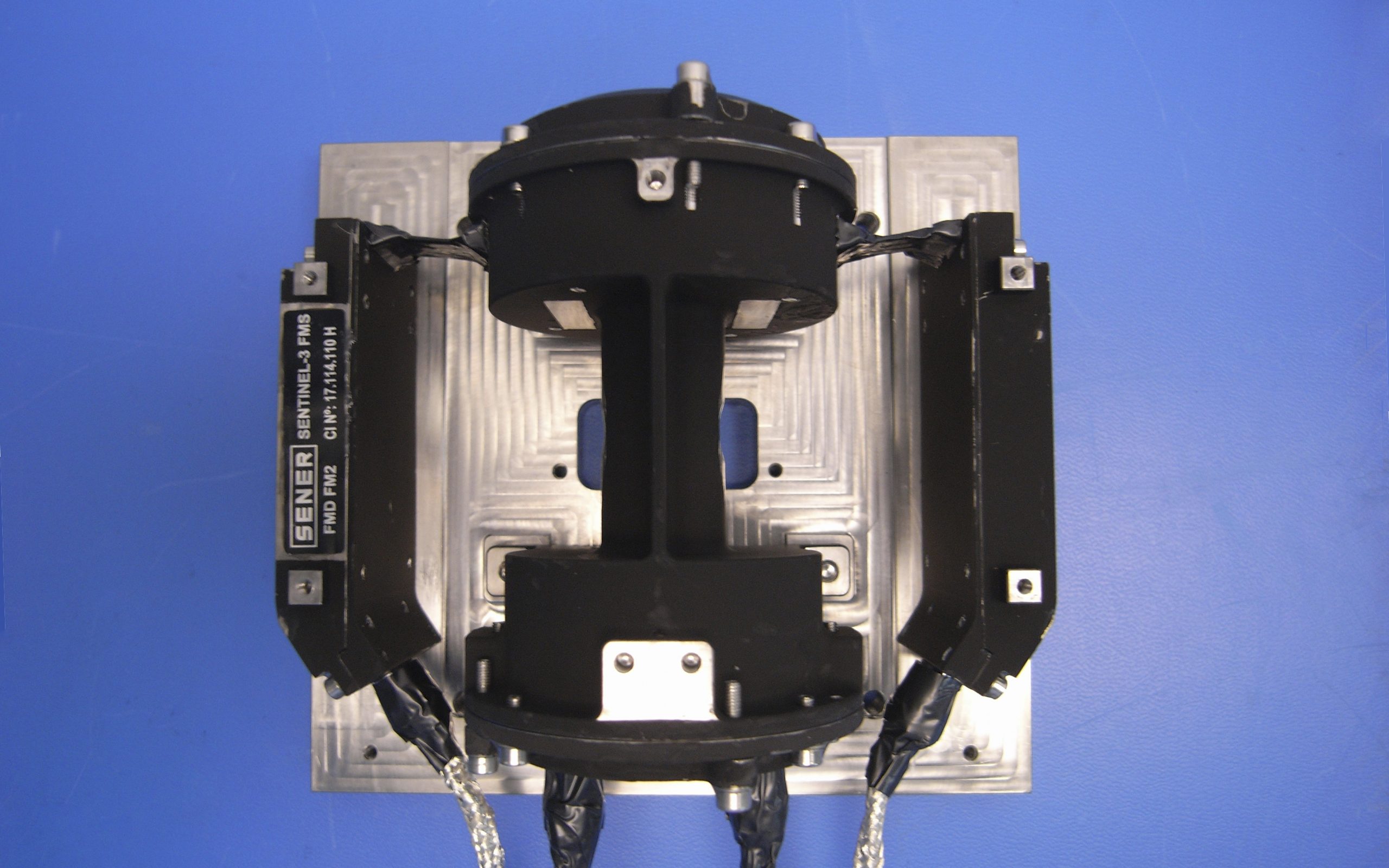
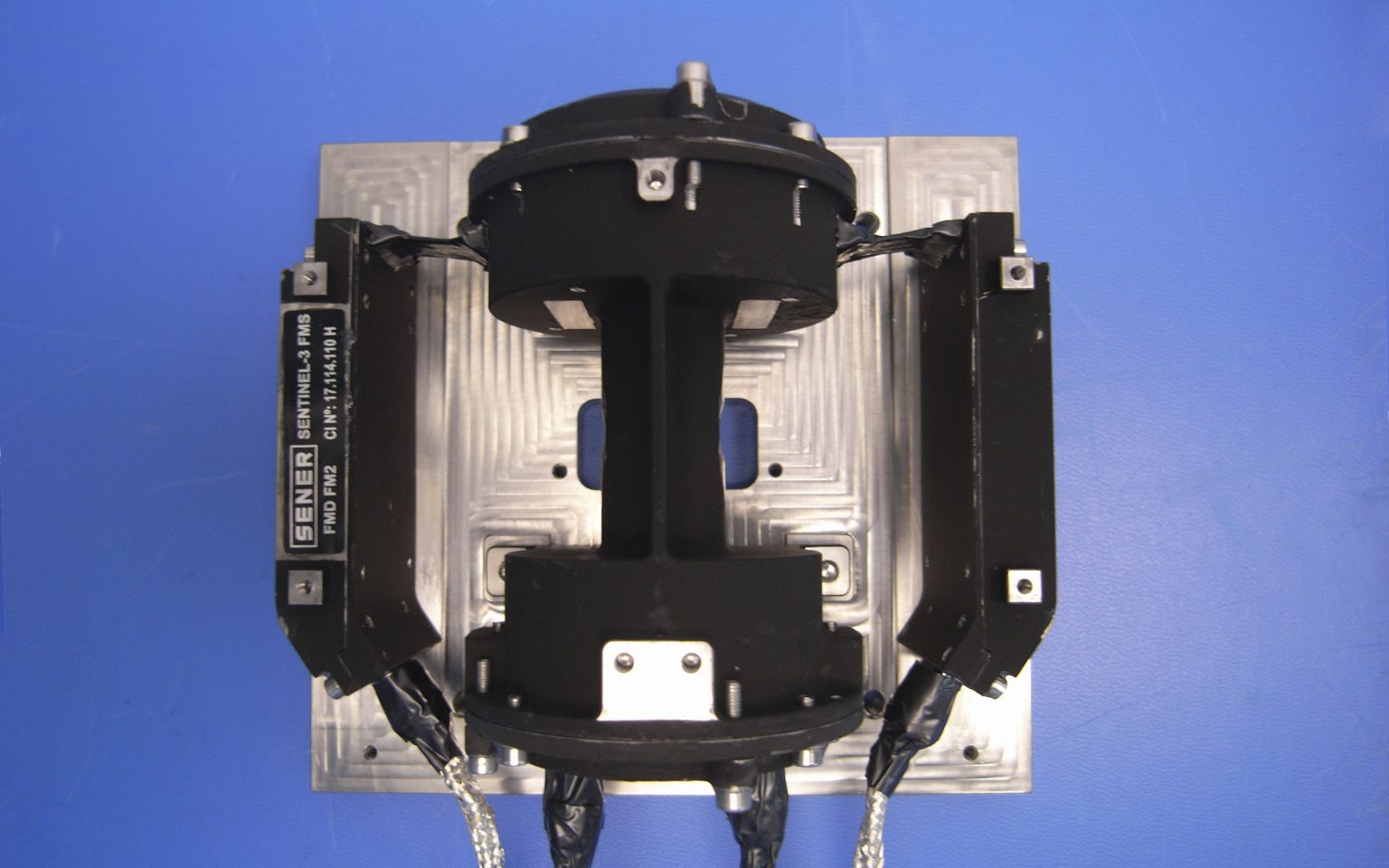
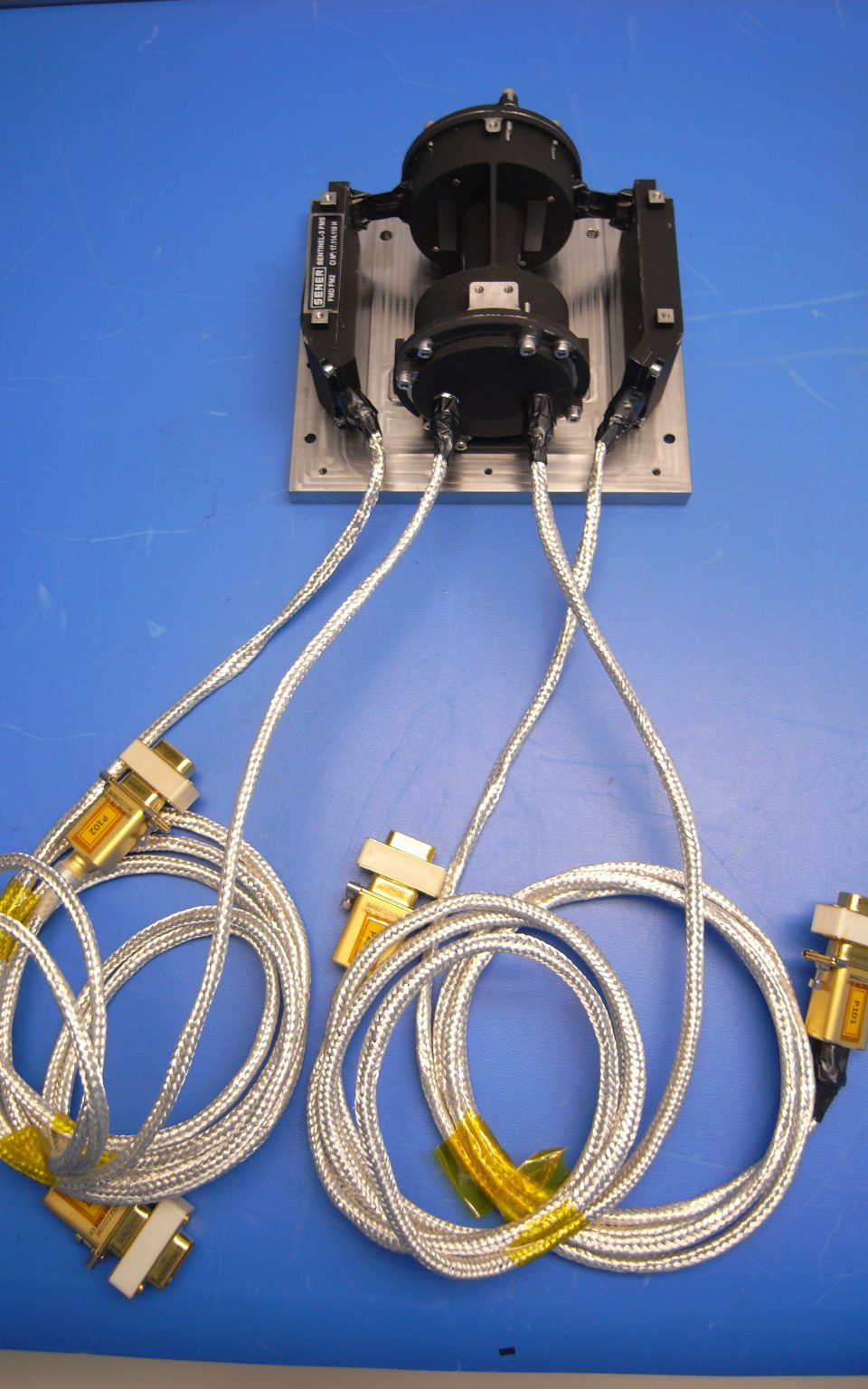
Flip Mirror Mechanism, under Sener responsibility, places a mirror alternatively at two positions at high speed. As part of SLSTR (Sea Land Surface Temperature Radiometer) instrument, it allows a dual view technique that provides enhanced performance with respect to its predecessor (Envisat/AATSR).
Sentinel-3 mission, framed in the European Union-ESA Copernicus program, has as one of its main targets to monitor sea and land-surface temperatures with high accuracy and reliability. First Sentinel-3 satellite was launched in February 2016, followed by a second satellite to provide jointly maximum coverage.
Flip Mirror Mechanism, under Sener responsibility, places a mirror alternatively at two positions at high speed. As part of SLSTR (Sea Land Surface Temperature Radiometer) instrument, it allows a dual view technique that provides enhanced performance with respect to its predecessor (Envisat/AATSR).
Mechanism accuracy, repeatability and stability drive instrument image quality. On the other hand, high rotational speed is required to complete image sequence during the orbit. And these performances need to be maintained after 700 million cycles during 7 years lifetime of the instrument.
Sener has developed the mechanism concept, motion control and the electronics to implement it, designing a mechatron (mechanism plus electronics) with the following characteristics.
Contact us to find out how we can help you.
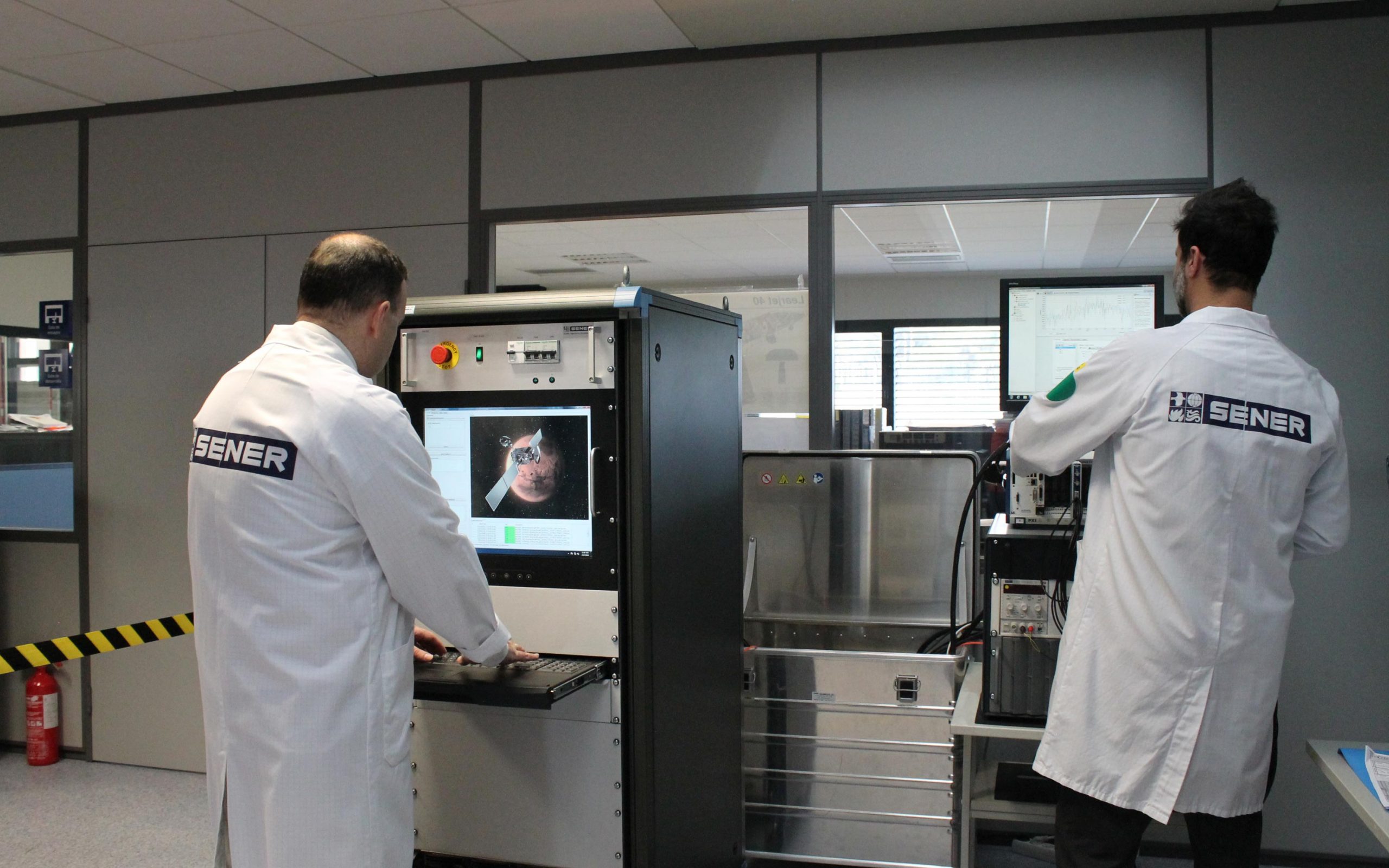
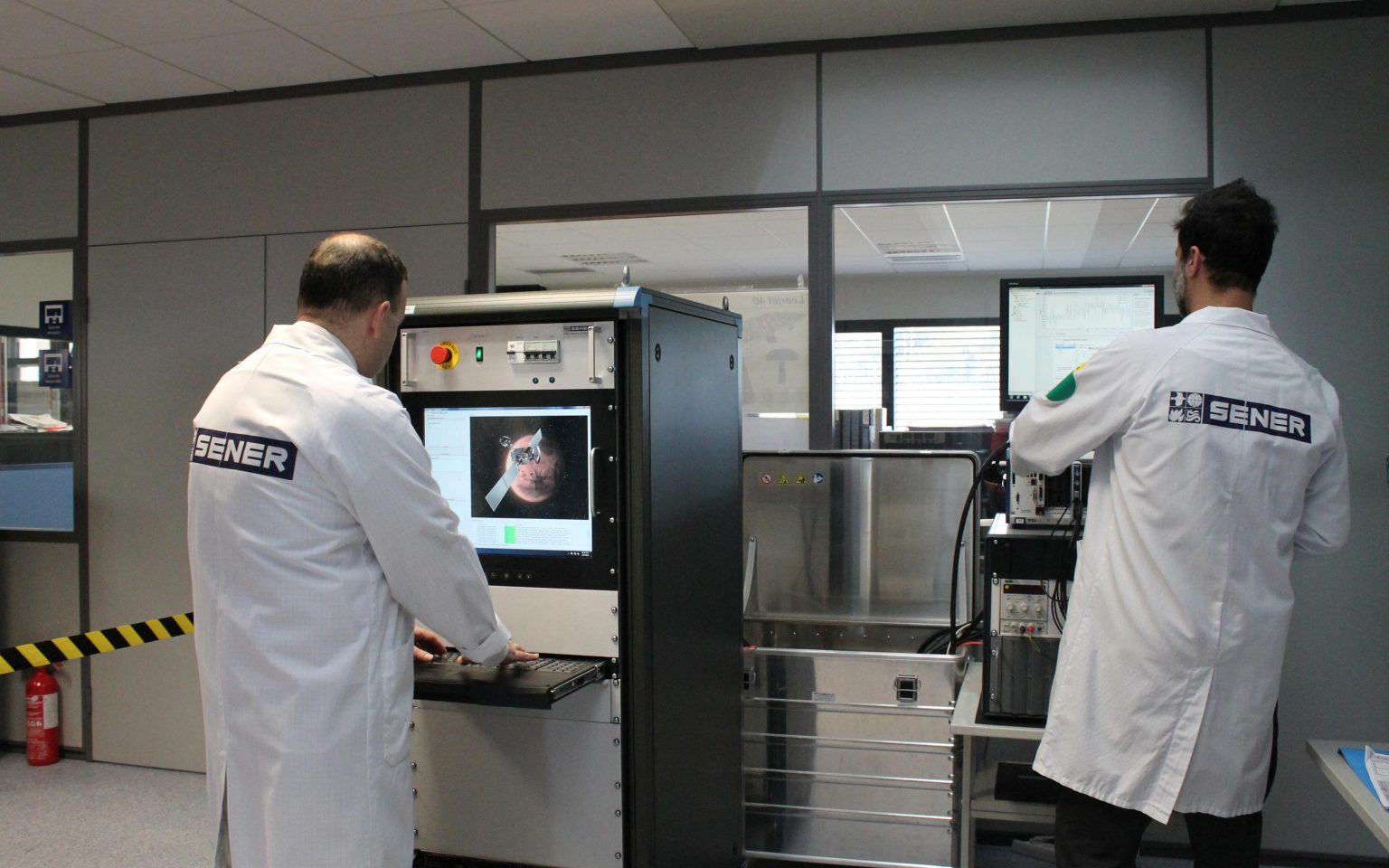
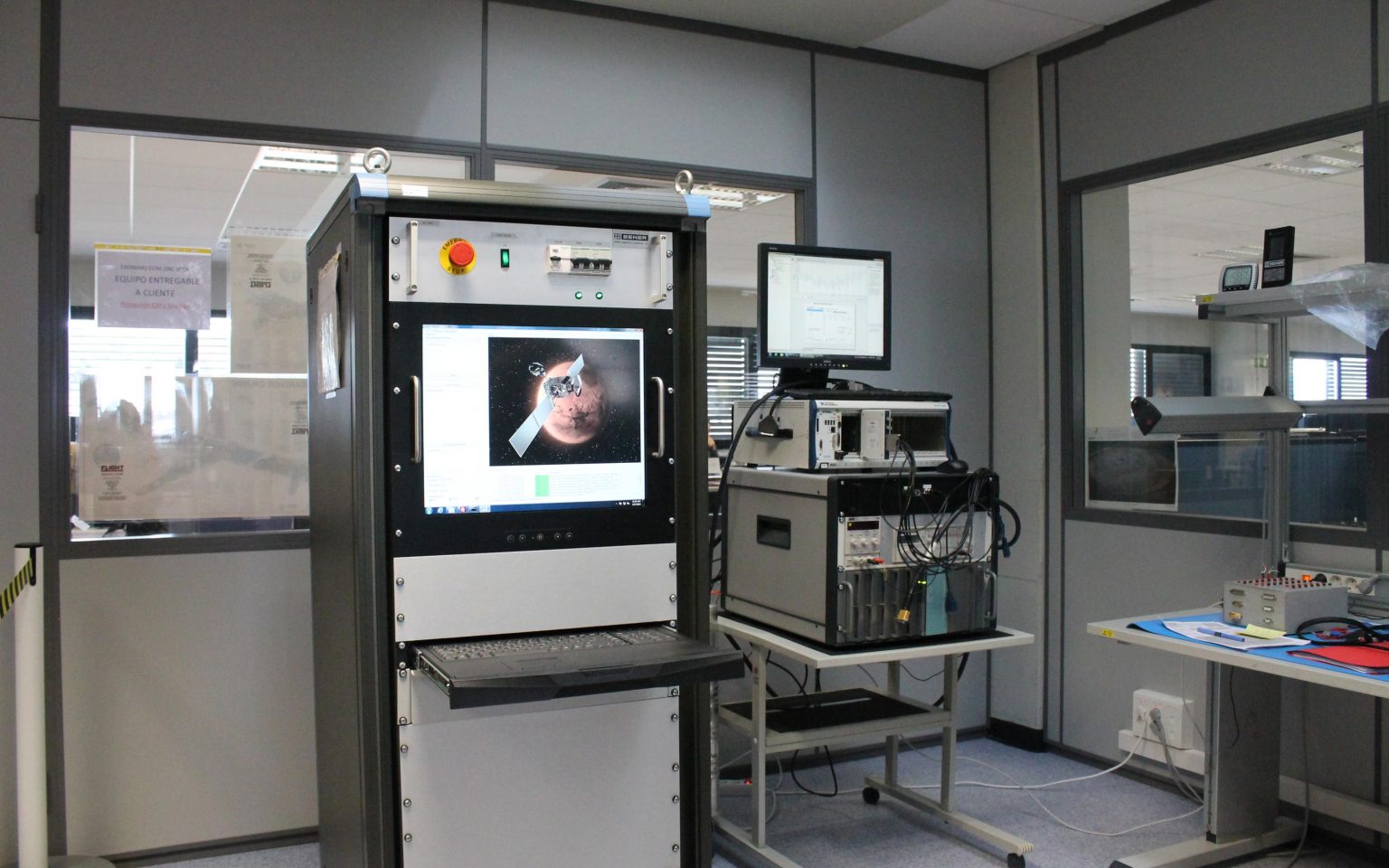
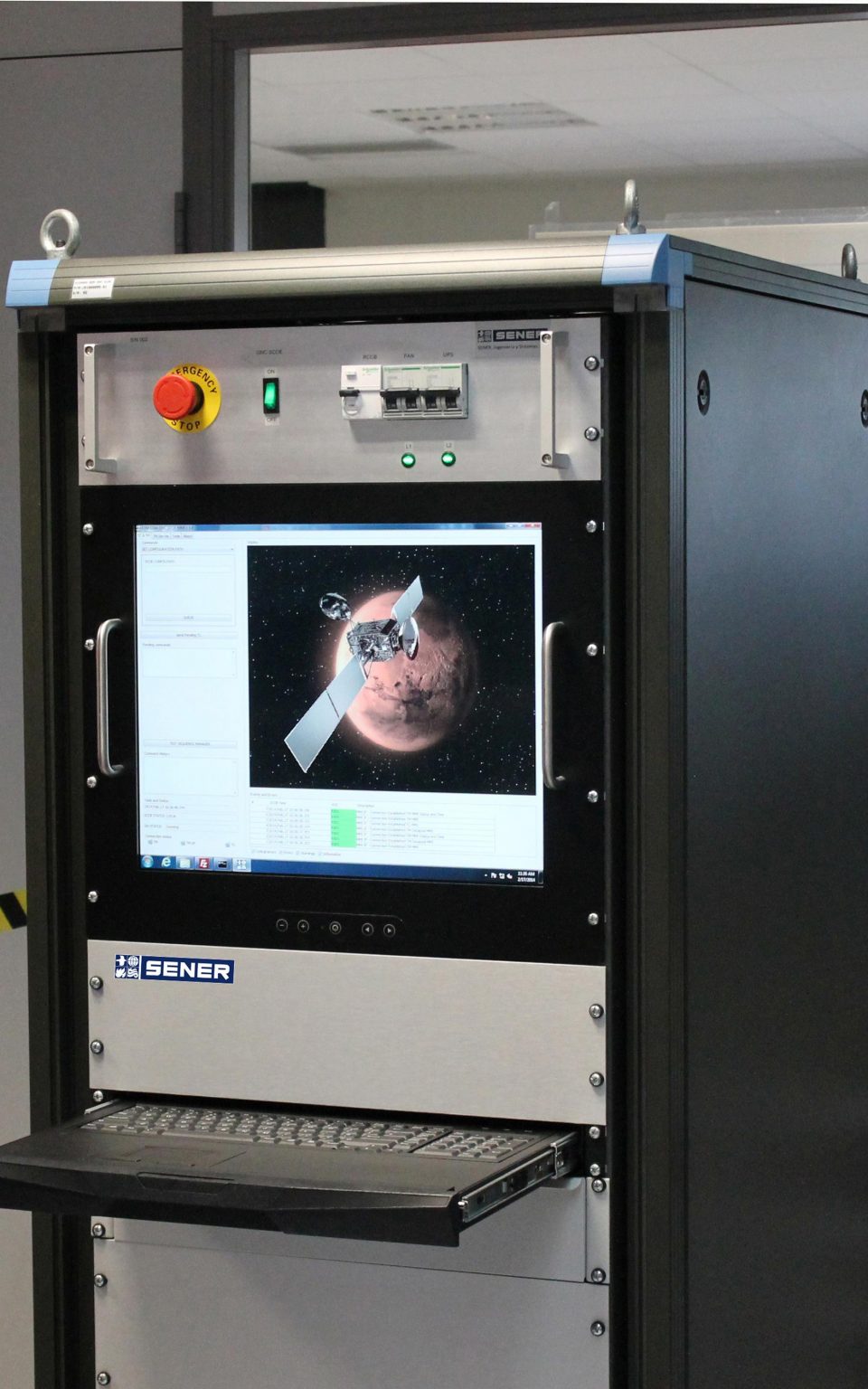
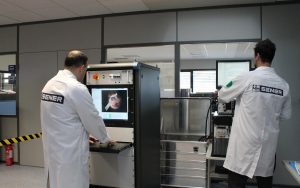
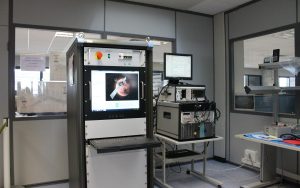
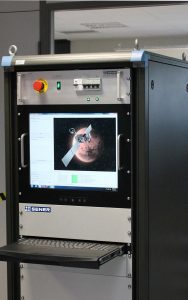
This function of this equipment is to conduct GNC (Guidance, Navigation and Control) system testing of the Entry, Descent and Landing Demonstrator Module (EDM) in the ExoMars project. For this purpose, it provides interfaces both for the simulation and stimulation of the sensors and actuators incorporated in the AOCS. The SCOE has a complex real-time function and a fault injection function.
It also has a CAN bus, enabling remote or local communication.
The GNC SCOE provides a Front-end Electronics (FEE) system to interface the hardware of the demonstrator module,
This function of this equipment is to conduct GNC (Guidance, Navigation and Control) system testing of the Entry, Descent and Landing Demonstrator Module (EDM) in the ExoMars project. For this purpose, it provides interfaces both for the simulation and stimulation of the sensors and actuators incorporated in the AOCS. The SCOE has a complex real-time function and a fault injection function.
It also has a CAN bus, enabling remote or local communication.
The GNC SCOE provides a Front-end Electronics (FEE) system to interface the hardware of the demonstrator module, as well as other equipment used to stimulate hardware in the loop-control systems. The GNC SCOE carries out real-time simulation (RTS) that has an environment model and dynamics and integrates the GNC unit models.
The RTS provides simulation capabilities for gyroscopes and solar sensors, pulse acquisition from the on-board computer, and the information on stimuli necessary for the radar interface unit.
Contact us to find out how we can help you.
The final awards will be granted on an official gala dinner to be held in the town of Crete (Greece) on October 30 and framed in the 26th IPMA World Congress. Gate terminal has been nominated in the category of Big Sized project.
The Liquefied Natural Gas (LNG) regasification plant Gate terminal, located at Maasvlakte (Rotterdam), has been named as finalist in the Project Excellence Awards awarded each year by IPMA (International Project Management Association). The final awards will be granted on an official gala dinner to be held in the town of Crete (Greece) on October 30 and framed in the 26th IPMA World Congress. Gate terminal has been nominated in the category of Big Sized project.
Along with Gate terminal have been nominated for these prestigious awards in the category of Big Sized project the works on Schiphol Airport in Amsterdam, the Netherlands, and the facilities of Jambi Merang for the development and production of gas in Indonesia.
Gate terminal is a project carried out by Sener as part as the TS LNG joint venture, in charge of managing the engineering, procurement, construction and start-up of the plant. TS LNG delivered the plant to the client as planned, complying successfully with the EPC contract. Since this project began, in June 2008, until the end of the EPC works, in September 1st 2011, special attention has been paid to safety, protecting the environment, operational availability and versatility. It is worth mentioning that this construction phase has been completed with one of the highest levels of safety ever recorded for works implemented in Rotterdam’s Europort, boasting more than 2,500,000 work hours without accidents, currently at Low Level A.
As part of the construction joint venture, composed of four companies, Sener has taken part in the project management, the procurement and the construction works. Also, Sener has been responsible for managing the plant’s implementation, the commissioning and the start-up, as well as for engineering activities. The success of this Project has confirmed TS LNG (joint venture between Techint and Sener) position as a company specializing in EPC contracts in the natural gas sector.
Gate terminal is one of the biggest LNG terminals in Europe. It has an initial throughput capacity of 12 billion m3/year (billion cubic metres) and three 180,000-m3 storage tanks. The terminal has two jetties able to unload simultaneously two boats of the Q-Max type (the world biggest LNG boats). The high-scale Gate terminal is in fact able to fulfill the needs of Natural Gas of the whole population in Holland and part of Europe. The total project cost is estimated at EUR 800 million.
It is worth mentioning that this year Gate terminal has been also named ‘Liquefied Natural Gas Project of the Year’ by the European Gas Conference Awards, granted by the organization of this international event and by the prestigious magazine Natural Gas Europe, and has also won the award for ‘Best Project of the Year’ awarded by the European Construction Institute (ECI).
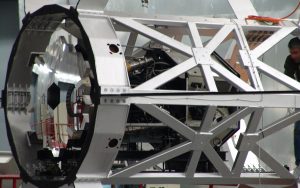
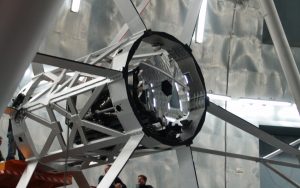
The Secondary Mirror Drive System (M2DS) of the GTC consists of two main elements: a high-precision hexapode with field correction to drive a 1.2 m and 46 kg beryllium mirror.
The system is water-cooled, has integrated power and control electronics and heated external covers.
The Secondary Mirror Drive System (M2DS) of the GTC consists of two main elements: a high-precision hexapode with field correction to drive a 1.2 m and 46 kg beryllium mirror.
The system is water-cooled, has integrated power and control electronics and heated external covers.
Contact us to find out how we can help you.
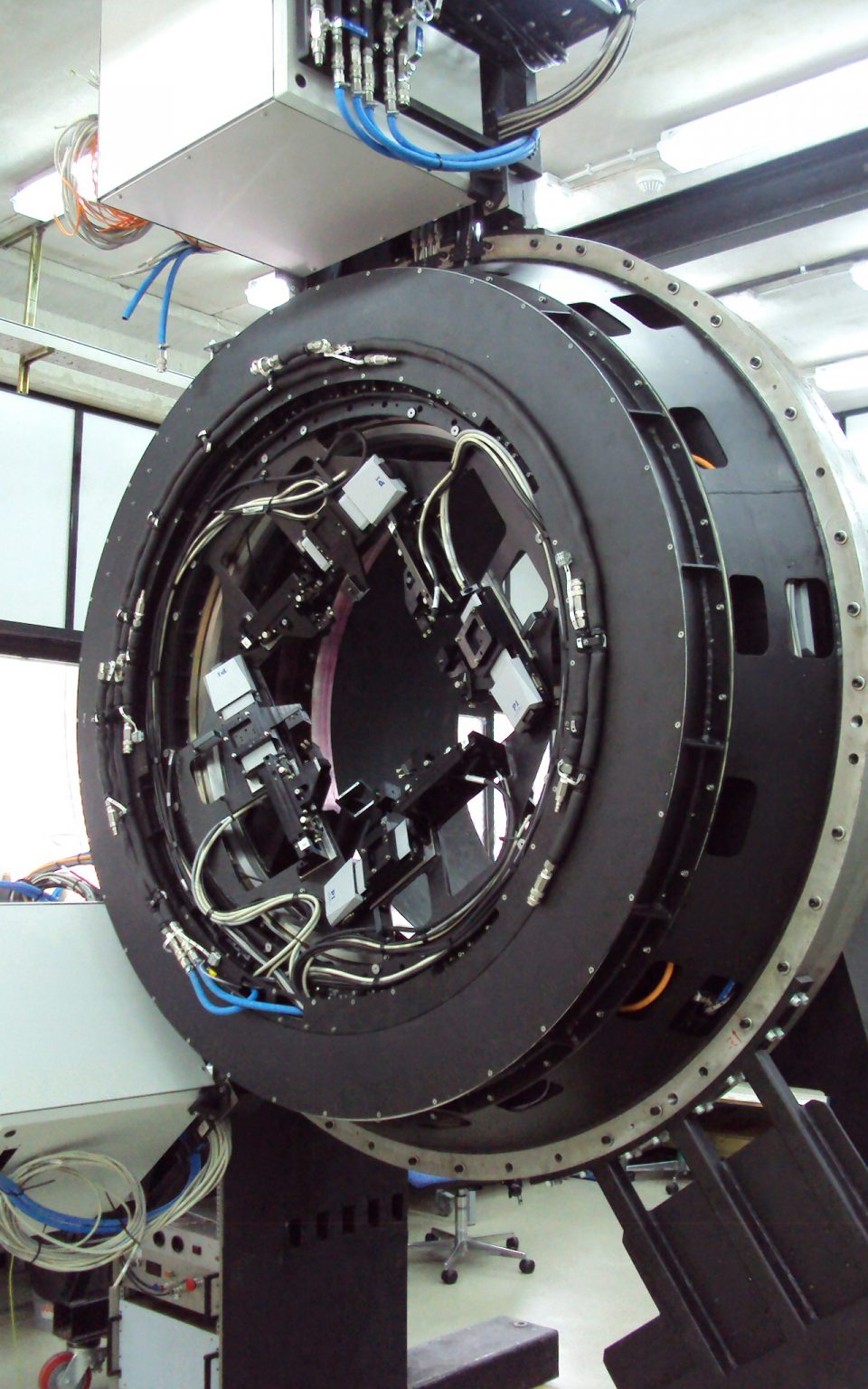
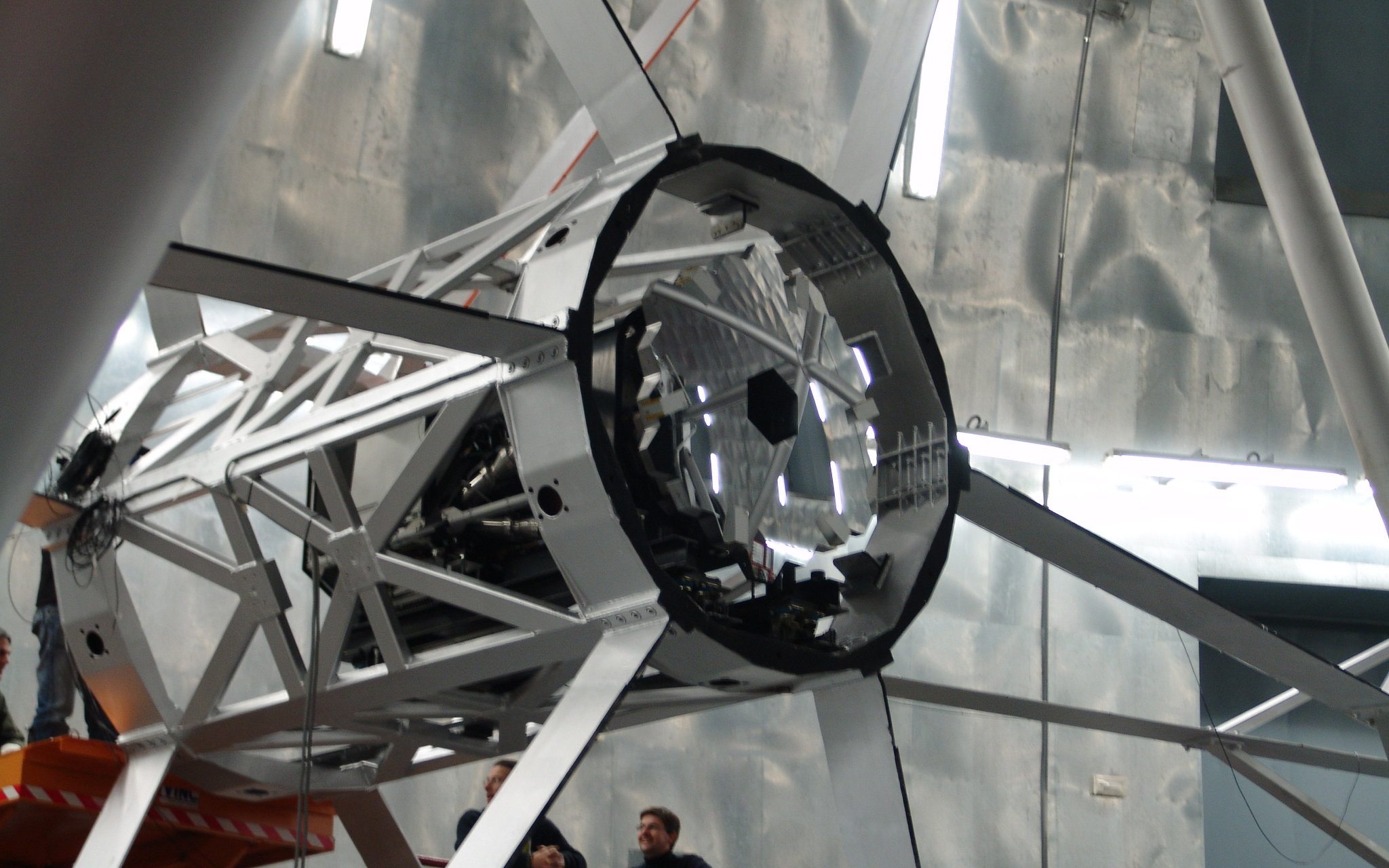
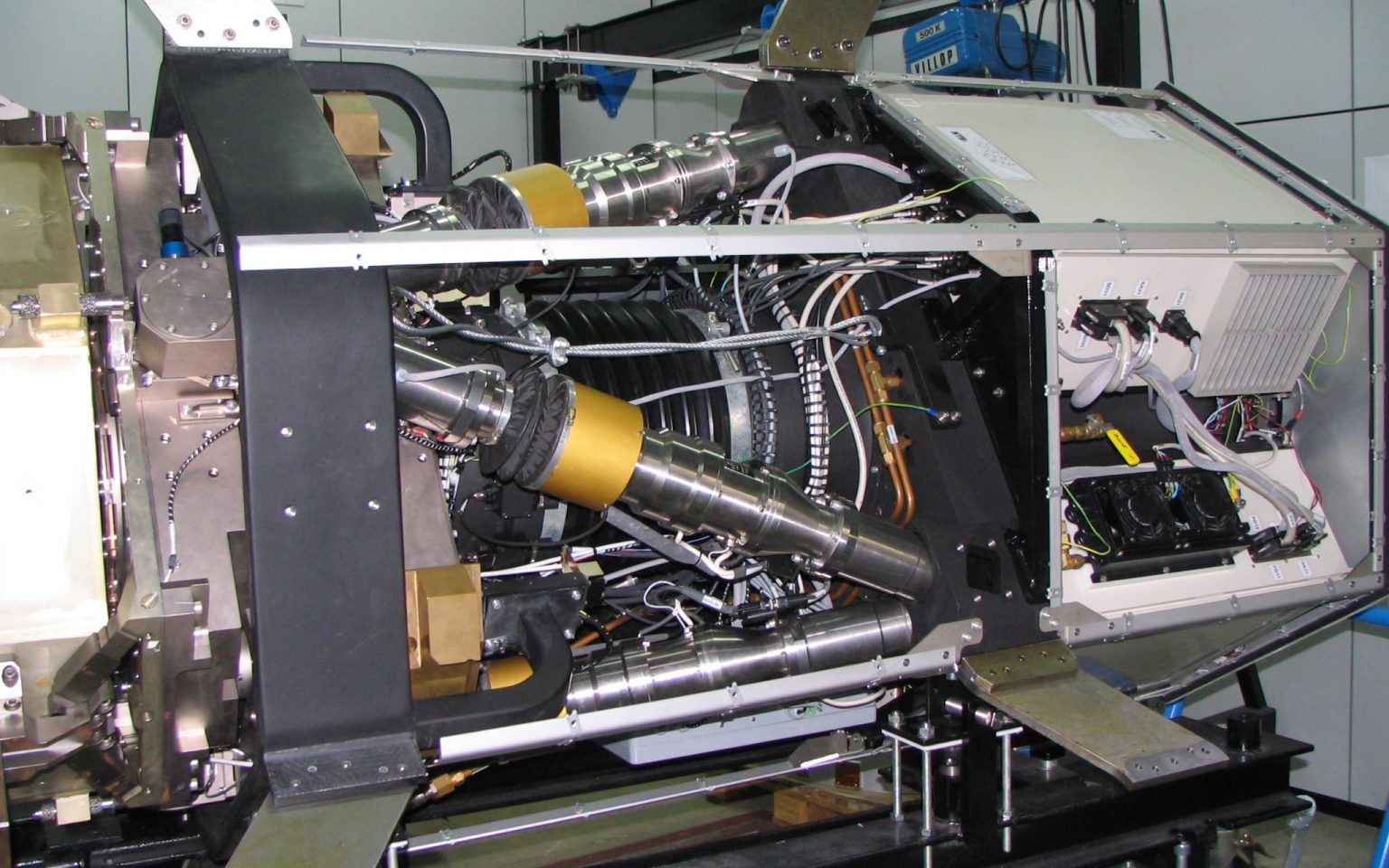
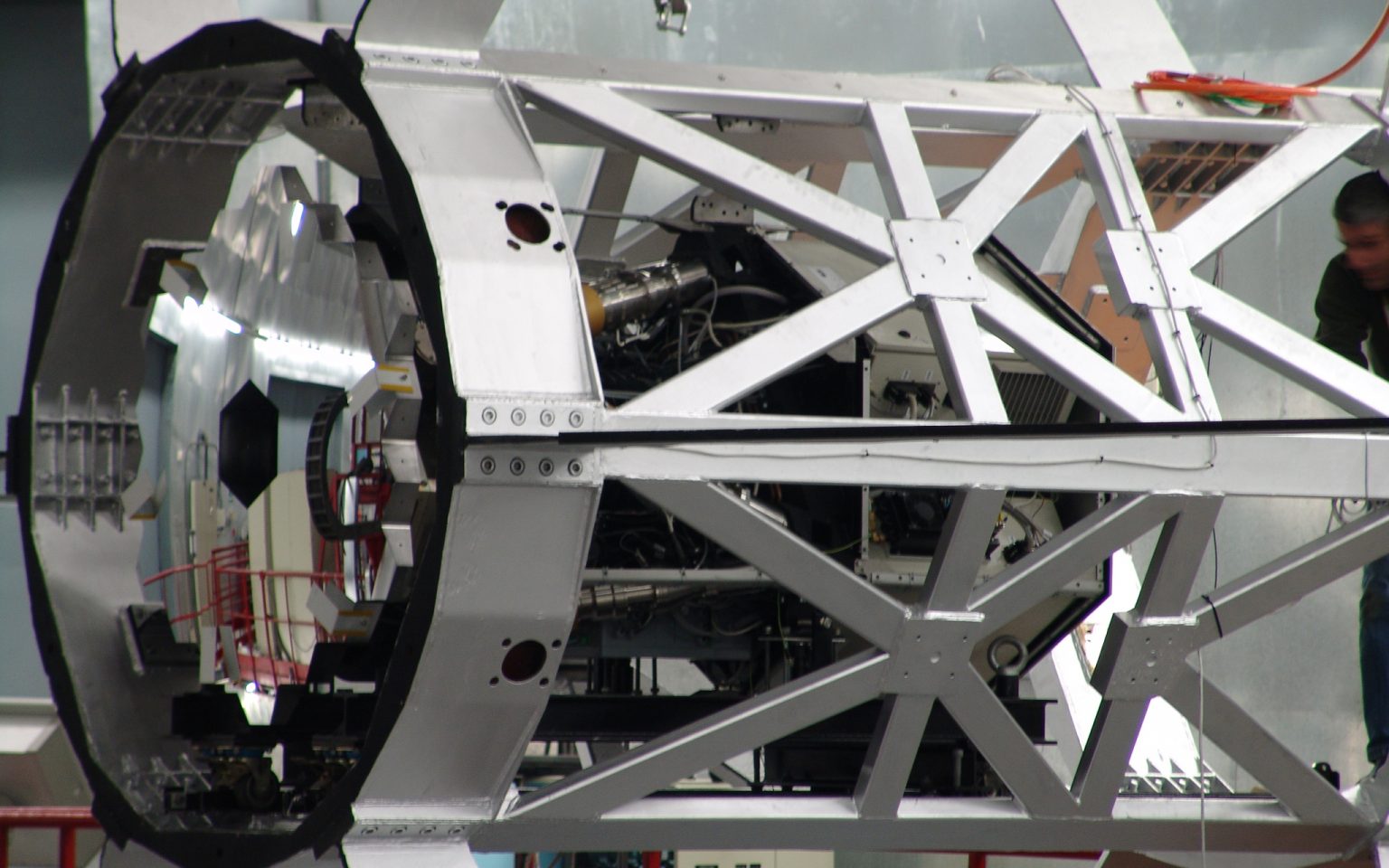
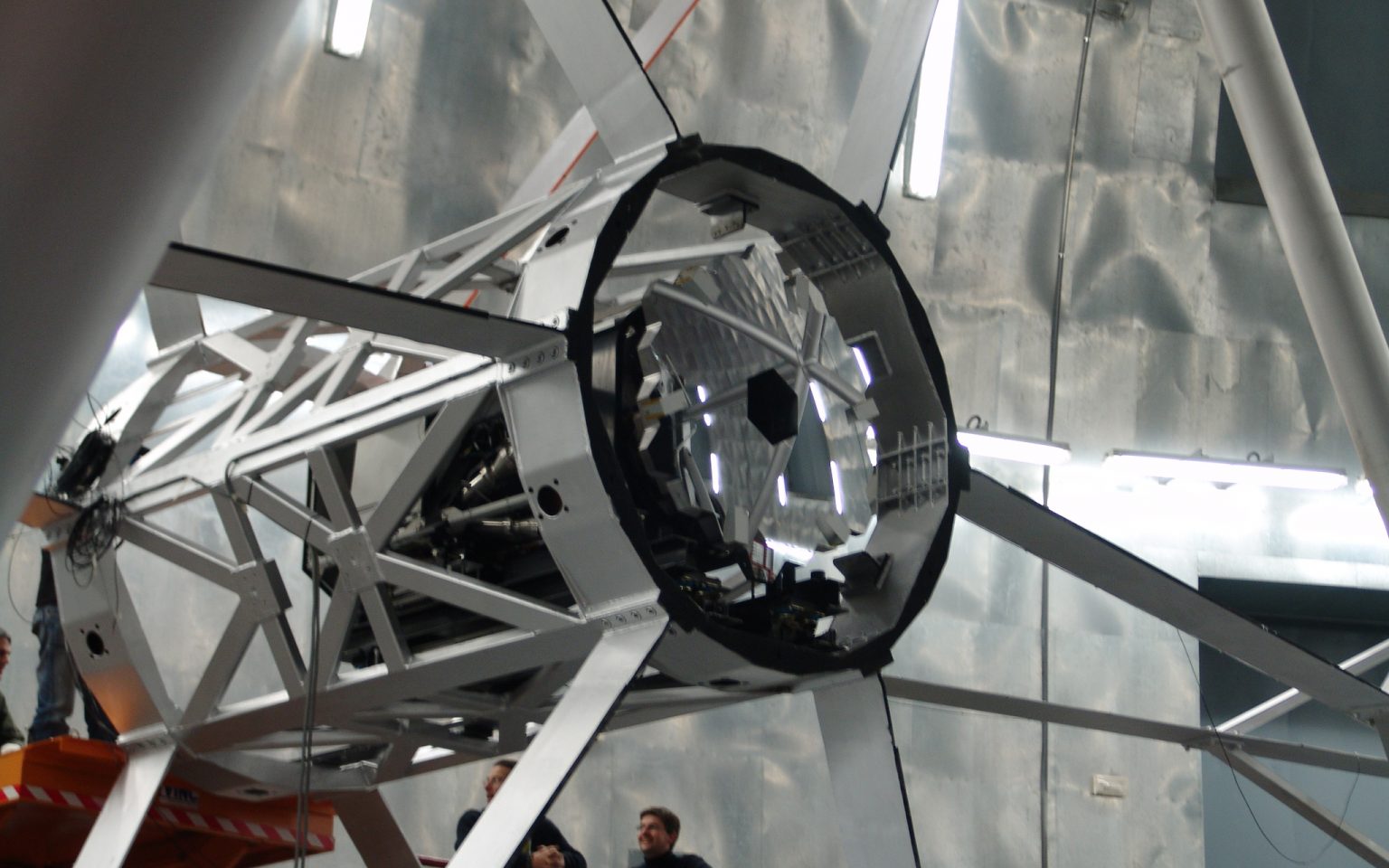
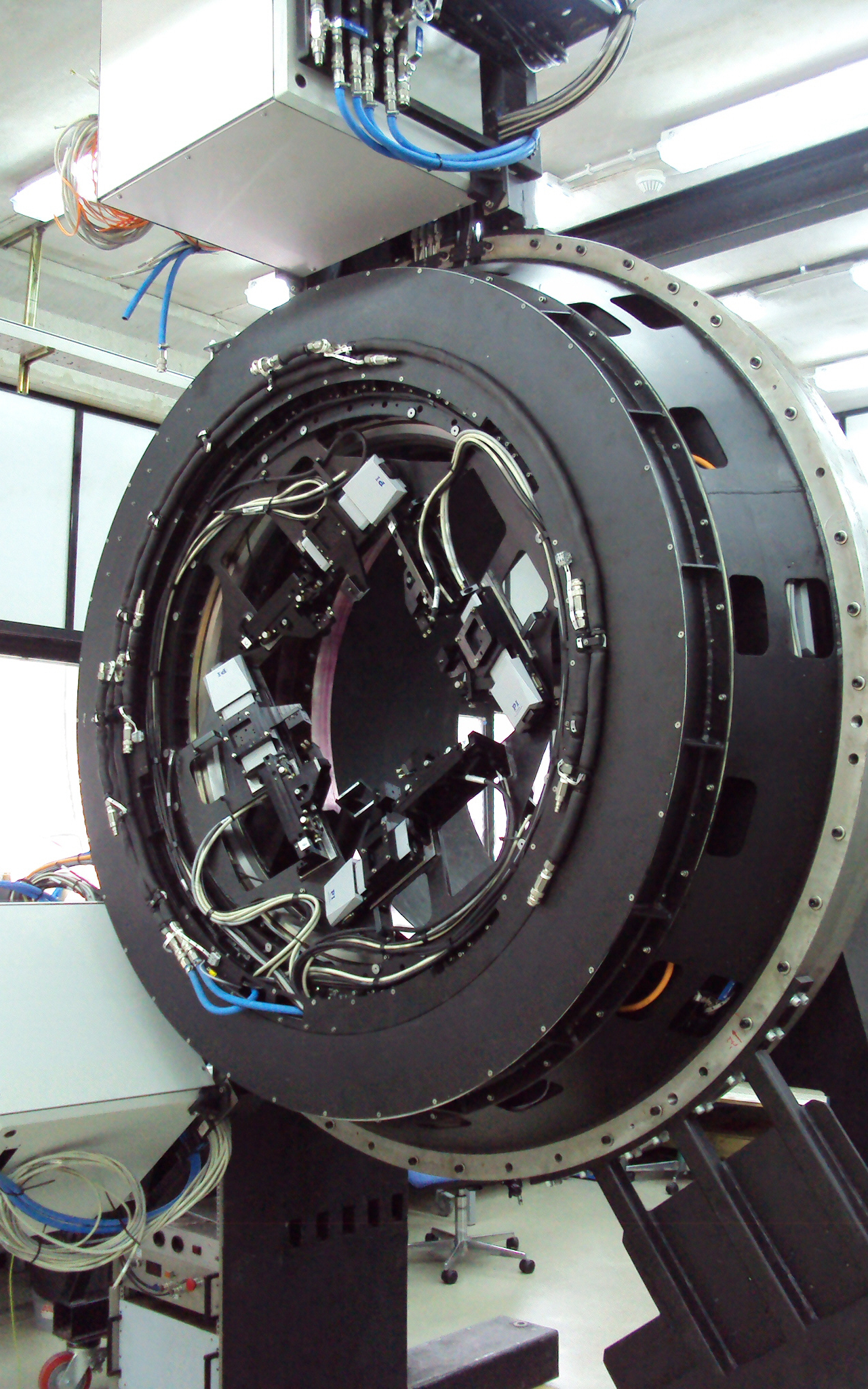
GRAAL (GRound layer Adaptive optics Assisted by Lasers) is the adaptive optics module for the Hawk-I NIR imager and is aimed at upgrading a VLT 8m telescope to an Adaptive Telescope, providing turbulence corrected images at the foci.
GRAAL (GRound layer Adaptive optics Assisted by Lasers) is the adaptive optics module for the Hawk-I NIR imager and is aimed at upgrading a VLT 8m telescope to an Adaptive Telescope, providing turbulence corrected images at the foci.
Contact us to find out how we can help you.