Sener recognised at the 2026 ScaleupsB2B Awards

Sener recognised at the 2026 ScaleupsB2B Awards

12/03/2026

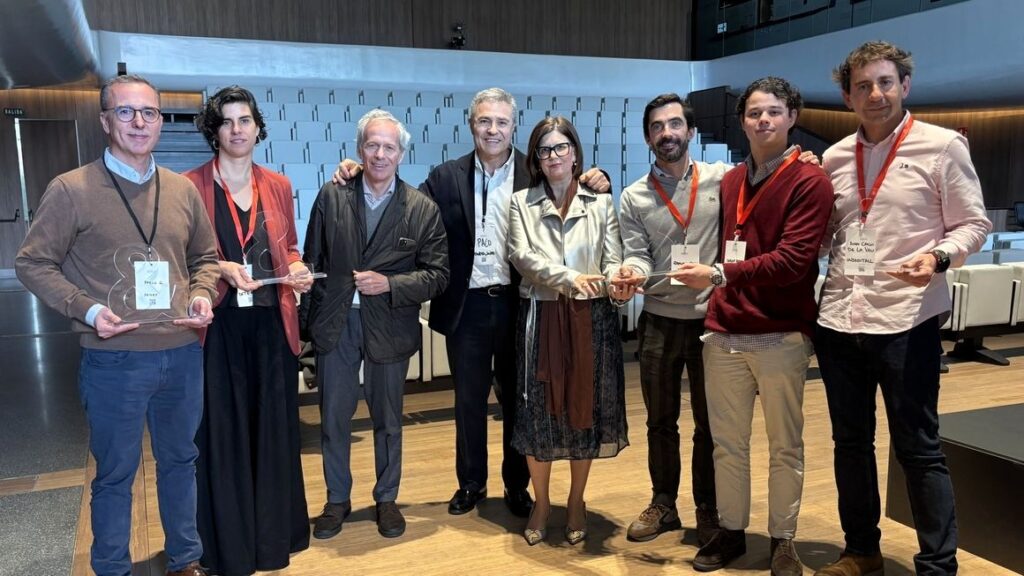
Sener, together with the technology company Detektia, has been recognised at the 2026 ScaleupsB2B Awards organised by the Empresa y Sociedad Foundation. These awards highlight the most outstanding collaborations between major corporations and innovative scaleups addressing real business challenges.

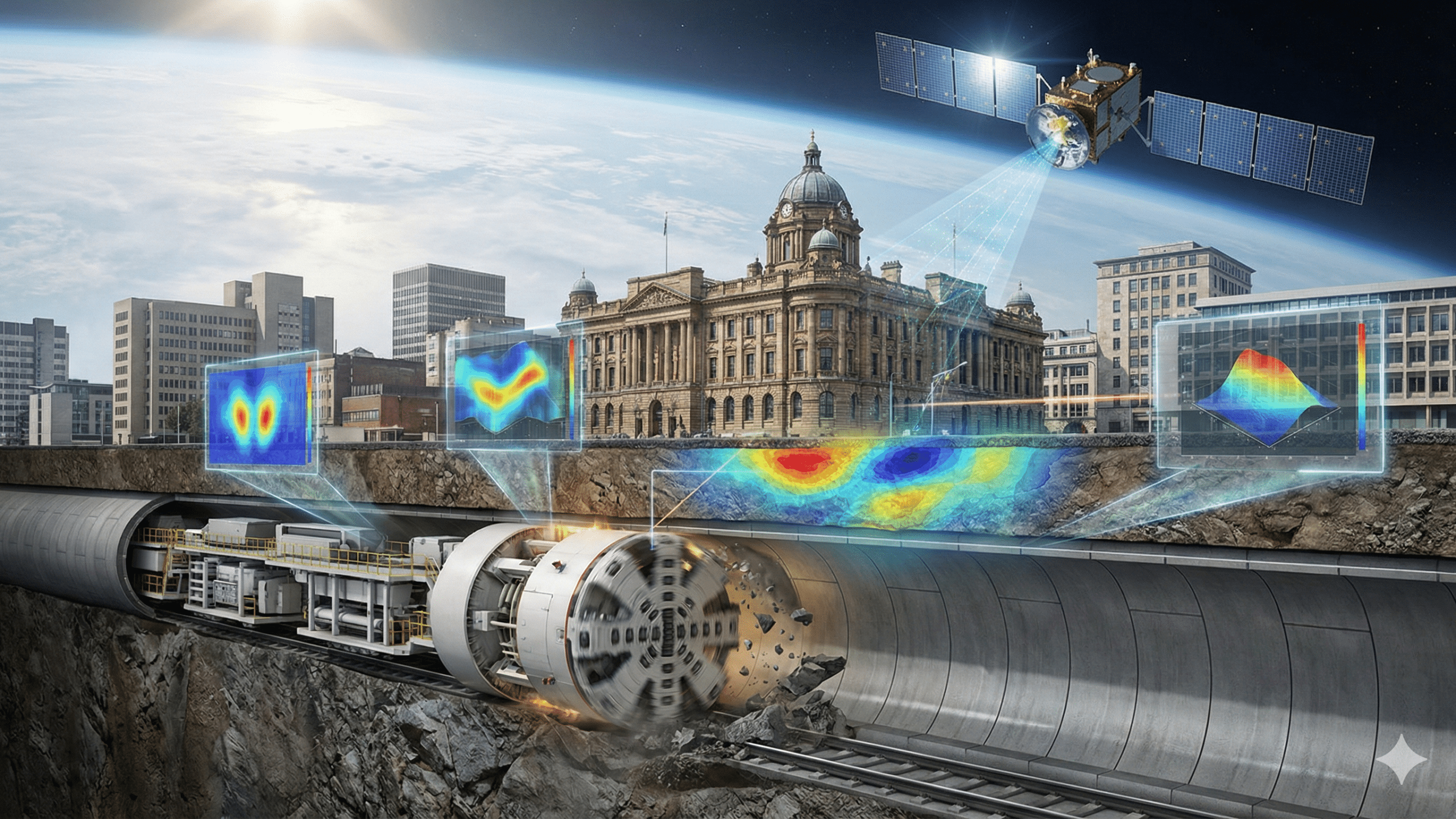
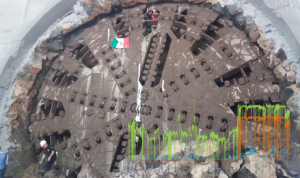
The jury acknowledged the joint project carried out by both organisations, which applied millimetric satellite monitoring to an urban tunnelling project in Guadalajara (Mexico). This approach made it possible to reconstruct nearly ten years of structural behaviour and compare it with real operating data from the tunnel boring machine using our Acrot system. The resulting analysis enabled the team to reduce risks to nearby infrastructure, correctly attribute potential incidents, improve decision‑making and lower operational costs.

This recognition reinforces Sener’s commitment to applied innovation and collaboration with the national technology ecosystem, with the aim of developing solutions that deliver tangible value for our clients.

Ciudad de México

Ciudad de México


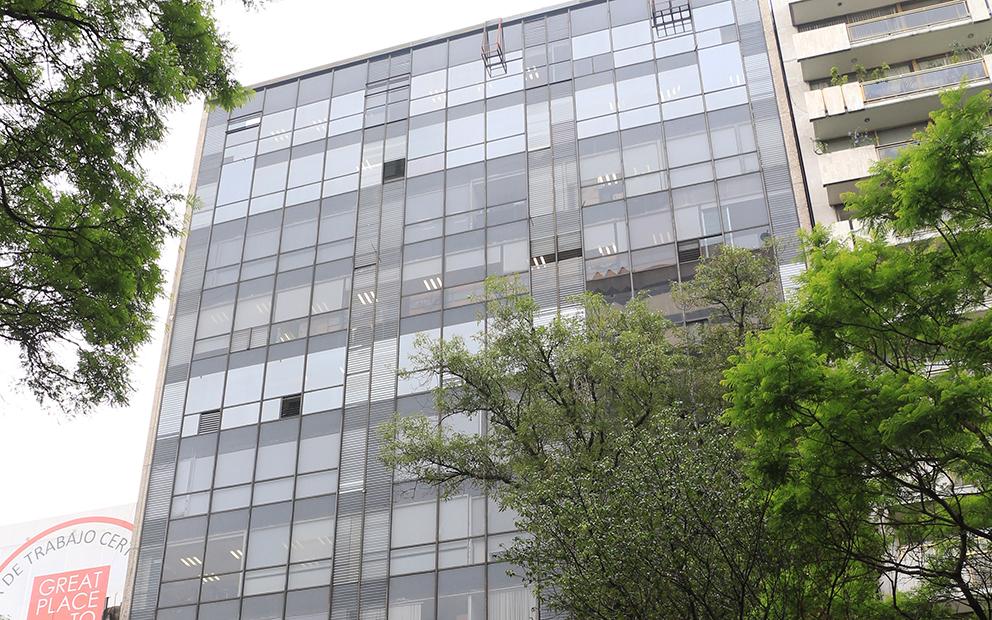
Direction: Juan Racine,112 10th floor 11510 Colonia Los Morales, Ciudad de México (Mexico)

Iberostar Hotels & Resorts deploys Sener’s artificial intelligence to reduce its energy footprint and improve customer experience

Iberostar Hotels & Resorts deploys Sener’s artificial intelligence to reduce its energy footprint and improve customer experience

02/04/2025

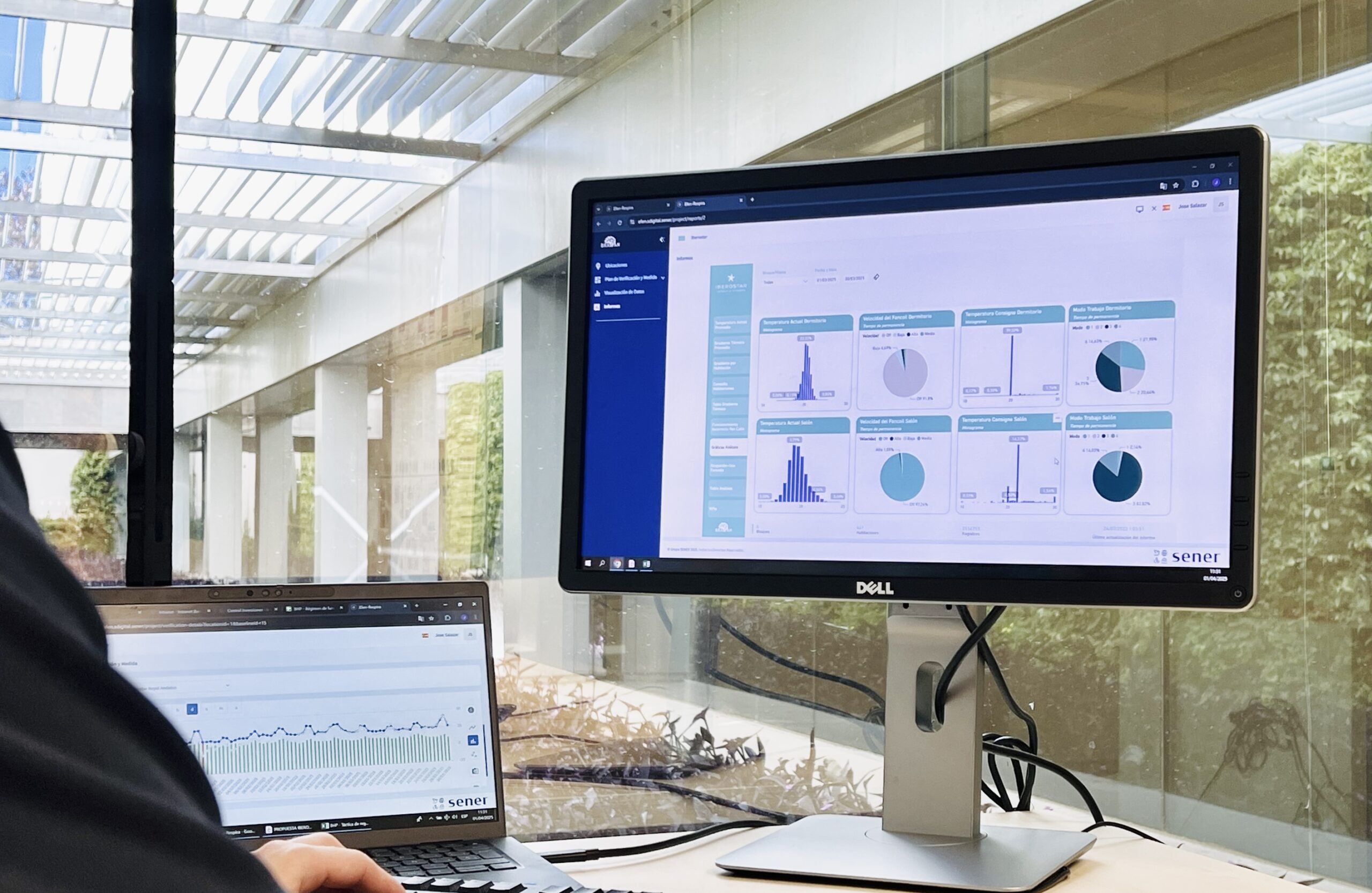
Iberostar and Sener have launched BRAIAN, a virtual operator based on artificial intelligence and designed to achieve a more efficient management of energy consumption in its hotels, ensuring the guests’ comfort. This solution is now available in the chain’s hotels in Spain and Mexico.

In line with its objective of achieving carbon neutrality in 2030, that is, 20 years before the industry’s target, Iberostar Hotels & Resorts has taken another step in its ambitious decarbonisation strategy and has joined the Sener engineering and technology group to create BRAIAN, a solution based on artificial intelligence that enables hotels to improve their energy performance by optimising the air-conditioning system, their main energy consumer.

BRAIAN (a play on the words brain and artificial intelligence) is geared towards the company’s commitment to climate action, a key focus area of the Iberostar Wave of Change movement, and it addresses two objectives: achieving energy savings of 35% and a reduction of 85% of scope 1 and 2 emissions by 2030, while ensuring an excellent experience for its guests.

Thanks to artificial intelligence, BRAIAN manages to predict more precisely the energy performance of hotels and optimise their operation by means of a system that anticipates needs for the purpose of better decision-making. As a result, the tool centralises and analyses energy data from different variables of the chain’s management systems, such as the hotel’s control system or BMS and the hotel’s occupation in a given period or PMS, and other external data, such as the weather forecast, in order to integrate them into a single platform.

For example, this system allows anticipating the flow of guests in a specific area and adjusting its air-conditioning beforehand, thus helping to save energy while ensuring a higher degree of thermal comfort. BRAIAN can also perform as a virtual operator working hand in hand with the hotels’ technical service professionals, simplifying their daily work.

The tool will be implemented in a maximum of five hotels in the chain in 2025, and it is currently available in Iberostar Waves Royal Andalus (Cadiz), Iberostar Waves Alcudia Park and Iberostar Selection Playa de Palma (Mallorca). It will also be operational shortly at Iberostar Selection Cancun (Mexico).

This operator is based on a solution previously developed by Sener, Respira®, which is designed to centralise and analyse energy data. Respira® has already been successfully deployed on infrastructure such as metros or airports, e.g. in the air conditioning systems of Manises airport, in Valencia, or the Barcelona Metro.

Álvaro Sánchez López, Global Director of Sustainability – Integration and Impact at Iberostar Hotels & Resorts, states that “this project represents our commitment to innovation, sustainability and providing our customers with an excellent experience. We have a solid roadmap for the decarbonisation of our operations, and BRAIAN contributes on this path. We highly value the support it offers to our maintenance staff”.

Meanwhile, Guillem Peris, director of the Respira® project at Sener, points out that “Iberostar has set an ambitious goal to reduce its emissions and move towards a more sustainable model, committing to technology and data in its achievement. We are glad that they have trusted in our AI capabilities for this endeavour. BRAIAN is the materialisation of Iberostar’s commitment to new technologies aimed at maximising efficiency in its hotels and, as a result, improving customer experience”.

BRAIAN won the Smart Buildings category of the 12th edition of the enerTIC Awards held in 2024. These awards are organised by enerTIC and recognise innovation and the improvement of energy competitiveness through digitisation.

Guadalajara Metro Line 3 (Mexico)

Transportation

Urban Transit

Depots & Workshops

Guadalajara Metro Line 3 (Mexico)

An integrated urban mobility project

Case of success
Watch

Sener stands out in the ‘Super Companies 2024’ ranking by Expansión and TOP Companies in Mexico

Sener stands out in the ‘Super Companies 2024’ ranking by Expansión and TOP Companies in Mexico

14/05/2024

Sener has reached position 63 in the Mexican ‘Super Companies 2024’ ranking in the category of companies with between 500 and 3,000 employees, having entered this category for the first time due to its growth in personnel compared to previous editions. This ranking, compiled by the economics and business publication Expansión and TOP Companies, aims to highlight the work of companies operating in Mexico that have the best and most innovative practices for talent management and the promotion of a positive work environment.

Expansión, since its foundation in 1969, is one of the most prestigious and relevant economic information media in Mexico, with more than 8 million unique monthly users and a print run of 54,000 copies. Throughout the 17 editions of the ‘Super Companies’ ranking, it has evaluated more than 7,000 companies, surveying more than 10 million professionals.

To compile the ranking, its promoters survey hundreds of professionals to determine the most attractive companies to work for. In this survey, various factors related to culture and work climate are analysed, such as growth opportunities, organisational motivation, honesty, social responsibility, training plans and compensation, among others.

In Mexico, Sener has about 600 professionals and has recently participated in projects such as the planning of the Chalco-Santa Marta trolleybus system (the first electric trolleybus corridor that will connect Mexico City and the State of Mexico), in the supervision of the Maya Train, the Toluca Mexico Train, the modernisation of the L1 of the CDMX Metro, in the detailed engineering of the CC Manzanillo III, in the design and construction of compression stations or in the Guadalajara Metro, among others.

More information: https://topcompaniesmexico.com/wp-content/uploads/2024/05/Ranking-Super-Empresas-2024.pdf

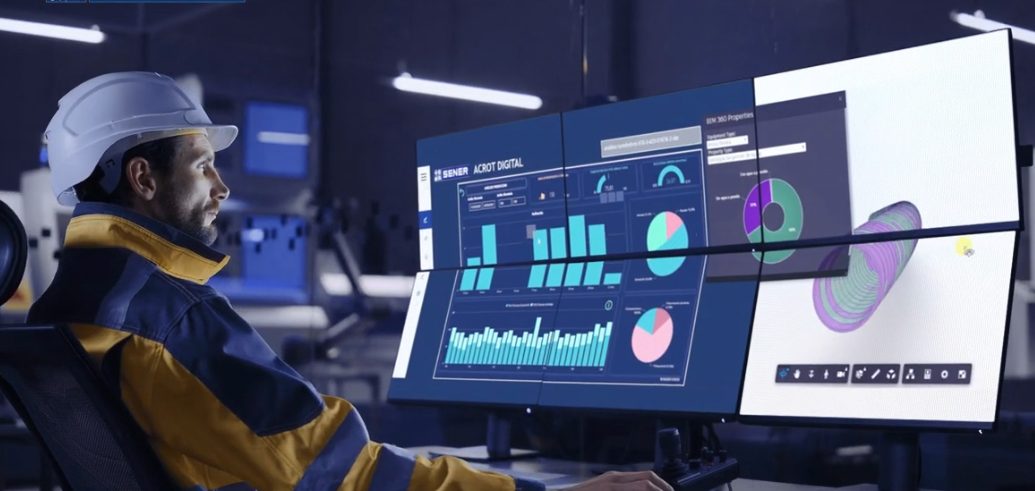
ACROT: TBM Risk Control and Operation Assessment

Digital

Digital Solutions

ACROT: TBM Risk Control and Operation Assessment

Risk reduction and optimization of TBMs

Case of success

Winner at the Architecture, Construction & Design Awards 2020 for our work on the Guadalajara Metro Line 3 and the Toluca-Mexico City train

Winner at the Architecture, Construction & Design Awards 2020 for our work on the Guadalajara Metro Line 3 and the Toluca-Mexico City train

28/10/2020

Sener won first place in the Architecture, Construction & Design Awards 2020 in the «Transportation (Built)» category for its work on the elevated stations of Line 3 of the Guadalajara metro (Mexico). Sener, together with Ten Architects, also received the third-place award in the same category of «Transportation (Built)» for the stations of the Toluca-Mexico City intercity train. Sener was heavily involved in both projects: in the new line 3 of the Guadalajara metro, it led the entire project, from the pre-feasibility study to its detailed design and project management throughout the building phase. In the Toluca-Mexico City intercity train, Sener was responsible for drafting the construction project and is currently working as a technical adviser for the SCT.

Sener has received two prizes in the Transport (Built) category of the Architecture, Construction & Design Awards 2020, organized by Re-Thiking the Future: the first prize for its comprehensive work on the elevated stations of the Guadalajara metro line 3 in Mexico, and the third prize for the stations of the Toluca-Mexico City interurban train line.

After receiving these awards, Sener’s Architecture Manager for both projects, Jorge Tejeda, said: «We are proud to have contributed to the implementation of two of Mexico’s most important projects in recent years: on the one hand, the Guadalajara metro line 3, one of the most modern in the world and the first in Latin America. And on the other, the Toluca-Mexico City intercity train, an example of integrating a railway line into the environment. With these projects, SENER has become the leading engineering company in transportation infrastructure projects in Mexico.»

First prize: Sener’s work on the elevated stations of the Guadalajara metro

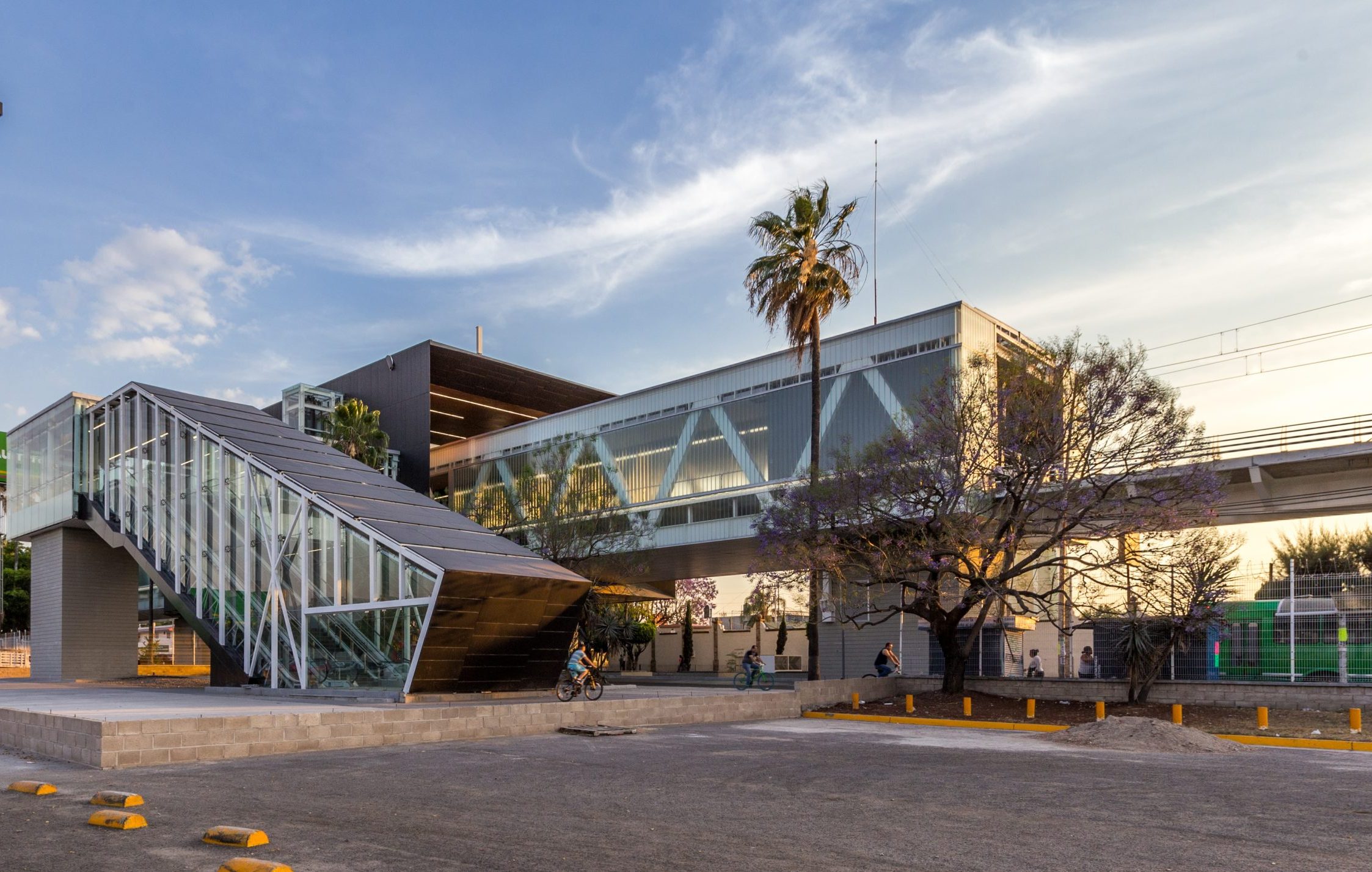
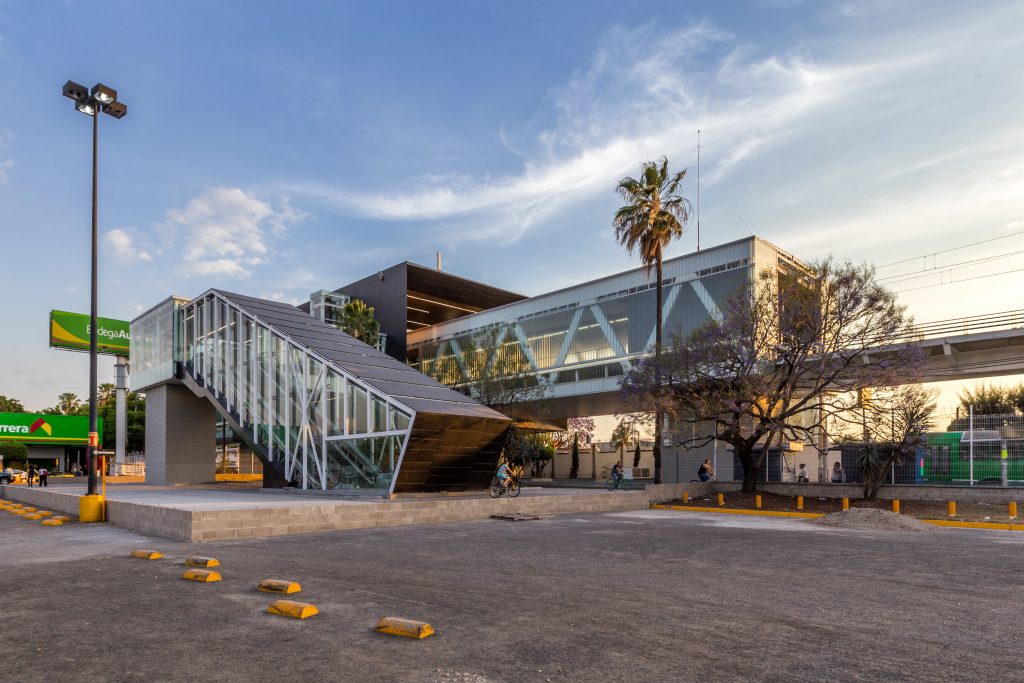
Architecture, Construction & Design Awards 2020 recognized Sener for its comprehensive work on the elevated stations. For both these stations and the ones underground, Sener was responsible for the comprehensive design, from their layout, architecture and implementation, to their structure and electromechanical installations.

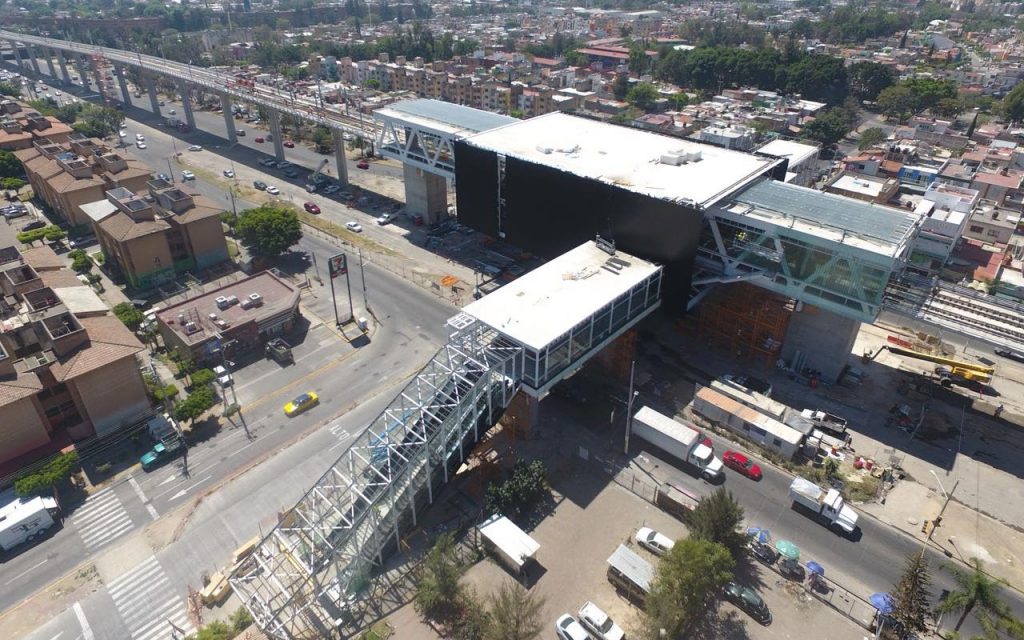
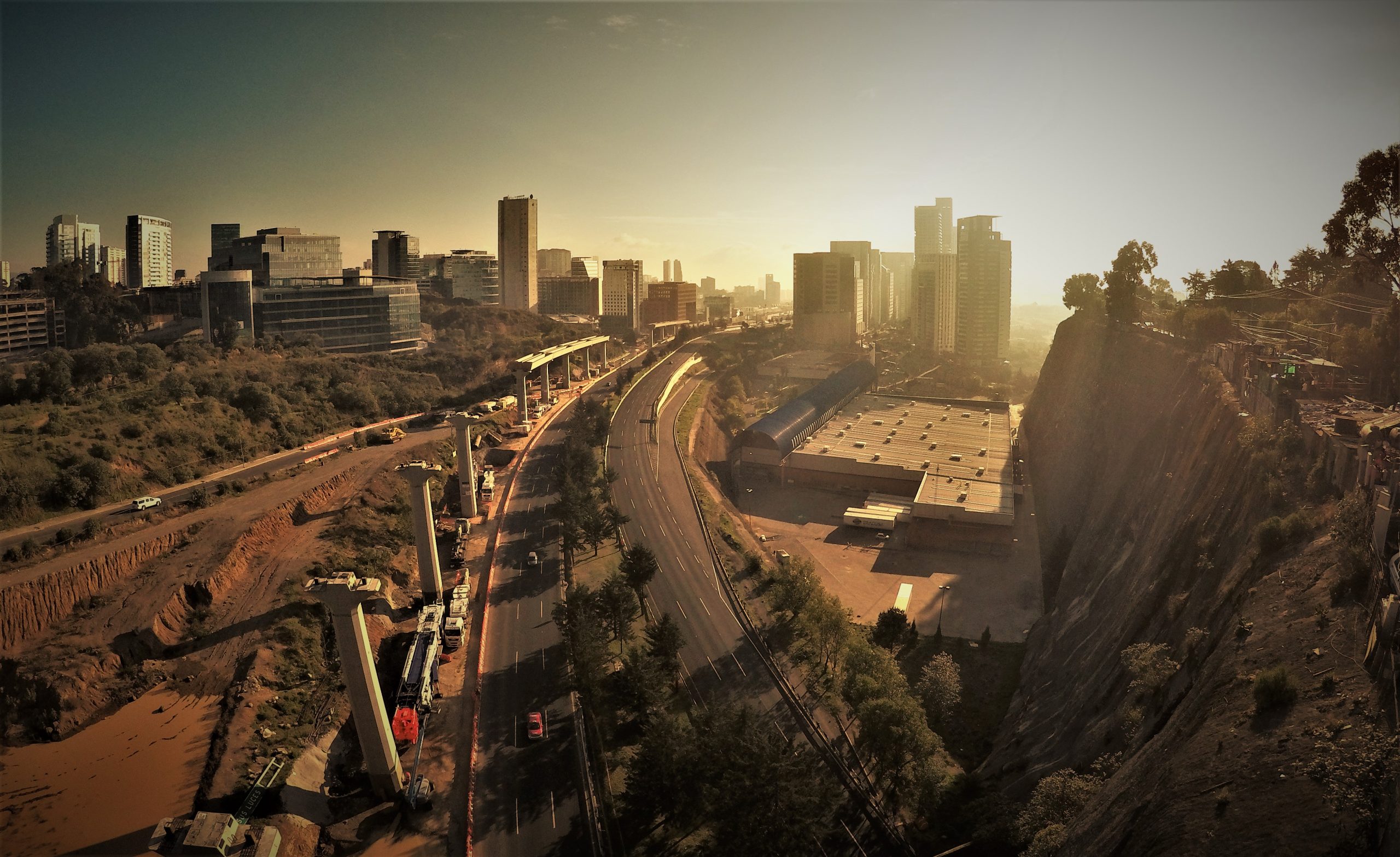
Sener sought volumetric simplicity in the design of the elevated stations through three structural elements: a main space consisting of a glazed box containing the platforms and trains; a second space in the form of a suspended black box containing the lobby; and two large concrete columns, one at each end of the main space, that house the duts in the transition between the viaduct and the technical premises, reducing the number of visible duts to almost zero. This meticulous architectural design combines structural beauty with operational efficiency.

Specifically, in awarding the prize, the organization noted that «The project consists of 13 elevated stations that meet all the functional requirements of a railway installation; designed with the aim of optimizing its integration into the urban environment, minimizing the impact on the infrastructure of a city with low-rise buildings and generating new public spaces.»

Sener’s work on the elevated stations involved the preliminary and construction phases, in which Sener was also responsible for the design of the underground stations, the structural design of tunnels (using a tunnel boring machine), structural design of the above-ground track, urban integration of the line, track design, electrification of railway installations, controls and communications, mobile equipment, railway operation model, financial model, design of train depots and workshops, and the design of transport hubs.

The Guadalajara Metro Line 3, opened on September 12, connects the municipalities of Zapopan, Guadalajara and Tlaquepaque. It has 18 stations, 5 of which are underground and 13 elevated, with a total route length of 22 km, of which 15 km is above ground, 2 km on the surface and 5 km underground.

Sener contributed significantly to every phase of this project, with nearly 650,000 engineering hours. Sener’s involvement began on August 15, 2012 with the award of the contract for the «pre-investment studies, related to the technical, economic, financial, legal and environmental feasibility analysis, cost-benefit analysis, preliminary design and executive project»; in October 2014, the company received a new contract for the «specialized technical consultancy (Project Management) for the construction project»; finally, in 2019 it signed the contract for the «certification and commissioning».

Third-place prize for Sener for the stations of the Toluca-Mexico City line

Architecture, Construction & Design Awards 2020 presented the third-place award to Sener, together with Ten Architects, in the «Transportation (Built)» category for the stations of the Toluca-Mexico City intercity train. The new network has six ground stations: Zinacantepec, Terminal de Autobuses, Metepec, Lerma, Santa Fe and Observatorio.

The stations were designed with the same structural system of the viaduct, as a continuation of it (columns and supported viaduct), which served to naturally integrate the structure, a feat that was awarded the third-place prize in the «Transportation (Built)» category of the Architecture, Construction & Design Awards 2020.

Sener’s work on the intercity train went beyond the stations: it included the definition of the operational model, the technological solution and the network operation simulations, as well as all the studies required to define the construction of the line: cartography and topography tasks; route studies; viaduct and tunnel calculation; geotechnical, hydrological and drainage studies; architectural and structural plans and the definition of station systems, as well as workshops and depots; environmental mitigation and urban planning studies; and studies of interfaces, RAMS (Reliability, Availability, Maintainability, and Safety) and railway and electromechanical facilities. Furthermore, as technical adviser to the Mexican Ministry of Communications and Transportation SCT, SENER carried out all the adaptations, updates and modifications necessary to the executive plan during the construction phase.

The Mexico-Toluca intercity train line is 57.8 km long, of which almost 50 km is above ground, with different types of solutions, each adapted to the route. This made it possible to cross the Sierra de las Cruces protected area while ensuring the preservation of the environment. Sener planned a 4.7-km bitube tunnel, connected with transversal galleries every 240 meters. This train will serve more than 300,000 passengers each day, although demand growth is expected to reach 500,000 daily users in 2047, who would make the journey in approximately 40 minutes. This is a highly viable alternative to the trip by road, which takes an average of 55 minutes by car and two and a half hours by bus.

Sener has an office in Mexico since 2006, staffed by a multidisciplinary team of nearly 350 Mexican professionals, Sener in Mexico develops engineering and technology projects in the infrastructure field with references such as: the Toluca-Mexico City passenger train, Guadalajara metro line 3, the Maya train, and the Monterrey suburban rail, as well as several projects in intelligent road transport systems throughout the country, for customers such as SCT, BANOBRAS and CAPUFE. Its portfolio of projects in the Energy sector is also outstanding, with the Agua Prieta II combined cycle plant, the La Cangrejera petrochemical plant, and the diesel hydrodesulphurizers at the Tula and Salamanca refineries, for PEMEX, the Empalme I combined cycle plant, and the compression stations in Frontera and Los Ramones for Gasoductos del Noreste.


Maya Train

Maya Train

Sener Transportation / Rail Mainline / Intercity & Commuter Rail / Mexico
Client: FONATUR
Country: Mexico

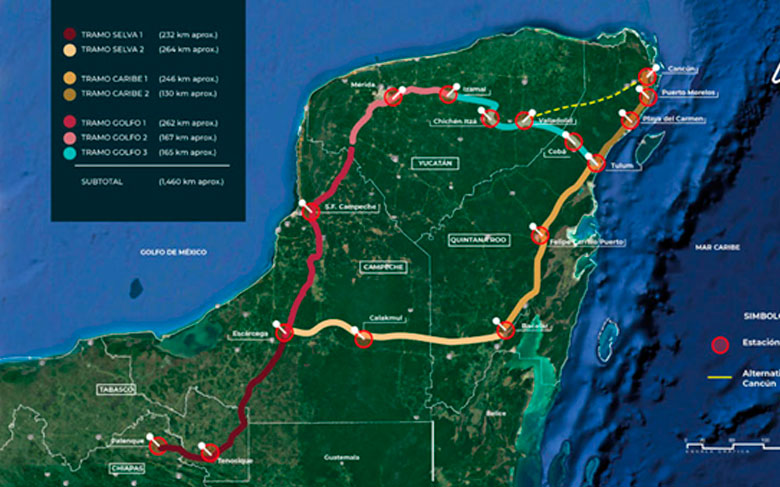
Sener provides the basic engineering services for the Maya Train, which will include freight and passenger rail service over a length of 1,460 km and 28 stations at an approximate speed of 160 km/hr. It will connect the main cities and tourist areas of the south-southeast region of Mexico, linking five of the states with the greatest tourism potential within the Mexican Republic, thus promoting the socio-economic development of the country through the tourism sector.

Sener provides the basic engineering services for the Maya Train, which will include freight and passenger rail service over a length of 1,460 km and 28 stations at an approximate speed of 160 km/hr. It will connect the main cities and tourist areas of the south-southeast region of Mexico, linking five of the states with the greatest tourism potential within the Mexican Republic, thus promoting the socio-economic development of the country through the tourism sector.

Read less

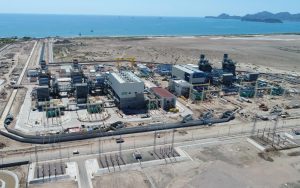
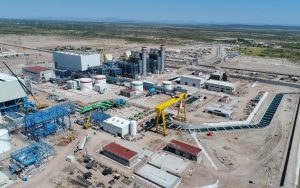
Empalme I Combined Cycle Plant (Sonora, Mexico)

Empalme I Combined Cycle Plant (Sonora, Mexico)

1 5
Sener Energy / Thermal Generation / CCGT – Combined Cycle Gas Turbines / Mexico
Empalme I Combined Cycle Plant (Sonora, Mexico)
Client: Comisión Federal de Electricidad de México
Country: Mexico

Empalme I Combined Cycle Plant, Empale, Sonora, Mexico.

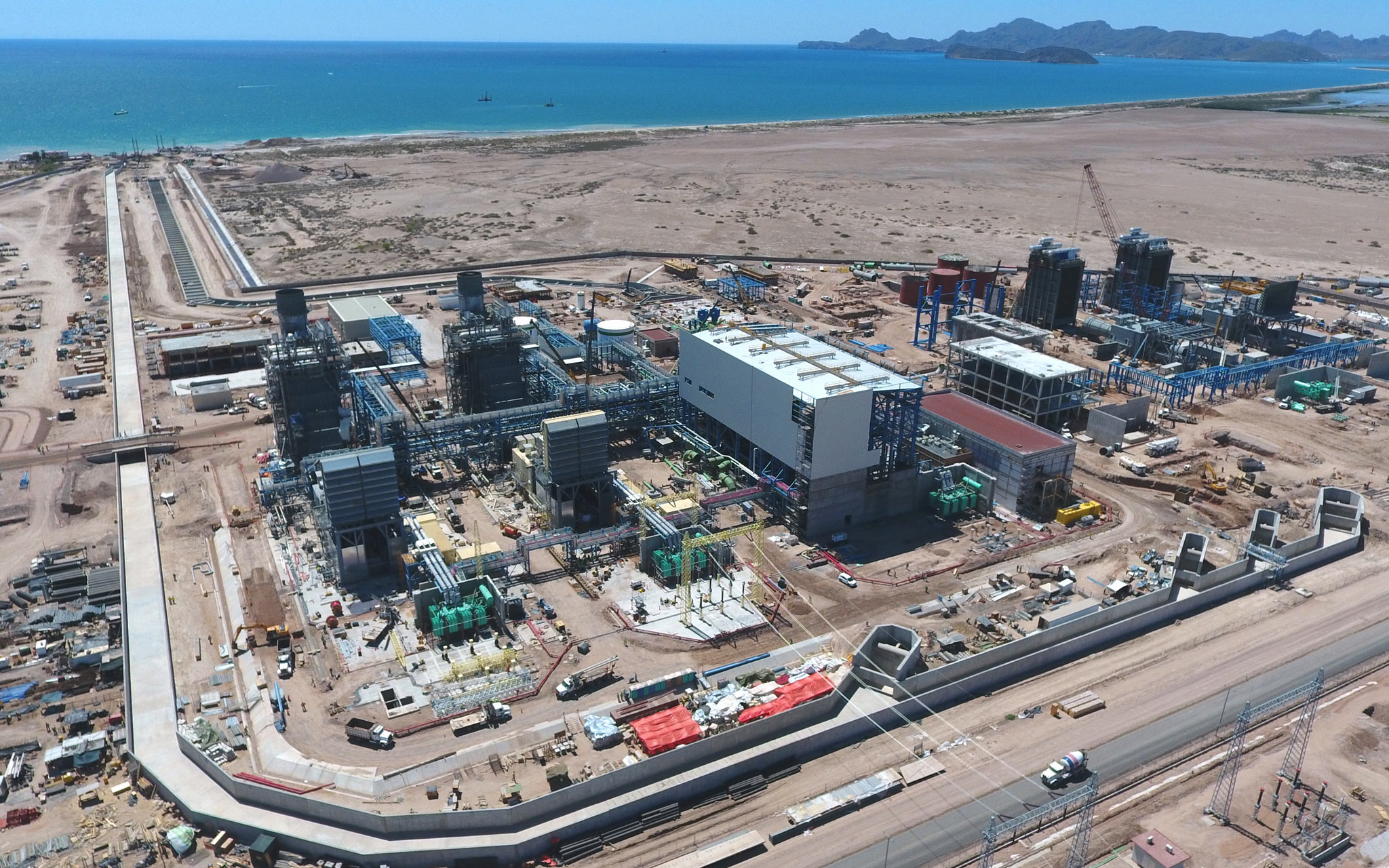
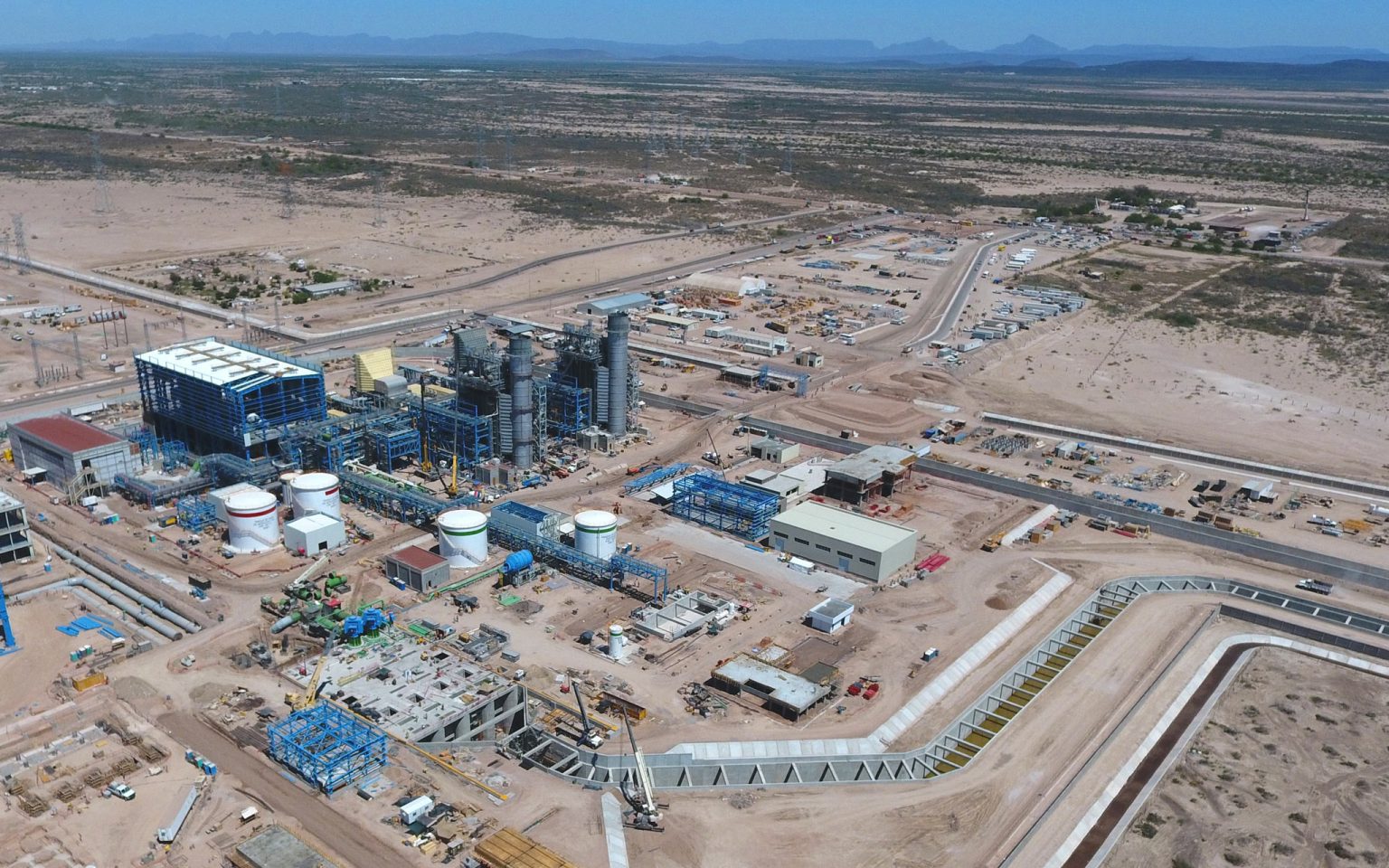
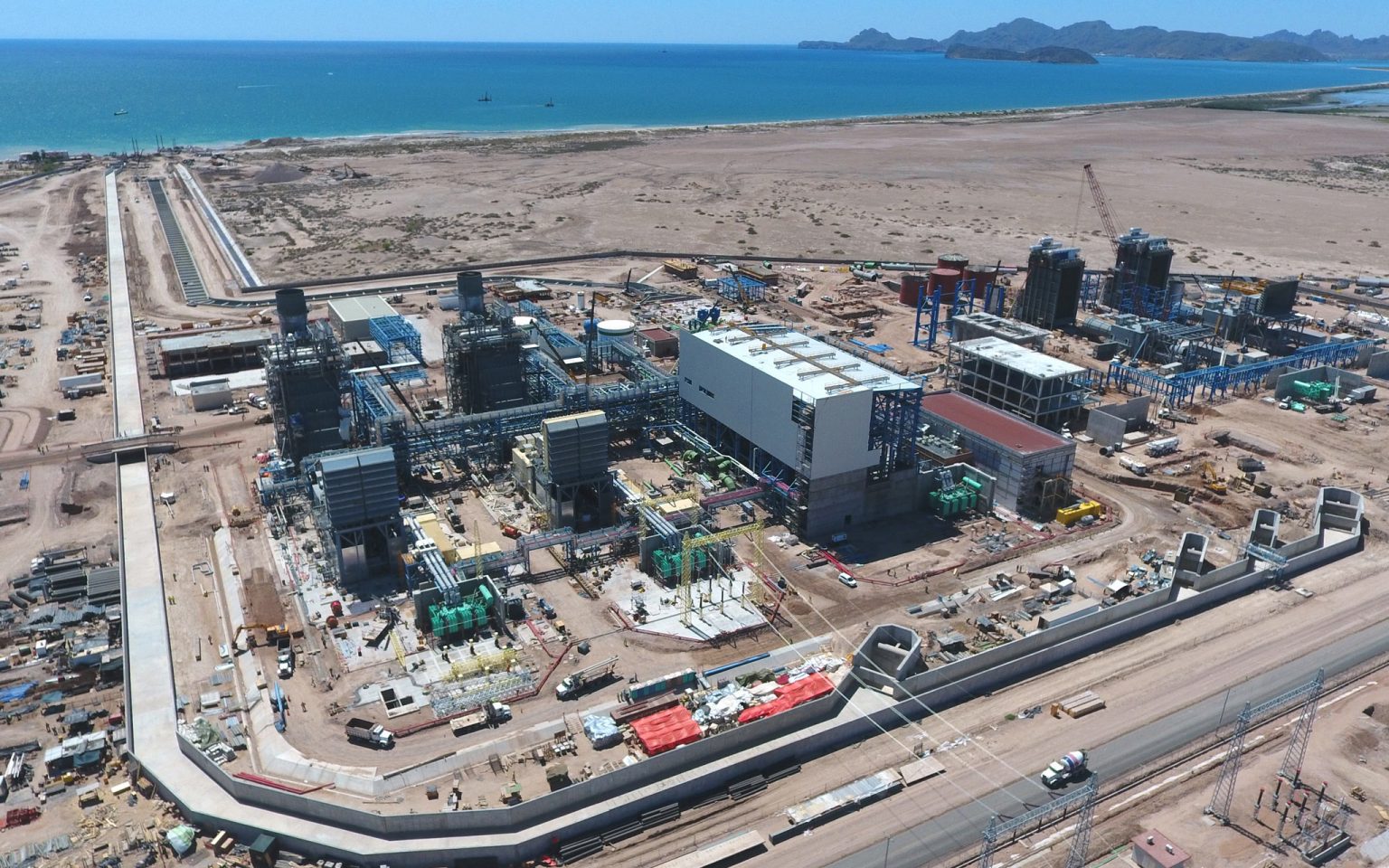
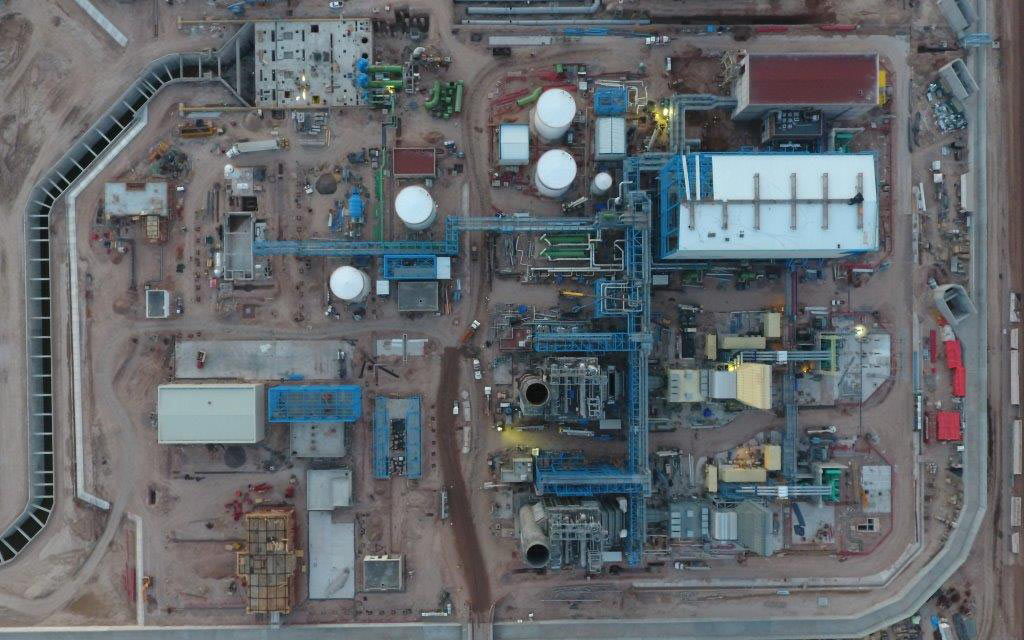
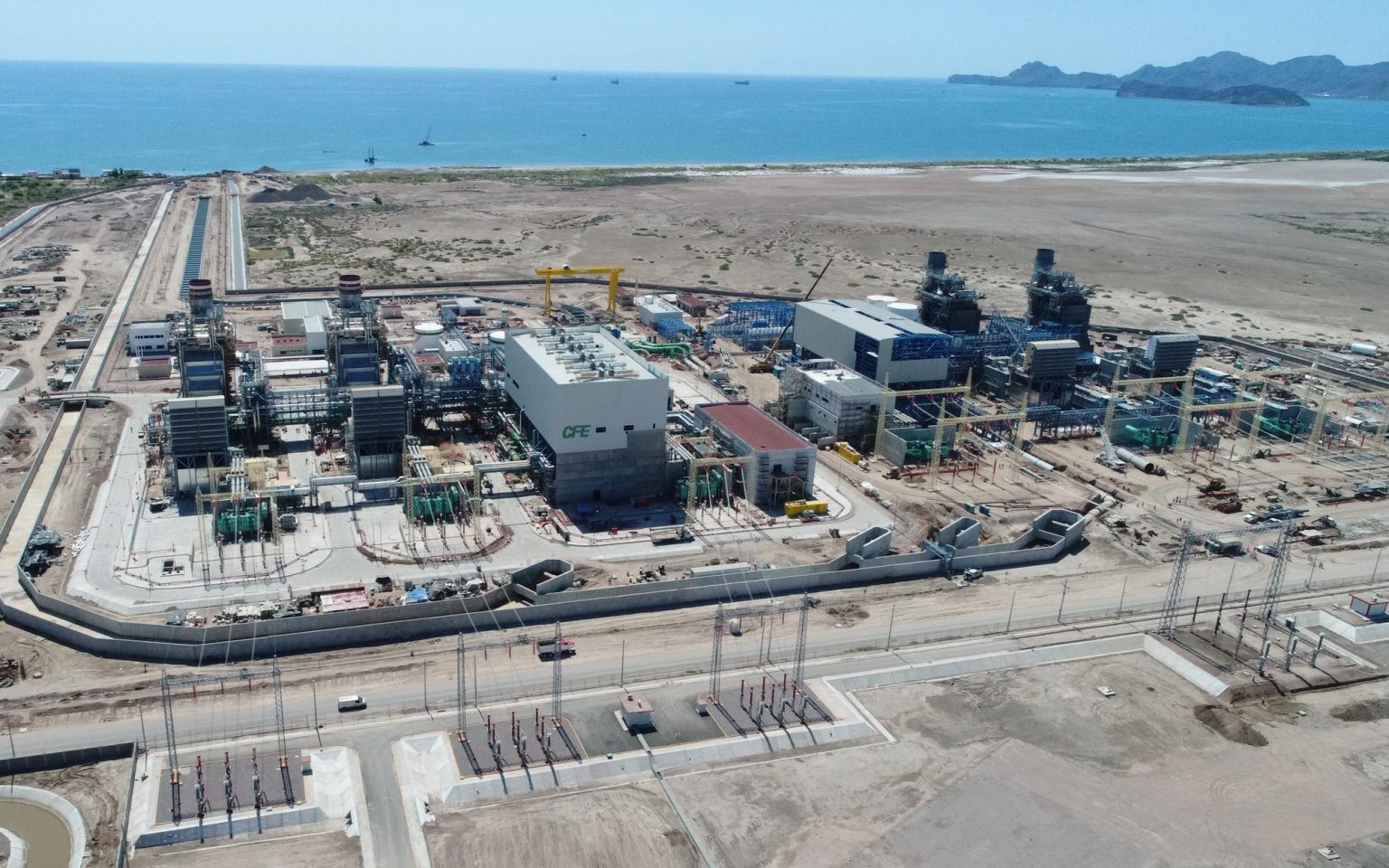
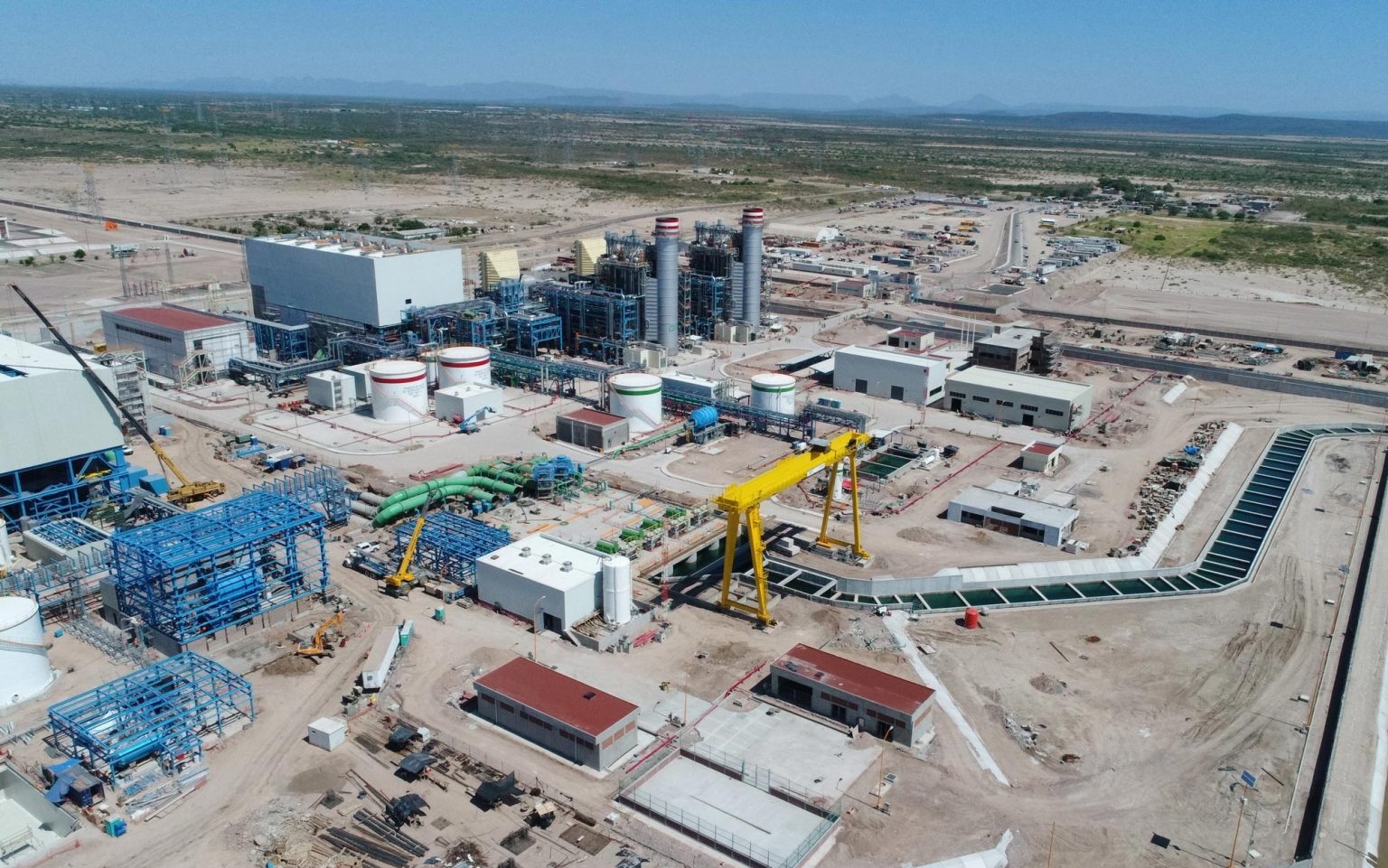
The Empalme ICombined-Cycle Power Plant Project consists in building, within 31 months, a  plantwith a capacity of 770 MW under the EPC or turnkey modality, which includes performing the Basic and Detail Engineering, Supply and Procurement of all equipment and materials, Construction, and the Testing and Commissioning of the power plant.

  • The Power Plant includes the Gas turbine”s (Joule or Bryton) and the Steam turbine”s (Rankine) thermodynamic cycles,
Read more

Empalme I Combined Cycle Plant, Empale, Sonora, Mexico.

The Empalme ICombined-Cycle Power Plant Project consists in building, within 31 months, a  plantwith a capacity of 770 MW under the EPC or turnkey modality, which includes performing the Basic and Detail Engineering, Supply and Procurement of all equipment and materials, Construction, and the Testing and Commissioning of the power plant.

  • The Power Plant includes the Gas turbine”s (Joule or Bryton) and the Steam turbine”s (Rankine) thermodynamic cycles, and its main equipment consists of two Gas Turbines, two Heat Exchangers linked to the gas turbines, a Steam Turbine, a Steam Condenser, Condensate Pumps and a high-pressure supply.
  • Steam condensation is achieved by refrigeration with seawater, using a main refrigeration circuit (water circulation system) that includes a submerged and underground marine inlet at 1,204 metres below sea level; a water inlet channel; a pumping sump with filtering systems and operating gates; water circulating pumps; underground piping; a discharge channel; and an underwater outfall with a length of 1,012 metres in order to return the water. The marine works performed to lay the intake and discharge pipes buried under the seabed is, due to its magnificence, one of a kind. The pipes are made of coated carbon steel with a diameter of 3 metres.
  • The process water used in the steam cycle is obtained by evaporation -compressing seawater, which produces distilled water- and subsequently applying a demineralisation treatment. The Plant has auxiliary systems for electrochlorination, generating compressed air for service and instrumentation, water treatment and fire protection and detection.
  • The site preparation required 188,406 m3 of compacted fill, and the Civil Works included 678 piles, 80,000 m3 of concrete and 2,900 tons of metal structure. The Marine Work involved 355,900 m3 of dredging and the laying of more than 3,000 m of carbon steel pipes with a diameter of 3 m.
  • The Electro-Mechanical Works included the assembly of over 10,000 t of equipment, the laying of 160,000 inches diameter of piping and 748,000 m of cable, and the installation of 2,400 instruments.
  • Sener is carrying out this Project as a joint venture with a 50% participation.
Read less

Depot and Workshops for the line 3 of the Guadalajara metro (Mexico)

Depot and Workshops for the line 3 of the Guadalajara metro (Mexico)

Metro de Guadalajara (México)
1 3
Sener Transportation / Urban Transit / Depots & Workshops / Mexico
Depot and Workshops for the line 3 of the Guadalajara metro (Mexico)
Client: Ministry of Communications and Transportation (SCT)
Country: Mexico

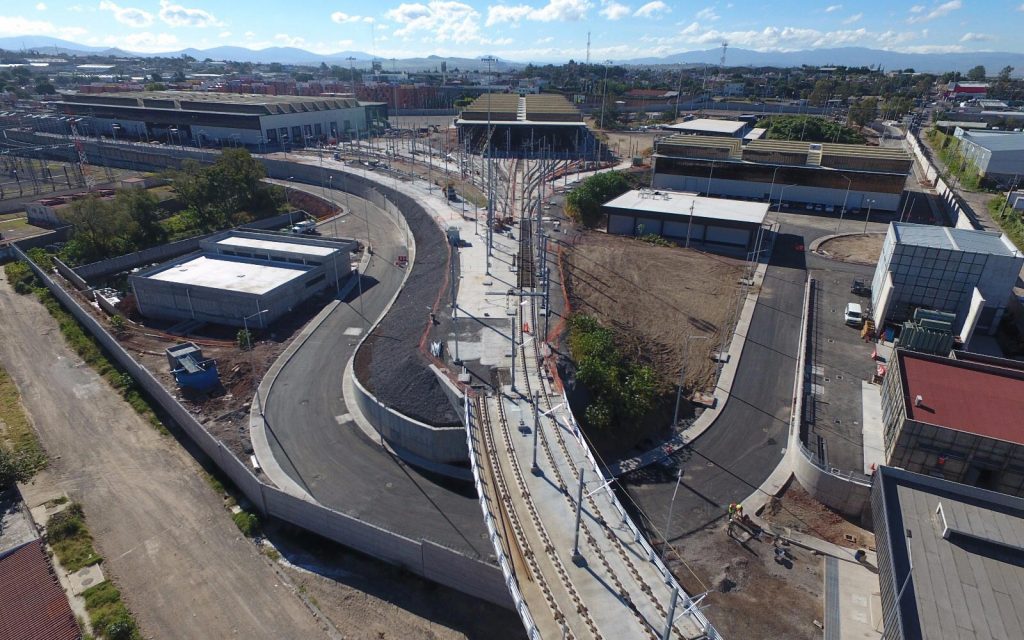
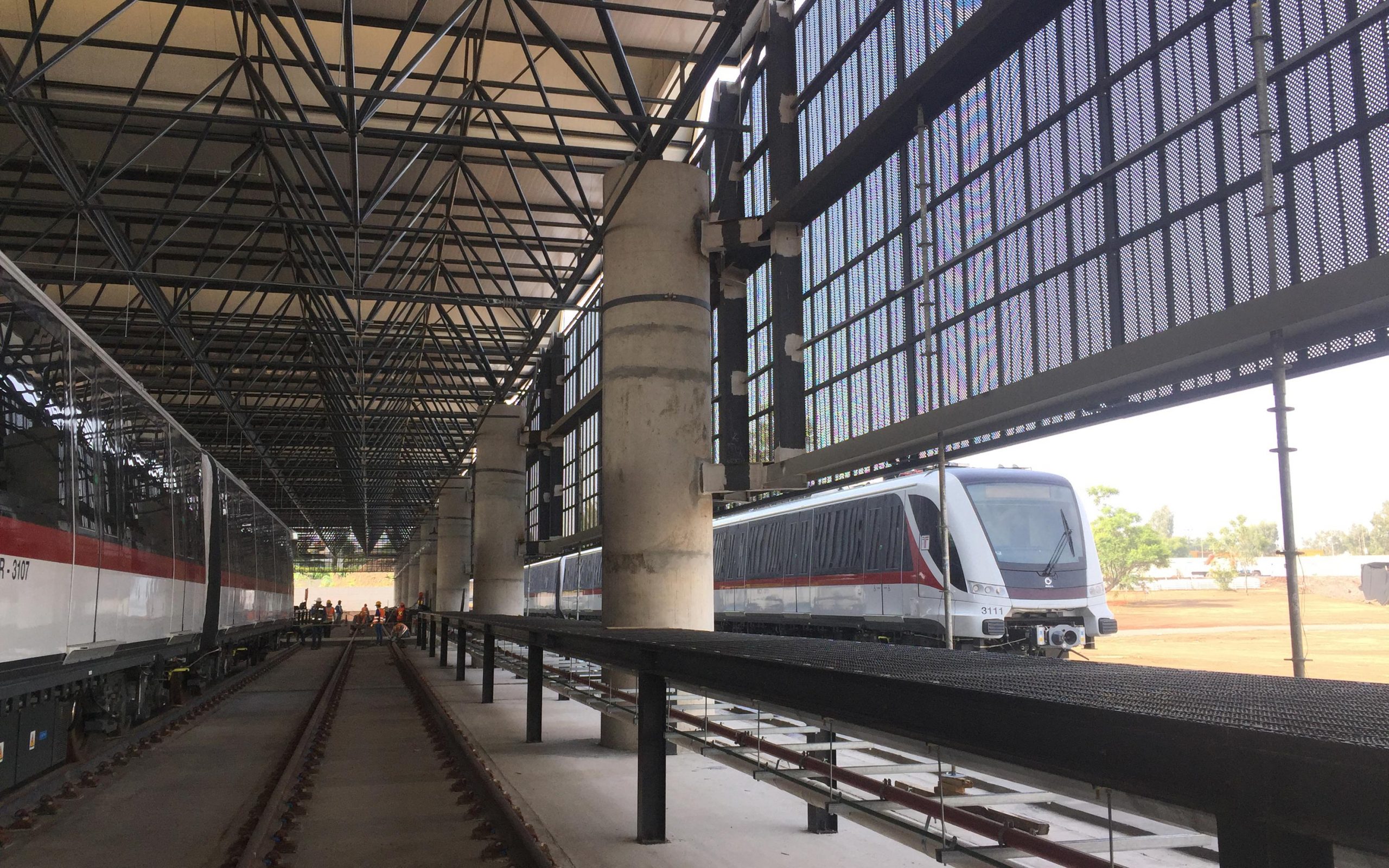
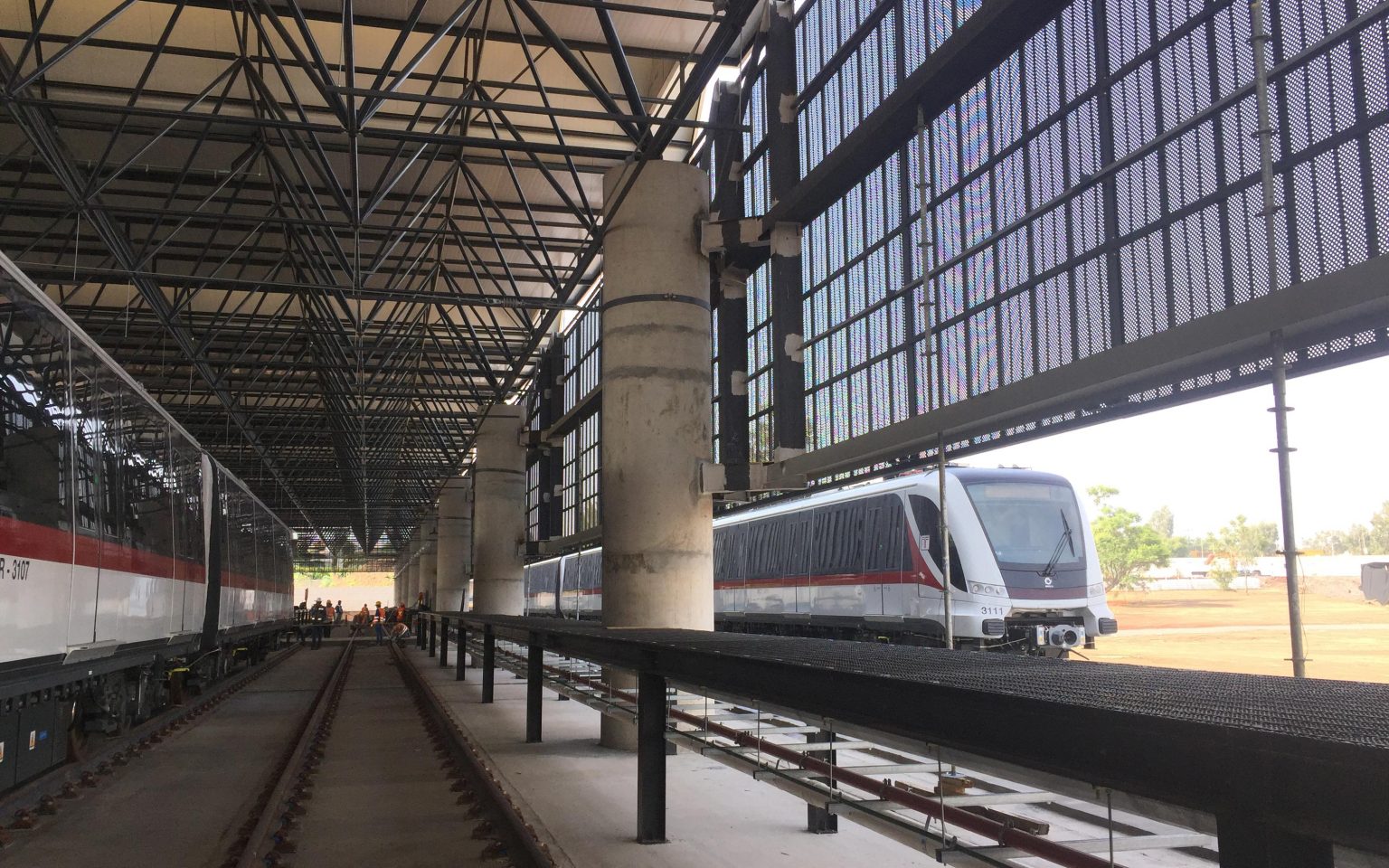
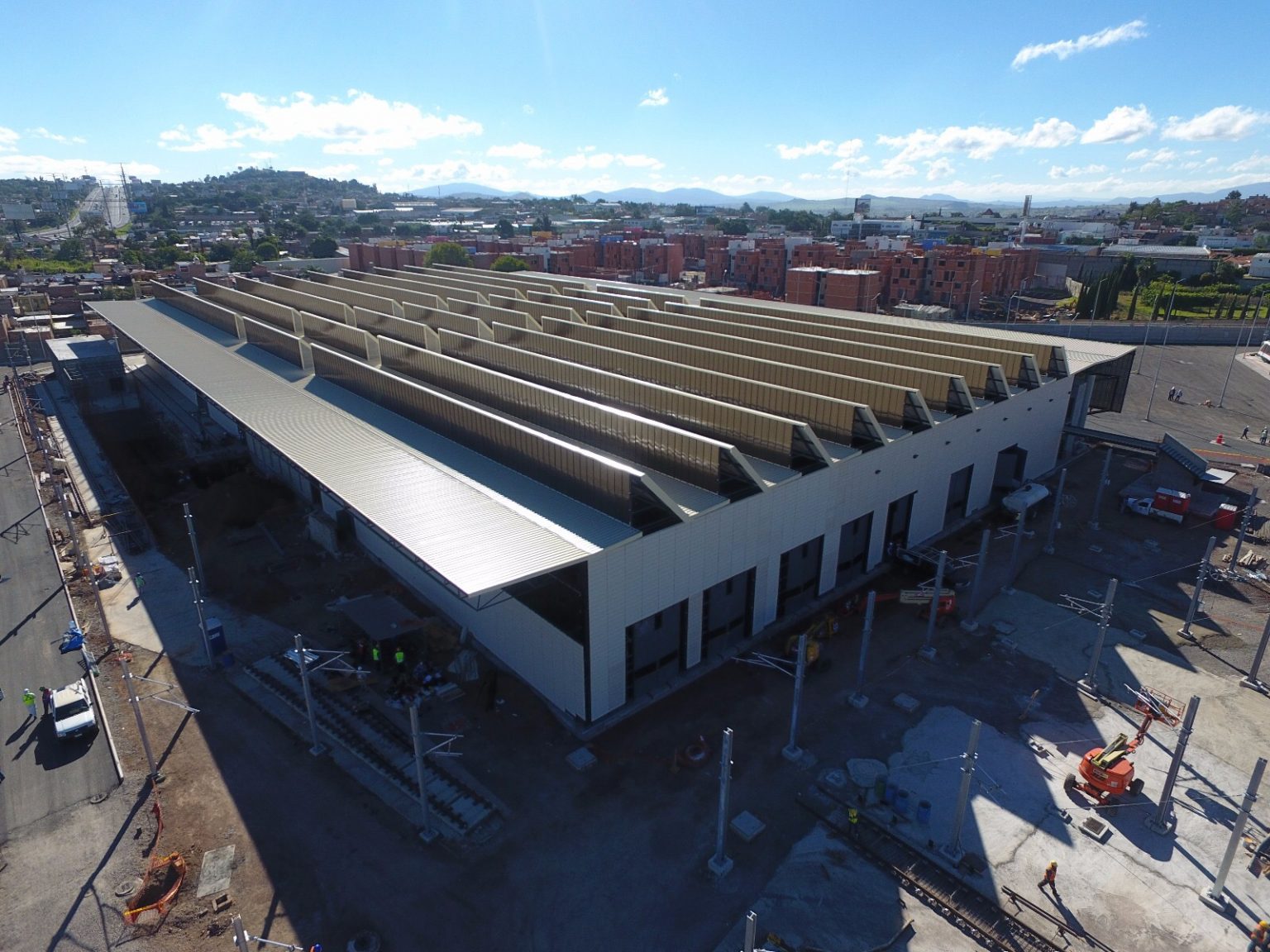
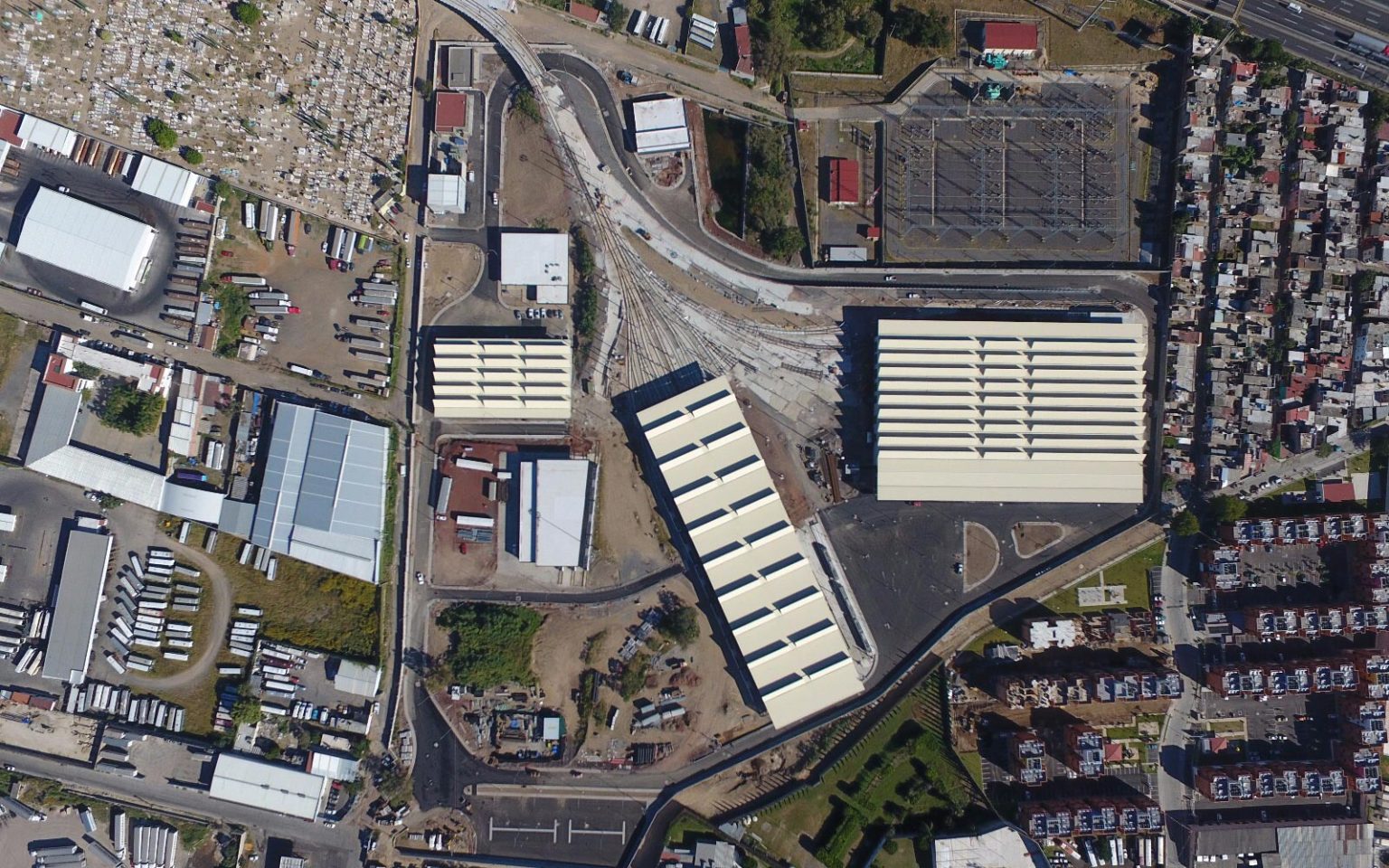
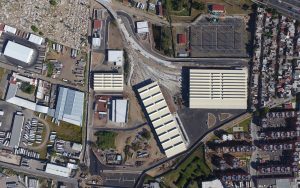
As part of the works developed in the Guadalajara (Mexico) metro line 3 project, at SENER we carried out the design of train depots and workshops, which are located in a plot measuring around 13 Ha in Tonalá.

It comprises a cluster of 10 buildings—including workshops, a stabling hall, warehouse, tracks and rail trolleys, substation, service facilities, waste management, signalling systems, security booth, and control center—that collectively support the operation, logistics, and maintenance of the metro line.

Read more

As part of the works developed in the Guadalajara (Mexico) metro line 3 project, at SENER we carried out the design of train depots and workshops, which are located in a plot measuring around 13 Ha in Tonalá.

It comprises a cluster of 10 buildings—including workshops, a stabling hall, warehouse, tracks and rail trolleys, substation, service facilities, waste management, signalling systems, security booth, and control center—that collectively support the operation, logistics, and maintenance of the metro line.

The project scope includes:

  • architectural and functional design,
  • detailed design for all disciplines,
  • site supervision,
  • implementation, coordination and management of BIM,
  • implementation of document management and change control and management.
Gross floor area of 26.728 m2
10 buildings for the operation and maintenance
A project fully developed by SENER
Read less

Related projects in Urban Transit

10.24.2025 Depots & Workshops / Panama
08.28.2025 Metro / Australia
06.24.2024 Depots & Workshops / Egypt

Contact us

Contact us to find out how we can help you.