





 About us
 / section
Careers
Careers / section
News & events
News & events / sectionCountries section
About us
About us / section
Careers
Careers / section
News & events
News & events / sectionCountries section
About us
About us / section
Careers
Careers / section
News & events
News & events / sectionCountries section
About us
About us / section
Careers
Careers / section
News & events
News & events / sectionCountries section


 More results
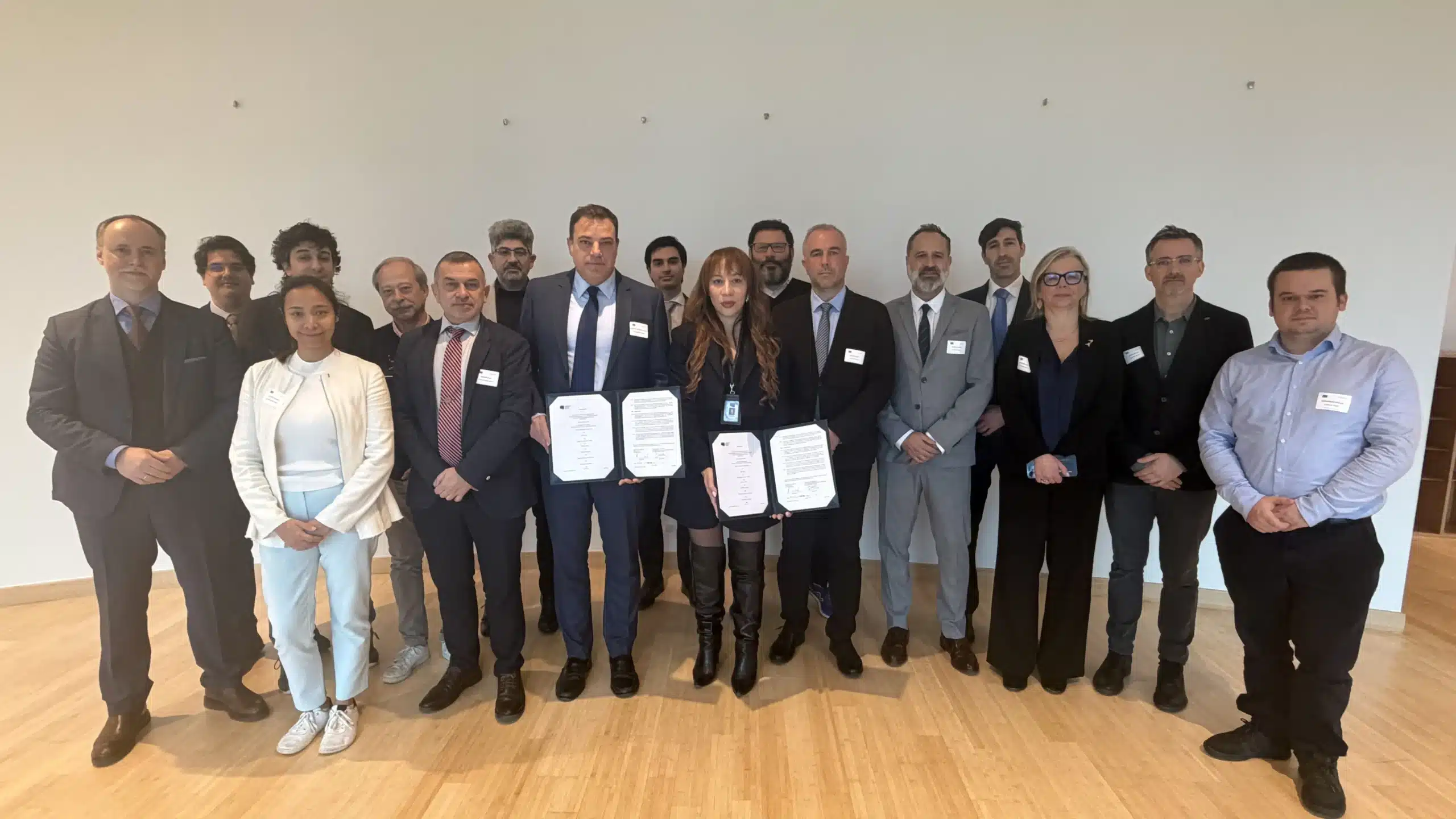
The Sener engineering and technology industrial group is to lead the consortium selected by the European Defence Agency (EDA) to develop the design of Europe’s first defence satellite concept optimised to operate in very low Earth orbit (VLEO). This orbital environment, between 250 and 350 kilometres in altitude, represents a significant technological challenge in the space sector.
The project, known as VLEO-DEF, has a budget of €15.65 million and an expected duration of 30 months. It is funded by five EU member states: Spain, France, Luxembourg, Portugal and Slovenia. The EDA formalised the contact on 13 March 2026.
A step change in military observation and communications
Very low Earth orbits offer significant advantages for military intelligence, surveillance and reconnaissance (ISR) applications, enabling much higher-resolution imagery and reduced communications latency due to their closer proximity to the Earth’s surface.
However, sustained operations in VLEO present significant technical challenges due to increased atmospheric drag, requiring advanced propulsion systems, specialised materials and new satellite architectures designed to maintain orbital stability. The VLEO-DEF project will address these needs and develop key technologies for future European missions in this environment.
A European consortium led by Sener
Sener will act as the lead company of a consortium comprising 17 industrial organisations and research centres across five European countries. The consortium members include:
The objective of the consortium is to prepare the design of Europe’s first defence satellite specifically optimised for operation in VLEO, and to lay the groundwork for a future flight experiment to demonstrate the technologies developed, including propulsion systems adapted to these altitudes.
VLEO-DEF forms part of the European strategy to strengthen defence space capabilities and builds on previous projects promoted by the EDA.
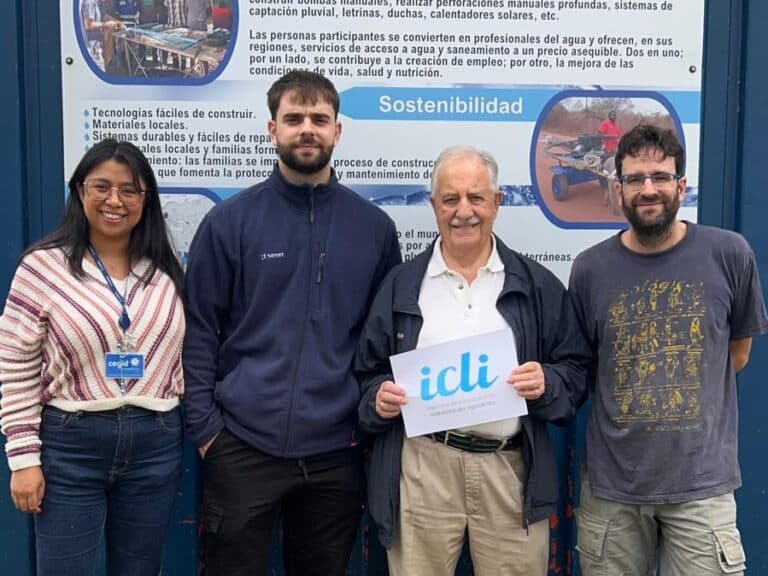
Sener Foundation, ICLI and TADEH join forces to improve access to water in rural and vulnerable communities
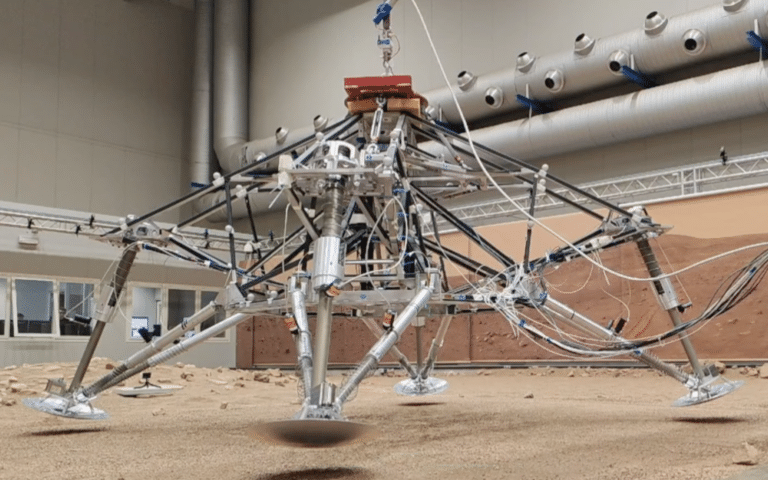
Sener advances qualification of the Rosalind Franklin rover landing gear ahead of its journey to Mars in 2028
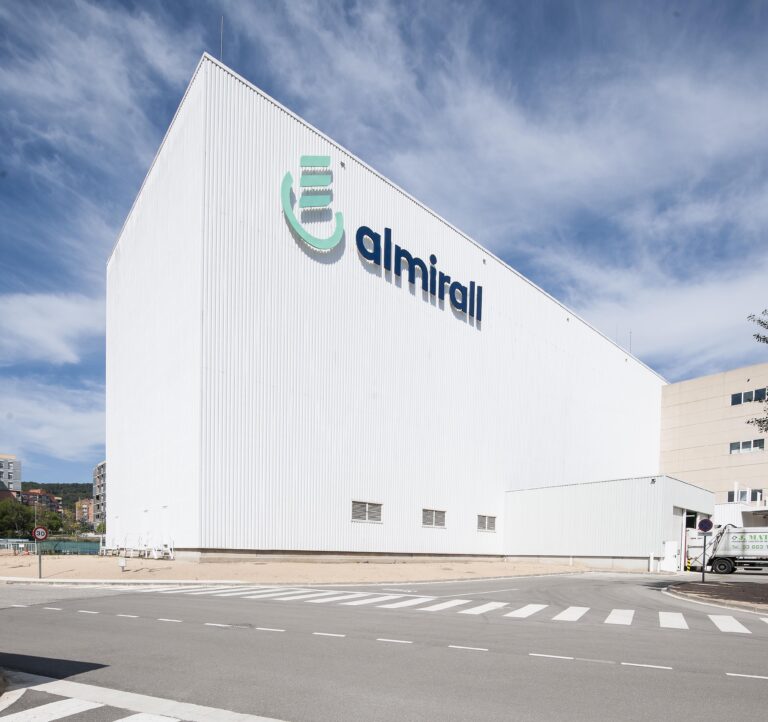
Almirall autonomously optimises energy operations at its Sant Andreu de la Barca plant using a digital twin developed by Sener
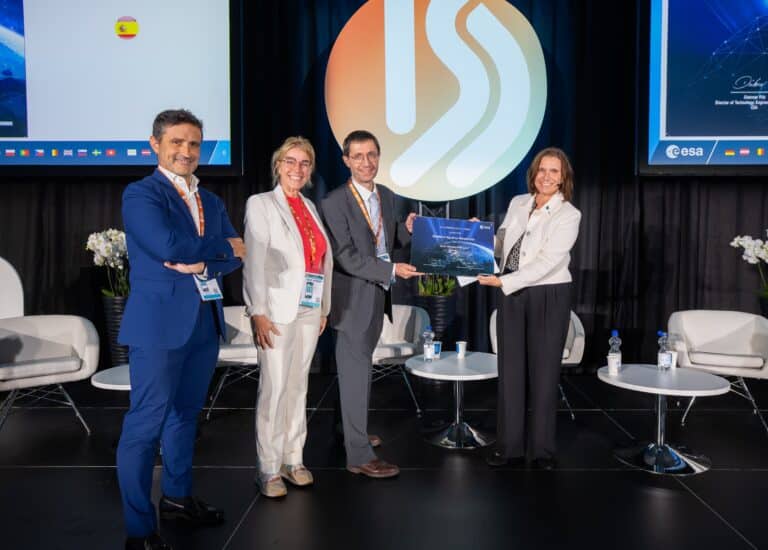
European Space Agency recognises Sener’s excellence in space radiometry