

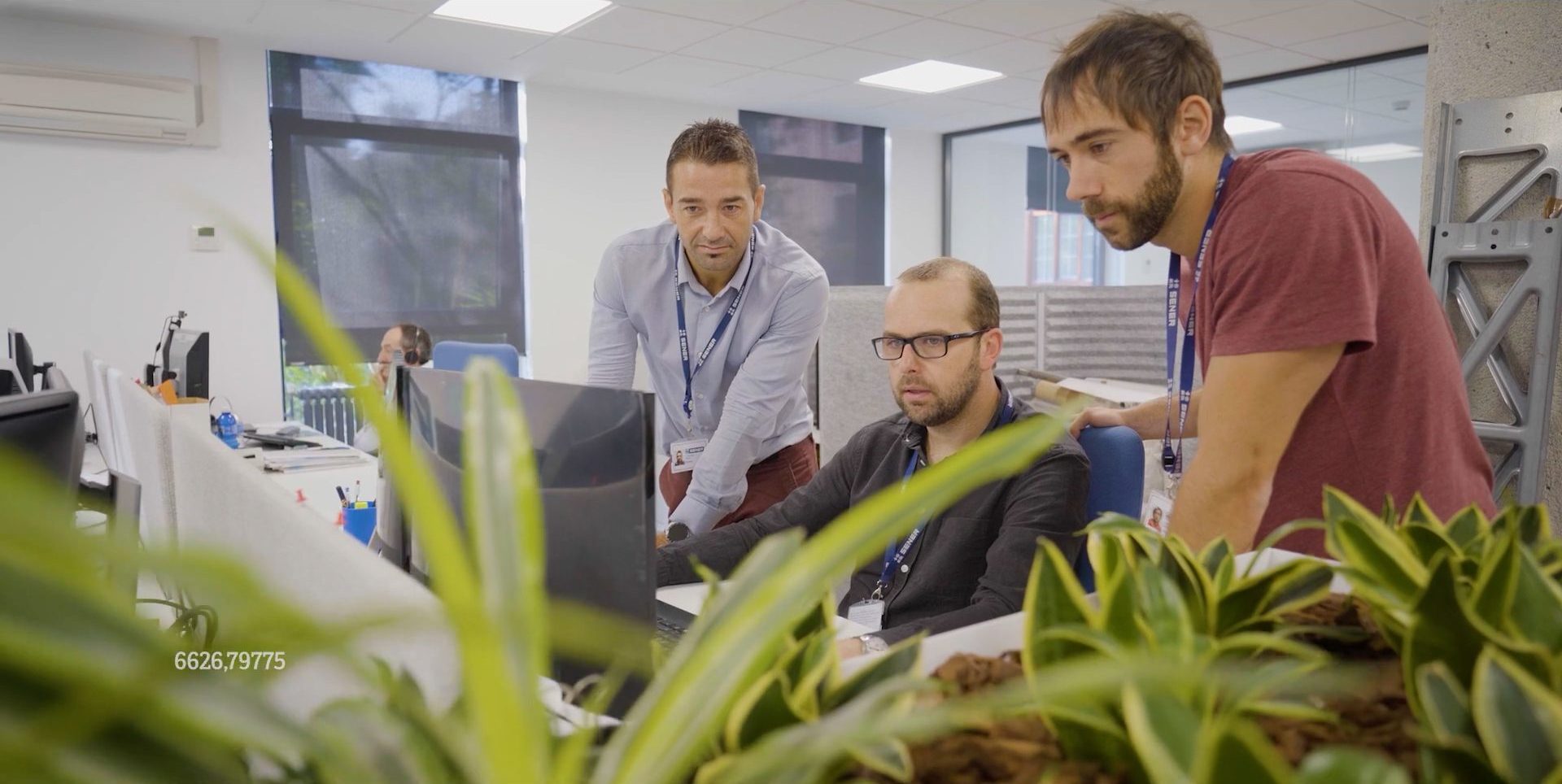




Bilbao gathers the technological trends of the future during the ‘V Sener Innovation Forum’

Bilbao gathers the technological trends of the future during the ‘V Sener Innovation Forum’

11/10/2023

The event brought together more than 200 professionals on October 9 and 10 to discuss the most relevant upcoming technological disruptions, in areas such as autonomous navigation, connectivity in the modern geopolitical context, 5G and AI or the development of renewable energy. , as well as the impact of R&D in these areas, to which Sener allocated more than 16 million in the last year.

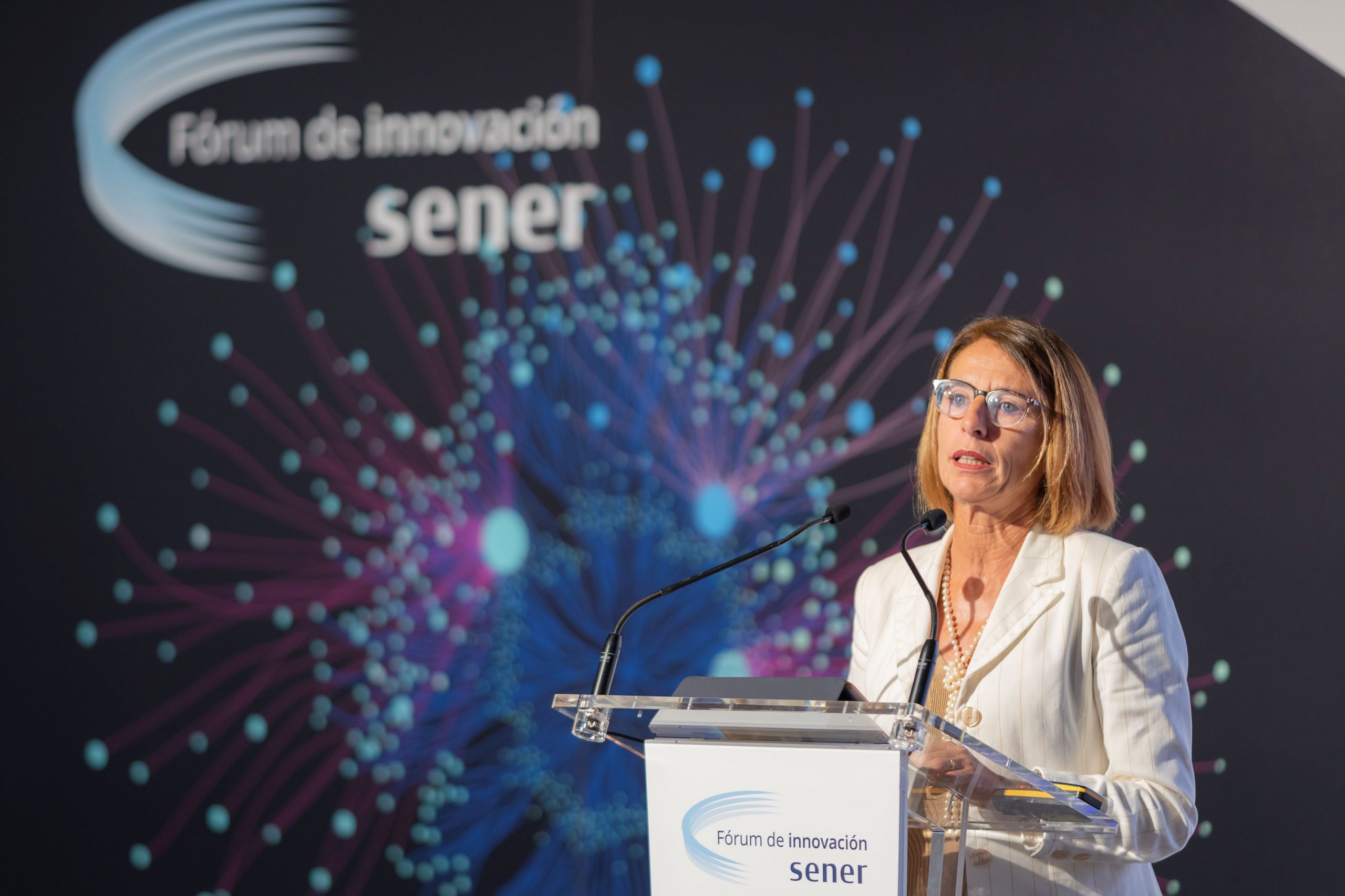
This Monday and Tuesday, Sener held the fifth edition of its biannual monographic meeting on the future of innovation, the ‘V Sener Innovation Forum’. The event, which brought together more than 200 professionals and experts at the San Mamés stadium on October 9 and 10, included the participation of Estíbaliz Hernáez, deputy counselor of Technology, Innovation and Digital Transformation of the Basque Government, who was in charge of leading the opening ceremony.

The Forum offered more than a dozen discussion panels on topics such as energy (for example, green hydrogen and offshore wind), autonomous navigation on unmanned platforms, connectivity in the current geopolitical context or digitalization (more specifically, cognitive infrastructures, 5G and hyperconnectivity, data centers as strategic energy value or the application of disruptive technologies, such as quantum computing, cybersecurity and robotics). Likewise, one of the central axes of the event has been the transversality and synergy between these and other sectors and technologies.

As explained by Òscar Juliá, director of Innovation and Digitalization, and Ferrán Costas, director of Innovation and Technology, innovation plays a determining role today in the field of engineering and, more specifically, in when proposing more sustainable technical solutions for society’s modern challenges. As an example, they presented the latest R&D efforts of the group, which, in the last year, invested more than 16 million in this area; Likewise, nearly a third of the staff (made up of more than 3,000 professionals on 5 continents) participated in R&D projects.

The group took advantage of the occasion to recognize the technical excellence of nine of its engineers. Thus, on Monday a recognition ceremony took place for Sener’s Chief Technical Engineers (CTE), a position awarded biannually by Sener to those professionals with outstanding knowledge in their respective fields of activity, specifically, space mechanisms , railways, geotechnics and tunnels, acoustics, noise and vibrations, energy, chemical processes, installations and safety in tunnels, electronic engineering of electromechanical systems and control engineering.

In the last of the two days, some of the most relevant points for the development of the digital economy were discussed, such as the role of clean and renewable energy sources in meeting the needs of data centers (area in which Sener is present since the acquisition of Quark, a leader in the design of these facilities), the deployment of 5G or the impact of cognitive infrastructures for the growth and consolidation of smart cities. The event was closed by Andrés Sendagorta, president of Sener, who stressed the relevance of innovation as an engine of growth and competitiveness for organizations and for the development of their people and talent.
Sener, connecting the future

10.09.2023

Sener, connecting the future

10.09.2023

Innovation seeks to challenge what we know, to break boundaries with new ideas, and turn ideas into solutions. At Sener, we promote ingenuity. We make a difference. We are energy; renewable, clean and affordable. We are exploration; we aim for the stars so we can understand the universe. We are infrastructures; cognitive, dynamic and sustainable. We are intelligence. We design data centres to make your life easier, in an efficient, up-to-date and secure way. We innovate to improve the day-to-day lives of millions of people,

Read more

Innovation seeks to challenge what we know, to break boundaries with new ideas, and turn ideas into solutions. At Sener, we promote ingenuity. We make a difference. We are energy; renewable, clean and affordable. We are exploration; we aim for the stars so we can understand the universe. We are infrastructures; cognitive, dynamic and sustainable. We are intelligence. We design data centres to make your life easier, in an efficient, up-to-date and secure way. We innovate to improve the day-to-day lives of millions of people, bringing the future closer.

Read less

Gabriel Alarcón, Appointed Corporate Managing Director of the Sener Group

Gabriel Alarcón, Appointed Corporate Managing Director of the Sener Group

19/09/2023

Gabriel Alarcón has been appointed Corporate Managing Director for the entire Sener group. Alarcón, who until now held the position of Managing Director of the Engineering area, will be responsible, along with Sener’s CEO, of leading and coordinating the global strategy of Sener, which currently employs more than 3,000 highly qualified professionals worldwide. His appointment reflects the group’s need to shore up its corporate structure, given Sener’s organic and inorganic growth over the last few years. This way, from his new position, Gabriel Alarcón will seek to promote synergies between the various business areas of Sener: aerospace and defence, mobility, energy, renewable investments, advanced facilities – including the recently acquired Quark – marine and digital.

In his previous stage as Managing Director of the Engineering area, he completed the reorganization of the mobility and energy business subsidiaries; the acquisition of Tactix in Australia and Quark in Spain, and the strategic reorientation of the energy business, among other achievements. Before that, he coordinated the restructuring of the Engineering department, which included the launch of the mobility, energy, and innovation technology units. His work has been essential to reviving and promoting the culture of innovation and digitization in the group.

Sener faces an ambitious 2025 strategic plan, which anticipates the group to grow significantly, both in its current businesses and in new areas of technology. This growth will be driven by strong investment in people, technological innovation, and corporate acquisitions. The current order portfolio exceeds 1 billion euros, a record for all major businesses, and represents a broad spectrum of international projects.

Gabriel Alarcón started his career at Sener in 1995. Since then, except for a short period at ALSTOM, he has held different positions of responsibility in Sener, in technical, project management, engineering and general management areas, in sectors with a relevant technological, innovation and sustainability component. He was, among others, the Managing Director of Engineering and Director of Sener in Catalonia. He has a PhD in Mechanical Industrial Engineering from the Polytechnic University of Catalonia (UPC), and he is a graduate of the General Management Program at the IESE Business School.

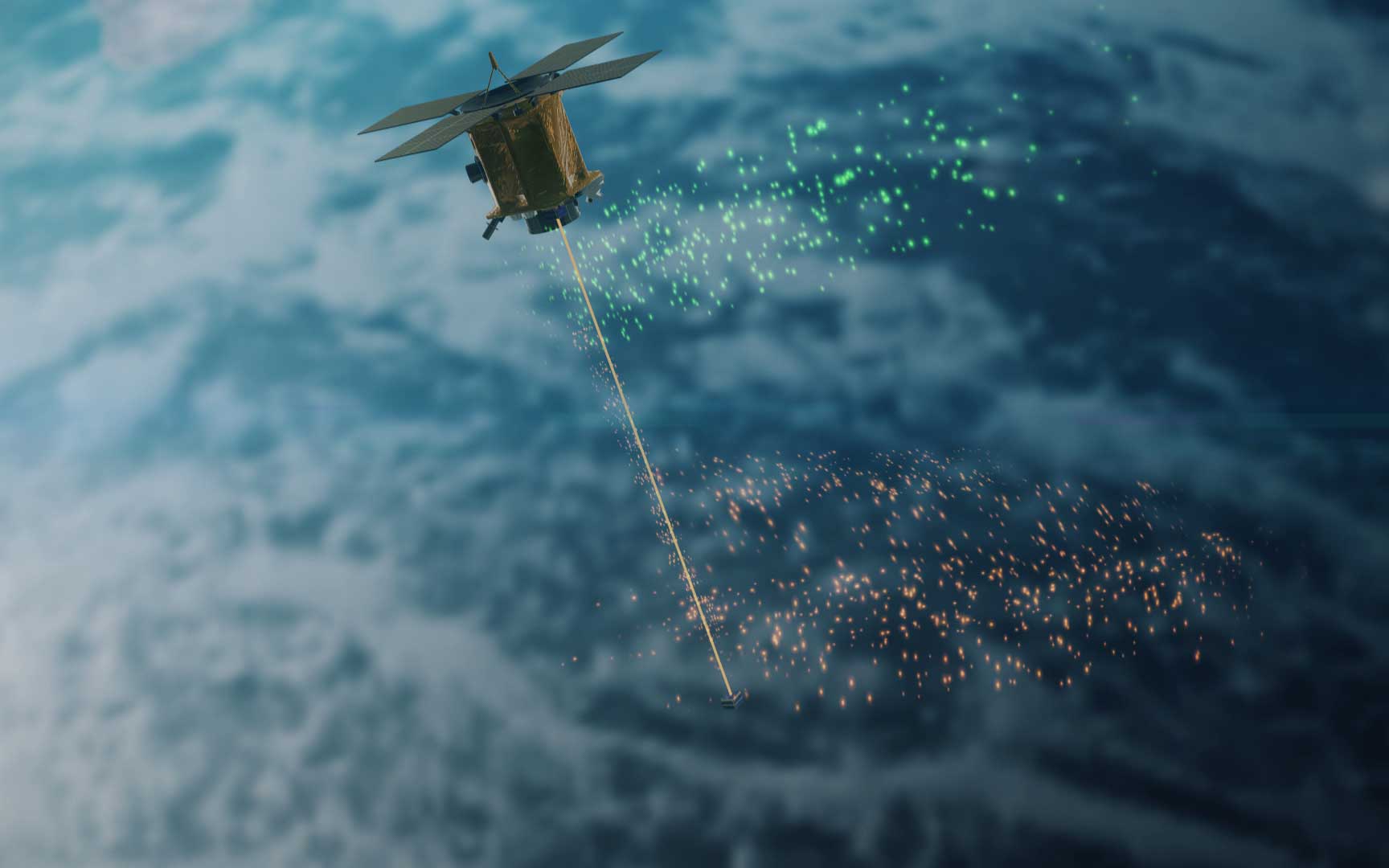
E.T. PACK-Fly, space debris removal using electrodynamic space tether

Space

In Orbit Operations

E.T. PACK-Fly, space debris removal using electrodynamic space tether

Case of success

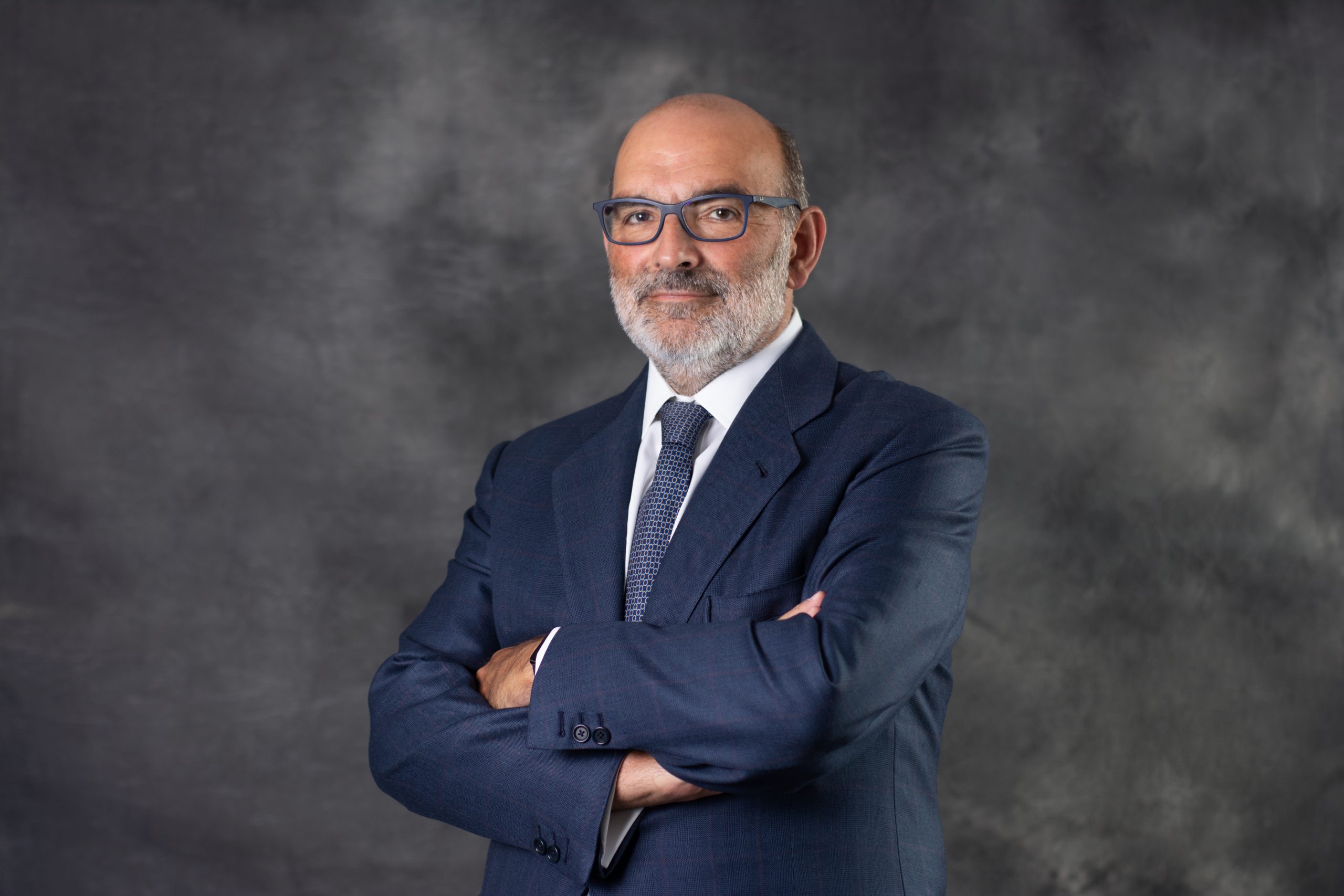
Fernando Abril-Martorell, new member of the Board of Directors of the Sener Group

Fernando Abril-Martorell, new member of the Board of Directors of the Sener Group

08/06/2023

As a new independent director, he will provide his extensive experience in areas of activity with a high level of innovation and technology to reinforce the Group’s strategy.

The Sener engineering and technology group has appointed Fernando Abril-Martorell as a member of its Board of Directors. Abril-Martorell will provide his extensive experience in sectors with a high technological and innovative component for the benefit of the Group and its stakeholders.

Sener is a leading supplier of innovative solutions to complex engineering and technology projects. It currently employs nearly 3,000 professionals on five continents, experts in the aerospace and defense, energy, marine and digital markets, as well as in mobility and infrastructure. In this last field, Sener strengthened its value proposition in May 2023 with the acquisition of the company Quark, a leader in data center engineering.

The appointment will allow Abril-Martorell to share his knowledge and experience leading and advising top companies that, like Sener, face major technological challenges in the sectors in which they operate.

In the words of Abril-Martorell, this appointment brings with it “enormous responsibility and a challenge to collaborate in a company I have always admired for its technological vocation, its enormous human talent and its ethics and social commitment.”

Since June 2022, Abril-Martorell has been the CEO of Urbaser, a task he combines with his duties as a director at Ence and Adevinta. He was previously the Chairman of Indra (2015-2021), CEO of Grupo Prisa (2011-2014) and CEO of Credit Suisse in Spain and Portugal (2005-2011). He also held the positions of Chief Financial Officer (1997-2000) and CEO (2000-2003) of the Telefónica Group, where he landed after eleven years at JP Morgan offices in Madrid, New York and London. Abril-Martorell has a degree in Law and Business Administration from ICADE (Madrid).

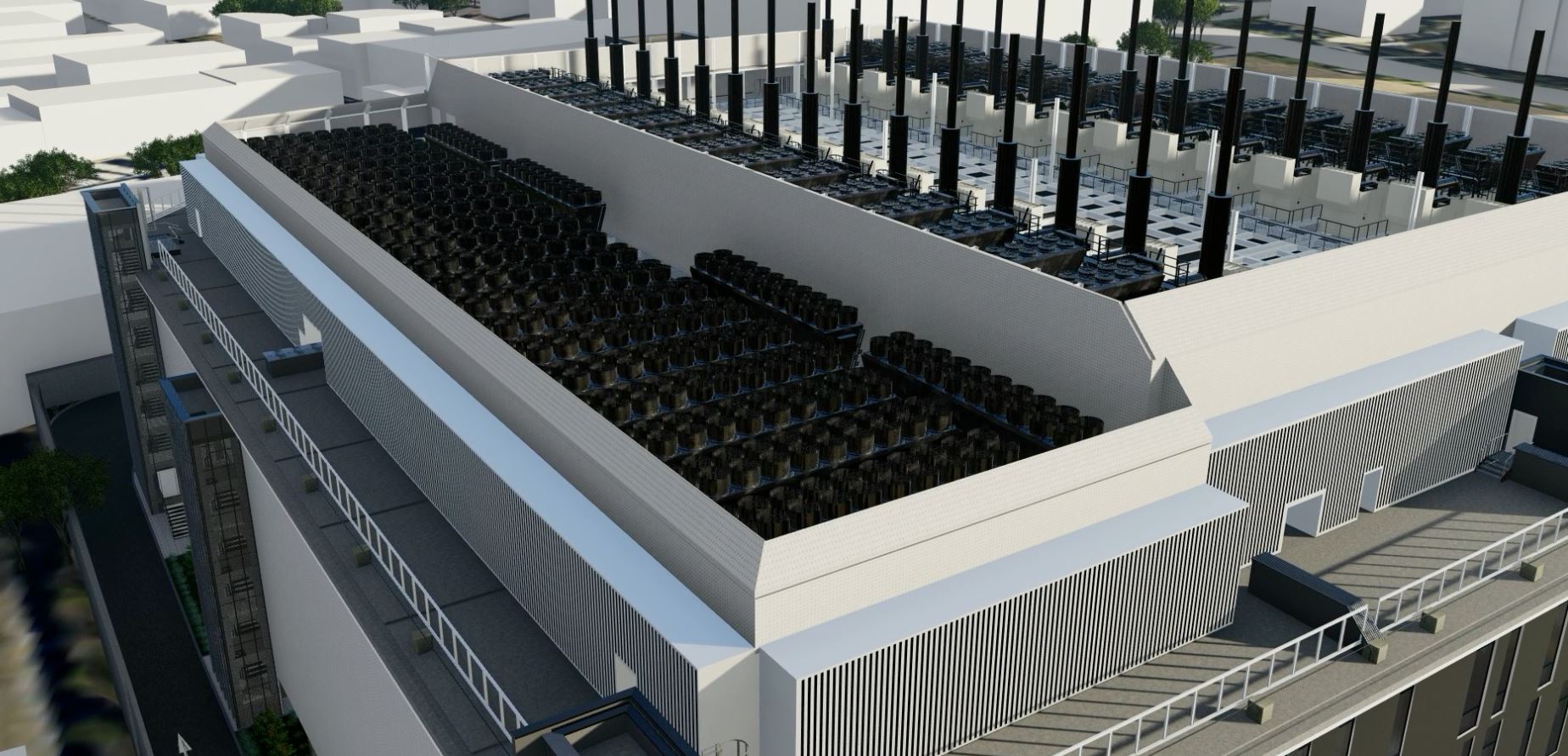
Sener acquires Quark, a leading data center engineering company

Sener acquires Quark, a leading data center engineering company

11/05/2023

The acquisition will allow Quark to benefit from the Sener Group’s international presence and experience in the energy sector and in other fields of engineering, with significant advances in complex projects.

The Sener engineering and technology group and the data center engineering company Quark have signed a purchase agreement that will make Sener the majority shareholder of Quark. The current CEOs of Quark, Ricardo Abad and Miguel Gallego, round out the shareholder structure and will continue to lead the company.

After the acquisition, the company will continue to operate under the Quark brand, leveraging synergies with Sener in technology, operations, and innovation (in areas like mobility, energy and digital). They will also benefit from geographical synergies, thanks to the group’s global presence: Sener has offices in nearly 20 countries, which will help with the internationalization of Quark.

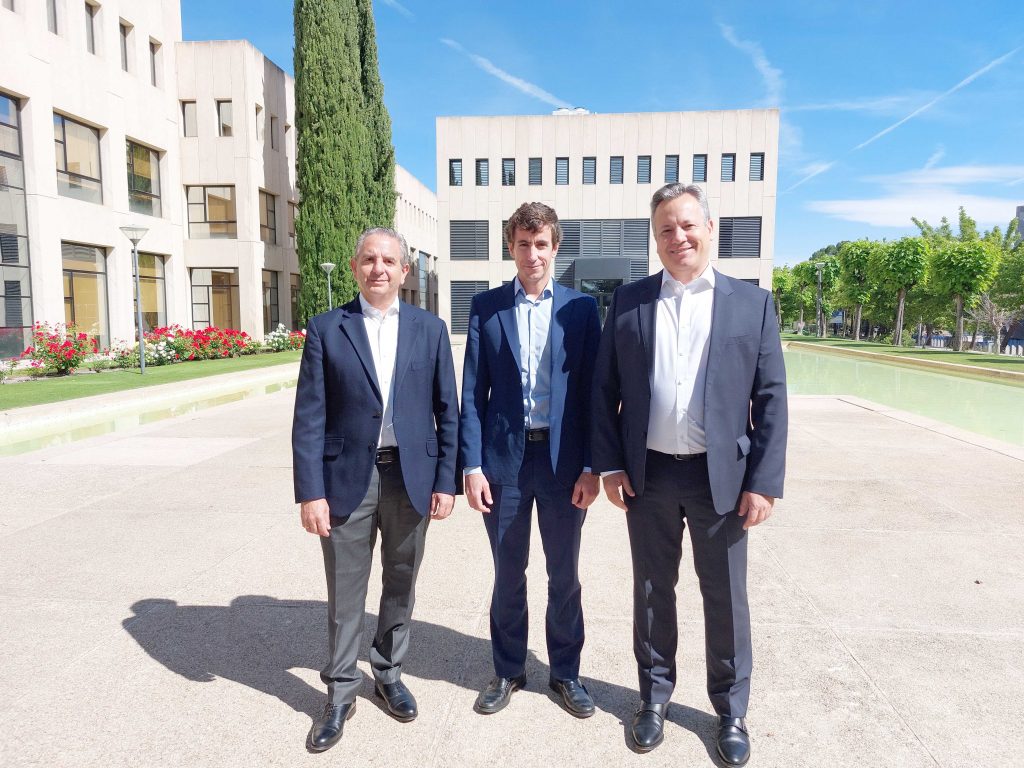
 Miguel Gallego, Jorge Sendagorta y Ricardo Abad tras el acuerdo de compra


Quark has been advised by Arcano, KPMG and Uría y Menéndez, and Sener by Rothschild, Pérez-Llorca, PwC and FIDE Partners. The purchase agreement is subject to a series of closing conditions, common for this type of transaction.

Quark is an engineering and architecture company specializing in data center design, an industry with a growing demand. Founded by Ricardo Abad and Miguel Gallego, the company’s current CEOs, Quark has a 14-year history and has grown exponentially in recent years. Today, it is a leader in the data center engineering sector in southern Europe and one of the top 20 worldwide. It has built this kind of facilities for companies such as Equinix, Digital Realty, Nabiax, Cyrus One, Iron Mountain and Prime Data Centers, and for some corporate clients like Inditex and BBVA.

As for Sener, it is a private engineering and technology group founded in 1956 that is present in the aerospace, energy, mobility, marine and digital sectors. It has nearly 3,000 professionals in offices on five continents, and it provides clients its own high-tech solutions.

With this acquisition, Sener continues to further diversify its products and services, which are client-focused and rely on its own technology. In the data center sector, it can provide its extensive know-how to integrate complex technological systems and help channel the enormous energy needs of data processing centers.

Likewise, Sener’s global presence and its experience in project development in a large number of countries will also allow Quark to guide its clients in their global growth strategies, thus addressing its international expansion needs.

In the words of Sener CEO Jorge Sendagorta Cudós: “We are delighted with this acquisition, which gives us access to a new market. The synergies we have seen both in our corporate values and culture and in our capacities to propose effective solutions to complex challenges were crucial to the success of this operation. The boom in the data center sector means there is a growing demand for more sophisticated engineering solutions that guarantee the reliability of these infrastructures, as well as their energy demands, in a way that is efficient and sustainable. At Sener, we have a well-established network of international offices, which, together with Quark’s know-how in the sector, will make us a very competitive player in this type of facilities worldwide.”

For Ricardo Abad and Miguel Gallego, CEOs of Quark, the integration with Sener will allow them to grow Quark’s business internationally. “Through Sener’s offices, we will be able to provide local service in key European countries such as Germany, France, Belgium, Poland and the United Kingdom, and in markets such as Canada, the USA, Australia and Mexico,” said Abad. With Gallego adding: “We expect to build facilities for large companies with quality, innovative projects that improve energy efficiency. This will help us achieve our corporate goal of being carbon neutral by 2030.”

See you in the future | Sener Aerospace & Defense corporate video

03.17.2023

See you in the future | Sener Aerospace & Defense corporate video

03.17.2023

At Sener we know how to find out and combine the talent of those that do shining themselves with the patient patience of those who know that a job well done comes with a very special reward.

In Aerospace and Defense, we have come a long way, ensuring the success of the most spectacular missions and cutting-edge international projects in space exploration, astronomy and defense technology.

Sener presents its precise navigation solution, Naviground, at IDEX

Sener presents its precise navigation solution, Naviground, at IDEX

20/02/2023

Sener will be present at IDEX with its Naviground solution in the Spanish Pavilion at a joint stand with its partner URO.

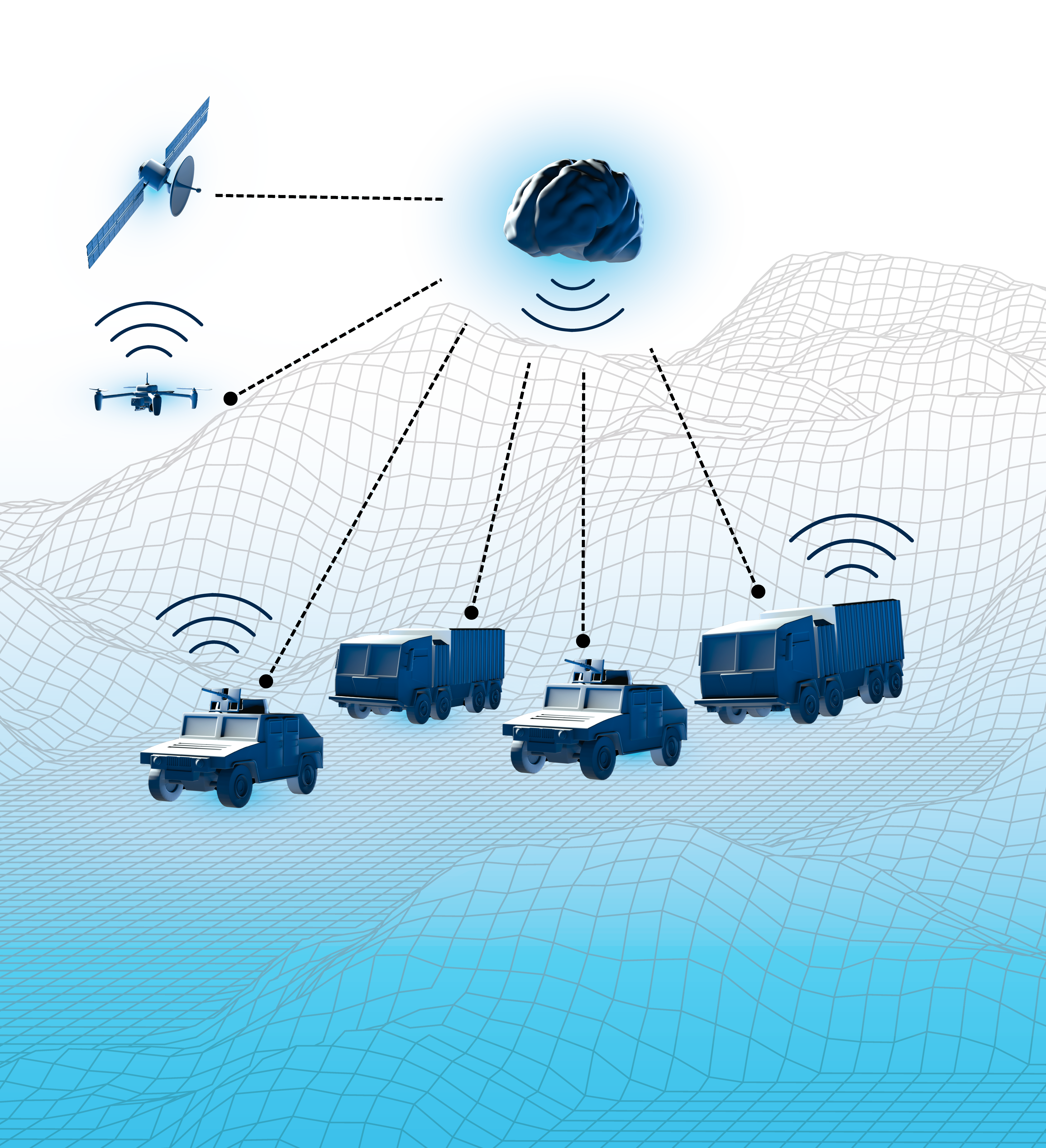
Sener Aerospace and Defense presents its Naviground navigation system for manned and unmanned vehicles at IDEX, one of the leading international defense and security fairs. This is a digital solution that allows for several vehicles to be connected and coordinated, and that provides a precise navigation solution based on the fusion of data from different sensors.

The data collected by these sensors are processed in real-time in a processing unit, where they are merged to provide a more reliable and robust solution than those calculated by each sensor independently. Advanced data management techniques, information merging and artificial intelligence algorithms are used during the image processing.

Naviground operates in both structured and unstructured environments, i.e. off road. It is a modular and scalable solution that can be easily adapted and integrated based on the characteristics of the platform, following strict security parameters.

Sener will be present at IDEX with its Naviground solution at a joint stand with its partner URO, located in the Spanish Pavilion.

Naviground’s development came about as an evolution of the ARCO project financed by the Spanish Ministry of Defense (COINCIDENTE 2018) for the demonstration of a TRL 6 logistics convoy, which combines remotely operated, autonomous and manual drive vehicles, and which ended in 2021.

Space and robotics experience

Sener’s General Director of Defense, Rafael Orbe, notes that one of the most significant innovations is the fact that “the system must be able to operate in zero or denied GNSS/GPS signal environments and navigate unstructured (off-road) terrain. This means that, in addition to incorporating the conventional techniques applied in the civil sector, it is necessary to develop specific additional improvements in order to cover these more demanding scenarios.” He added: “Sener Aerospace and Defense has applied to Naviground its experience with successful navigation systems for space programs, such as the GNC/AOCS systems of the Herschel & Planck science satellites, and the IPXV and Space Rider spacecraft.”

The Naviground system also includes the knowledge acquired in projects undertaken in the field of robotics, such as the robot for laparoscopic surgery, the Dextrous Arm robotic arm for the International Space Station (ISS), the mirror cleaning robots at the Hector and Paris solar plants, and the development of autonomous vehicles in MUROC, SUGV and APOS-EU for the European Defence Agency (EDA).

Sener Aerospace and Defense also applies this technology to other fields, such as smaller platform localization systems with license plate recognition, localization and identification of persons functions.

Six projects from Horizon Europe

Six projects from Horizon Europe

21/12/2022

Sener Aeroespacial awarded six projects from Horizon Europe in the area of Space

Sener Aeroespacial is currently signing the Grant Agreements for six awarded projects from Horizon Europe (European Commission) in the area of Space, corresponding to the calls for 2021 and 2022 (HORIZON-CL4-2021-SPACE and HORIZON-CL4-2022-SPACE).

Sener Aeroespacial presented proposals for 7 different topics, for which award has been already secured on 6 of them. Sener Aeroespacial leads four of the six awarded projects.

The projects span from modular spacecrafts to flight units for safer launcher trajectories, covering as well new Gallium Nitride (GaN) space applications.

The complete list is the following:

  • Smart Avionics for Flight termination SysTems (SAFEST). The project will lead to a demonstrator of a modular Autonomous Flight Termination Unit (AFTU) for micro/small launchers, validated in a representative flight processor (execution) and emulated environment (dynamics), reaching TRL 5-6. This solution will differentiate from other developments tightly linked to a specific launch site, safety regulation and oriented (cost and mass) to institutional launchers. The proposed AFTU segregates the general-purpose sensors and functions (e.g. localisation) from the mission abort rules which are launcher and spaceport dependant, allowing customisation for a given launcher and site. This strategy is deemed a game changer for the reduction of launch service cost, availability, flexibility, enabling a more responsive access to space.
  • Space Application GaN transistor (SAGAN). SAGAN addresses a crucial element in future satellite platforms and payloads: GaN devices for power applications and use in Spacecraft Electrical Power Systems (EPS). Power transistors are key elements of electrical units used for example in power conversion. During the last decade, several technological advancements have enabled a new type of transistors based on Gallium Nitride over Silicon. GaN transistors allow a reduction in mass of the equipment that uses them and a reduction in power consumption. Currently, in Europe there is no 650V GaN process suitable for space applications therefore responding to specific requirements in terms of reliability, robustness and compatibility with rush environments. SAGAN will establish a non-dependent supply chain (design, manufacturing, and qualification testing) for GaN transistors and complement other R&D developments supported by the EU focused on low voltage GaN for space applications.
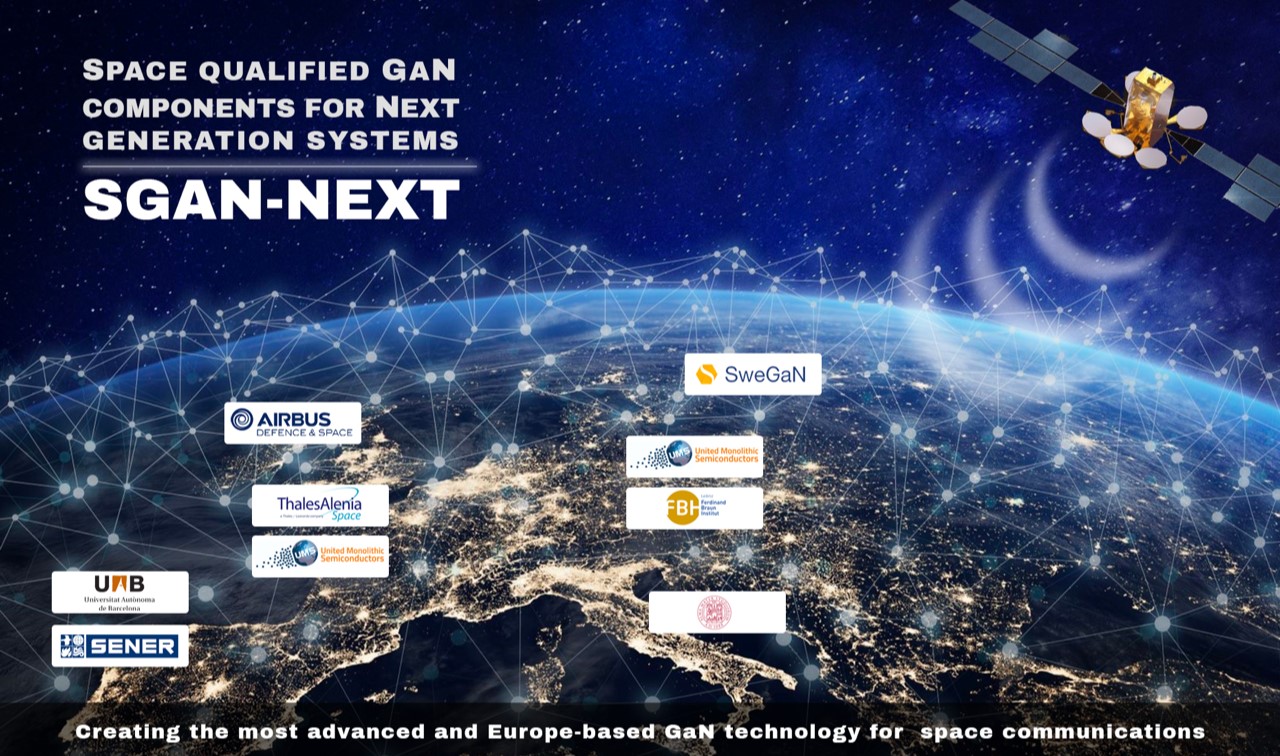
  • Space qualified GAN Components for Next generation systems (SGAN-Next). The main objective of SGAN-Next is to develop a fully European GaN on SiC foundry process and demonstrate outstanding performance at high frequency beyond Q-band, through the design of efficient and robust SSPA, LNA and switch devices for flexible LEO/GEO payloads. For this purpose, the project led by Sener as satellite equipment manufacturer, includes an epitaxy manufacturer (SweGaN), an industrial foundry (UMS), a research foundry (FBH) and two Universities (UNIBO and UAB). Moreover, the consortium count on the two main European satellite prime contractors (ADS and TAS) for the conceptual definition of services and the required system to answer market demand.
  • Orbital Replaceable Unit (ORU) based on Building blocks for Advanced Assembly of Space Systems (ORU-BOAS). The Orbital Replaceable Unit (ORU) will develop and demonstrate an ORU concept based on the building blocks developed in previous calls of the Union. The main points to be indeed addressed are, among others, an ORU: compatible with different Standard Interfaces (SI), payloads and services; to be used as a PLUG&PLAY module for the In Orbit Demonstration mission (currently as well under development); based on a Satellite Construction Kit for future applications In Space Manufacturing and Assembly missions; finally, a design concept that will include an AppStore and Open-Architecture mentality for the different modules as avionics. The ORU-BOAS consortium is constituted by Sener Aeroespacial (coordinator), Thales Alenia Space France, Thales Alenia Space Italy, ISISPACE and DLR.
  • ReuSable strAtegic space Launcher Technologies & Operations (SALTO). SALTO will perform, for the first time in Europe, fly / recover / refly cycles of a reusable rocket first stage demonstrator. Operating a large-scale vehicle at low altitude, consistent with future European strategic needs, and embedding a set of critical technologies, the project will significantly boost the strategic launchers roadmap, enabling the vision of a future launch fleet improving by 50% space access costs and reducing environmental impacts. SALTO is led by ArianeGroup. Sener Aeroespacial will develop the active antenna to enable the communications from launcher to ground.
  • European Robotic Orbital Support Services In-Orbit Demonstration (EROSS IOD). Access to Space is now easier and easier, and is not possible anymore to design and launch disposable spacecraft without considering the consequences: On-Orbit Servicing (OOS) is a first step towards this change of paradigm, as the technologies, typically autonomous rendezvous, refuelling, Orbital Replaceable Unit (ORU) exchange, repair and waste management with autonomous robotic tools will be used in future smart, flexible and modular space infrastructures. The growing demand for satellite life extension from commercial customers, making OOS an emerging market, is an opportunity to support those developments. To that purpose, designing in a phase B2/C the right mission and maturing the technologies to enable a go-to-market for future OOS missions is the main goal for EROSS IOD. The objective is to enable the in-orbit demonstration of all the key capabilities: coordinated close rendezvous between two free flying spacecraft comparable in mass and inertia (a first in Europe) and autonomous robotic operations such as capture, refuelling and change of payload with a poly-articulated arm. EROSS IOD is led by Thales Alenia Space. Sener Aeroespacial main contribution is focused on our SIROM Standard Interface.

The projects will be kicked-off during these and the upcoming weeks.

GA-ASI flies new multi-use NATO Pod on MQ-9

GA-ASI flies new multi-use NATO Pod on MQ-9

20/12/2022

NATO Pod Development Brings Together International Partners to Meet Future Requirements.

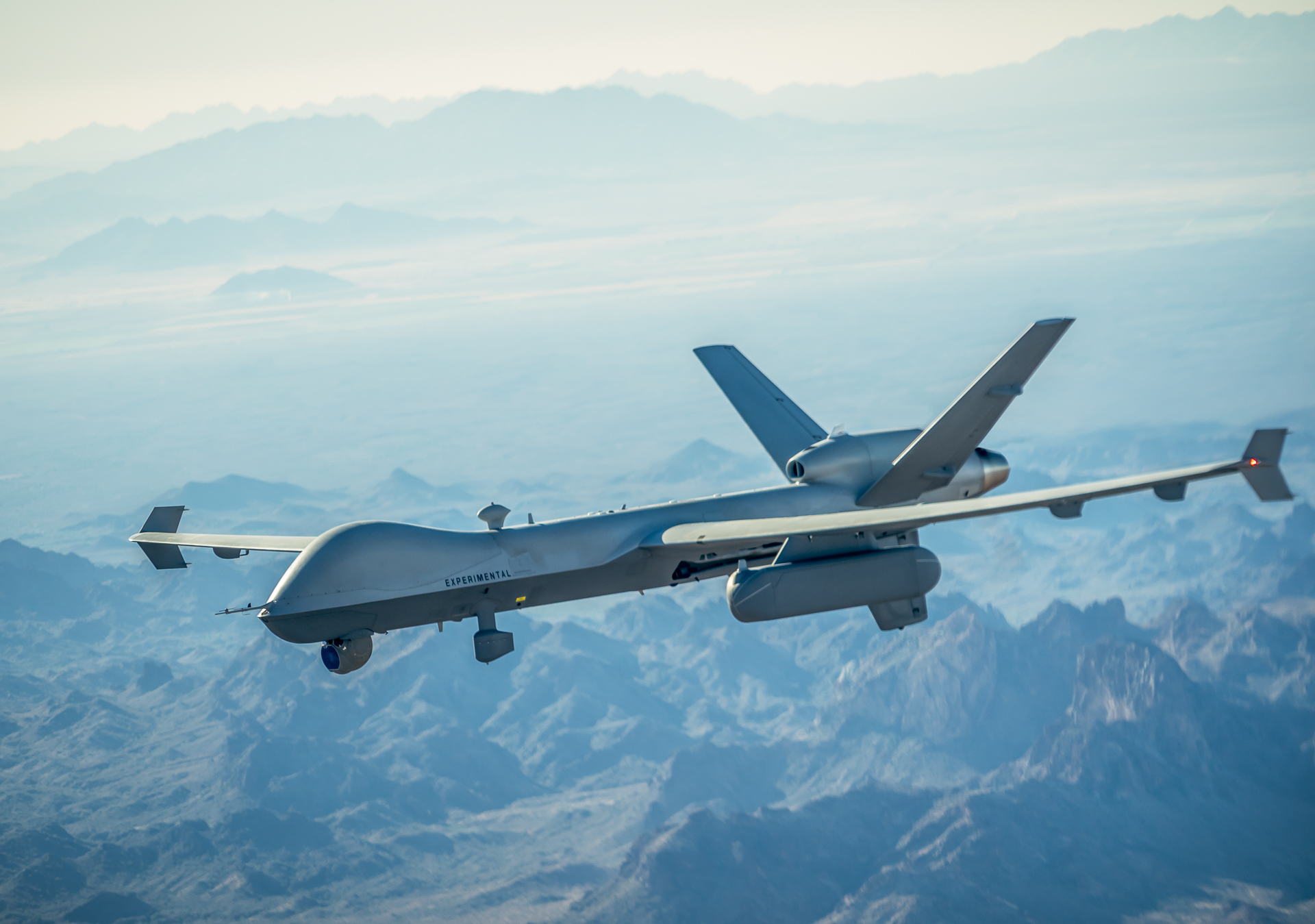
General Atomics Aeronautical Systems, Inc. (GA-ASI) flew the new NATO Pod for the first time on Nov. 23, 2022. The NATO Pod is a joint development between GA-ASI and Sener Aeroespacial of Spain. The NATO Pod is built by Sener Aeroespacial in Europe to meet NATO airworthiness standards, while increasing configuration and payload options for MQ-9A and MQ-9B Remotely Piloted Aircraft produced by GA-ASI. The new product is designed for international customers that are interested in rapidly integrating sovereign payload capabilities to achieve specific mission objectives.

The test flight was performed at the Yuma Proving Grounds using a GA-ASI owned MQ-9A aircraft.

NATO Pod development was driven by GA-ASI’s desire to provide customers with a customizable, multi-use pod for carriage of sovereign, cross-domain Intelligence, Surveillance and Reconnaissance (ISR) sensors for MQ-9A and MQ-9B RPA systems. GA-ASI is working with Sener and other European suppliers to integrate their sensor capabilities within this new pod. The NATO Pod is a flexible, scalable, certifiable enclosure with the structural features to host wide-ranging mission systems. The pod meets DEF STAN and STANAG certification standards for airworthiness, including lightning protection and bird impact.

The NATO Pod interfaces with common MQ-9 aircraft power and navigation interfaces, including the platform datalink connection to the Ground Control Station (GCS). Customer system integration is based on using a common set of interfaces to the aircraft and GCS systems.

“This is a truly momentous product design and implementation effort,” said GA-ASI Vice President of Mission Payloads and Exploitation, Satish Krishnan. “We’ve worked closely with Sener to meet requirements and keep our combined teams in sync to achieve this great outcome. Our successful test flight allows us to begin marketing this new capability to our international partner nations as a way to rapidly add sovereign payload capability.”

Rafael Orbe, Defence General Director at Sener Aeroespacial, said: “This first flight is the fruit of a long collaboration between GA-ASI and Sener and we are proud to have contributed to the success of the project. We look forward to continuing the good work together, which we are sure will bring us more successes in the future.”

This industrial cooperation effort introduces European manufacturing of GA-ASI designed mission hardware and opens the door to customer-specified mission payloads – including technologies that are built outside the U.S. – for deployment on MQ-9A and MQ-9B. The NATO Pod that was tested featured a payload built by Arpège S.A.S. France.

MQ-9As are operated by a number of European countries, including the United Kingdom, France, Italy, the Netherlands, and Spain. GA-ASI’s newer MQ-9B variant has been acquired by the UK and Belgium. Recently Poland announced that it will lease MQ-9A.