



 About us
 / section
Careers
Careers / section
News & events
News & events / sectionCountries section
About us
About us / section
Careers
Careers / section
News & events
News & events / sectionCountries section
About us
About us / section
Careers
Careers / section
News & events
News & events / sectionCountries section
About us
About us / section
Careers
Careers / section
News & events
News & events / sectionCountries section


 More results
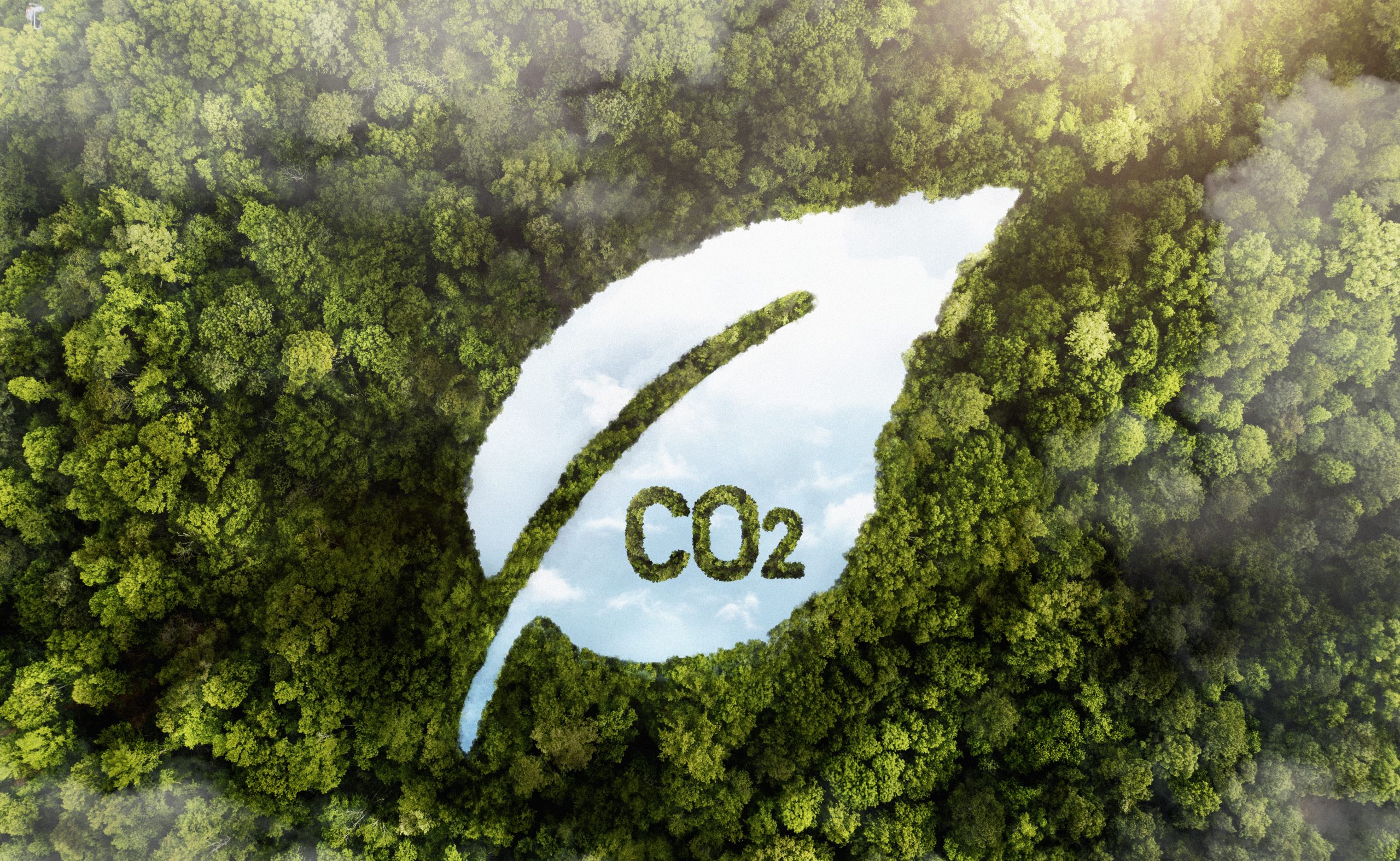
From energy retrofits to renewable integration and climate adaptation, our work helps manufacturing plants reduce emissions while improving operational efficiency and competitiveness. By combining advanced modelling, digital tools, and multidisciplinary engineering expertise, we design and implement low-carbon solutions that support the transition toward more sustainable energy models and help clients meet their climate targets with long-term performance and reliability.
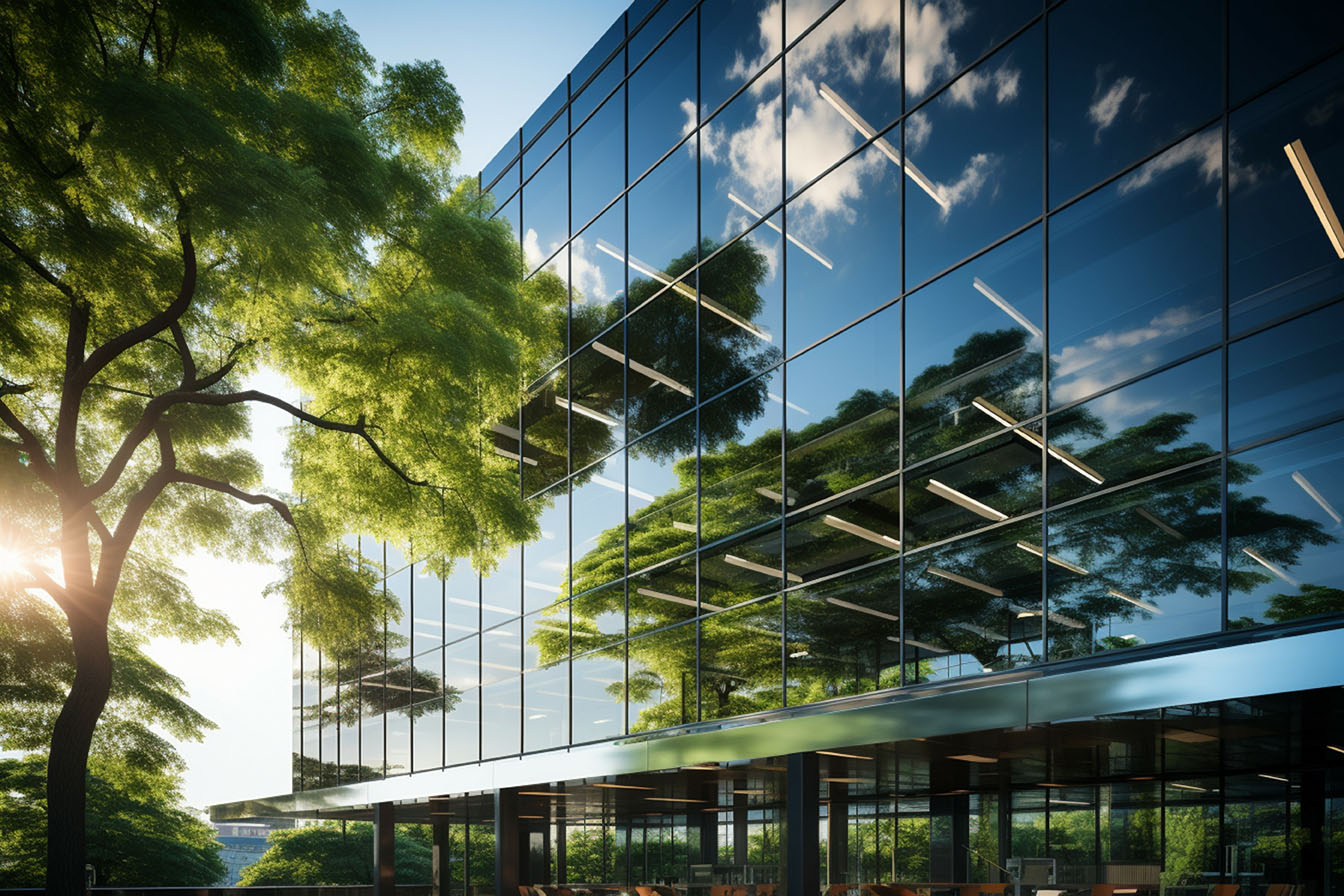
Our approach to decarbonization and climate resilience is pragmatic as well as ambitious. By embedding decarbonization strategies into existing business models, we reduce emissions while maintaining competitiveness. Every project is designed to deliver measurable energy savings, improved environmental compliance, and reduced exposure to climate-related risks, ensuring that sustainability also means financial resilience.
Sener has demonstrated its capability through diverse initiatives in Europe and beyond. In our studies on energy infrastructure retrofits, we have modelled the replacement of fossil fuels with hydrogen and ammonia, applying simulations to ensure safe and efficient transitions. In the maritime sector, our work on the decarbonisation of ports explores renewable integration, energy efficiency, and operational optimisation, helping critical hubs to reduce their carbon footprint while strengthening resilience to regulatory and climatic changes. These references highlight how we transform challenges into opportunities for cleaner, more competitive infrastructures.
Our methodology follows four key steps: assessment, optimisation, transformation, and management. During assessment, we analyse emissions, energy consumption, and exposure to climate risks across industrial operations. In optimisation, we use simulations and feasibility studies to define the most effective decarbonisation and efficiency strategies, such as process electrification, renewable integration, or waste heat recovery. Transformation includes detailed engineering, EPC management, and implementation of low-carbon solutions. Finally, in management, we monitor performance, adapt to evolving regulations, and apply predictive maintenance to ensure lasting operational and environmental results.
Our engineering integrates resilience criteria into every design stage. From heat stress to sea-level rise and extreme weather, our infrastructures are built to withstand changing climate conditions. By embedding flexibility and modularity, we ensure that assets can adapt over time, maintaining reliability and compliance even as risks evolve.
With decades of experience, Sener applies global expertise locally, from energy retrofits to sustainable ports advancing decarbonization goals.
We provide solutions that combine climate adaptation strategies with technological innovation.
At Sener, we place decarbonization and climate resilience at the heart of our engineering practice. Our projects span energy retrofits of industrial assets, integration of renewable and alternative fuels, and design of resilient infrastructures.