





 About us

 More results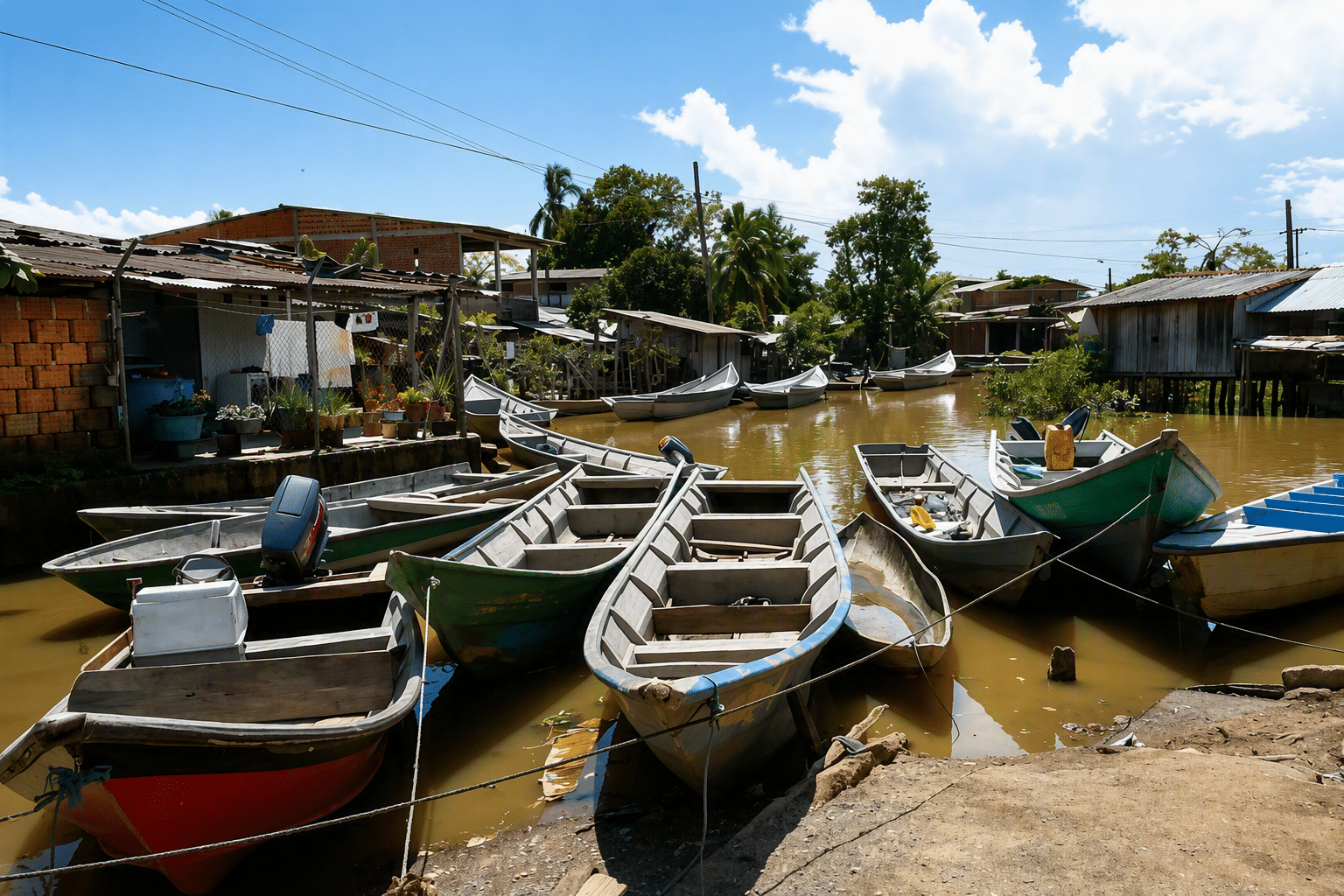
- Mobility & Infrastructures
Categories:
At Sener’s Water Technologies team, we have the opportunity to participate, as hydraulic specialists, in the update of sanitary sewerage master plans across numerous regions with highly diverse constraints, presenting a significant engineering challenge.
This is the case, for example, in regions subject to particularly complex conditions, such as high groundwater levels, saturated soils, tidal regimes that inundate the lowest-lying areas of communities, and recurring storm risks. These factors, common in areas such as the Pacific coast, make the efficient drainage of sanitary wastewater and stormwater considerably more difficult.
One of the main challenges is the presence of backwater effects and persistent groundwater levels in trenches intended for the installation of pipelines and connection chambers. This situation requires design optimisation, minimising pipe depths and gradients, and often pushes sewerage systems to the limits of compliance with sanitation regulations and fundamental operational parameters such as self-cleansing velocities.
We have accumulated a range of lessons learned that allow us to identify several characteristics and potential impacts that should be considered when developing sewerage systems in coastal areas. These are aspects that are not always fully appreciated when projects are developed solely from the office:
- Geography and accessibility. During the design phase, it is essential to consider the feasibility of transporting materials, machinery and skilled personnel to the site. In isolated communities or areas crossed by forests and major rivers, the transport of raw materials, as well as the movement of personnel and advanced technology, which are often taken for granted, can become extremely complex and costly. This requires a thorough assessment of the project environment and the adoption of simple technologies that are easy to construct and maintain, using resources that can be sourced as close as possible to the project location.
- Groundwater levels. Groundwater levels close to the natural ground surface require consideration, both in design and construction, of trench depth limitations, reduced storage capacity, groundwater flow management, and the need for auxiliary sub-drainage systems and intermediate pumping stations. In such environments, these elements are almost invariably required alongside gravity-based surface drainage systems.This situation also influences material selection due to the potential for uplift pressures, which can destabilise pipes and structures or cause flotation when lightweight materials are used. In such cases, it becomes necessary to consider anchoring solutions that are not commonly employed in low-gradient drainage systems.
- Saturated sandy or saline soils. The presence of these soils complicates the design and preparation of pipe foundations, reduces structural stability and accelerates material corrosion. In some cases, this necessitates the installation of pipelines using trenchless technologies in areas where the mobilisation of equipment is a challenge. A similar situation arises with the use of trench shoring, protective systems or permanent dewatering pumps to reduce instability risks in open excavations, as these measures can significantly increase construction costs.
Contradictions may also emerge during project development. Saline soil, which causes rapid deterioration of pipelines, would initially suggest the use of plastic pipes. However, their low weight can lead to uplift and flotation problems, making it necessary to consider cathodic protection or alternative solutions. In sewerage systems with limited budgets and located in remote areas, such options may not be viable. Under these circumstances, multidisciplinary collaboration becomes particularly important in prioritising the use of backfill materials, concrete and other readily available resources that provide greater rigidity to the foundations of pipelines and chambers while ensuring their long-term stability.
- Tidal influence. In coastal communities, it is essential to analyse how tides affect the routine operation of sewerage systems and their associated wastewater treatment plants. Studies must account for potential reverse flows and seasonal backwater effects, particularly in open channels or systems without flap gates. To achieve this, two-dimensional hydraulic analyses should be undertaken, assessing alternatives aimed at minimising their impact on system performance. These alternatives may include overflow relief structures, detention or retention basins, flow attenuation measures, or lower pipe capacity utilisation ratios. The objective is to reduce the risk of overflows through chambers, manholes and gullies that could affect urban areas.
- Hydraulic constraints. How can municipal regulations be met when so many real-world constraints exist on site?In this context, the experience of the various stakeholders, including designers, supervisors, inspectors and sewerage system operators, plays a critical role, as does their understanding of both design and operational requirements. By applying sound engineering practice, it is possible to reach technical agreements when genuine constraints arise that are not contemplated in general regulations. In this way, an acceptable level of system performance can be achieved without unnecessary oversizing merely because certain minimum or maximum parameters, such as minimum flow velocities, shear stresses or short-term backwater conditions that do not lead to external flooding, are not fully met. It is also important to remember that these systems operate under low-flow conditions for most of their service life. In economically fragile regions, it is essential to assess the cost-benefit balance of a system that will operate at full capacity only a few times each year.
- Extreme rainfall events. Adding to this combination of constraints and impacts is climate change, which is expected to increase the intensity of rainfall events, with positive variations projected over the next 50 years. This raises the need not only to increase the capacity of sewerage systems but also to assess the consequences for wastewater treatment plants. These facilities receive excessive flows and diluted pollutant concentrations from combined drainage systems, which may ultimately require the discharge of potentially contaminated overflow volumes into receiving water bodies.
How can we achieve success in these projects? Given the large number of variables involved, the following aspects should be considered as a starting point:
- Greater community involvement. The primary stakeholder and beneficiary of the system, the local population, should be more actively involved. They are the people who best understand local challenges and needs. To achieve this, it is advisable to organise meetings that go beyond information sharing and public consultation, actively integrating community concerns and expectations. The aim is to develop the best possible project, capable of addressing both user needs and the requirements of the contracting authority.
- Direct knowledge of the project area. In an increasingly virtual working environment, where much of our project development takes place from behind a desk, site visits by designers and direct familiarity with local conditions remain fundamental. Carrying out field inspections and maintaining a local presence, capable of providing real-time photographs and videos to verify critical points and relevant areas, is vital for developing solutions that are genuinely aligned with site-specific requirements.
- Engineering and modelling approaches. From an engineering perspective, hydraulic modelling should be undertaken at an early stage to identify critical backwater locations and evaluate system behaviour under extreme conditions. The integration of Sustainable Drainage Systems (SuDS), such as constructed wetlands and infiltration trenches, should also be considered to reduce flooding risks and lessen pollutant loads within the drainage network.Furthermore, drainage systems should be integrated with coastal defence infrastructure, including seawalls, breakwaters and natural barriers. The installation of non-return valves and pumping stations should also be considered to prevent backflow and facilitate water evacuation during high tides.
Stormwater drainage in coastal areas is a complex undertaking that requires rigorous planning, adaptation to local conditions and consideration of climate change impacts. Backwater effects and construction difficulties are unavoidable challenges, but they can be mitigated through appropriate technical solutions, durable materials and an integrated territorial approach.
Investment in this type of infrastructure is essential to ensure the resilience and liveability of coastal communities in the face of extreme weather events.
At Sener, we have specialists across all the disciplines involved in this type of project and provide an integrated service capable of addressing the complexities described above. We do so with the assurance that all available optimisation opportunities and technical alternatives have been thoroughly assessed. In addition, our presence across multiple geographies enables us to understand local constraints first-hand and deploy teams on the ground to gain direct insight into the specific characteristics of each location.
- water
Tags:
Author

Freddy Leveri
A civil engineer specializing in environmental sanitation and with a master's degree in hydrology and water resources management, he has 20 years of experience in the fields of hydrology and hydraulics, with extensive experience in linear infrastructure projects, design and coordination of urban and rural drainage system studies, hydrological studies, and channel flooding studies.

