





 About us

 More results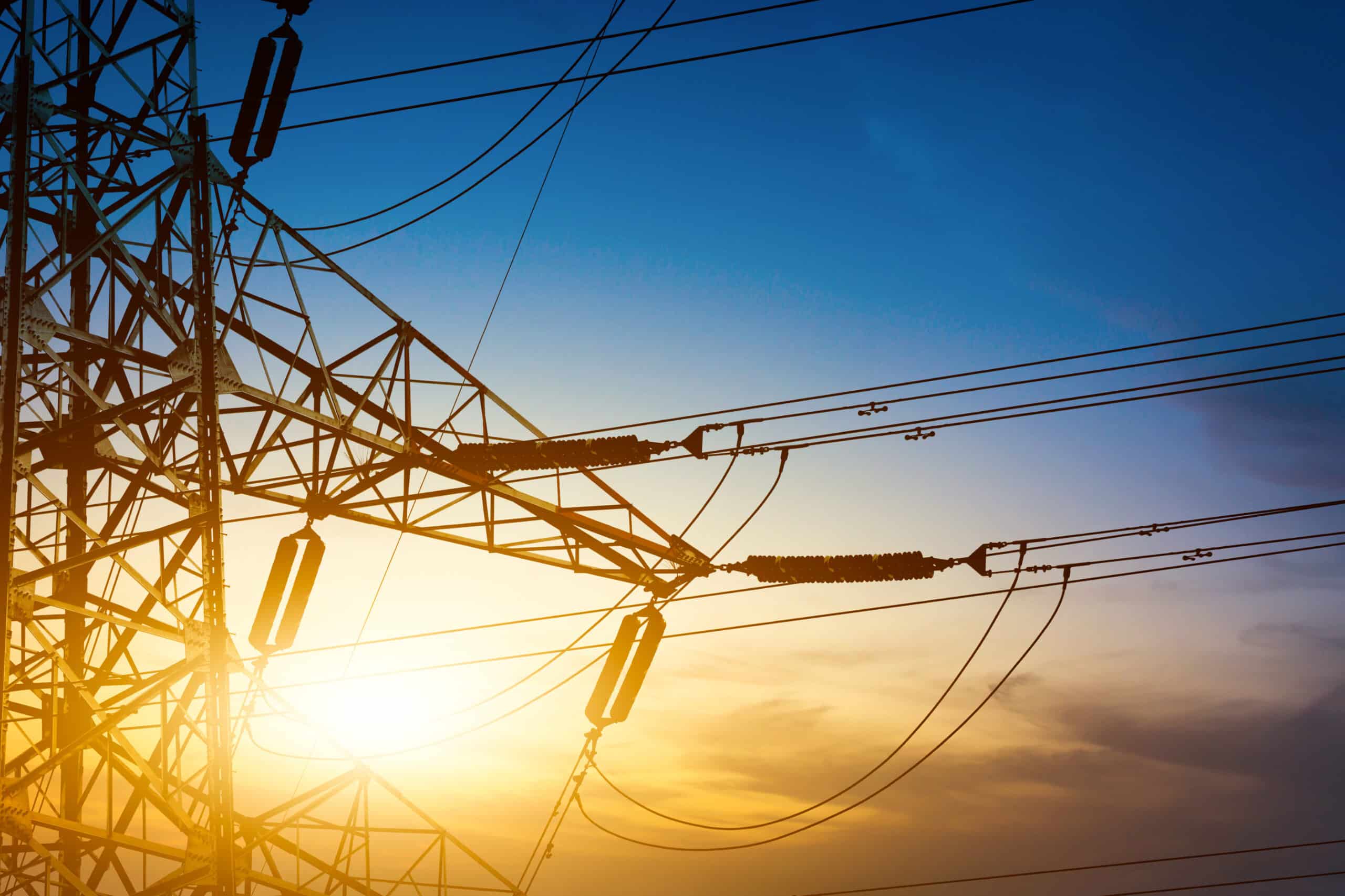
- Data Centers
Categories:
The data centre industry is experiencing unprecedented growth, driven by the acceleration of digitalisation, the large-scale rollout of cloud services and, most notably, the emergence of energy‑intensive workloads associated with artificial intelligence. In this context, the sector’s main challenge is to secure access to the electrical power required to meet this growing demand in a reliable, competitive and sustainable way.
The need for large volumes of energy, with high levels of availability and power quality, is putting electrical systems under strain in many countries. In markets such as Spain, where the installed base of data centres is still relatively small compared with more mature regions such as the United States or the FLAP countries, this rapid growth is exposing structural limitations both in electricity network planning and in the regulatory frameworks governing access to power capacity.
Added to these limitations is administrative complexity. The processing of permits, environmental approvals and grid connections has become a critical factor that directly affects the feasibility and development timelines of new projects. A lack of agility and coordination between different public authorities introduces uncertainty at early stages of projects, making decision‑making and long‑term planning more difficult for developers and operators.
In this scenario, the two main challenge areas for the data centre industry are clearly energy and permitting. Both are closely interlinked and require an integrated approach. It is not simply a question of having sufficient power available, but of securing it in a way that is compatible with decarbonisation objectives, system stability and the social acceptance of this type of infrastructure.
In response to this context, the sector is beginning to explore alternatives to traditional strategies. These include specific regulatory frameworks that allow projects deemed strategic to be prioritised, as well as new models for energy production and management. The integration of renewable generation, the use of energy storage systems, long‑term power supply agreements and even hybrid solutions combining different energy sources are gaining importance during the conception and design phases of data centres.
However, this evolution is not without its challenges. The data centre industry has historically relied on highly standardised, proven and optimised solutions designed to minimise operational risk. Adopting new energy and regulatory models introduces greater technical, contractual and operational complexity, which represents a particularly significant challenge for operators with well‑established business models.
Achieving the right balance between innovation, reliability and profitability therefore becomes a key factor. Data centres must continue to guarantee the highest levels of availability and security, while adapting to an increasingly demanding and rapidly changing energy and regulatory environment. Successfully addressing this challenge will be crucial if the sector is to maintain its growth momentum and consolidate its role as critical infrastructure for the digital economy.
Header image: Magnific.com

Siddharta Aldavero
Siddharta Aldavero is an engineer specialising in electrical systems for data centres and Head of the Electrical Department at Quark (Sener Group). He leads the design and development of electrical solutions for critical infrastructure, with a focus on service continuity, resilience and operational efficiency. He has extensive experience in data centre projects, where he coordinates technical teams and applies advanced electrical modelling and calculation tools to ensure performance in highly demanding environments.

