




 About us
 More results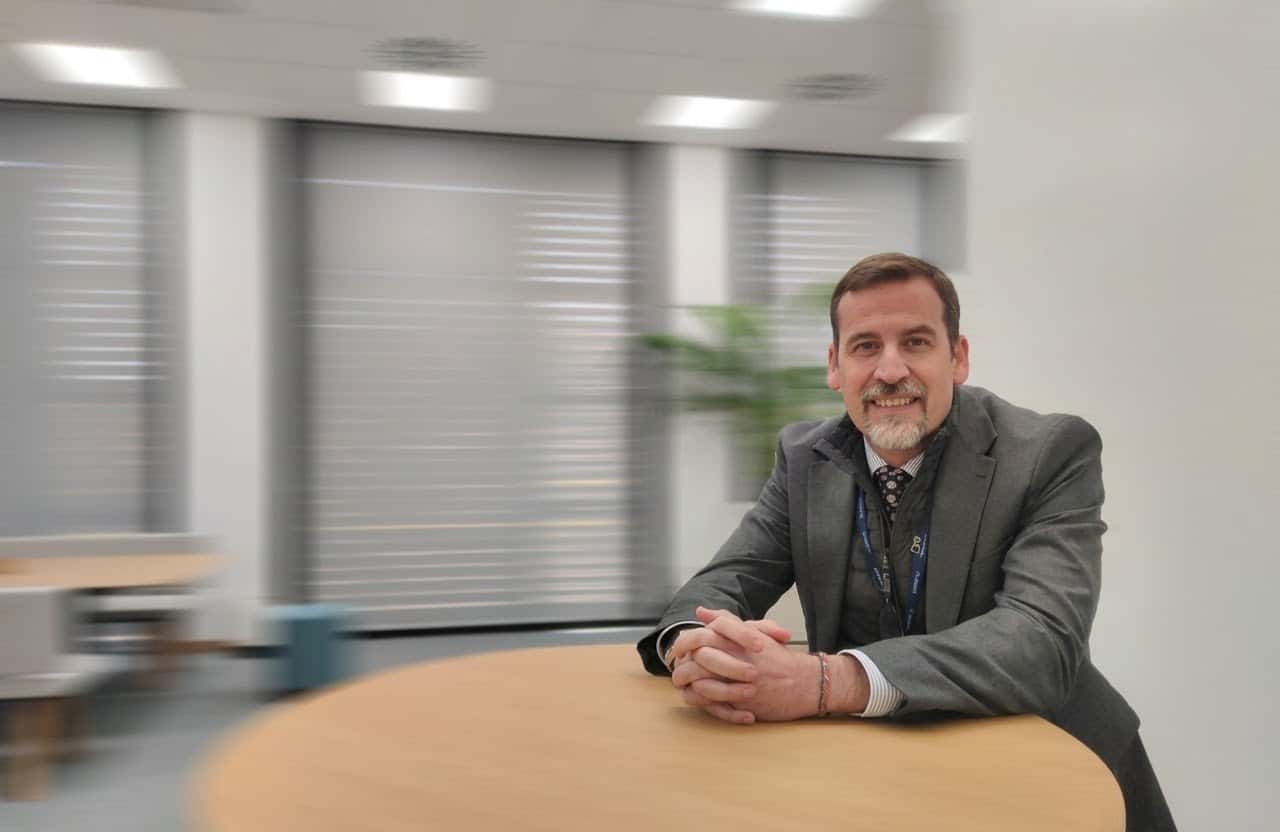
- The mind behind the project
Categories:
What inspired you to start your career in human resources?
Human resources combines strategy and empathy, and I was attracted to the idea of helping to create environments where people can grow and give their best. Anglo-Saxons say that if you take care of your employees, they will take care of your customers, and your customers will take care of your shareholders; so, as I see it, it all begins with looking after your employees. Behind every company´s result are people. And I have always been interested in understanding what motivates people, how good support and adequate development can make a difference for both the individual and the organisation.
What attracted you to Sener?
What motivated me most was the project itself. The People Management team was at a key moment, with the challenge of professionalising the function and evolving it towards a more strategic role. The company was firmly committed to growth, investing in talent and bringing in new people, which made it necessary to consolidate a proactive department capable of anticipating the needs of the business and providing real and sustainable value to the organisation.
It all begins with looking after your employees.
Regarding People & Culture department, what programmes would you highlight that set us apart from the competition?
Anyone familiar with the best practices of other leading multinationals will see that, after years of hard work, we have achieved standards comparable to those of the best companies. We have an innovative and competitive remuneration policy; benefits that improve the employee experience, such as S-Reward and S-Working; a performance management model that allows us to recognise those who contribute the most value; leadership programmes to ensure our managers are excellent leaders; and development programmes for different groups, such as our Youth Talent Programme (YTP) and our Connect programme. We invest significantly in training and developing our workforce and in managing knowledge to successfully meet future challenges. We have created organisational clarity by establishing and publishing an effective job structure that makes it easier to set expectations for possible growth trajectories, and we always do so with a sincere concern for diversity, equality and inclusion.
What has been your progression since you joined Sener? What are the most notable projects you are currently working on?
I understand progression as the process by which you gain confidence to have the autonomy necessary to make the decisions that fall within your remit in accordance with your responsibilities. In this sense, I have been very fortunate, because I have always had a team of colleagues and a working environment where we can innovate, where we can make mistakes and learn, and where we must continually adapt to keep improving things. I don’t think you could ask for anything better. Currently, the creation of Corporate Services—which has allowed us to expand the scope of our support to all businesses—and the implementation of several Success Factors modules are projects that are keeping us very busy.
How do you think the projects you work on influence the world or society today/in the future?
I believe that the projects I work on influence it in two ways. Firstly, because we develop professionals so that, over time, they become more capable and can personally reap the rewards of that development; and secondly — even more importantly, if possible — because those professionals are the ones who transform the world by challenging the limits of technology.
How do you keep up to date with general knowledge and trends in your sector?
I try to maintain a healthy network of contacts, attend webinars of interest, follow several blogs and websites related to the industry, and I usually attend the most relevant annual human resources events whenever I can.
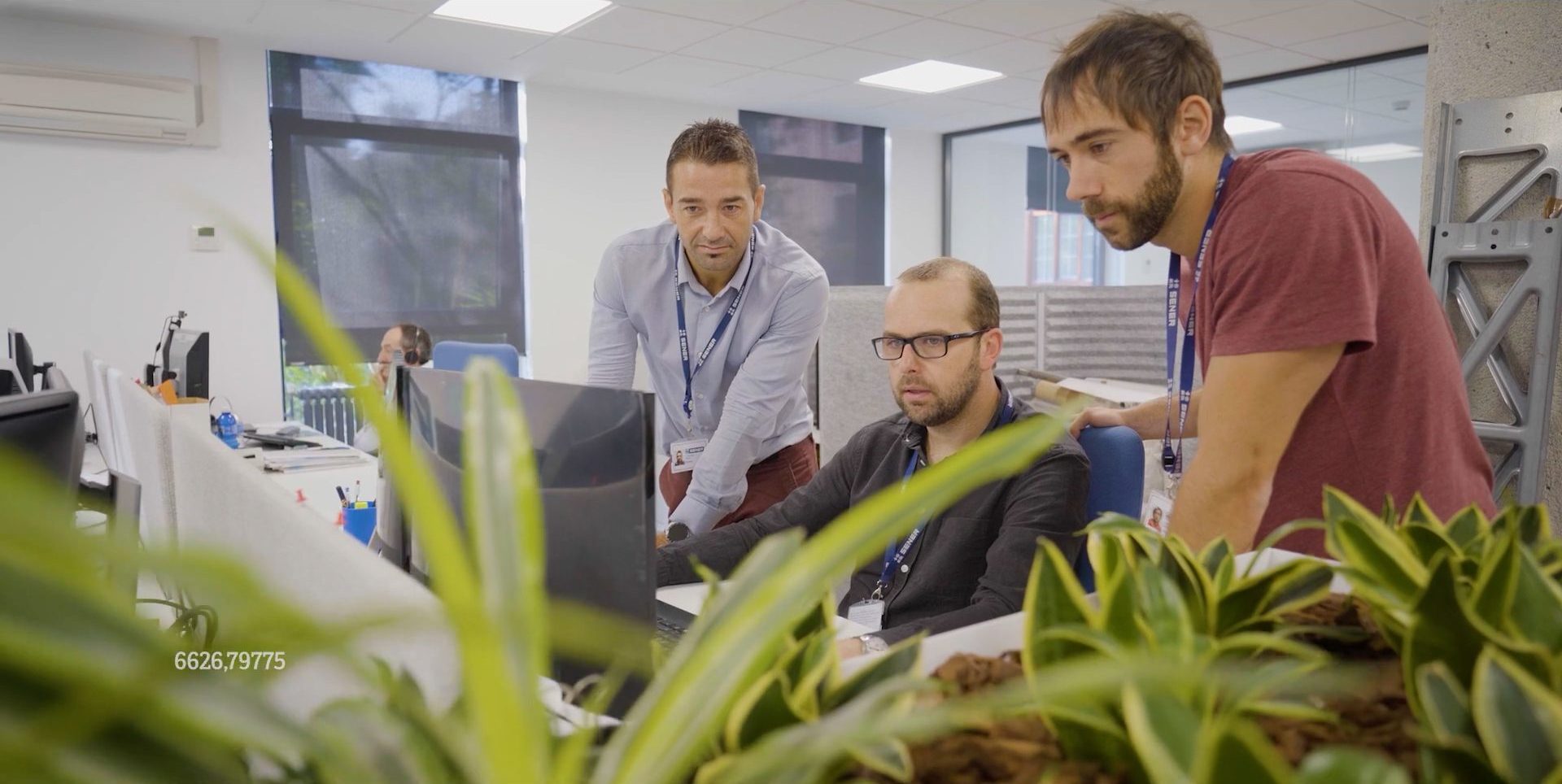
Sener stands out for the human qualities of its people.
In your opinion, what sets Sener apart from its competitors?
Undoubtedly, the human qualities of its people. There is a strong culture of collaboration, technical rigour and commitment, where knowledge is shared and teamwork is key to tackling complex projects. That combination of professional excellence and values is what really makes the difference.
What new challenges do you see yourself working on in the medium term?
In the coming years, environments will become increasingly changeable and uncertain, and in People Management we will have the challenge of being close to, listening to and accompanying people so that they feel secure, understood and part of the journey. Beyond policies or benefits, the real challenge will be to create environments where people feel cared for, valued and connected to a common purpose. We will play a fundamental role in promoting more human leadership styles that reinforce collaboration and a sense of belonging. So, any project that aims to accomplish all of this will be welcome.