





 About us

 More results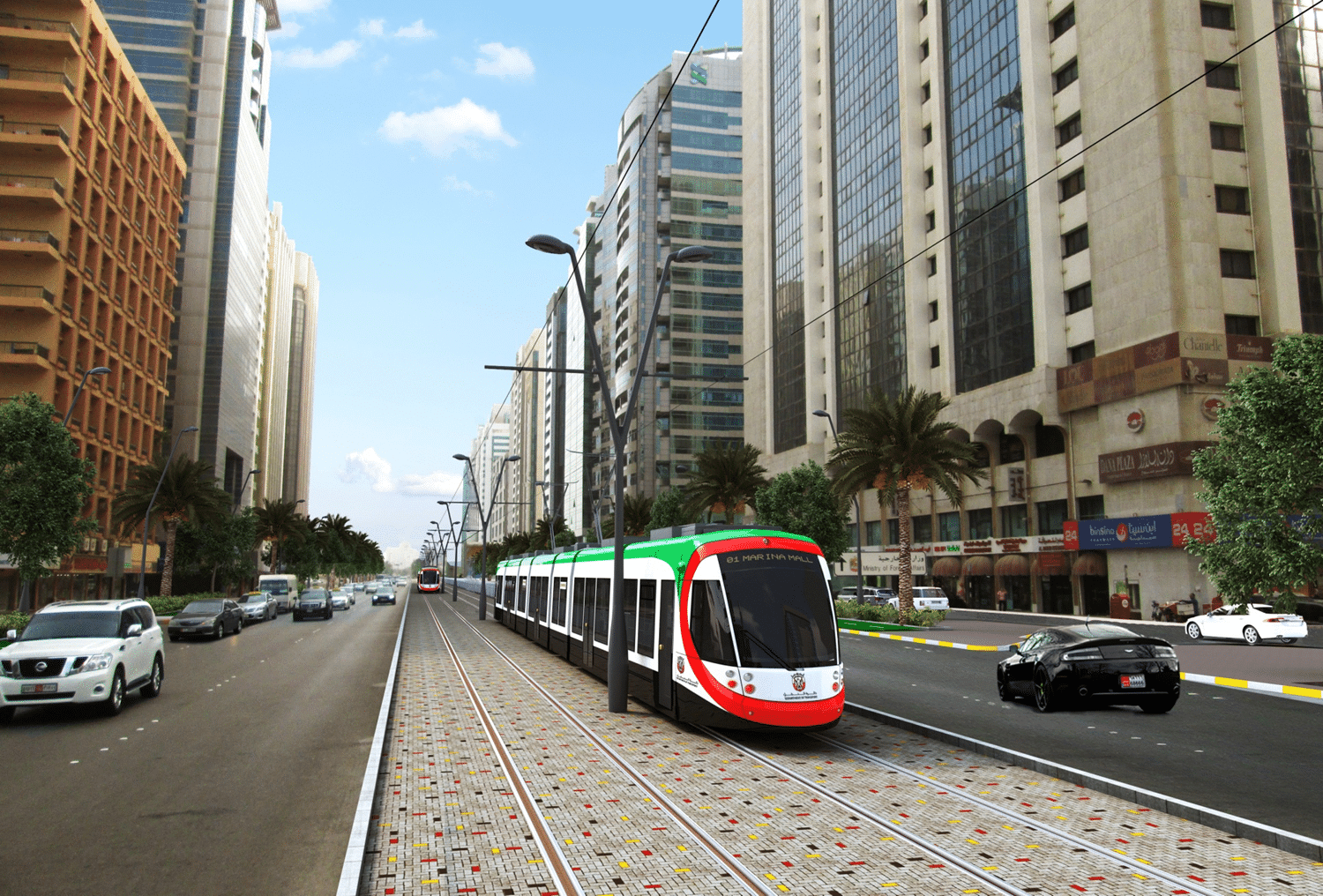
- Mobility & Infrastructures
Categories:
Every city is different. Its mobility needs, climate, urban form and priorities can vary enormously from one place to another. Yet when some of the world’s most successful tram systems are examined, a number of common principles emerge that go far beyond the railway infrastructure itself.
Accessibility, integration with other modes of transport, the quality of the user experience, adaptation to the local environment, enhancement of public space and the ability to contribute to the city’s future development are all factors that often make the difference between a tram line that simply transports passengers and one that becomes a genuine catalyst for urban transformation.
Because a tram can do far more than move people from point A to point B.
It can help reorganise a street, reclaim space for pedestrians, connect previously isolated neighbourhoods, facilitate transfers between different modes of transport, improve universal accessibility and stimulate new urban developments. Ultimately, it can help create a city that is more liveable, more sustainable and better connected.
That is why, when planning a tram system, we should not begin by asking only about its speed, capacity or even the alignment of its tracks. The most important question is another one altogether: what kind of city do we want to help build?
The passenger must always come first
Transport projects can sometimes run the risk of focusing too heavily on infrastructure. Discussions revolve around technologies, electrification systems, track typologies, rolling stock or operational performance. All of these elements are important, of course. However, no technical decision makes sense unless it responds to the real needs of the people who will use the system.
Putting the passenger at the centre means understanding how people travel, how far they are willing to walk, how they transfer between different modes of transport, and which factors influence their perception of quality and comfort.
Universal accessibility, clear information, ease of use and the comfort of stations are not secondary considerations. They are at the very heart of the system. Indeed, in many cases, they are the factors that determine whether a citizen chooses public transport or continues to rely on a private vehicle.
For this reason, the best tram projects are not designed solely from a railway engineering perspective. They are designed around the entire travel experience.
Multimodality is not optional
An isolated tram system rarely reaches its full potential.
Cities function as complex ecosystems in which different modes of transport must complement one another. Trams should be integrated with bus, rail and metro networks, active mobility options and, increasingly, new shared mobility solutions.
This integration should not be limited to the existence of physical connections between modes. It must be reflected in transfers that are comfortable, intuitive and attractive to users.
When a station enables easy movement from one mode to another, when information is clear and when pedestrian routes are direct and accessible, the entire system performs better.
In reality, travellers do not use trams, buses or trains independently. They use a city. And they expect that city to operate as a single, coherent system.
Public space travels with the tram
One of the most interesting aspects of many modern tram projects is that their most visible impact is not always found on the tracks themselves.
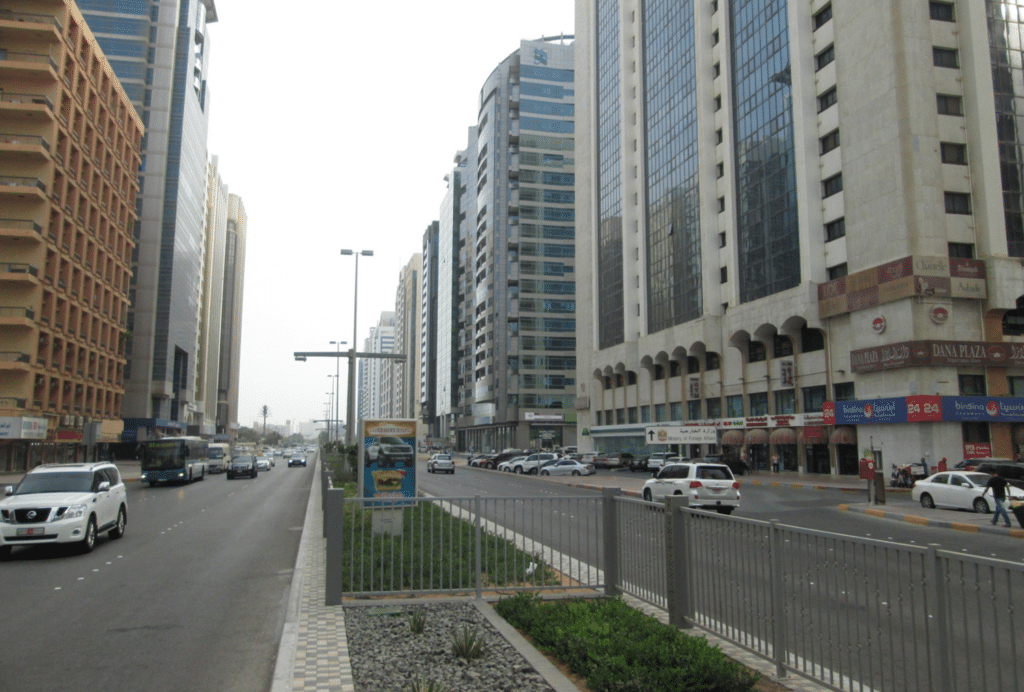
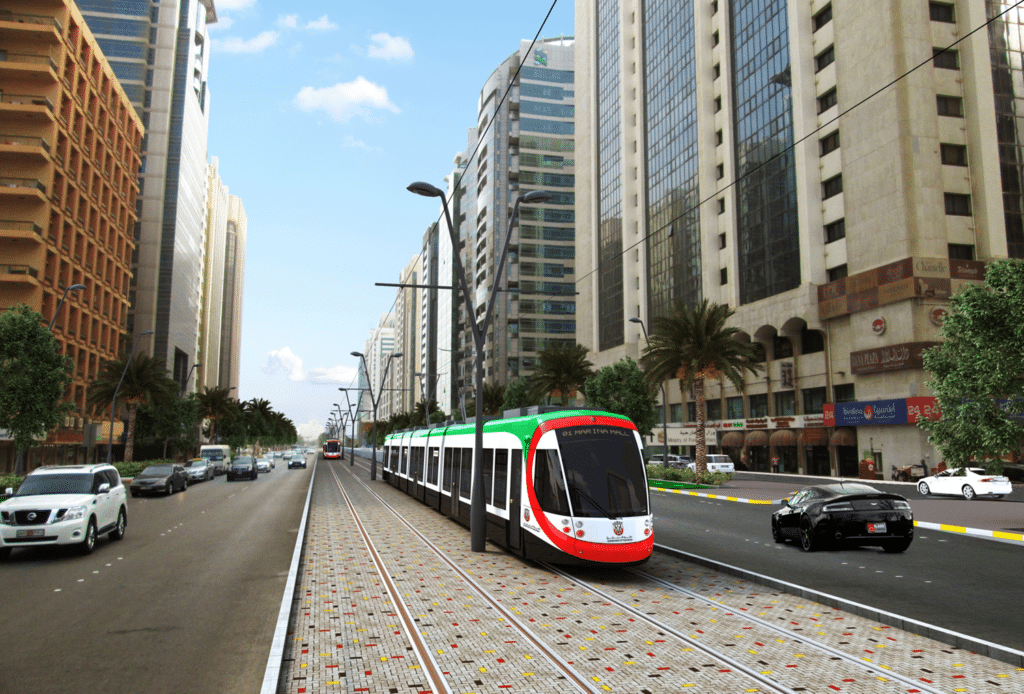
The implementation of a tram line often becomes an opportunity to completely rethink the urban corridors through which it runs. Wider pavements, new pedestrian spaces, improved accessibility, landscaping, urban greening and traffic reorganisation are all interventions that, in many cases, generate benefits just as significant as the transport service itself.
This approach, referred to in some projects as a “building-to-building” design philosophy, treats the street as a complete system rather than merely the physical support for infrastructure.
When approached in this way, the tram ceases to be an addition to the urban environment and instead becomes a tool for transforming the city.
And that transformation often endures for decades.
Every climate requires different solutions
Although the fundamental principles are similar, every city presents specific conditions that must be understood and addressed from the earliest stages of a project.
In some cities, the main challenge may be extreme cold, snow or ice. In others, heavy rainfall. Elsewhere, heat, solar radiation or humidity may be the dominant concern.
The answer is not to apply standardised solutions, but to design systems adapted to their context.
In projects developed in regions with high temperatures, for example, shade, protection from solar radiation and the climate control of certain waiting areas may become essential functional requirements. In cities with severe winters, priorities will be different, but the objective remains exactly the same: ensuring that the user experience remains comfortable and attractive throughout the year.
Climate should not be treated as a secondary constraint. It must form part of the system’s definition from the very beginning.
Thinking about the next hundred years
Urban transport projects possess a unique characteristic: they outlive the people who design them.
The decisions taken during the early stages will influence the way a city functions for decades to come. For that reason, adopting a long-term perspective is essential.
A tram system does not merely respond to today’s demand. It also influences the location of activities, the evolution of neighbourhoods, urban growth patterns and future mobility decisions.
In many cases, the very definition of a high-capacity transport corridor can guide investment, attract new developments and contribute to creating more cohesive and sustainable urban environments.
This is why transport planning should be understood as a tool for city-building, not simply as a response to mobility challenges.
True optimisation
There is a natural tendency to associate optimisation with cost reduction.
However, in complex urban projects, true optimisation often consists of finding the right balance between multiple objectives that can sometimes appear contradictory.
Accessibility, urban integration, public realm quality, user experience, environmental sustainability, operational efficiency and economic viability all form part of an equation far broader than simply minimising initial investment costs.
The question should not only be how much a solution costs, but also what value it generates for the city throughout its entire lifecycle.
And that broader perspective requires looking beyond the infrastructure itself.
Much more than transport
The world’s most successful tram systems share one common characteristic: they were not conceived solely to move passengers.
They were designed to improve cities.
Behind them we find urban planning, architecture, engineering, sustainability, operations and user experience working together towards a common goal.
Because a tram can be transport infrastructure.
But it can also be a tool for transforming neighbourhoods, connecting communities, reclaiming public space and guiding a city’s future growth.
This holistic vision, in which the passenger remains at the centre of every decision and transport is understood as part of a wider urban system, has guided some of the most successful urban mobility projects of recent decades. And it is also the way Sener has approached the development of urban transport systems for more
Author

Joaquín Botella
Joaquín is Chief Technical Engineer at Sener. He has experience in all types of railway projects in Spain and other countries such as Australia, Portugal, France, Ireland, Poland, Hungary, the United States, Chile, Mexico, the United Arab Emirates, Qatar, and Oman. He has decades of experience in the design, operation, maintenance, and functionality of all types of railway systems, and has given over 25 presentations and presentations at international conferences and exhibitions.

