





 About us
 / section
Careers
Careers / section
News & events
News & events / sectionCountries section
About us
About us / section
Careers
Careers / section
News & events
News & events / sectionCountries section
About us
About us / section
Careers
Careers / section
News & events
News & events / sectionCountries section
About us
About us / section
Careers
Careers / section
News & events
News & events / sectionCountries section


 More results

Sener will lead the R&D project CONexión Eléctrica en Corriente Continua MARina (CONECCMAR, Marine High-Voltage Direct Current Electrical Connection), in consortium with leading technology partners Seaplace, Instituto de Investigación Tecnológica (Universidad Pontificia Comillas), CoreMarine, Deep Insight Blue and Ravenwits. The project will be supported by an advisory group composed of Acciona Energía, Naturgy and Navantia Seanergies. It has also received the support of Redeia through a letter of endorsement.
Co-financed by the Community of Madrid and the European Regional Development Fund, the project is part of grants aimed at promoting public–private cooperation in R&D&I through consortium-based flagship projects.
Sener leads a consortium made up of the engineering and technology group and specialised entities Seaplace, Instituto de Investigación Tecnológica (Universidad Pontificia Comillas), CoreMarine, Deep Insight Blue and Ravenwits to implement the R&D project CONECCMAR. This program, aimed at developing the next generation of high-voltage direct current (HVDC) offshore electrical infrastructure, is a key element for the deployment of offshore wind energy in Europe. The project will receive strategic support from an advisory group composed of Acciona Energía, Naturgy and Navantia Seanergies, who will provide their expertise to align the program’s developments with current and future challenges in the electricity system and energy sector. Likewise, Redeia has demonstrated its interest in the project through a letter of endorsement.
The goal of CONECCMAR is to generate new scientific and technological knowledge in the field of marine high-voltage direct current electrical infrastructure, through applied research in three main areas: HVDC floating substations based on advanced concepts; compliant fixed structures for deep-water applications; and hybrid multi-terminal HVDC offshore interconnection nodes. Over the next two years, the consortium will focus on these three research areas to lay the technical and functional groundwork for the next generation of technologies designed to perform in challenging offshore environments.
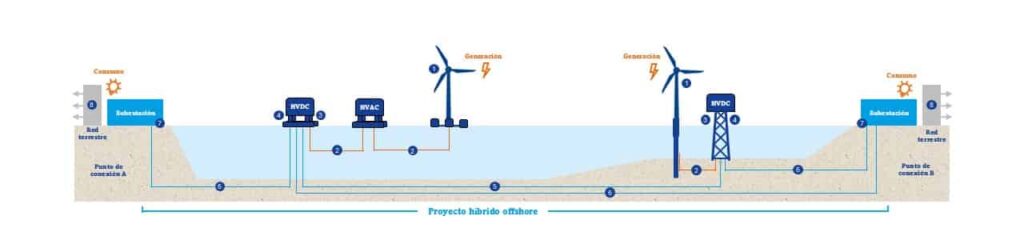
Schematic representation of a hybrid offshore energy link integrating fixed‑bottom and floating wind farms with both HVAC and HVDC transmission systems, connecting multiple offshore substations to onshore grids at two independent landing points.
The initiative aligns with Europe’s goals for decarbonisation and climate neutrality, which require advanced offshore infrastructure capable of integrating new deep-water wind farms and enabling hybrid multi-terminal systems that combine renewable power evacuation and transnational electrical interconnection at a single node.
The project is co-financed by the Community of Madrid (CTVI) and the European Regional Development Fund (ERDF) through a grant program that promotes public–private cooperation in R&D&I via consortium-based flagship projects (no. 59/317816.9/25).
This alliance represents a significant step forward in developing the offshore electrical grids that Europe will need in the coming years and strengthens Spain’s role as one of the leading countries driving the technologies that will power the energy transition.

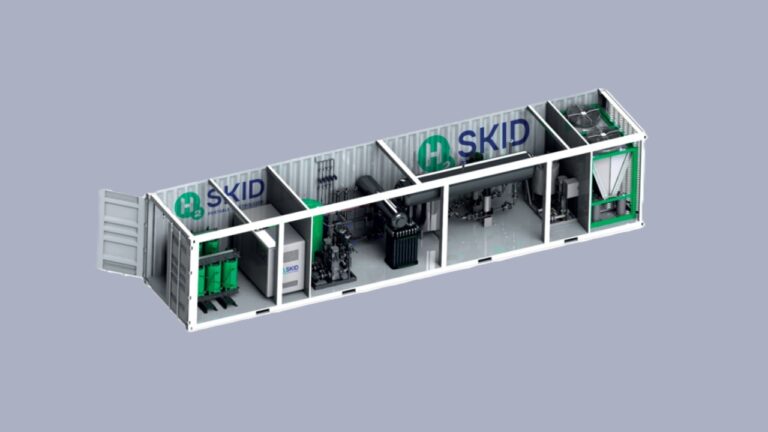
Sener contributes to the design of the first portable, containerised electrolyser developed in the Basque Country
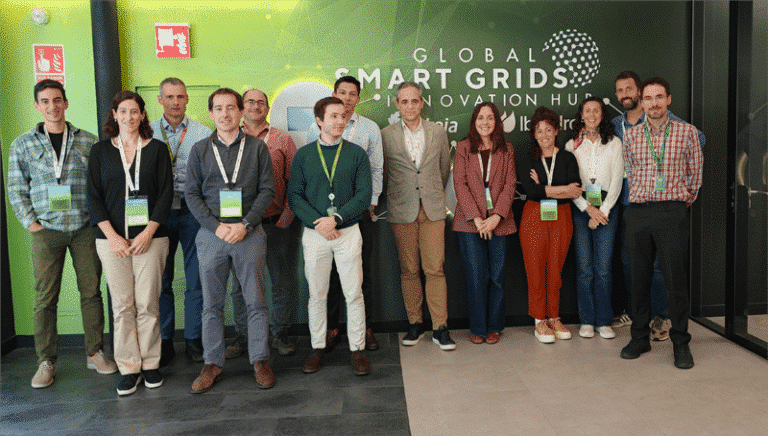
Ten Basque companies join forces to address the saturation of electricity grids
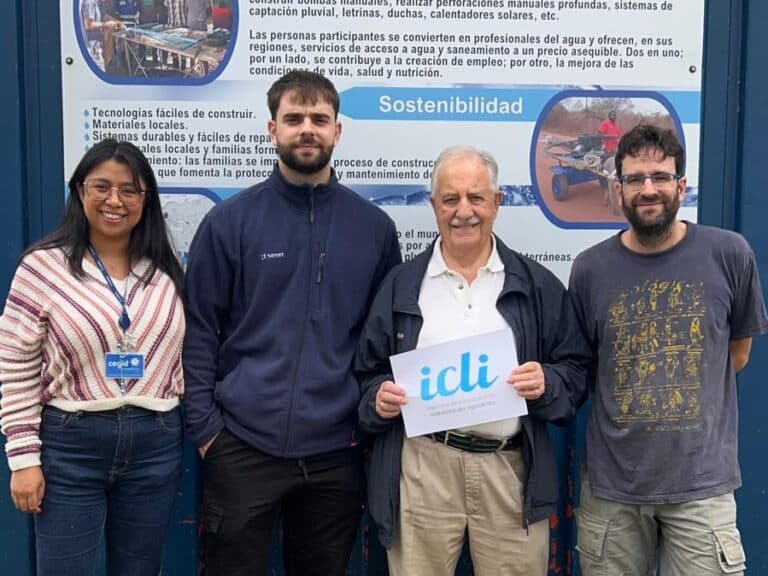
Sener Foundation, ICLI and TADEH join forces to improve access to water in rural and vulnerable communities
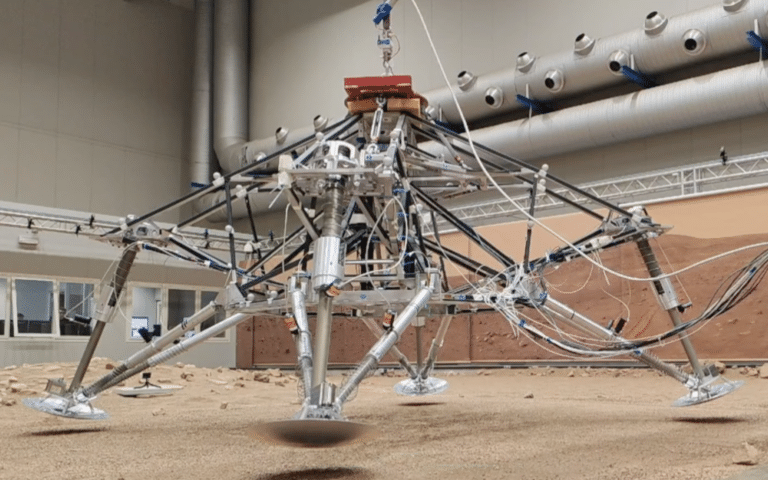
Sener advances qualification of the Rosalind Franklin rover landing gear ahead of its journey to Mars in 2028