






 About us

 More results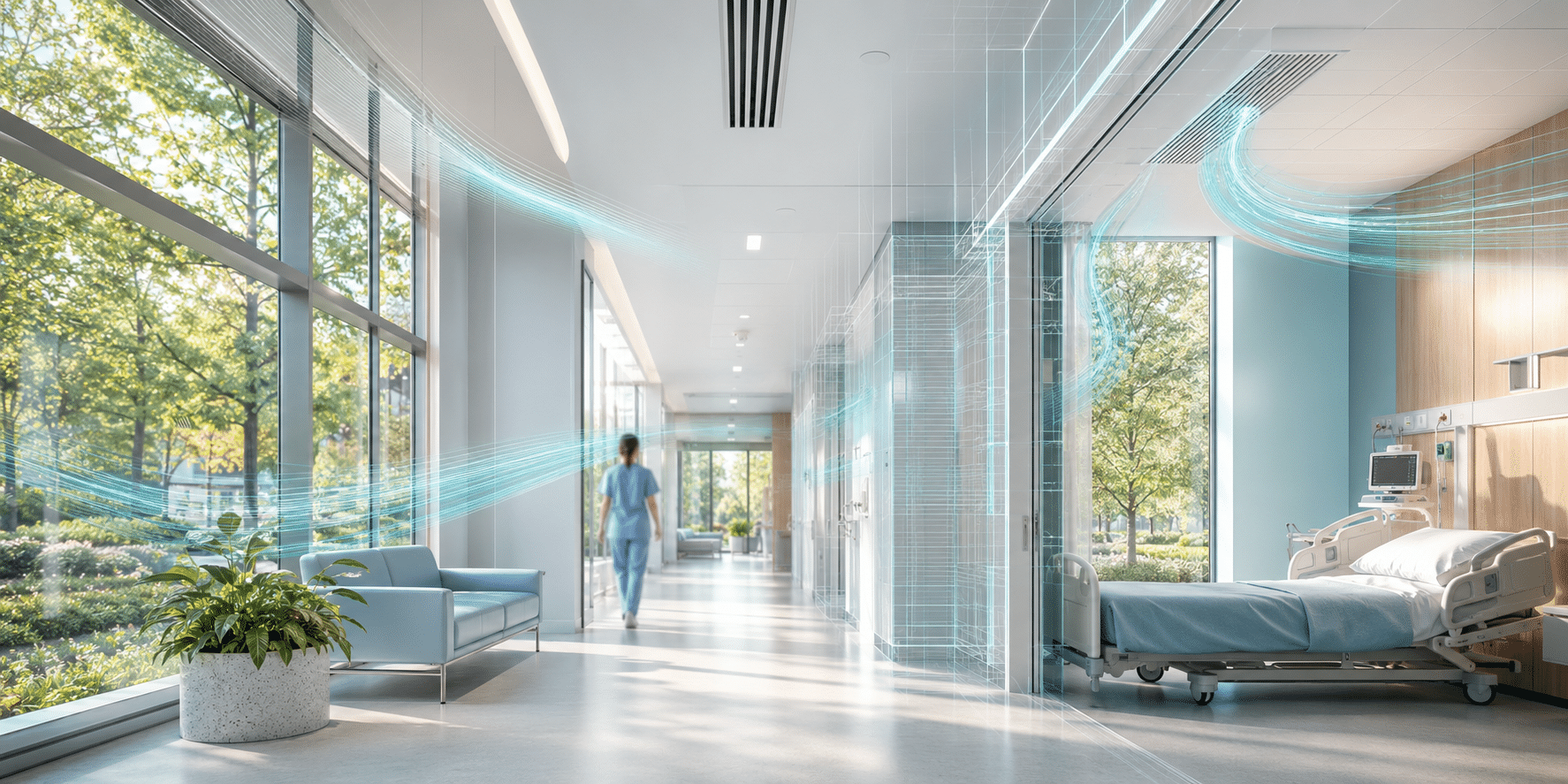
- Digitalization
Categories:
When health takes priority over energy efficiency
Traditionally, building energy management has focused on maximizing efficiency and minimizing consumption. In a hospital setting, however, this logic changes. Protecting human health must take precedence over any other consideration.
Within this context, the Cognitive Hospital project is exploring a new approach to healthcare infrastructure management, where energy is no longer viewed solely as a resource to be optimized, but rather as a tool for safeguarding health.
When there is a risk of the spread of respiratory diseases such as COVID-19, influenza (flu), or respiratory syncytial virus (RSV), increasing ventilation rates, enhancing air filtration, or adjusting climate control parameters may lead to higher energy consumption. Nevertheless, this additional cost may be necessary—and even desirable—if it contributes to reducing the risk of infection.
The challenge lies in finding the right balance between sustainability, operational efficiency, and healthcare safety.
A digital twin for anticipating epidemiological risks
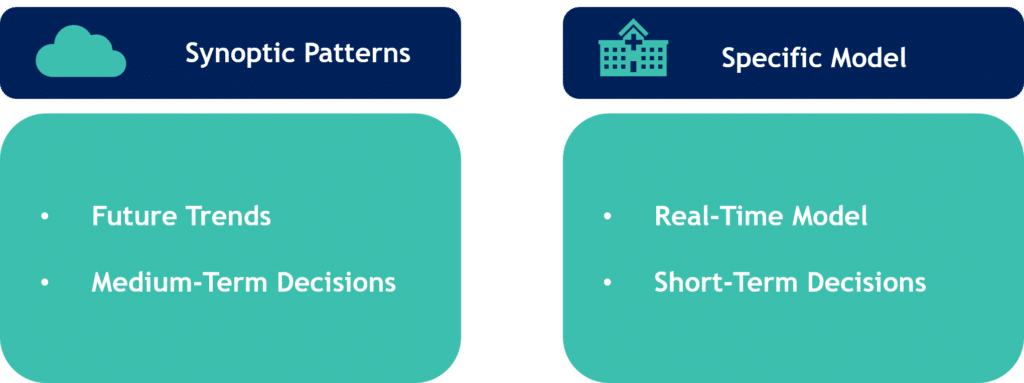
One of the most innovative developments within the project is the creation of an AI-powered environmental digital twin.
This virtual model replicates the behavior of both the hospital environment and the external context, integrating variables such as:
- Indoor and outdoor climate data.
- Indoor and outdoor aerosol data.
- The epidemiological situation in the surrounding area.
By combining these data sources, the system can identify patterns and anticipate potential risk scenarios weeks in advance.
This predictive capability enables a shift from reactive management to a preventive strategy. Before an increase in cases becomes clinically evident, the hospital can adjust its operating conditions to minimize the risk of disease transmission.
Air quality as a health indicator
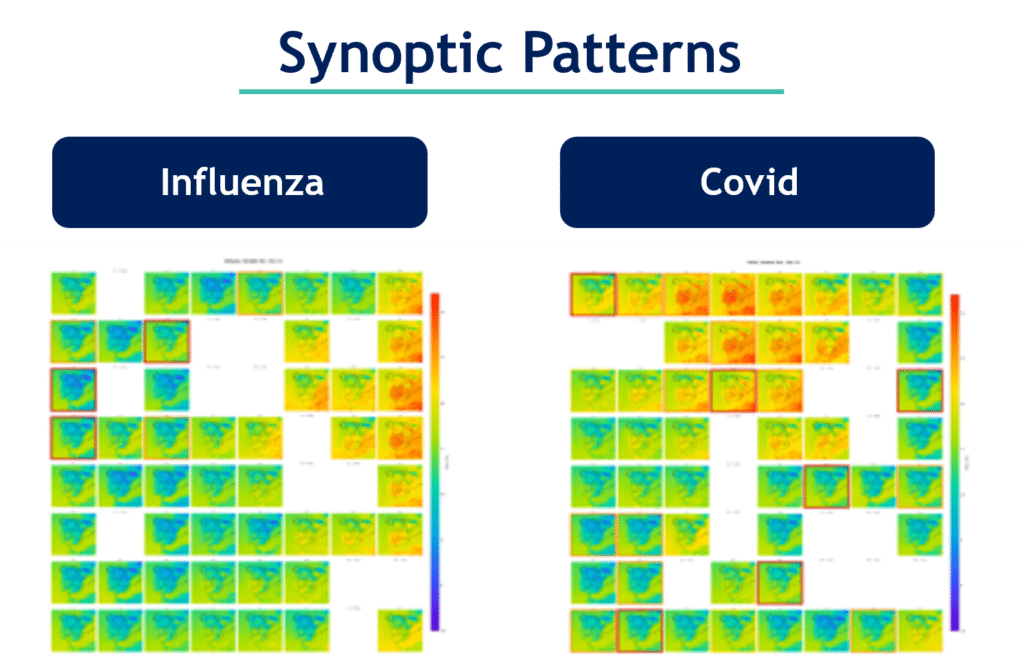
The model correlates environmental information with epidemiological data to generate preventive alerts that support decision-making.
When a potentially unfavorable situation is detected, specific measures can be activated, including:
- Increasing air exchange rates.
- Adjusting ventilation airflow volumes.
- Strengthening air filtration systems.
- Modifying the operation of specific hospital areas.
In this way, facility management becomes an active tool for disease prevention and healthcare risk control.
Indoor risk: a key variable
In addition to monitoring outdoor conditions, the project analyzes the behavior of the hospital’s indoor spaces.
To achieve this, a room-specific risk index has been developed, incorporating factors such as:
- Number of occupants.
- Average occupancy duration.
- Environmental conditions within the room.
- Available ventilation.
- Functional use of the space.
Based on this information, cumulative risk curves are generated to identify the most sensitive areas and support the implementation of targeted corrective measures.
A new paradigm for the hospitals of the future
The project’s main conclusion is that energy management and healthcare management can no longer be treated as independent domains.
By combining environmental monitoring, predictive models, artificial intelligence, and epidemiological analysis, the Cognitive Hospital introduces a new paradigm in which building operations are dynamically adapted to the actual risk of disease transmission.
The result is a smarter infrastructure, capable of providing enhanced protection for both patients and healthcare professionals, optimizing the use of available resources, and advancing toward a hospital model that is safer, more resilient, and more sustainable.
- Energy management
Tags:

José María Navarro Muñoz
José María is an Industrial Engineer specialising in automation systems, intelligent buildings, digital twins, and IT/OT integration. He has more than 15 years of experience in installations, control systems, and energy efficiency, and has been involved in the development and optimisation of solutions for complex buildings and infrastructure.

